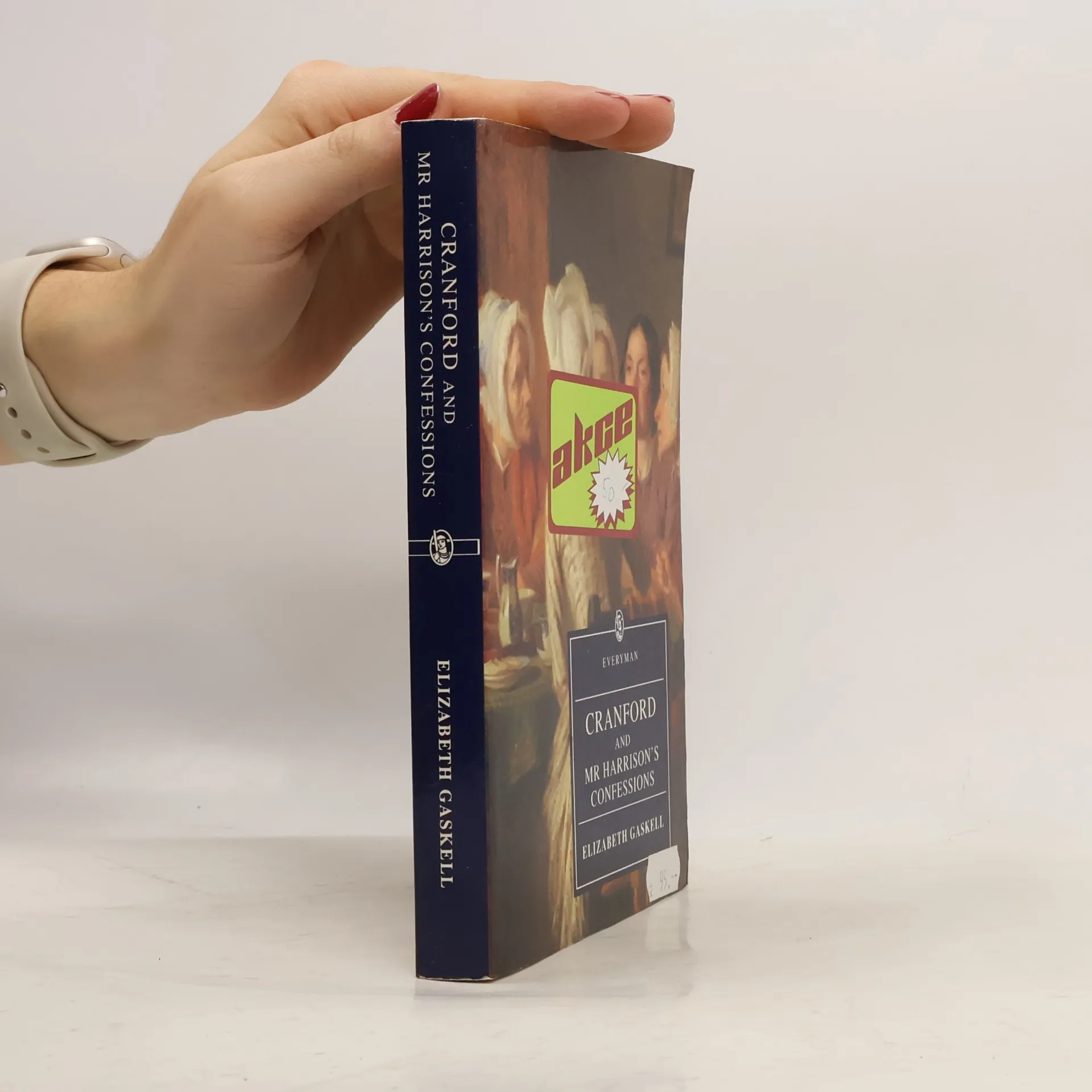

Cranford
- 291 páginas
- 11 horas de lectura
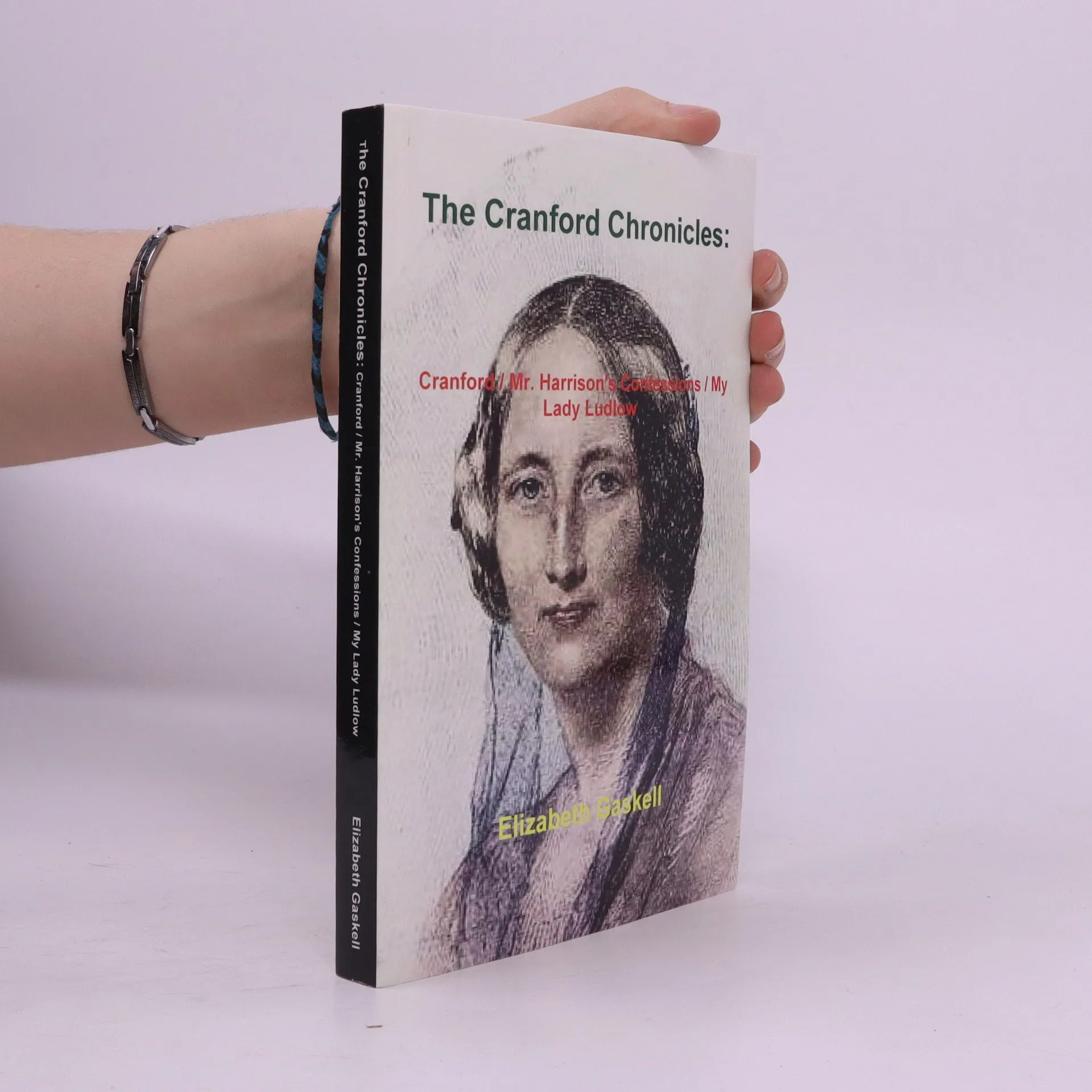
Elizabeth Gaskell fue una novelista y cuentista inglesa de la era victoriana. Sus novelas ofrecen un retrato detallado de las vidas de muchos estratos de la sociedad, incluidos los muy pobres, lo que las hace de interés para historiadores sociales y amantes de la literatura. Es conocida por sus perspicaces representaciones de problemas sociales y la vida cotidiana, capturando los matices de la experiencia humana con aguda observación.


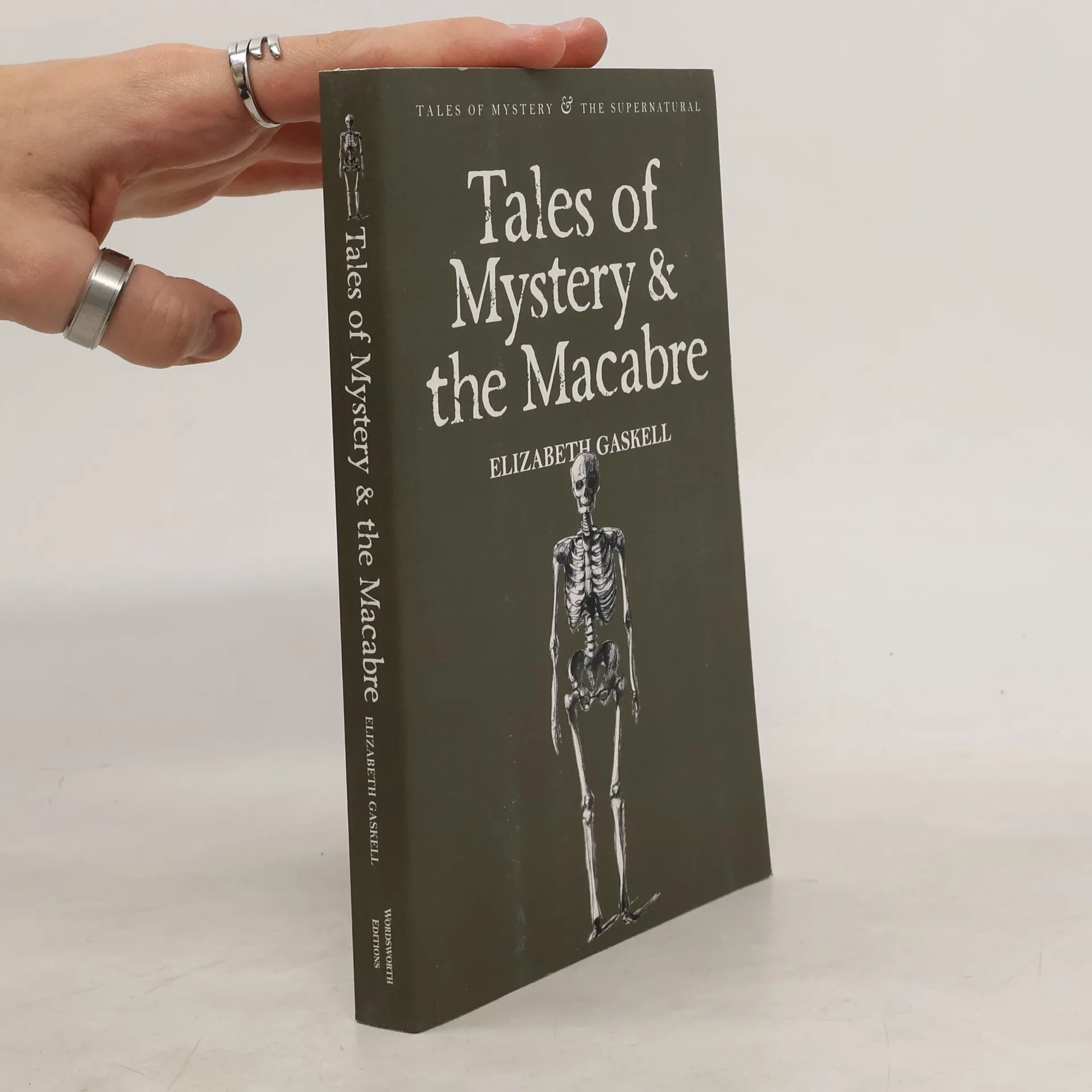
Set in 19th century England, this collection features suspenseful tales that explore morality and human nature. "Disappearances" investigates the mysterious vanishing of six men, blending Victorian detective methods with eerie undertones. In contrast, "Christmas Storms and Sunshine" offers a heartwarming story of two rival newspaper families who unite in compassion when a child falls ill. The title story, "The Grey Woman," follows Anna, trapped in a dangerous marriage, as she and her loyal handmaid, Amante, navigate escape from her violent husband.
As far as she could see, her life was ordained to be lonely, and she must subdue her nature to her life, and, if possible, bring the two into harmony. When she could employ herself in fiction, all was comparatively well. The characters were her companions in the quiet hours, which she spent utterly alone, unable often to stir out of doors for many days together.
Set in a provincial town in the early 19th century, 'Wives and Daughters', Elizabeth Gaskell's last novel, is a subtle representation of historical change explored in human terms.
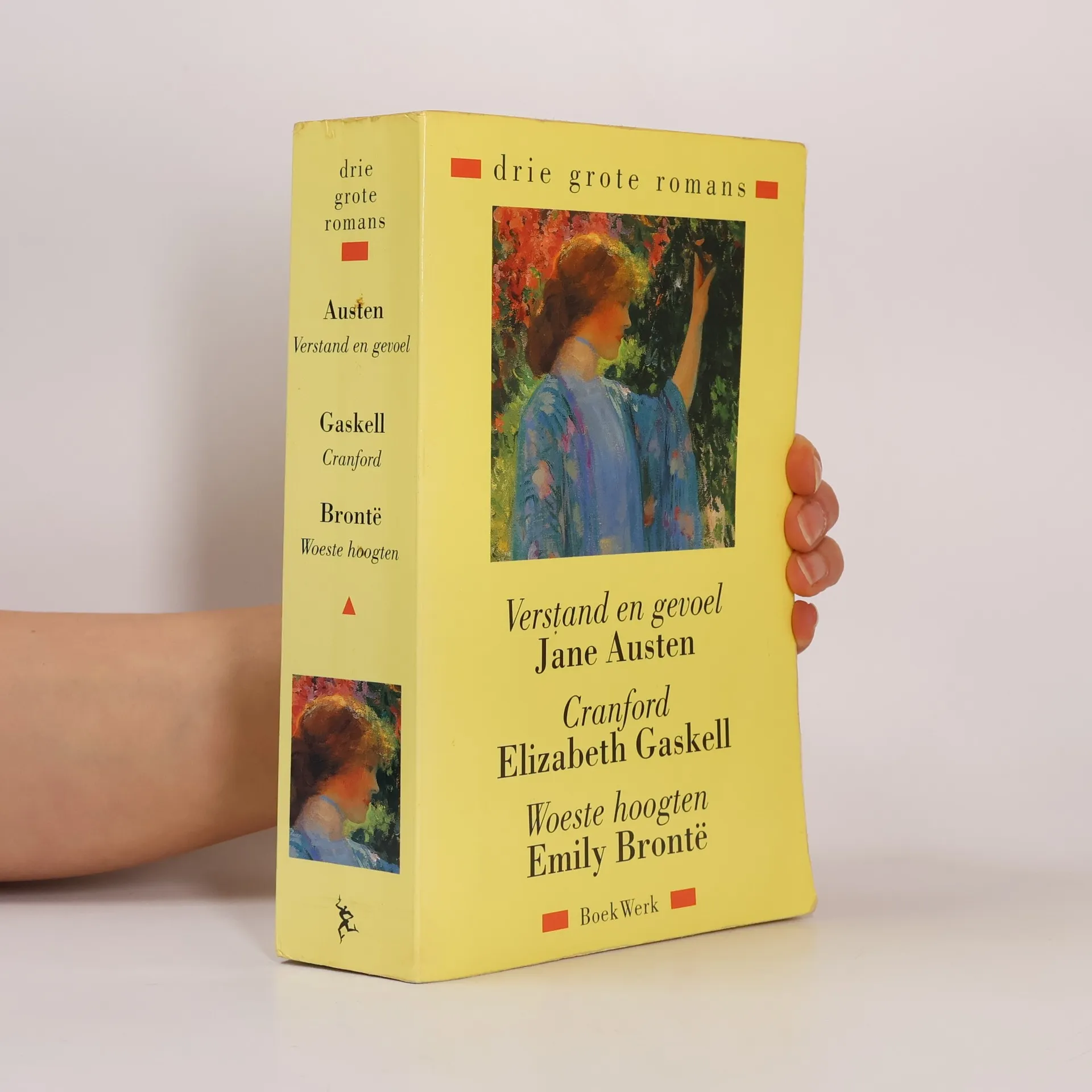
Elizabeth Gaskell (1810 - 1865) was a British novelist and short story writer during the Victorian era whose novels remain very popular to this day. They offer a detailed portrait of the lives of many strata of society, including the very poor, and as such are of interest to social historians as well as lovers of literature. Gaskell became popular for her novels, but also especially for her ghost stories, aided by Charles Dickens, who published her work in his magazine. In addition to her fiction, she also wrote the first biography of Charlotte Brontë, which played a significant role in developing her fellow writer's reputation. Even though her writing conforms to Victorian conventions, Gaskell usually frames her stories as criticisms of narrow-minded contemporary attitudes. She is a favorite with readers because she always emphasized the role of women, with complex narratives and dynamic female characters. This series of three novels is the perfect example of her work.
The narrative follows Edward Wilkins, a country lawyer with artistic inclinations, and his daughter Ellinor as they navigate the challenges of social status in the provincial town of Hamley. Edward's attempts to integrate into the elite circles he serves highlight the tension between his true self and societal expectations. The story explores themes of identity, class disparity, and the struggle for acceptance, all set against the backdrop of 19th-century England, showcasing Gaskell's keen social observations.
Elizabeth Gaskell's novels provide intricate portrayals of various social classes in Victorian Britain, enriched with period-specific colloquialisms. Her storytelling captivates readers through emotional narratives, strong character relationships, and a keen awareness of social issues, particularly the dynamics of male authority. These elements make her work appealing not only to historians but also to a broader audience seeking depth and insight into the human experience during her time.
My Lady Ludlow is Elizabeth Gaskell's charming tale of the conflict between progress and tradition, set in the England of 1800. Lady Ludlow is a kind, generous, and responsible member of the English aristocracy. She is also a trenchant traditionalist, virulently opposed to any move that would bring change to the social order. In the little village of Hanbury over which she presides, she finds herself increasingly opposed by those who have different visions of the greater good. A clergyman wishes to build a schoolhouse to educate the poor; her estate steward wants to help a local poacher's son. Will Lady Ludlow be able to cope with the changing times? Told with warmth and a sure feel for period detail, My Lady Ludlow will delight all lovers of historical fiction.
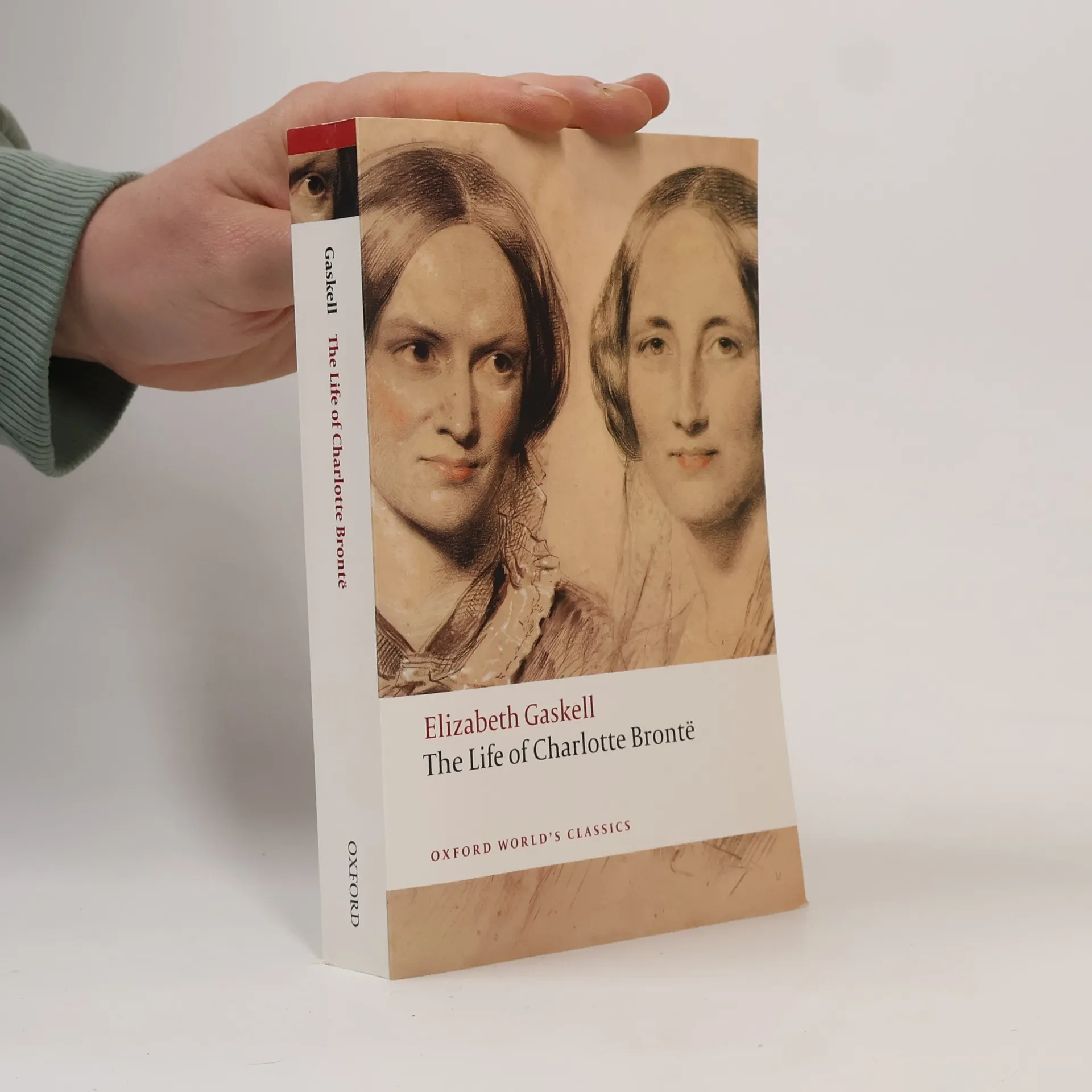
This is a pioneering biography of one great Victorian woman novelist, as written by another. Drawing upon letters, interviews and her personal observations, Gaskell vividly recreates Charlotte Bronte's world - a life hidden from most of Charlotte's contemporaries.
The book is a classical work that holds significant historical importance, now preserved in a modern format for contemporary readers. It has been meticulously reformatted, retyped, and redesigned to ensure clarity and readability, avoiding the pitfalls of scanned copies. This volume is part of the genres of Language and Literatures, specifically focusing on English literature, making it a valuable addition for those interested in literary heritage.