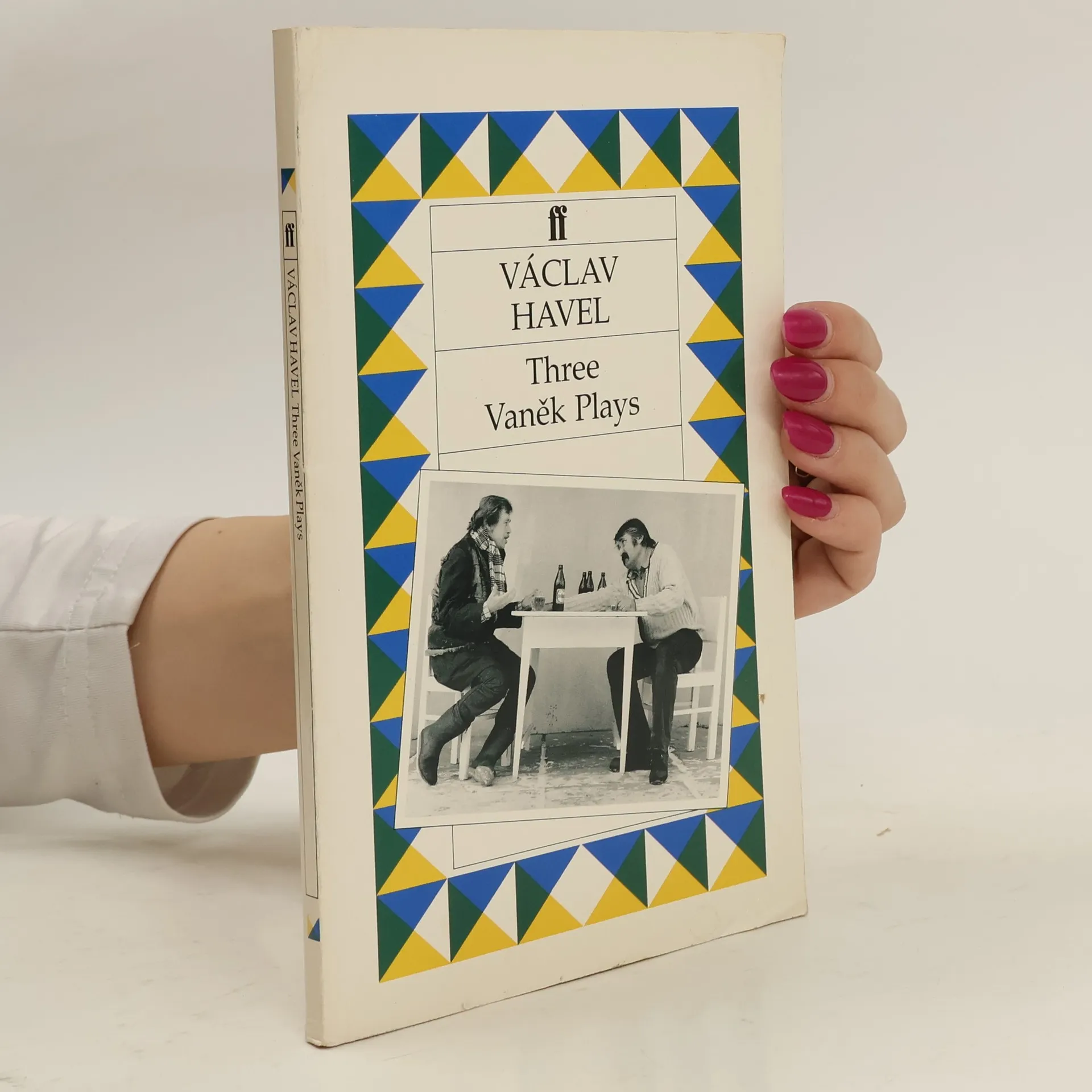
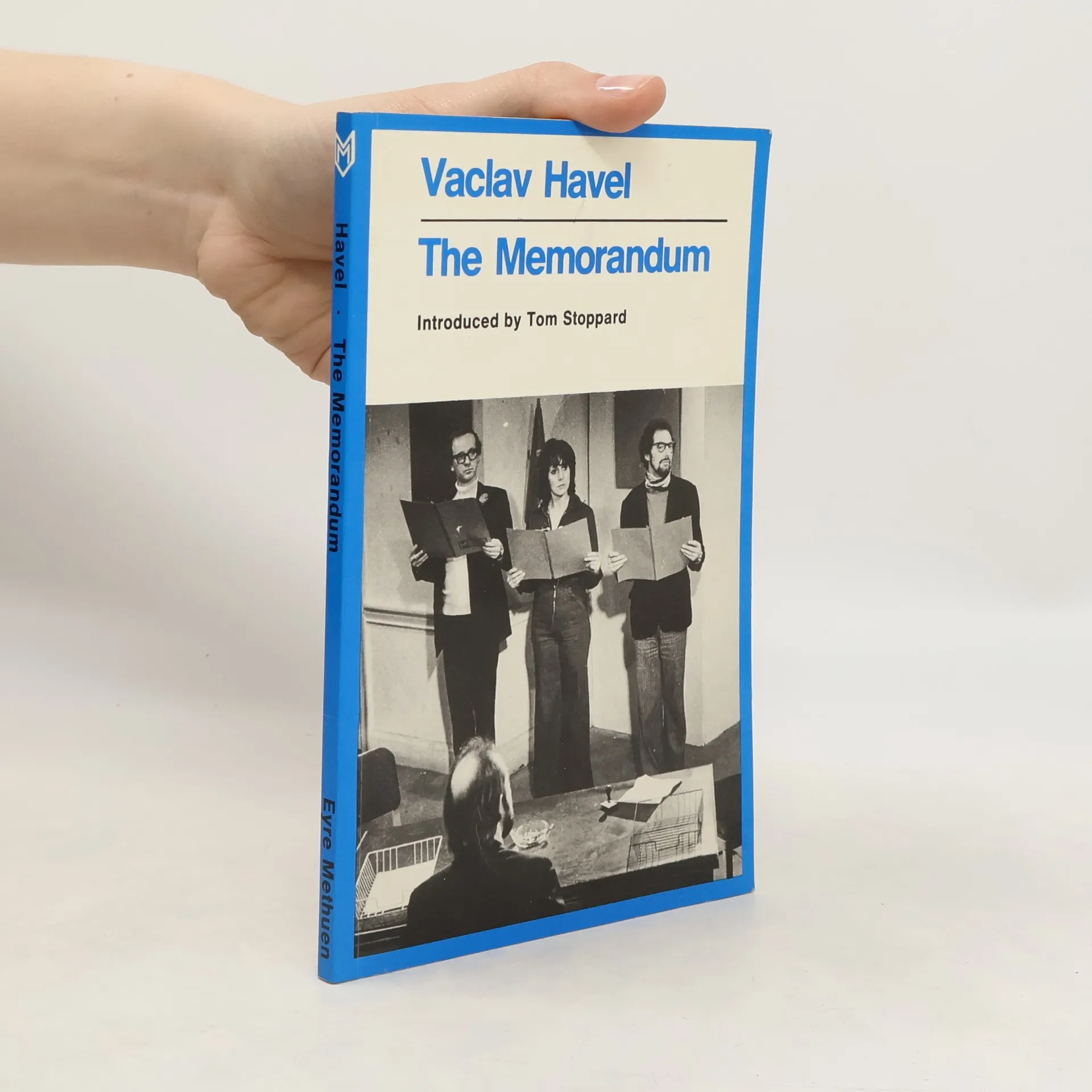
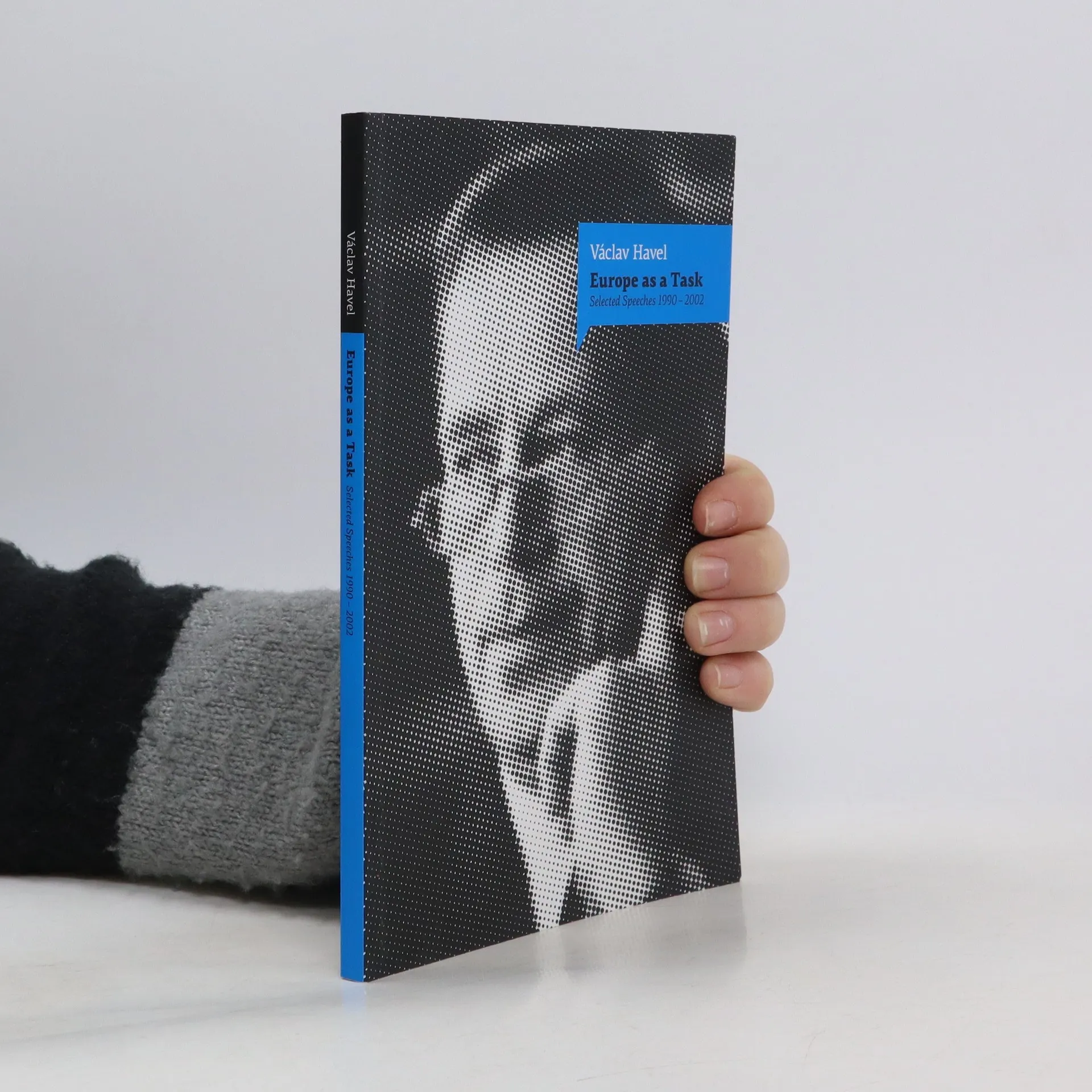
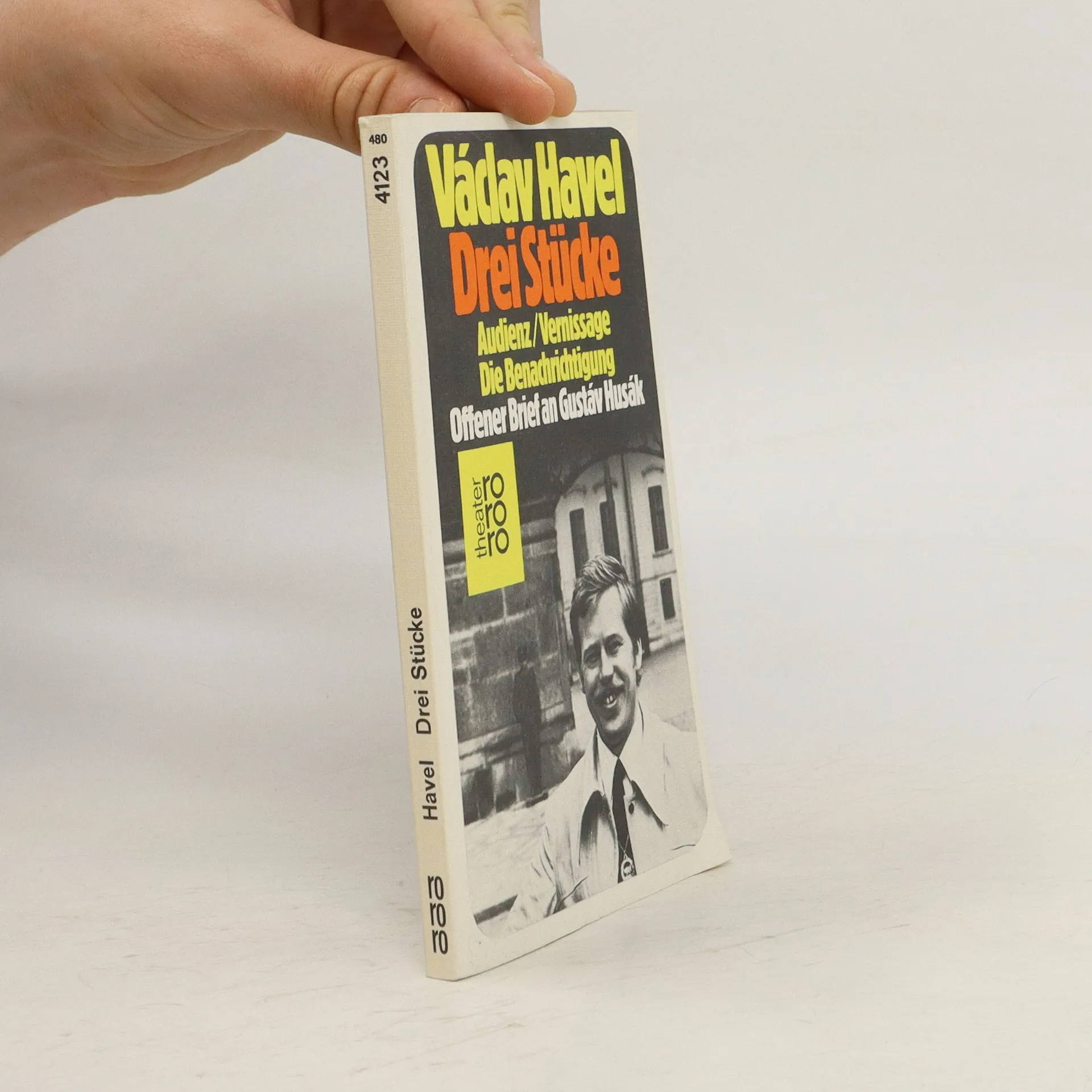
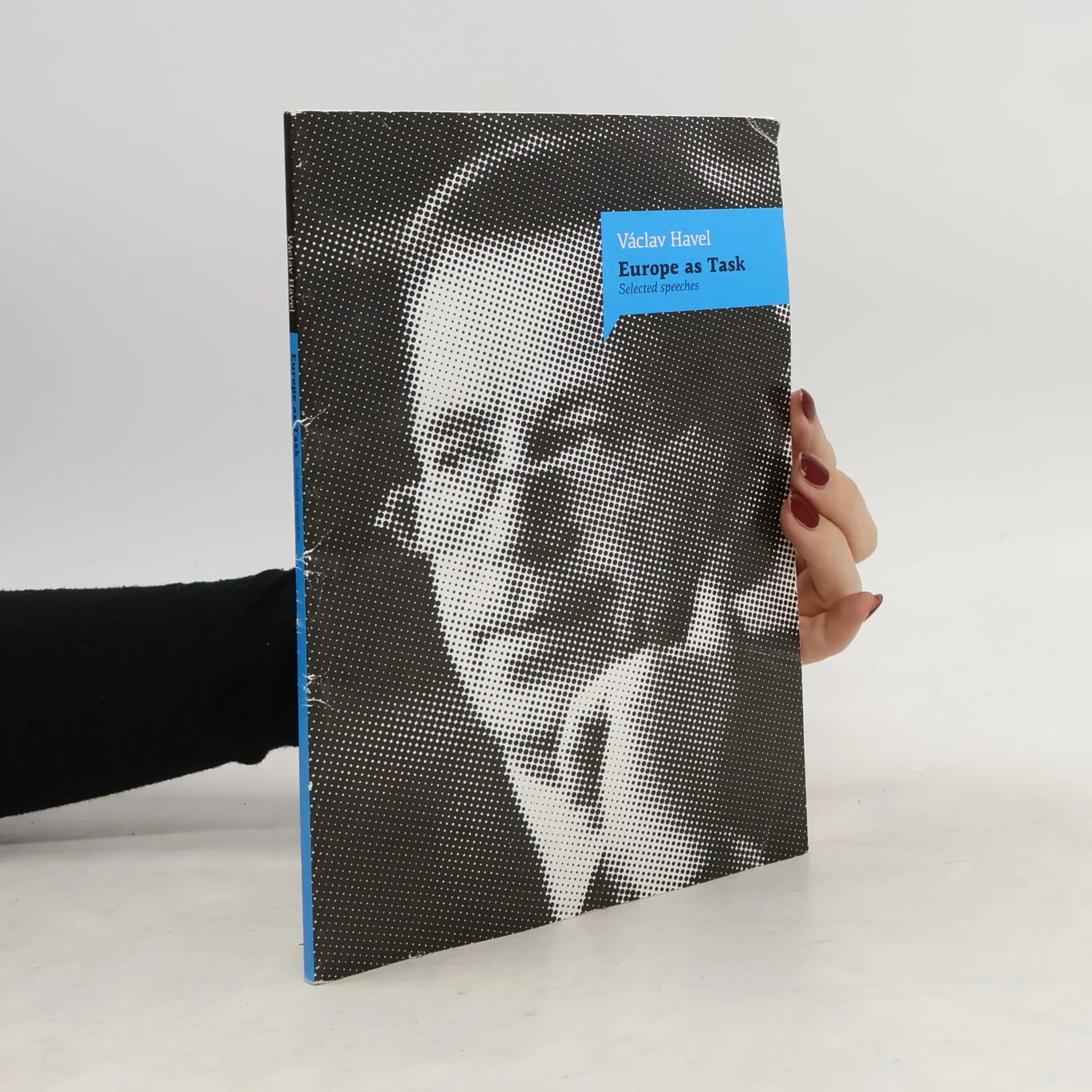
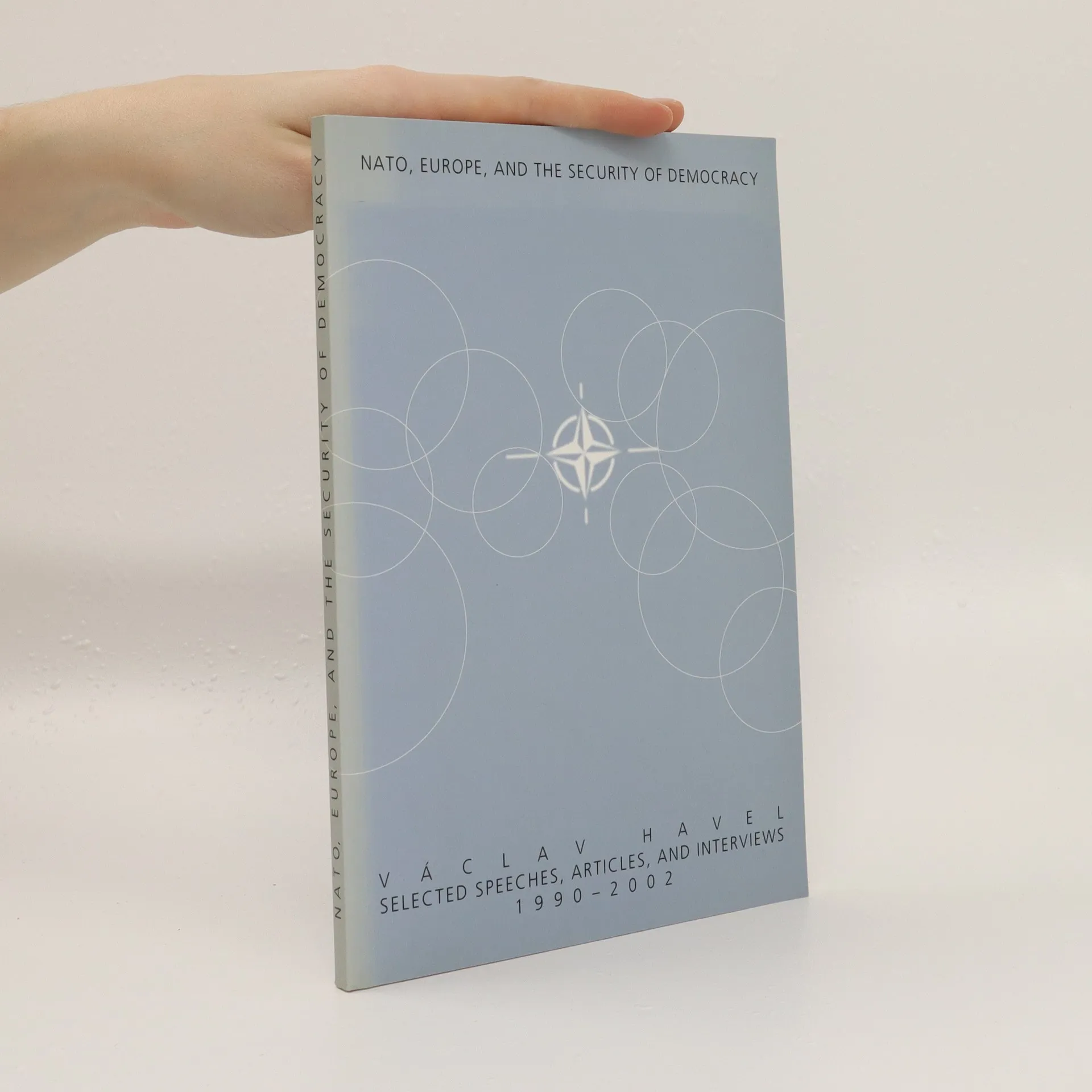
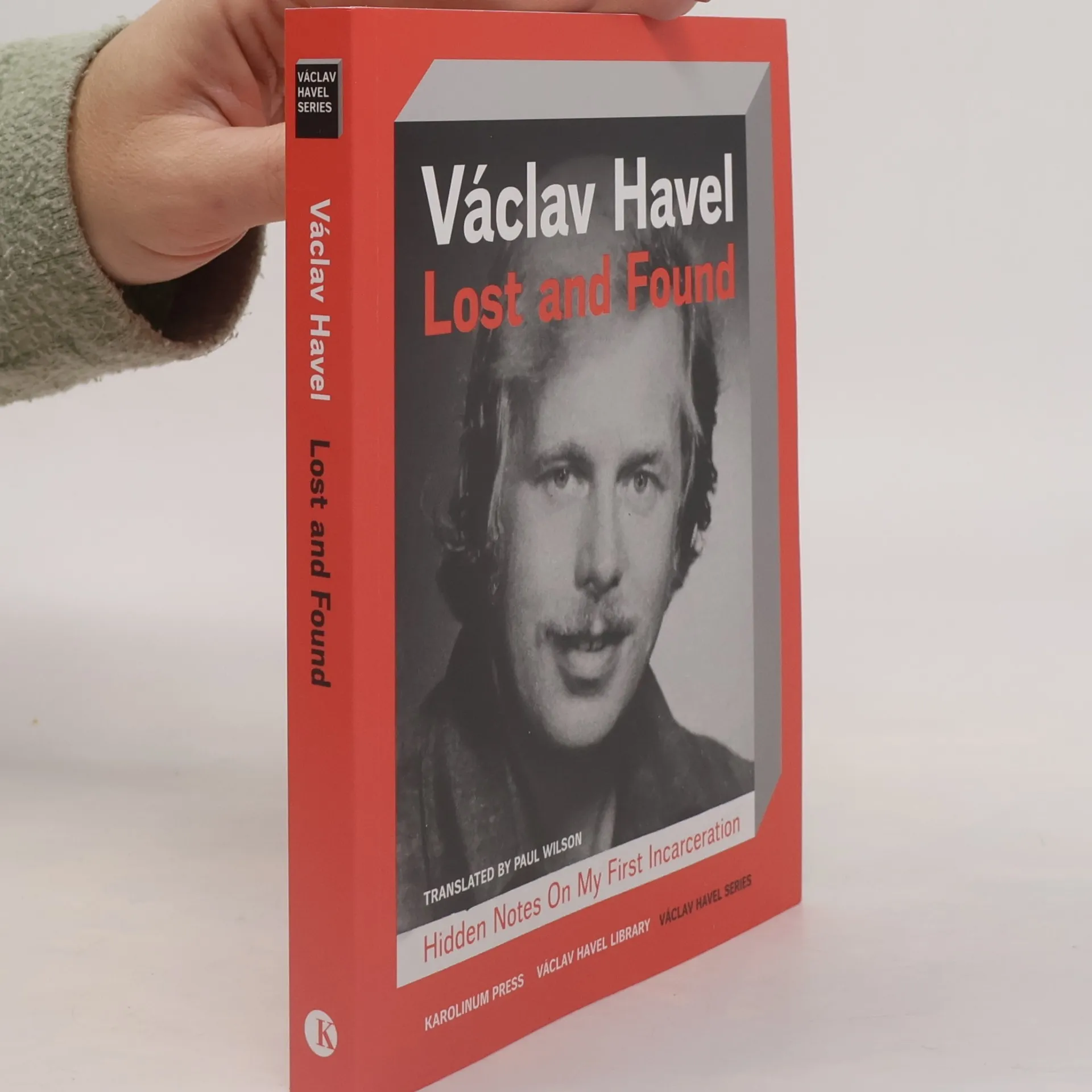
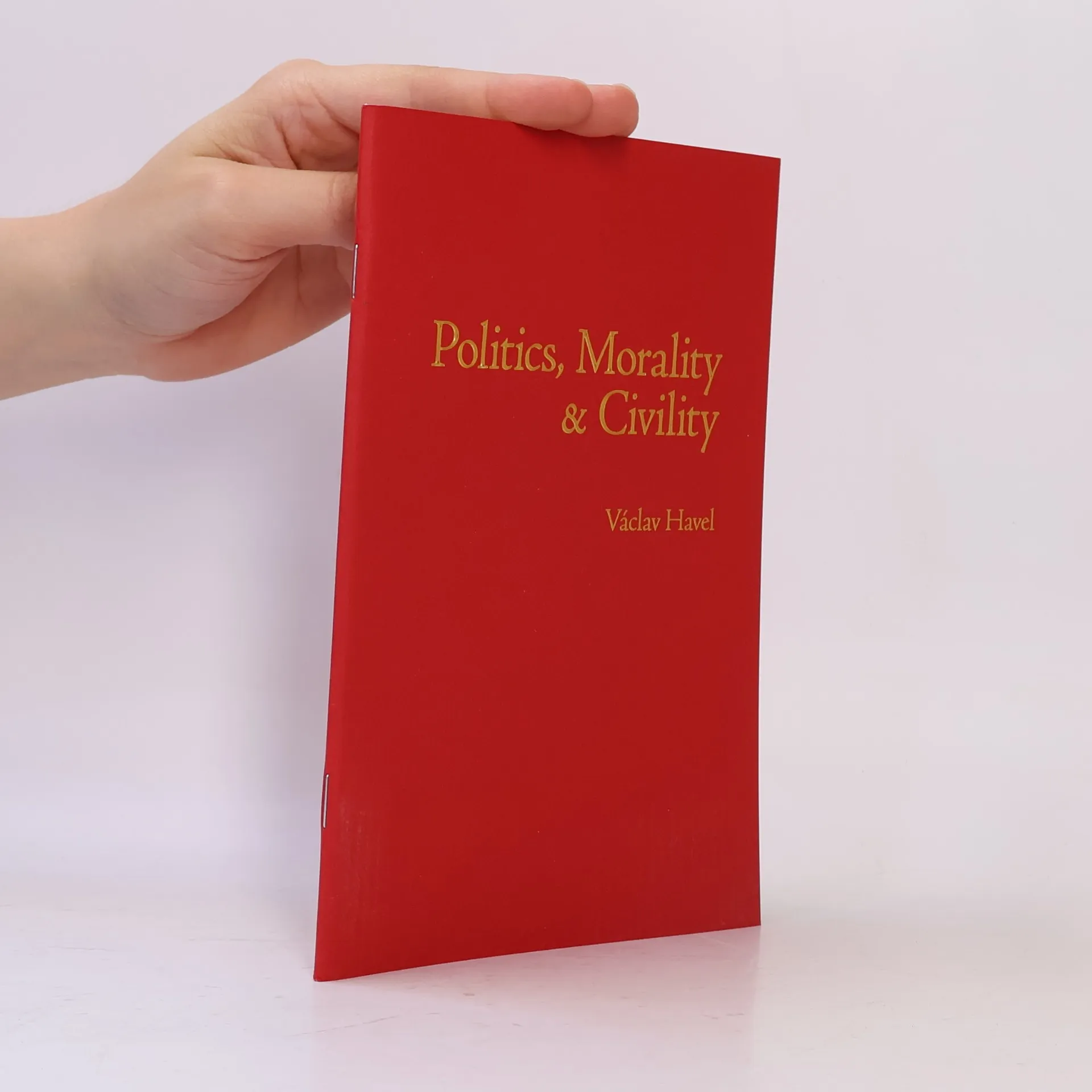
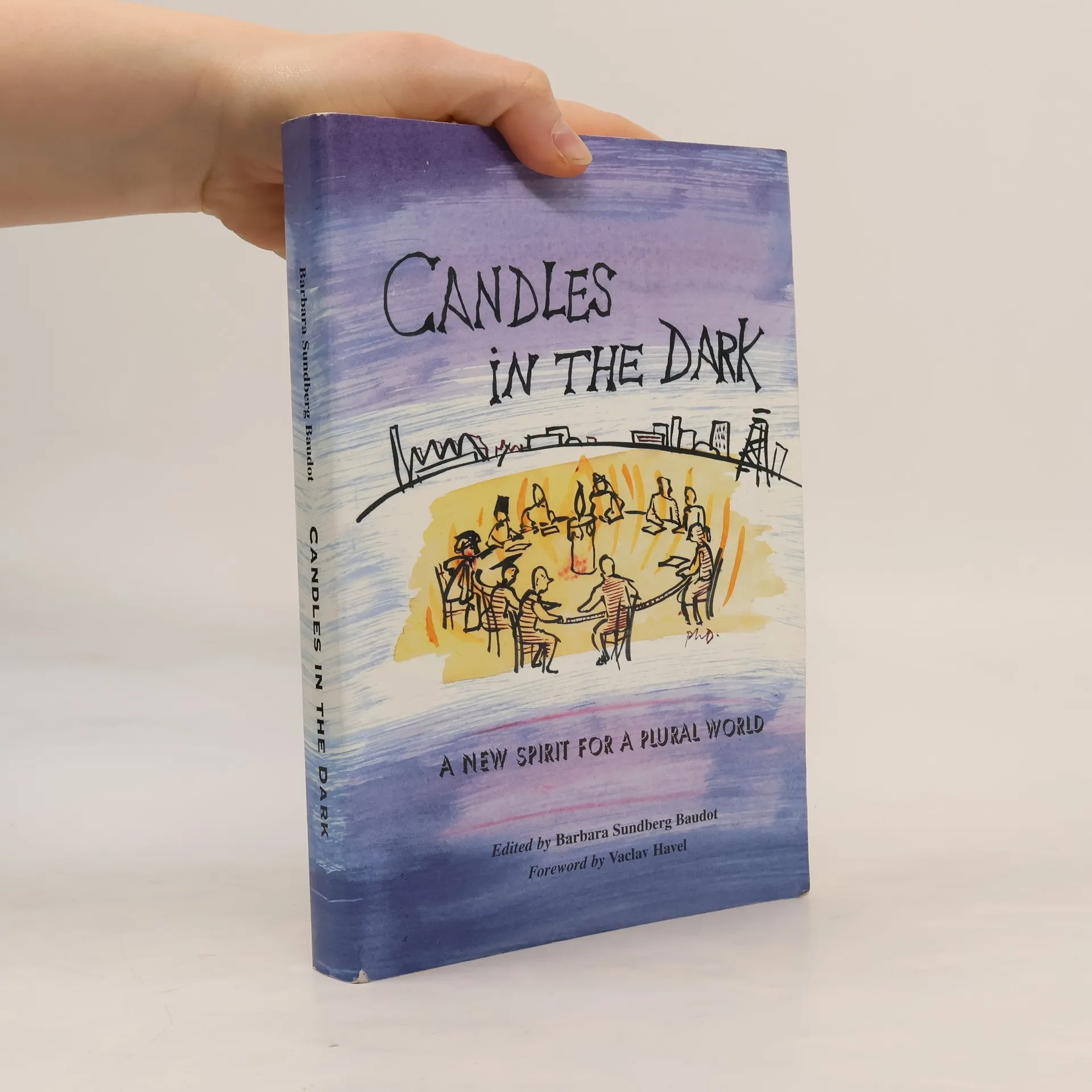
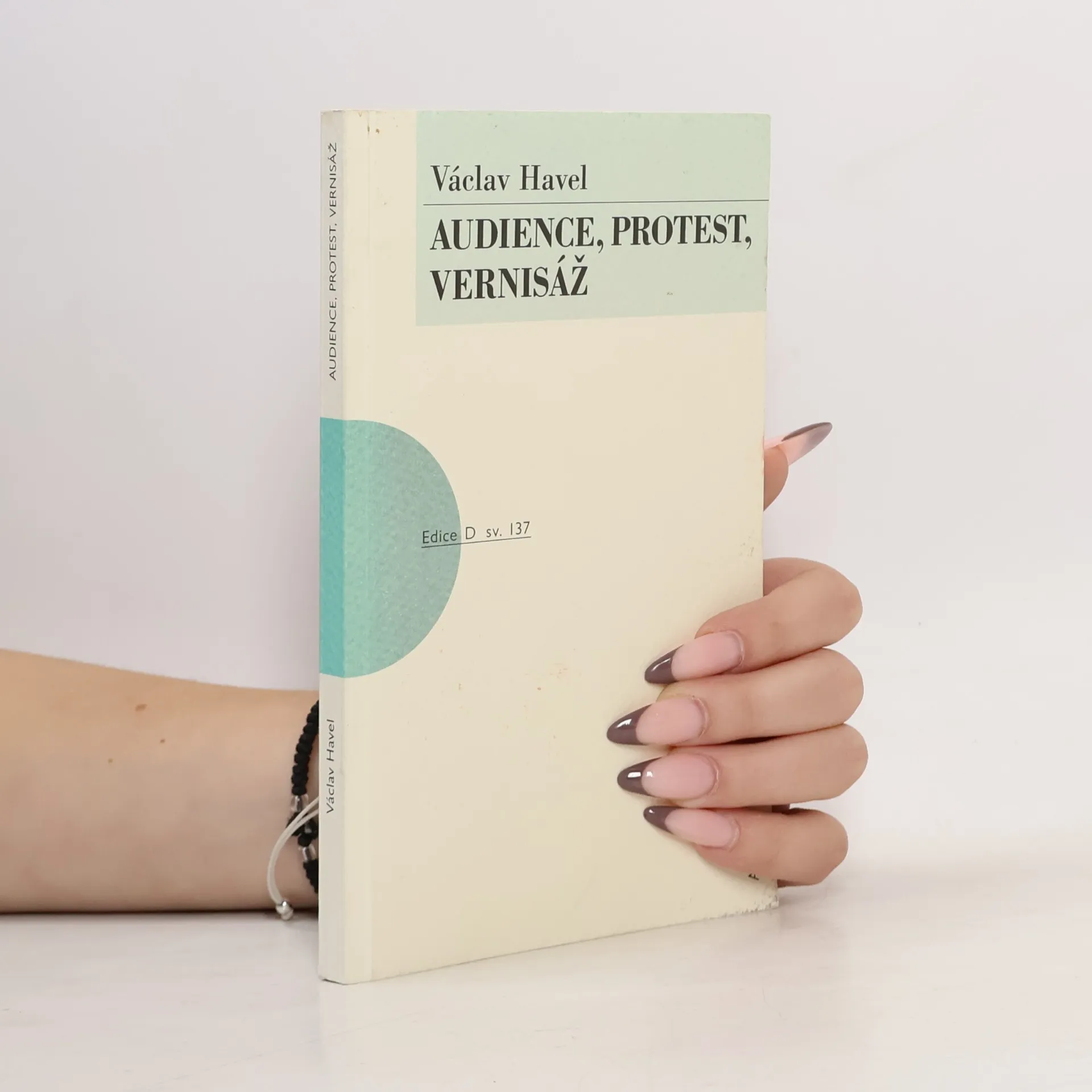
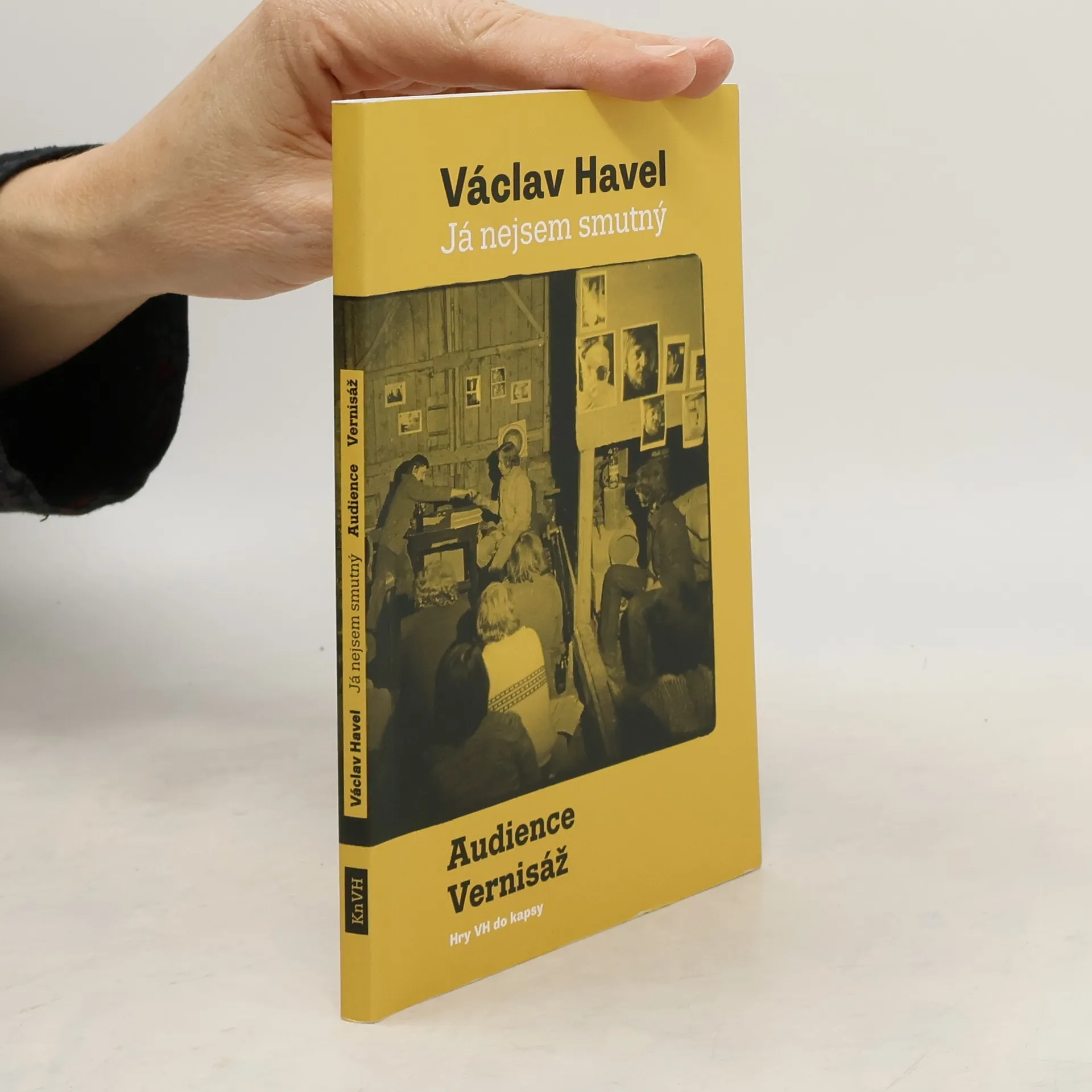
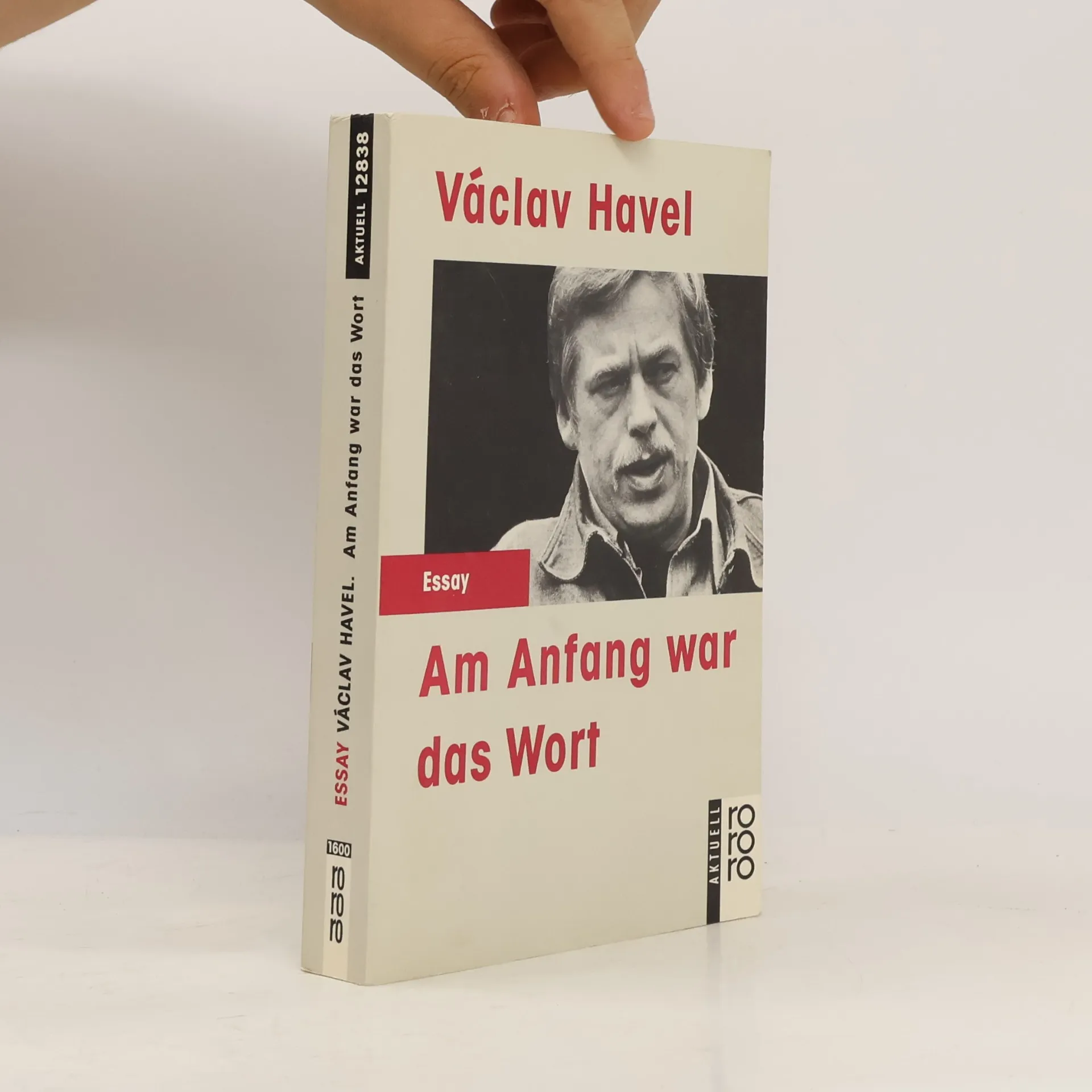
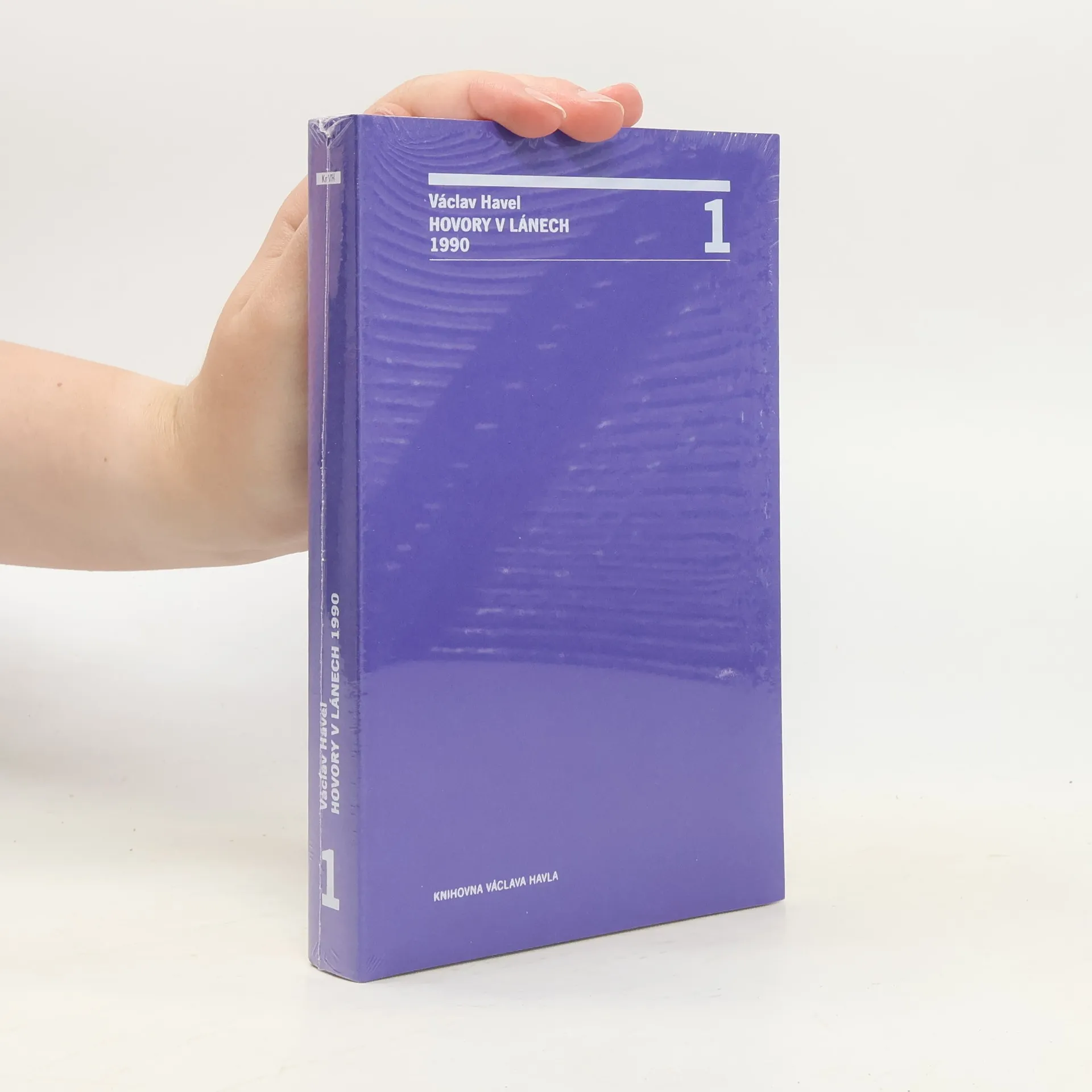
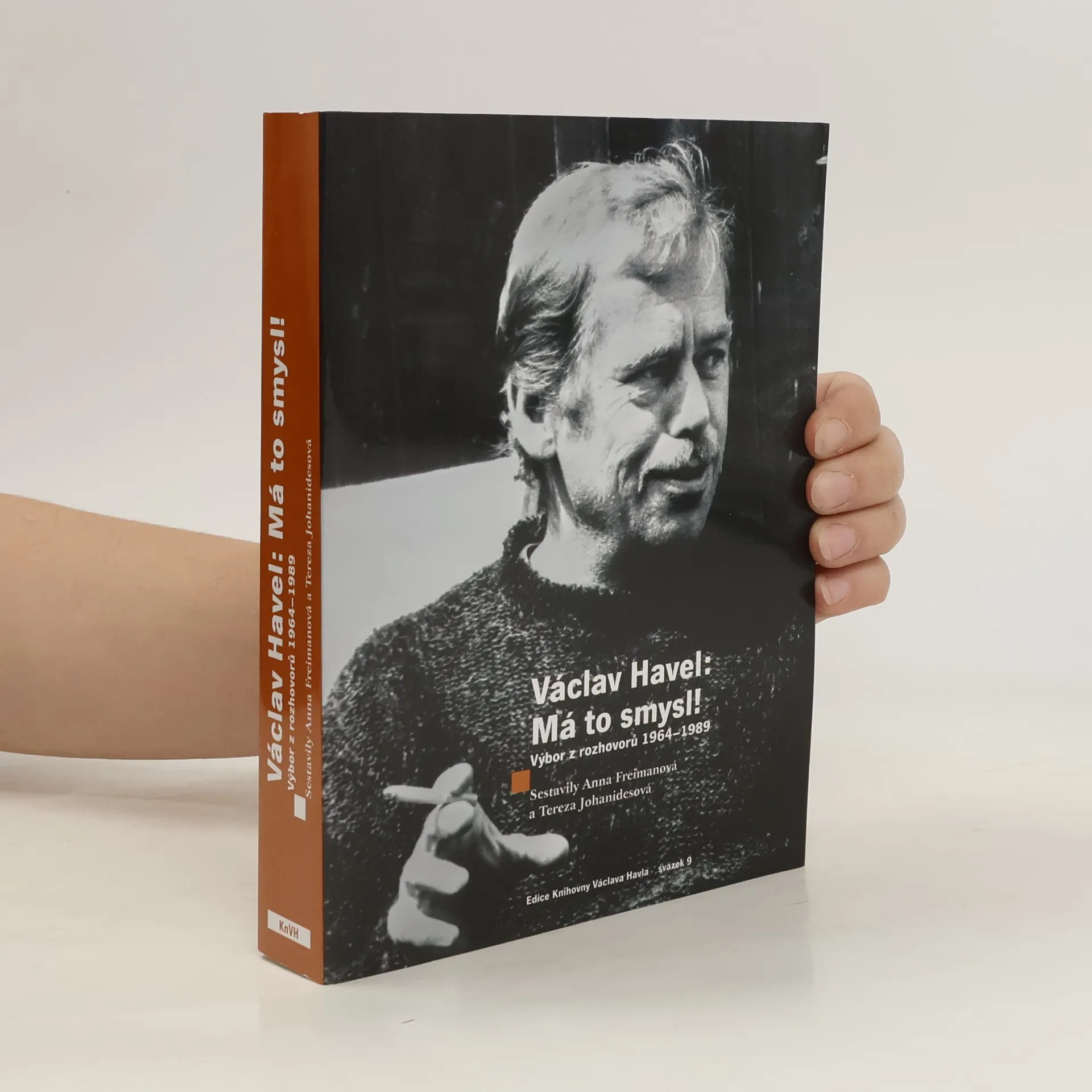
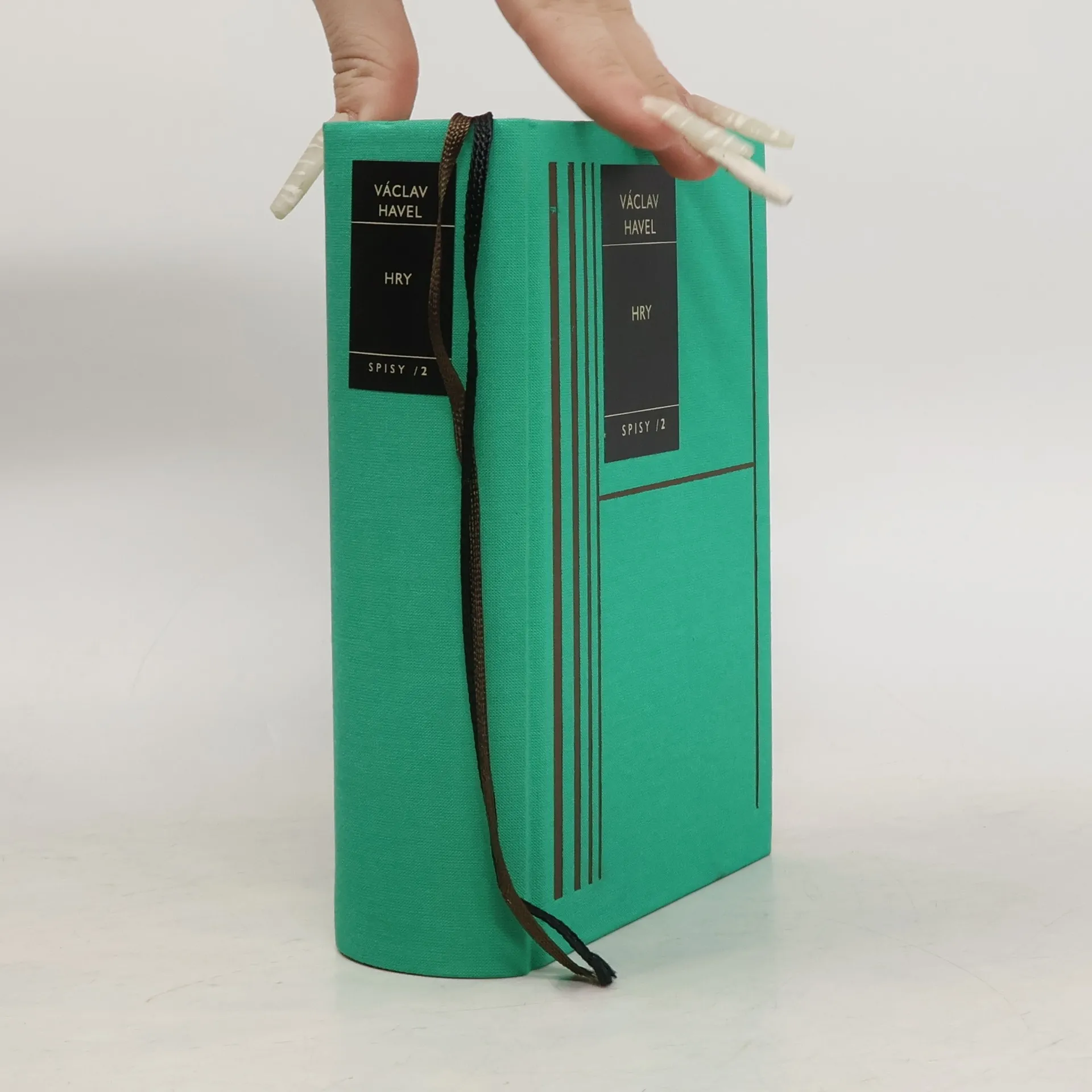
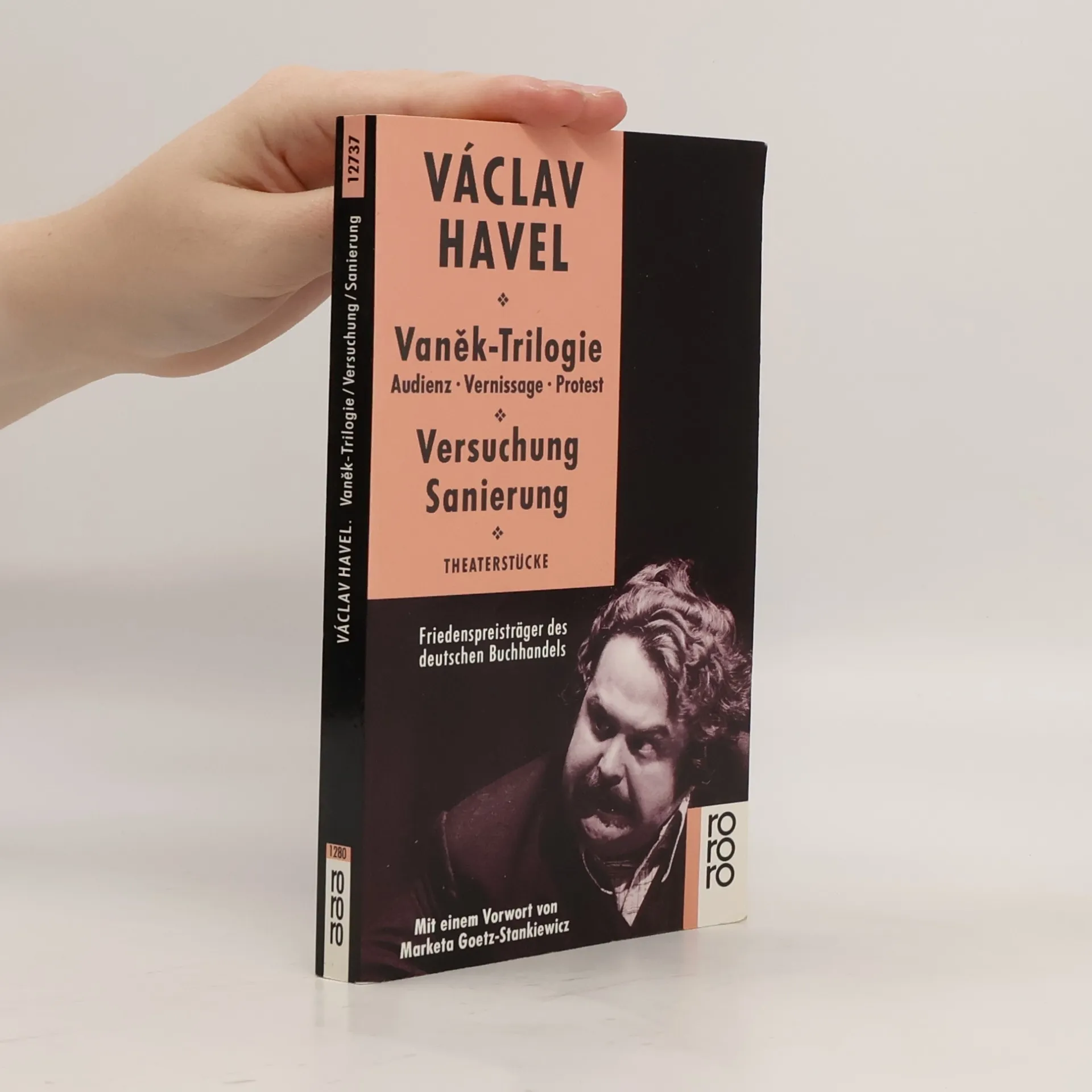
Václav Havel fue un pensador profundo cuyas obras, principalmente obras de teatro y ensayos, exploran la absurdidad del poder y la búsqueda existencial de la verdad y la libertad. Sus escritos, traducidos internacionalmente, exponen a menudo los insidiosos mecanismos de la opresión, destacando la resiliencia del espíritu humano y el coraje necesario para resistir. La producción literaria de Havel y su compromiso con los derechos humanos lo establecieron como una voz moral significativa, abogando por la integridad y la dignidad personal frente al control sistémico. Su legado continúa inspirando la reflexión crítica sobre la responsabilidad y la búsqueda de la libertad genuina.
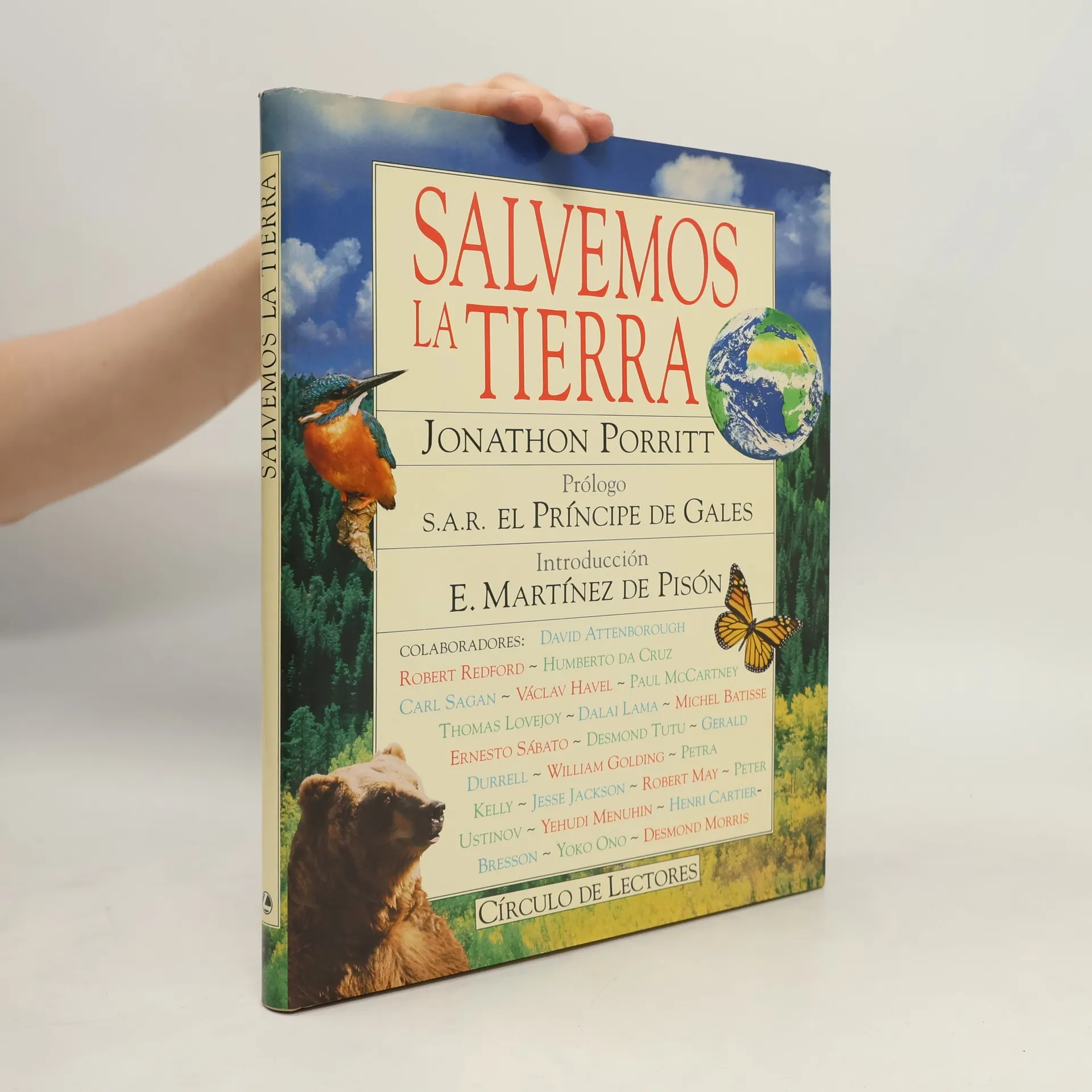
Esamina los problemas ambientales actuales y sus consecuencias para la humanidad, sugiere acciones que los individuos pueden emprender para ayudar a resolverlos y proporciona citas de personas comprometidas con el medio ambiente.
From the former president of the Czech Republic comes this first-hand account of his years in office and the transition to democracy following the fall of Communism. A renowned playwright, Václav Havel became one of Czechoslovakia's most prominent dissidents under Communist rule – and the president after the Velvet Revolution, making him a key player in European politics. Here we see first-hand the challenges of creating a new government, tempered with Havel's revealing insights into the difficulties posed by an era of increased globalization and conflict. He discusses not only the situation in his own country, but also such pressing issues as the future of the European Union, the war in Iraq, and the role of the United States in contemporary affairs. Written with an eye towards both the political and the personal and a witty, well-honed eloquence, To the Castle and Back is a rare glimpse into the minds of one of the most important political figures of modern times.
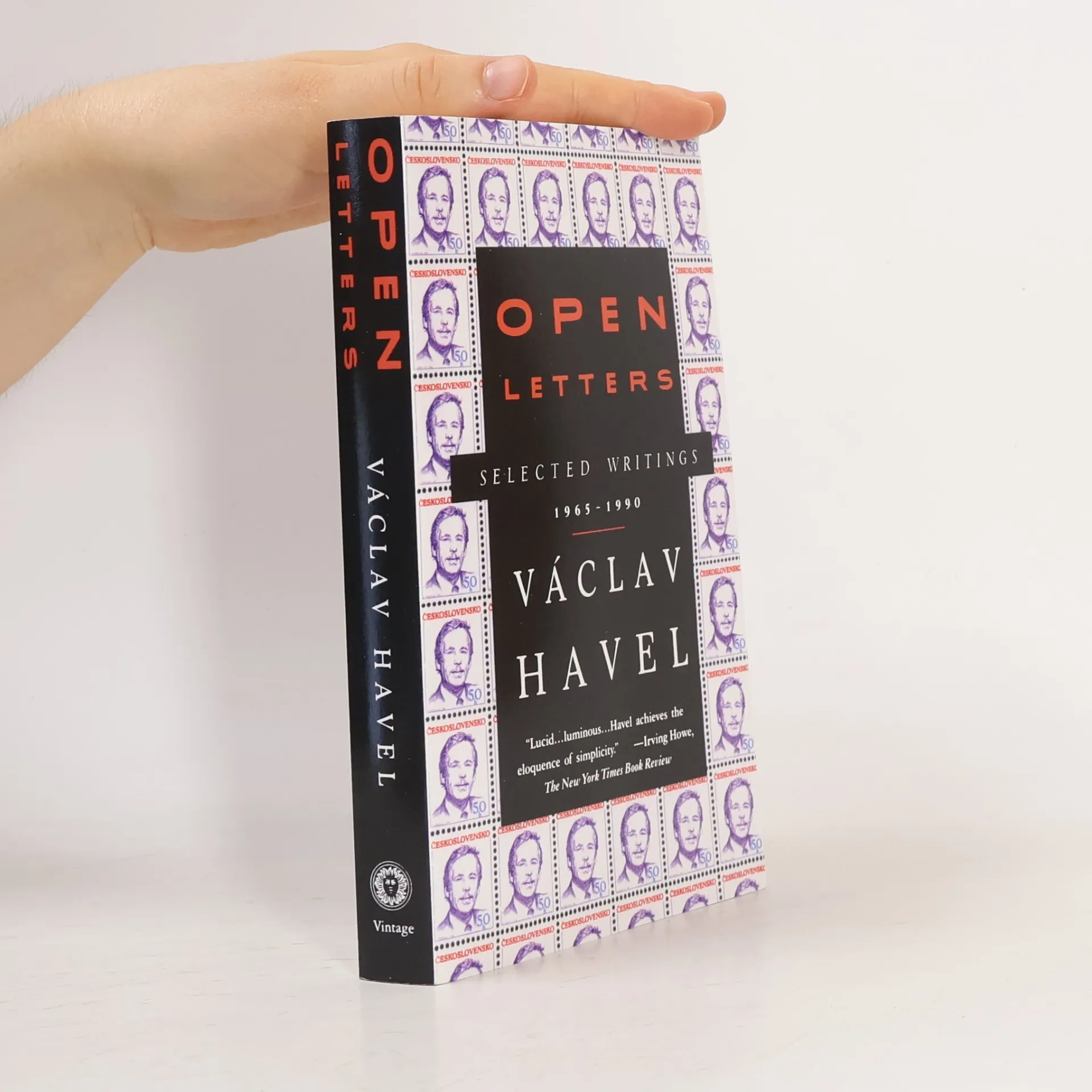
Spanning twenty-five years, this historic collection of writings shows Vaclav Havel's evolution from a modestly known playwright who had the courage to advise and criticize Czechoslovakia's leaders to a newly elected president whose first address to his fellow citizens begins, "I assume you did not propose me for this office so that I, too, would lie to you." Some of the pieces in Open Letters, such as "Dear Dr. Husak" and the essay "The Power of the Powerless," are by now almost legendary for their influence on a generation of Eastern European dissidents; others, such as some of Havel's prison correspondence and his private letter to Alexander Dubcek, appear in English for the first time. All of them bear the unmistakable imprint of Havel's intellectual rigor, moral conviction, and unassuming eloquence, while standing as important additions to the world's literature of conscience.
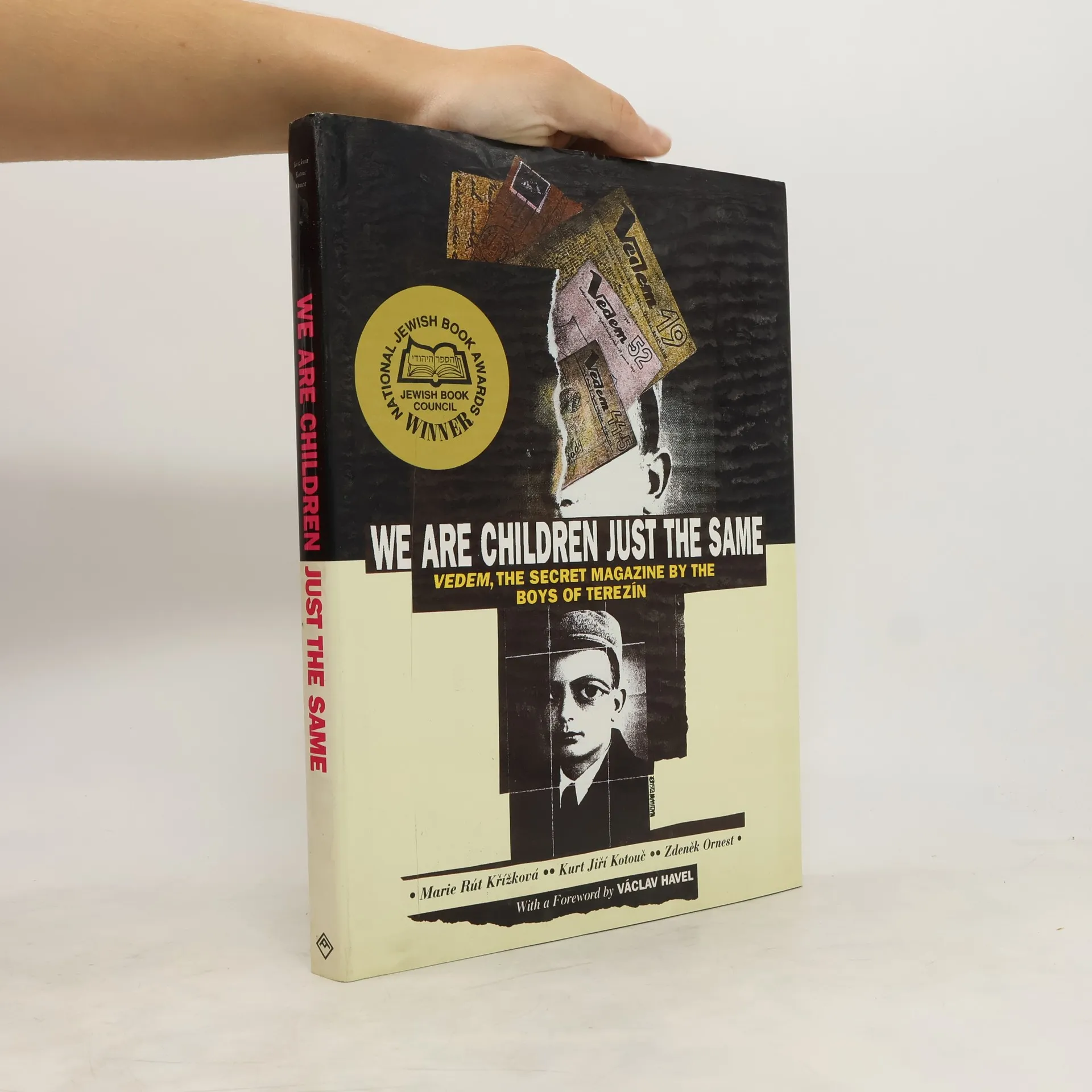
Terezín survivor George (Jirí) Brady reflects on the efforts of the Nazi-imposed Terezín "self-administration" to aid imprisoned children. He recalls being among a group of boys led by Valtr Eisinger, who transformed their overcrowded living space into a vibrant world, fostering hidden talents and creativity. Between 1942 and 1944, a group of thirteen- to fifteen-year-old Jewish boys secretly produced a weekly magazine called Vedem (In the Lead) at Terezín. The boys, who called their cellblock the "Republic of Shkid," wrote, illustrated, and hand-copied issues behind blackout shades. Although the material was preserved by one of the few survivors of the Holocaust, it remained suppressed in Czechoslovakia for fifty years until its publication in 1995 in English, Czech, and German. Vedem offers a poignant insight into the lives of boys who were forcibly removed from their childhoods and families, ultimately facing the horrors of the Nazi regime. This edition features a new preface and epilogue, enriching the historical context of their experiences and the significance of their creative expressions amidst unimaginable adversity.
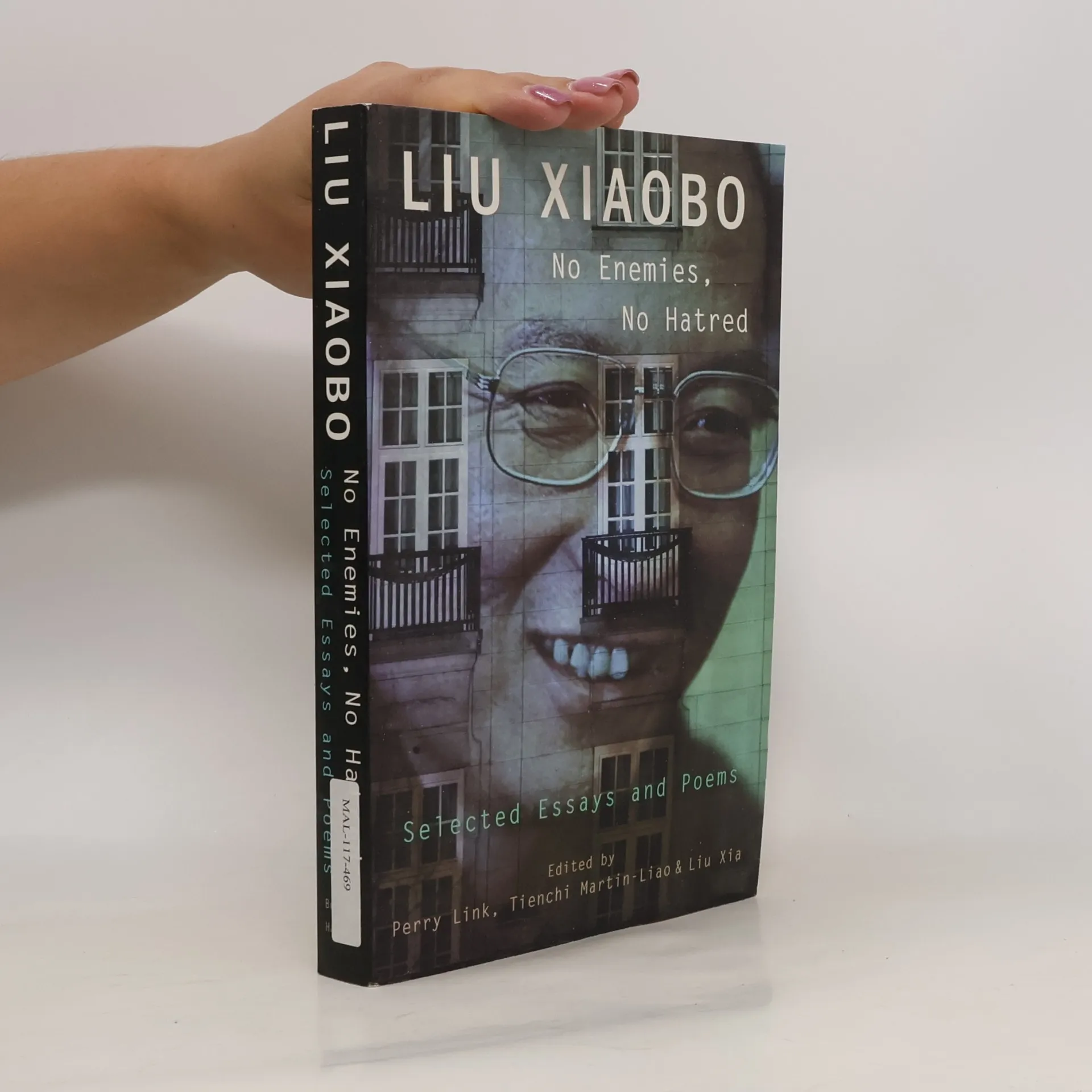
When the Nobel Peace Prize was awarded in December 2010, its recipient, Liu Xiaobo, was serving an eleven-year sentence in a Chinese prison for incitement to subvert state power. These essays and poems not only chronicle a leading dissident's struggle against tyranny but enrich the record of universal longing for freedom and dignity.
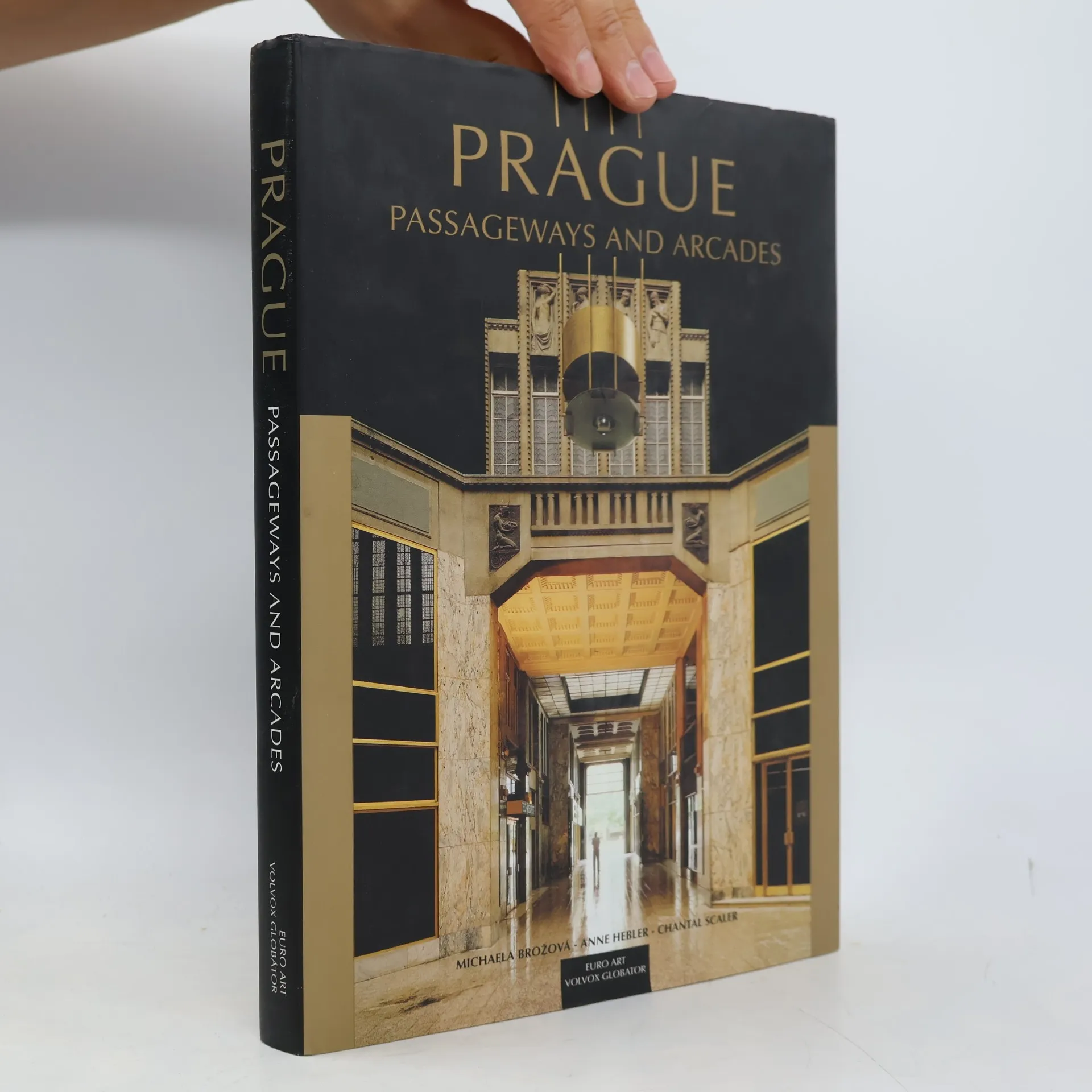
Pragensia with preface written by Vaclav Havel. Book filled with words and images (both color and black and white photos, floor plans, architectural sections, localization on the map) deals with more than 30 major architectural Prague passages - passages of townhouses and palaces, with their glass walls, shops, cafes, cabarets and theaters. Compared to the original French version, which was published in Paris in. 1993 dealt only with the period from 1900 to 1940, was the Czech edition, four years later, extended to the chapter "The Arcades after 1990".
In a converted European castle a weekend conference is taking place. Gathered together is a group of architects, town planners and government officials, and the action of the play concerns itself with the professional, intellectual, ideological and sexual concerns of the participants.
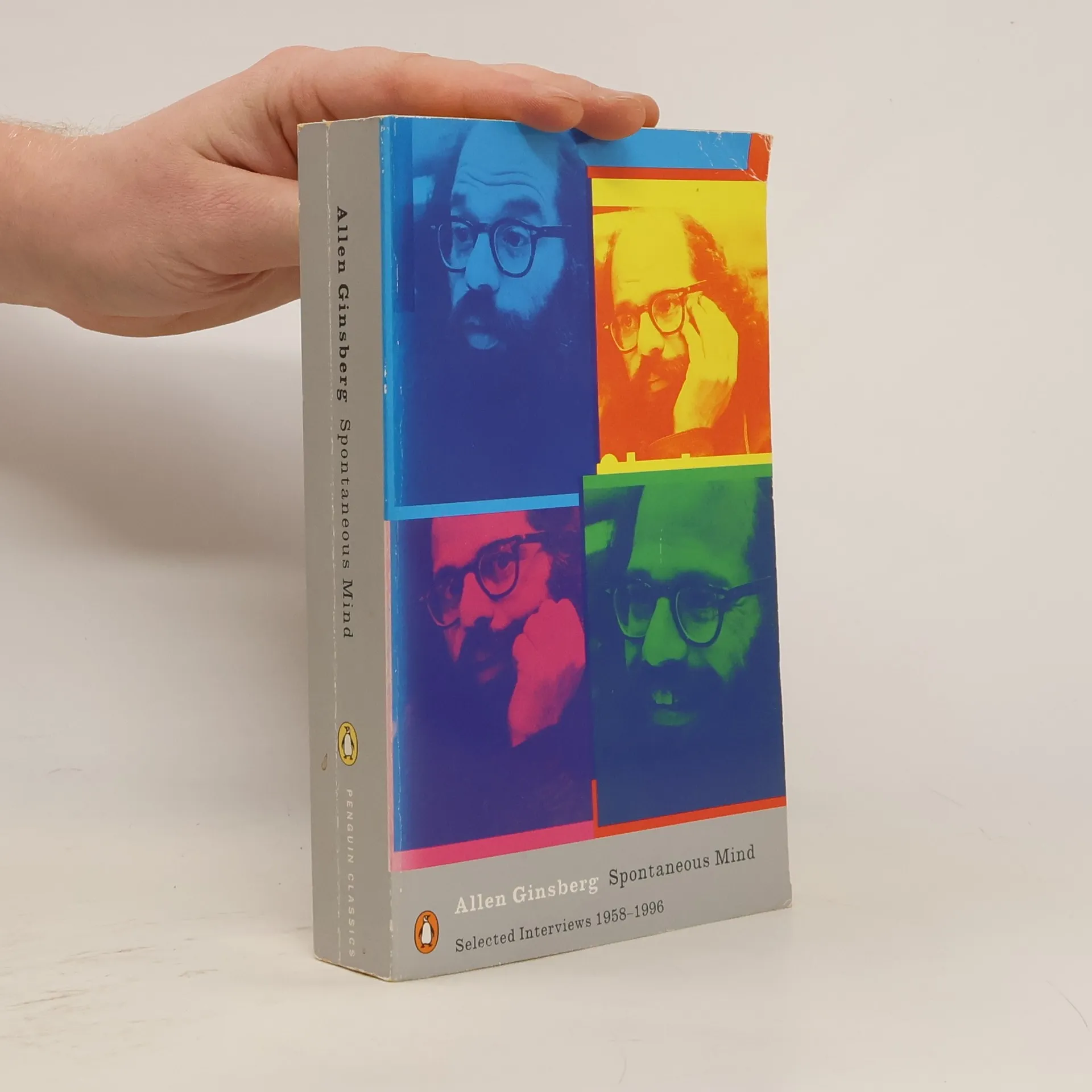
Far from merely paying respect to a man proclaimed as one of the key figures of twentieth-century American literary and cultural history, this volume provocatively recreates the impassioned voice of Ginsberg as man, poet, revolutionary and political activist. Always witty and engaging, this collection of interviews from throughout Ginsberg's career reveals his attitudes towards poetry and drugs, his literary influences and personal relationships.
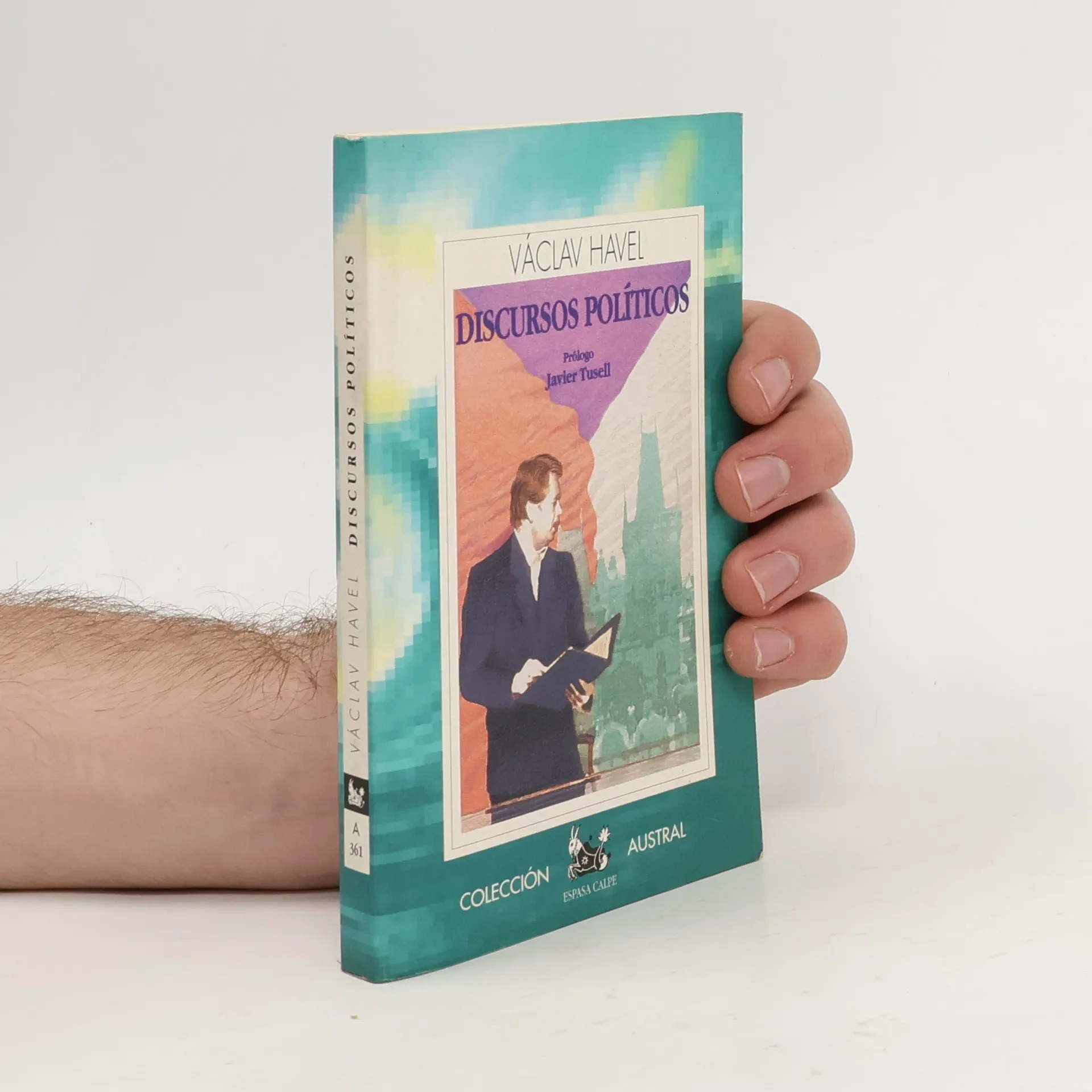
There is no shortage of politicians who make a habit of shooting from the hip, but it is much rarer to find one who speaks from the heart. Vaclav Havel knows no other way to speak, or to write. Both as a dissident and as a playwright it was his sworn purpose for many years to combat evil with nothing but truth. As president of Czechoslovakia, and now of the Czech Republic, he has clung to that habit, refusing to turn over either his conscience or his voice to political handlers and professional speech-writers. Instead he assumes the additional burden - for him, it is a distinct pleasure - of composing all of his oratory. This volume consists of thirty-five of these essays, written between the years 1990 and 1996, that manage to be both profoundly personal and profoundly political. Havel writes of totalitarianism, its miseries and the nonetheless difficult emergence from it. He describes how his country and the other post-communist countries are learning democracy from scratch and are encountering obstacles from inside and out. He marvels at the single technology-driven civilization that envelops the globe, and the challenges this presents to multicultural realities. And he reminds us that - contrary to all appearances - common sense, moderation, responsibility, good taste, feeling, instinct, and conscience are not alien to politics, but are the very key to its long-term success.
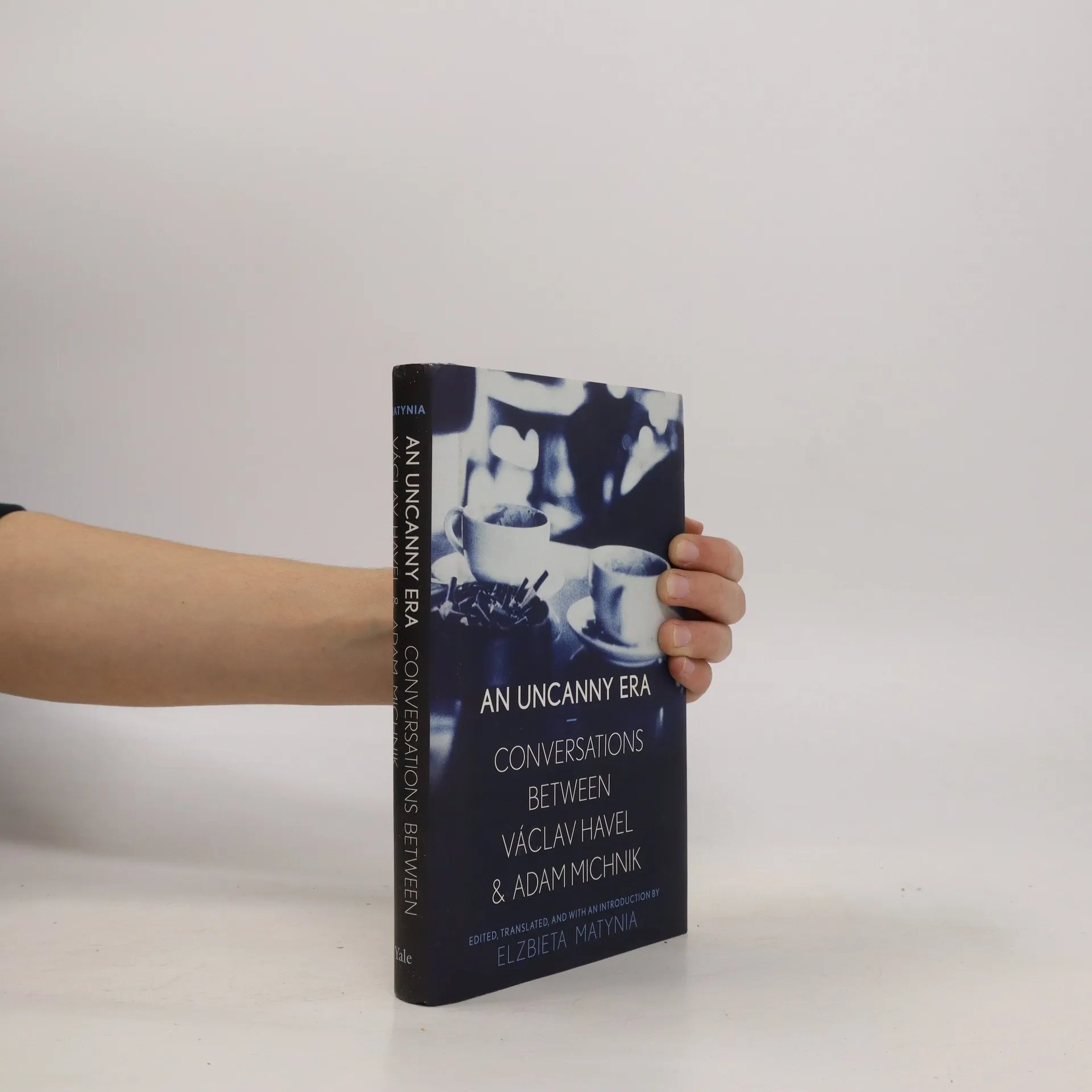
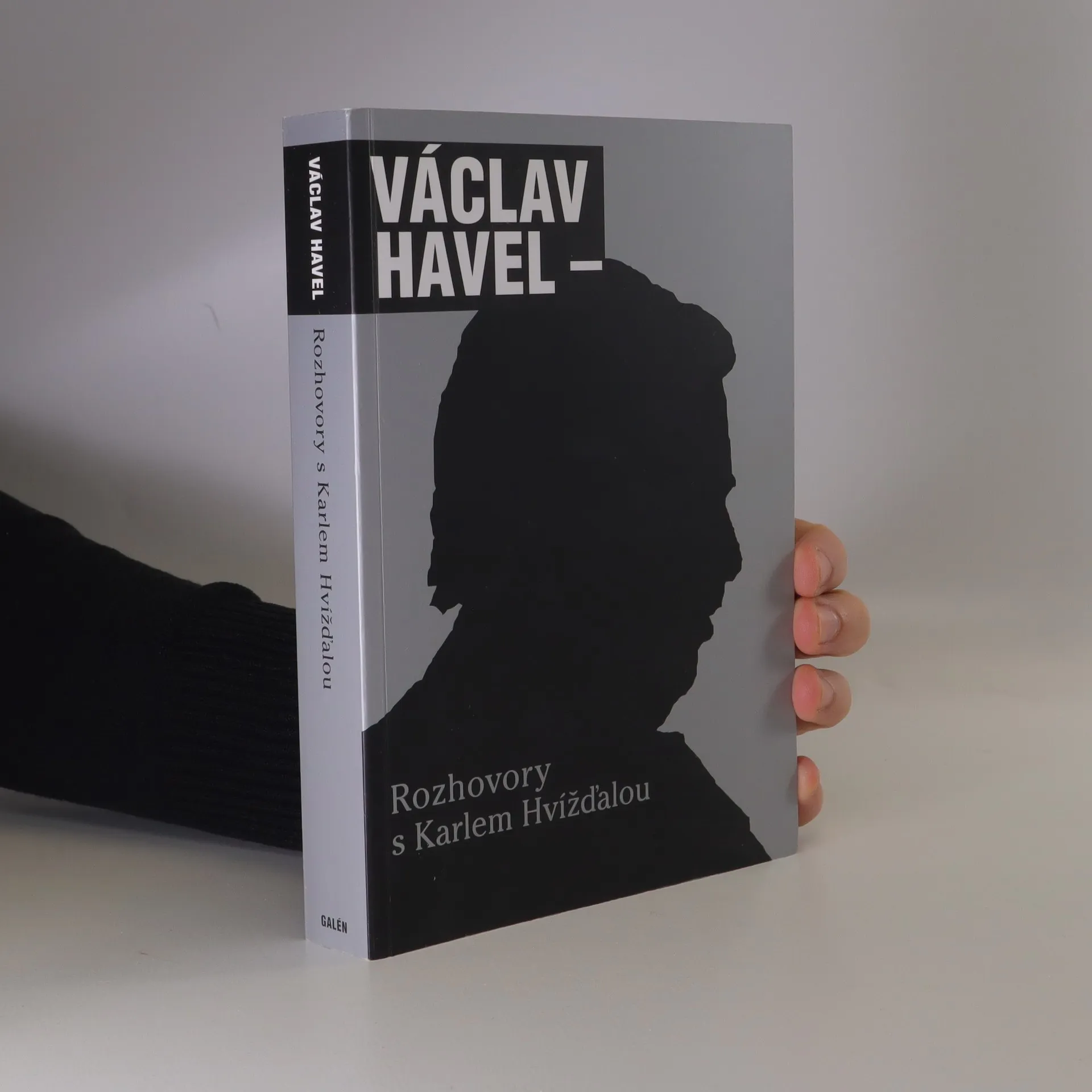
Collects the conversations between the former president of the Czech Republic and the editor in chief of the largest daily newspaper in Poland, beginning in the 1970s and continuing as they lived through a tumultuous era in Central Europe.
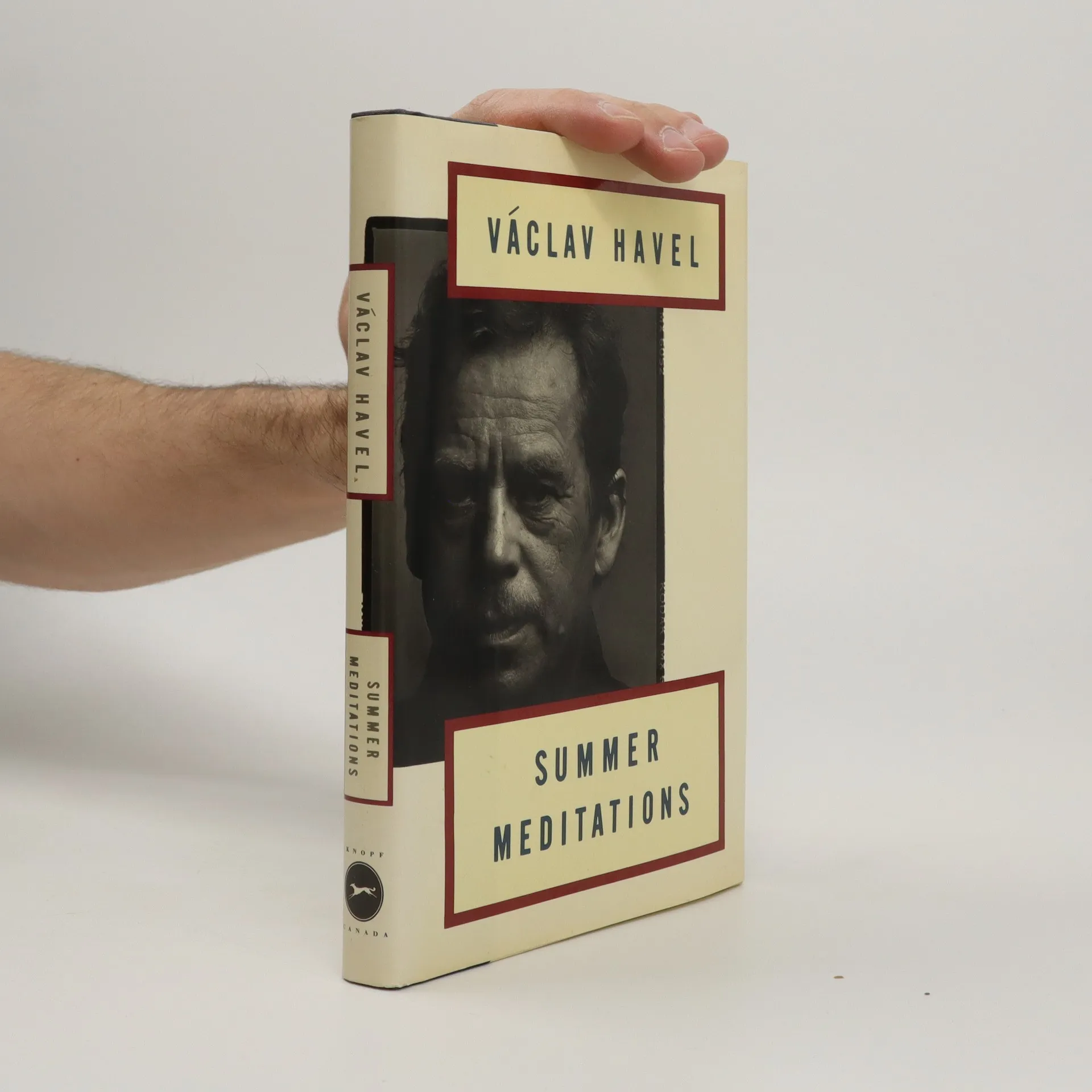
In a book written while he was president of Czechoslovakia, Vaclav Havel combines the same powerful eloquence, moral passion, and abiding wisdom that informed his writing as a dissident and playwright, with a candor unprecedented from one with the broad perspective and infinite responsibility of governing a country. Havel, now president of the Czech Republic, addresses the legacy of Communism as the euphoria of the Velvet Revolution gives way to a more problematic reality. Yet even as he grapples with the challenges of political change, he affirms his belief in a politics motivated by moral responsibility; in an economy tempered by compassion; and in the central roles of art and culture in the transformation of society. Summer Meditations is not only a timely and necessary testament of events in Eastern Europe but a profound reflection upon the nature and practice of politics and a stirring call for morality, civility, and openness in public life throughout the world.
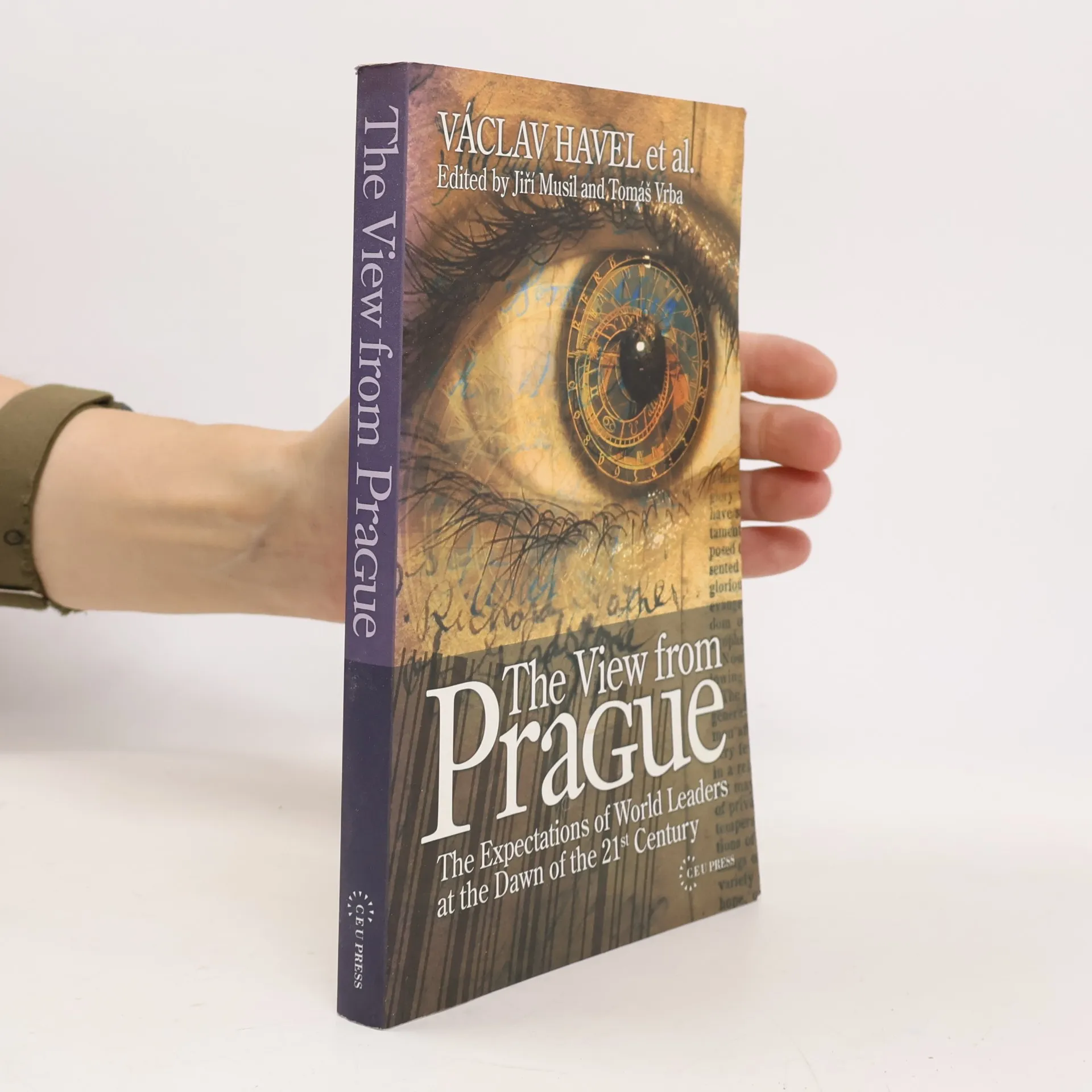
The Expectations of World Leaders at the Dawn of the 21st Century
This work is the result of the Forum 2000 conferences initiated by Václav Havel and Elie Wiesel. The book is based mainly on the first five conferences which were held in Prague from 1997. The first essay written by Václav Havel deals with spiritual preconditions of the global survival of humankind, and the second one is the quintessence of Havel's views on the world which we have inherited as well as his views on our hopes for the future. The book closes with Havel's personal reflection on the deeper meaning and aim of the Forum 2000 meetings. Subsequent chapters analyze and interpret the ideas that were expressed by the speakers and interlocutors of the first five conferences in which they tried to identify and understand the primary issues facing mankind globally. Reflections deal with the main dimensions of globalization and with their synchronicities as well as asynchronicities based on the quintessences of the annual conference reports.
The world is a mess. The privileged few prosper. The masses suffer. And everyone feels spiritually empty. Most people would blame capitalism, racism, or some other ""ism"". But according to Sharif M. Abdullah, the problem is not ideology. It's exclusivity -- our desire to stay separate from other people. In Creating a World That Works for All, Abdullah takes a look at the mess we live in -- and presents a way out. To restore balance to the earth and build community, he says, people must stop blaming others, embrace inclusivity, and become ""menders"". He outlines three simple tests -- for ""enoughness"", exchangeability, and common benefit -- to guide people as they transform themselves and the world.
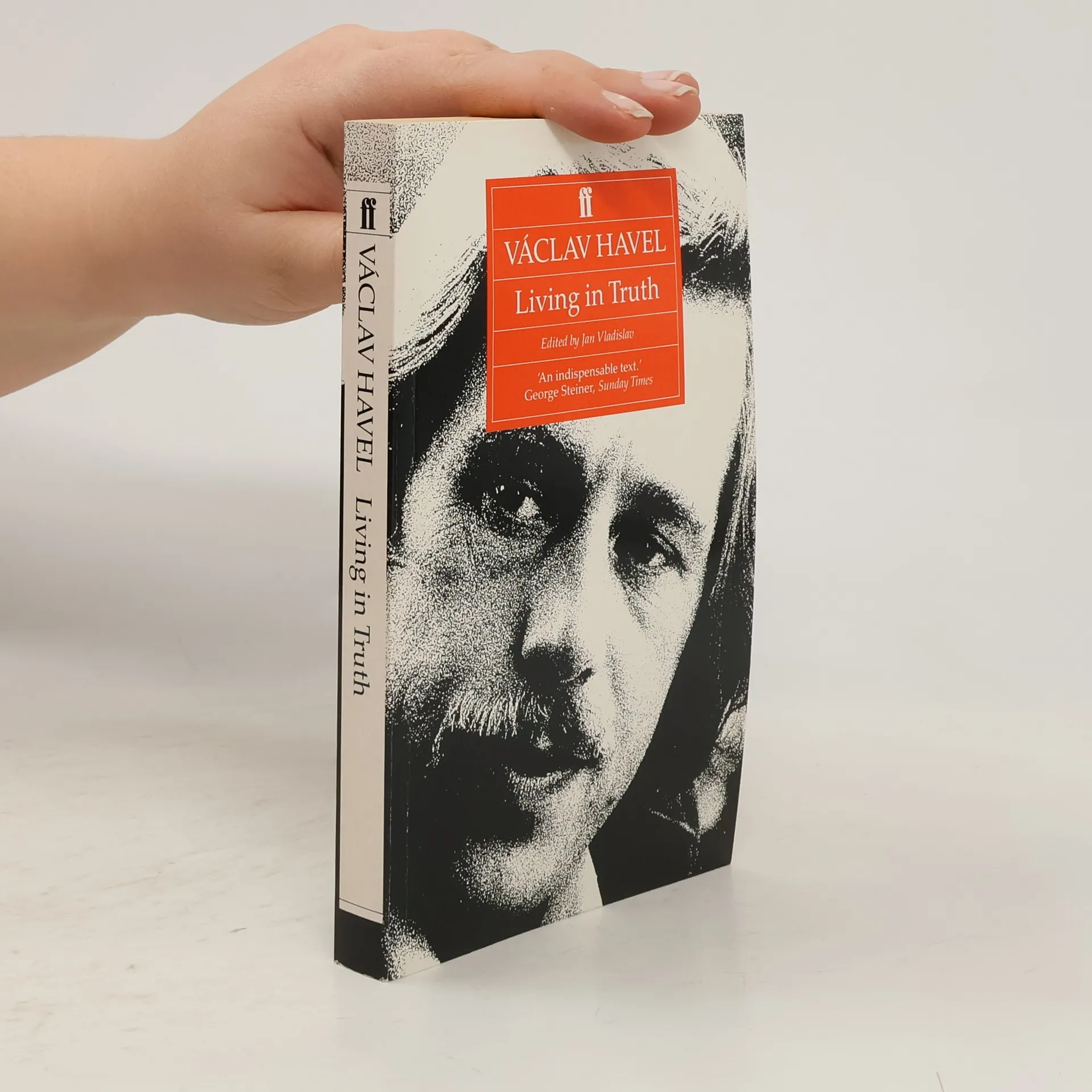
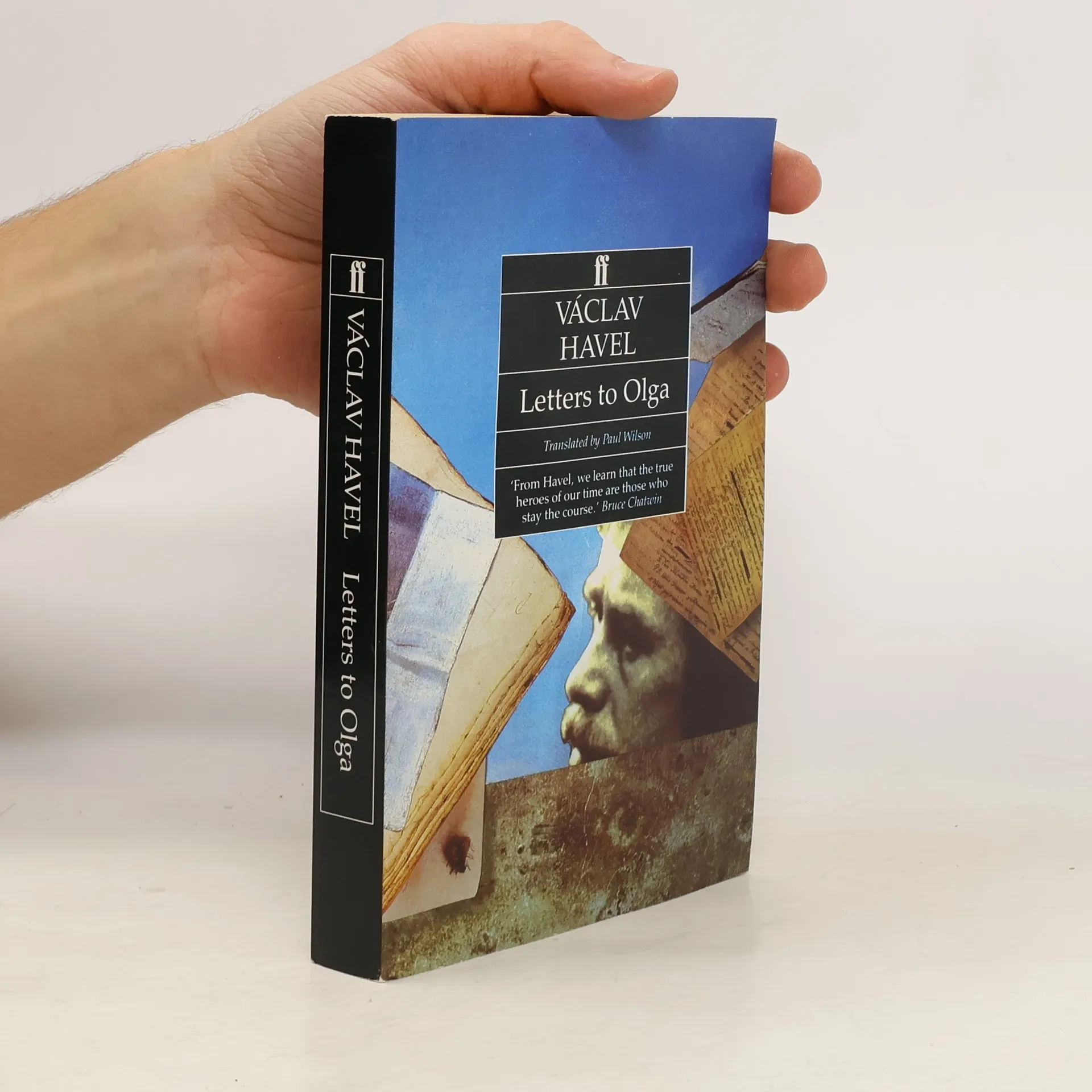
Vaclav Havel is one of the most important European writers of our time. In 1979 he was sentenced to four and a half years of hard labour for his involvement in the Czech human rights movement, Charter 77. In prison he was allowed to write to his wife, Olga, once a week. He used the opportunity for profound reflections, on theatre, society and philosophy. These letters form a remarkable document, and a work of lasting value.'From Havel, we learn that the true heroes of our time are those who stay the course.' Bruce Chatwin
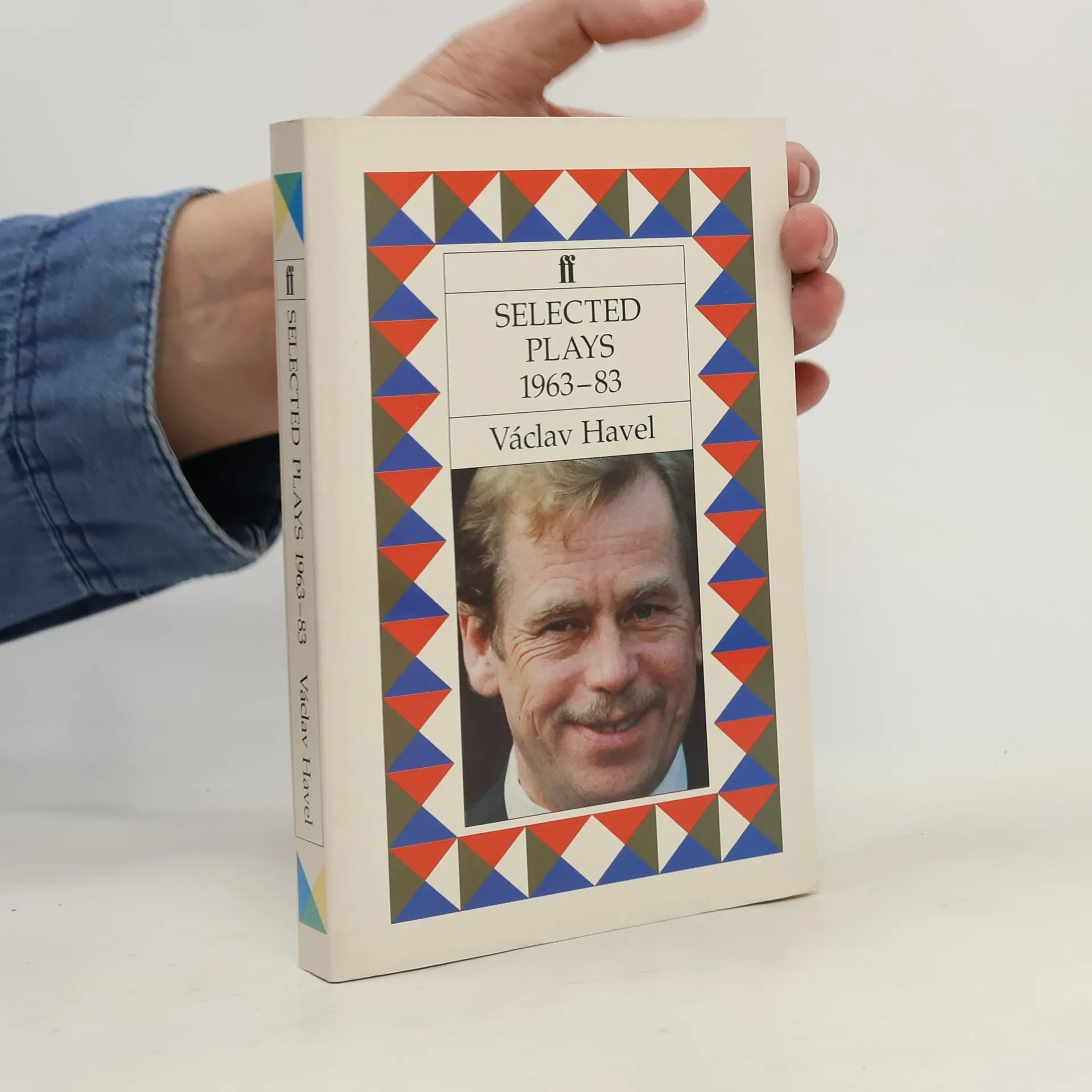
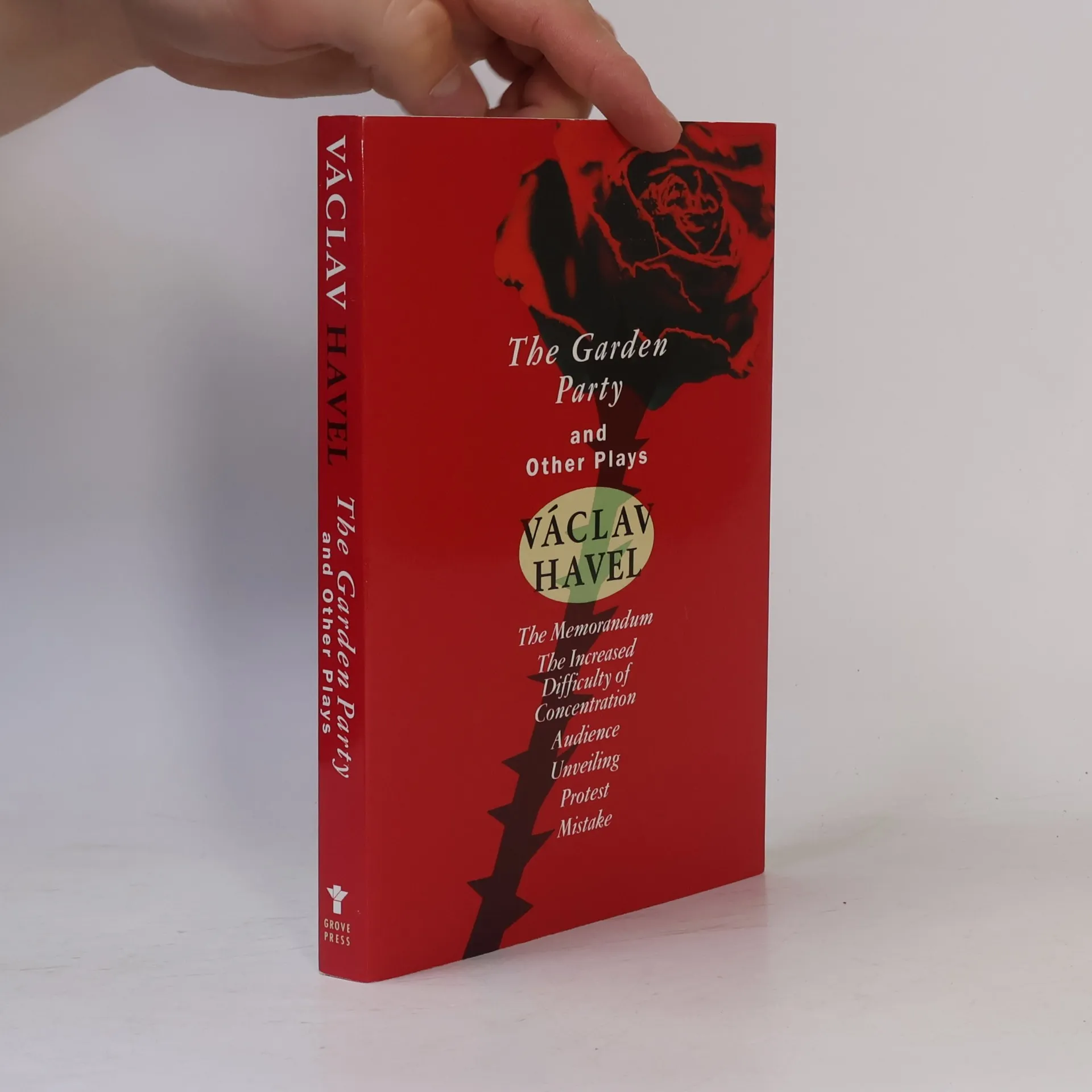
Gathered together here for the first time are seven plays that span Havel's career from his early days at the Theater of the Balustrade through the Prague Spring, Charter 77, and the repeated imprisonments that made Havel's name into a rallying cry and propelled him to the leadership of his country. They include The Garden Party, The Increased Difficulty of Concentration, Mistake, the Vanek trilogy of Audience, Unveiling, and Protest, and the first fully corrected English version of The Memorandum--the play that won Havel the Obie for Best Foreign Play in 1968.
Kniha obsahuje tři jednoaktové hry Václava Havla v dvojjazyčném vydání. Audience, Vernisáž a Protest. Český originální text je vždy na protilehlé straně doplněn anglickým překladem. Překlad Jan Novák. Kniha je doplněna úvodním historickým kontextem a vzpomínkami Václava Havla na trutnovský pivovar.
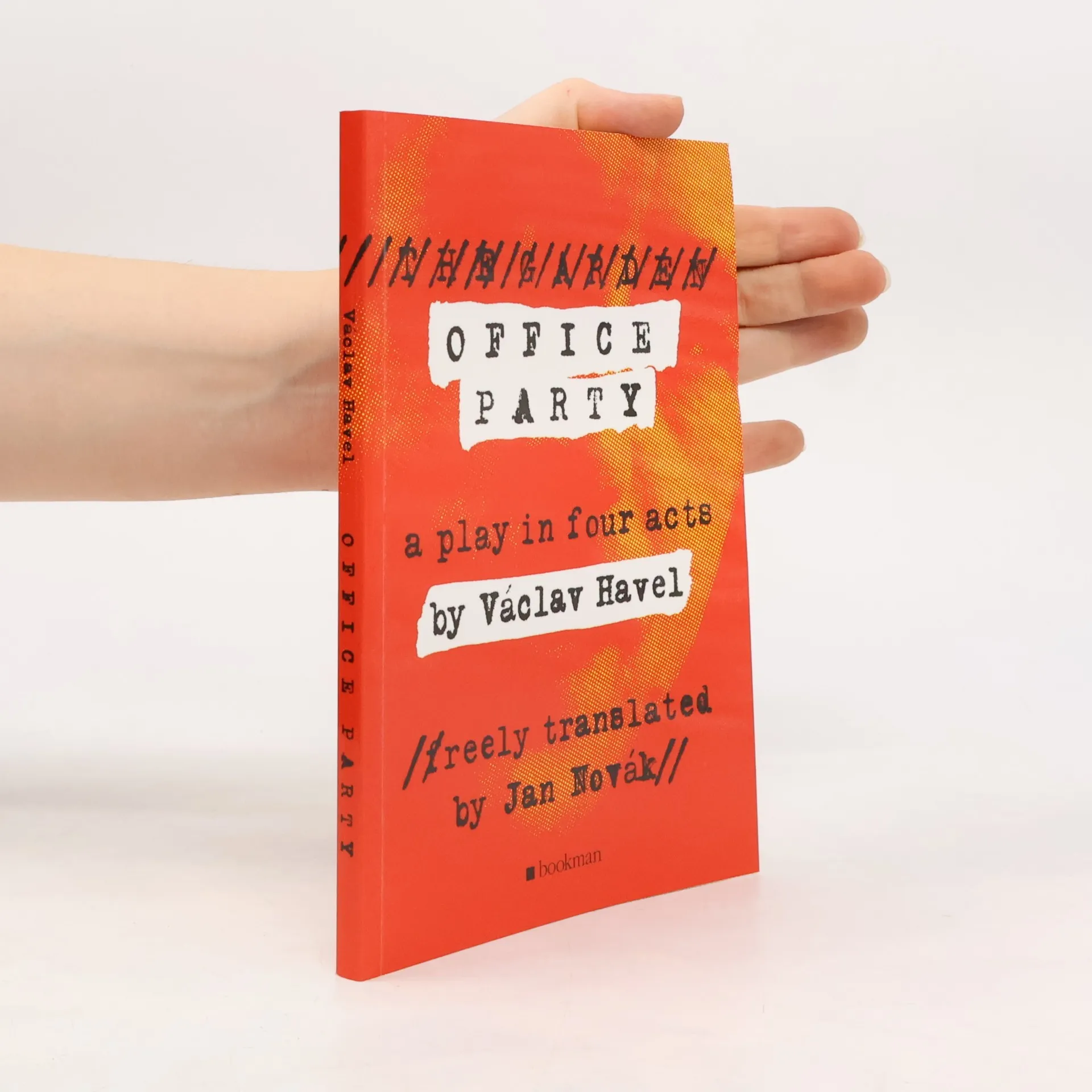
Office Party volně převádí první hru Václava Havla, Zahradní slavnost, do světa kapitalistických kanceláří a idiomu americké angličtiny. Její hrdina Hugo však zůstává mladým mužem, který nedělá nic jiného, než že hraje šachy sám se sebou. Ovšem když ho jednoho dne otec vyštve nahánět konexe na zahradní slavnost ohromné instituce, tak se tam Hugo rychle zapojí do práce Likvidačního úřadu. Tím pádem sice dál hraje šachy jenom sám se sebou, ovšem teď tahá černými i bílými figurkami jako výkonný orgán.
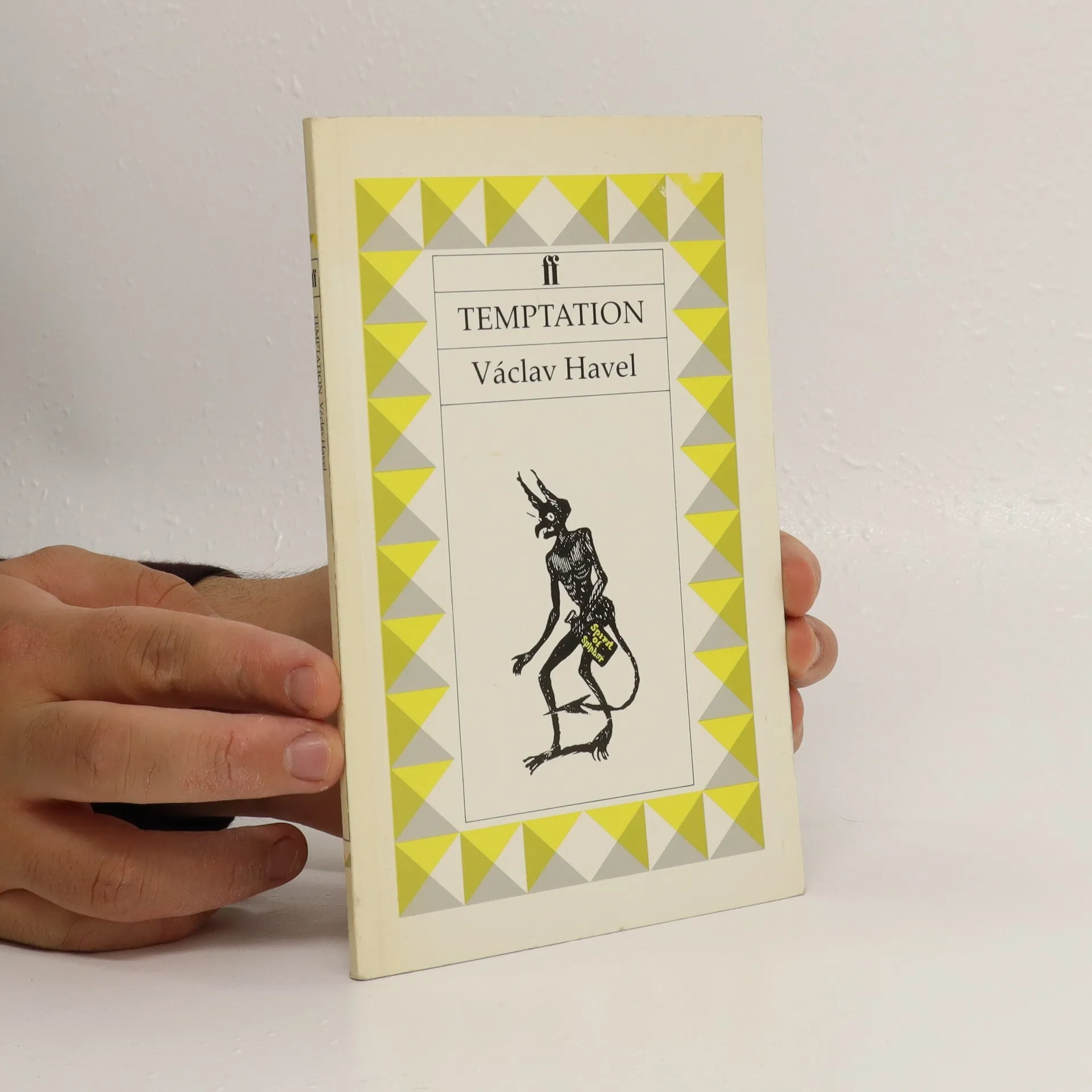
A play in ten scenes with a Faustian motif set in a scientific institute. The main character, scientist Foustka, yearns for metaphysical knowledge, which is to be imparted to him by the disabled pensioner Fistula.
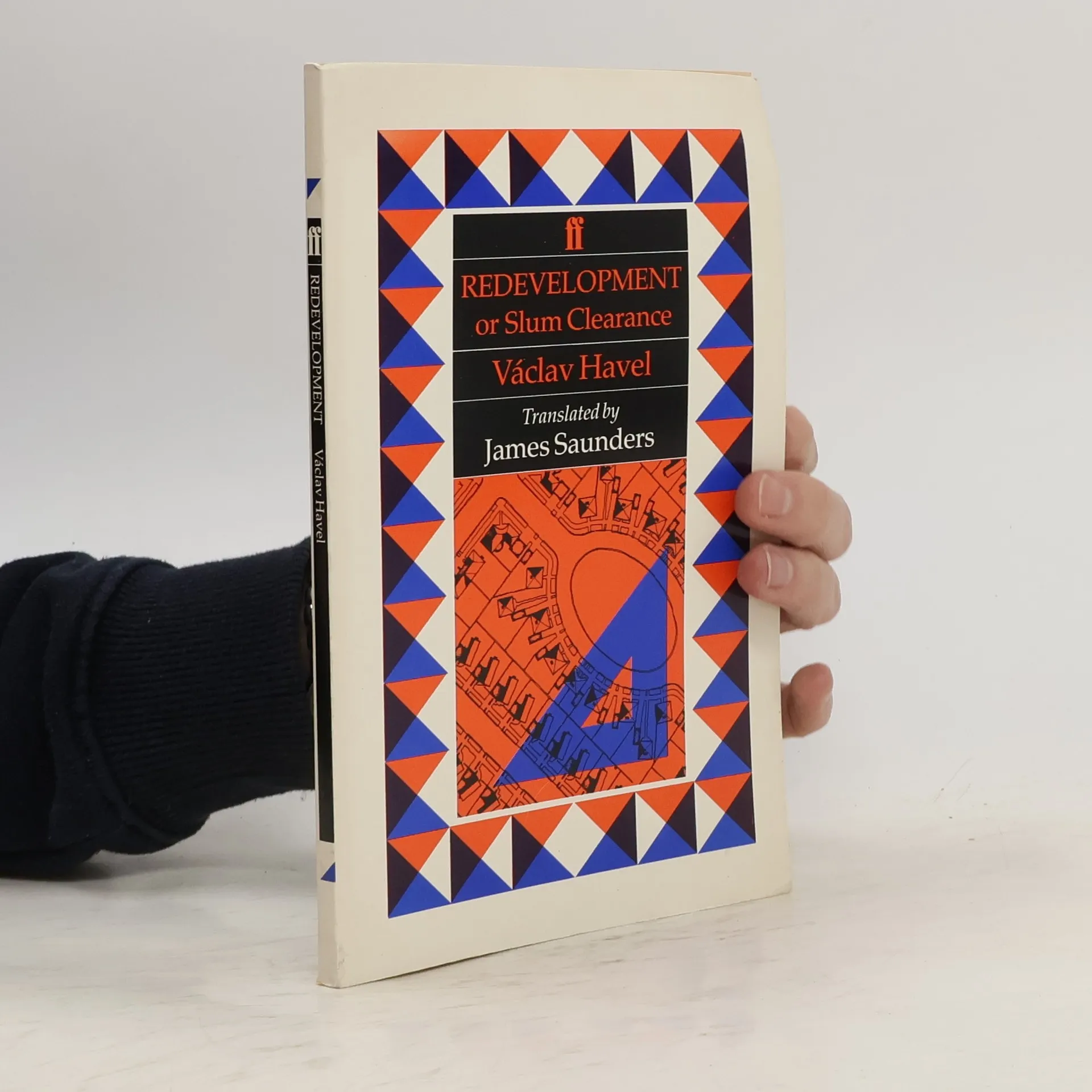
The plays in this volume, which complements Selected Plays 1963-1983 are Largo Desolato, Temptation and Redevelopment in versions by Tom Stoppard, George Theiner and James Saunders respectively.Their themes are freedom of thought, Faustian opportunism and town planning as metaphors for life in Eastern Europe before the collapse of Communism, all handled with their author's characteristic wit and irony, and written before he was translated from a prison to the highest office of state.
Jediná pohádka Václava Havla, kterou napsal v sedmdesátých letech do sborníku jednoho velkého německého nakladatelství. Václav Havel tehdy dlouho tvrdil, že pohádku pro děti nemůže napsat. Za prvé proto, že nic takového neumí, za druhé proto, že špatně vyslovuje hlásku "r" a v pohádkách jsou samí drraci, krrálové, čarrodějové, prrincezny , trrpaslíci, rrusalky, rrarráškové a podobné potvorry a za třetí proto, že nemá čas, neboť v pivovaru musí koulet sudy s pivem. Ale jak v knížce uvidíte, pan Havel to nakonec skvěle vyřešil, protože si vymyslel novou pohádkovou bytost bez "r". Barevné ilustrace překrásně vyvedených Pižďuchů jsou od Jiřího Sopka, skvělého malíře a autorova dobrého přítele. Česko-anglické vydání.
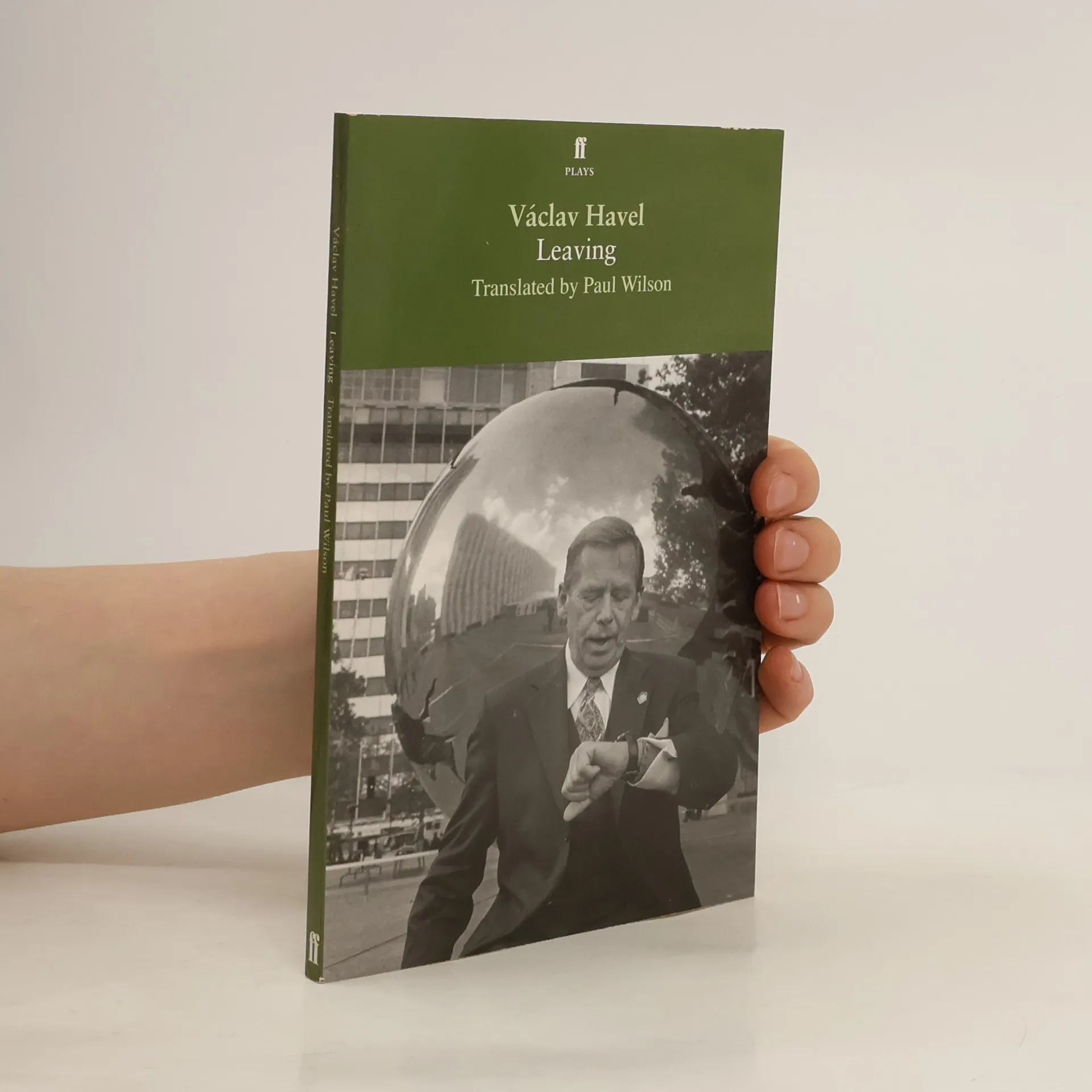
"Chancellor Rieger is leaving office. But does leaving office necessarily mean that he, his mistress and his extended family have to leave the state villa, which has been their home for years? While his former secretary, and the former secretary to his former secretary, grapple with the mechanics of change and his family prepare to face an uncertain future, the chancellor himself considers his legacy amid visits from journalists, an infatuated student and his arch-rival and possible successor, Patrick Klein. With echoes of both King Lear and The Cherry Orchard, Vaclav Havel's Leaving addresses the themes of change, dispossession and the transfer of power from one generation to the next."--Page 4 of cover
Revolves around the invention of a new bureaucratic language, Ptydepe, which is adopted by an organisation despite the fact that few employees seem to understand it.
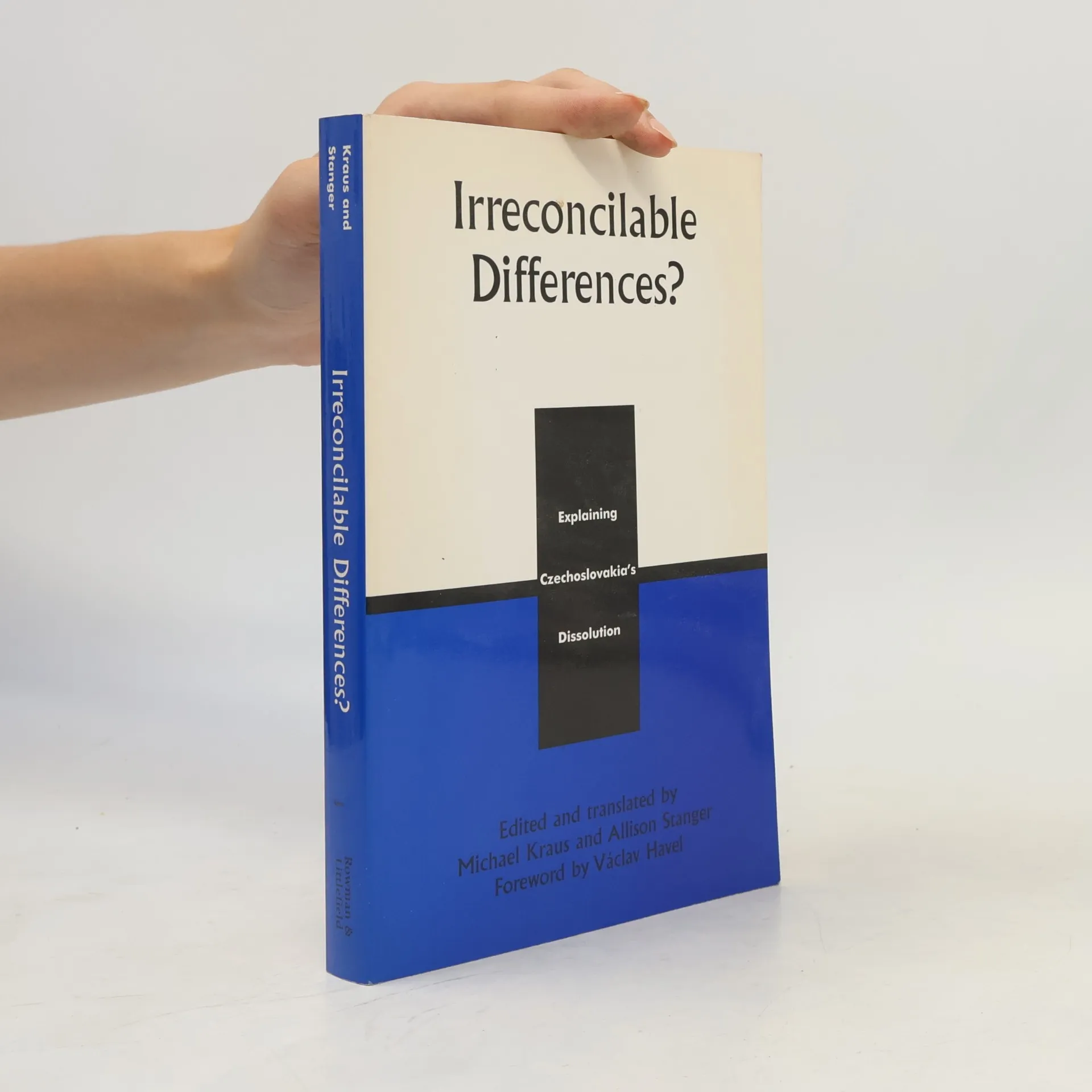
This unique volume brings together a multi-disciplinary group of scholars as well as Czech and Slovak decisionmakers who were personally involved in the events leading up to the separation of Czechoslovakia. Asking whether the dissolution was inevitable, the contributors bring a range of different approaches and perspectives to bear on the twin problems of democratic transitions in multinational societies and ethnic separatism and its origins. The blend of analysis and insider experiences will make this book invaluable for all concerned with nationalism and ethnicity, democratization, and transitions in Eastern Europe.
Václav Havel was born in Prague on October 5, 1936, but faced limited educational opportunities due to his "bourgeois" background. He studied at the Economics Faculty of the Czech Technical University from 1955 to 1957, then began working in theater after compulsory military service. Havel joined Prague's Theater on the Balustrade in 1960, where his plays gained international acclaim. From 1962 to 1966, he studied dramaturgy at the Academy of Performing Arts in Prague and became involved in the Prague Spring reforms, which ended with the Warsaw Pact invasion in August 1968. Opposing the invasion and subsequent hard-line Communist policies, Havel's work was banned in Czechoslovakia in 1969. In 1977, he co-founded the Charter 77 human rights initiative, facing house arrest in 1978-79 and multiple incarcerations for his beliefs. In November 1989, he emerged as a leader of Civic Forum, the movement that helped end Communist rule, and was elected president of Czechoslovakia on December 9, 1989. He was re-elected on July 5, 1990, but resigned on July 20, 1992, as the country approached dissolution. On January 26, 1993, he became the first president of the Czech Republic. Havel's plays, essays, and speeches have been globally performed and translated, earning him numerous international awards.
Two seasoned food professionals—a cookbook editor and a caterer—tackle the challenge of serving imaginative, flavorful dishes without extensive fuss. Their approach is to draw inspiration from renowned cooks like Julia Child and James Beard, uncovering simple yet delicious recipes hidden in complex cookbooks. They present a diverse collection of recipes that balance flavors, featuring American classics such as spoon bread and oven-fried chicken, alongside exotic dishes like Moghul Lamb and Bangkok Chicken. Each recipe includes tips, variations, and practical advice on using new ingredients, complemented by their own tried-and-true favorites. The compilation boasts 119 master recipes, 81 variations, and 34 Editors' Kitchen recipes, creating a culinary treasure trove. McCullough and Witt offer fresh perspectives on traditional cooking methods, such as roasting chicken at high temperatures and innovative pasta preparation. The book also provides essential information on entertaining, crafting salads, and quick breads, along with microwave tips. With a warm and encouraging tone, the authors inspire cooks to experiment and develop their own recipes, making this user-friendly guide suitable for both beginners and experienced cooks alike. It promises to be a go-to source for distinctive culinary creations.
Candles in the Dark is an international compendium of essays that share a sense of the importance of introducing ethical and spiritual concepts and values into the public discourse on progress and globalization issues. They offer a new approach to international relations and public policy that esteems the human spirit and dignity as central values in decision making, seeks links between self interest and the common good, and introduces, in a practical way, philosophical, spiritual, and cultural perspectives in the political discourse on global political and socioeconomic problems.
Tři oblíbené aktovky spojuje postava Ferdinanda Vaňka, která je literárním alter egem Václava Havla. Jednoaktové „vaňkovky“ Audience, Vernisáž a Protest jsou inspirovány životními zážitky a zkušenostmi zakázaného autora a získávají si diváky i čtenáře svým neopakovatelným humorem, ironií a neotřelým pohledem na realitu normalizačních let sedmdesátých, kdy zábavné „hříčky“ vznikly. Vychází jako 137. svazek edice D
Tento svazek edice „Hry VH do kapsy“ přináší aktovky Audience a Vernisáž s nejúspěšnější divadelní postavou Václava Havla, zakázaným spisovatelem Vaňkem v centru dění. Plachý, ale zásadový hrdina se v letech husákovské normalizace nechce podřídit diktátu policejního státu, snaží se nezradit své principy a žít podle svého svědomí.
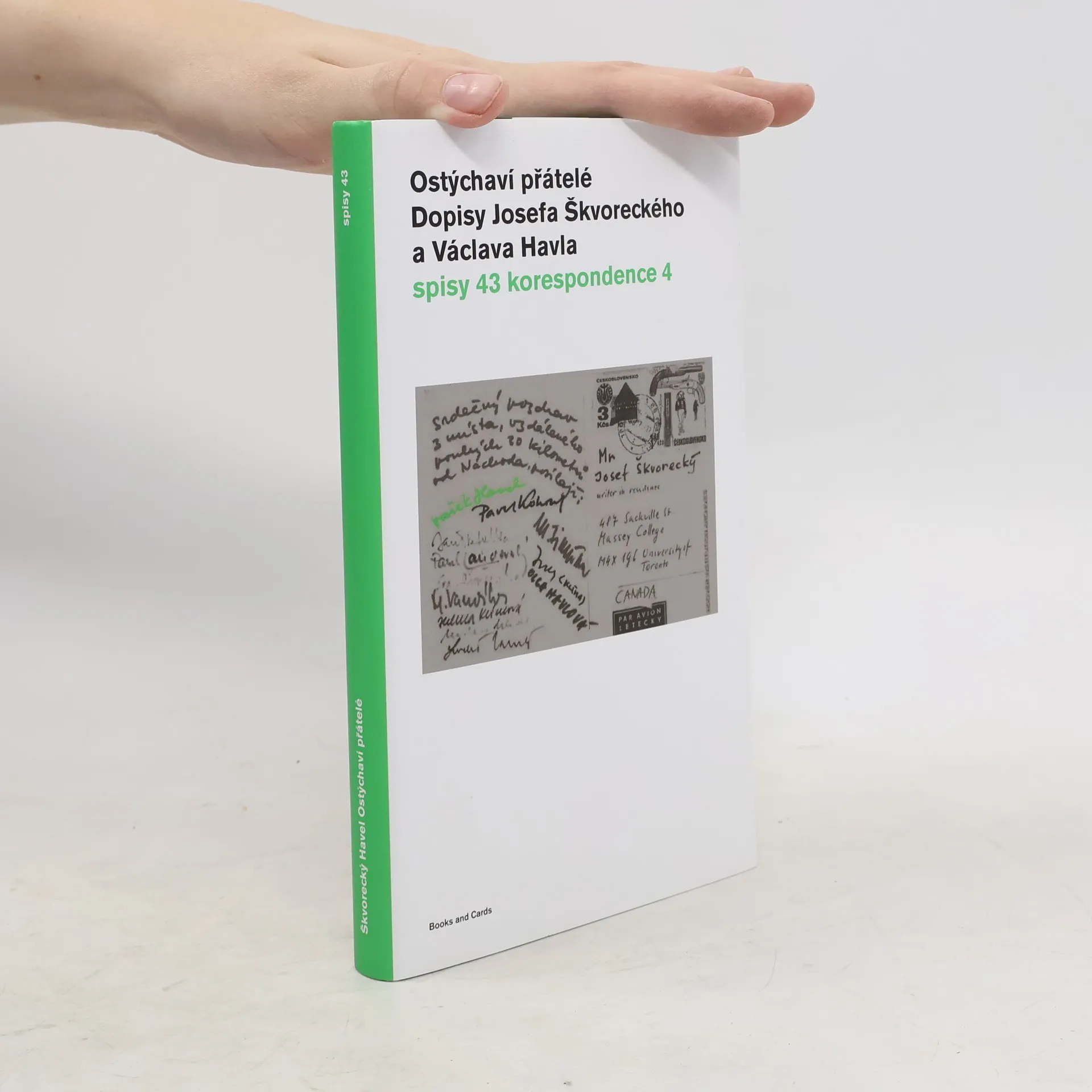
Václav Havel (1936–2011) a Josef Škvorecký (1924–2012) patřili k nejvýznamnějším osobnostem české poválečné literatury i kulturního života. Oba autory spojoval mj. fakt, že si nikdy nezadali s komunistickou mocí: i na půdě progresivního Svazu československých spisovatelů v druhé polovině šedesátých let působili téměř jako outsideři. Nikdy se však osobně nesblížili. Josefa Škvoreckého možná svazovalo i vědomí, že v postavě světoznámého dramatika Hejla z románu Mirákl Havla příkře zkarikoval, a záhy si uvědomil, že „Dannyho pohled“ v tomto případě nebyl dostatečně pronikavý. Dopisy, které si vyměňovali od roku 1976 až do prosince 1989, kdy se stal jeden z adresátů prezidentem a druhý na čas jeho poradcem, přesto nejsou nezajímavé. Umožňují nám sledovat přípravu tří publikací, které manželé Škvorečtí Havlovi vydali ve svém nakladatelství SixtyEight Publishers, ale můžeme také nahlédnout do Škvoreckého strategických, nejen nakladatelských, ale i společenských, ba politických úvah. Z Havlových dopisů je zase zřetelně patrná postupná proměna zdvořilého disidenta ve velkorysou, ale cílevědomou a z hlediska soudobých dějin republiky nakonec vlastně klíčovou osobnost.
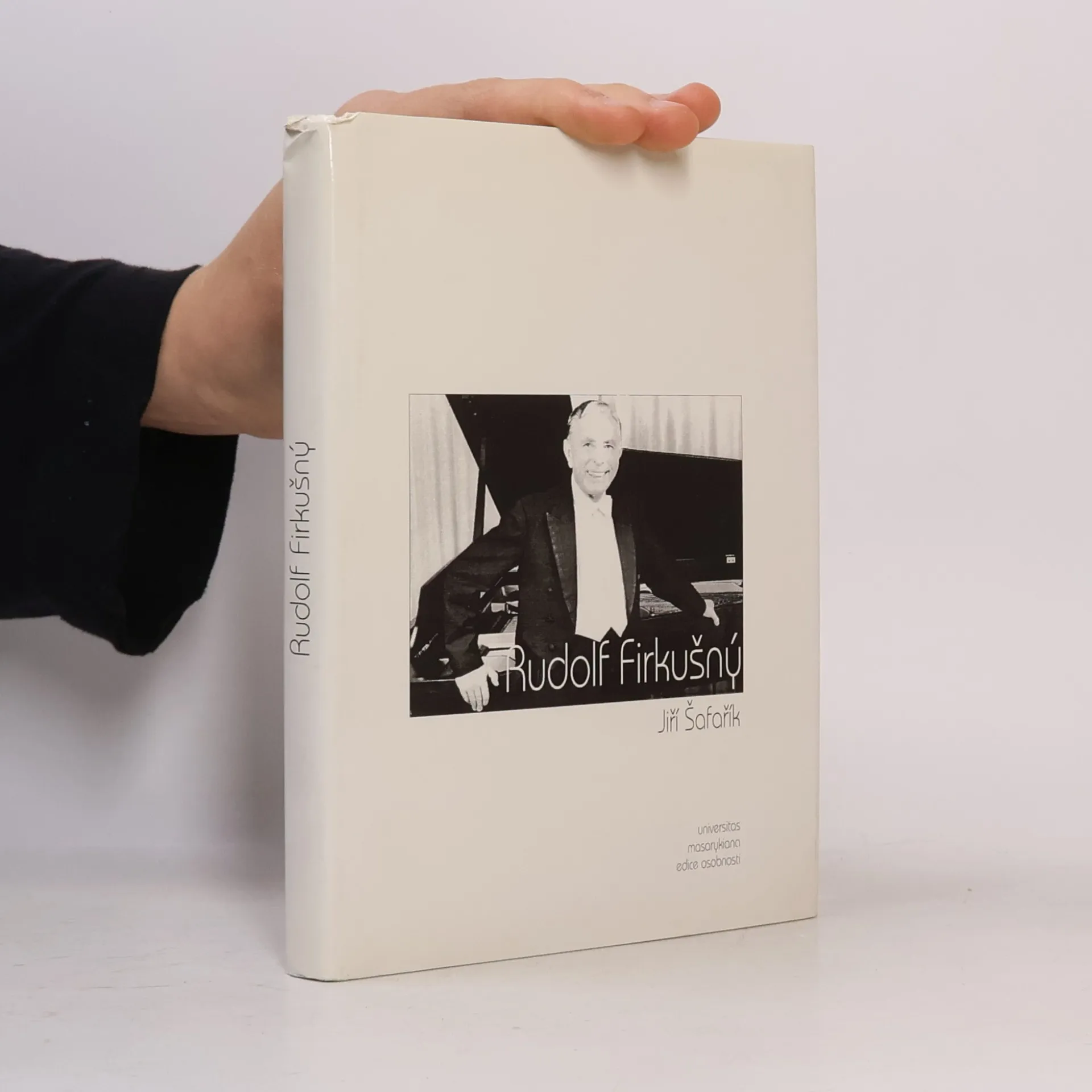
Jako třetí svazek edice OSOBNOSTI byla vydána obsáhlá publikace věnovaná životu, dílu a odkazu Rudolfa Firkušného, českého klavíristy světového významu. Kromě Firkušného životopisu kniha obsahuje výběr recenzí ze světového tisku, kalendárium mistrova života, výběrový soupis jeho nahrávek, výkladový rejstřík nejdůležitejších jmen. Publikace je díky rozsáhlému autorskému kolektivu a aktivitě Masarykovy univerzity nejkomplexnějším zpracováním informací o umělci, který byl doktorem honoris causa této univerzity.
Jak psát, když národní literaturu zakáže režim kolaborantů sloužící okupantům? Kupodivu — pokud autorům nehrozí smrt nebo mučení — svobodně. Tuto zkušenost zažila část generace českých spisovatelů, umlčená za snahu dát socialismu lidskou tvář. Pseudosocialismus sovětské výroby byl odsouzen k zániku dříve, než jej 21. srpna 1968 přejely tanky „bratrských armád“. Přesto nenastala literární poušť, ale jedna z nejplodnějších dob české literatury, psaná ze vzdoru, avšak ne militantně.
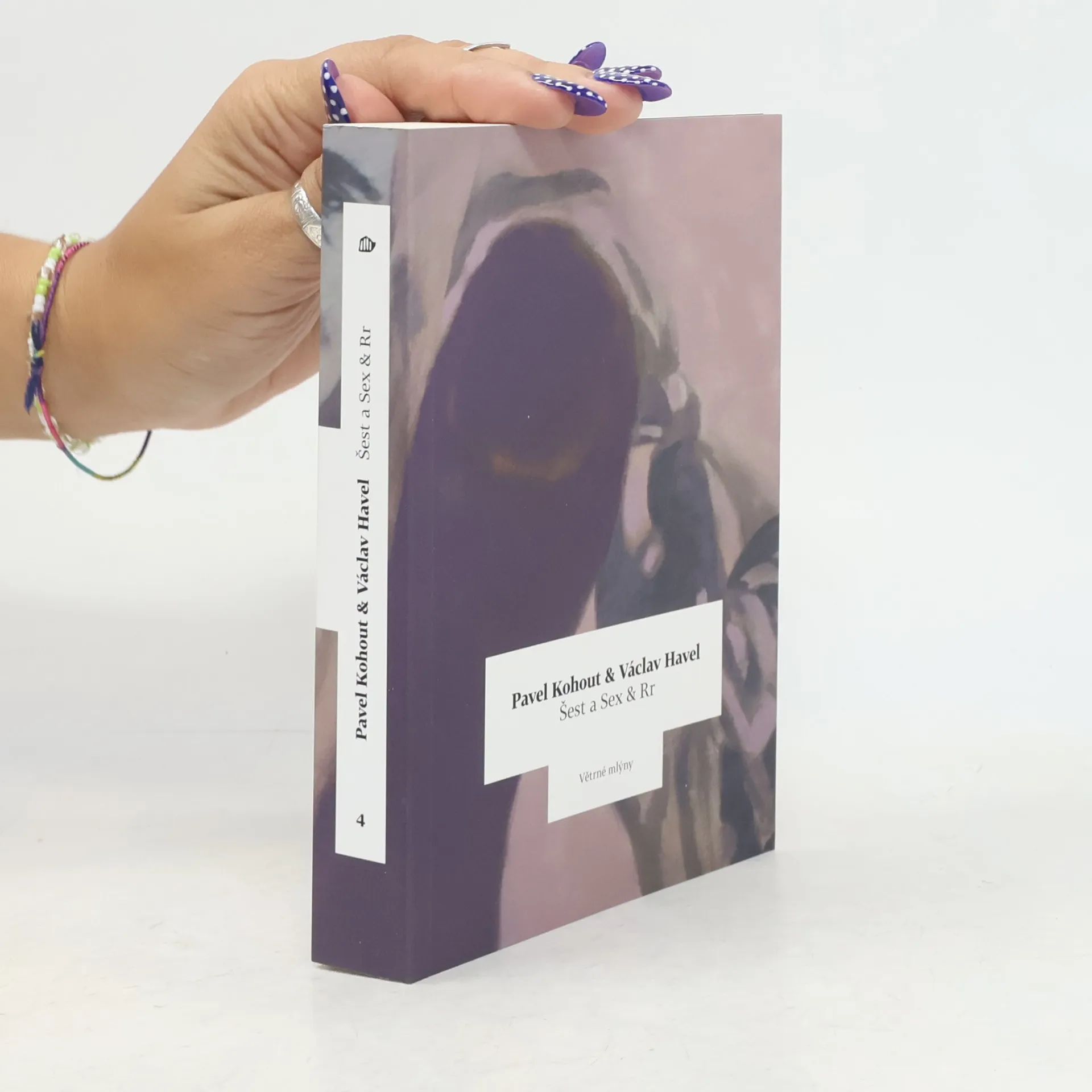
Trilogie aktovek zkoumá v tragikomických příbězích, jak se občan podílí na situacích, kdy je násilnickou mocí nucen jednat proti své vůli. Hrdina, inspirovaný Václavem Havlem, se objevuje v groteskních příbězích, které odhalují ubohost místodržitelské moci i naivitu svobodného světa. Hříčka Sex je sebekritickou reflexí jednoho ze šesti literátů, kteří zahájili občanský odboj — vzdor svým slabostem.
Rozebrané vydání Mladé fronty z roku 1998 je doplněno hříčkou Rr, kterou napsal Václav Havel společně s Pavlem Kohoutem. Šlo o soukromou soutěž „pro pobavení přátel“, kdy si autoři posílali pokračování poštou, nutíce se vymýšlet další způsoby, jak pomoci nešťastnému adepto herrectví s jeho problémem. Hrru autoři pod pseudonymem Pavel Havel poprvé zahráli v srpnu 1974 na Hrrádečku.
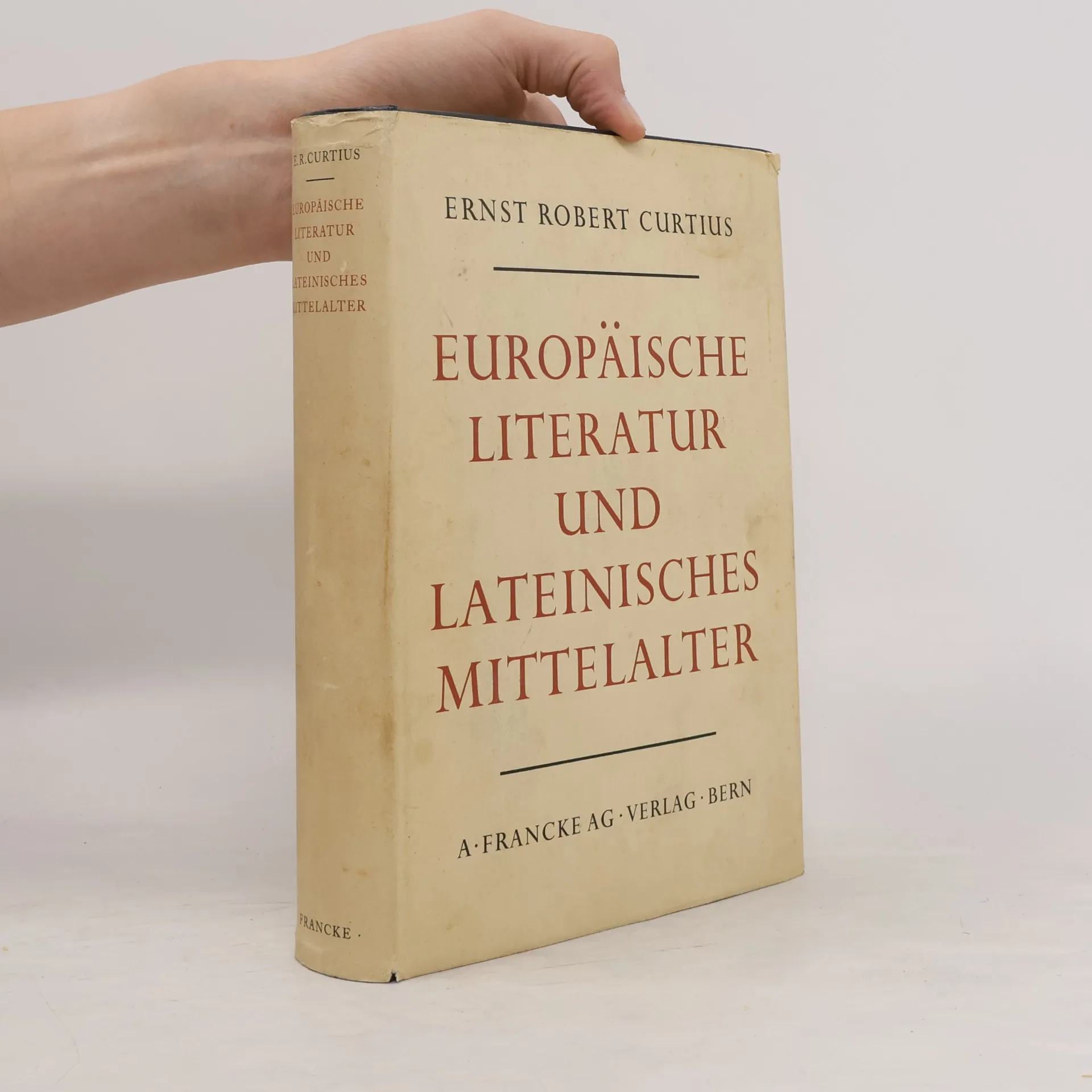
Dieser Gesamtschau über die europäische Literatur von Homer bis Goethe liegt die Erkenntnis zugrunde, dass die volkssprachlichen Literaturen nicht aus sich heraus, sondern nur in Verbindung mit der lateinischen Literatur zu verstehen sind. Curtius wendet sich gegen die sprachliche und zeitliche Beschränkung der Literaturwissenschaft auf die jeweiligen Nationalliteraturen, gegen isolierte Beschäftigung mit einer Literatur und steht somit am Anfang der komparatistischen Literaturbetrachtung.
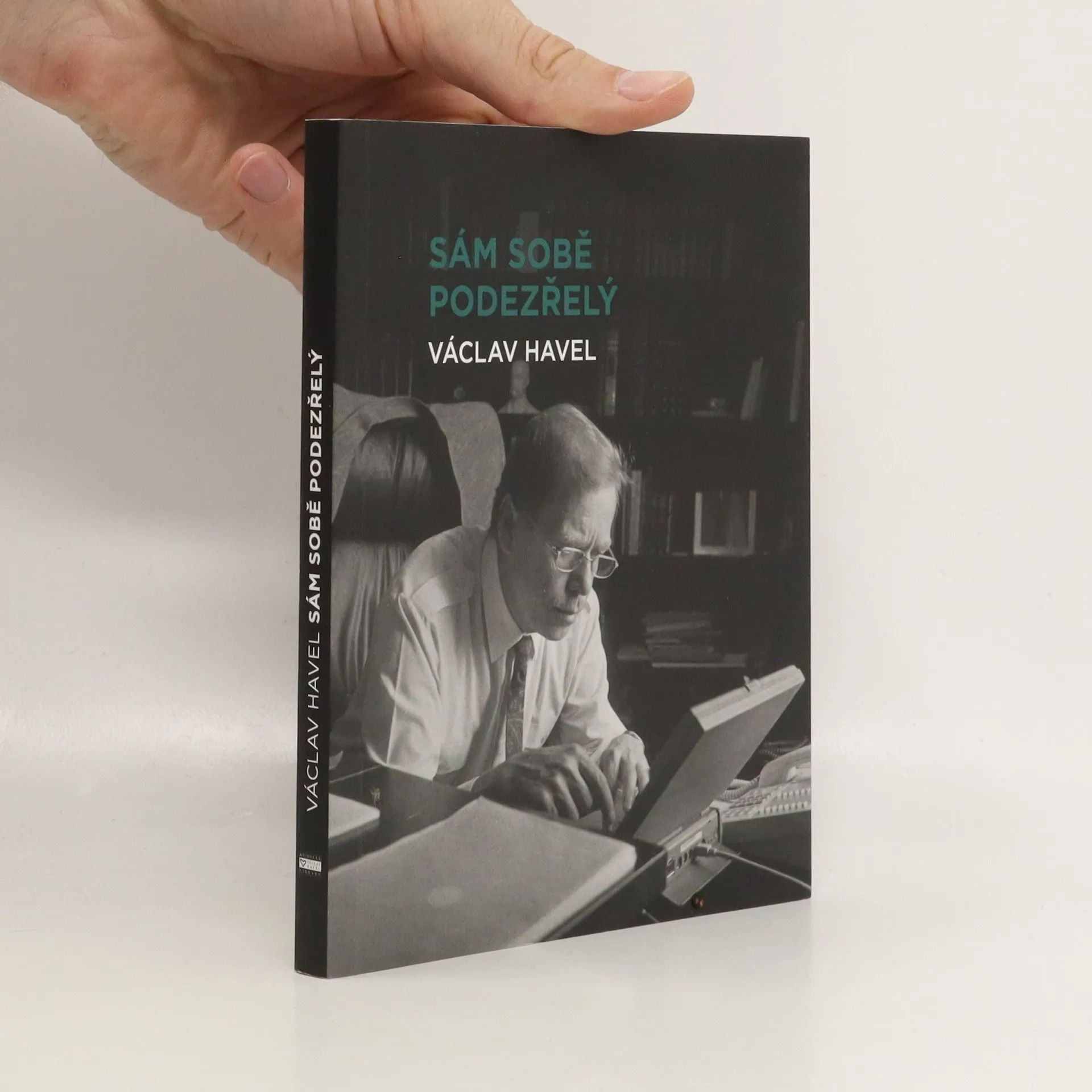
Soubor osmi osobně laděných prezidentských projevů Václava Havla z let 1990–1995 připomíná 25. výročí jeho prvního zvolení prezidentem 29. prosince 1989. Editorka Anna Freimanová ve své poznámce vysvětluje klíč k výběru projevů, které reflektují Havelovu konfrontaci s pokušením moci a napětím mezi myšlením a jednáním. V atmosféře obdivu si Havel uvědomuje důležitost udržení zdravého rozumu a snaží se vtisknout své osobnosti prezidentskou funkci, čímž signalizuje, že zůstává sám sebou a nevzdává se své minulosti. Přesto cítí, že není možné toto předsevzetí stoprocentně naplnit. Jeho celoživotní kontinuita, spojená s odpovědností a integritou myšlení, byla vždy podmínkou jeho identity. Tato témata, včetně faustovských pokušení, se objevují v jeho prezidentských textech, přičemž Havel neustále reflektuje své vnitřní boje a nutnost sebereflexe. Dva původní eseje, předmluva Martina Palouše a doslov Michaela Žantovského, zasazují Havlovu myšlenku do širších kulturně historických kontextů. Fotografický doprovod tvoří snímky Ondřeje Němce.
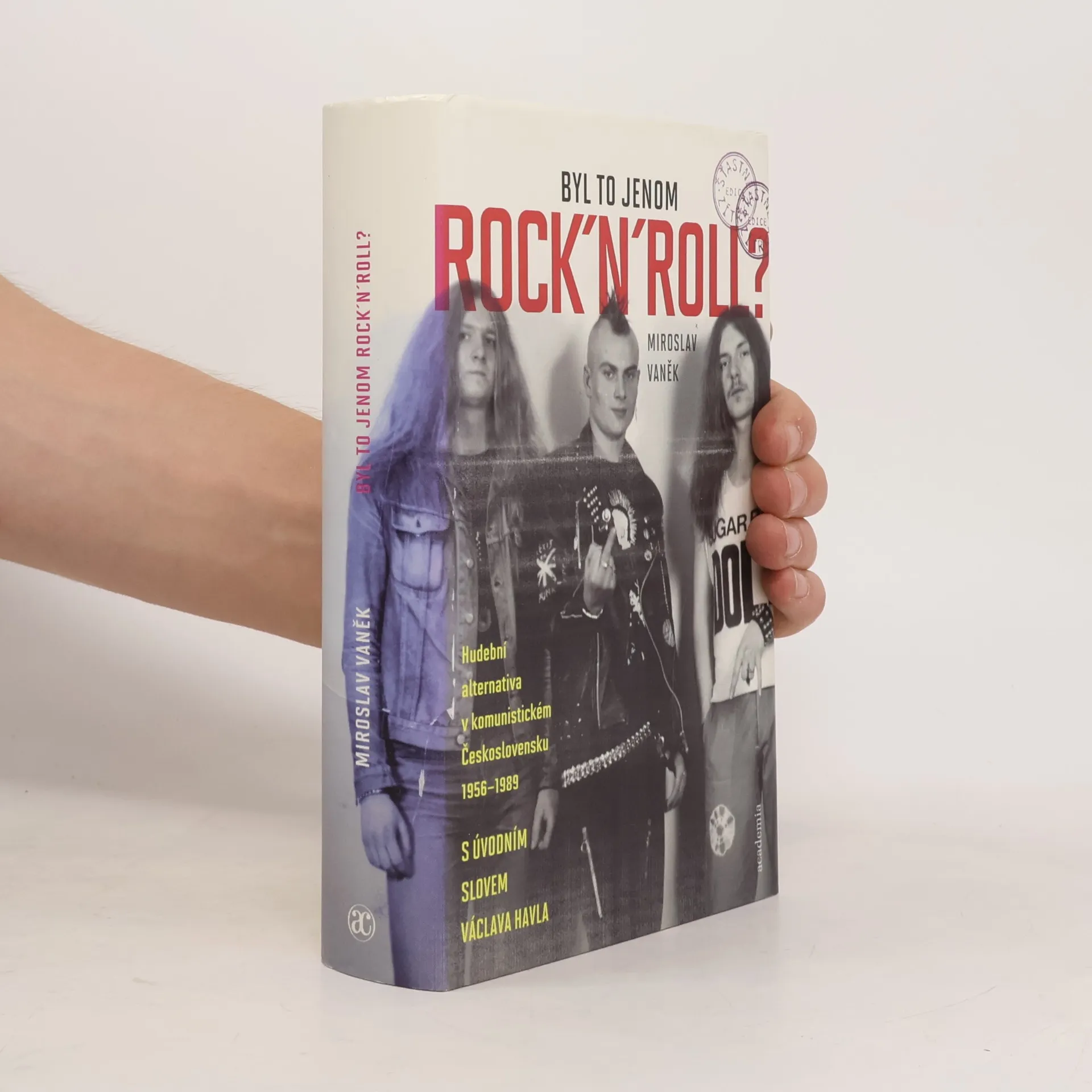
Publikace přináší poprvé pohled na rockovou hudbu z historické perspektivy (dosud převládaly spíše práce muzikologické a sociologické). Autor si všímá, jak populární hudba ovlivnila téměř tři generace československé společnosti. Mapuje vývoj rockové hudby od roku 1956 (kdy se u nás poprvé objevilo slovo rock’n’roll) až do roku 1989, kdy skončila éra vlády komunistické strany. Autor se snaží čtenáře seznámit se všemi snahami autoritativního režimu o likvidaci této tzv. „buržoazní a úpadkové“ hudby, která měla podle bývalých komunistických autorit nebezpečný potenciál „ideologické diverze“ ovlivňující mládež v celém bývalém východním bloku.
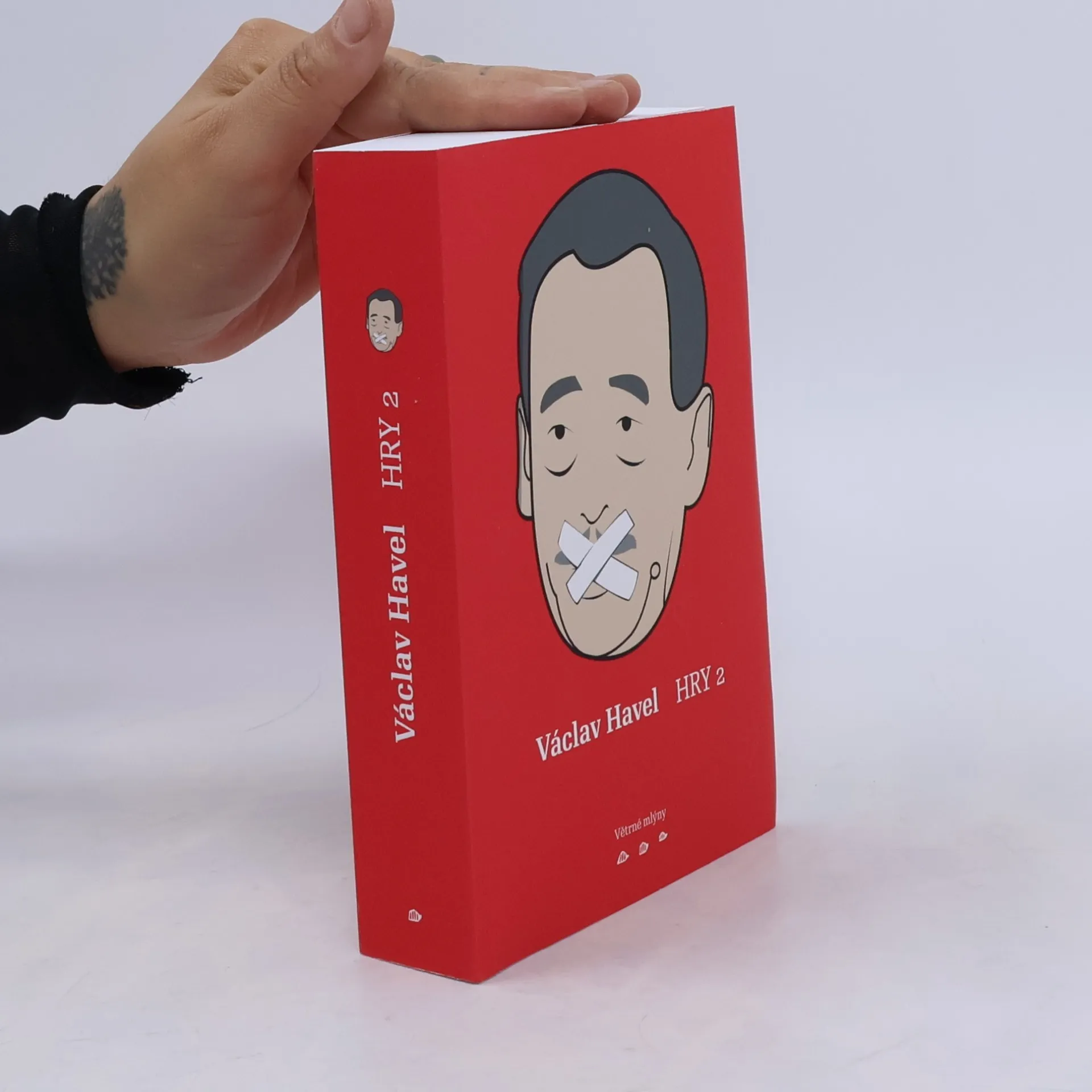
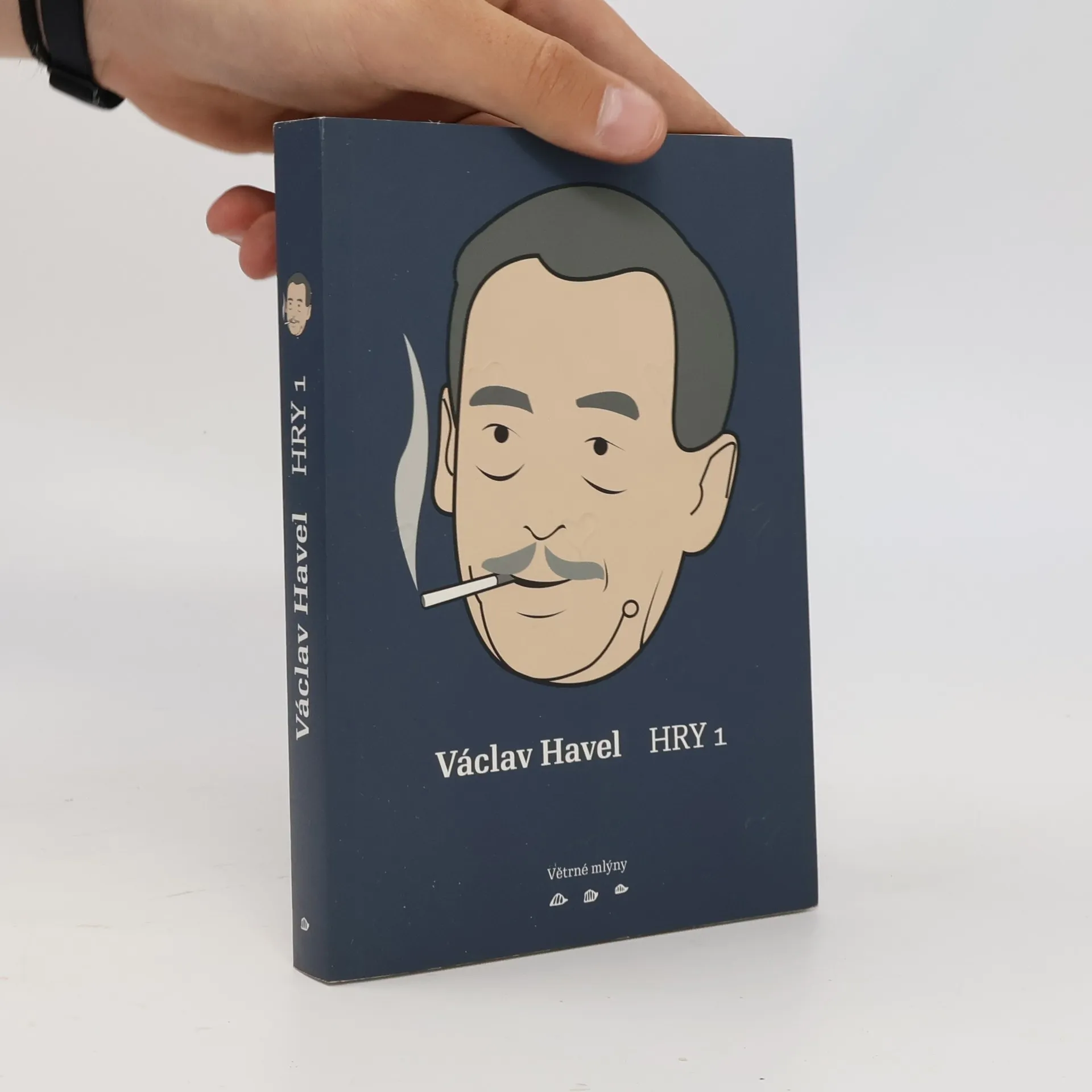
Druhý díl třísvazkového vydání všech dosud napsaných her Václava Havla, které vydávají Větrné mlýny, pojímá osm kusů autorem sepsaných mezi lety 1960 a 1988, pod jeho jménem však nesměly být oficiálně premiérovány v žádném z českých nebo slovenských divadel. Před rokem 1989 byla u nás ve zkráceném znění a bez autorova jména uvedena (21. 10. 1988) jen "historická meditace" Zítra to spustíme. Ostatní zde otištěné hry, krom až v roce 2000 inscenované jednoaktové tragédie Rodinný večer a "ineditně" Andrejem Krobem uvedené Žebrácké opery (1. 11. 1975 v hostinci U Čelikovských), si svá první uvedení odbyly mimo hranice Československa. Spiklenci v západním Německu, Horský hotel v Rakousku, stejně jako první a druhá ze série tří "velkých her" osmdesátých let Largo desolato a Pokoušení, poslední z této trojice celovečerních her Asanace pak ve Švýcarsku, 54 dní před sametovým listopadem 1989. HRY 1 ? Zahradní slavnost, Vyrozumění, Ztížená možnost soustředění, Odcházení HRY 3 ? Anděl strážný, Motýl na anténě, Audience, Vernisáž, Protest, Chyba
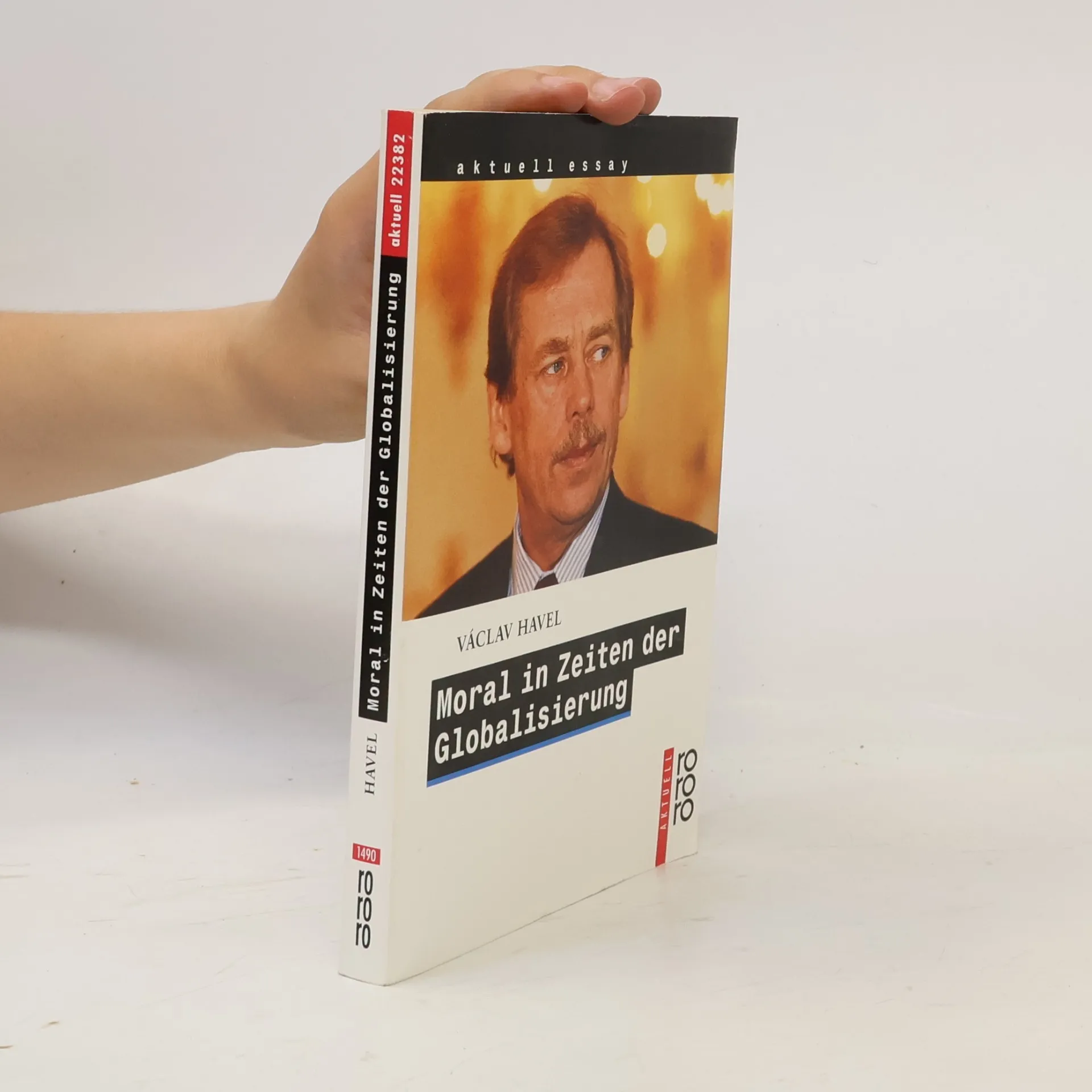
Quando si discute di globalizzazione, emergono atteggiamenti contrastanti: da un lato opportunità e crescita, dall'altro oppressione e mercificazione. Questo fenomeno suscita dibattiti tra studiosi e cittadini, generando sia speranze che timori. È davvero nuovo, o rappresenta una sfida rinnovata alla conoscenza e al progresso, simile a rivoluzioni passate? Se non è innovativo, come possiamo garantire che i benefici siano equamente distribuiti tra i popoli? Il mondo si sta espandendo: commerci, relazioni economiche, politiche e culturali si intrecciano, portando con sé valori e aspirazioni. Tuttavia, sorgono interrogativi su cosa non funzioni in questo processo e su cosa debba essere corretto. È giusto fermare l'espansione o continuare a promuoverla? Le lezioni raccolte nella Sala Zuccari di Palazzo Giustiniani affrontano queste tematiche, presentando contributi di figure di spicco come Giovanni Agnelli, Henry Kissinger, Václav Havel, Valéry Giscard d’Estaing, Bill Gates e Bernard Lewis. Insieme, offrono una prospettiva preziosa e originale sul fenomeno della globalizzazione, esplorando le sue dimensioni economiche, politiche, culturali e storiche.
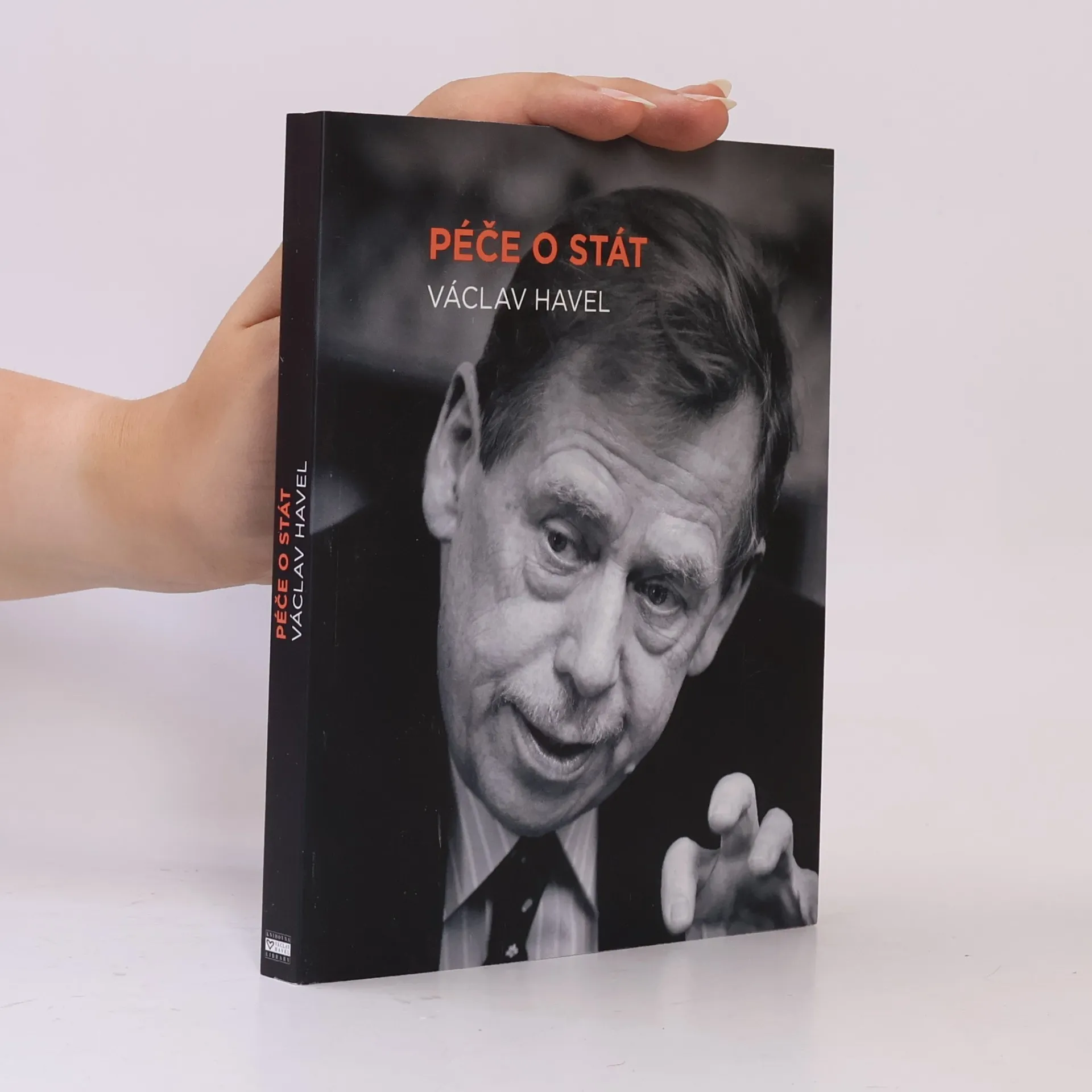
Sborník společně dosud nepublikovaných projevů a vystoupení Václava Havla Péče o stát je orámovaný jeho kandidátským článkem z deníku Mladá fronta z ledna 1993 a završený slavným rudolfinským projevem. „Ve všech je dominantním rysem vpravdě etický rozměr, který se tento muž snažil do věcí veřejných a reálné politiky vtisknout. O Václavu Havlovi bylo napsáno nesčetně úvah, studií, oslavných tirád i hanopisů. O jeho skutečně lidském a trvale inspirujícím rozměru zjistíme nejvíc právě z jeho textů, které tvoří tuto knihu,“ píše v úvodním slově knihy Pavel Rychetský. Vznik sborníku popisuje jeho editorka Anna Freimanová: „Vybrala jsem třináct proslovů, z nichž je patrné, jak Václav Havel "buduje" moderní demokratický stát. Cílem publikace je připomenout, jaký obsah dal Havel svému prezidentství, na čem stavěl nový stát a jak se snažil navazovat nitky jednotlivých společenských oblastí, tak, aby země prospívala. S tím souvisí i akcent VH na morální rozměr politiky a jeho starosti o atmosféru ve společnosti. Tento konkrétní výbor vznikl se záměrem přiblížit politikům i běžnému čtenáři zásadní problémy české politiky devadesátých let. Nejde o příběh se špatným koncem, ale o „léčbu šokem“, o typicky havlovský princip: pád do krize otvírá cestu k reflexi, naději a inspiruje k úsilí nejen se ze dna zvednout, ale posunout se dál.“
Die ausgewählten Texte in diesem Band, entstanden zwischen Anfang 1992 und Ende 1997, widmen sich einer Vielfalt von Fragen, Entwicklungen und Problemen: so beschäftigen sie sich mit dem schwierigen Erbe der posttotalitären Gesellschaften in Mittel- und Osteuropa und der Schwäche der Freiheit im Westen, mit der Zukunft Europas und der multikulturellen globalen Zivilisation sowie den Werten, die ihr Überleben befördern könnten, mit dem Ende der technisch-wissenschaftlichen Moderne und der Rolle der Intellektuellen in offenen und totalitären Gesellschaften, mit dem Theatralischen in der Politik und der Einsamkeit des Dissidenten wie des Präsidenten, mit elementaren Erfahrungen angesichts der Hoffnungslosigkeit und des Todes.
Geboren am 5.10.1936 in Prag, erlangte Havel aufgrund seiner «bourgeoisen» Herkunft erst umständlich eine Ober- und Hochschulbildung. Nach einer Lehre als Chemielaborant und dem Abitur an einer Abendschule 1954 debütierte er 1955 mit Kritiken in der Zeitschrift «Kveten» und publizierte später in allen wichtigen tschechischen Literaturzeitschriften. 1959 schrieb er sein erstes Stück, den Einakter «Rodinný vecer». Nach der sowjetischen Okkupation widersetzte er sich der neostalinistischen Gleichschaltung, wurde mit Publikationsverbot belegt und wegen seiner Protestaktionen schikaniert und observiert. 1977 wurde er als Mitbegründer und Sprecher der Charta 77 zu vierzehn Monaten Gefängnis verurteilt. Danach folgte Hausarrest aufgrund seiner Bürgerrechtsaktivitäten, einschließlich der Gründung des «Komitees für die Verteidigung zu Unrecht Verfolgter». 1979 erhielt er eine Verurteilung zu viereinhalb Jahren Haft, von der er nur wegen einer lebensgefährlichen Erkrankung entlassen wurde. Nach einer Gedenkveranstaltung für Jan Palach im Januar 1989 wurde Havel erneut festgenommen und zu neun Monaten verschärfter Haft verurteilt, jedoch im Mai aufgrund weltweiter Proteste entlassen. Am 29.12.1989 wurde er zum Präsidenten der CSFR gewählt und erhielt zahlreiche Auszeichnungen für seine literarischen und politischen Verdienste.
Gabriel Laub, geboren 1928, lebte nach seiner Studienzeit in Prag ab 1968 als Schriftsteller in Hamburg. Er veröffentlichte Aphorismenbände wie ‹Verärgerte Logik› und ‹Erlaubte Freiheiten› sowie Satirensammlungen wie ‹Enthüllungen des nackten Kaisers›. Laub starb 1998 in Hamburg.
Der Autor, geboren am 5. Oktober 1936 in Prag, stammte aus einer enteigneten «bourgeoisen» Familie, was ihm den Zugang zu Ober- und Hochschulbildung erschwerte. Nach einer Lehre als Chemielaborant und dem Abitur an einer Abendschule debütierte er 1955 mit Kritiken in «Kveten» und veröffentlichte später in bedeutenden tschechischen Literaturzeitschriften. 1959 schrieb er sein erstes Stück, den Einakter «Rodinný vecer». Nach der sowjetischen Okkupation widersetzte er sich der neostalinistischen Gleichschaltung, erhielt ein Publikationsverbot und wurde wegen seiner Protestaktionen schikaniert und observiert. 1977 wurde er als Mitbegründer der Charta 77 zu vierzehn Monaten Gefängnis verurteilt und danach unter Hausarrest gestellt. 1979 folgte eine Verurteilung zu viereinhalb Jahren Haft, von denen er nur die letzten Monate aufgrund einer schweren Erkrankung absitzen musste. Nach seiner Festnahme im Januar 1989 wurde er zu neun Monaten verschärfter Haft verurteilt, jedoch im Mai aufgrund weltweiter Proteste entlassen. Am 29. Dezember 1989 wurde er Präsident der CSFR. Er erhielt mehrere Auszeichnungen, darunter den Österreichischen Staatspreis für europäi
Studie Prví globální revoluce logicky uzavírá dlouhou řadu výzkumných zpráv předních světových odborníků, jejichž zveřejňování zahájil Římský klub v roce 1972 proslavenou publikací Limity růstu. Za cíl svého nezávislého odborného působení si Římský klub zvolil globální výzkum stavu světa a možností dalšího rozvoje lidstva i Země, studium rozhodujících aspektů budoucnosti a definování překážek ekonomické, sociální a mravní prosperity lidské civilizace.
Jde již o pátý sborník projevů Václava Havla z doby, kdy je prezidentem ČR. Tato kniha zahrnuje projevy z roku 1997 včetně novoročního pozdravu prezidenta republiky. Sborník je opět doplněn řadou neoficiálních fotografií z rodinných alb.
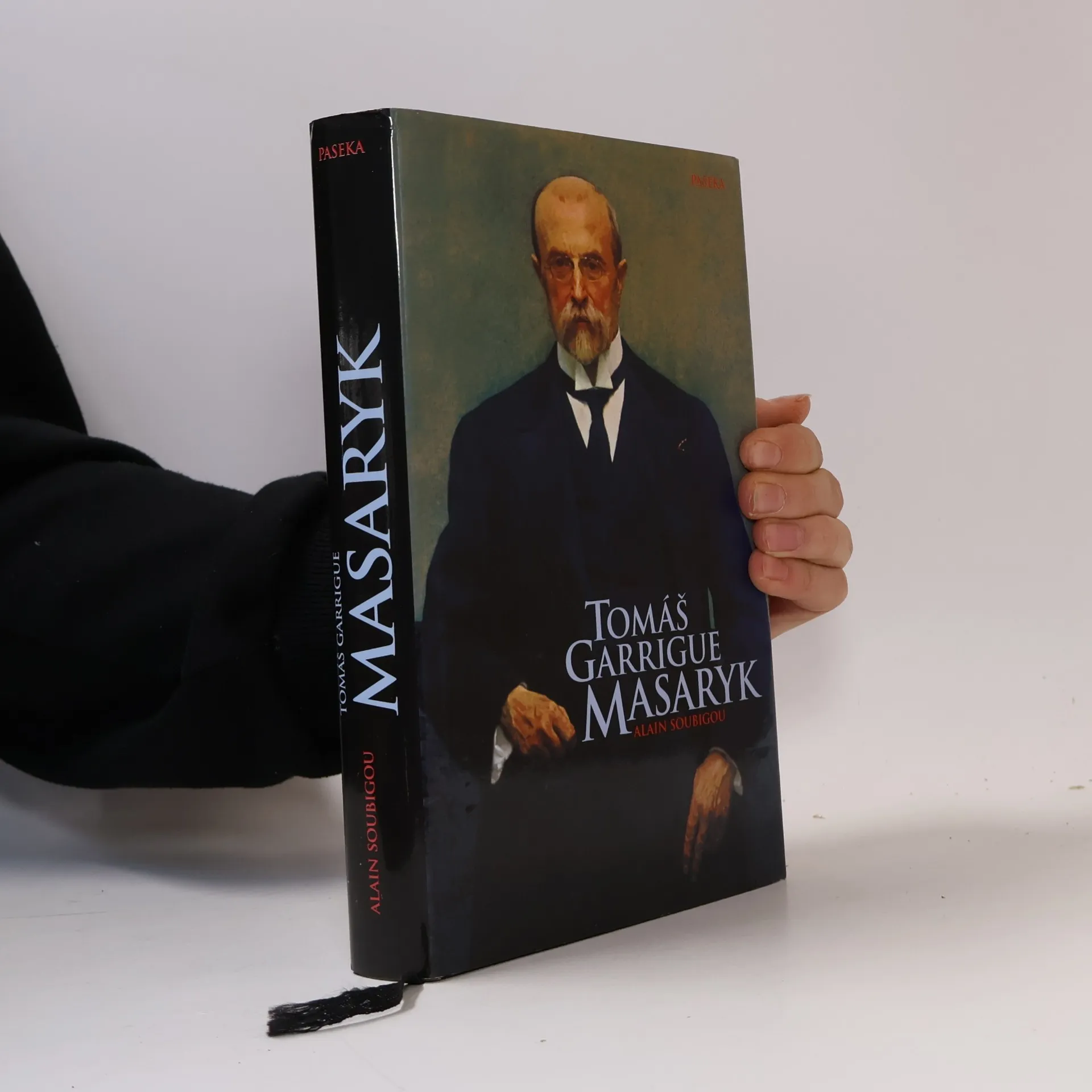
Obsáhlý životopis prvního prezidenta Československa
Obsáhlý životopis dodnes rozporně hodnoceného prvního prezidenta Československa z pera francouzského historika, profesora pařížské Sorbonny. Mimo svou vlast byl Masaryk považován za nacionalistického vůdce, zatímco ve vlastní zemi byl terčem nacionalistů. Jednou je očerňován jako muž levice, podruhé pravice, je popírán jeho náboženský cit, nebo se jeho myšlení považuje ze příliš náboženské, je označován za myslitele akademicky zkostnatělého i za nonkonformistu, za konzervativce i za smělého pokrokáře.
Antikódy je název sbírky básní Václava Havla poprvé vydané v roce 1964 v Odeonu. Sbírka je věnována Jiřímu Kolářovi a obsahuje experimentální poezii, především kaligramy. V průběhu let se sbírce dostalo několika vydání s několika rozšířeními o další pozdější básně. V předmluvě k pozdějšímu vydání řekl další z českých experimentálních básníků Josef Hiršal, že Havlova poezie byla „protestem sociálně kritickým a v neposlední řadě i jakousi artikulací absurdity tehdejších politických poměrů.“
Kniha obsahuje hry z let 1963–1988: Zahradní slavnost, Vyrozumění, Ztížená možnost soustředění, Žebrácká opera, Audience, Vernisáž, Horský hotel, Protest, Chyba, Largo desolato, Pokoušení, Asanace, Zítra to spustíme.
Die 'Vaněk-Trilogie' umfasst drei Theaterstücke: 'Audienz', 'Vernissage' und 'Protest', die sich mit den komplexen Themen der politischen und sozialen Realität in der Tschechoslowakei auseinandersetzen. Im Zentrum steht die Figur des Václav Havel, die als Symbol für den Widerstand gegen autoritäre Regime dient.
'Audienz' thematisiert die Absurditäten des politischen Systems und die Interaktionen zwischen Macht und Individuum. Hier wird die Beziehung zwischen einem Schriftsteller und einem hohen Regierungsbeamten beleuchtet, die die moralischen Dilemmata und die Komplexität der menschlichen Existenz widerspiegeln.
'Vernissage' beschäftigt sich mit der Kunst und deren Rolle in der Gesellschaft, insbesondere in einem repressiven Umfeld. Die Charaktere sind Künstler, die versuchen, ihre Stimme zu finden und ihre Botschaften trotz der Zensur zu vermitteln.
'Protest' stellt die Frage nach dem persönlichen Engagement in politischen Fragen und beleuchtet die Herausforderungen, die mit dem Widerstand verbunden sind. Die Stücke sind durchzogen von einem tiefen Verständnis für die menschliche Natur und die gesellschaftlichen Strukturen, die das individuelle Handeln beeinflussen.
Insgesamt bietet die 'Vaněk-Trilogie' eine kritische Reflexion über Freiheit, Identität und den Einfluss von Kunst in Zeiten der Unterdrückung.
Zahradní slavnost, Vyrozumění, Ztížená možnost soustředění, Odcházení.
Svazek shrnuje čtveřici her, které měly to štěstí a mohly mít svoji oficiální světovou premiéru na prknech českých divadel. První tři — Zahradní slavnost, Vyrozumění a Ztíženou možnost soustředění — napsal Václav Havel pro „své“ Divadlo Na zábradlí. Zde od roku 1960 do jara 1968, zprvu jako jevištní technik, později dramaturg a nakonec asistent režie, pracoval. Zde si slavná trojice her odbyla své premiéry a zde byly položeny základy světové proslulosti dramatika Václava Havla. O čtyři desítky let později byl v Divadle Archa premiérován prozatím poslední Havlův divadelní kus Odcházení, v květnu 2008.
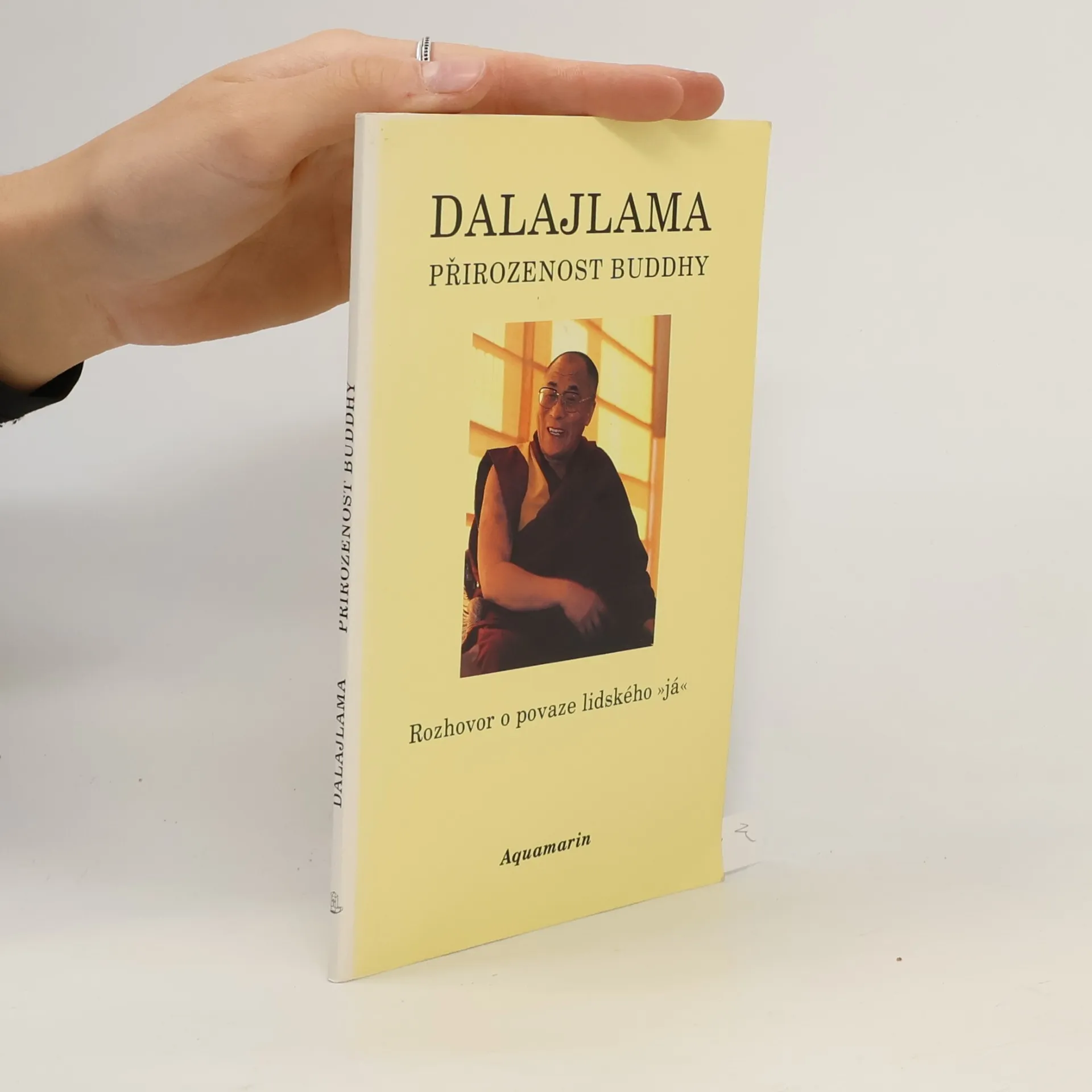
Tibetský představitel vysvětluje, z čeho se tato nesnadno uchopitelná vnitřní instance skládá a co z ní podle buddhistů přecháhí z jednoho života do druhého. A několikrát přitom zdůrazňuje to nejdůležitější: přirozenost Buddhy je v člověku neustále přítomna. Aniž to příliš tušíme, rozzářit se může v každém z nás. Úvodní slova napsal dalajlamův přítel, pan prezident Václav Havel.
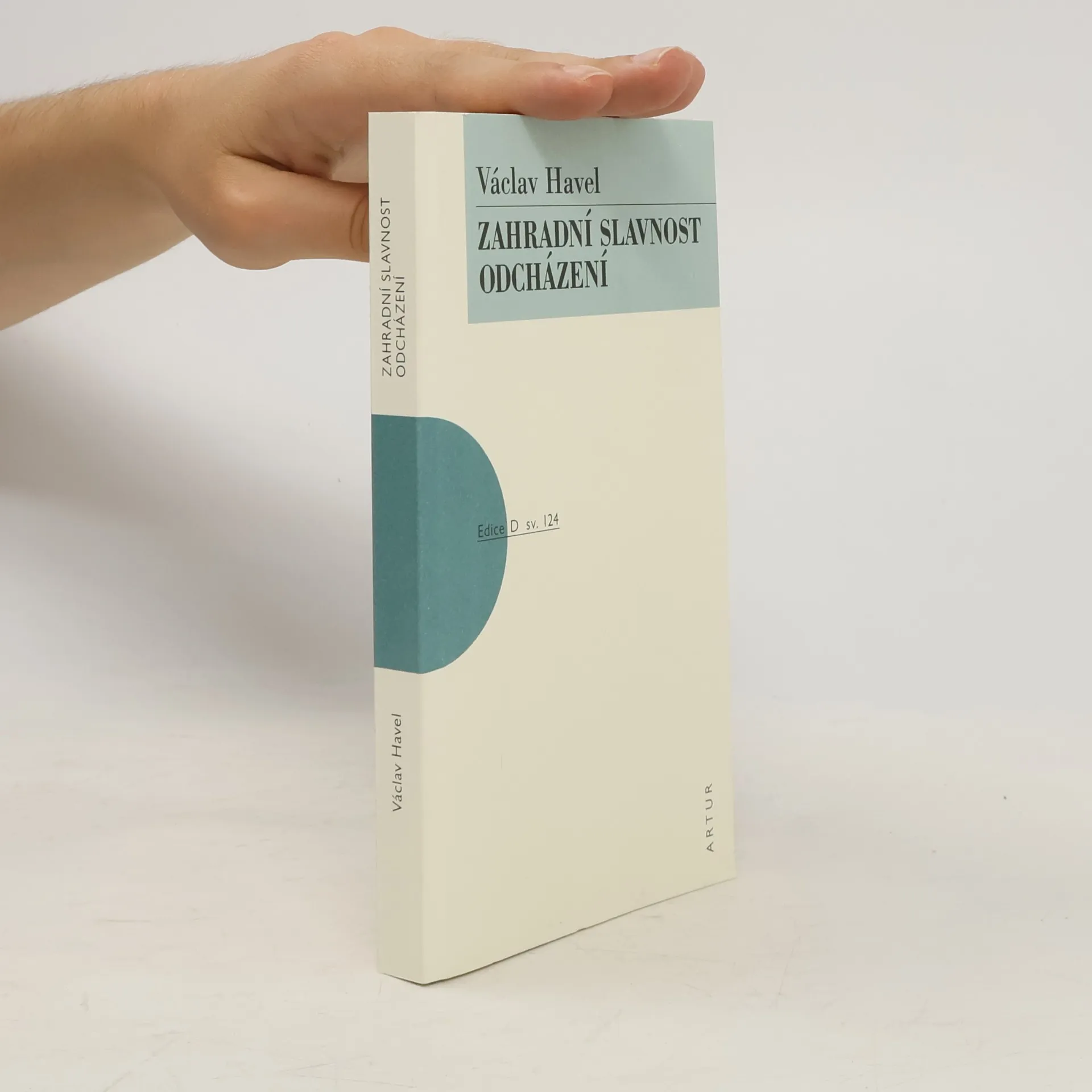
Zahradní slavnost, která znamenala významný přínos české dramatice a přinesla osobitou českou podobu absurdního dramatu při svém uvedení v pražském Divadle Na zábradlí v šedesátých letech, stála na začátku cesty Václava Havla – dramatika. Její ostrý vhled do sféry politiky jakoby předznamenal životní cestu dramatika, disidenta, vězně režimu i prezidenta. Drama Odcházení, které vzniklo na sklonku autorova života, uzavírá jeho cestu dramatika i politika zároveň. Obě hry jsou nadčasové, zároveň jsou významným svědectvím své doby.
Moc bezmocných je jedním z nejznámějších a nejdiskutovanějších disidentských textů. Václav Havel jej napsal v roce 1978 ve zvláštních podmínkách komunistické diktatury, přesto je zjevné, že i po téměř 40 letech od prvního samizdatového vydání, kdy tyto podmínky již pominuly, neztrácí na své síle a inspirativnosti, o níž svědčí nové překlady, například do arabštiny, perštiny, čínštiny či ukrajinštiny. Čím oslovilo či naopak neoslovilo toto chef-d’œuvre disidentské literatury svoji dobu, a co může nabídnout době současné? Nad těmito rámcovými otázkami se zamyslelo třicet renomovaných a zasvěcených esejistů, mezi jinými Steven Lukes, Roger Scruton, Jonathan Bolton, Marci Shore, Barbara J. Falk, Barbara Day, Delia Popescu, David S. Danaher, Kieran Williams, Robert B. Pynsent, Kacper Szulecki, Aleksander Kaczorowski, Jiří Přibáň, Petr Pithart, Miloš Havelka, Karel Hrubý, Miroslav Kusý, Lenka Karfíková, Lenka Jungmannová.