Mating
- 480 páginas
- 17 horas de lectura
An award-winning novel with a cult following since its original publication in 1991, Mating is a life-affirming comedy of manners as well as a deeply serious investigation of the politics of desire


Norman Rush es un novelista estadounidense cuyas obras introspectivas se desarrollan en la Botsuana de los años 80. Su prosa a menudo profundiza en temas de conexión humana, encuentros culturales y la búsqueda de identidad dentro de un paisaje exótico. El estilo de Rush se caracteriza por una meticulosa atención al detalle y una profunda perspicacia psicológica en sus personajes. Basándose en sus experiencias con el Cuerpo de Paz en Botsuana, retrata auténticamente tanto las frustraciones como la belleza de la vida en los márgenes.

An award-winning novel with a cult following since its original publication in 1991, Mating is a life-affirming comedy of manners as well as a deeply serious investigation of the politics of desire
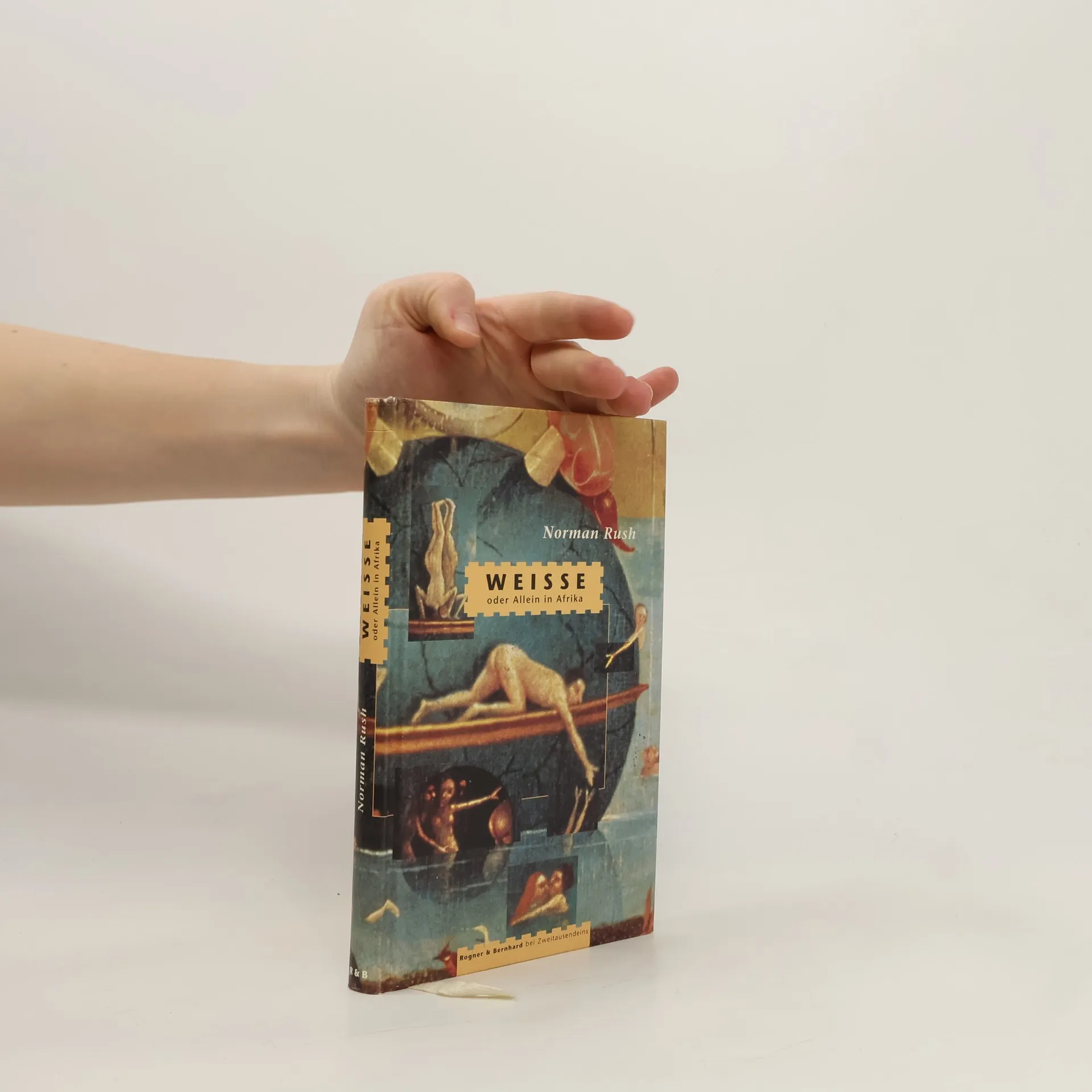
In dieser großartigen Sammlung von Geschichten schafft Rush unvergessliche Porträts von euro-amerikanischen Expatriates, die in der schwarzen afrikanischen Republik Botswana orientierungslos sind. Die Charaktere des Autors sind unvergesslich, während ihre Schwierigkeiten witzig, kaum fassbar logisch und fast so berührend sind wie Afrika selbst.