

Compra 10 libros por 10 € aquí!
Bookbot

Michelle Cliff

    2 de noviembre de 1946 – 12 de junio de 2016

    Michelle Cliff explora los complejos problemas de identidad derivados del poscolonialismo y la dificultad de establecer una identidad auténtica e individual a pesar de los constructos de raza y género. Sus obras profundizan en diversas facetas de estos temas, enfatizando una voz única y un significado literario. El estilo de Cliff es incisivo y su enfoque de la escritura ofrece a los lectores una profunda visión de la psique de sus personajes y de los mundos que habitan. Sus escritos son significativos por su capacidad para capturar los matices de la identidad y el lugar del individuo en un panorama moldeado por fuerzas históricas y sociales.

    Kein Himmel über Jamaika
    Free Enterprise
    Abeng
    No Telephone to Heaven
    • 2008

      Abeng

      • 176 páginas
      • 7 horas de lectura

      An alternate cover edition for this ISBN can be found here.Ever since Abeng was first published in 1984, Michelle Cliff has steadily become a literary force. Her novels evoke both the clearly delineated hierarchies of colonial Jamaica and the subtleties of present-day island life. Nowhere is her power felt more than in Clare Savage, her Jamaican heroine, who appeared, already grown, in No Telephone to Heaven. Abeng is a kind of prequel to that highly-acclaimed novel and is a small masterpiece in its own right. Here Clare is twelve years old, the light-skinned daughter of a middle-class family, growing up among the complex contradictions of class versus color, blood versus history, harsh reality versus delusion, in a colonized country. In language that surrounds us with a richness of meaning and voices, the several strands of young Clare's heritage are explored: the Maroons, who used the conch shell—the abeng—to pass messages as they fought a guerilla struggle against their English enslavers; and the legacy of Clare's white great-great-grandfather, Judge Savage, who burned his hundred slaves on the eve of their emancipation. A lyrical, explosive coming-of-age story combined with a provocative retelling of the colonial history of Jamaica, this novel is a triumph.

      Abeng
    • 1996

      No Telephone to Heaven

      • 224 páginas
      • 8 horas de lectura

      Exploring themes of colonialism, race, and identity, the narrative follows Clare Savage, a light-skinned woman on a journey of self-discovery across Jamaica, England, and America. The novel blends naturalism and lyricism, reflecting Clare's fragmented experiences and her quest for connection amidst contrasting realities. Jamaica serves as a vivid backdrop, revealing both its beauty and profound poverty. Clare grapples with the complexities of her identity and the harsh truths of oppression, ultimately seeking wholeness and the courage to confront her divided loyalties.

      No Telephone to Heaven
    • 1996
    • 1995

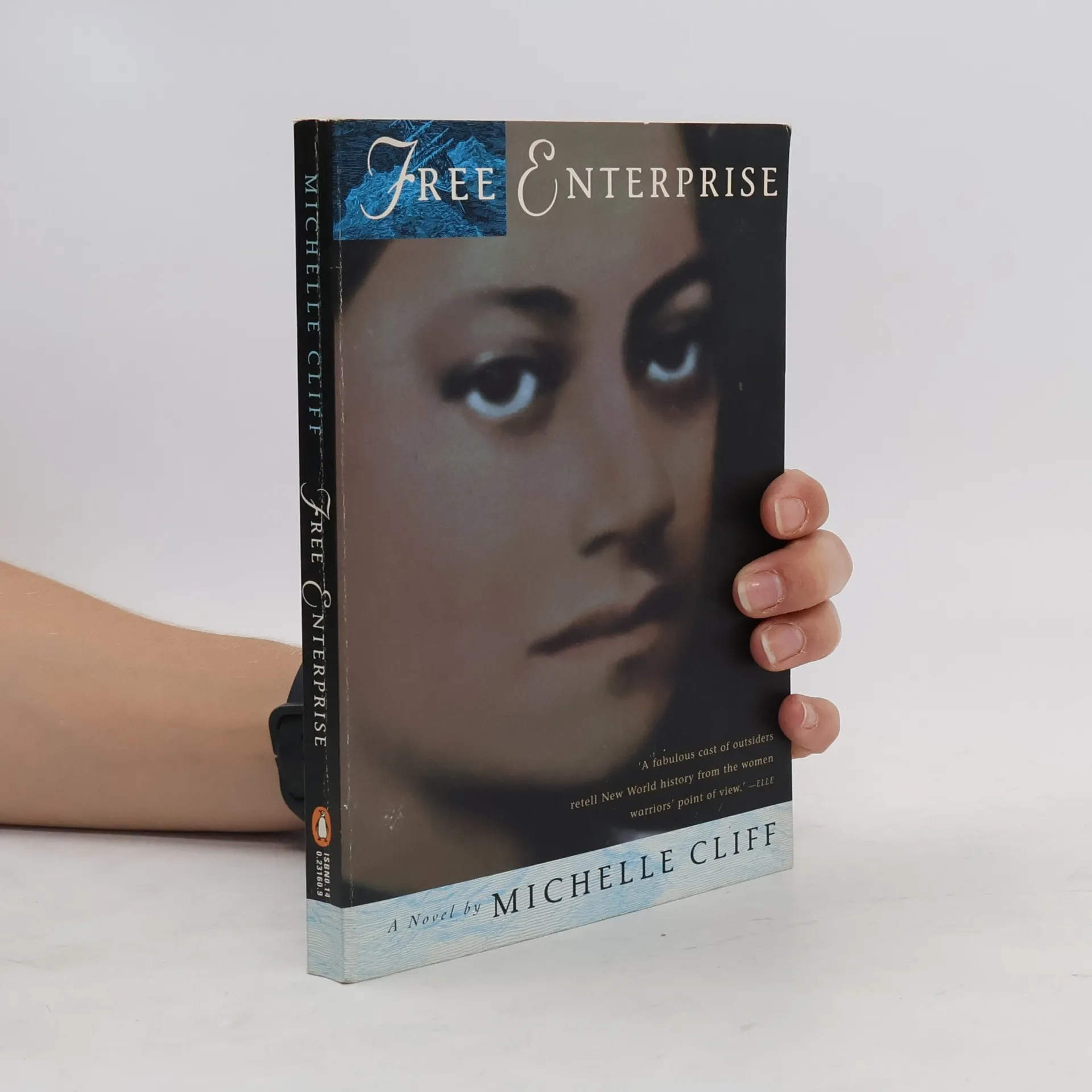
      «The axe is laid at the foot of the tree. When the first blow is struck there will be more money to help.» — M.E.P.This message was found on John Brown’s body following his ill-fated raid on Harpers Ferry. History books do not record the contribution of his mysterious collaborator, “M.E.P.,” but in Free Enterprise, acclaimed novelist Michelle Cliff tells the remarkable story of frontier legend Mary Ellen Pleasant.In 1858, two black women meet at a restaurant and begin to plot a revolution. Mary Ellen Pleasant owns a string of hotels in San Francisco that cater to wealthy whites and secretly double as havens for runaway slaves. Her comrade, Annie, is a young Jamaican who has given up her life of privilege to fight for the abolitionist cause. Together they join John Brown’s doomed enterprise, and barely escape with their lives.

      Free Enterprise