
Compra 10 libros por 10 € aquí!
Bookbot

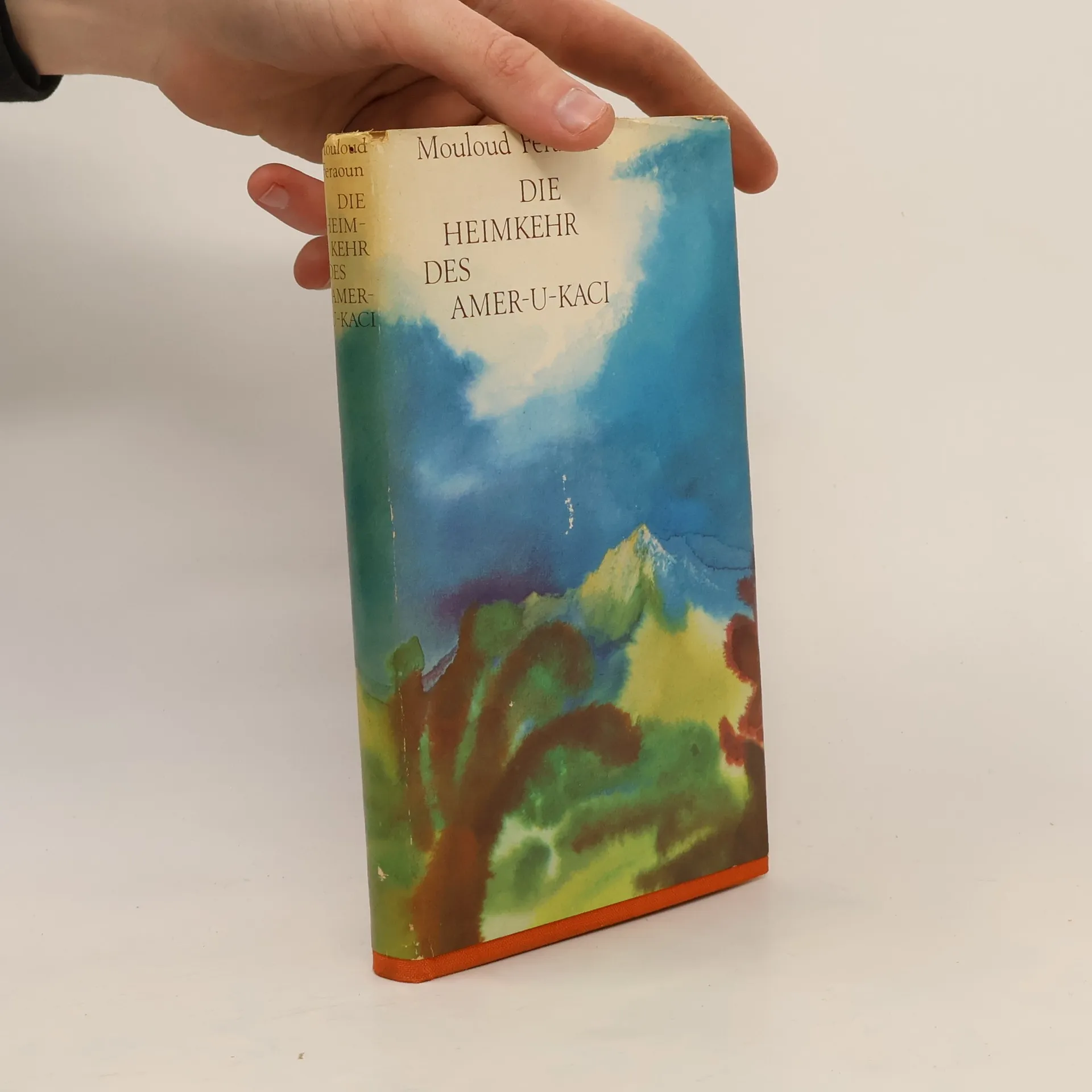
Mouloud Feraoun

    Este escritor argelino y mártir de la revolución argelina se dio a conocer por su escritura en este idioma. Enseñó durante varios años antes de convertirse en inspector de centros sociales. Su obra literaria, a menudo inspirada en su propia vida y cultura, explora temas de identidad, lucha y cambio social. Sus novelas, aclamadas por la crítica, han sido traducidas a varios idiomas, lo que da fe de su impacto universal.

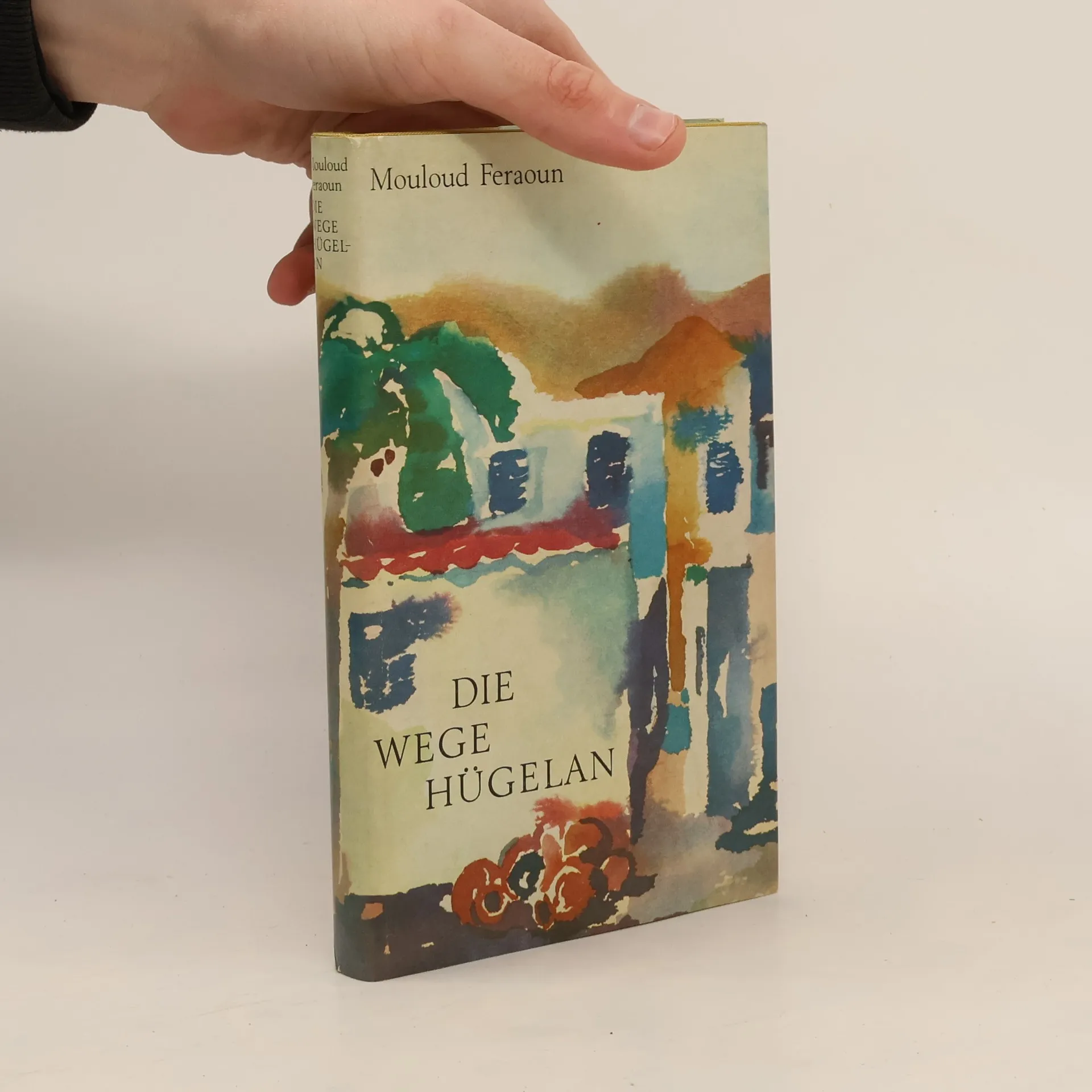
    Die Wege hügelan
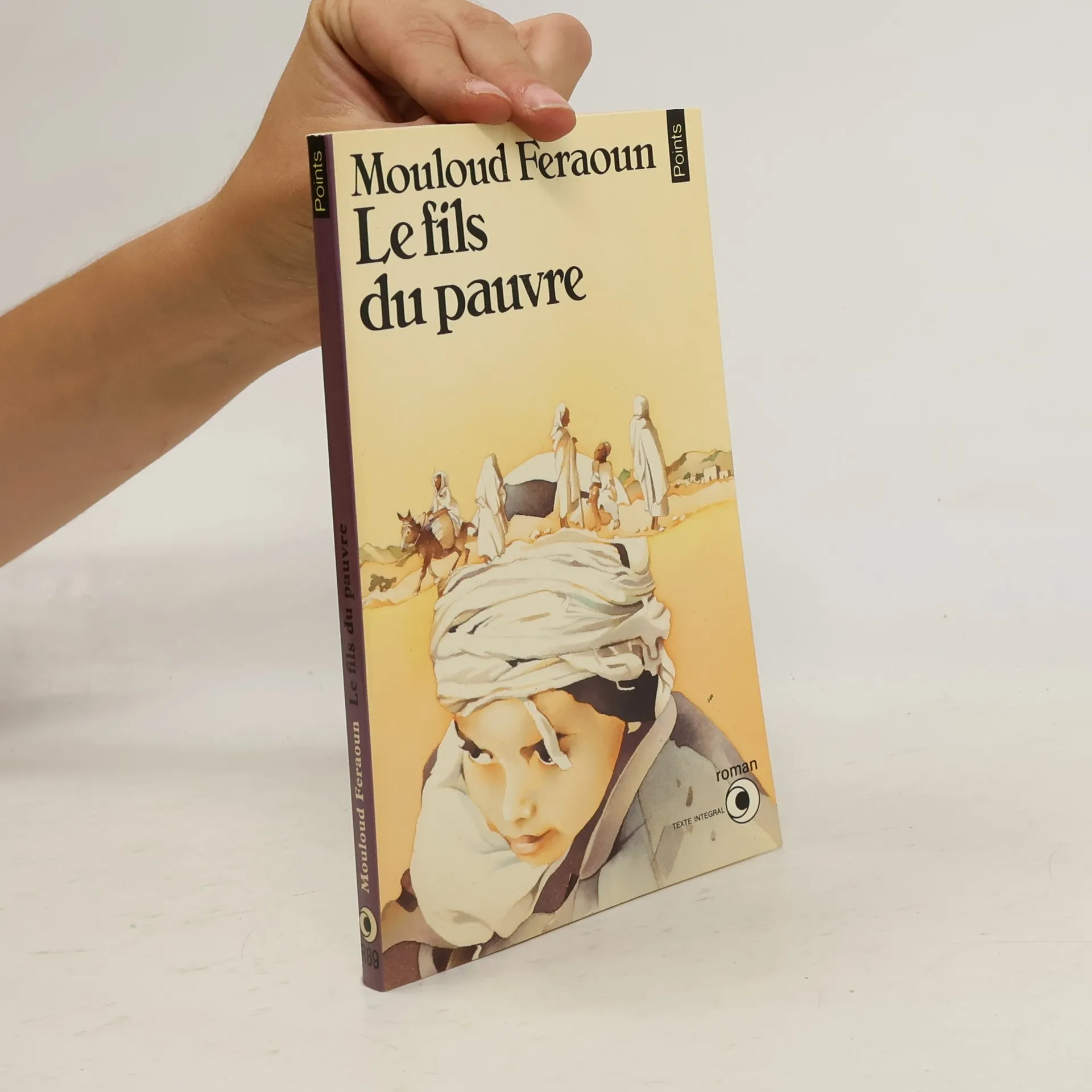
    Le fils du pauvre
    Journal, 1955-1962
    • Journal, 1955-1962

      • 340 páginas
      • 12 horas de lectura

      "This honest man, this good man, this man who never did wrong to anyone, who devoted his life to the public good, and who was one of the greatest writers in Algeria, has been murdered.... Not by accident, not by mistake, but called by his name and killed with preference". So wrote Germaine Tillion in Le Monde shortly after Mouloud Feraoun's assassination by a right wing French terrorist group, the Organisation Armee Secrete, just three days before the official cease-fire ended Algeria's eight-year battle for independence from France.However, not even the gunmen of the OAS could prevent Feraoun's journal from being published Journal, 1955-1962 appeared posthumously in French in 1962 and remains the single most important account of everyday life in Algeria during decolonization.Feraoun was one of Algeria's leading writers. He was a friend of Albert Camus, Emmanuel Robles, Pierre Bourdieu, and other French and North African intellectuals. A committed teacher, he had dedicated his life to preparing Algeria's youth for a better future. As a Muslim and Kabyle writer, his reflections on the war in Algeria afford penetrating insights into the nuances of Algerian nationalism, as well as into complex aspects of intellectual, colonial, and national identity. Feraoun's Journal captures the heartbreak of a writer profoundly aware of the social and political turmoil of the time. This classic account, now available in English, should be read by anyone interested in the history of European colonialism and the tragedies of contemporary Algeria.

      Journal, 1955-1962
    • Un village de montagne, Kabylie, début du siècle. C'est là que vivent les Menrad. Ils ne se rendent pas compte qu'ils sont pauvres. Ils sont comme les autres; voilà tout. Mouloud Feraoun raconte, à peine transposée, sa propre histoire. Il était voué à devenir berger, le destin en décidera autrement.

      Le fils du pauvre