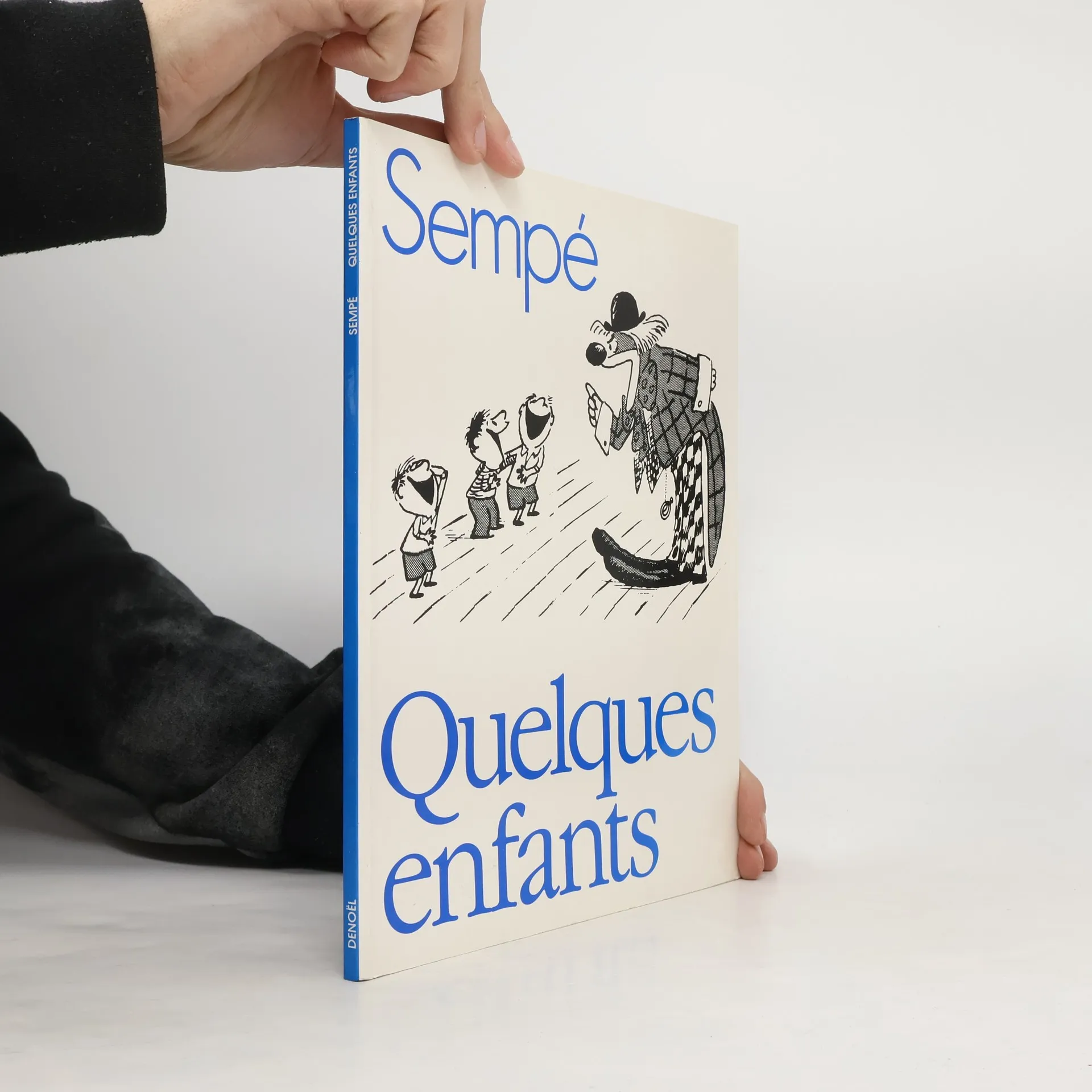
Jean-Jacques Sempé, conocido como Sempé, fue un caricaturista francés cuyo humor fino, sutil y alusivo, junto con un notable sentido de lo trivial, caracteriza toda su obra. Su pluma captura su visión tiernamente irónica de las debilidades humanas y las deficiencias del mundo. En colaboración con René Goscinny, creó una inolvidable serie de libros infantiles que sigue poblando nuestra imaginación. El arte de Sempé se distingue por sus expansivas y a menudo distantes o elevadas perspectivas, que representan paisajes rurales y urbanos detallados.
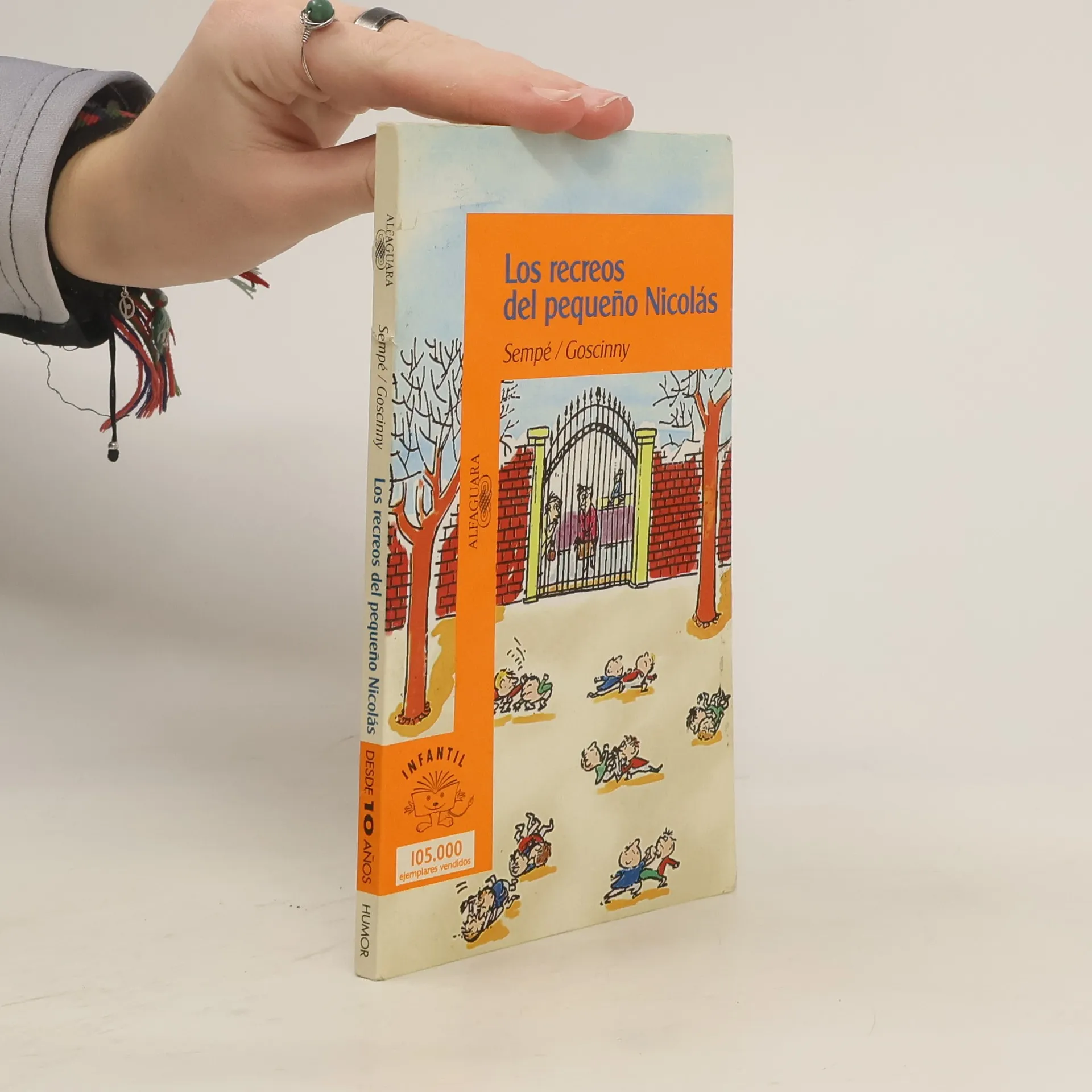
A Nicolás y sus amigos, el sonido que produce la campana cuando llega la hora del recreo les suena a música celestial. Y es que por fin van a poder poner en práctica todo los que se les ha pasado por la cabeza.
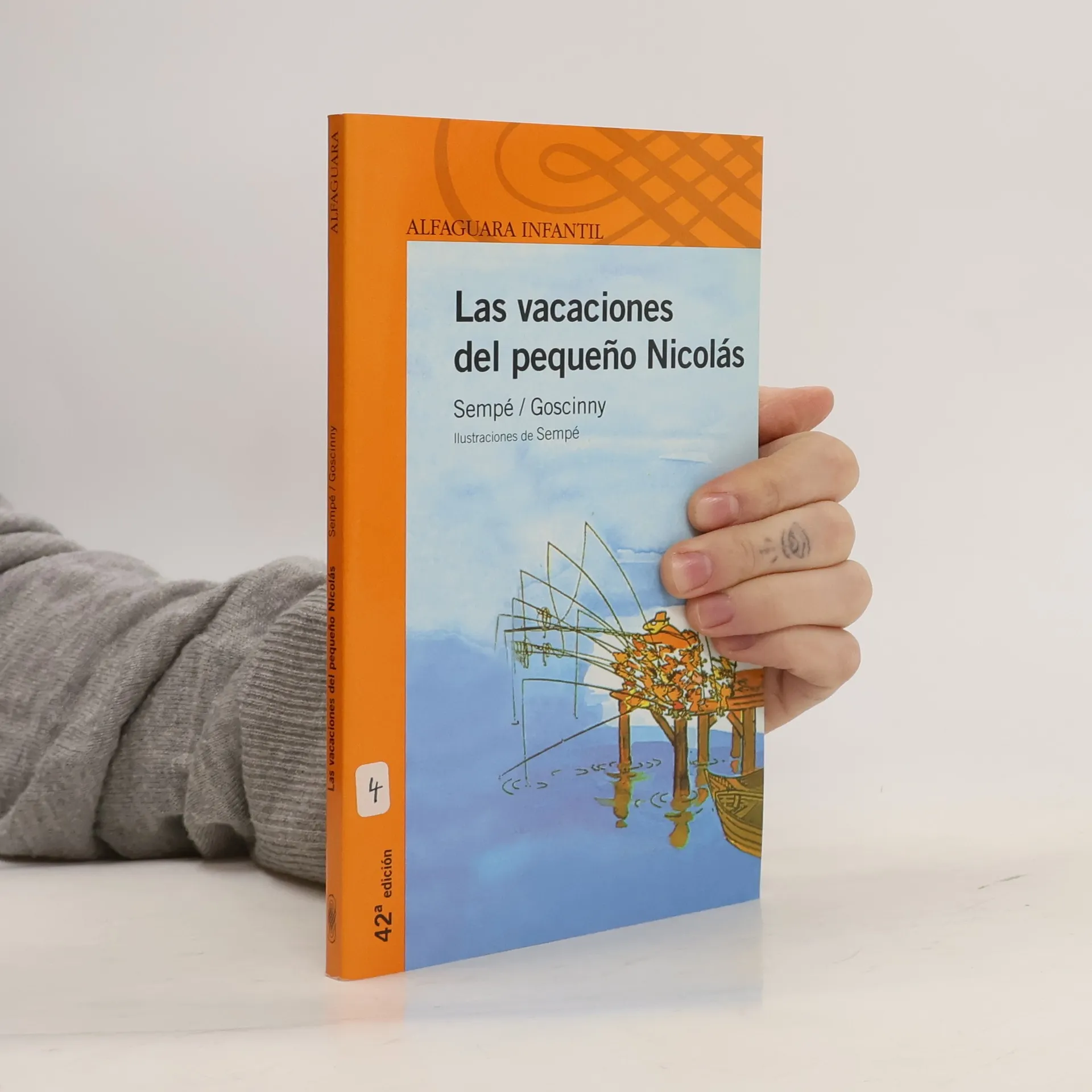
Nicolás y sus compañeros han sobrevivido al curso escolar y felices y contentos se separan para iniciar las vacaciones. Incluso, contra todo pronóstico, Nicolás ha sido merecedor de un premio: el de la Elocuencia. Los padres de Nicolás sorprenden al niño con la noticia de que la familia va a pasar las vacaciones de verano en la playa. ¡Qué bien! Las olas, la arena, los juegos con los amigos... Claro que, cuando llueve, tienes que ser muy ingenioso para no aburrirte... Donde no hay manera de aburrirse es en el Campamento Azul, al que acude el pequeño Nicolás un año después. Puedes estar aterrorizado, pero ¿aburrirte? ¡Nunca!
En la escuela, el pequeño Nicolás se lo pasa en grande... Pero la felicidad siempre dura menos de lo que queremos, y la tragedia se masca en el ambiente - ¡se acerca el día de la entrega de notas!
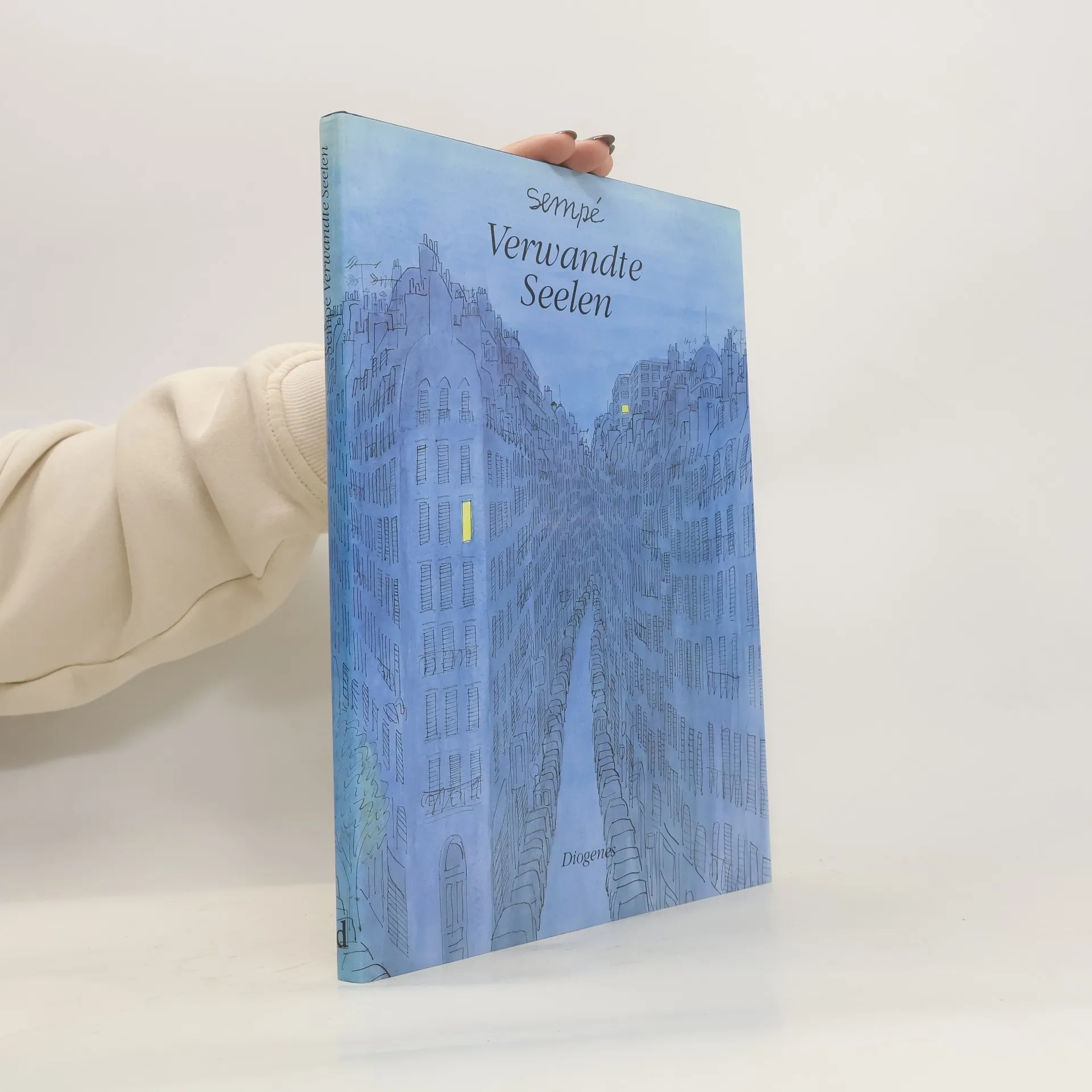
Renowned New Yorker cover illustrater Jean-Jacques Sempé illustrates the quirky charm of France's capital and it's residents with his signature style and gentle sense of humor and irony. His drawings are famed for their striking use of pen and ink, their inimitable style, and most of all for their satire and tragic-comic vision. The 128 drawings in this charming portfolio are sweet and sentimental. They somehow manage to be gentle even when the topic is difficult. They probe the quirkiness of life in Paris and wordlessly pinpoint the quintessential features of the City of Light, creating a world peopled by lovers strolling along the Seine, culture mavens preening in the Louvre, and characters who are ready to see the comic and the light-hearted beyond life's problems. Anyone who has fallen in love with Paris will be sure to cherish this charming keepsake.
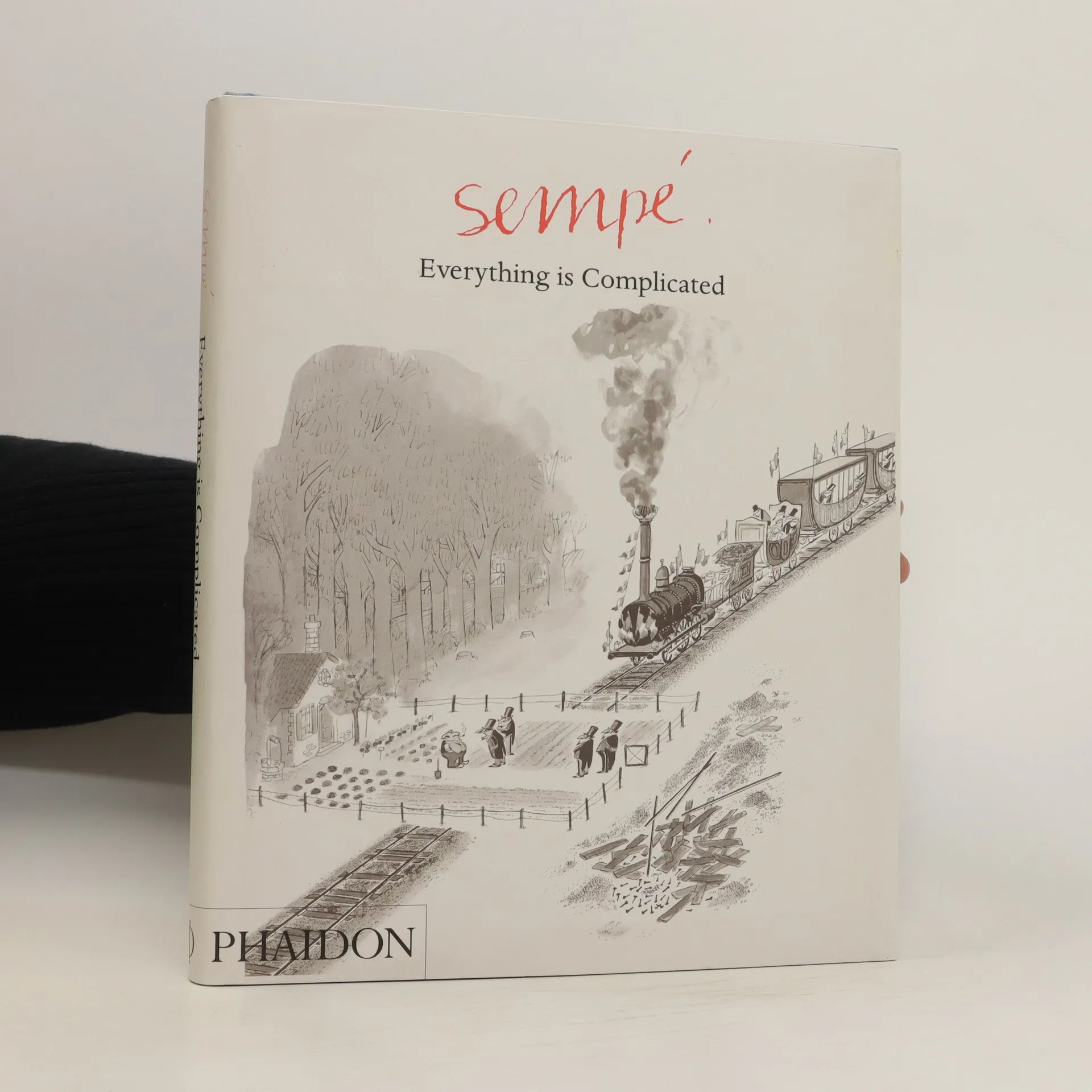
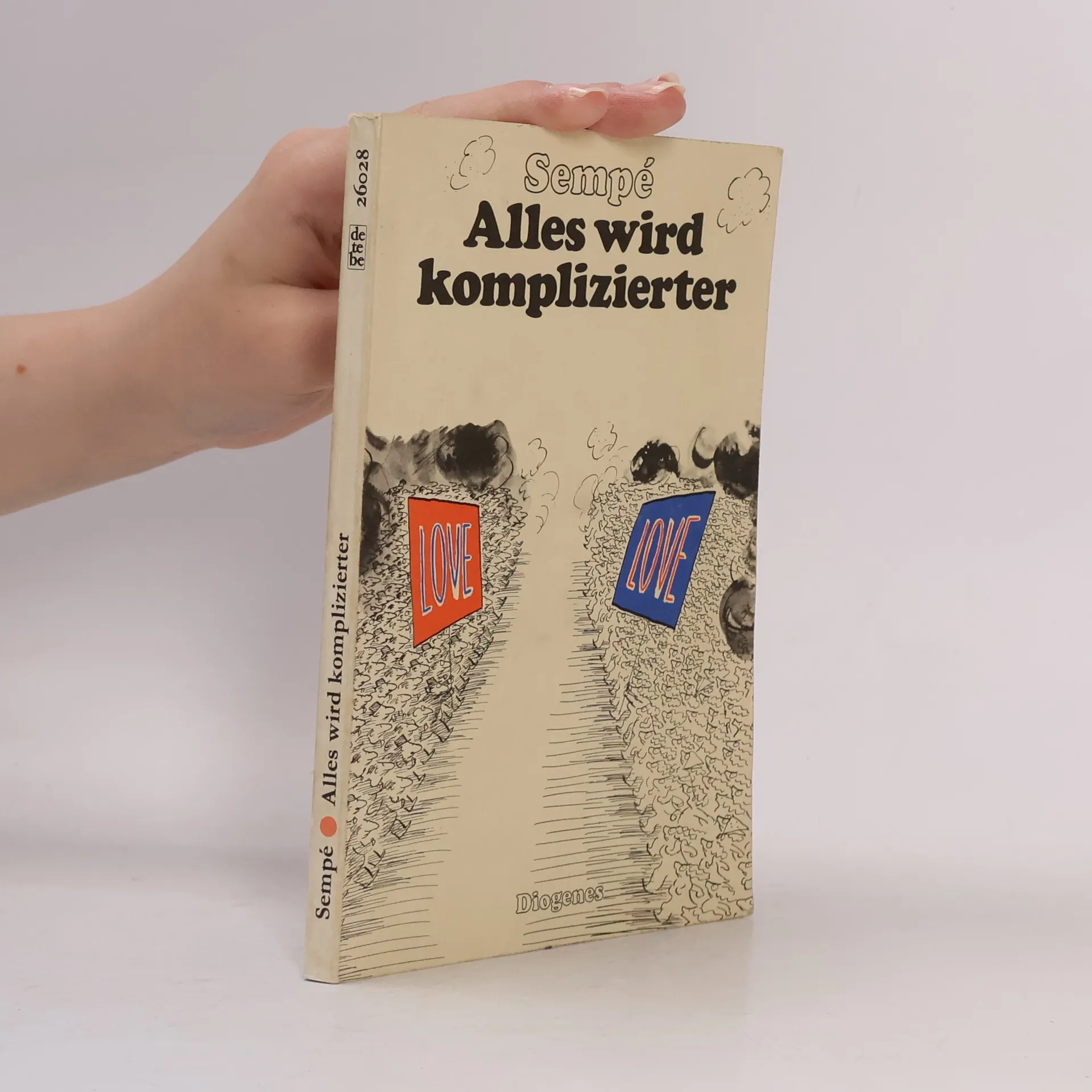
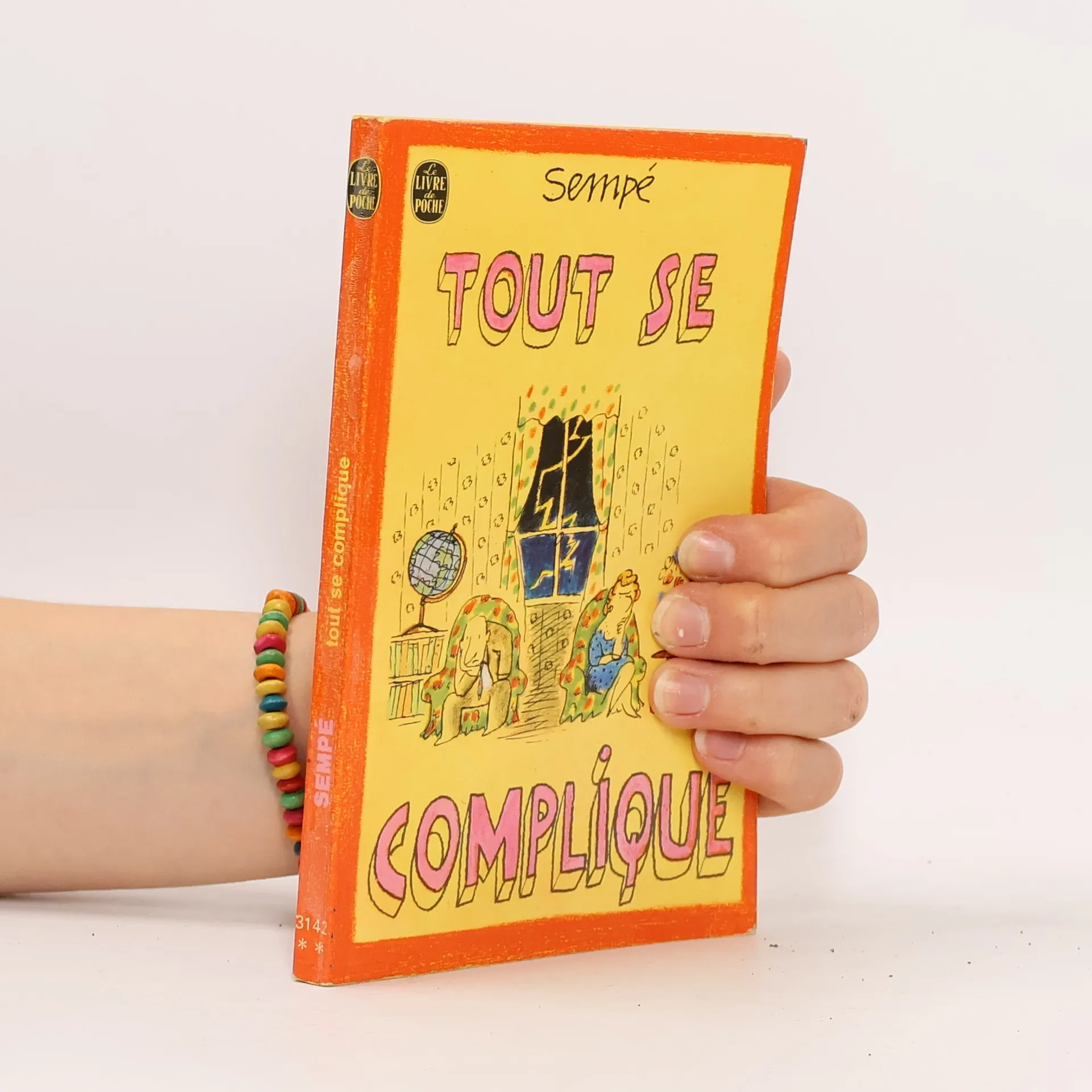
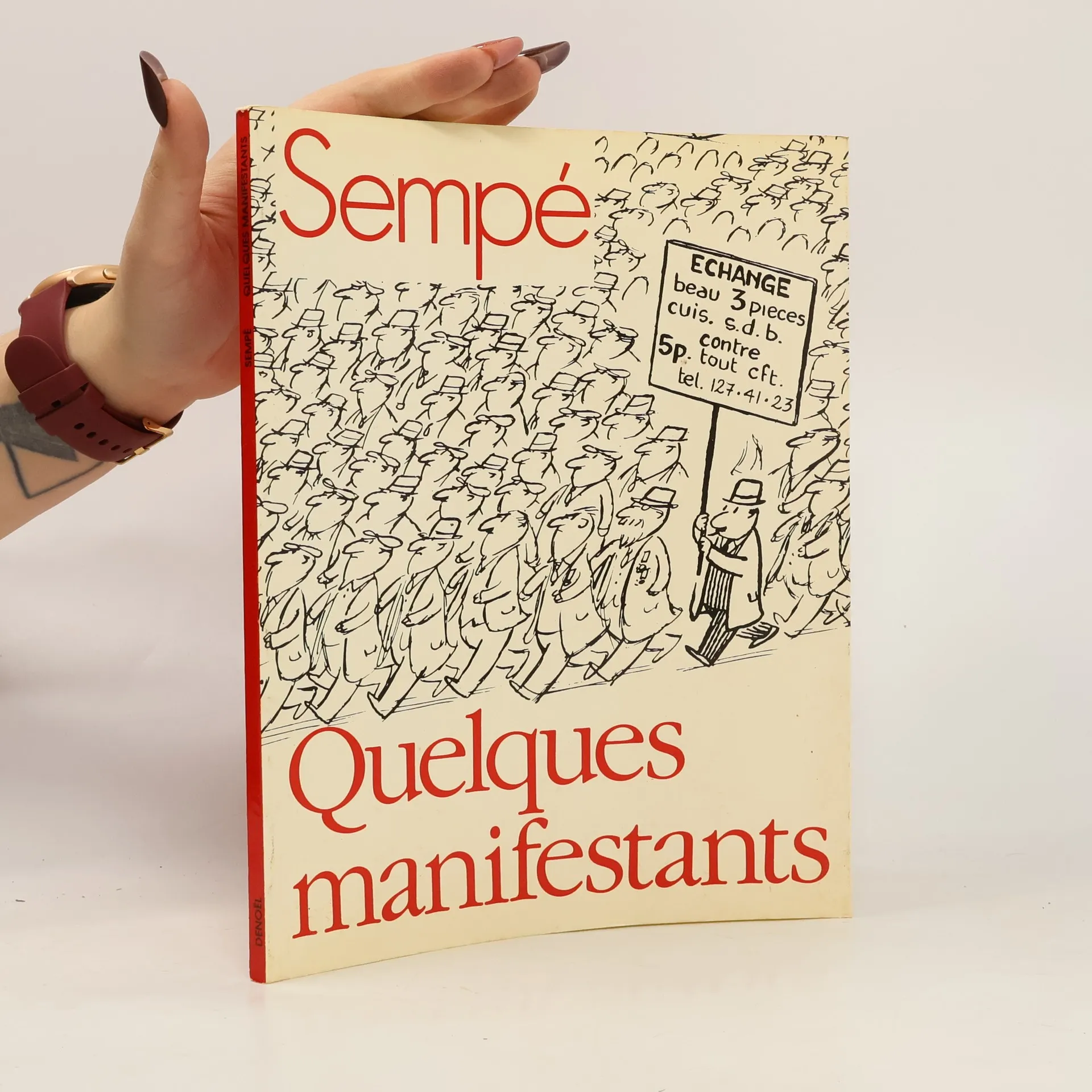
Jean-Jacques Sempé is equally adept at capturing the little indignities (and triumphs) of everyday life as he is at high farce. Everything is Complicated , the second collection of Sempé’s cartoons, features some of his favourite subjects, such as hapless tourists, pipe-smoking novelists and unruly schoolchildren, as well as people who choose to express their innermost feelings through the medium of the protest sign. These inimitable drawings and watercolours, accompanied by perfectly judged deadpan captions, are fresh, engaging and funny, and will be appreciated by cartoon connoisseurs and Francophiles as well as the general public.
In his sixth album, Jean-Jacques Sempé explores the contradictions and absurdities of modern life through illustrations and cartoons. Originally published in France in 1970, "Highs and Lows" is now available in English for the first time, appealing to both cartoon enthusiasts and a wider audience.
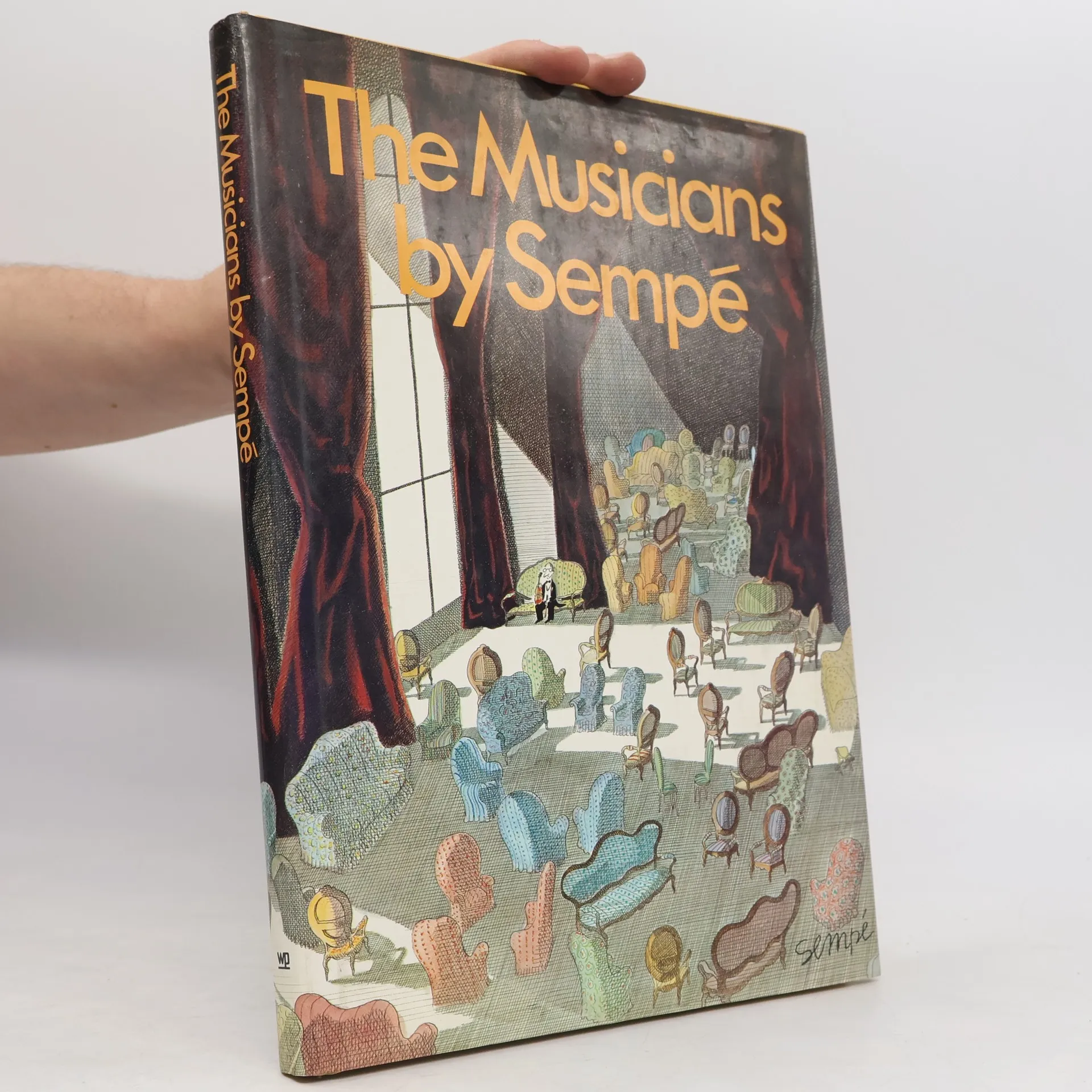
In an endearing, funny, brilliant gift book for all music lovers, France's beloved cartoonist celebrates the bravery of the soloist, the camaraderie of the ensemble, and the triumph of the orchestra."
This fifth album by Jean-Jacques Sempé includes familiar characters like artists and psychologists, alongside tyrannical computers and friendly aliens. With fresh humor and beautiful illustrations in Sempé's unique style, it will attract both cartoon enthusiasts and a broader audience.
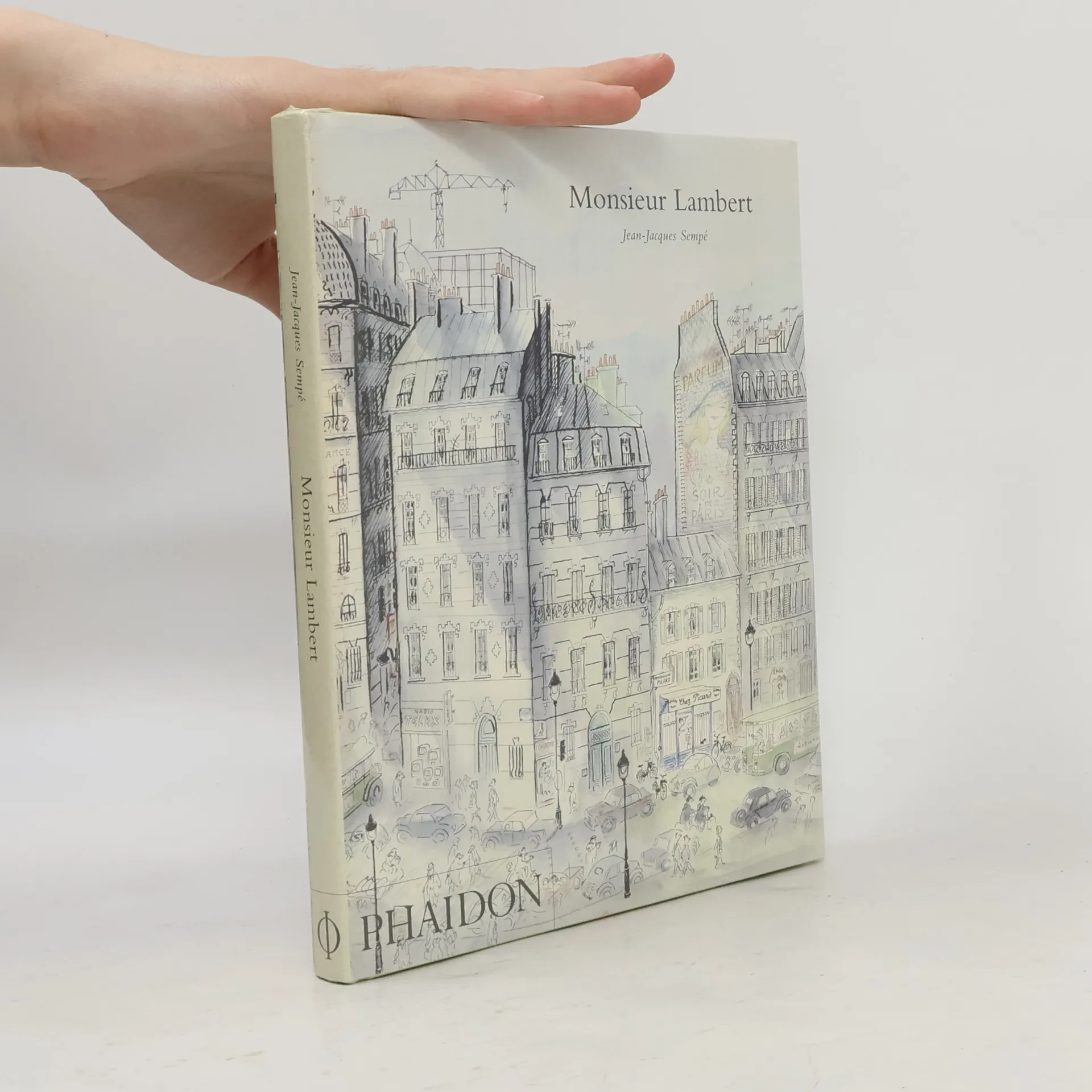
The fifth book by Jean-Jacques Sempé to be published in English by Phaidon, Monsieur Lambert is a gentle, sophisticated and unmistakably French illustrated story for adults. In this short graphic novel , Sempé shows us a glimpse of life in a small Parisian bistro. The restaurant and its regulars are vividly brought to life in a series of drawings which, together with the handwritten speech bubbles and laconic texts, display Sempé’s usual unerring eye and ear for the telling details of human behaviour.
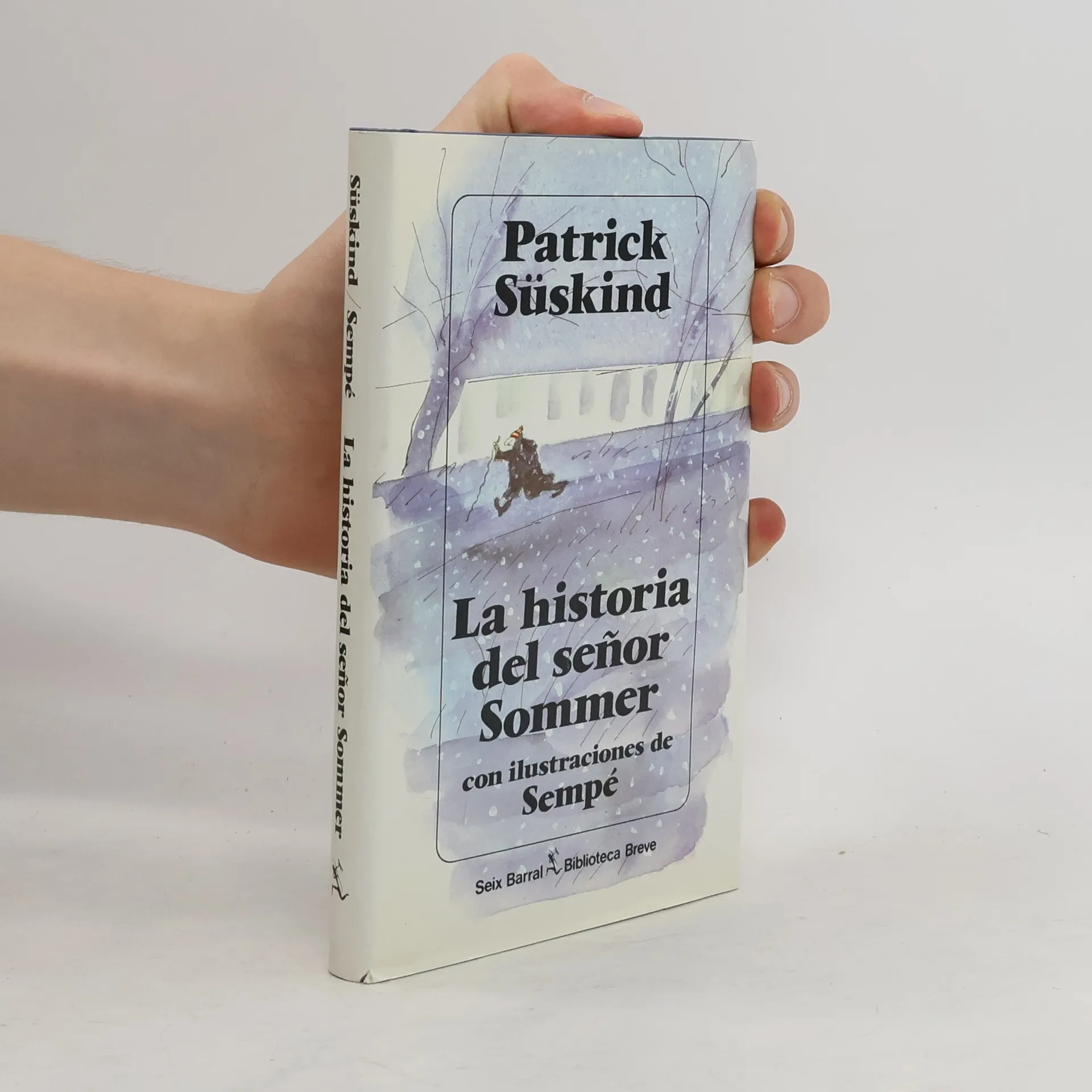
El nuevo libro de Patrick Süskind, un relato contado desde la perspectiva de la niñez, pero no un cuento para niños, trata de un misterioso andariego; es la historia del señor Sommer. "En la época en que yo aún me subía a los árboles, vivía en el pueblo, a menos de dos kilómetros de nuestra casa, un hombre llamado "señor Sommer" [Sommer, en alemán, significa verano]. Nadie conocía su nombre de pila, ni sabía si el señor Sommer tenía algún oficio. Sólo se sabía que la señora Sommer sí lo tenía: hacía muñecas. "Pese a que de los Sommer, y del señor Sommer en particular, se ignoraba casi todo, puede decirse que, por lo menos, en un radio de sesenta kilómetros alrededor del lago, no había hombre, mujer o niño -ni siquiera perro- que no conociera al señor Sommer, porque el señor Sommer estaba siempre andando de un lado para otro. Ya nevara o granizara, tronara o lloviera a cántaros, abrasara el sol o se acercara un huracán, el señor Sommer estaba de excursión." El señor Sommer anda en silencio, de prisa, como si lo persiguieran, con su mochila vacía y un largo y extraño bastón, de pueblo en pueblo, rondando por la campiña y por los sueños y las pesadillas de un niño... El misterioso señor Sommer no desaparece hasta que el niño ya ha dejado de trepar a los árboles.
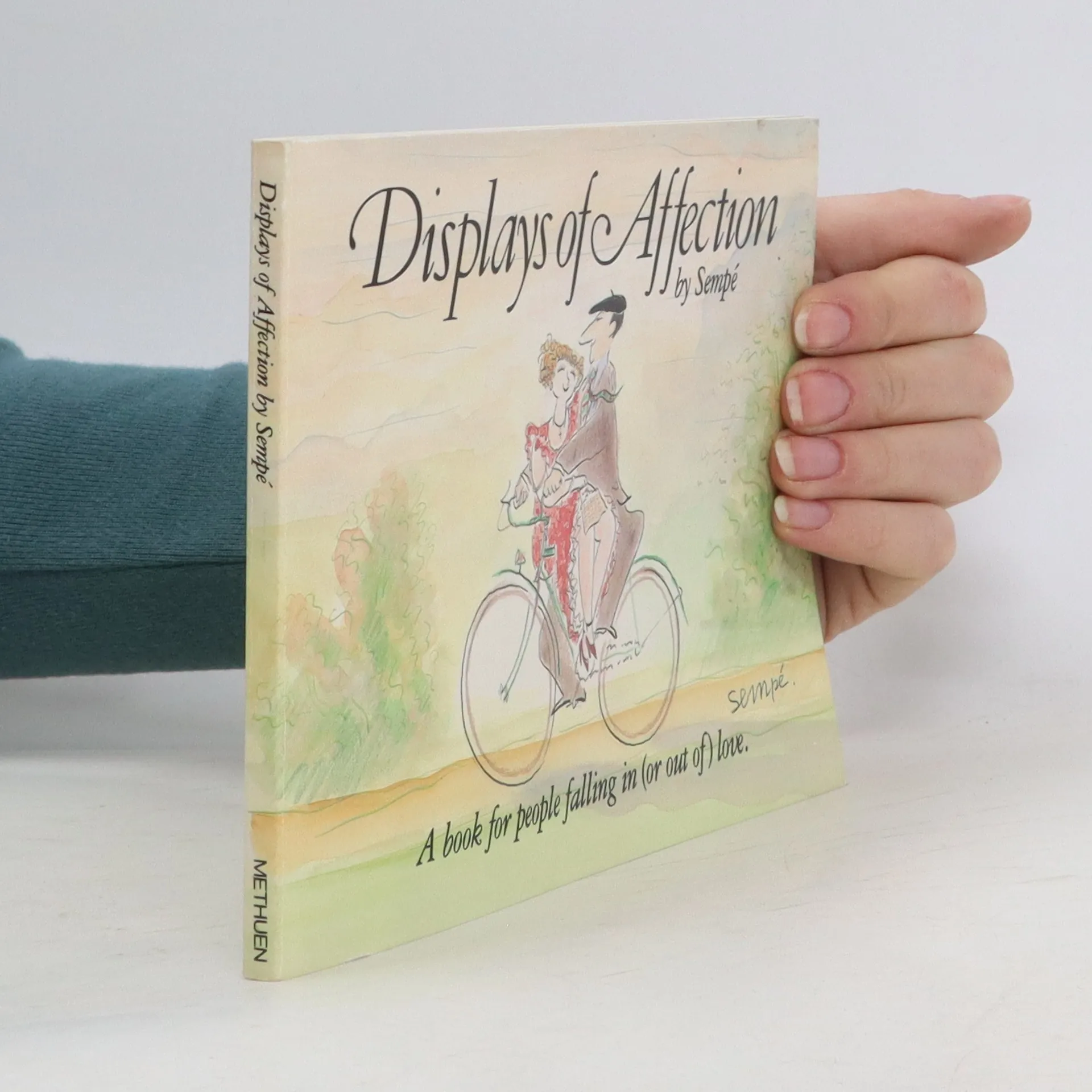
With pen and ink, and with gentle understanding, France's most acclaimed cartoonist explores the question of the delicate balance. "Displays of Affection" pictures love in cozy parlors, on a starry night, in chic apartments, on a windswept beach, on a wobbly bicycle. Close to 100 drawings and captions evoke tenderness, melancholy, skirmish, and triumph. "Vulnerability is la condition humaine," Sempe told "The New York Times." In this funny and moving book, his lovers and couples prove it every time. Sempe's people live in a world that is not necessarily easy for lovers. (After all, out of 2000 possible lovers, how do you find the ideal one?) But as they struggle to find each other nevertheless, they often discover, like the couple dancing alone to the strains of a full-piece orchestra in their own backyard, that "things seem to sort themselves out."
This hardback notebook, illustrated by renowned New Yorker artist Jean-Jacques Sempé, features cartoons on psychoanalysis and includes lined and blank pages for jotting down thoughts. The illustrations in "Notes from the Couch" humorously explore the complex relationships between therapists and their patients.
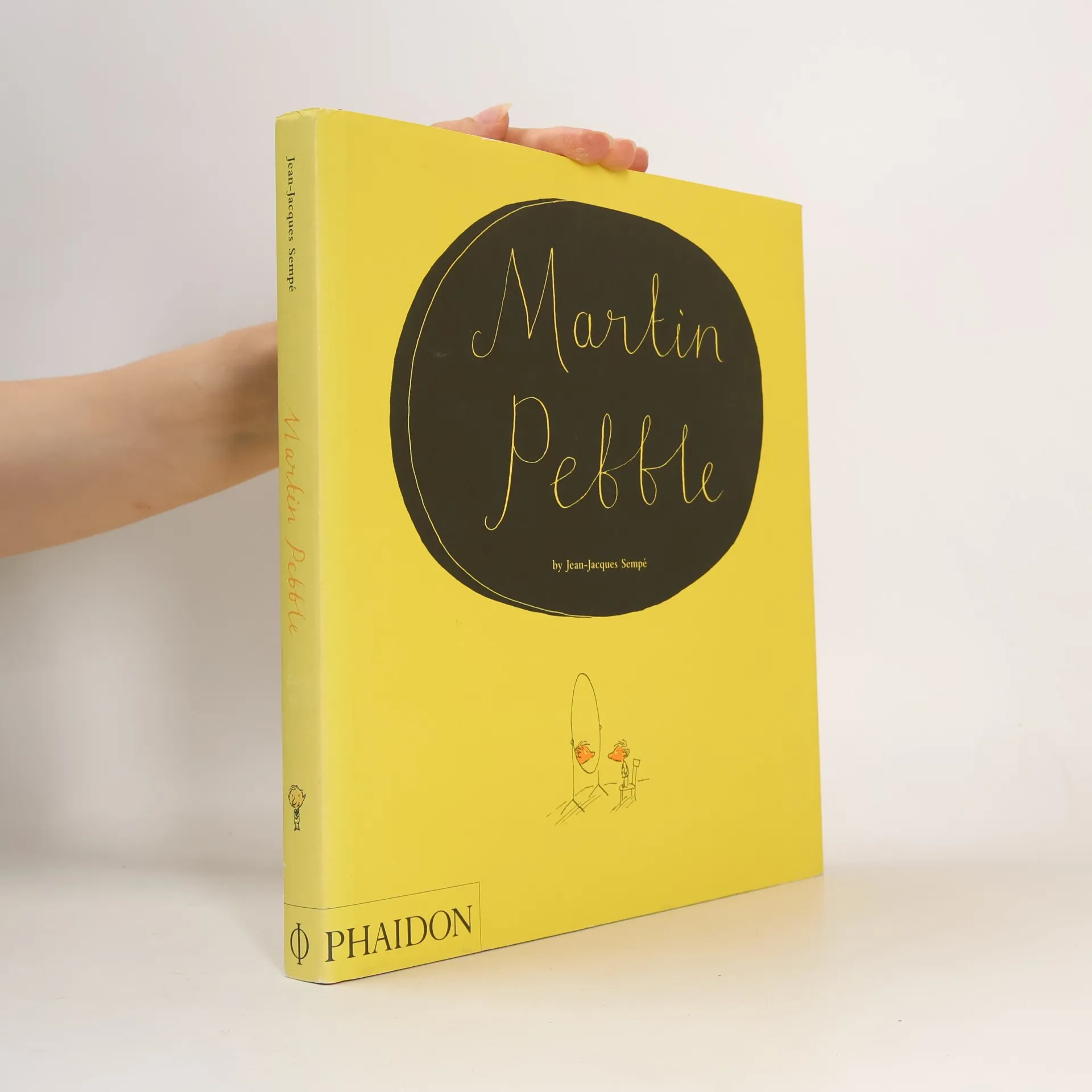
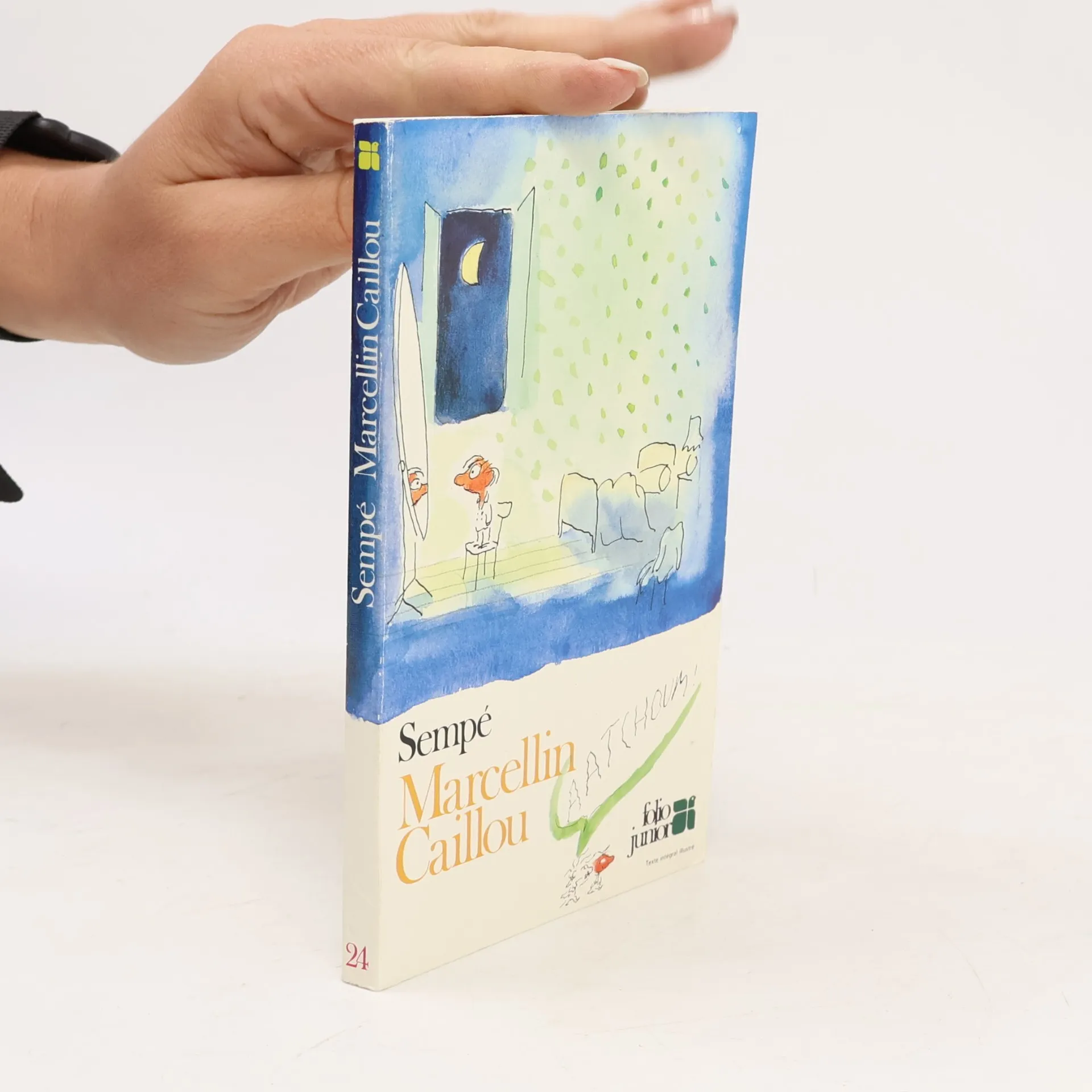
This classic illustrated children's book by Jean-Jacques Sempé tells the story of Martin Pebble, a boy who blushes constantly. When he meets another boy who sneezes for no reason, a lifelong friendship begins. With Sempé's unique drawings and delightful text, it appeals to both children and adults.
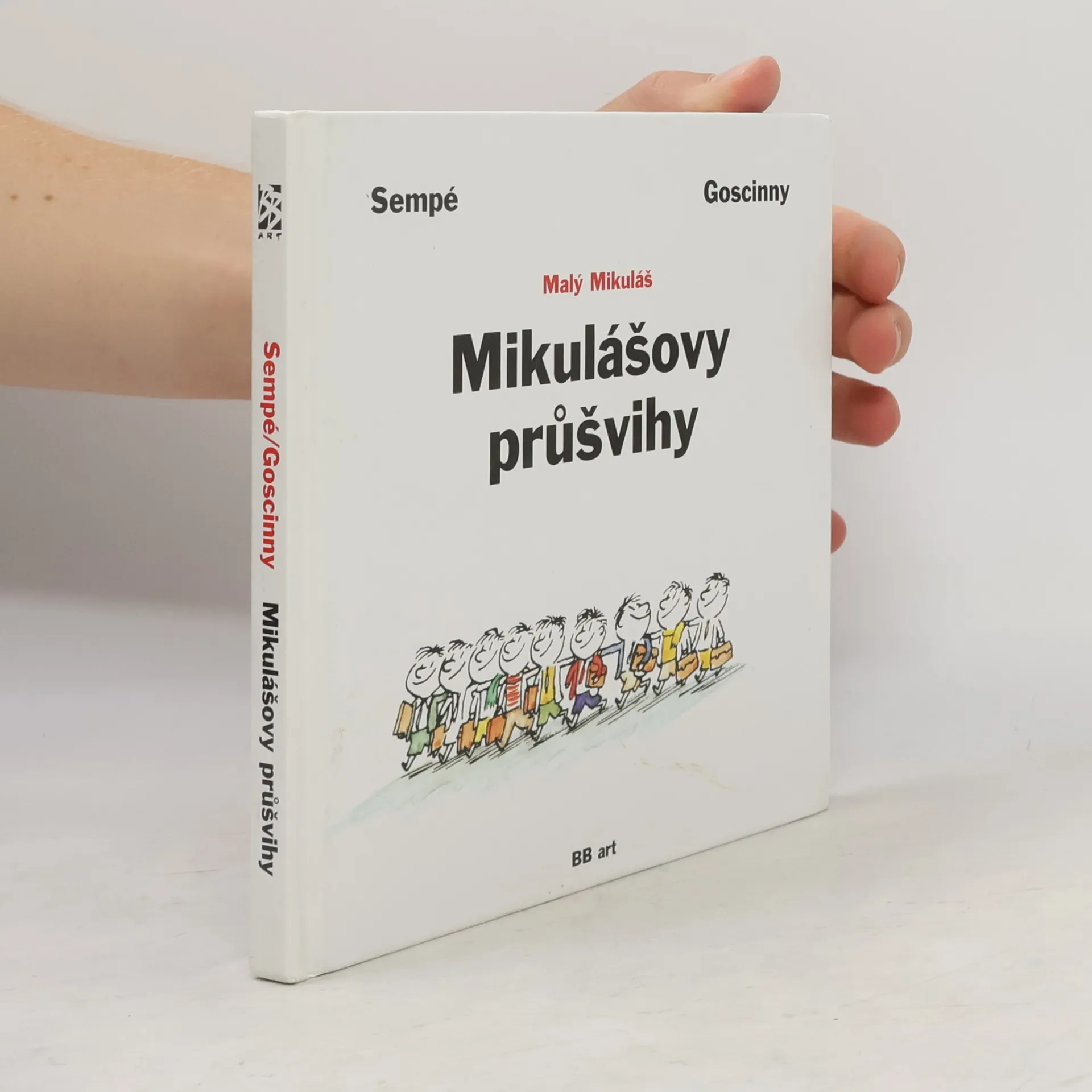
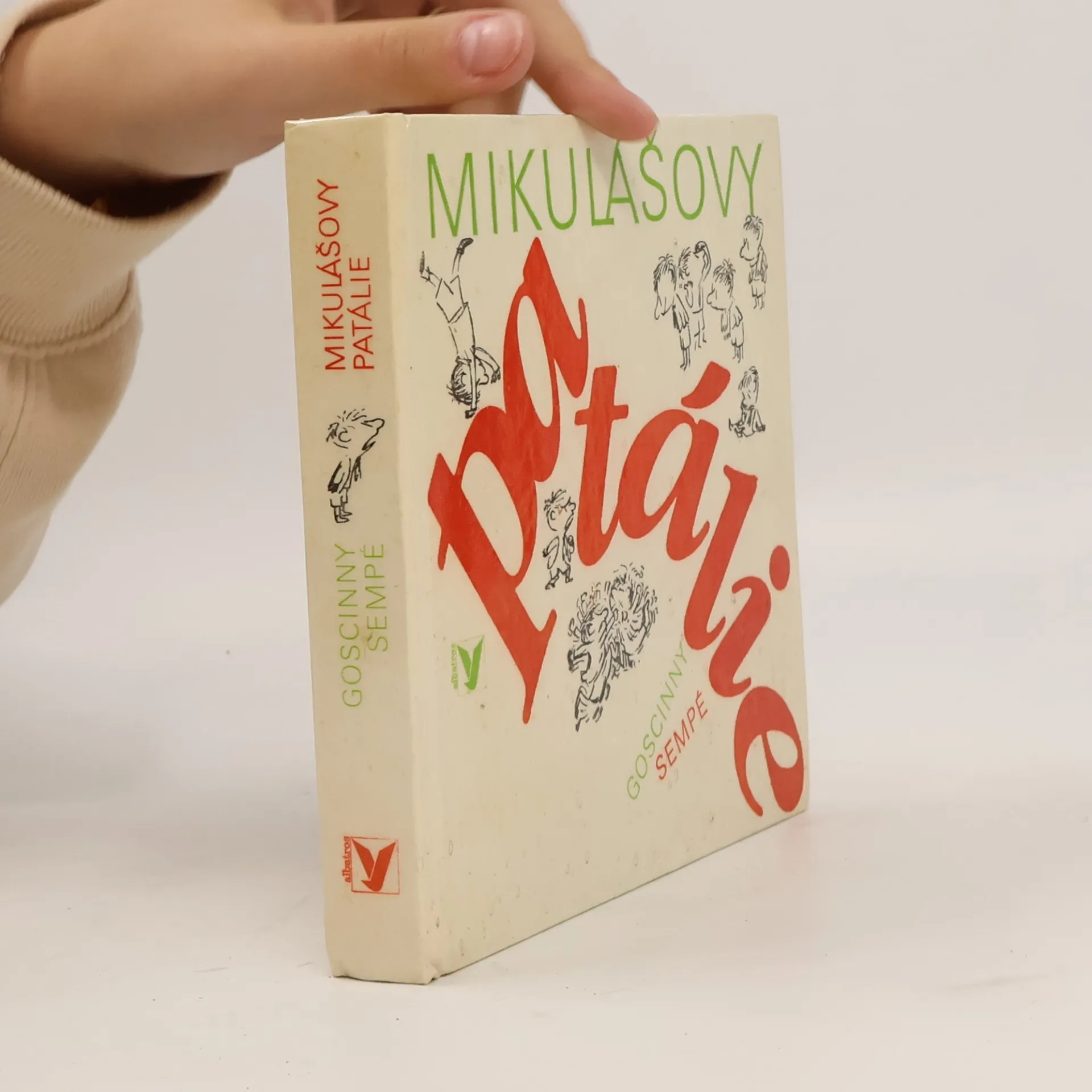
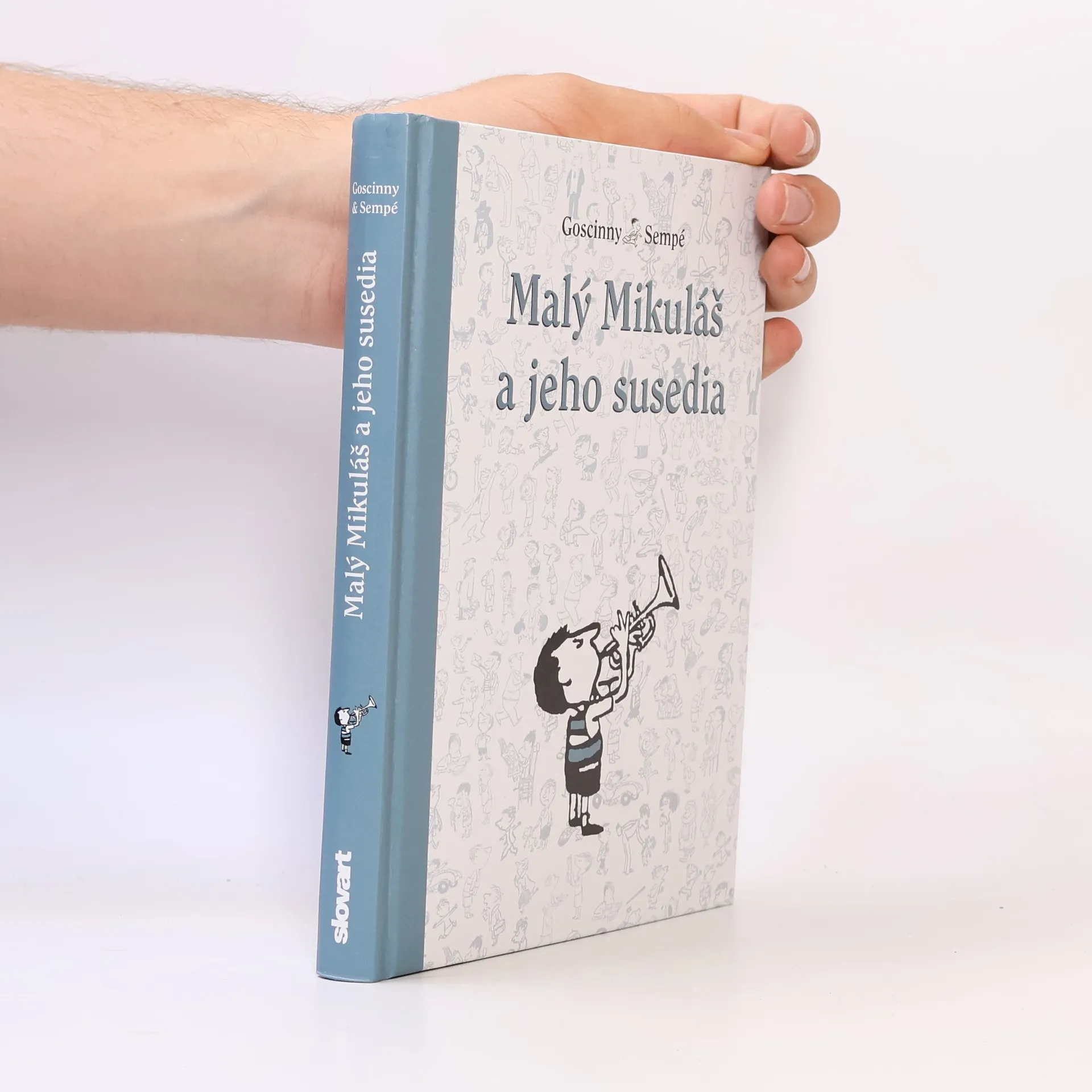
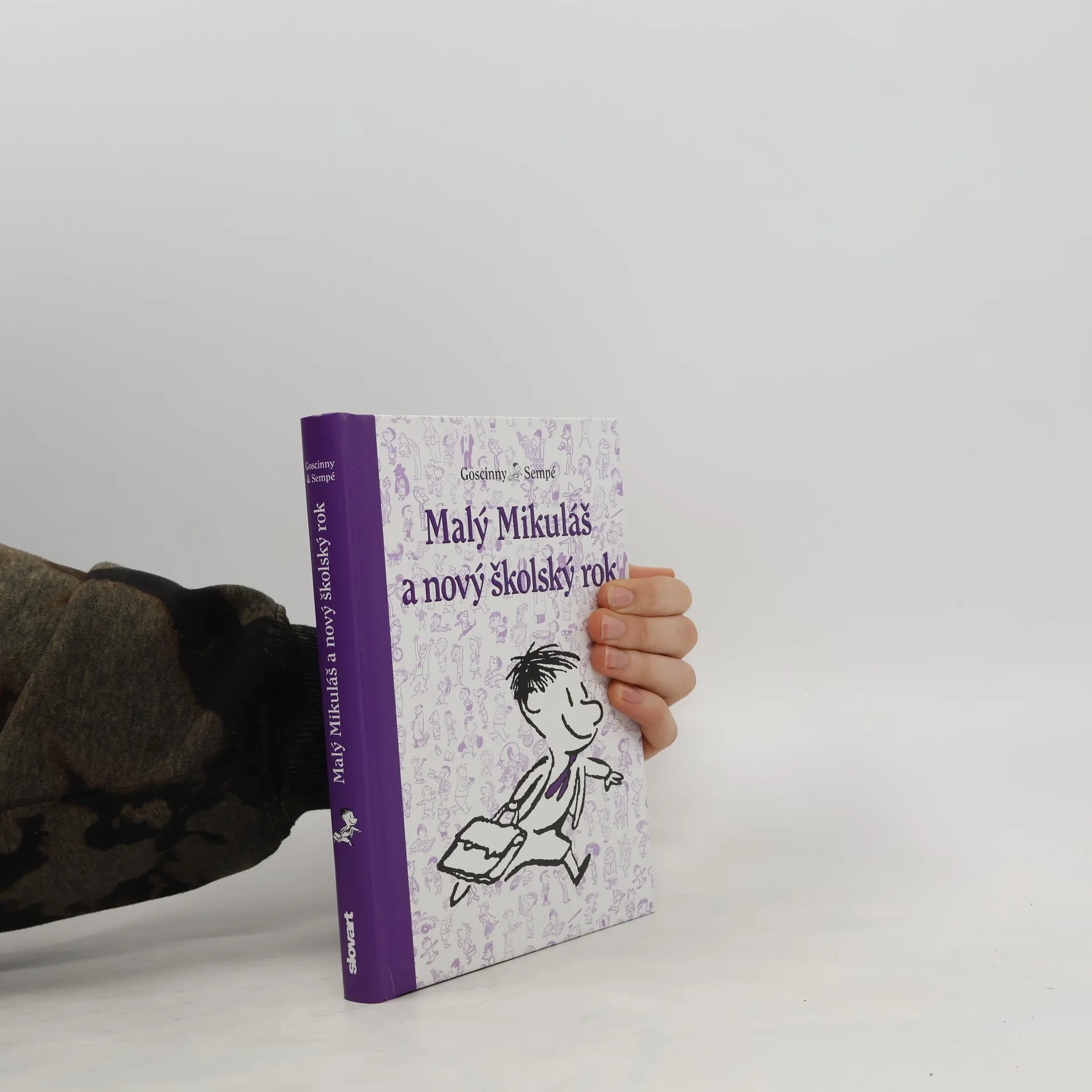
Dětské příběhy o Mikulášovi jsou čtvrtou knihou ze série dobrodružství Mikuláše. Mikuláš se ve škole stále věnuje hrám a se svými přáteli vytváří plné zážitků školní rok. Tato kniha je čtivá pro všechny, kteří někdy seděli na školní lavici; Mikuláš je kniha pro děti od sedmi do sedmdesáti sedmi let.
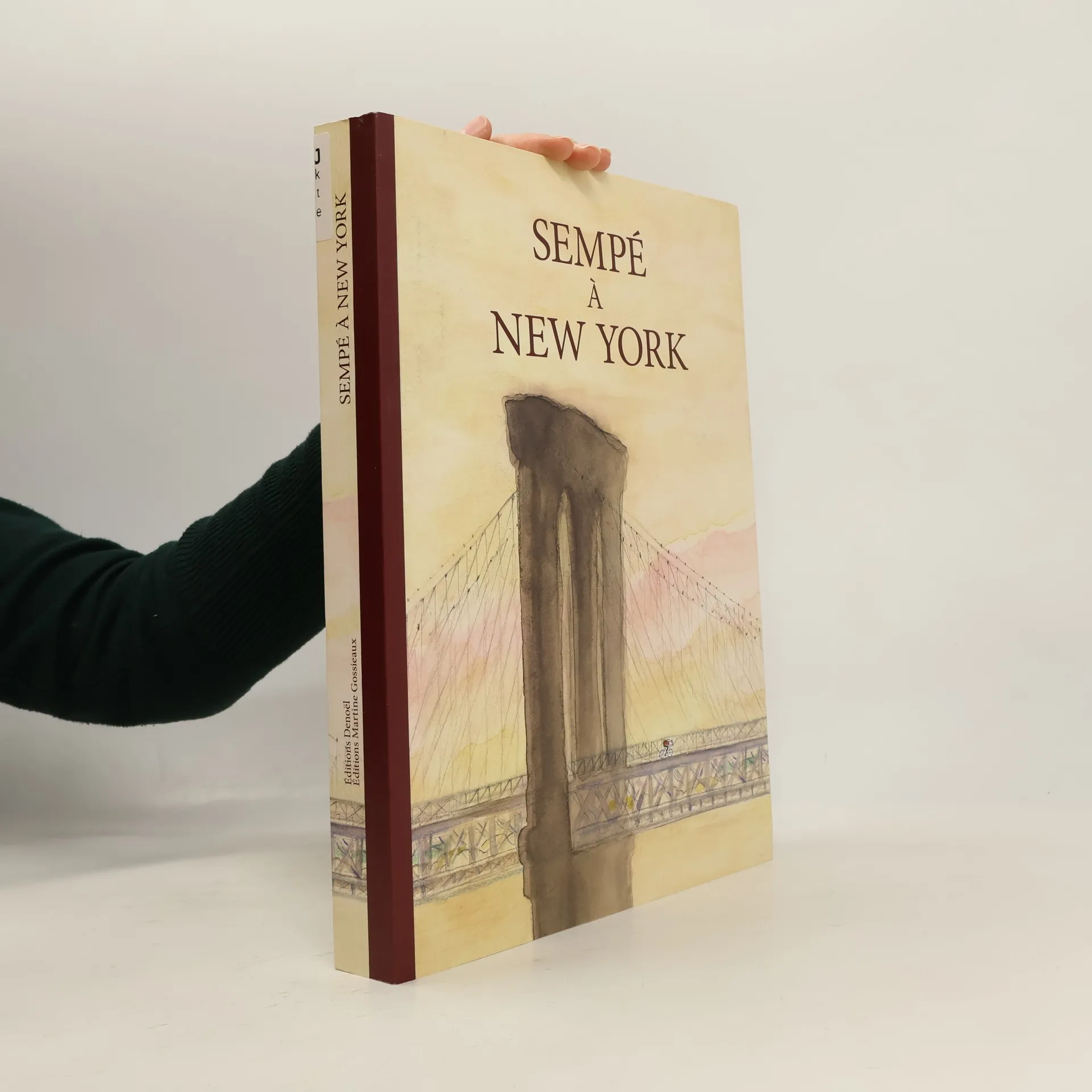
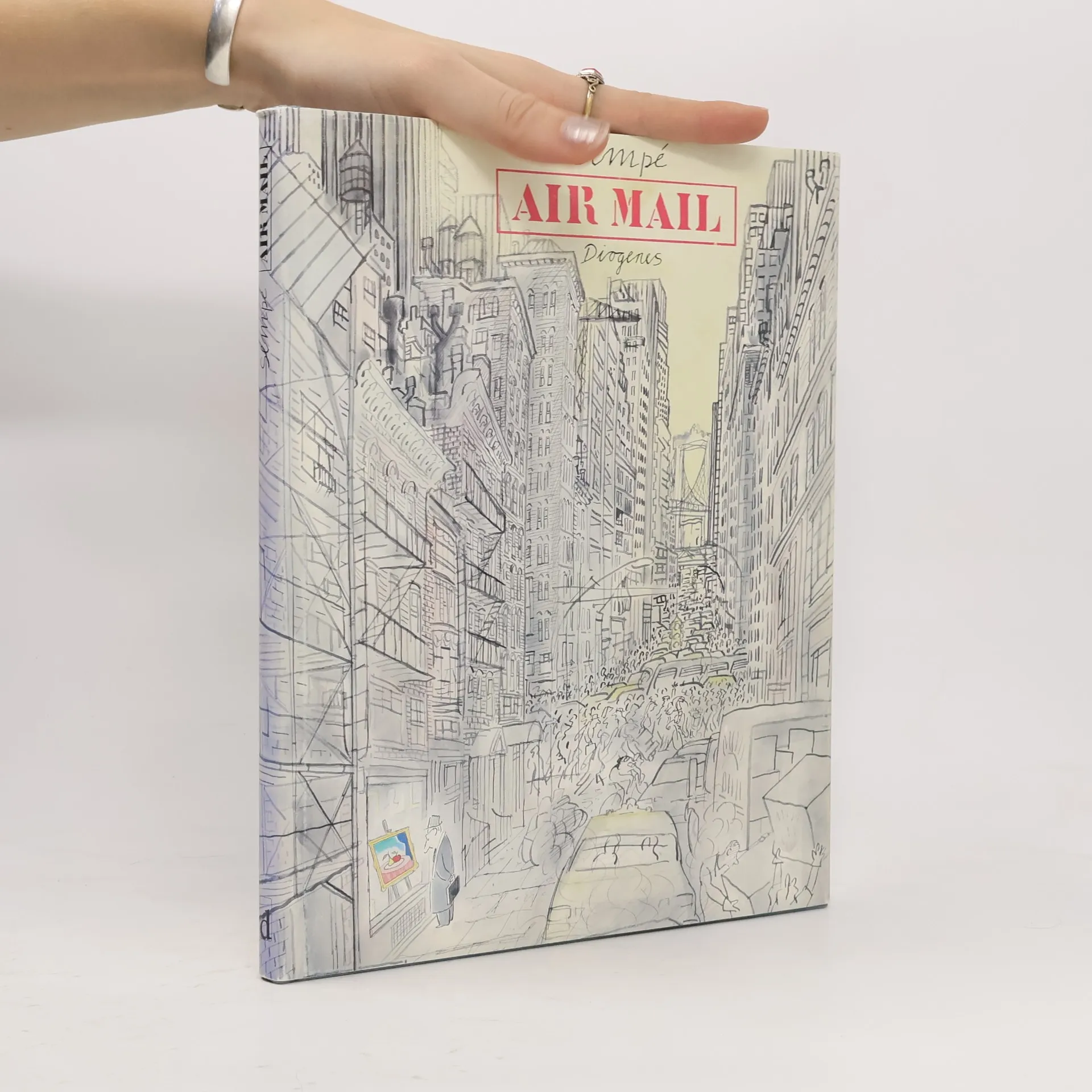
Dès son adolescence à Bordeaux, Sempé rêvait de pouvoir intégrer la famille des dessinateurs du New Yorker, le prestigieux magazine américain dont il admirait l'esprit. Ce rêve devenu possible, en 1978, il se rend régulièrement à New York pour travailler avec une équipe qui lui laisse une totale liberté. Bien que Français, Sempé dessine cent neuf couvertures et autant de "cartoons" en pages intérieures, ce qui est sans précédent dans l'histoire d'un magazine américain.Ces dessins new-yorkais, dont de nombreux inédits, sont ici rassemblés pour la première fois et accompagnés d'un entretien avec Marc Lecarpentier Ils expriment le bonheur de vivre dans une ville unique, avec ses chats insouciants et ses humains minuscules, sa frénésie, ses nuages, son gigantisme, ses jazzmen et ses jardins oubliés.
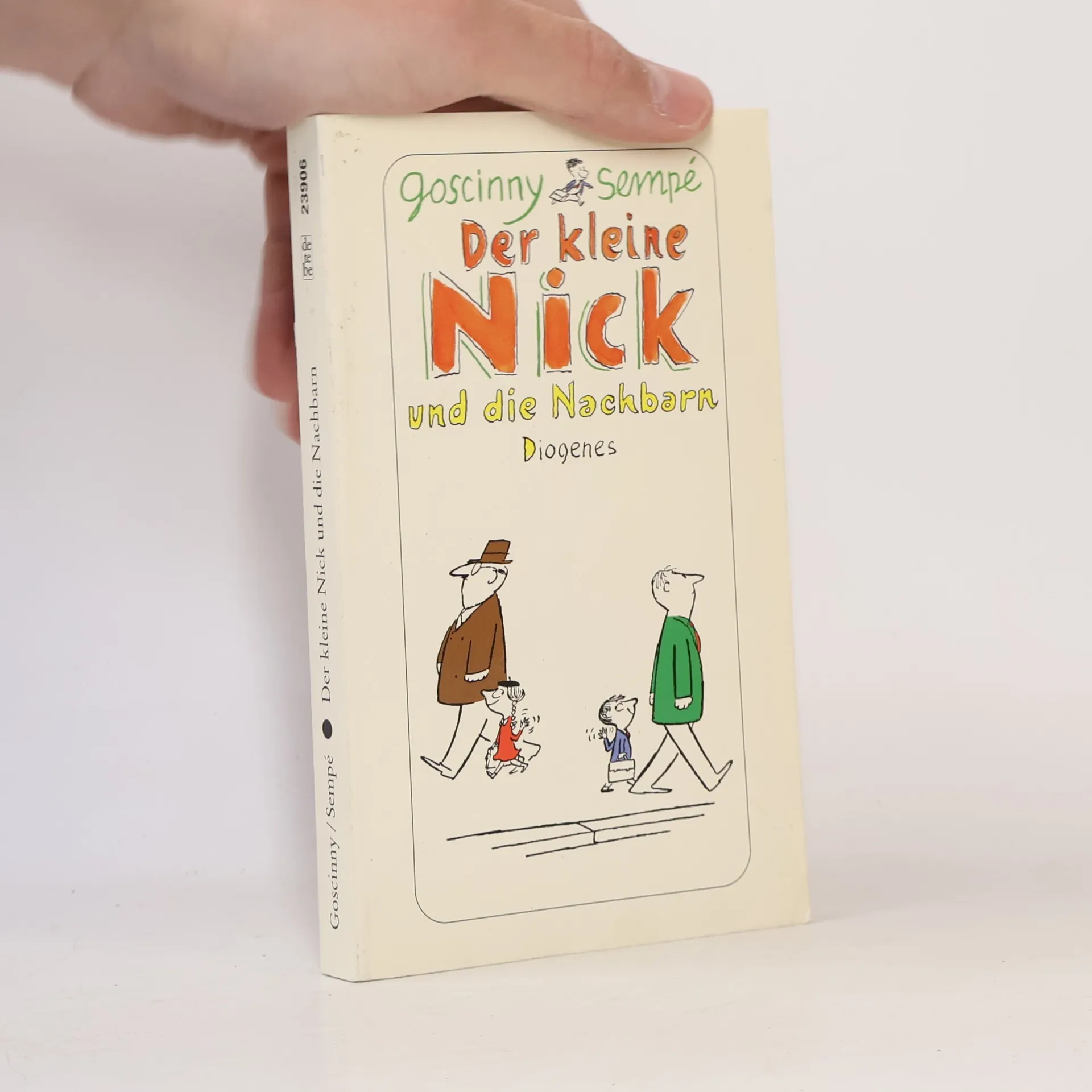
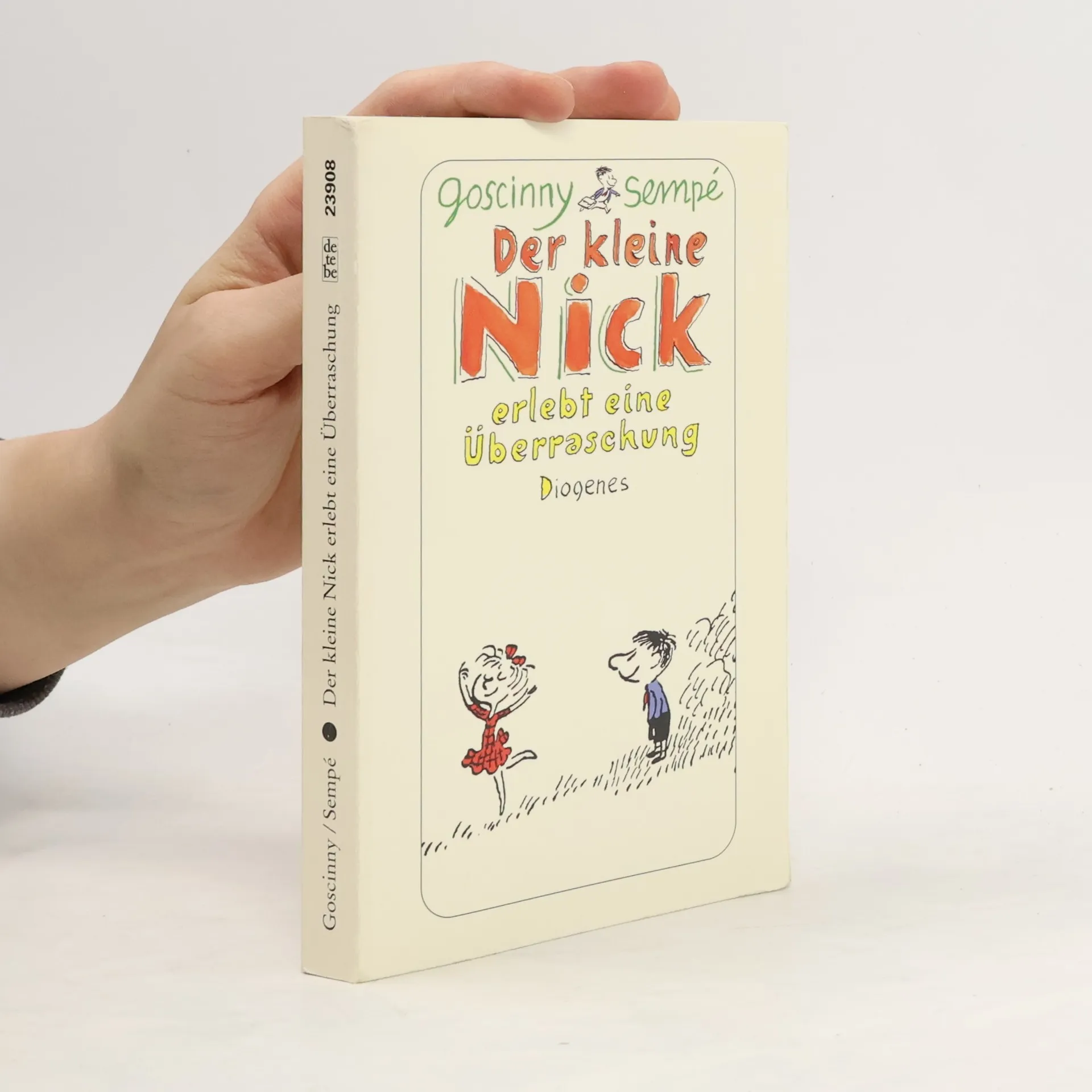
Sechzehn unterhaltsame Geschichten über Nicks Erlebnisse, darunter seine Mama in der Schule, die neuen Nachbarn mit der bezaubernden Tochter Marie-Hedwig, Papas neues Auto und Nicks Abenteuer mit Herrn Kortschild.
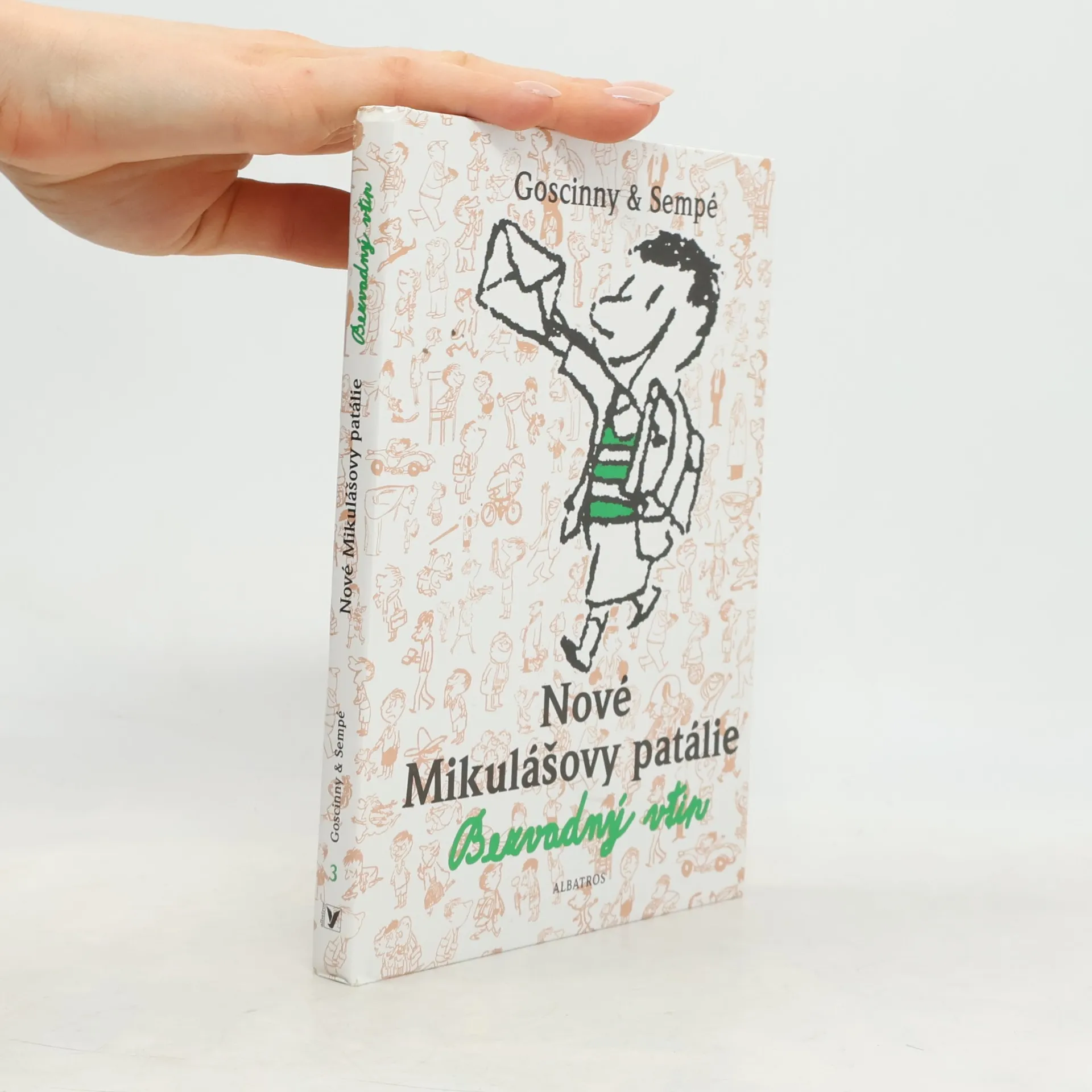
Závěrečný díl z třídílné série dosud nevydaných příběhů, které navazují na oblíbené Mikulášovy patálie. Znovu se setkáme s partou kluků – Viktorínem s píšťalkou, tlustým Vendelínem, Augustýnem, který by nejraději všem šéfoval, kdyby mu občas Albín nedal pěstí, mazánkem paní učitelky Celestýnem a Kryšpínem, který je taky první, jenže odzadu, ale zato nezkazí žádnou zábavu.
Znovu ožije školní dvůr, plácek i park povedenými hrátkami malých školáků, Mikuláše, Albína, tlustého Vendelína, Viktorína s píšťalkou, mazánka Celestýna a dalších. Čtenáři se mohou těšit na nové příběhy, v nichž se dozvědí, jak se Celestýn nechal podplatit a jak to s opisováním nakonec neslavně dopadlo, jak se kluci o přestávce vzbouřili proti Polívkovu nařízení, doprovodí Mikuláše k holiči i do bazénu. Díky alchymii, která mísí dětskou mluvu vynalezenou Goscinnym s poetickou, žertovnou a uvolněnou kresbou Sempého, příběhy, ať už směšně dojemné nebo žertovné, nám připomenou dětství.
První díl z třídílné série dosud nevydaných příběhů, které navazují na oblíbené Mikulášovy patálie. Mikuláš v nich opět rozehrává nekonečnou řadu lumpáren a nezbedných kousků, při kterých se budete za břicha popadat. Jeho nové rošťárny nadchnou jistě děti i jejich rodiče, kteří Mikuláše dobře znají z předchozích sérií. Svižné a vtipné čtení pro prima holky a kluky.
Ralph Sprockett is the story of a man who knows everything there is to know about bicycles, except how to ride one. An expert bicycle mechanic, thanks to constantly crashing and subsequently having to repair bikes as a child, he is admired by everyone in town for his skill and knowledge, so much so that they have even started refering to bicycles as 'sprockets' in his honour. No one knows his deep, dark secret - not even his wife knows that the great Ralph Sprockett cannot ride a bike. When his friend Noel, who is a photographer, announces that he would like to take a picture of Ralph riding his bike down a local hill, Ralph finally has to confront his fears, with unexpectedly dramatic results. Originally published in France in 1995, Ralph Sprockett is the perfect companion to Monsieur Lambert, Sempe's earlier graphic novel.
Malý Mikuláš se loučí! Závěrečný díl série o nestárnoucím školáčkovi a jeho kamarádech Celestýnovi, Vendelínovi, Viktorínovi, Albínovi, Kryšpínovi, Jáchymovi a Fridolínovi. Zcela nové příběhy z pozůstalosti svého otce připravila dcera Anne Goscinnyová. A že opravdu nezestárly! Vždyť stejně jako tehdy platí ta samá pravidla pro klukovské hry na piráty a toreadory, každý ví, že koulovačky se nemají odkládat, protože sníh do druhého dne zaručeně roztaje.
»Seit ich mit 12 Jahren mit dem Zeichnen anfing, wollte ich immer glückliche Menschen zeichnen.« Eine Kindheit, die nicht immer glücklich war, aber wie Sempé sie zeichnerisch umsetzte, wird für den Betrachter zu einem überwältigenden, farbigen und beglückenden Erlebnis. Eine Autobiographie in Bildern."
Weihnachten ist ein richtiges Abenteuer, wenn der kleine Nick daran beteiligt ist. Dieses Jahr ist der Weihnachtsmann nämlich knapp bei Kasse, und Nick muss ihm schreiben, wo und bei wem dieser überall sparen soll, damit er und seine Freunde trotz allem nicht leer ausgehen. Sämtliche Abenteuer des kleinen Nick zur schönsten Zeit im Jahr in einem Band.
Endlich Ferien für den kleinen Nick und seine Freunde. Endlich Zeit – Zeit für all die Streiche und Unternehmungen, die während der Schulzeit auf der Strecke bleiben müssen und die Eltern an den Rand des Nervenzusammenbruchs treiben!
Každodenné zážitky, radosti a starosti opisuje malý Mikuláš s pôvabnou prostorekosťou, v ktorej sa zrkadlia charaktery spolužiakov, pedagógov, rodičov i susedov. Či je to príliš familiárny sused pán Bledur, alebo odmeraný a hašterivý pán Habadej, roztomilá malá slečna Mária-Hedviga, najtučnejší kamarát Aurel, skúsený detský lekár, zhovievavá pani učiteľka, prísny policajt, pani Marcelínová s otravným bábätkom Silvestrom, tí všetci tvoria malý svet malého chlapca s veľkým srdcom. Svet, kde sa každá šarvátka medzi kamarátmi končí zmierením a každé rodinné nedorozumenie objatím.
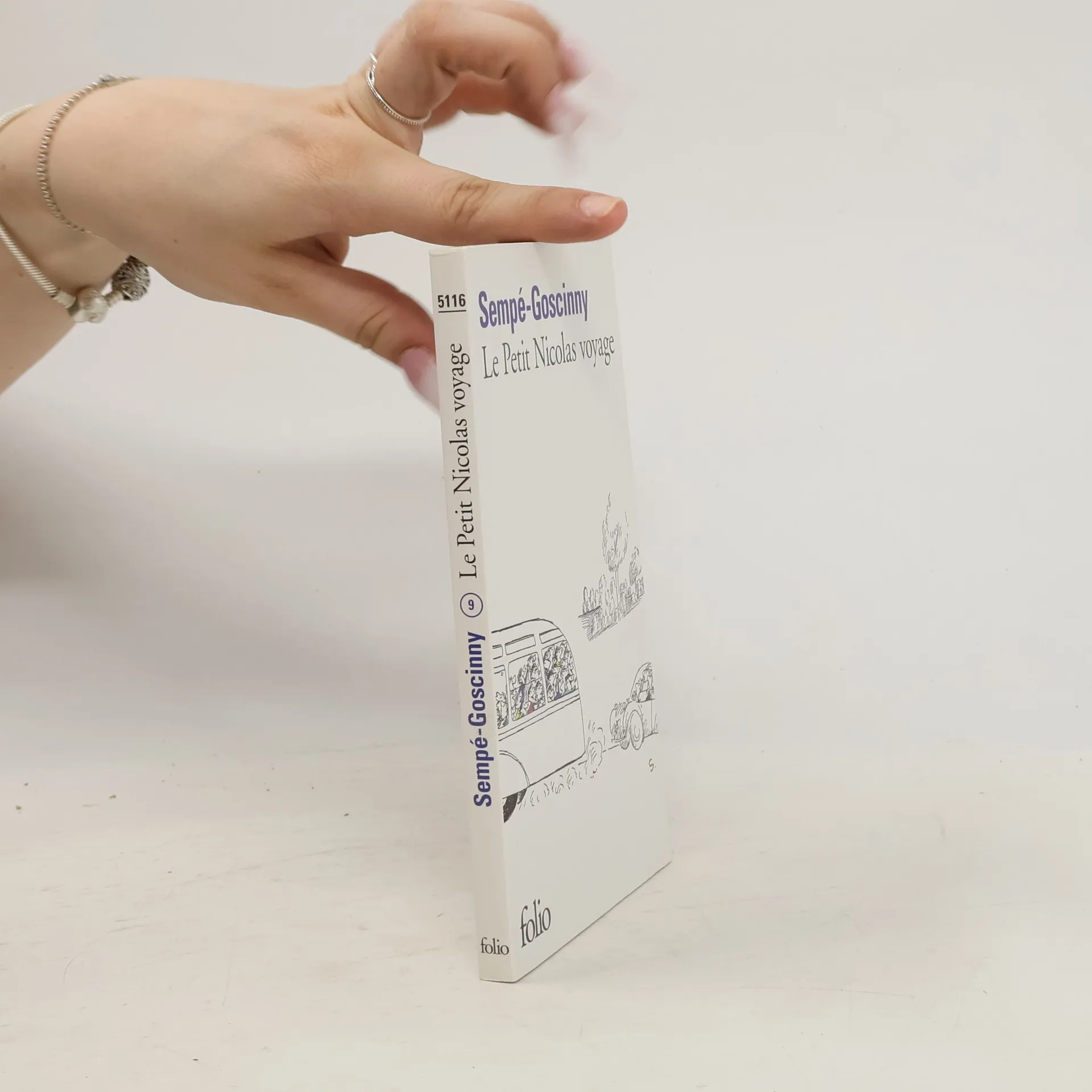
Une collection proposant des aventures inedites du Petit Nicolas, cet ecolier malicieux et turbulent dont les betises et pitreries exasperent toujours autant parents et enseignants.
Une série d'aventures mettant en scène le Petit Nicolas et ses camarades. Dans la première histoire, les parents de Nicolas sont confrontés à une fuite d'eau sous l'évier de la cuisine. Ils se décident à faire venir le plombier pendant que le petit garçon observe l'intervention.
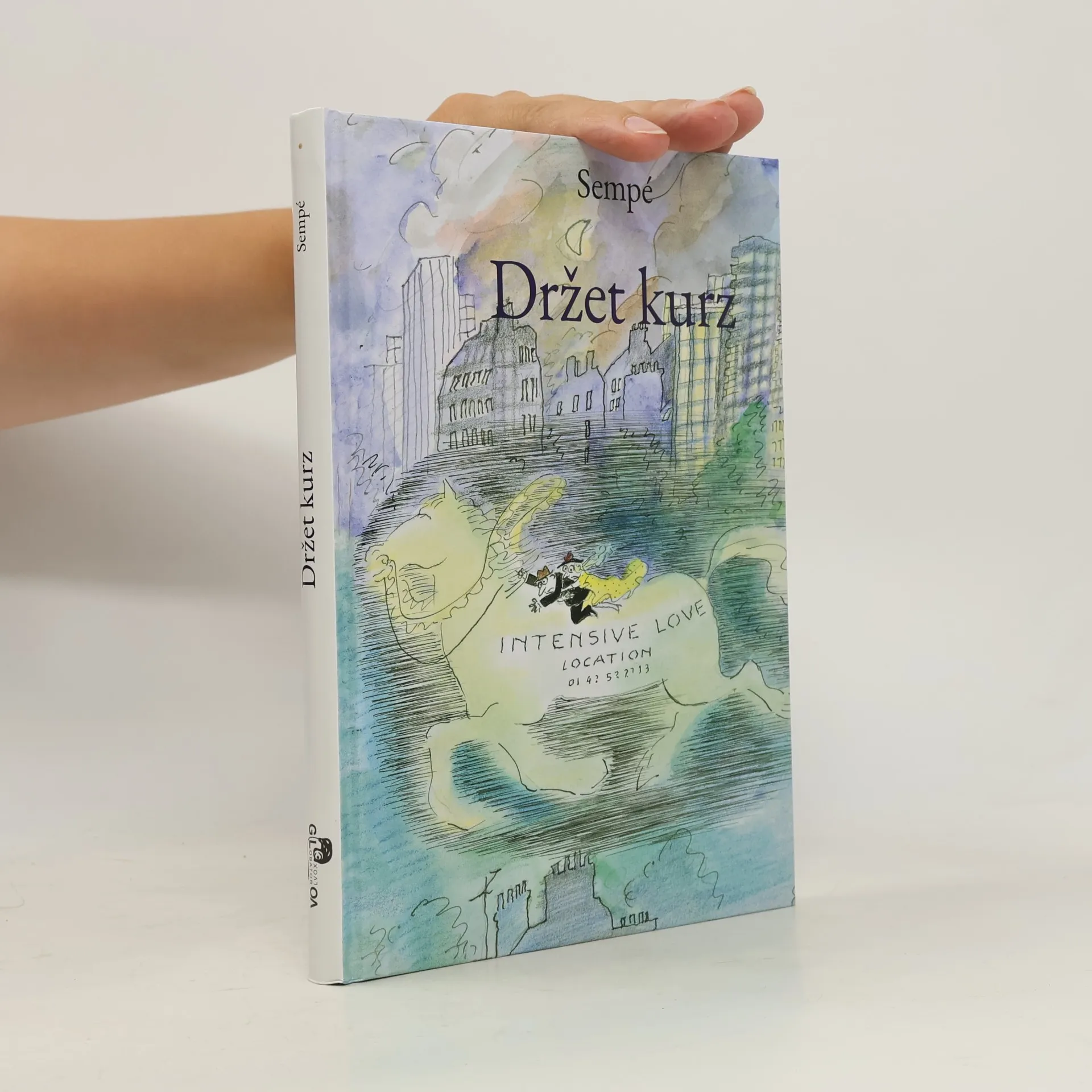
Když listujeme stránkami této knihy, jsme jako vždy neuvěřitelně dojati Sempého jemností linky a melancholií ducha. Z kreseb vychází i jistá forma mravní, diskrétní a vždy pobavené elegance, Sempého pero překládá něžně ironickou vizi našich selhání a selhání světa. V této knize najdeme to nejlepší z jemného a náznakového humoru v kombinaci s impozantním smyslem pro posměch, který charakterizuje celou Sempého tvorbu. Sempé, nesrovnatelný pozorovatel našeho každodenního života, v této knize přináší své nejlepší dosud nepublikované kresby.
„Eine Frage, die Sempé immer wieder anrührt, ist: Wie kann der Mensch in einer Massengesellschaft Individualität bewahren? Sempés gezeichnete, oft durch pointerte Texte ergänzte Antworten atmen einen milden Existentialismus, bei dem es manchmal so aussieht, als sei das Schönste am Menschen seine Schwäche.“
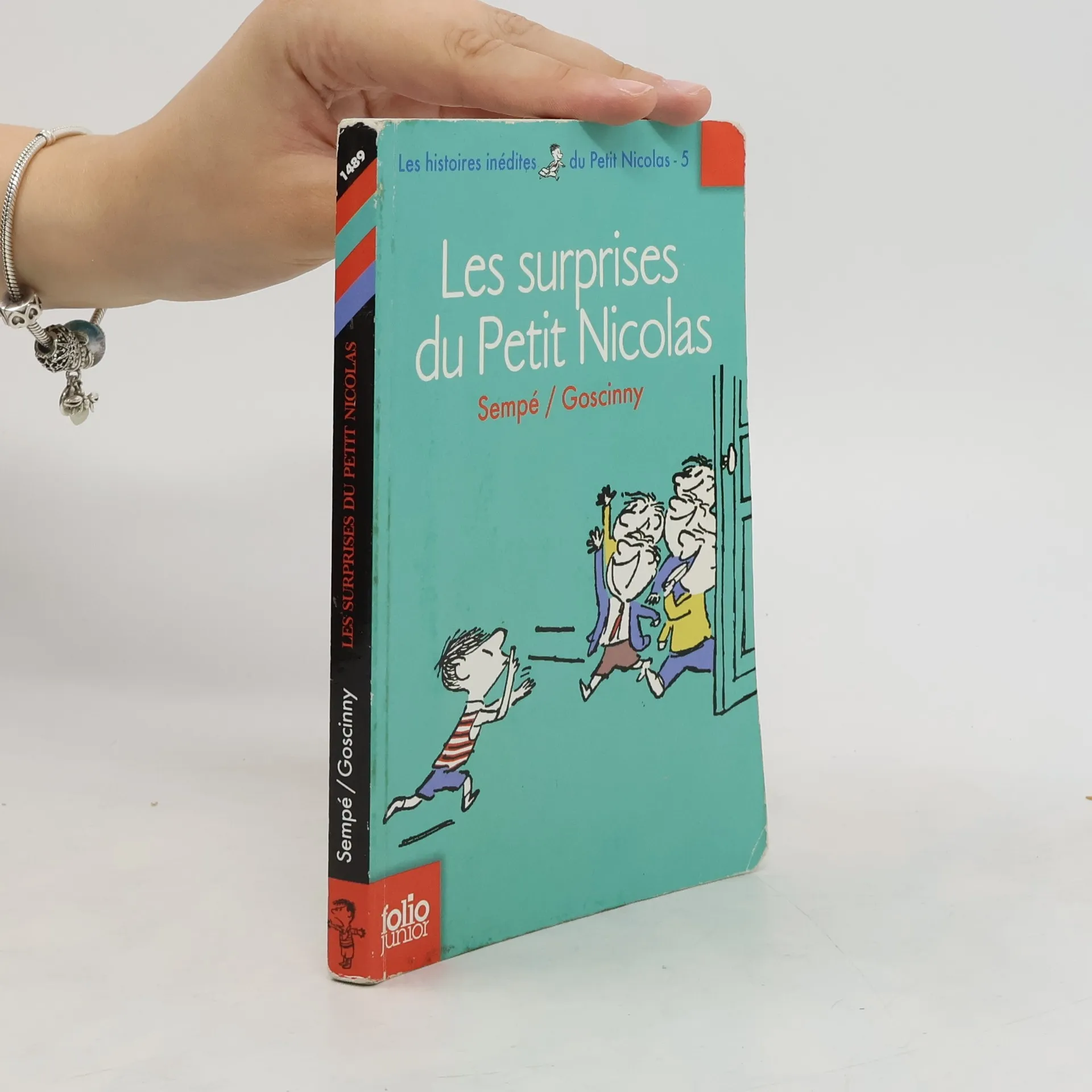
Fêter l'augmentation de papa au restaurant, faire des grimaces au lama au zoo avec Alceste, goûter avec l'insupportable cousin Eloi, aller voir les vitrines des grands magasins avec des tas de lumières partout et des gens qui klaxonnent. La vie du Petit Nicolas est pleine de surprises. Mais quand Nicolas répète le gros mot qu'a dit Eudes à la récré, ce sont ses parents qui sont surpris...
Retrouvez 15 histoires drôles et tendres de Nicolas et de son chouette tas de copains ! Les aventures du Petit Nicolas sont un chef d'œuvre de notre littérature imaginé par deux humoristes de génie : René Goscinny et Jean-Jacques Sempé.
Dans ce volume :
- La mutinerie
- Le dentiste
- Hoplà
- Le mariage de Martine
- La piscine
- Les bonbons
- Je me cire
- On a visité le chocolat
- Le bassin
- Le puzzle
- Le tas de sable
- Le pique-nique
- Le Bouillon n'aime pas la glace
- Je fais des courses
- La corrida
Mikuláš je obyčajný malý chlapec, žije v obyčajnej rodine v obyčajnom meste, chodí do obyčajnej školy. A predsa sa z neho stal slávny a obľúbený hrdina, nielen v rodnom Francúzsku, ale na celom svete! Malý Mikuláš spolu s kamarátmi - tučným Aurelom, silným Hugom, namysleným Kazimírom, lenivým Lotarom -, ale aj s rodičmi, učiteľmi či so susedmi prežívajú príhody, ktoré zabávajú a tešia už minimálne tri generácie čitateľov. Vtipné a láskavé rozprávanie, sprevádzané rovnako vtipnými ilustráciami, očarí nielen deti, ale aj rodičov.
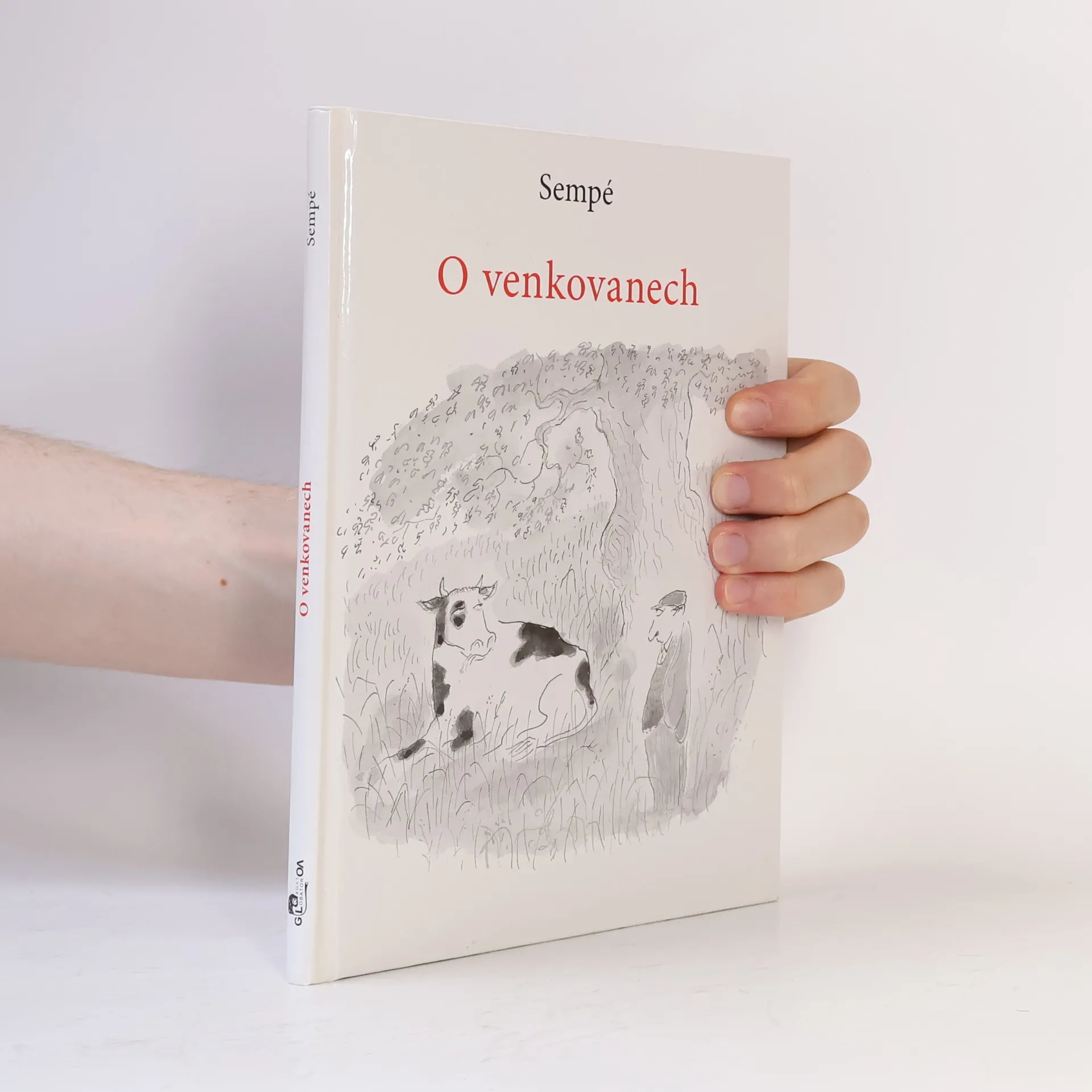
Po dětech si Sempé vzal na paškál venkovany a jejich styl života. Jean-Jacques Sempé (* 1932) je francouzský humoristický kreslíř. V Česku je slavný ilustracemi k sérii knih Reného Goscinnyho Mikulášovy patálie, je ale především autorem legendárních kreslených knih, příběhů a vtipů. První vtipy a karikatury nakreslil ve dvanácti letech, o dva roky později opustil školu a vystřídal několik dočasných zaměstnání: byl prodavačem kol, podomním obchodníkem se zubní pastou v prášku, praktikantem na dětských táborech a dodavatelem vína. Na začátku padesátých let se před ním otevřela kariéra humoristického kreslíře. První kresby otiskuje v novinách Sud Ouest. Belgický rozhlasový týdeník Le Moustique použil několik jeho kreseb na titulní stranu a Sempé byl záhy požádán, aby vytvořil vlastní postavičku. Nakreslil chlapečka na kole a dal mu jméno malý Mikuláš (podle reklamy na obchod s vínem Nicolas). Šéfredaktor ho propojil s Reném Goscinnym, aby společně udělali komiks. Vznikla série komiksových gagů, které byly v časopise uveřejňovány každý týden. O několik let později vyšla o Mikulášovi první kniha. Od roku 1953 Sempé pravidelně publikuje v několika zásadních francouzských novinách a časopisech, v roce 1978 se poprvé stane autorem obálky New Yorkeru. Od roku 1962 vydává téměř každoročně album kreslených humorných příběhů.
Książka dla dzieci w oryginalnym, francuskim wydaniu. Wspólnie, Mikołajek i jego koledzy świetnie się bawią. Trzeba przyznać, że czy to w domu, w cyrku, w wesołym miasteczku, czy w kozie, zawsze mają dobre pomysły, nawet jeśli opiekun, dyrektor, wychowawczyni, rodzice, sąsiedzi i szef taty tak nie uważają. Jednak koniec końców, Mikołajek i przyjaciele nigdy nie robią głupstw!
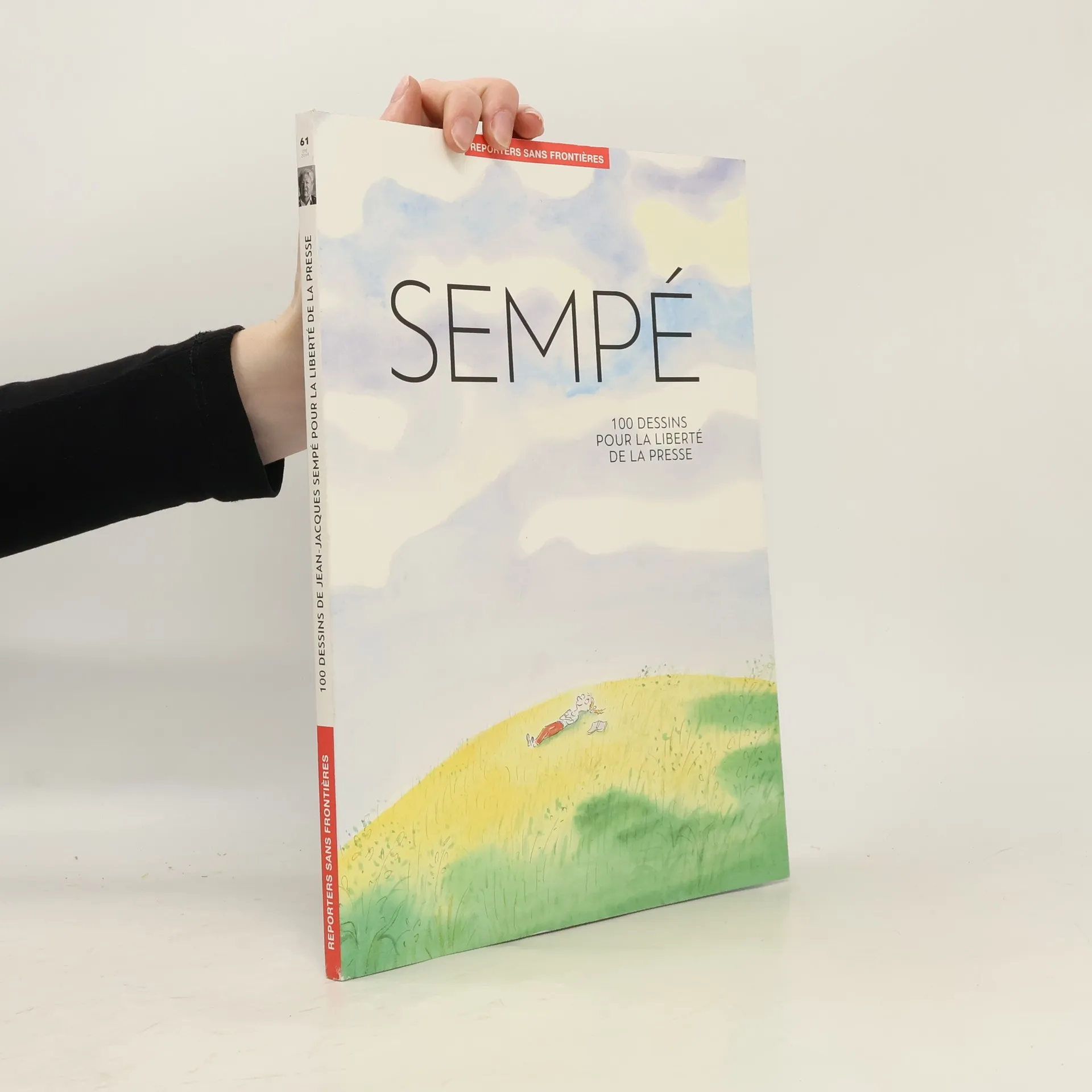
En noir et blanc ou en couleurs, un trait à nul autre pareil et un humour aussi tendre qu'implacable : du Petit Nicolas aux couvertures du New Yorker, Jean-Jacques Sempé a fait sourire, rire, réfléchir et rêver au moins trois générations de lecteurs dans le monde entier. Vingt-sept ans après le premier 100 Dessins pour la liberté de la presse, RSF vous propose une nouvelle édition spéciale en hommage à Sempé, dessinateur et humoriste sans frontières. De l'espace comme du temps. Un album à "feel good" à paraître le 4 juillet 2019.
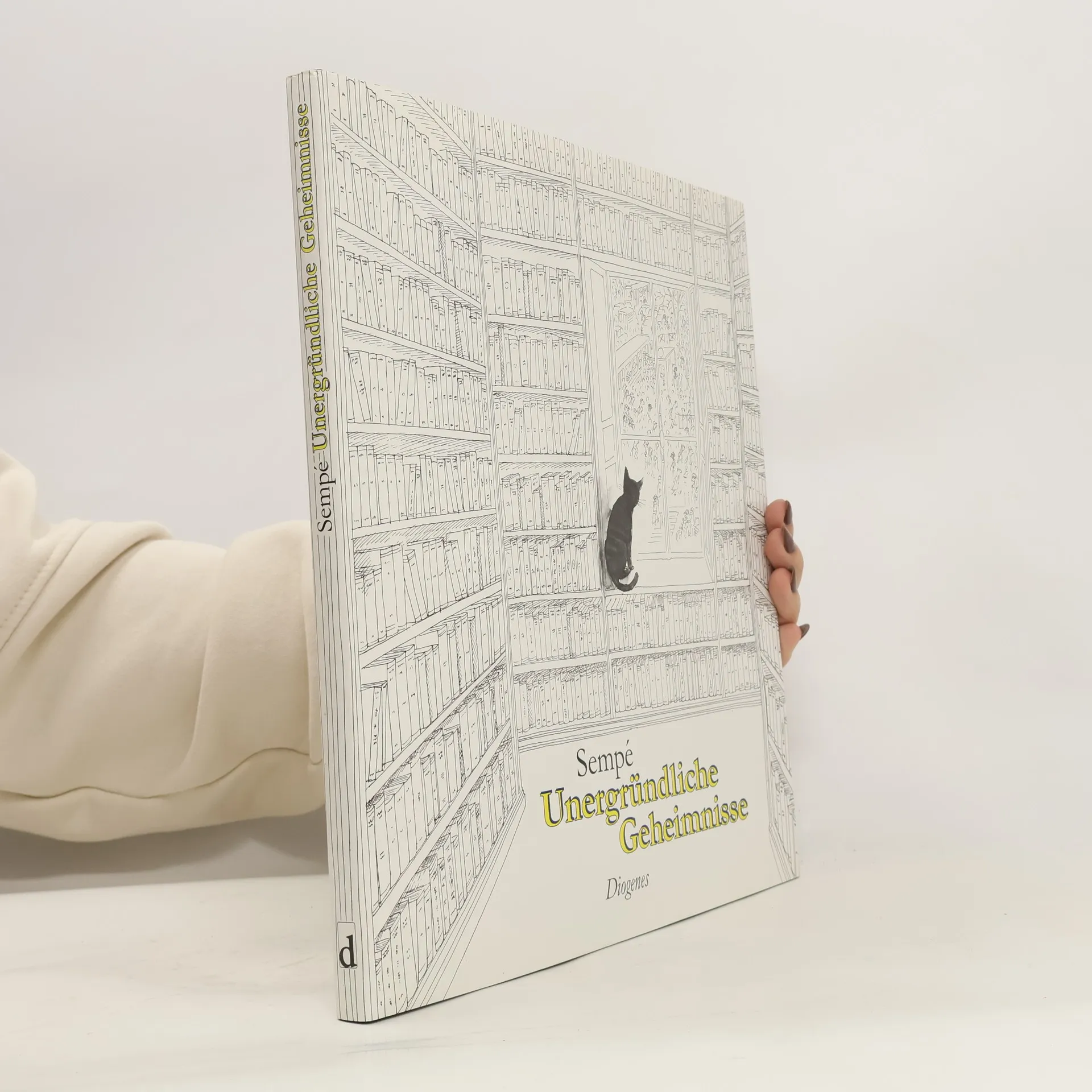
Sempés Bilder bieten mehr als nur Pointen; sie kombinieren oft Bild und Text, wobei die Bildunterschriften Geschichten erzählen. Seine liebevoll gestalteten Cartoon-Gemälde laden den Betrachter ein, in den vielen Details zu schwelgen.
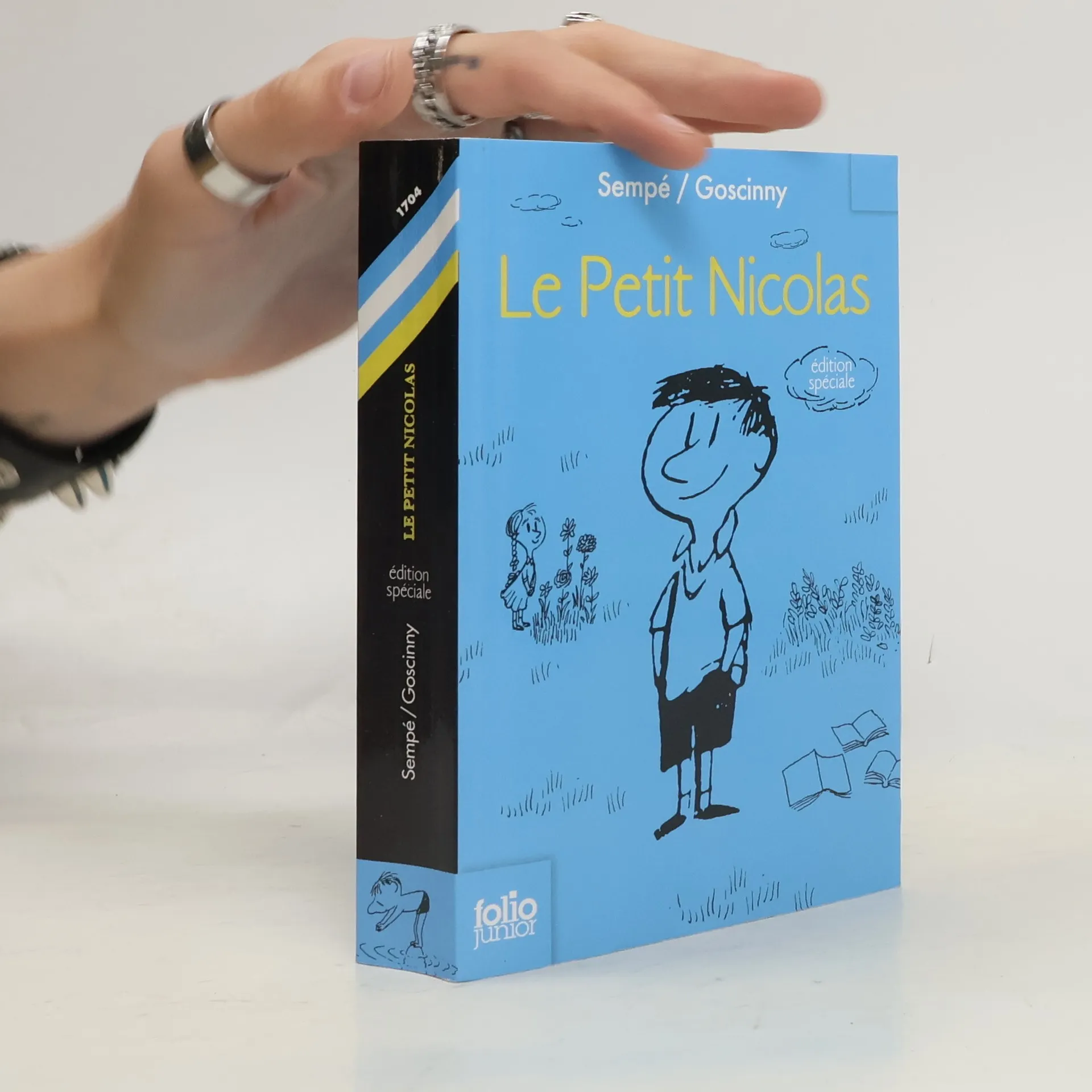
Cette édition spéciale rassemble les trois premiers livres du Petit Nicolas : Le Petit Nicolas, Les récrés du Petit Nicolas et Les vacances du Petit Nicolas. À partir de 9 ans.
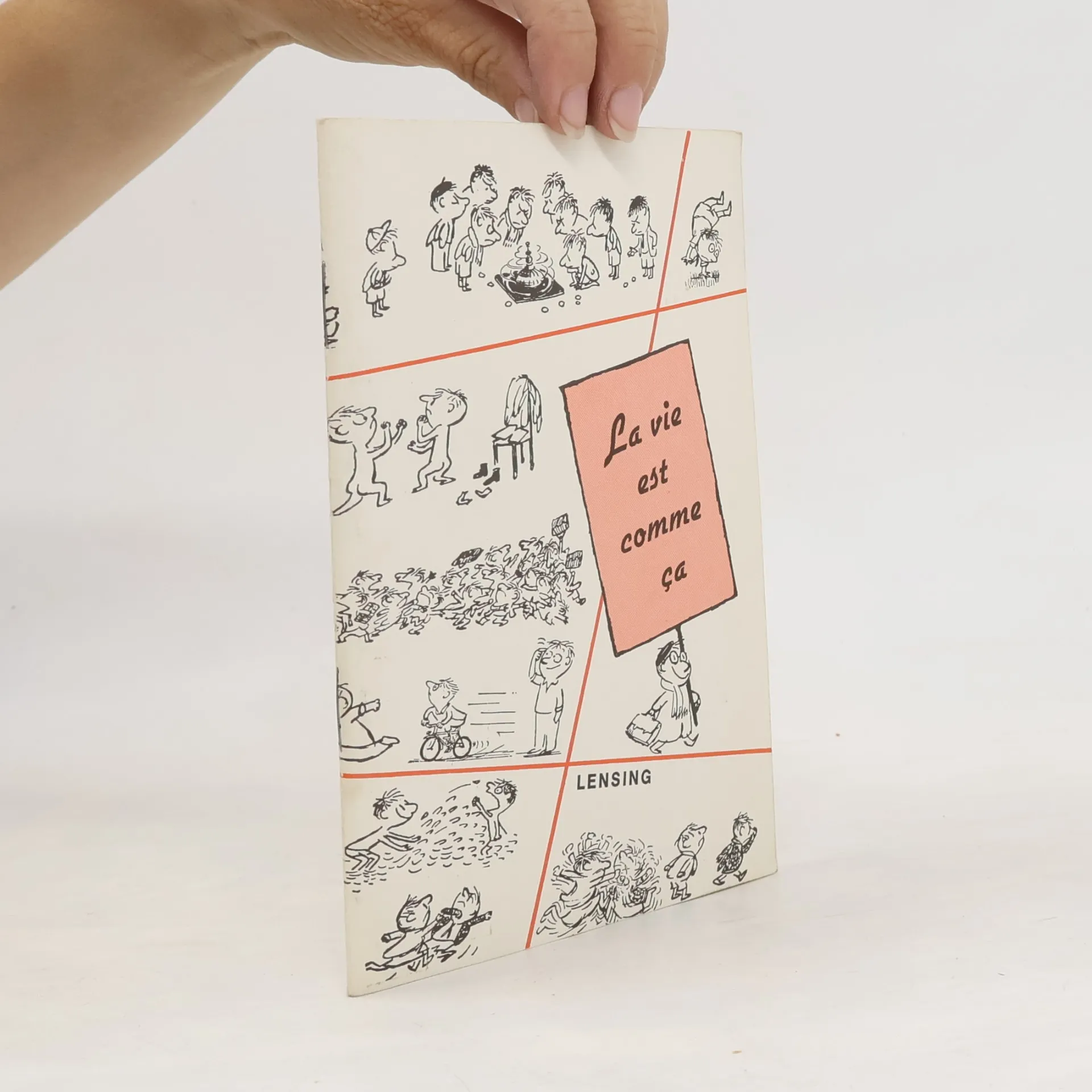
Pauvre Nicolas ! Il a passé toute la journée à essayer de mémoriser une blague pour que ses parents ne la trouvent pas drôle... Les adultes, on ne peut pas les comprendre. Et en plus, ils rient de tout ce qui arrive à Nicolas. Mais croient-ils vraiment que sa vie est une blague ?
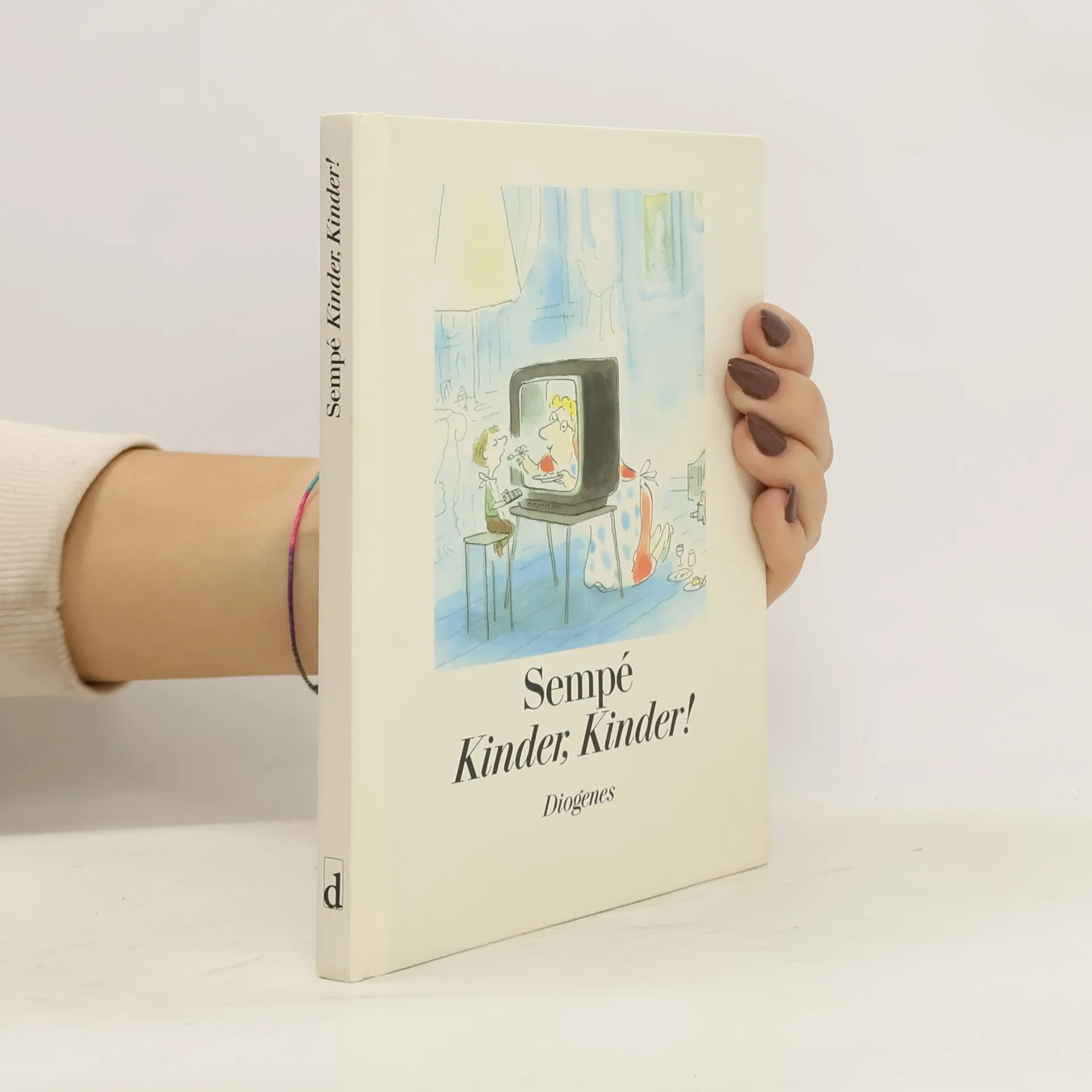
Ohne die Zeichnungen von Sempé wären die Geschichten vom kleinen Nick von René Goscinny nur halb so lustig. Doch nicht nur den kleinen Nick, sondern auch andere nicht weniger eigenwillige Kinder fängt Sempés Strich genial ein. Kinder, Kinder! versammelt Sempés zeichnerische Kommentare über die Irrungen und Wirrungen der Kindheit, über Unschuld und Tücke, Streiche und Scharmützel, Rangeleien mit zweifelhaften Autoritäten wie Eltern und Lehrern, Kumpelfreundschaften und erste Flirts Ein Geschenk für alle, die Kinder noch immer zu erziehen versuchen und für die, die es schon längst aufgegeben haben.
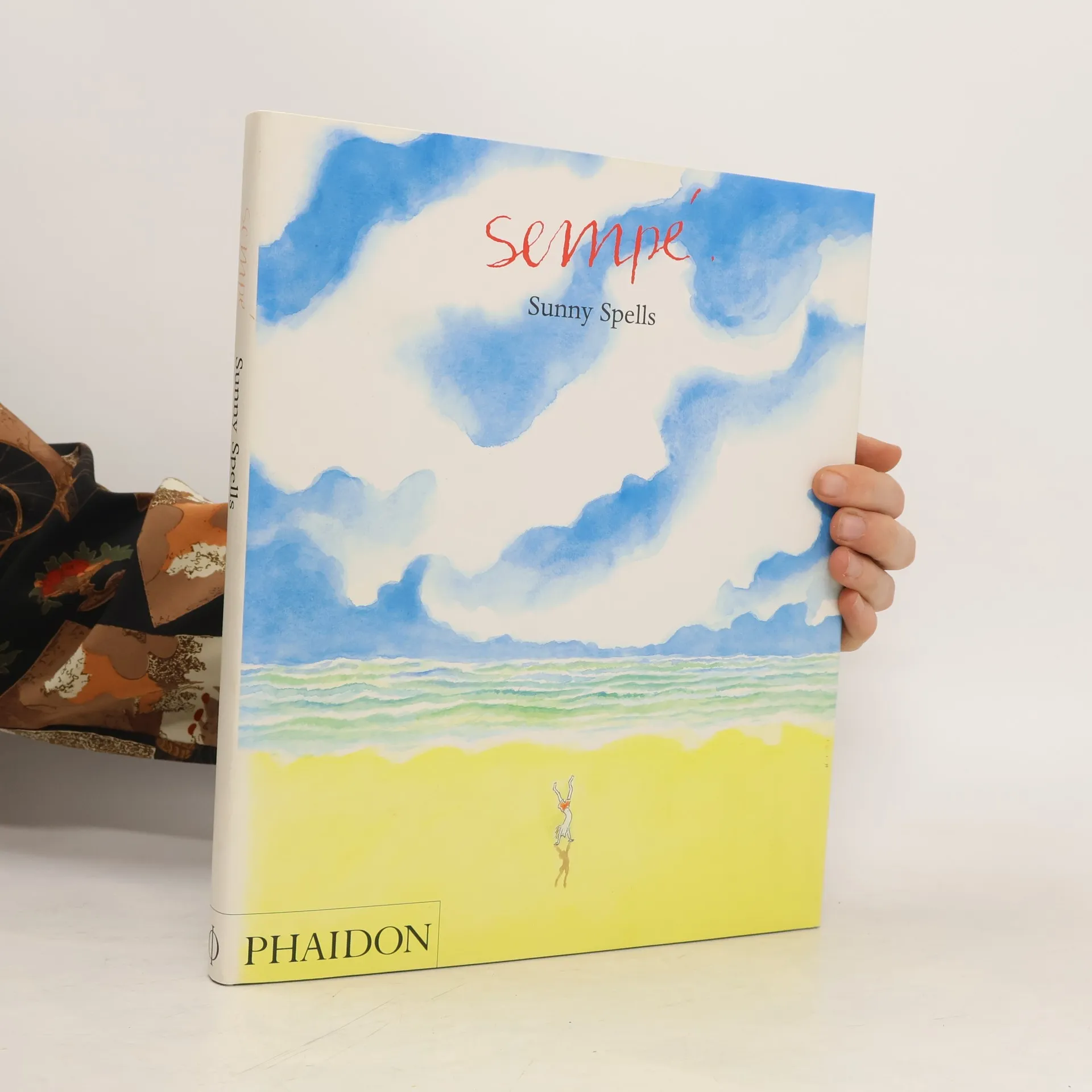
In Sunny Spells , Jean-Jacques Sempé explores a wide range of topics, from troubled relationships and existential crises to office politics and doping scandals in the literary world. His cast of characters includes pious churchgoers, amateur painters and lovelorn palaeontologists, as well as psychiatrists, actors and football supporters. Sempé’s inimitable drawings and watercolours, accompanied by perfectly judged deadpan captions, are fresh, engaging and funny, and will be appreciated by cartoon connoisseurs and Francophiles as well as the general public.
Die Fortsetzung der Abenteuer des Petit Nicolas in der Schule und in seiner Familie. Diese Geschichten zeigen die humorvollen und oft chaotischen Erlebnisse des kleinen Nicolas und seiner Freunde, während sie sich mit den Herausforderungen des Schulalltags und den Eigenheiten ihrer Familien auseinandersetzen. Die Erzählungen sind geprägt von kindlicher Unschuld und einem liebevollen Blick auf die Welt der Kinder, die mit ihren kleinen Sorgen und großen Träumen konfrontiert sind. Mit viel Witz und Charme wird das Leben des Petit Nicolas lebendig, während er die Freuden und Schwierigkeiten des Heranwachsens entdeckt.
Mikuláš je malý nezbedný klučík s partou kamarádů, kupou bláznivých nápadů a úžasným dětským pohledem na svět. Už v 60. letech se stal ve Francii jedním ze symbolů dětské literatury a od té doby bavil čtenáře po celém světě. Jeho příběhy dostanou každého svým promyšleným a nevinným humorem, lehkostí stylu, a výjimečným literárním talentem autora – René Goscinyho.
Příhody Mikuláše a jeho legračních kamarádů tlustého Vendelína, vychloubavého Augustína, silného Albína, šprta Celestýna, Kryšpína,Viktorína či Fridolína jsou vlastně celkem obyčejné postřehy všedních dnů, nebýt Goscinyho geniálního stylu, talentu zachytit dětský způsob uvažování a dodat příběhům výborné a nečekané pointy či legrační kontrasty.
Vynikající pointy dodávají někdy úsměvně filozofický podtón a skutečně nemusíte být dětmi, byste se zasmáli inteligentnímu a nadčasovému vtipu, který, mnohem víc než v ději, spočívá v jazyce a slovních hříčkách.
Nicolás tiene muchos amigos en el colegio, desde Agnan, que es el favorito de la maestra, hasta Alcestes, que siempre está comiendo. Con ellos se divierte, se pelea, compite y se maravilla cuando Majencio lanza pases mágicos en el aire?
Benjamin Kiesel rougit constamment, sans raison apparente (sauf quand il a fait une bêtise), et tout le monde se moque de lui. Il rêve d'une fée capable de le guérir, mais trouve à la place un ami qui ne se moque pas de lui, mais le comprend. Car Rudi Rettich souffre également d'une étrange maladie : il doit éternuer sans cesse, même s'il n'est pas enrhumé. C'est une histoire intemporelle, à la fois triste et drôle, sur deux courageux outsiders qui parviennent à préserver leur amitié même à l'âge adulte.
Sechzehn prima Geschichten vom kleinen Nick und seinen Freunden
Sechzehn unterhaltsame Geschichten über Papas und Nicks Erlebnisse beim Zahnarzt, Max, der Schwager wird, und den besonderen Tag, an dem Nick seinen Papa als Mann im Haus vertritt. Ideal für Kinder und Familien!
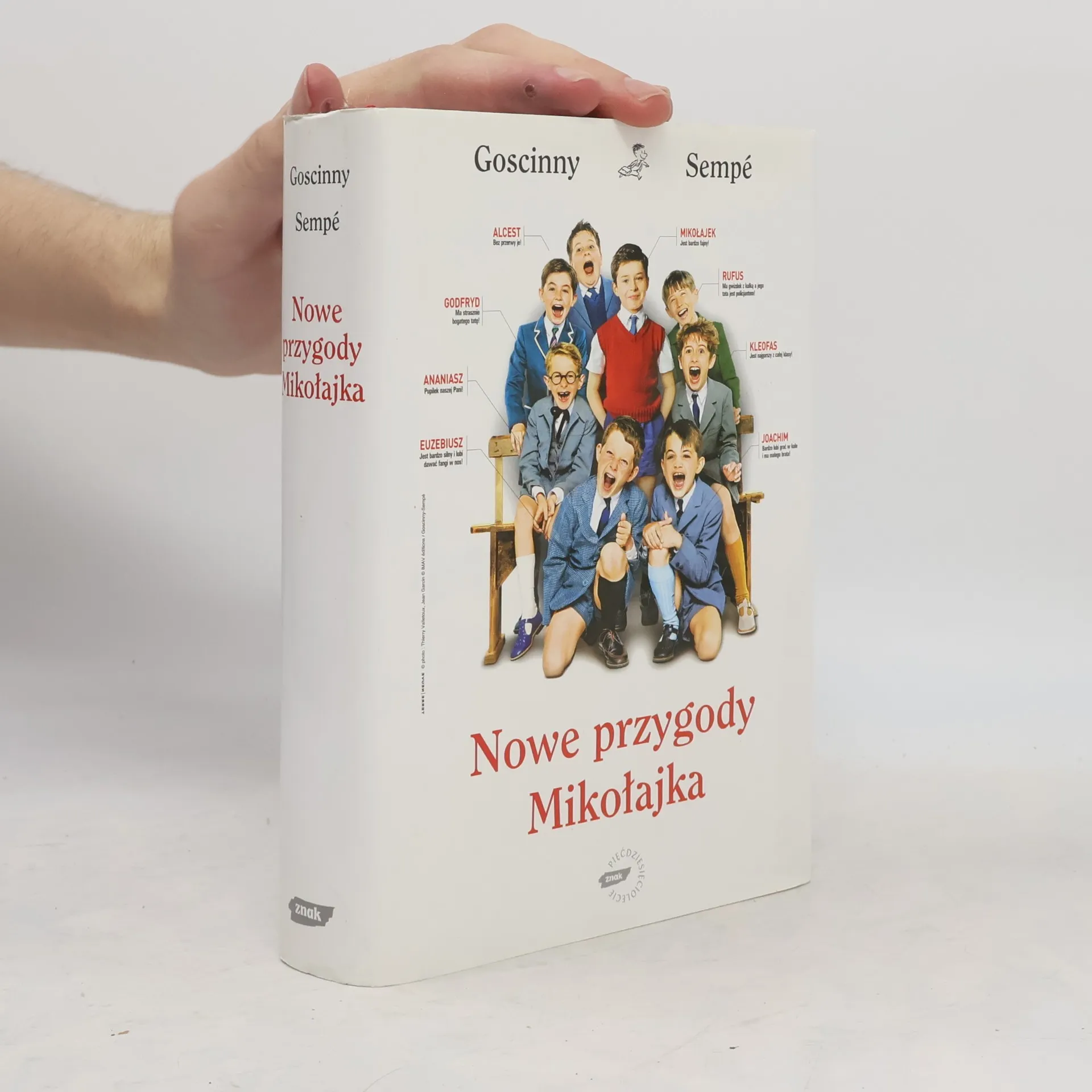
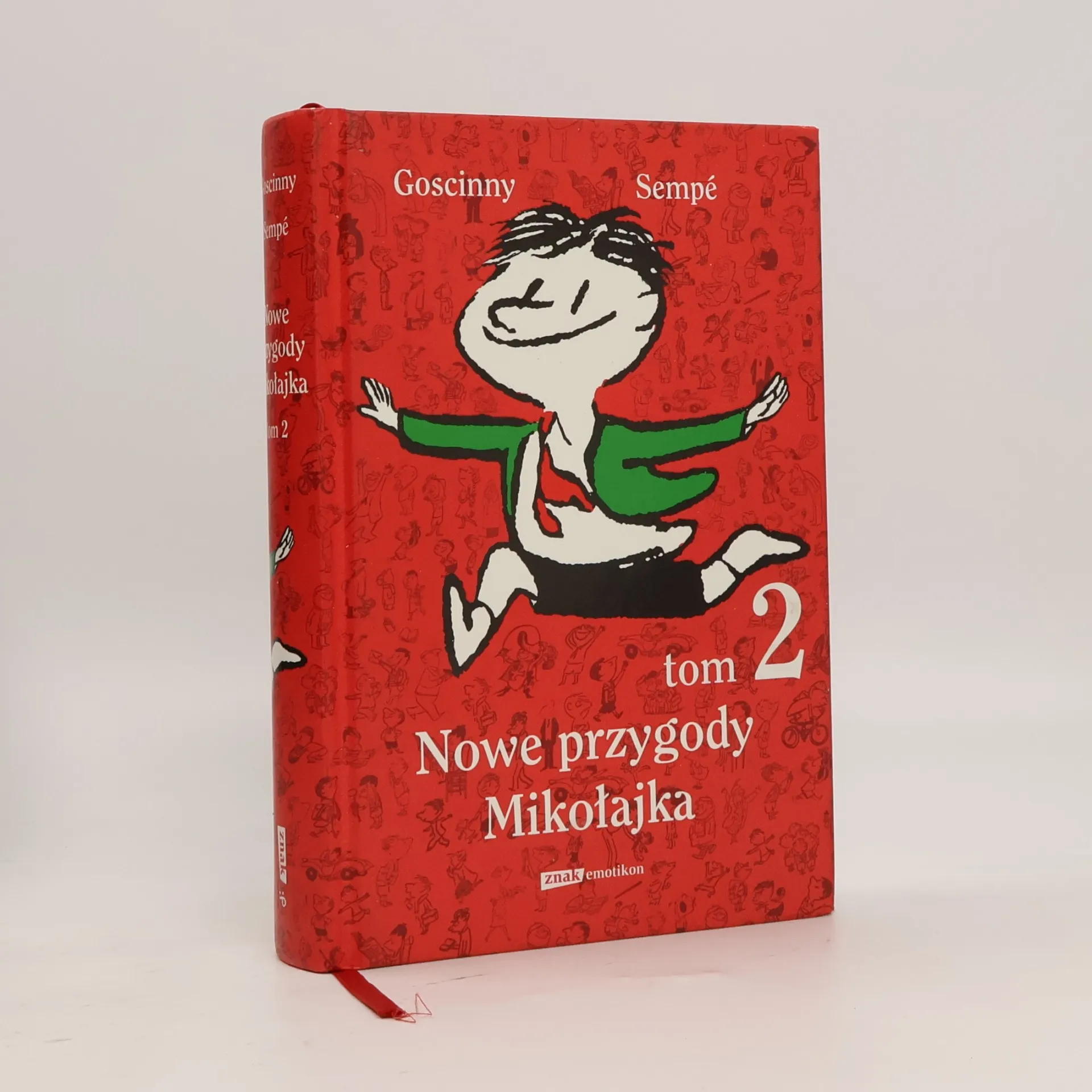
Mikołajek znów rozrabia! Przedstawiamy osiemdziesiąt nowych, niepublikowanych dotąd w Polsce historyjek Goscinny'ego z mnóstwem zabawnych rysunków Sempégo. I tym razem Mikołajek, choć stara się być grzeczny, ciągle wpada w kłopoty... W gronie przyjaciół Mikołajka zawsze jest wesoło. Alcest ciągle je, Gotfryd daje kolegom swoje zabawki, żeby je do końca popsuli, a Euzebiusz lubi się bić, ale tylko z przyjaciółmi, bo jest bardzo nieśmiały. Nowe przygody Mikołajka podbijają serca najmłodszych czytelników, a starszych przenoszą w czasy, kiedy sami byli mali...
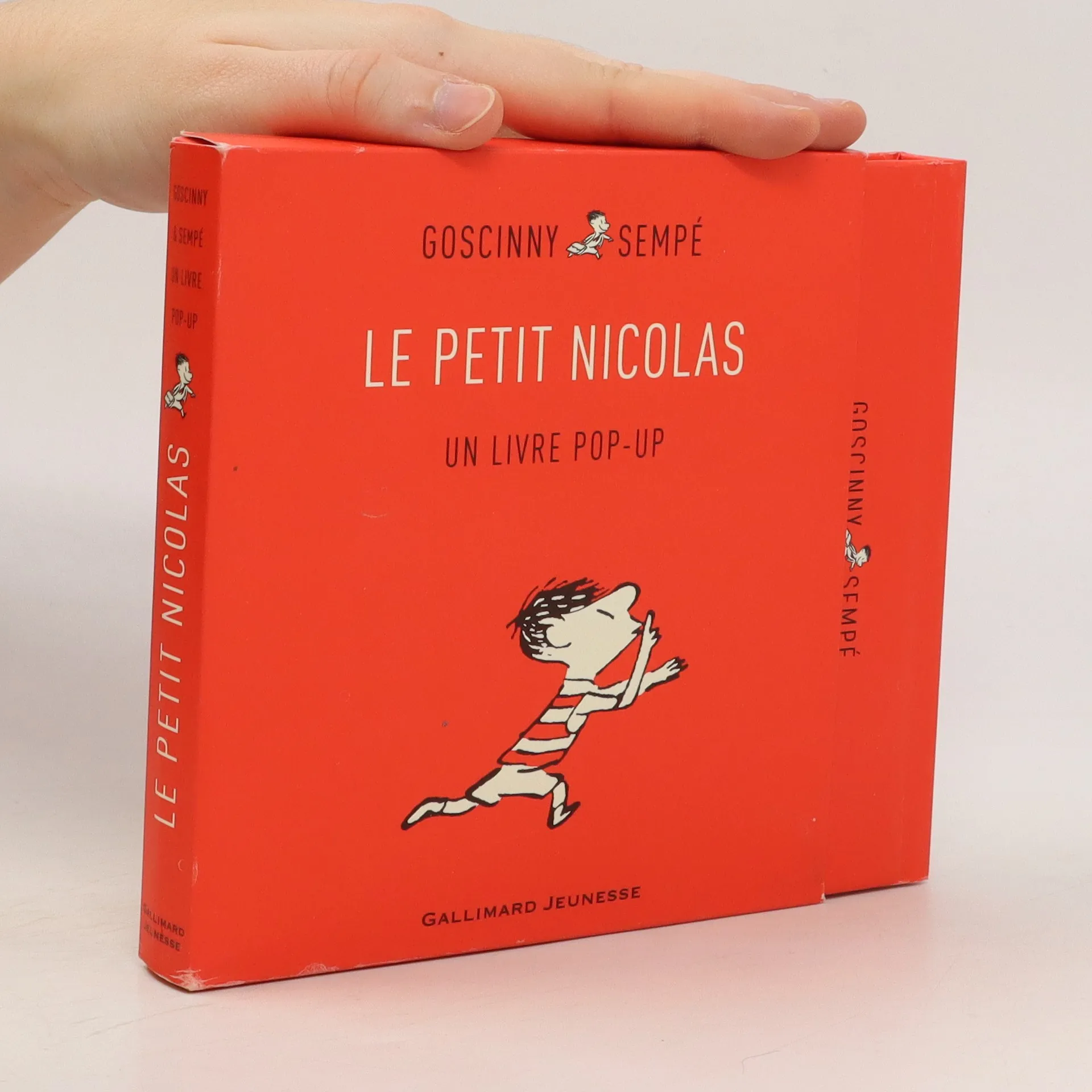
Six scènes en volume choisies dans les Histoires inédites du Petit Nicolas apparaissent en pop-up, animant de façon poétique et inspirée le chef-d' uvre imaginé par deux humoristes de génie.
Asterix und Obelix feiern Geburtstag. Dieses Ereignis lassen sich natürlich die Mütter der beiden nicht entgehen. Arbeiten sie doch schon lange an dem Plan, die ewigen Junggesellen endlich unter die Haube zu bringen. Die haben allerdings was ganz anderes zu tun, müssen sie doch einer umtriebigen römischen Agentin das Handwerk legen. Dieser Titel wird im sog. Fixed-Layout-Format angeboten und ist daher nur auf Geräten und Leseprogrammen nutzbar, die die Darstellung von Fixed-Layout-eBooks im epub- oder mobi/KF8-Format unterstützen. Wir empfehlen in jedem Fall die Darstellung auf Tablets und anderen Geräten mit Farbbildschirm
A classic French story from Nobel Prize-winner Patrick Modiano and celebrated illustrator Jean-Jacques Sempé. Beautifully illustrated, this is a love letter to Paris, ballet and childhood for fans of The Little Prince, Le Petit Nicholas and Madeline.Catherine lives with her gentle father, Georges Certitude, who runs a shipping business in Paris with a failed poet named Casterade. Father and daughter share the simple pleasures of daily life: sitting in the church square, walking to school, going to her ballet class every Thursday afternoon. But just why did Georges change his name to Certitude? What kind of trouble with the law did Casterade rescue him from? And why did Catherine's ballerina mother leave to return to New York?
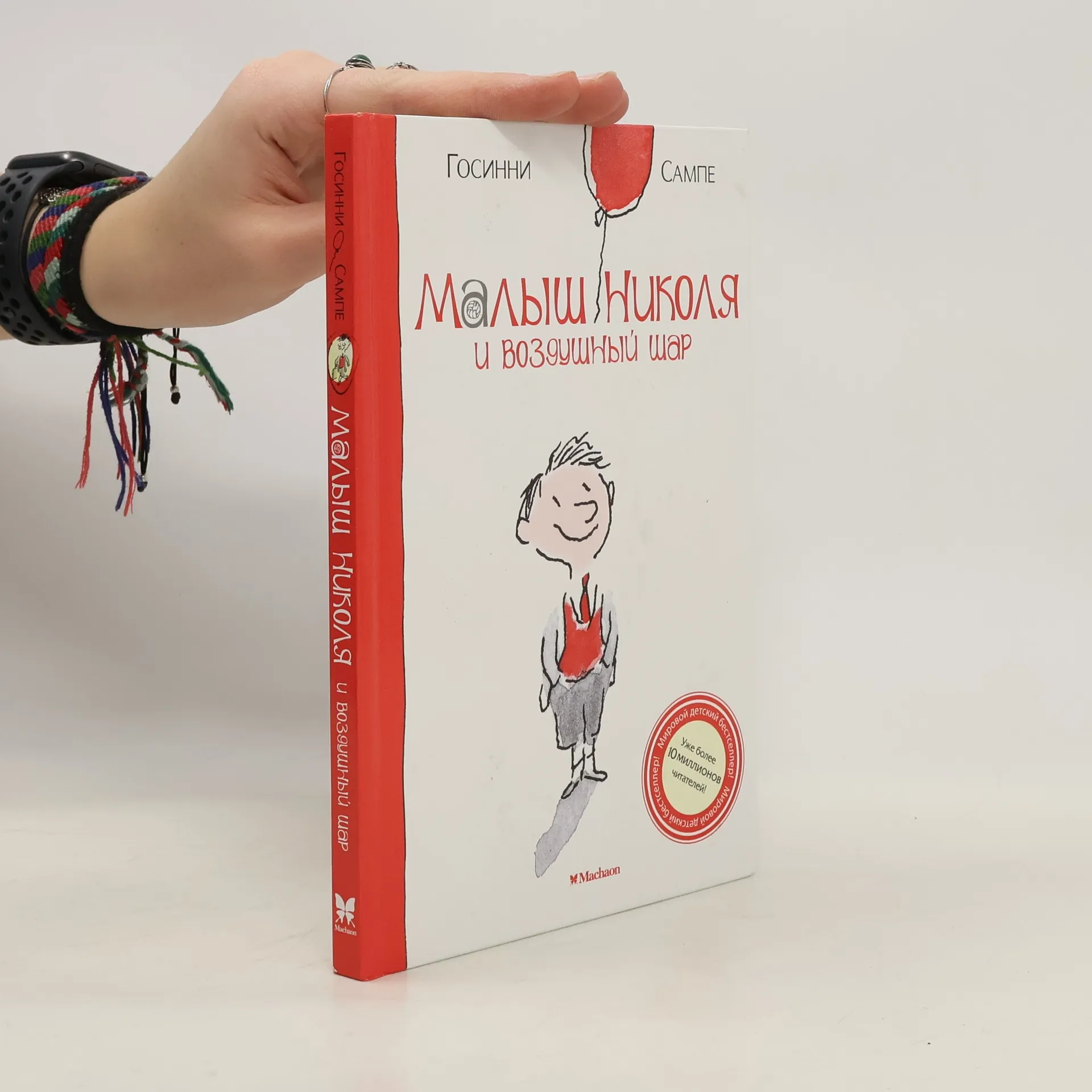
Рене Госинни, один из создателей популярнейших героев Астерикса и Обеликса, является автором забавных рассказов о малыше Николя. Веселые истории о добром, озорном сорванце, о его приятелях и школе очень полюбили дети многих стран мира. Пришло время познакомиться с этим очаровательным проказником и нашим читателям. Рассказы переведены на 37 языков и изданы миллионными тиражами. А совсем недавно в прокат вышел художественный фильм "Маленький Николя".
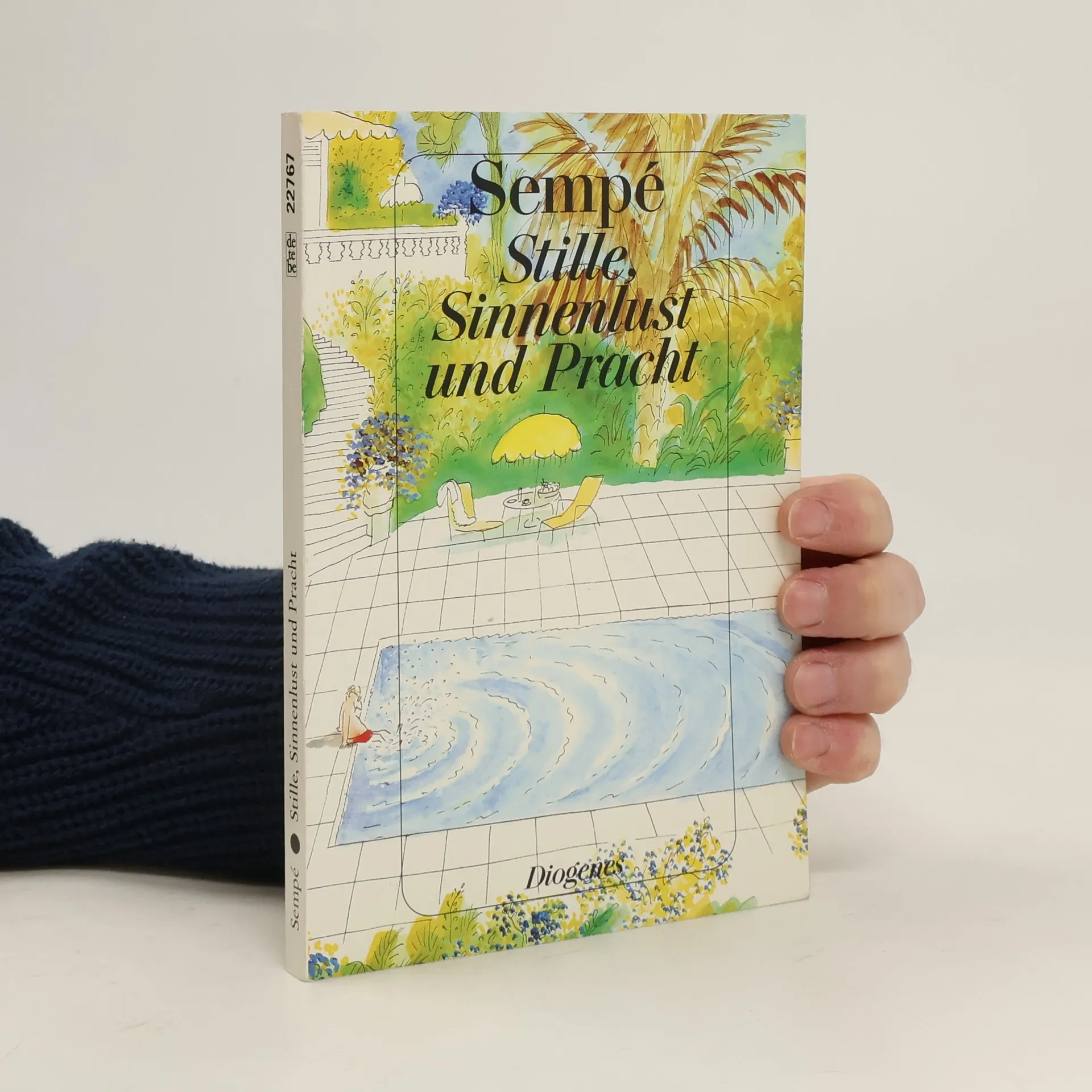
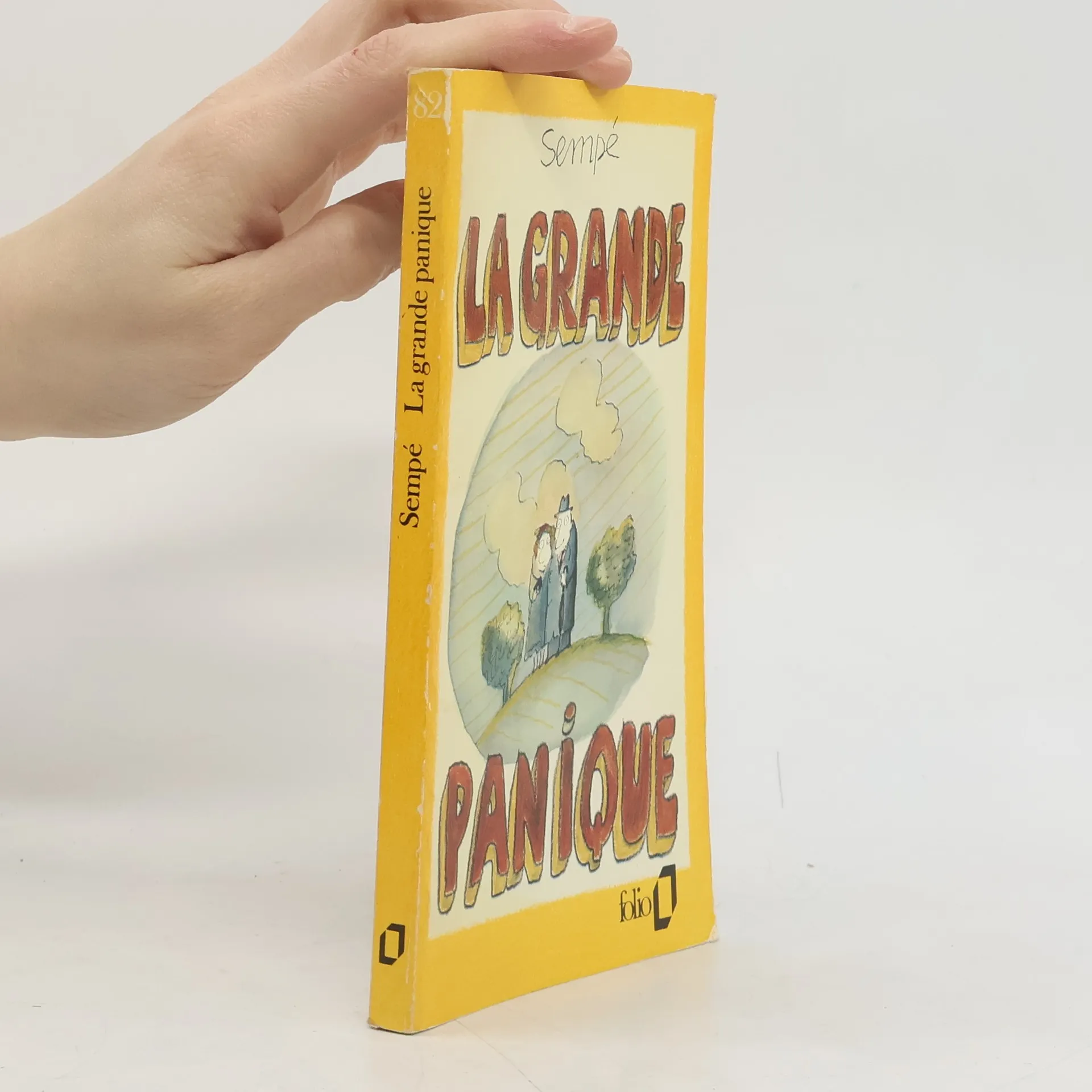
Ces dessins sont extraits de divers albums : Rien n'est simple (1962), Tout se complique (1963), Sauve qui peut (1964), La grande panique (1966, 1994), Information-consommation (1968), Face à face (1972), Bonjour, bonsoir (1974), Un léger décalage (1977), Comme par hasard (1981), Vaguement compétitif (1985), Luxe, calme et volupté (1987) et Beau temps (1999).
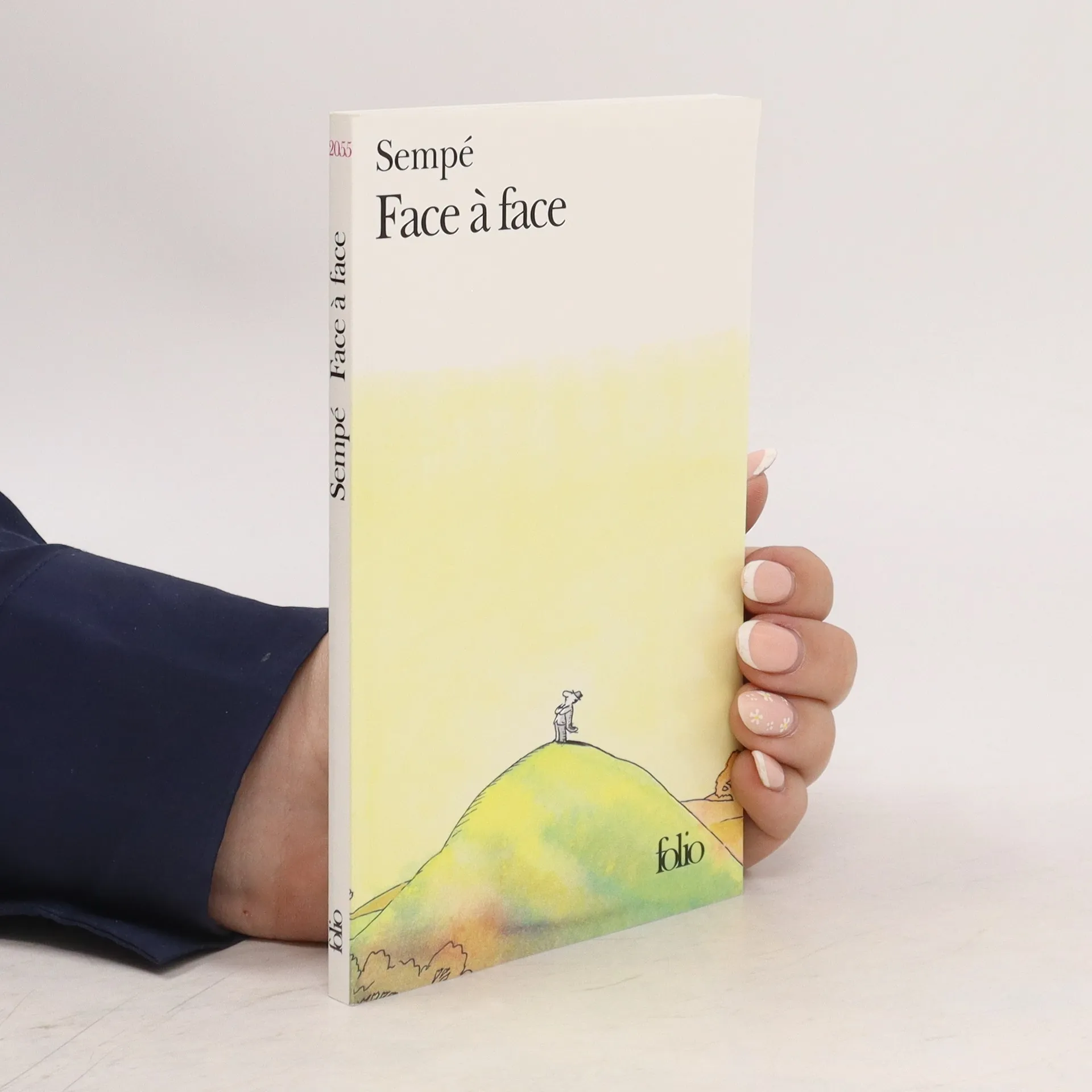
Face a face est un album oneshot de Jean-Jacques Sempé, paru en 1983. Selon
Bande Dessinée Info, il possede 3 éditions, dont la principale est éditée par
Denoël en 1983.
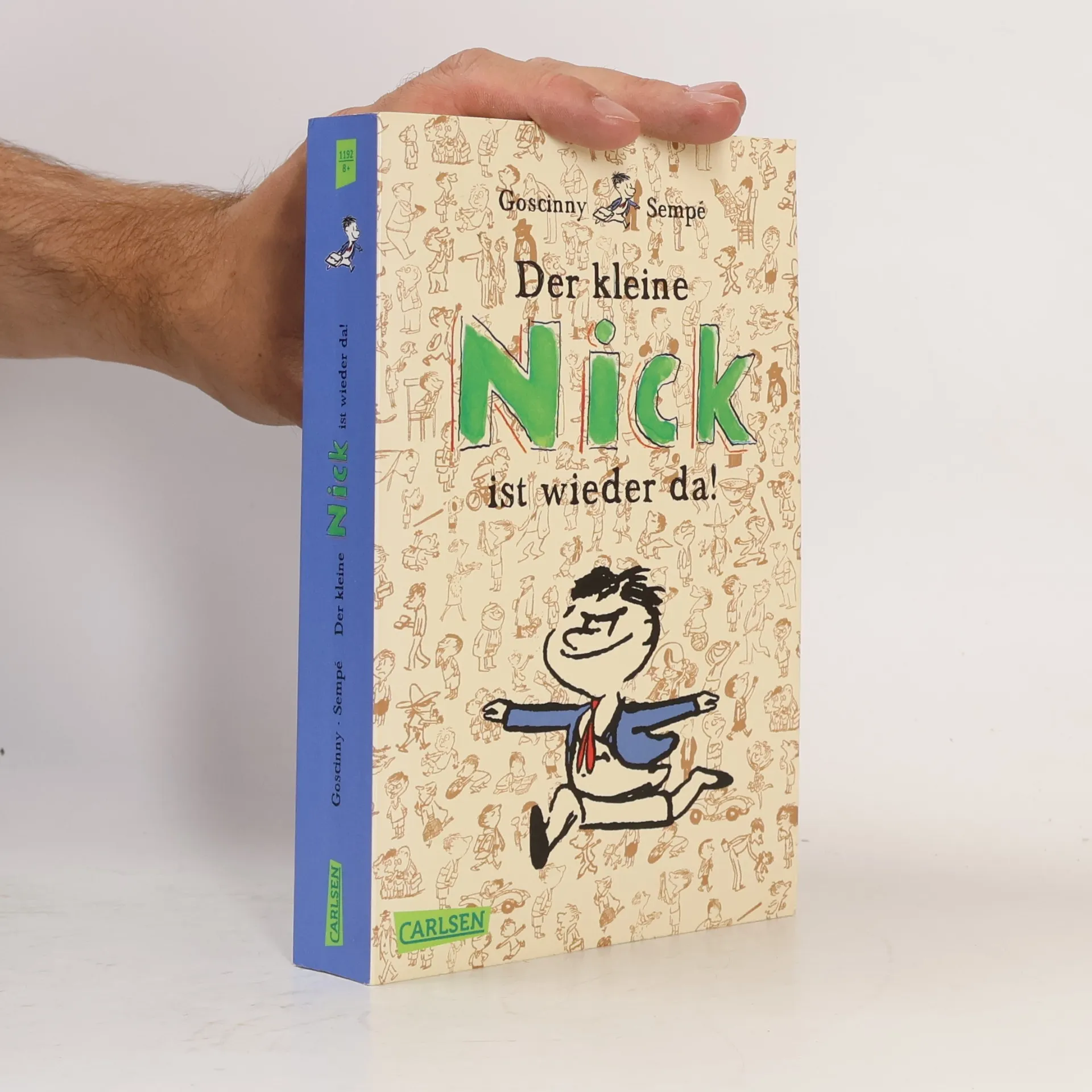
Der kleine Nick ist wieder da - mit neuen Abenteuern! 2005 wurden in einem Koffer noch unveröffentlichte Abenteuer des kleinen Lausbuben entdeckt - 45 davon sind in diesem Band versammelt. Es sind Geschichten über die vielen kleinen (und doch so großen) Ereignisse, die den gewitzten Kerl bewegen: der Friseurbesuch, ein Picknick, Fußball mit dem Nachbarn, eine Fahrt zur Oma oder die Mathearbeit bei Lehrer Hühnerbrüh. Viel Spaß mit dem pfiffigsten Grundschüler der Welt!
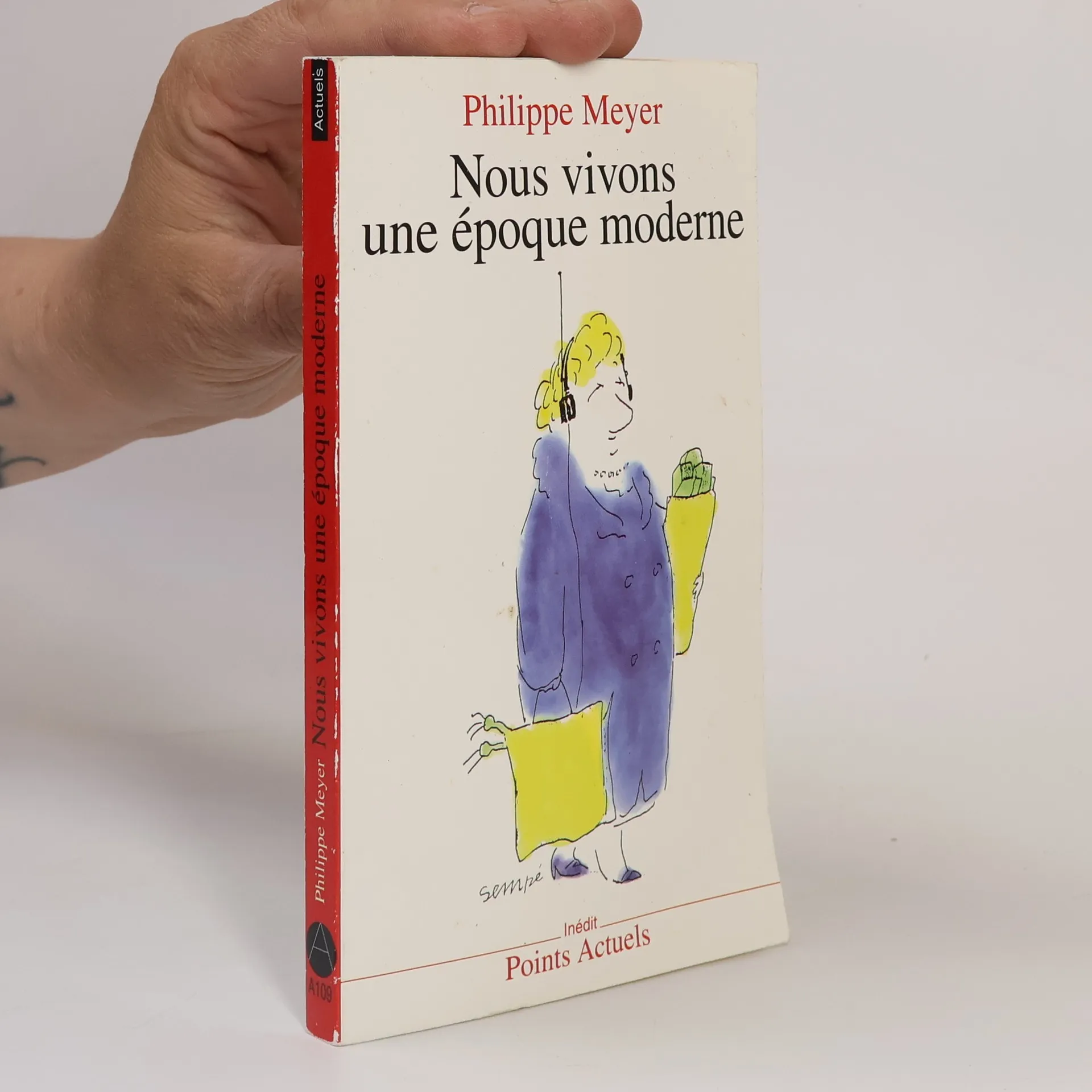
Nouveau recueil des chroniques proférées par Philippe Meyer à France-Inter, et arrachées à l'auteur par son éditeur en raison des sollicitations empressées de la demande générale.
Mały urwis wraca z kolejną porcją przygód. Chłopaki przekupują Ananiasza – klasowego pupilka, razem buntują się przeciwko Rosołowi, a Kleofas awansuje z ostatniego na przedostatnie miejsce w klasie. Kumple, których Mikołajek wciąż na nowo przedstawia, bo nigdy nie pamięta, czy już to kiedyś zrobił, zawsze mają mnóstwo nowych pomysłów. A psocić można wszędzie: w salonie fryzjerskim, na basenie czy w fabryce czekolady. Będzie wesoło!
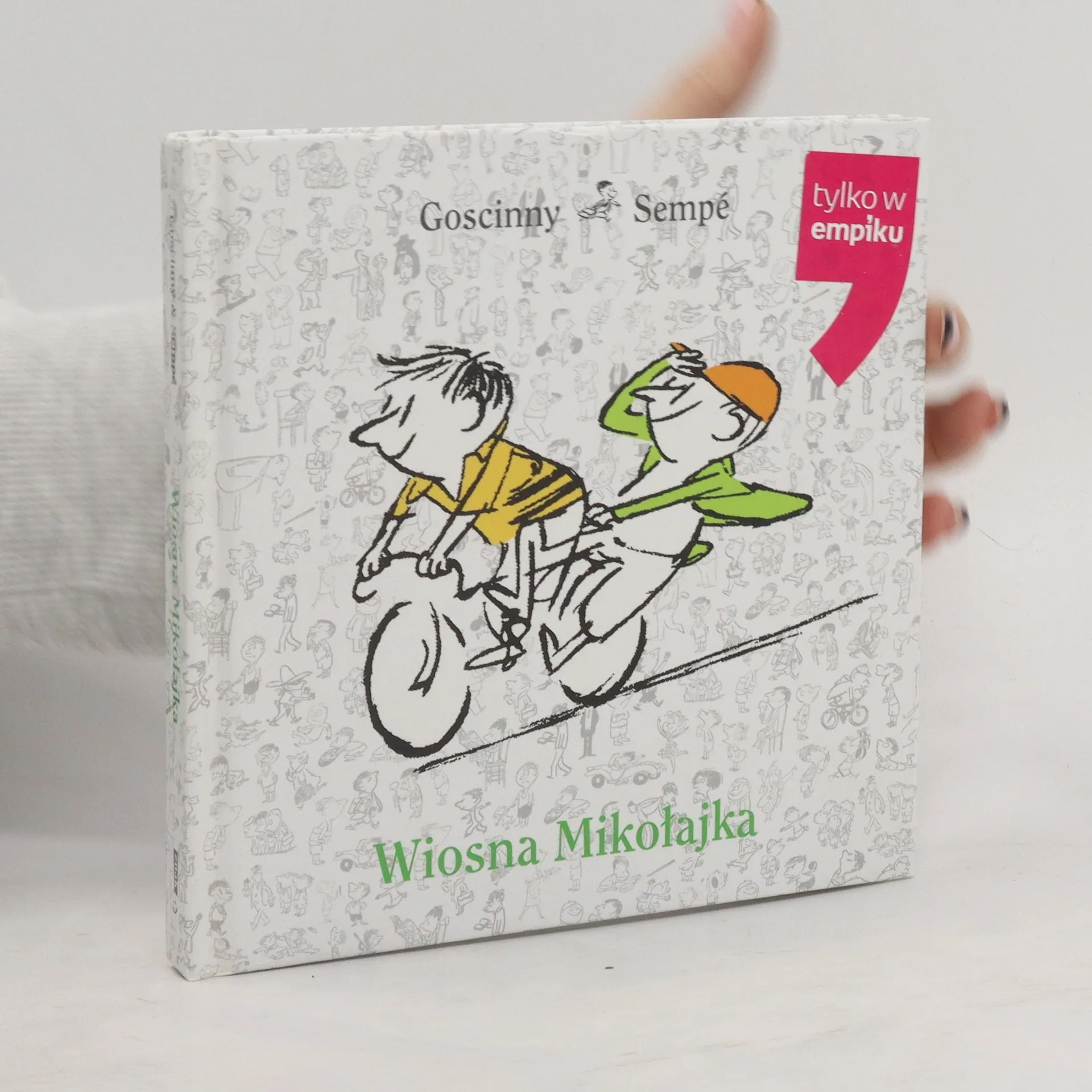
Dzisiaj będzie naprawdę wesoło. Wyjeżdżamy na piknik z panem i panią Blédurt.– Jadę pierwszy! – krzyknął pan Blédurt ze swojego auta. – Znam drogę!– Nie ma mowy – powiedział tata. – Nie mam ochoty wlec się za twoim gruchotem i wdychać tani olej, który do niego wlewasz!– Ach, tak? – krzyknął pan Blédurt.– Tak! – odpowiedział tata.No i niestety nie pojechaliśmy na ten piknik, bo tata i pan Blédurt ruszyli obaj jednocześnie i zderzyli się ze sobą, a naprawa samochodów potrwa co najmniej tydzień.Wyjątkowy wybór wiosennych opowiadań o Mikołajku.
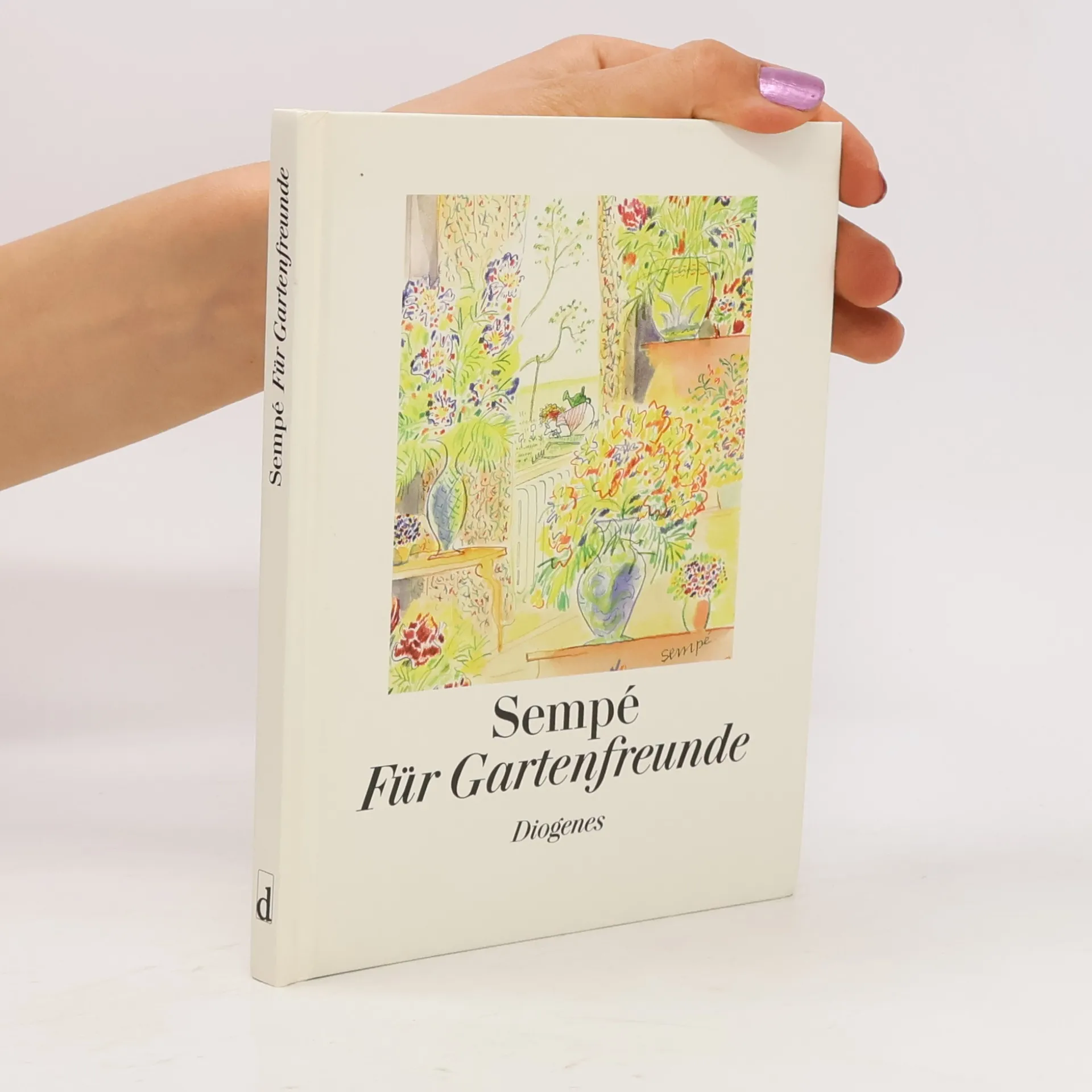
»Es ist Zeit, unseren Garten zu bestellen« lautet das berühmte Schlußwort in Voltaires Candide – die Antwort des Titelhelden auf die Frage seines ehemaligen Lehrers, was von dieser Welt zu halten sei. Sempés Figuren pflegen ihren Garten mal mit verzweifelter Sorgfalt, mal mit heiterer Resignation und immer wieder mit zärtlicher Hingabe. In seiner unvergleichlich subtilen und poetischen Art skizziert Sempé die Beziehungen und Wechselwirkungen zwischen Mensch und Flora. Ein Buch für alle, die einen grünen Daumen haben, aber auch für diejenigen, die immer vergessen, ihren einzigen Blumentopf zu gießen.
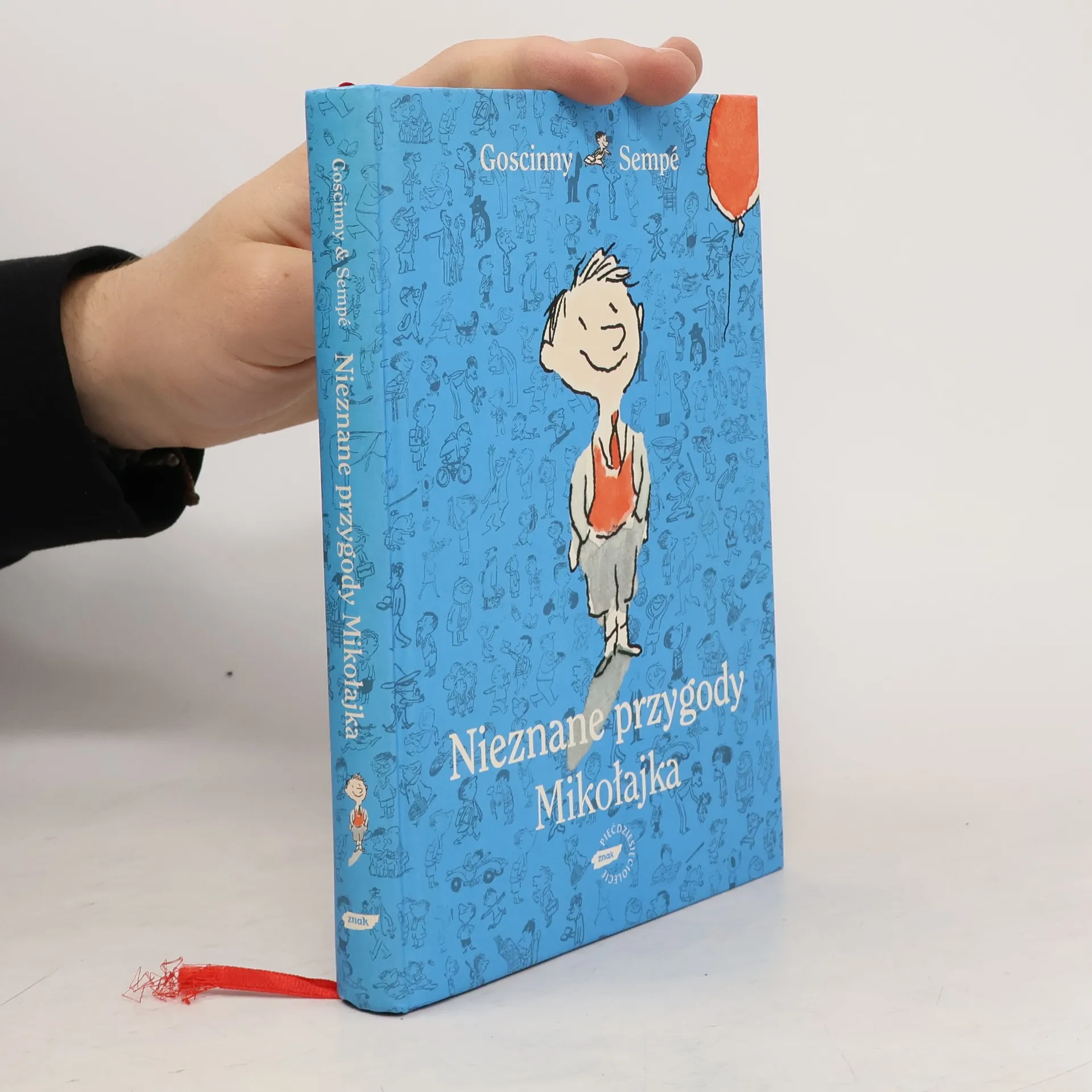
Wyjątkowy zbiór opowiadań o Mikołajku i jego kolegach przygotowany specjalnie z okazji pięćdziesiątych urodzin słynnego bohatera. Tom zawiera pierwsze opublikowane opowiadanie, a także zupełnie dotąd nieznane, po raz pierwszy drukowane teksty znalezione w archiwach Goscinny'ego. Wyjątkowe są także ilustracje, subtelne kolorowe akwarele przygotowane przez Sempégo specjalnie na tę okazję. Przygody Mikołajka, Alcesta i innych jak zawsze rozbawią małych i dużych. Nieznane przygody Mikołajka to zaproszenie do świętowania i prawdziwa gratka dla wszystkich wielbicieli małego urwisa.
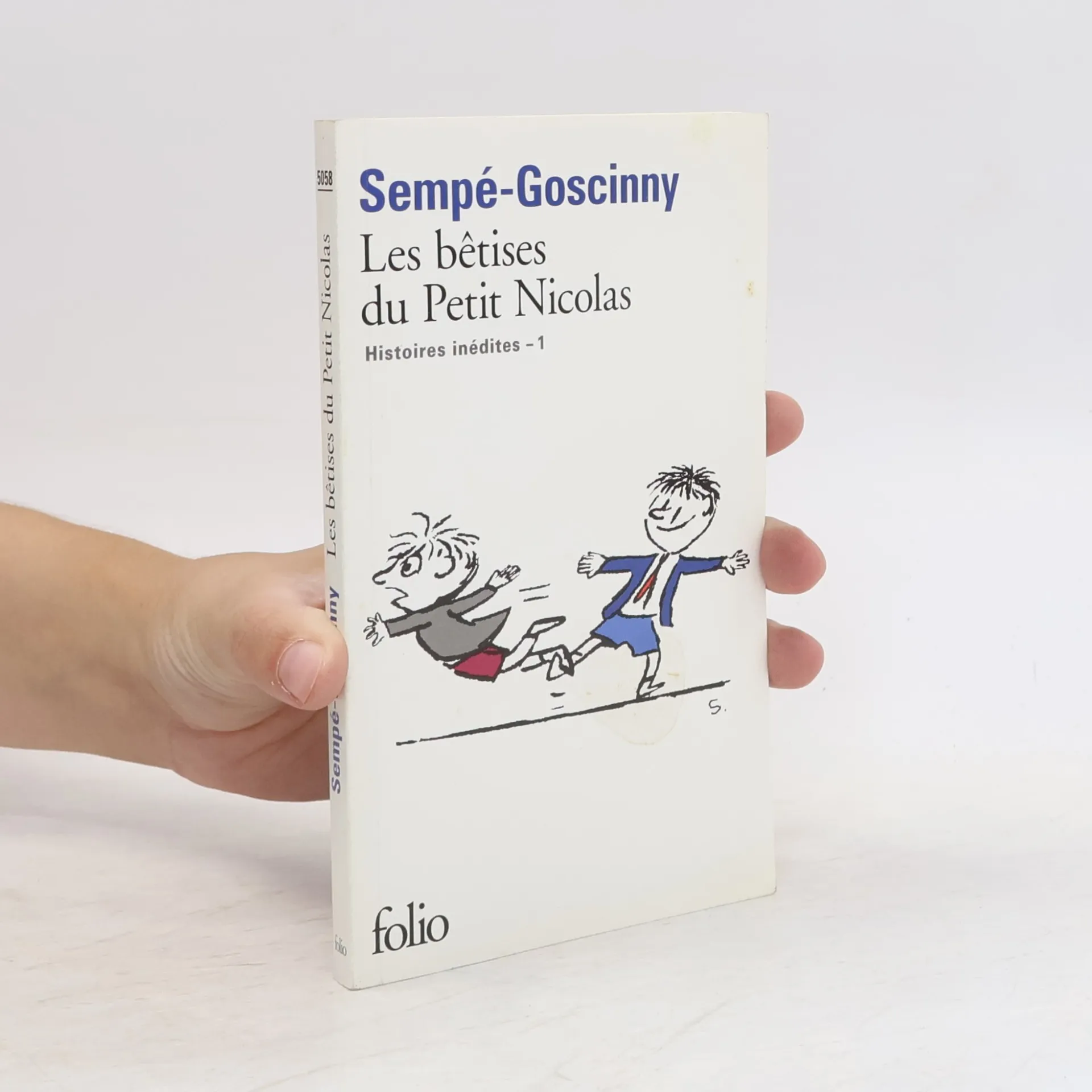
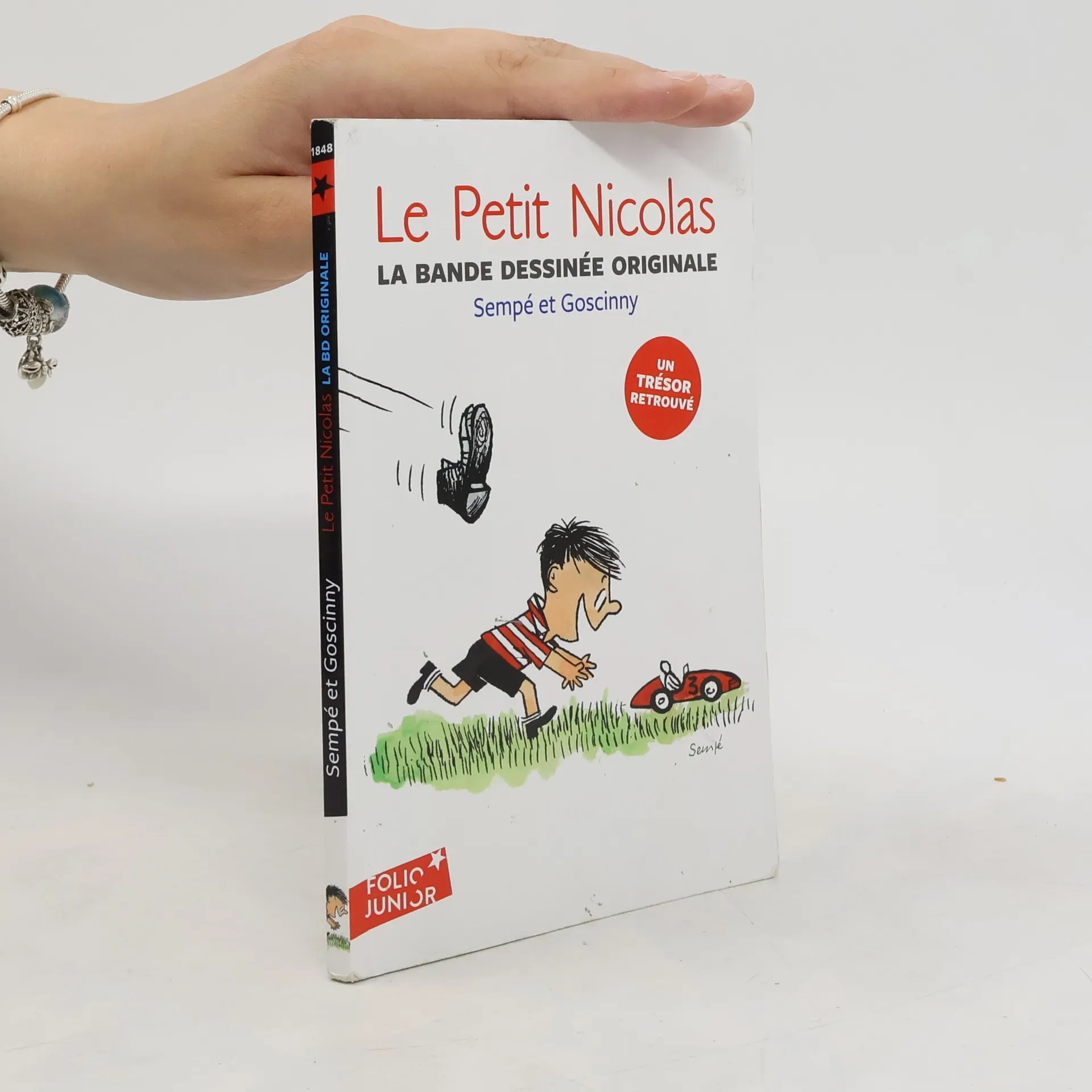
"Une bonne blague, une superbe gaffe ou une sacrée bêtise? Assurément, elles sont signées le Petit Nicolas. Alors que Papa paye les pots cassés, Maman répète qu'il faut être bien sage, le voisin Monsieur Blédurt en voit de toutes les couleurs, et Alceste... est dans le coup bien sûr! Savez-vous que le Petit Nicolas de Sempé et Goscinny est né sous la forme d'une bande dessinée écrites par René Goscinny et dessinées par Sempé?-- Provided by the publisher
In diesem Briefroman prallen die Lebensweisen von Paris und New York aufeinander. Jean-Paul Martineau, verwurzelt in Paris und romantisch zu New York hingezogen, reflektiert in seinen Briefen an Rene-Alexis de Tocqueville über die Unterschiede und seine Sentimentalität, während er die Zeichnungen von Sempé präsentiert.
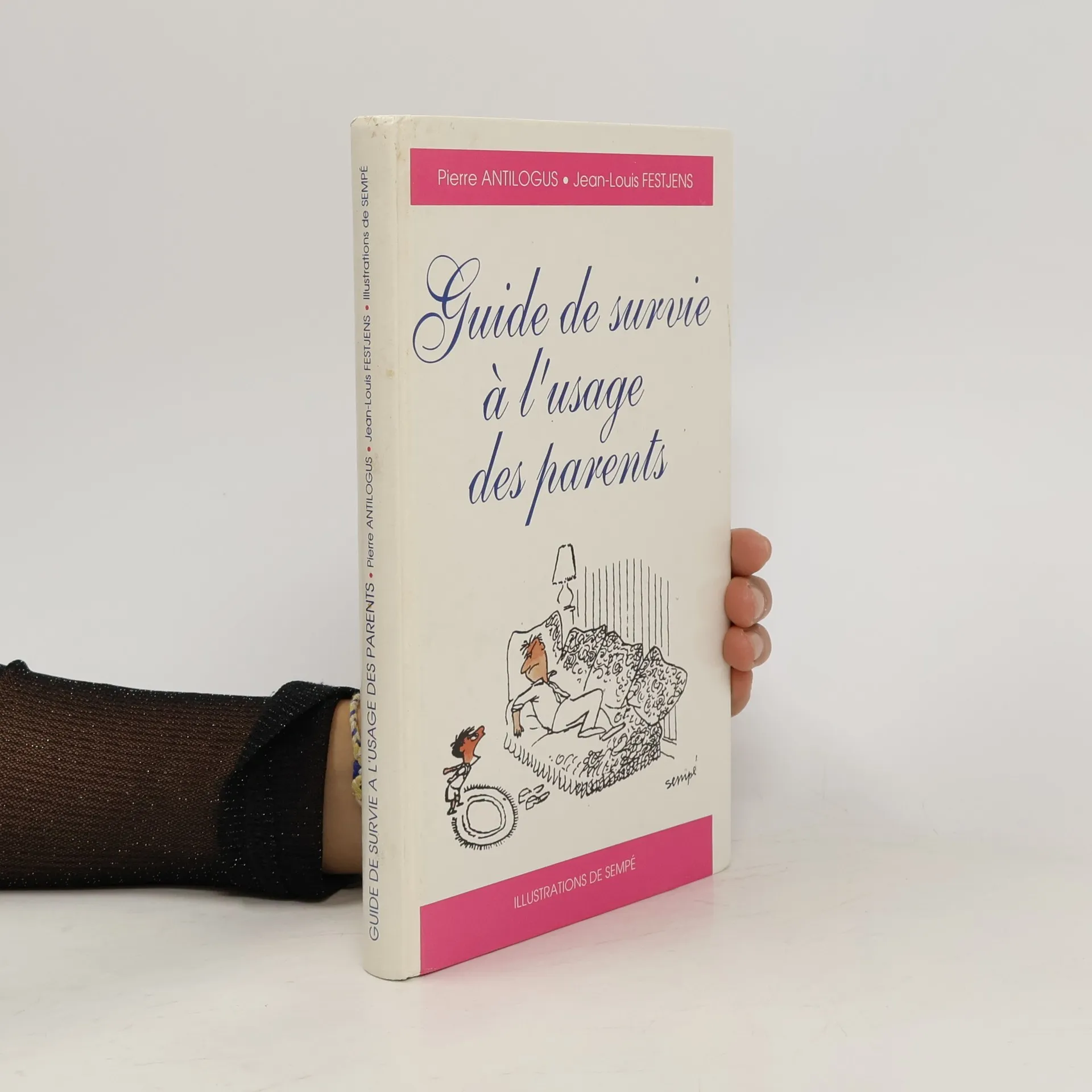
- Pourquoi l'enfant dit-il toujours pourquoi? - Pourquoi l'enfant perd-il sa cagoule? - Le dentiste est-il vraiment l'ami des enfants? À ces questions cruciales et à bien d'autres, ce guide vous apportera des réponses claires et définitives !