



Expendables
- 368 páginas
- 13 horas de lectura
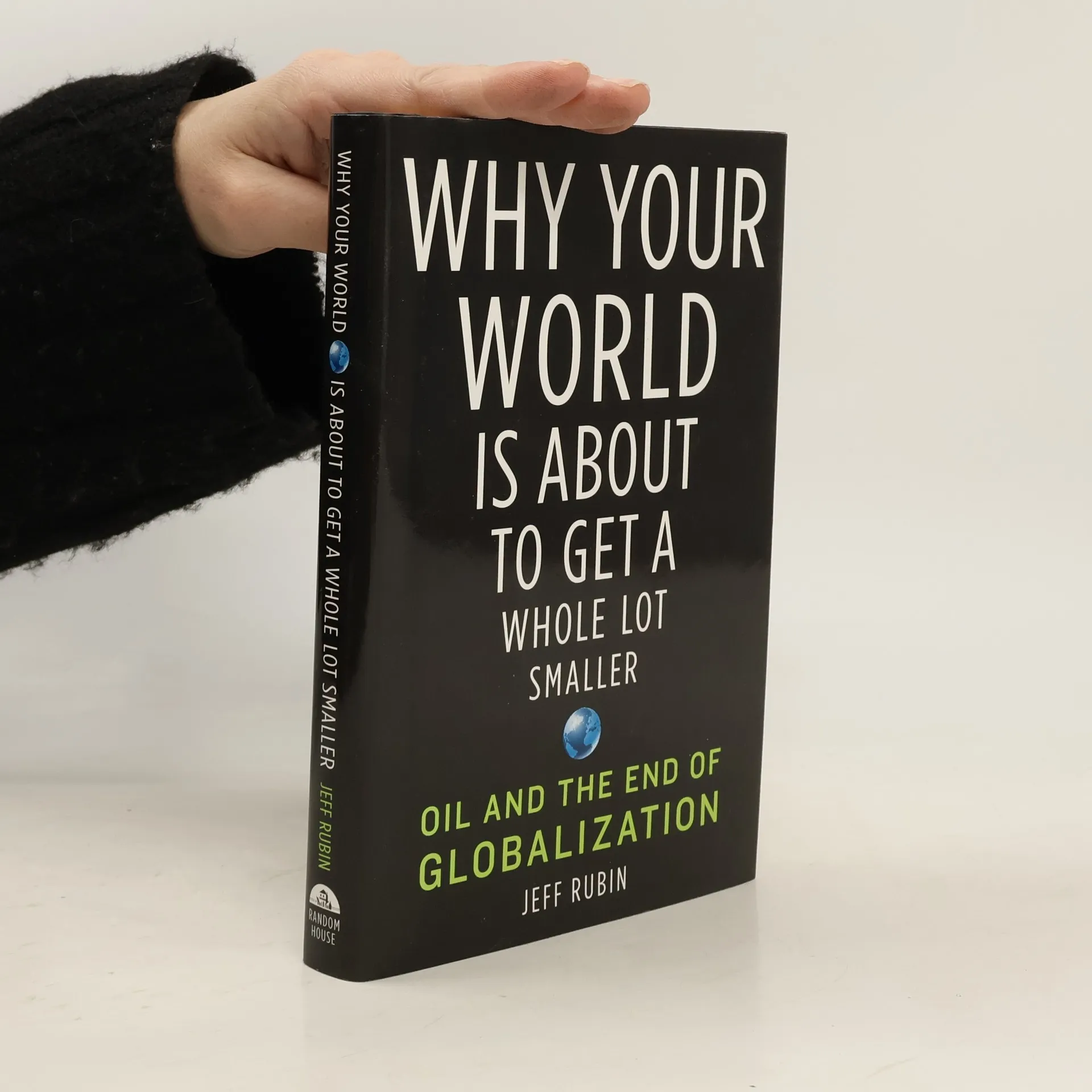
NATIONAL BESTSELLER A Globe and Mail Favourite Book of 2020 From the #1 bestselling author of Why Your World Is About to Get a Whole Lot Smaller, a provocative, far-reaching account of how the middle class got stuck with the bill for globalization, and how the blowback—from Brexit to Trump to populist Europe—will change the developed world. Real wages in North America have not risen since the 1970s. Union membership has collapsed. Full-time employment is beginning to look like a quaint idea from the distant past. If it seems that the middle class is in retreat around the developed world, it is. Former CIBC World Markets Chief Economist Jeff Rubin argues that all this was foreseeable back when Canada, the United States and Mexico first started talking free trade. Growing global inequality is a problem of our own making, he says. And solving it won't be easy if we draw on the same ideas about capital and labour, right and left, that led us to this cliff. Articulating a vision that dovetails with the ideas of both Naomi Klein and Donald Trump, The Expendables is an exhilaratingly fresh perspective that is at once humane and irascible, fearless and rigorous, and most importantly, timely. GDP is growing, the stock market is up and unemployment is down, but the surprise of the book is that even the good news is good for only one percent of us.