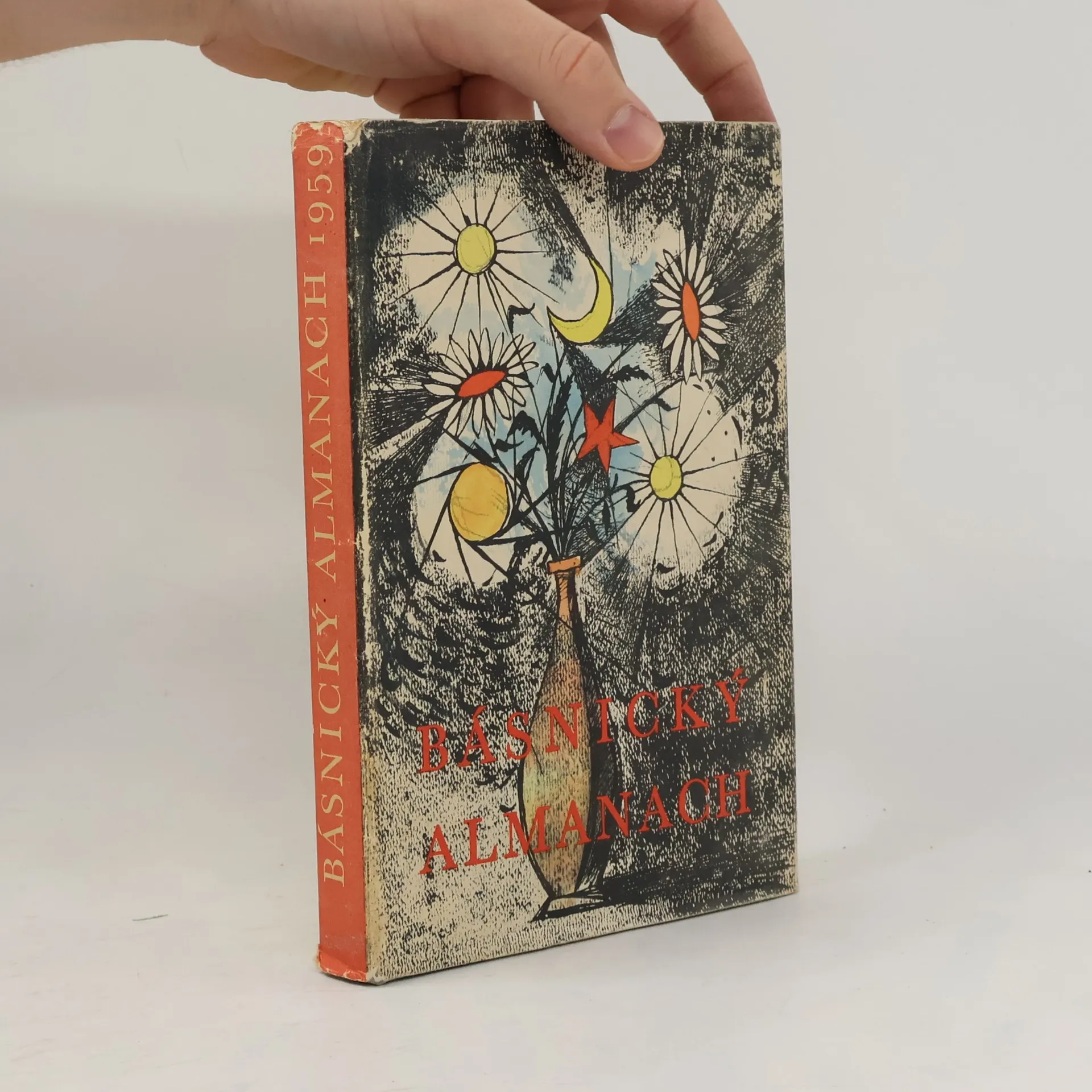
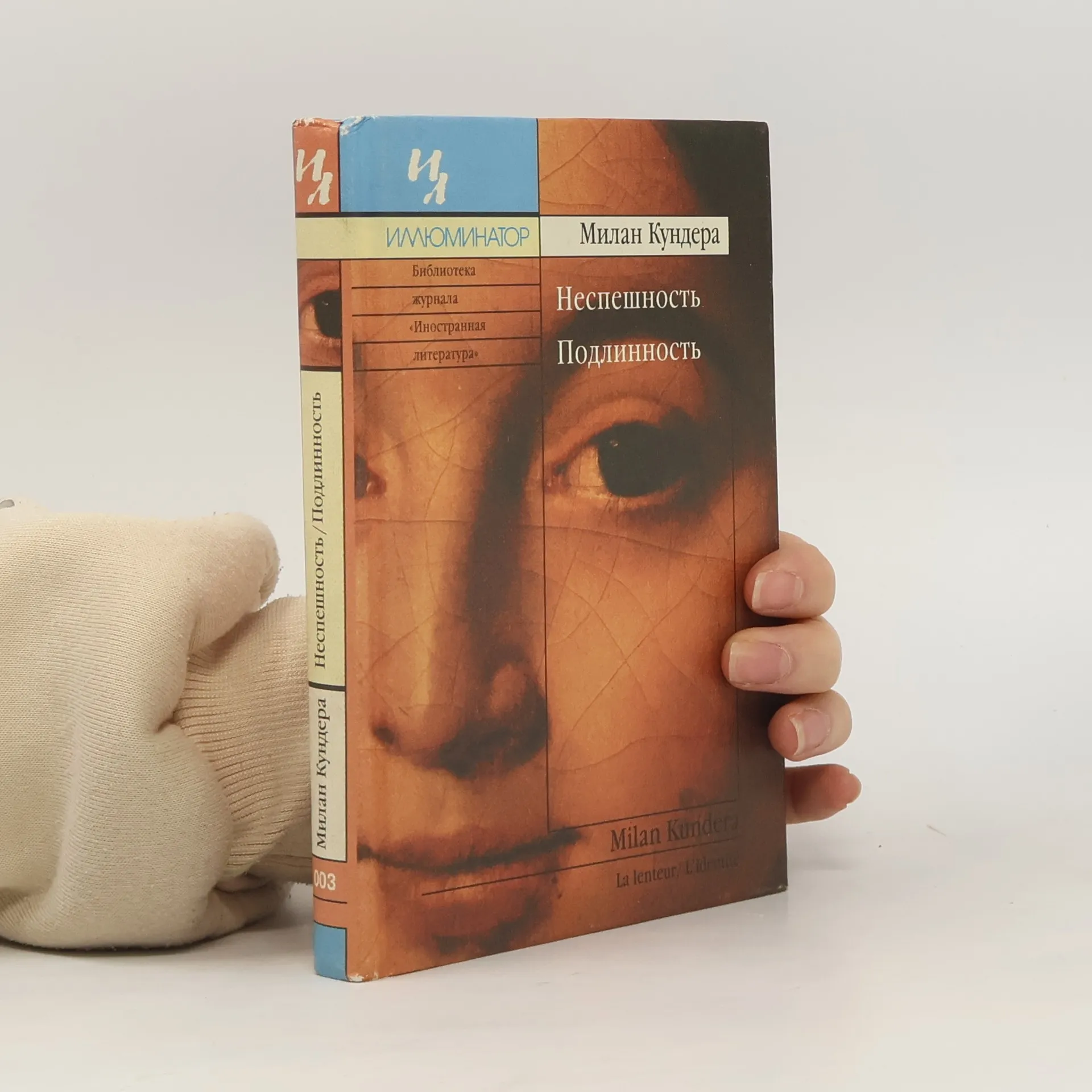
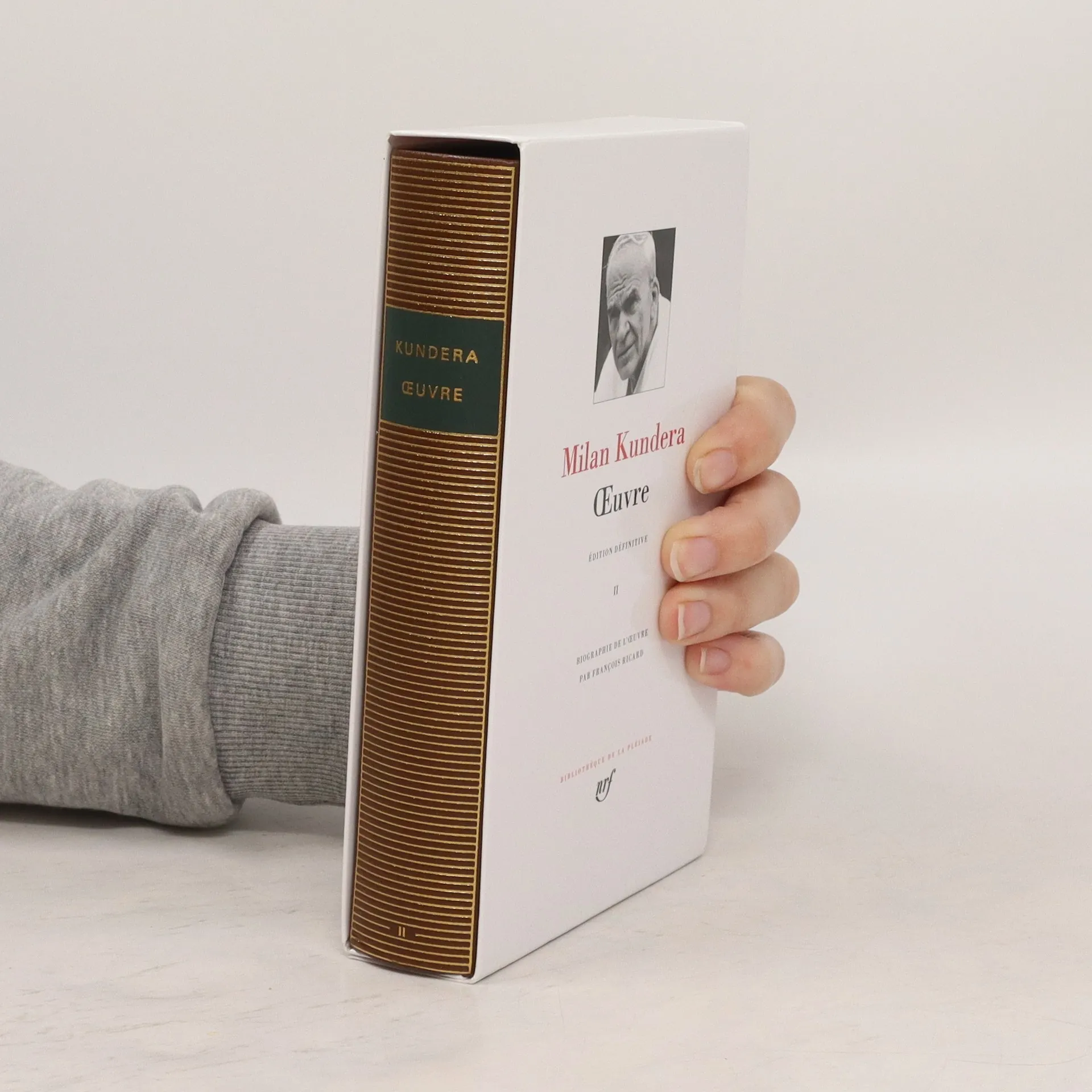
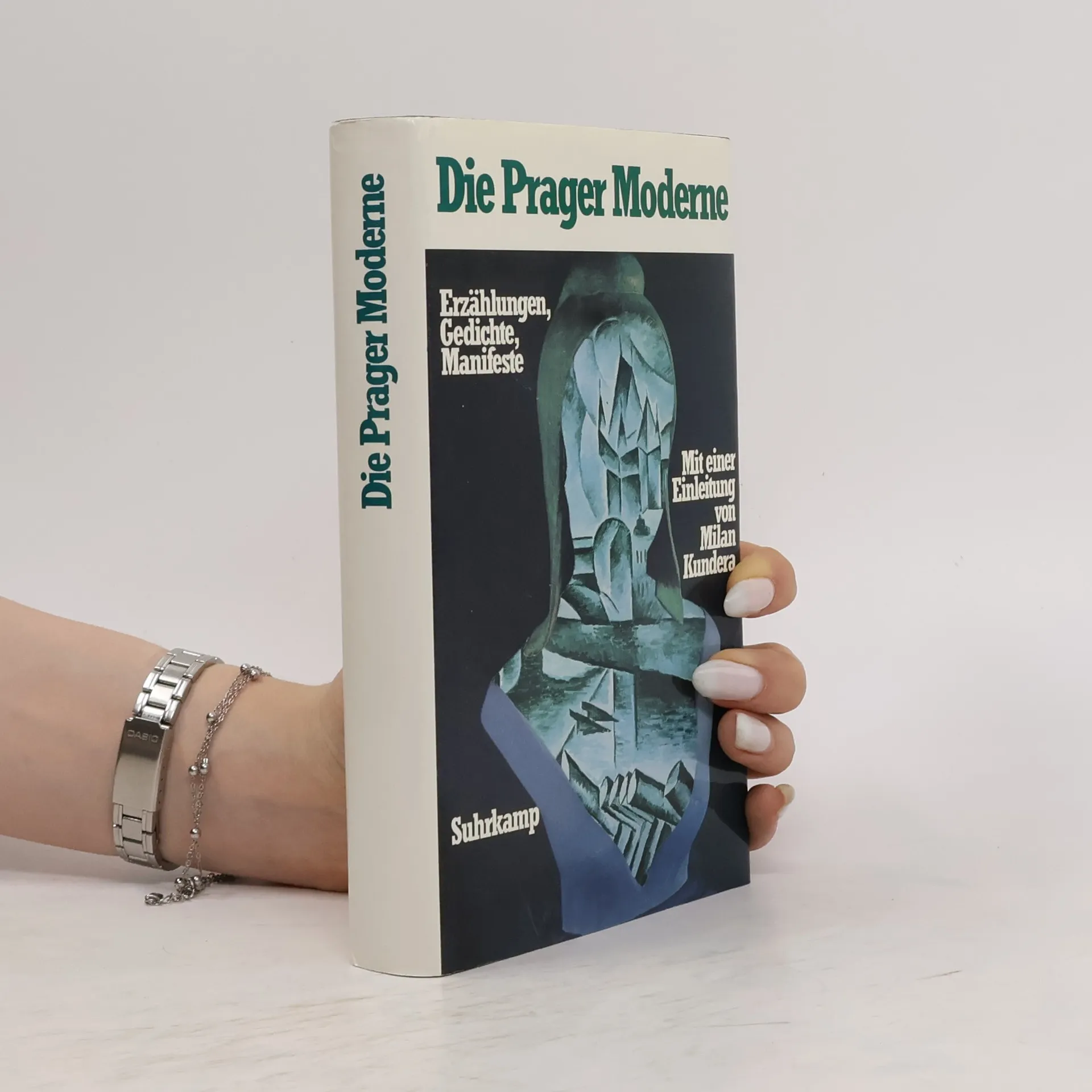
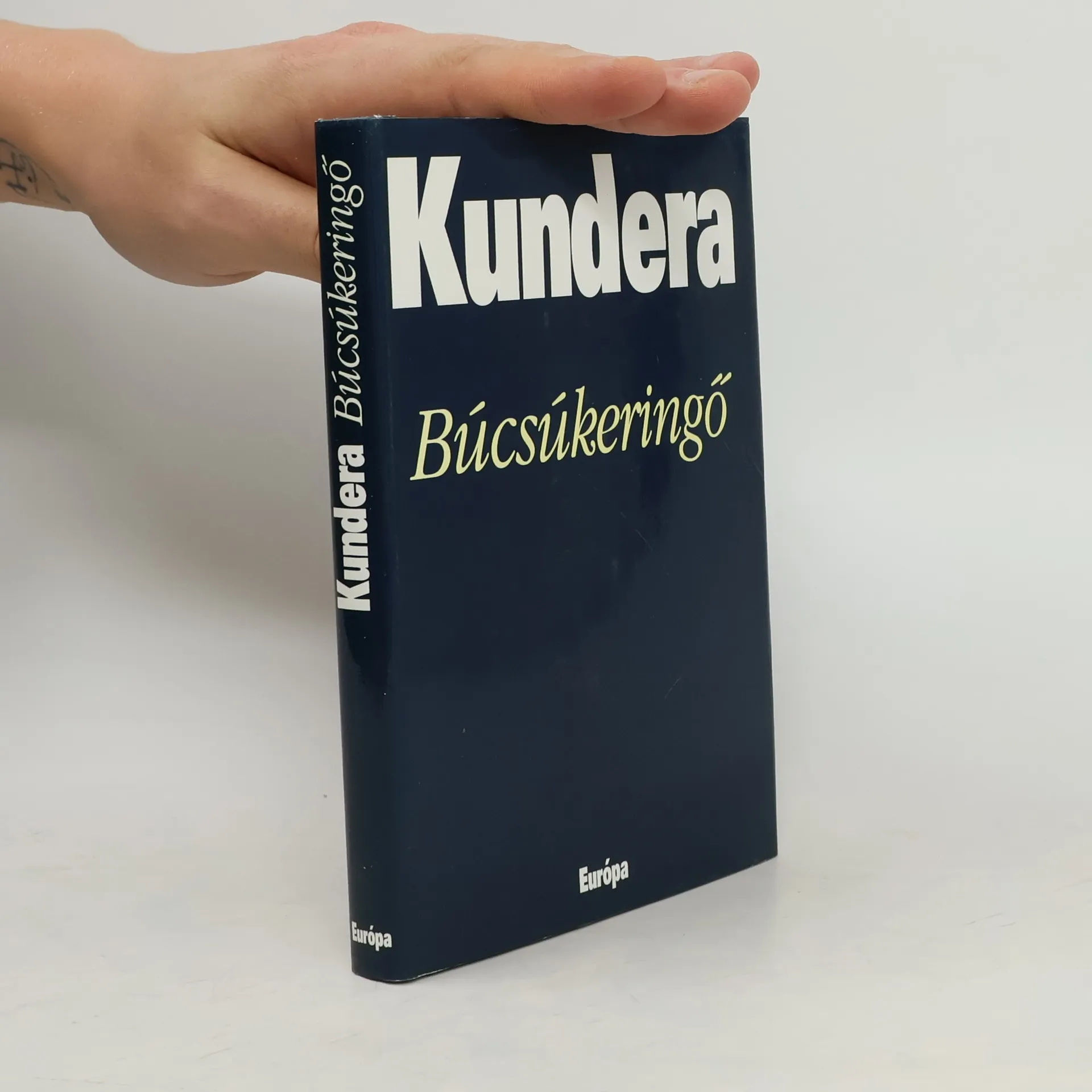
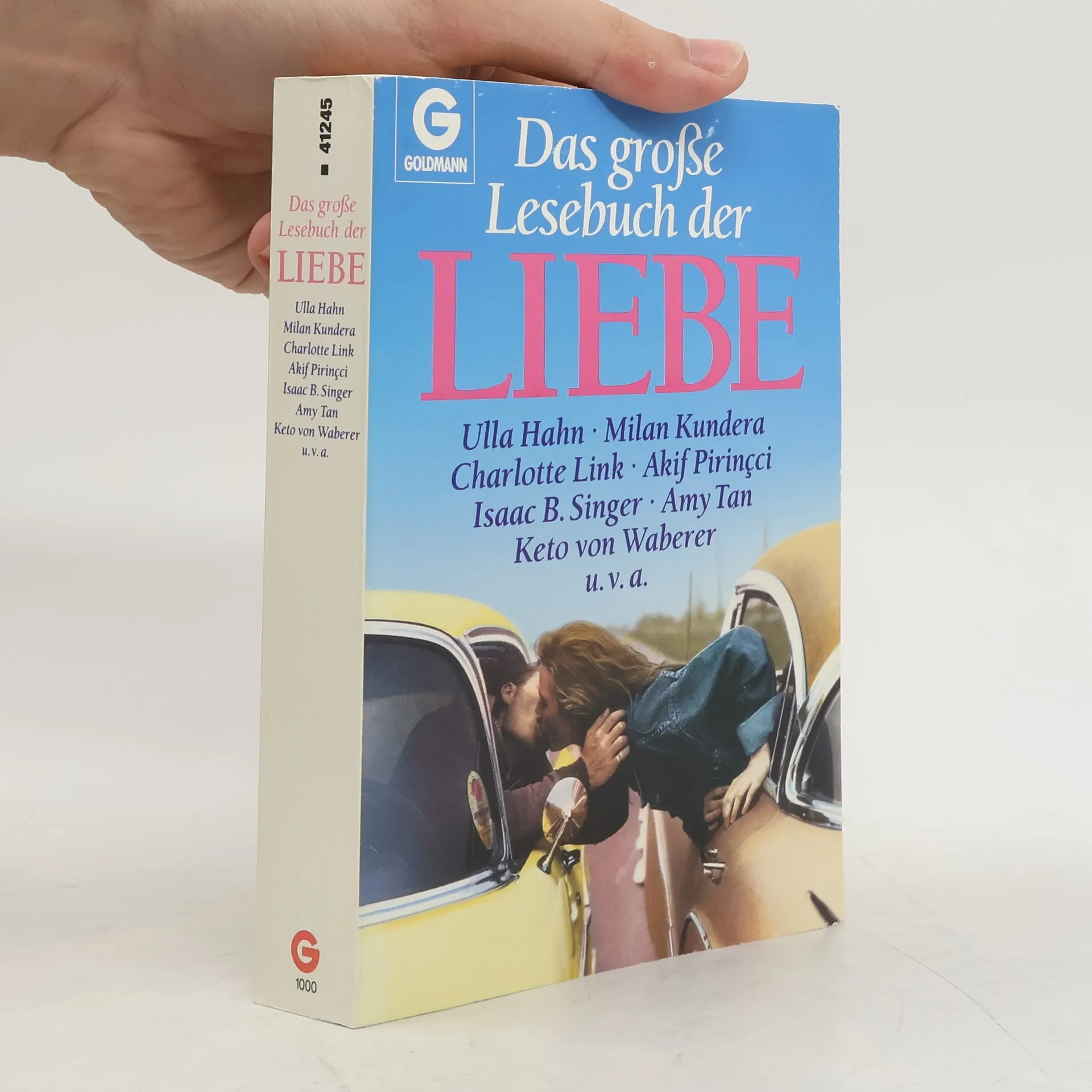
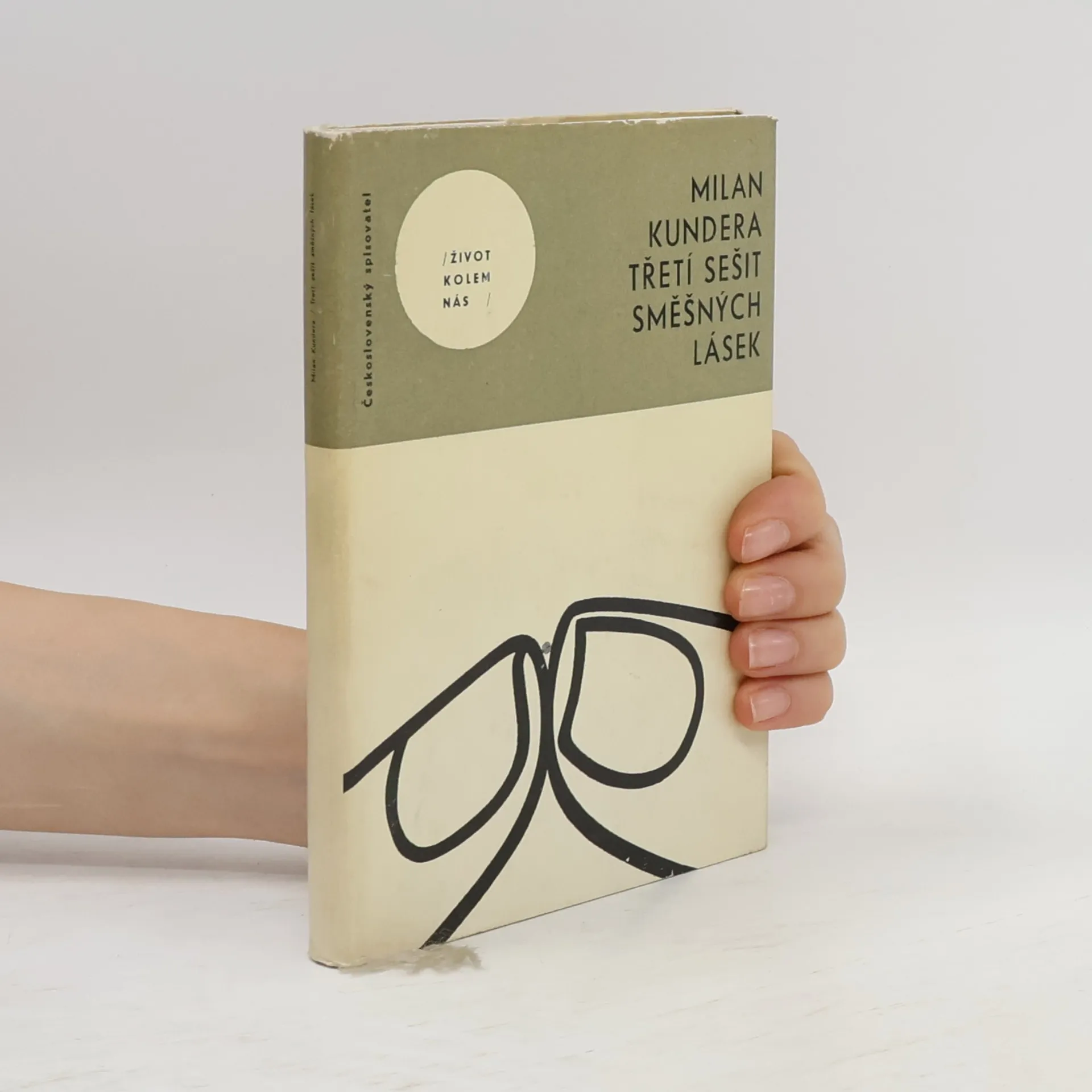
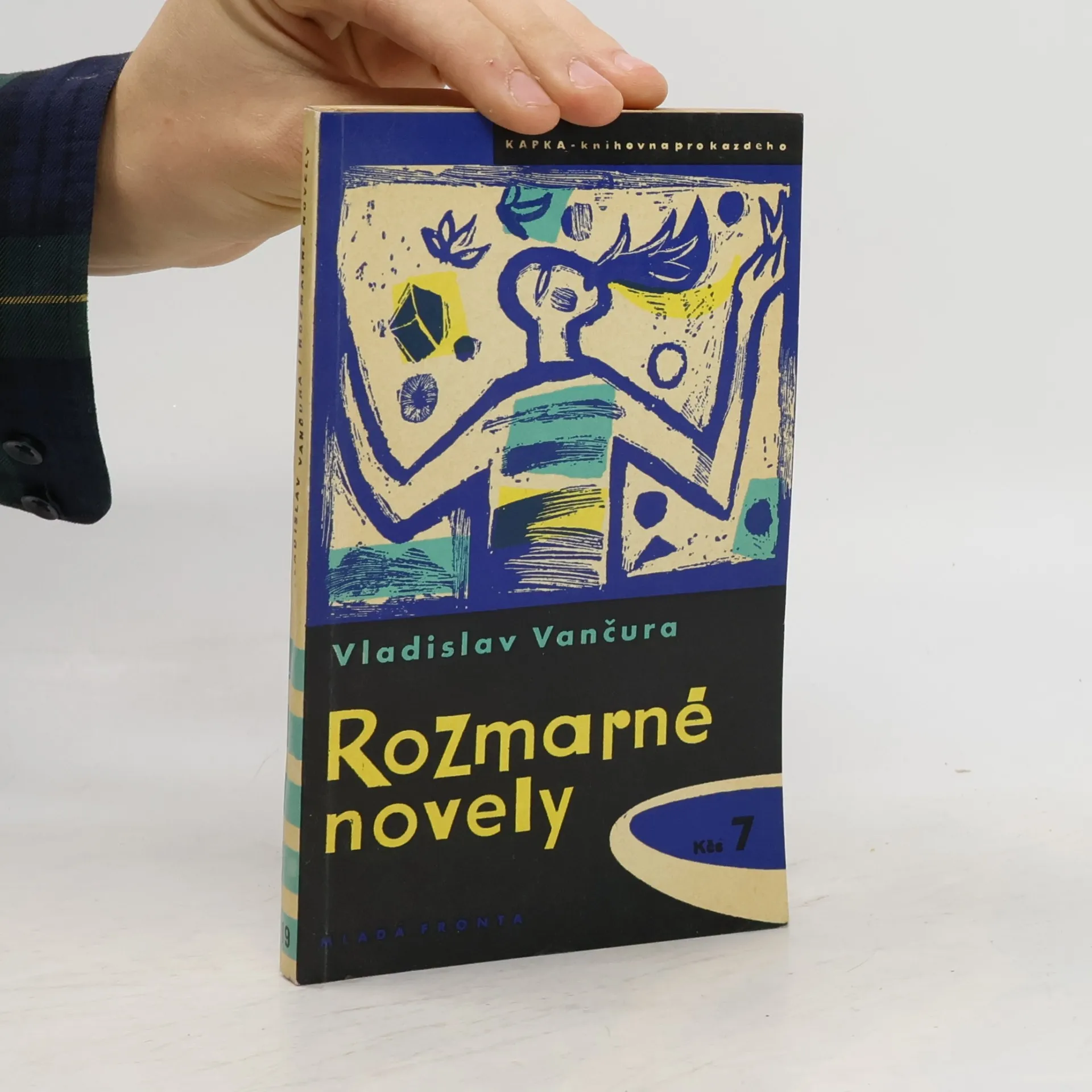
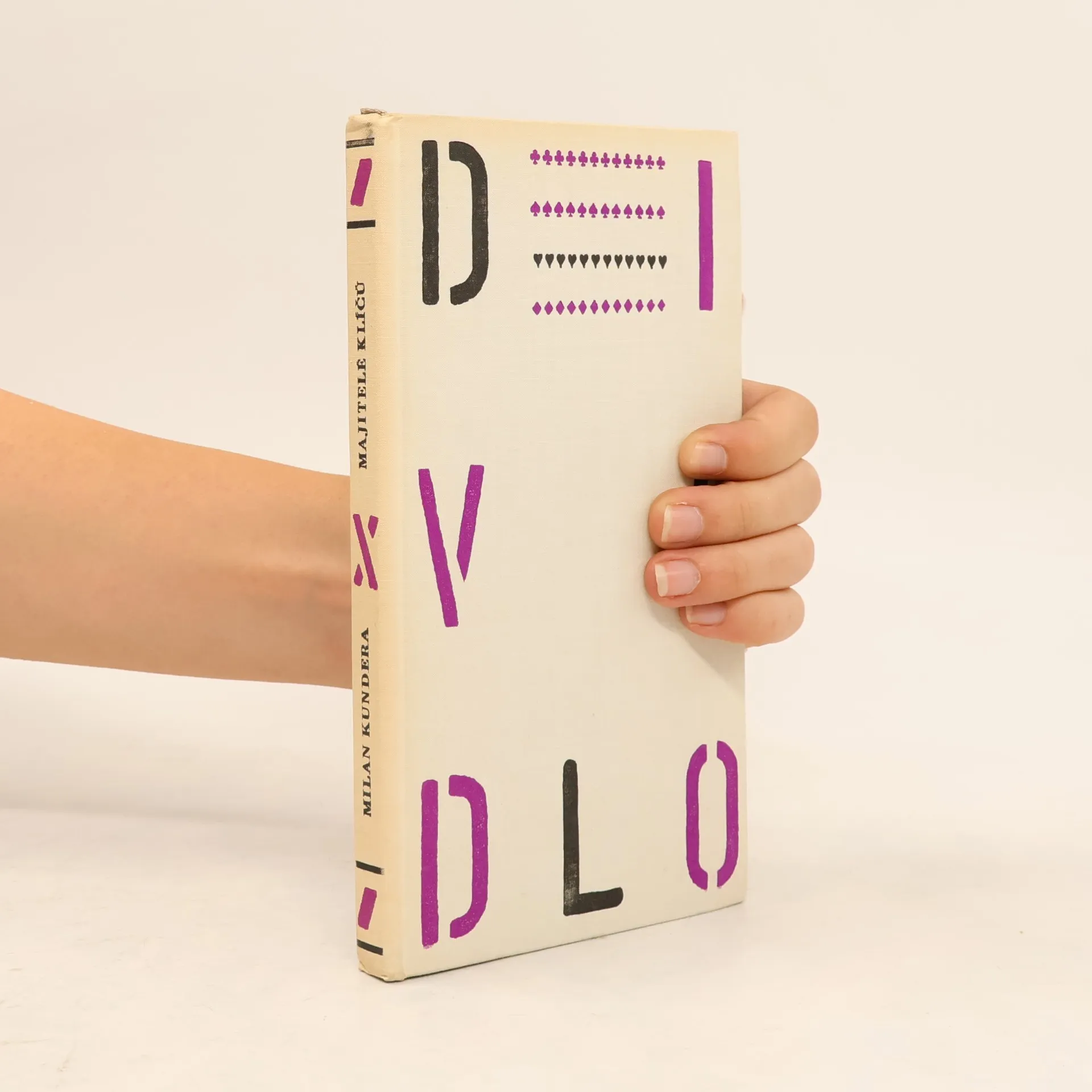
Milan Kundera fue un escritor cuya obra es celebrada por sus profundas exploraciones filosóficas y su estilo literario único. Escribió tanto en checo como en francés, considerando sus ediciones francesas autovisadas como creaciones originales en lugar de traducciones. Sus novelas profundizan en las complejidades de la existencia humana, la identidad y los absurdos de la vida, a menudo abordando temas de exilio y memoria. La distintiva voz de Kundera combina el rigor intelectual con un enfoque narrativo cautivador, haciendo que su escritura resuene profundamente con los lectores.
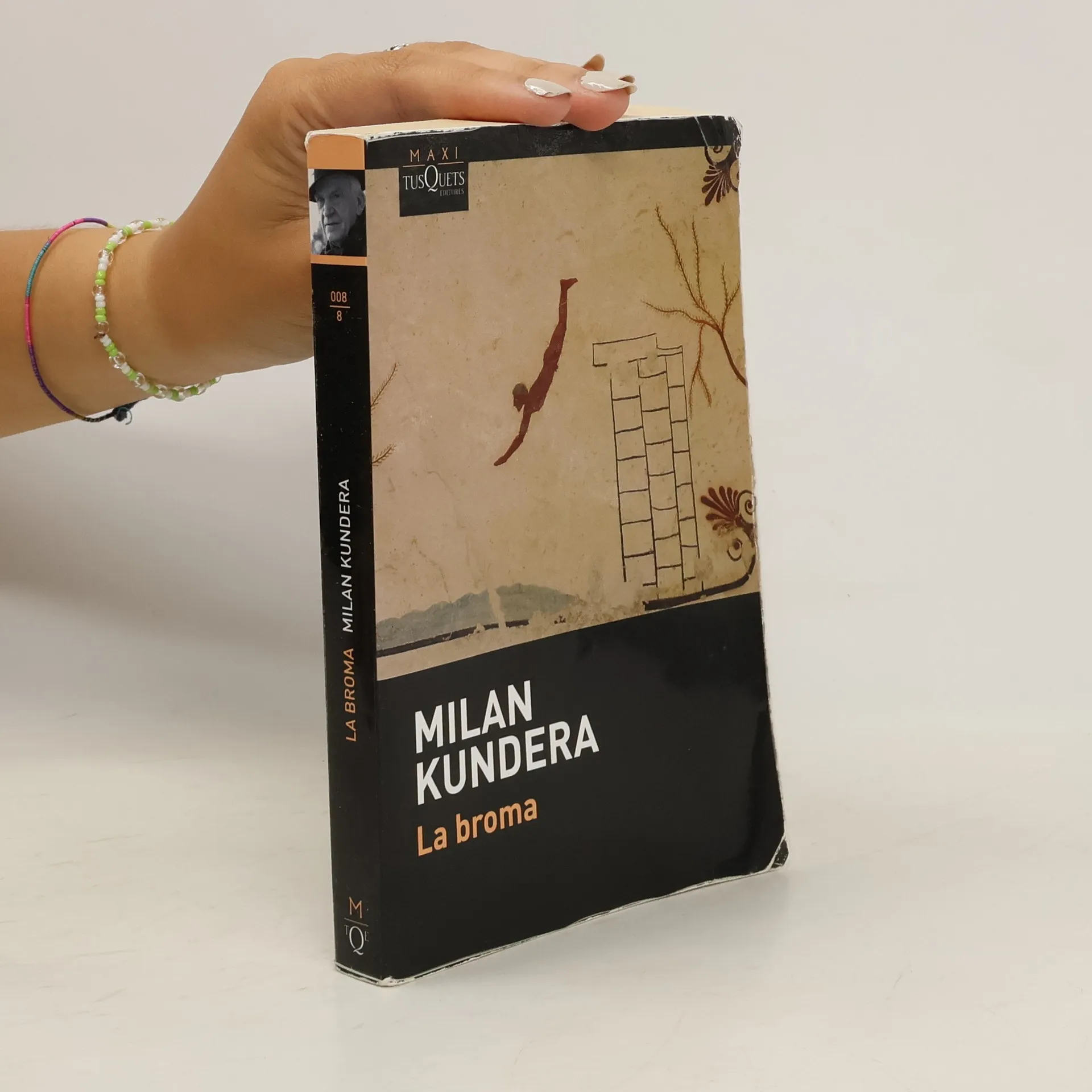
La broma es la novela de un amor, pero se trata también de la novela de una broma extraviada en un mundo que ha perdido el sentido del humor. Una chanza fútil y mal comprendida ha roto la vida de Ludvik, aterrado al advertir que su tragedia personal quedará para siempre adherida al ridículo de un chiste.
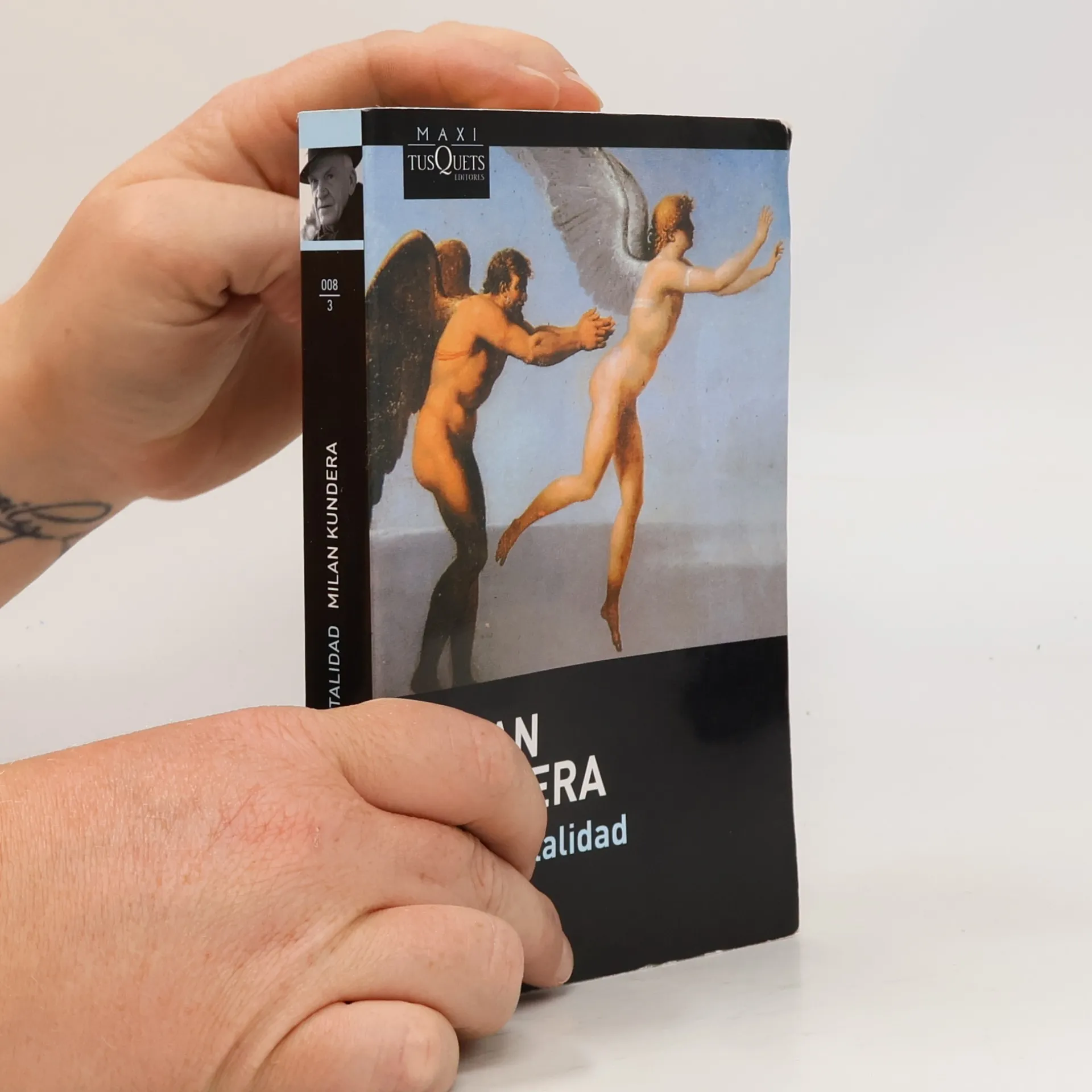
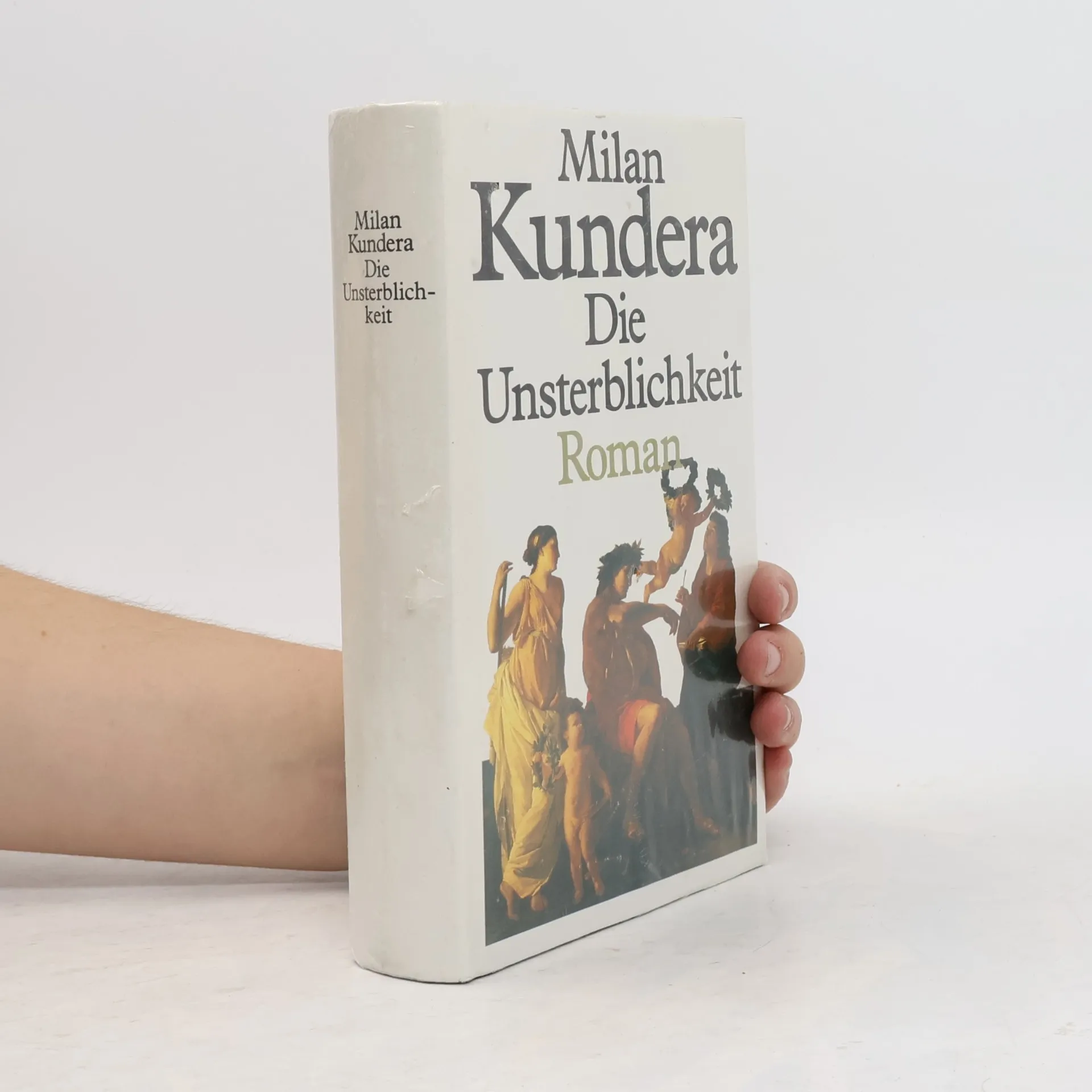
A partir del gesto encantador de una mujer de cierta edad, el escritor crea el personaje de Agnes , alrededor de la cual aparecerán su hermana Laura , su marido Paul, y todo nuestro mundo contemporáneo en el que se rinde culto a la tecnología y la imagen. Pero ¿y si el hombre no fuera sino su imagen ?, pregunta otro personaje, Rubens , quien comprueba finalmente que de la más excitante de sus amantes sólo le quedan dos o tres fotografías mentales. Esta novela transforma todos los aspectos del mundo moderno en cuestiones metafísicas. Su forma es polifónica : las aventuras de los personajes imaginarios se mezclan con la historia de dos candidatos a la inmortalidad , Goethe y Bettina von Armin ; la reflexión sobre el nacimiento del homo senti-mentalis en la historia de Europa alterna con las peripecias parisienses del singular profesor Avenarius , para quien el mundo de hoy no sirve sino como objeto de juego. Kundera tiene el don de decir del modo más cristalino lo que a uno le resulta más difícil decirse, y en esta novela alcanza la cima de esta facultad.
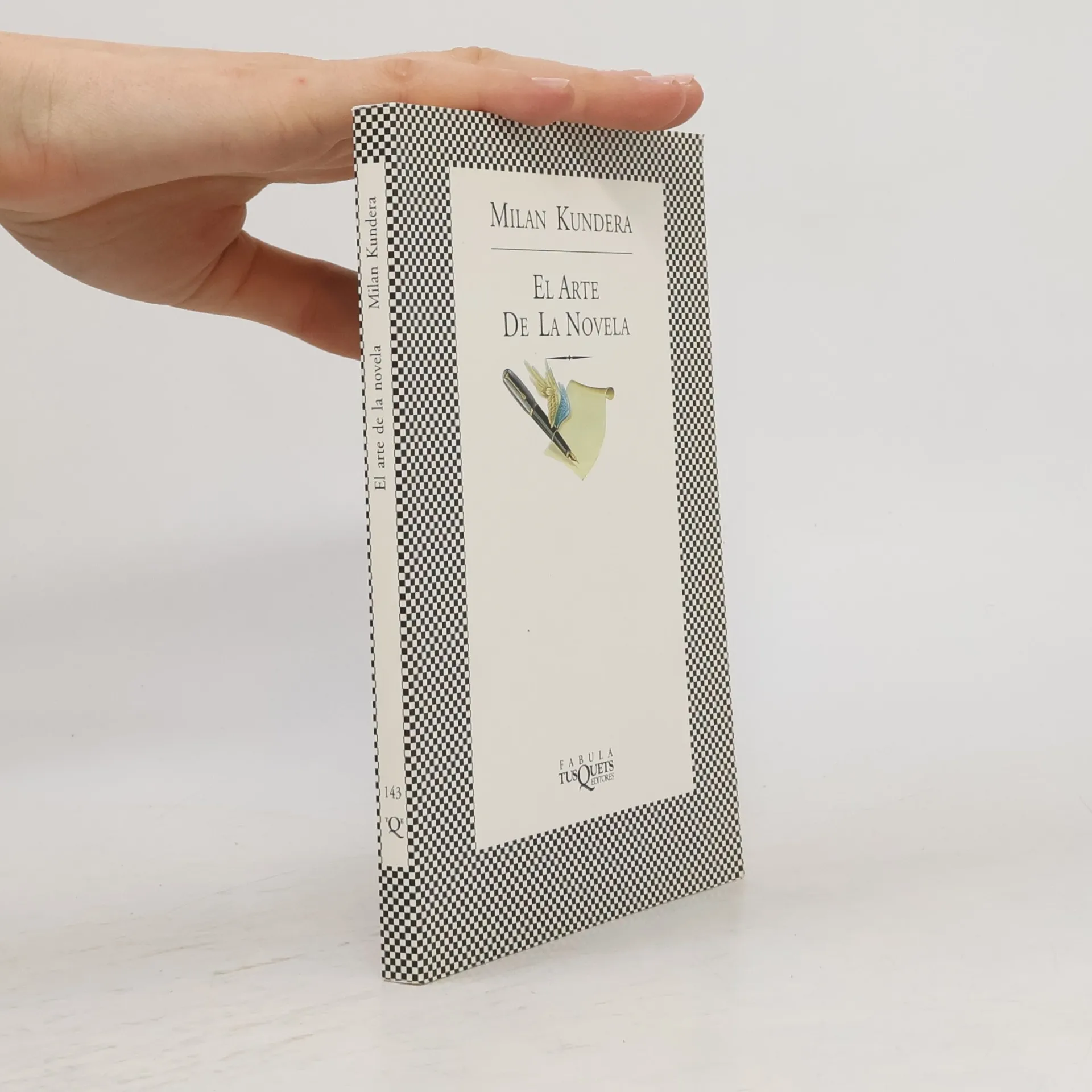
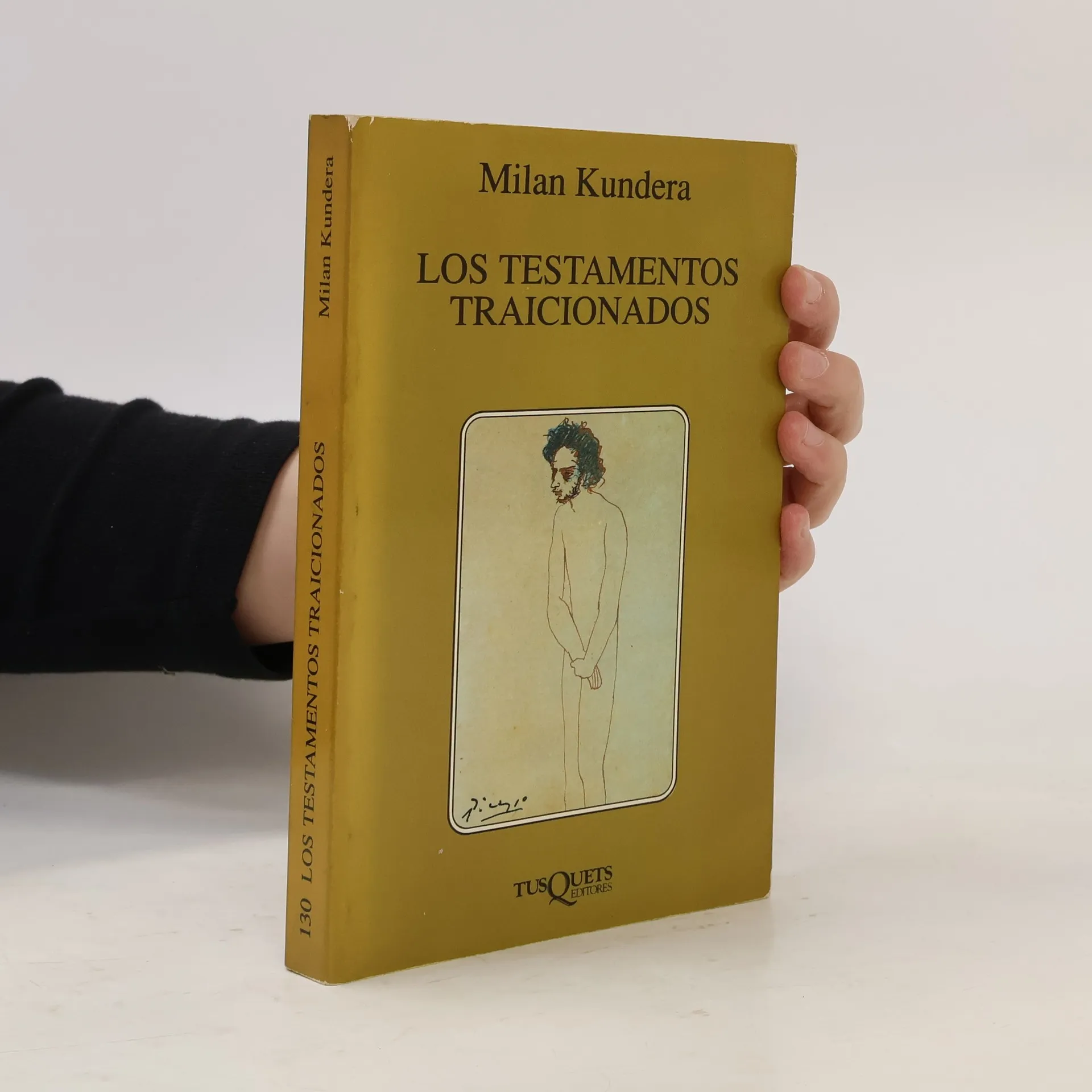
Este ensayo está escrito como una novela: al filo de nueve partes independientes, los mismos personajes pasan y se cruzan: Stravinski y Kafka acompañados de sus peculiares amigos, Ernest Ansermet y Max Brod; Hemingway con su biógrafo; Leos Janacek con su pequeña nación; Rabelais con sus herederos: los grandes novelistas. Y eso porque el arte de la novela es la protagonista indiscutible de este libro: el espíritu del humor que lo engendró; su misterioso parentesco con la música; su historia, que evoluciona (como la de la música) en tres tiempos; la estética de su tercer tiempo (el de la novela moderna); su sabiduría existencial. Es precisamente a la luz de esta «sabiduría de la novela» como examina en este libro las grandes situaciones de nuestra era: los procesos morales contra el arte del siglo, desde Céline hasta Maiakovski; el tiempo que pasa y hace que la identidad del «yo» presente se llene de incertidumbre con respecto al «yo» de ayer; el recuerdo como una forma de olvido; el pudor como noción esencial de una época basada en el individuo; la indiscreción que, convertida en regla y costumbre, anuncia el crepúsculo del individualismo; la fuerza misteriosa de la voluntad de un muerto; los testamentos; los testamentos traicionados (de Europa, del arte, del arte de la novela, de los artistas).
Ésta es una extraordinaria historia de amor, o sea de celos, traiciones, muerte y también de las debilidades y paradojas de la vida cotidiana de dos parejas cuyos destinos se entrelazan irremediables. Es una novela dirigida al corazón del lector, pero también a su cabeza, ya que, atrapado en la narración, él mismo termina por sentirse alguno de los personajes, cuando no todos a la vez. El amor, el deseo, el idealismo, la necesidad de independencia son los temas triviales y corrientes que no sólo dan vida a estas parejas, sino también a una reflexión más profunda que nos afecta a todos directamente cada día.
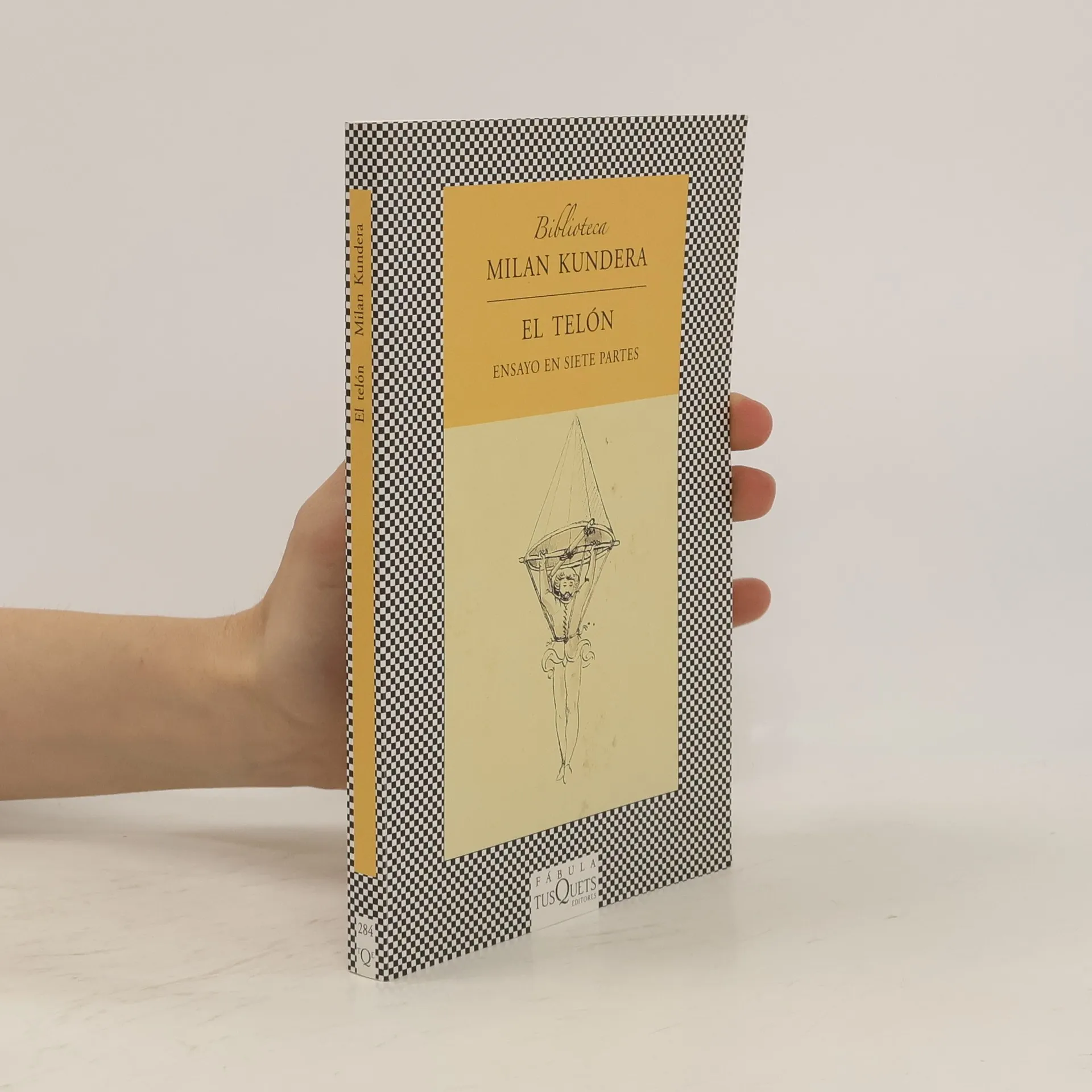
Debo acaso insistir en que no tengo la más mínima ambición teórica y que este libro no es sino la confesión de un practicante ? La obra de cada novelista contiene una visión implícita de la historia de la novela, una idea de lo que es la novela : es esta idea de la novela, inherente a mis novelas, la que he procurado dejar habla schovat popis
Sólo el gran arte de la novela es capaz de desgarrar por un instante el telón
de prejuicios y preinterpretaciones con que desciframos no sólo nuestra vida
sino la historia entera de la humanidad. Más aún: tal vez la novela sea el
último observatorio que nos permite abrazar la existencia humana en su
conjunto y lanzar «una mirada al alma de las cosas». El novelista y ensayista
milan kundera nos invita en el telón a participar en el secreto diálogo que
mantienen los grandes nombres de la tradición occidental. Unas obras iluminan
a otras, los escritores descubren aspectos inusitados en sus antecesores, que
a su vez inspirarán a sus sucesores de muy diversa manera: Rabelais,
Cervantes, Diderot, Fielding, Flaubert, Joyce, Kafka, García Márquez... El
resultado es una pequena y particular «pléyade» literaria que kundera comparte
con los lectores y una iluminadora historia personal de la literatura.
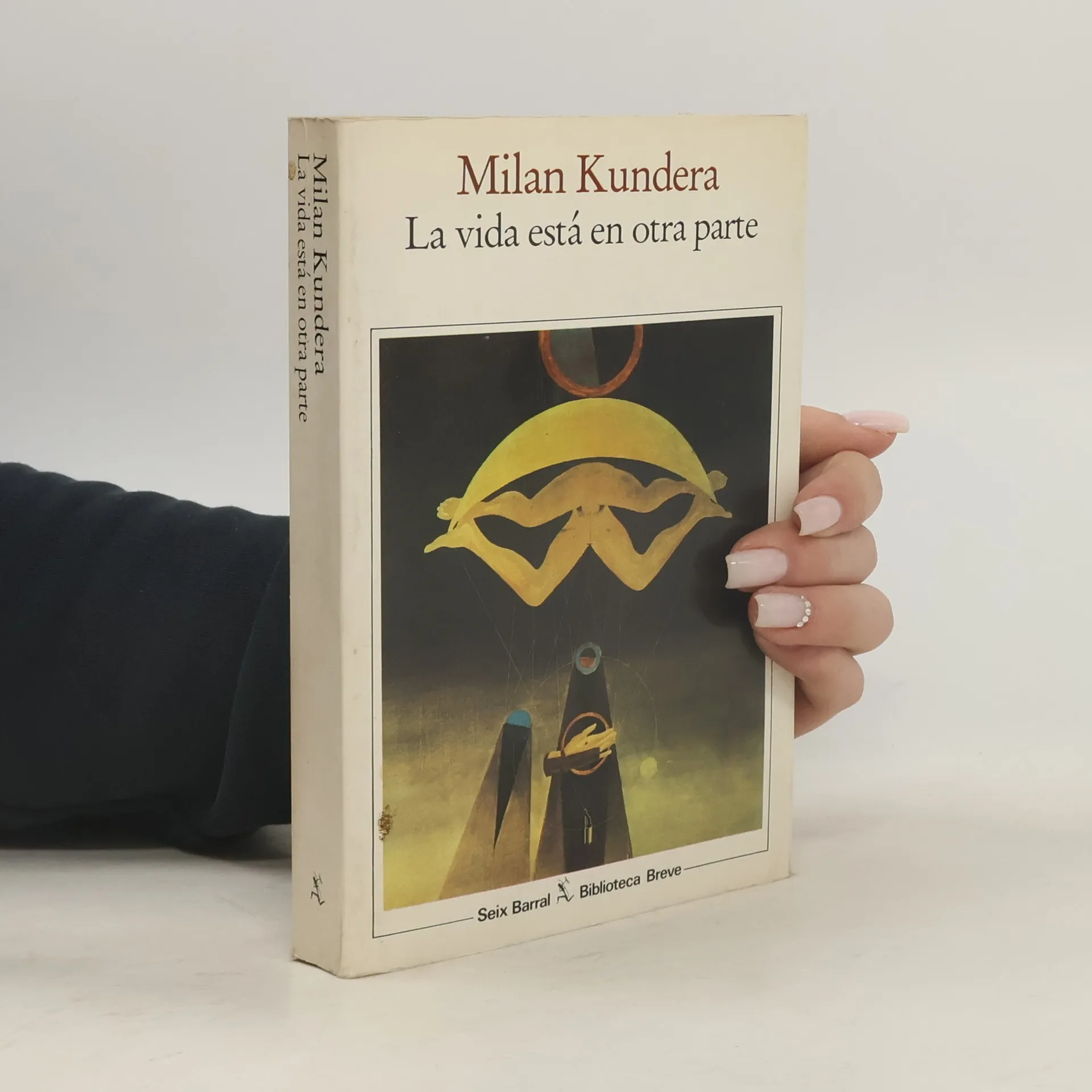
El tema de "La vida está en otra parte" es el destino de un poeta, marcado desde su adolescencia por el signo de Rimbaud, que vive en el seno de una sociedad estalinista, en la que su conciencia deberá pactar con el humanismo oficial hasta llegar a la colaboración con las actividades policiales. En esta paradoja trágica, la Historia se encarga de sumergirnos en una atmósfera de ironía kafkiana. Como señala Carlos Fuentes: «Milan Kundera, el otro K de Checoslovaquia, no necesita acudir a forma alegórica alguna para provocar la extrañeza y la incomodidad con la que Franz Kafka invadió de formas luminosas un mundo que ya existía sin saberlo. Ahora, el mundo de Kafka sabe que existe. Los personajes de Kundera no necesitan amanecer convertidos en insectos porque la historia de la Europa central se encargó de demostrarle que un hombre no necesita ser un insecto para ser tratado como un insecto.» Obra maestra de la actual narrativa europea, La vida está en otra parte ha revelado al público hispánico a uno de los grandes escritores de hoy.
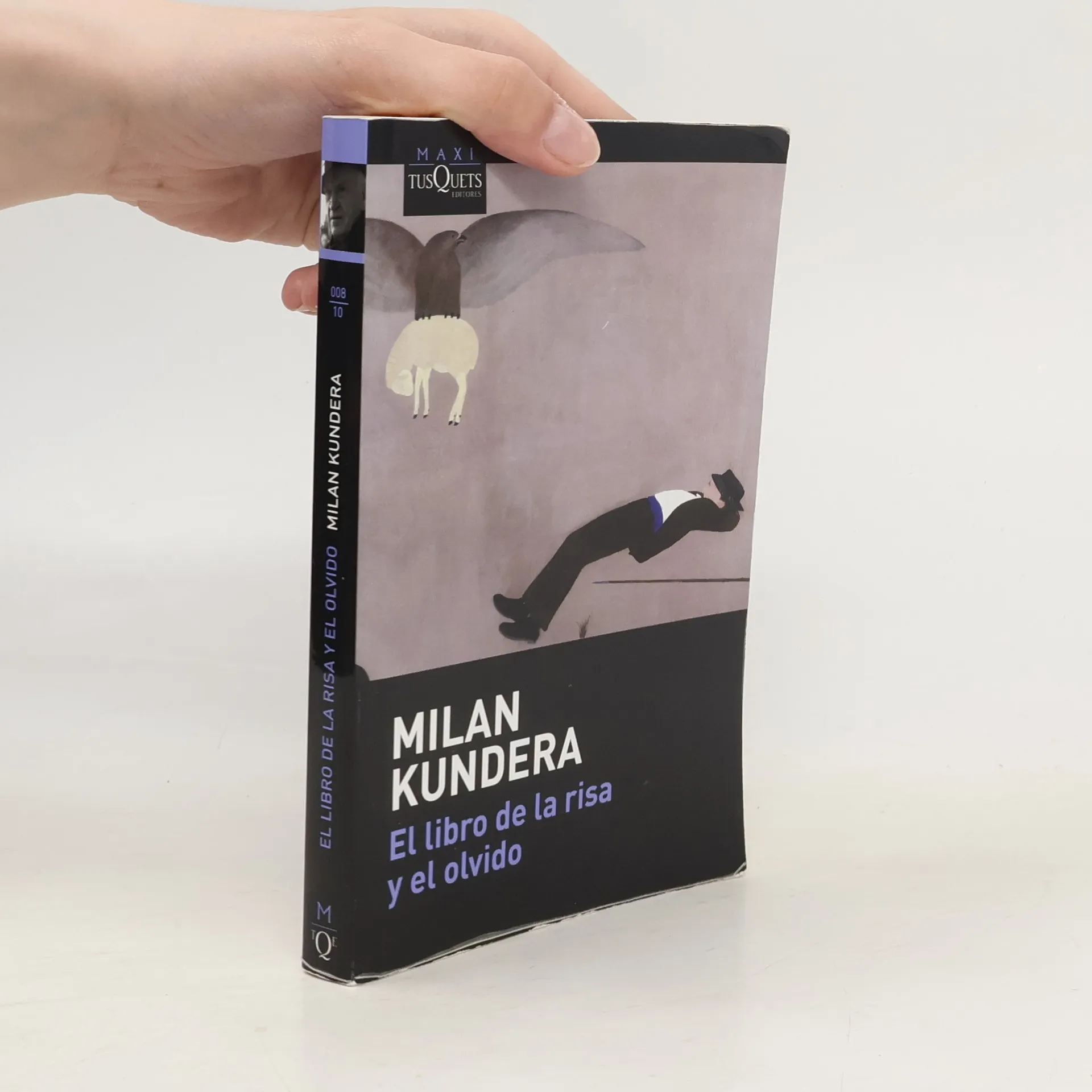
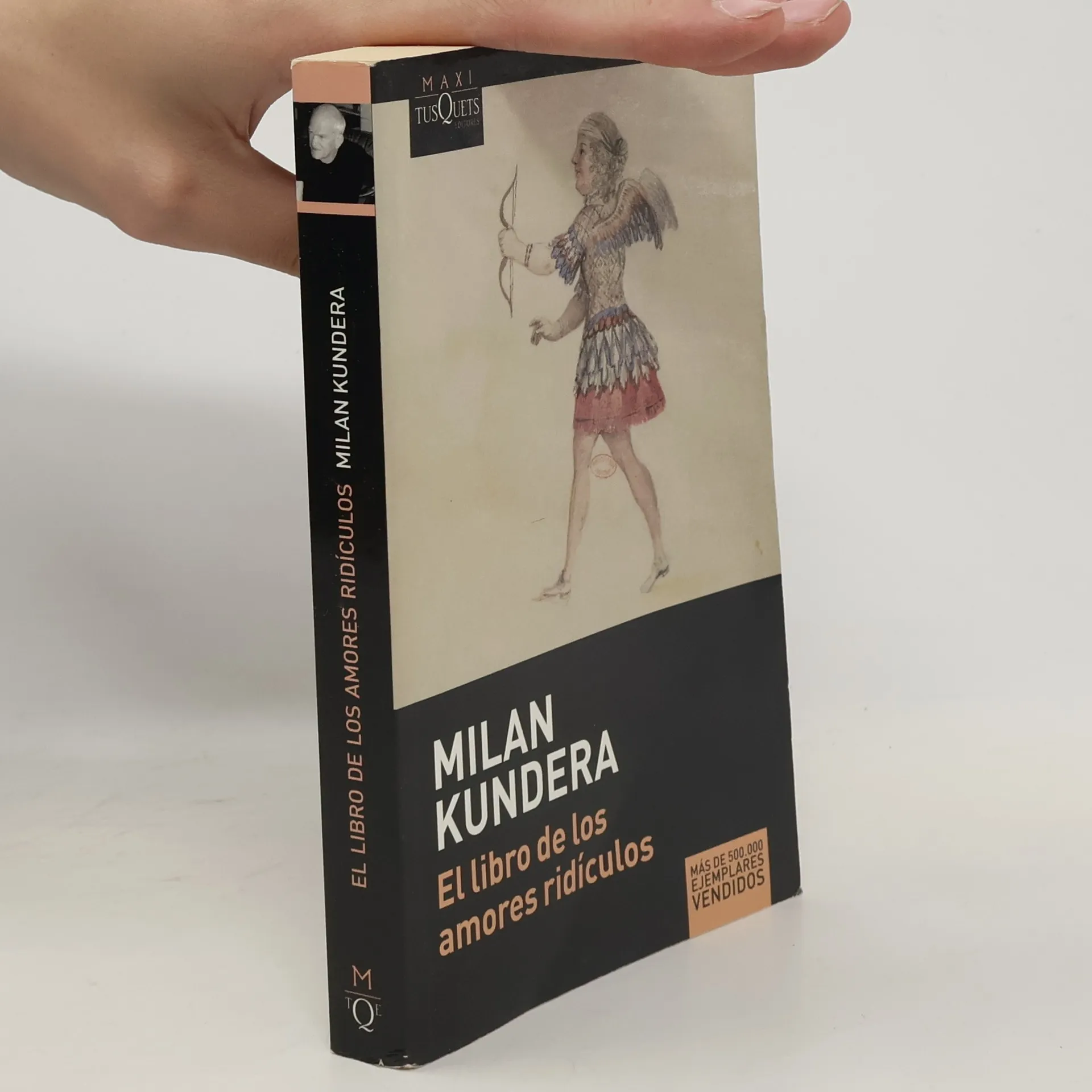
En "El libro de la risa y el olvido", Kundera explora la complejidad de la memoria y el olvido a través de una serie de relatos interconectados. El libro se divide en siete partes, cada una con personajes y situaciones distintas, pero todas unidas por temas recurrentes. Cada sección es autosuficiente y se presenta como una etapa de un viaje que nos lleva a profundizar en un mismo pensamiento. A lo largo de la obra, se destaca el esfuerzo por resistir la aniquilación de lo vivido. Un personaje expresa que "la lucha del hombre contra el poder es la lucha de la memoria contra el olvido", encapsulando la esencia del libro. Kundera invita a reflexionar sobre el papel de la memoria en la identidad y la historia, ofreciendo una narrativa rica en variaciones que desafía las convenciones del género novelístico.
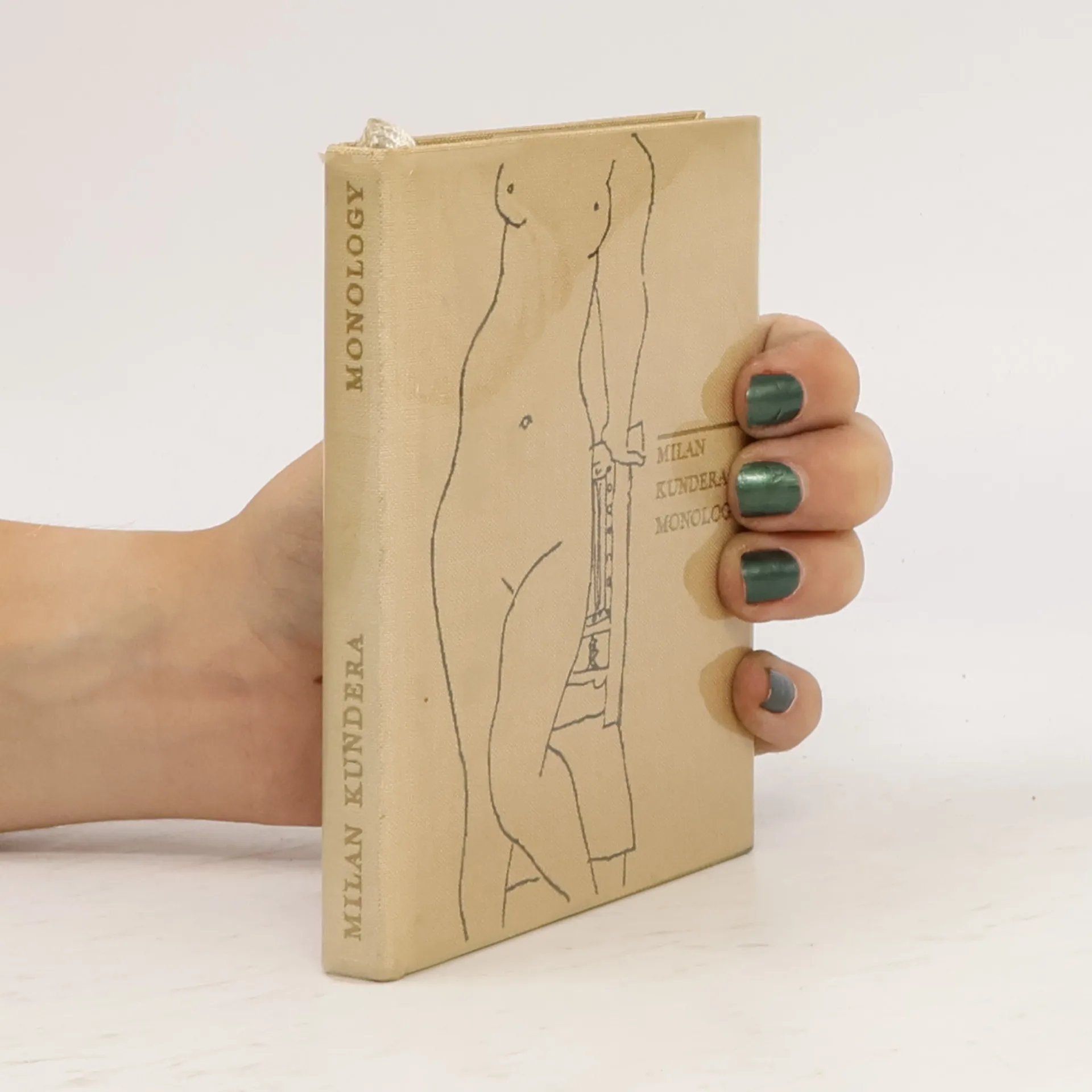
Tal vez por haber sido escritas en el periodo (entre 1959 y 1968) mas feliz de la vida de Milan Kundera, segun sus propias palabras, estas narraciones son las mas alegres, las mas seriamente desvergonzadas y las mas reflexivamente divertidas de su obra. La farandula de personajes hedonistas que desfila aqui ante nosotros en busca de los juegos multiples y contradictorios de la amistad, el amor y el sexo no puede sino incitar a la risa, atrapados como estan en el mundo loco de severidad, hermetismo e inquisicion que les rodea. Una risa autentica, traviesa; un humor sabio, sagaz y gozador, al que ya nos tiene acostumbrados el autor de La insoportable levedad del ser.
En un balneario algo trasnochado convergen ocho personas cuyas circunstancias van entretejiéndose hasta formar, con la precisión de una telaraña, una trama en la que todos acaban viéndose atrapados: el músico célebre y la hermosa enfermera que quiere quedarse embarazada; la celosa esposa del músico y el joven mecánico enamorado de la enfermera; el ex convicto, víctima de las purgas de su país, que va a despedirse de la cerebral Olga; el ginecólogo, con sus fanfarrones proyectos demográficos, y el rico excéntrico, un santo en versión moderna. la despedida tiene la ligereza de un vals, la magia de «un sueño de una noche de verano». Pero, tras esta forma intencionadamente frívola, se oculta una pregunta más grave: ¿merece el hombre vivir en esta tierra?, ¿acaso no hay que «liberar el planeta de las garras del hombre»? En este sentido, cuesta imaginar algo más glacial y más profundo que la aparente levedad de Kundera.
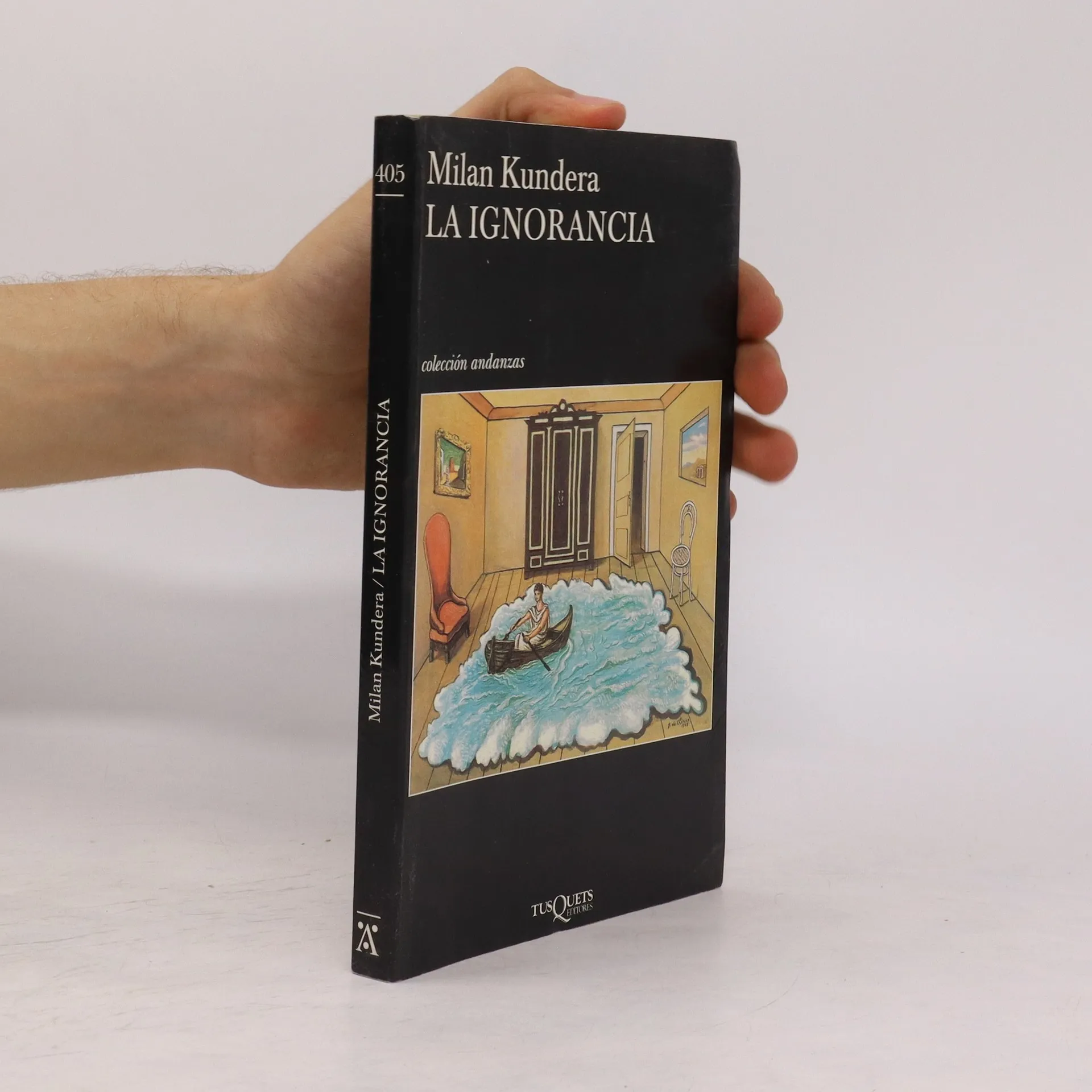
Una mujer y un hombre se encuentran por casualidad durante su viaje de regreso al país natal del que emigraron hace veinte años. ¿Podrán reemprender una extraña historia de amor, apenas iniciada entonces en su tierra ? El caso es que, tras tan larga ausencia, «sus recuerdos no se parecen». Porque «nuestra memoria, la pobre, ¿qué puede hacer ? Sólo es capaz de retener del pasado una miserable pequeña parcela sin que nadie sepa por qué precisamente ésa y no otra…». Vivimos sumidos en un inmenso olvido, y no queremos saberlo. Sólo aquellos que, como Ulises, vuelven después de veinte años a su Ítaca natal pueden ver de cerca, atónitos y deslumbrados, a la diosa de la ignorancia.
UN ENCUENTRO nos da a conocer a un KUNDERA, en ciertomodo, inédito. En efecto, aunque el autor reflexione, como confiesa al principio del libro, sobre sus «viejostemasexistenciales y estéticos», lo cierto es que en esteapasionado -y apasionante- «encuentro» con algunasobrasmaestras de la literatura, la música y la pintura, el escritorcheco aborda cuestioneshastaahorapoco o nada transitadas en suslibrosanteriores. Así, explora lo que la novela -y sólo la novela, esa «sonda existencial»- puede explicar sobre el ser humano, e indaga asimismo en las repercusiones, no siemprenegativas, que el exilio tiene para el creador (con una emocionantecomparación entre las dos Primaveras del 68, la de París y la de Praga). Tambiéndesentrana el papel de la memoriaante las tragediasdel siglo XX y habla de la lucha desesperada del verdadero artista por asumir lo mejor de la tradición de suarte (con una irónica pregunta sobre lo que la posteridad conserva finalmente de los autores). Por último, sostiene que sólo un análisisa fondo de la composición formal de una obra revela las intencionesestéticas de su autor (y lo demuestra con un breve y fascinanteensayodedicado a KAPUTT y a la que califica de genial «archinovela», LA PIEL, de CurzioMalaparte).
Chantal y Jean-Marc viven juntos en París y se quieren, se quieren tanto que incluso parecen confundirse. Y es que, a veces, se dan situaciones en las que, por un instante, ninguno de los dos parece reconocerse, en el que la identidad del otro se disuelve y, de rechazo, duda de la suya propia. Todo el que ama, todo el que convive en pareja, lo ha vivido alguna vez, porque lo que más teme en el mundo quien ama es «perder de vista» al ser amado. Pues eso es lo que, poco a poco, va a empezar a ocurrirles a Chantal y a Jean-Marc. Pero ¿en qué instante, ante qué gesto y en qué circunstancia precisa comienza ese aterrador proceso? Kundera atrapa al lector en el pánico que acompaña ese instante de extravío y éste ya no tendrá más remedio que adentrarse en el laberinto que recorren Chantal y Jean-Marc y en el que más de una vez deberá cruzar la frontera de lo real y lo irreal —o entre lo que ocurre en el mundo exterior y lo que elabora una mente en solitario.
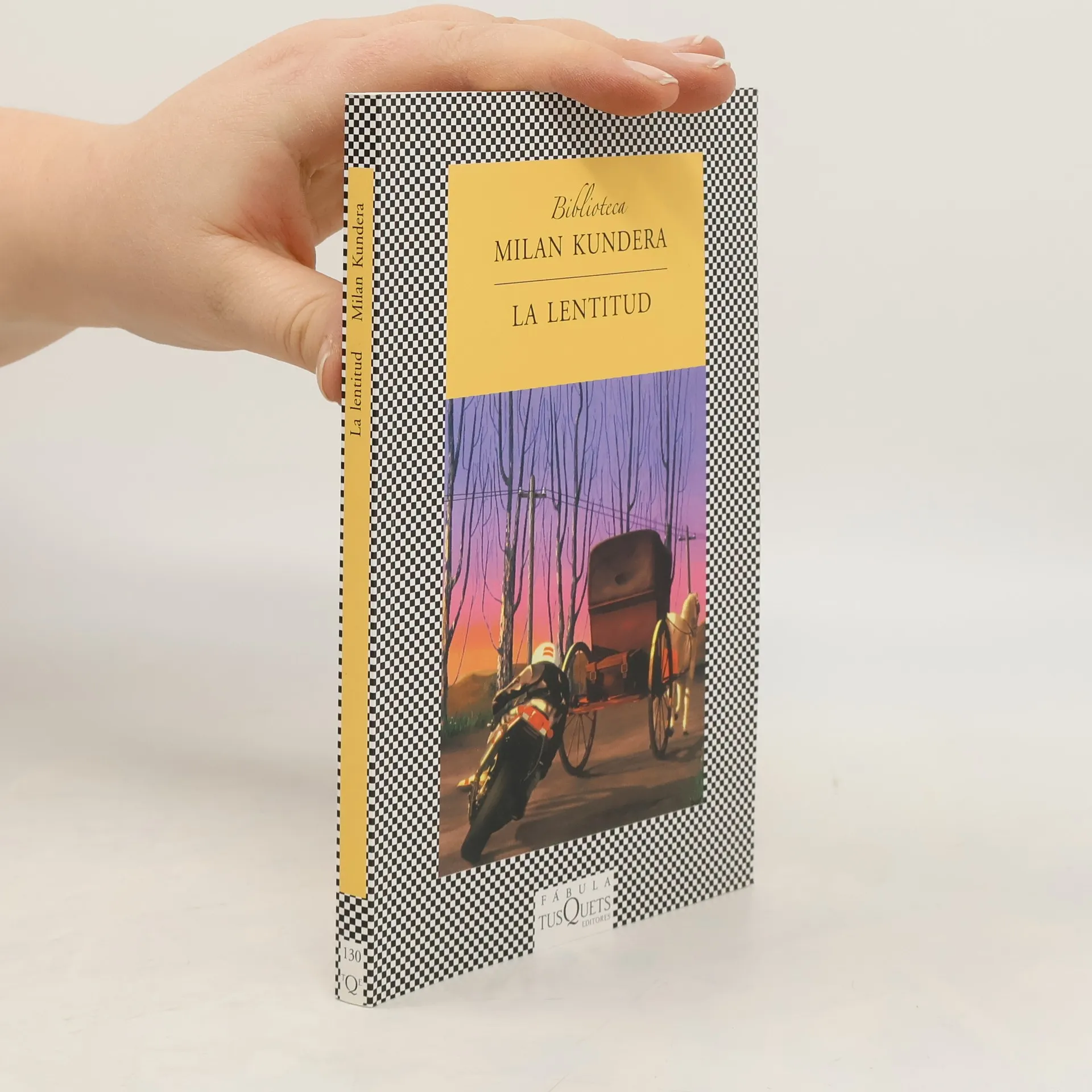
Milan Kundera se sirve a la vez de una novela francesa del siglo XVIII y de
una excursión que a él y a su mujer se les antoja hacer a un castillo de
Francia convertido en hotel, para ir dando vida a una serie de personajes del
pasado y del presente que terminan coincidiendo en un congreso de entomólogos
que se celebra en sus salones. Personajes e historias de ayer y de hoy van
entrelazándose de tal manera que a nadie sorprendera, por ejemplo, que un
hombre enfundado en un casco de motociclista, azorado e impaciente, se aleje
en su moto a toda velocidad, mientras otro, con una peluca blanca, adormilado
y ensimismado, se sube a una calesa que parece salida de una estampa del
pasado : el primero desea sin duda dejar algo tras de sí a toda prisa ; el
segundo, en cambio, parece disponerse a rememorar, al paso lento del caballo,
la noche que acaba de pasar con la intrigante y seductora Madame de T.
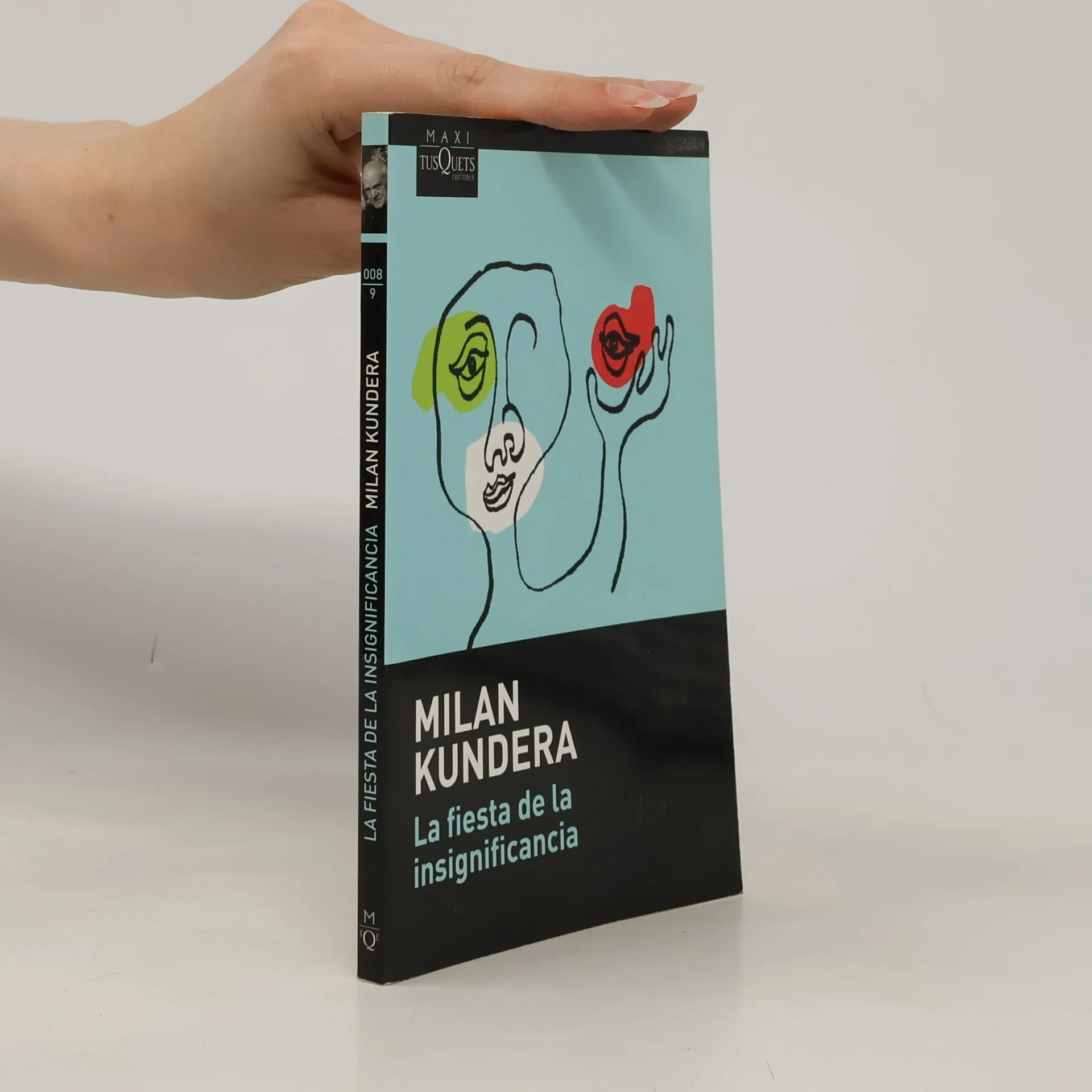
Proyectar una luz sobre los problemas más serios y a la vez no pronunciar una sola frase seria, estar fascinado por la realidad del mundo contemporáneo y a la vez evitar todo realismo, así es La fiesta de la insignificancia. Quien conozca los libros anteriores de Kundera sabe que no son en absoluto inesperadas en él las ganas de incorporar en una novela algo «no serio». En La inmortalidad, Goethe y Hemingway pasean juntos durante muchos capítulos, charlan y se lo pasan bien. Y en La lentitud, Vera, la esposa del autor, dice a su marido: «Tú me has dicho muchas veces que un día escribirías una novela en la que no habría ninguna palabra seria… Te lo advierto: ve con cuidado: tus enemigos acechan». Pero, en lugar de ir con cuidado, Kundera realiza por fin plenamente en esta novela su viejo sueño estético, que así puede verse como un sorprendente resumen de toda su obra. Menudo resumen. Menudo epílogo. Menuda risa inspirada en nuestra época, que es cómica porque ha perdido todo su sentido del humor. ¿Qué puede aún decirse? Nada. ¡Lean!
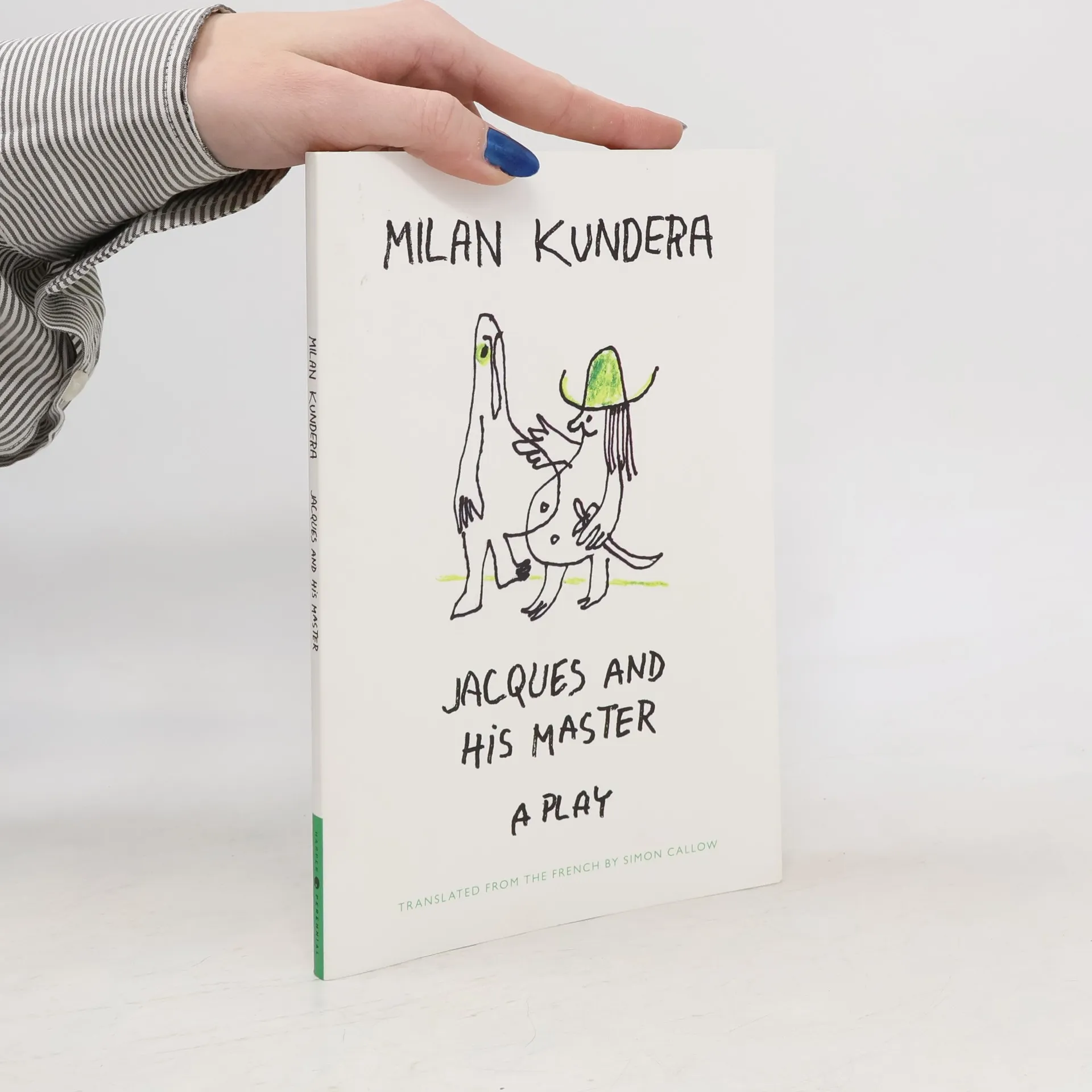
Jacques and His Master is a deliciously witty and entertaining play by Milan Kundera, the acclaimed Franco-Czech author of The Unbearable Lightness of Being and The Book of Laughter and Forgetting. A highly original variation on Enlightenment philosopher Denis Diderot's novel Jacques le Fataliste, Jacques and His Master has been successfully…
El Defensor de la Fe no puede descansar: debe llevar la cruz a los infieles. Felipe II, el "Defensor de la Fe", es el soberano más poderoso, pero su reinado se ve marcado por la lucha contra judíos, musulmanes y protestantes, así como por el sufrimiento de sus súbditos debido a impuestos excesivos, pestes e intolerancia. Mientras su reinado agoniza, un nuevo mundo emerge: las ciudades reemplazan a los castillos, los campesinos se convierten en villanos y los burgueses desplazan a los príncipes. Felipe, cansado y enfermo, se aísla en el Escorial, su última morada. En este contexto, tres jóvenes misteriosos aparecen, llevando una cruz encarnada; uno de ellos habla de un mundo nuevo, un Edén con ciudades bellas, volcanes y pirámides, donde la crueldad y el dolor coexisten con seres sobrenaturales como la señora de las mariposas. Esta narrativa entrelaza la historia de España y Sudamérica, explorando la intersección de las culturas indígenas y el cristianismo, así como el nacimiento y la muerte de civilizaciones. La obra se presenta como una exploración profunda de las posibilidades del relato, ofreciendo una experiencia literaria única y total.
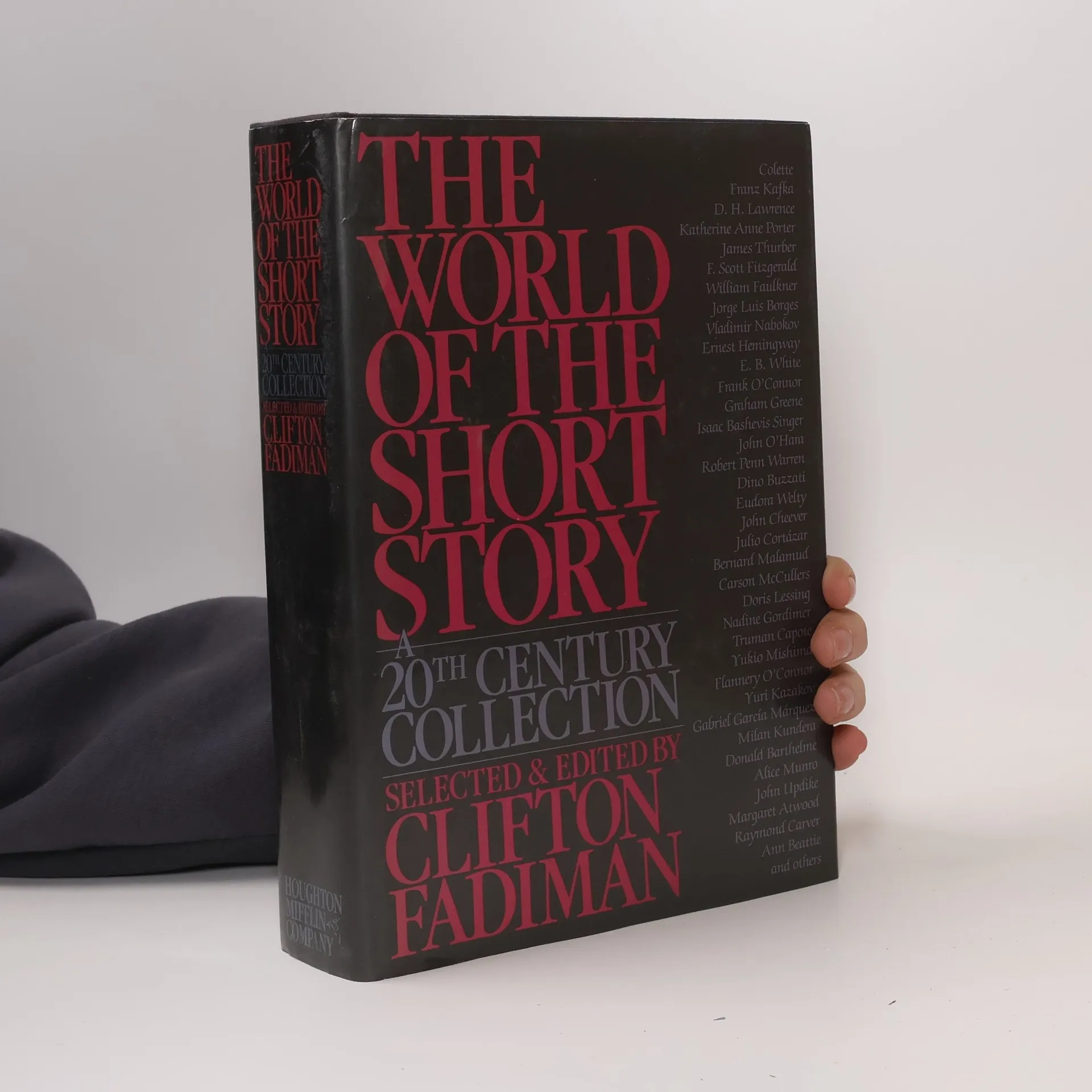
At age 82, Clifton Fadiman continues his prolific publishing career, here presenting 62 of the world's best short stories from 16 countries. His criteria? "Each story had to be both interesting and of high literary merit." Fadiman fulfills both requirements and much more, offering a cornucopia of superior 20th-century writers that includes Franz Kafka, D. H. Lawrence, Isaac Babel, F. Scott Fitzgerald, William Faulkner, Ernest Hemingway, John Cheever, Sean O'Faolain, Graham Greene, Robert Penn Warren, Colette, John Updike, Donald Barthelme, and James Thurber. (Regrettably, J. D. Salinger is not included due to lack of permission.) Here is a truly remarkable collection of this century's short stories that readers from all over the world will read with delight.
In Philip Roth's intimate intellectual encounters with an international and diverse cast of writers, they explore the importance of region, politics and history in their work and trace the imaginative path by which a writer's highly individualized art is informed by the wider conditions of life. With Primo Levi, Roth discusses the stubborn core of rationality that helped the Italian chemist-writer survive the demented laboratory of Auschwitz. With Milan Kundera, he analyzes the mix of politics and sexuality that made him the most subversive writer in communist Czechoslovakia. With Edna O'Brien, he explores the circumstances that have forced generations of Irish writers into exile. Elsewhere Roth offers appreciative portraits of two friends--the writer Bernard Malamud and the painter Philip Guston--at the end of their careers, and gives us a masterful assessment of the work of Saul Bellow. Intimate, charming, and crackling with ideas about the interplay between imagination and the writer's historical situation, Shop Talk is a literary symposium of the highest level, presided over by America's foremost novelist.
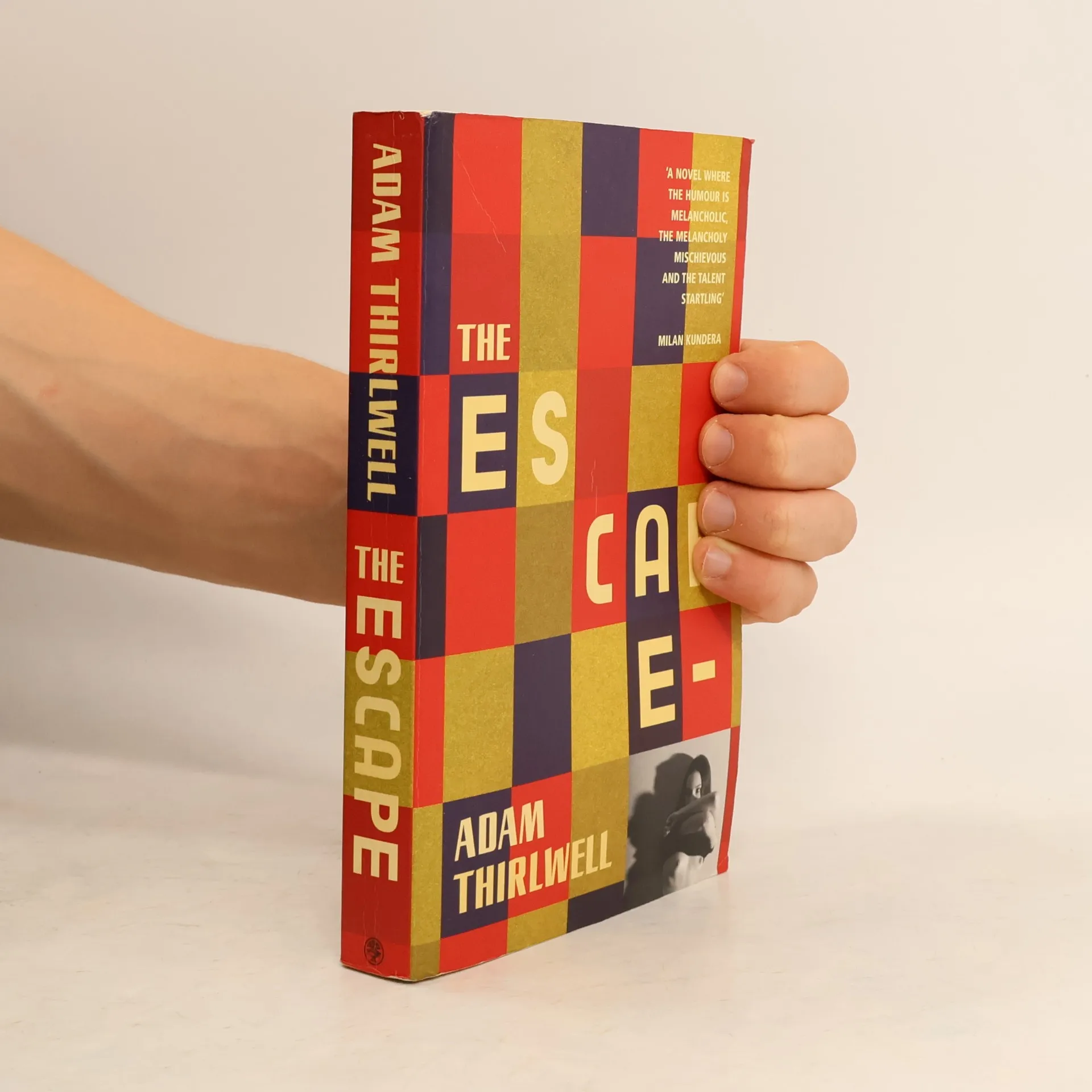
Haffner is charming, morally suspect, obsessed by the libertine emperors, vain. "The Escape "tells the story of Haffner and his lifetime of metamorphoses and disappearances. But how can you ever escape your past, your family, your history? That is the problem of Haffner. "The Escape "opens in a spa town snug in the eastern Alps, where Haffner has come to claim his widow's inheritance: a villa expropriated in darker times. After weeks of ignoring his task in order to conduct two affairs--one with a capricious young yoga instructor, the other with a hungrily passionate married woman--he discovers at last that he wants this villa, very much. Squabbling with bureaucrats and their shadows means a fight, and Haffner wants anything he has to fight for. From these comic couplings and uncouplings emerge the stories of Haffner's century: the chaos of World War II, the heyday of jazz, the postwar diaspora, the uncertain triumph of capitalism, and the inescapability of memory.
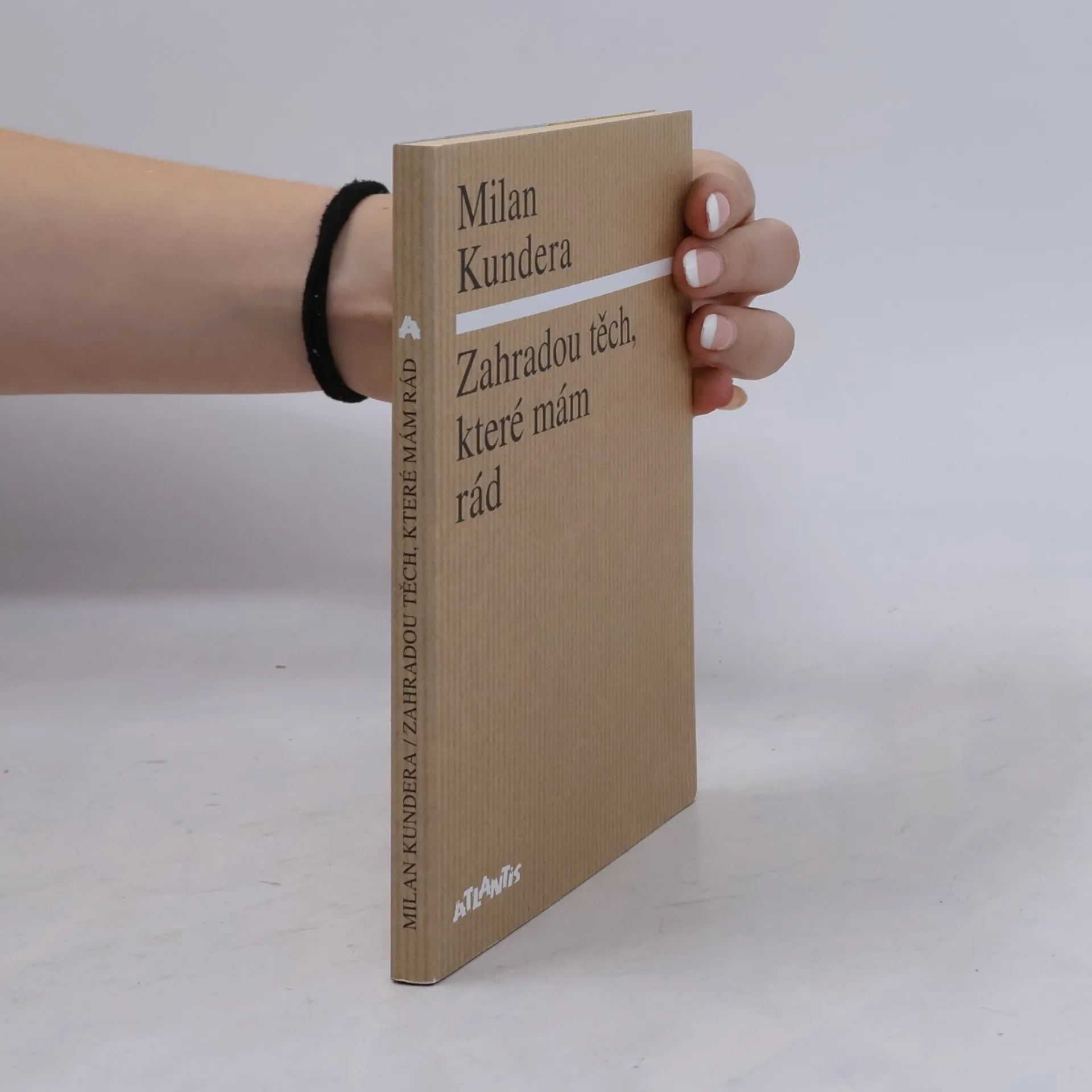
Šestý svazek esejů Milana Kundery se jmenuje Zahradou těch, které mám rád. Texty této knihy autor napsal a publikoval v letech 1989-2008. Spolu s jinými úvahami vyšly v knize Une rencontre (Gallimard 2009).
Na záložce se dočtete: „Tato kniha je věnována zejména umění románu, které je pro Kunderu ze všech umění to nejevropštější (Rabelais, Cervantes...) a umí odhalit na lidském životě, co jinak nelze uvidět (Carlos Fuentes, Anatole France, Curzio Malaparte...); kniha mluví též o tom, co znamená žít v jiné zemi, než je ta rodná (Věra Linhartová, Škvorečtí, Danilo Kiš...), a vzdává poctu těm, kdo neváhali jít proti vládnoucí blbosti (milovaný Fellini...); ti všichni pro Kunderu tvoří ‚zahradu těch, které má rád‘.“
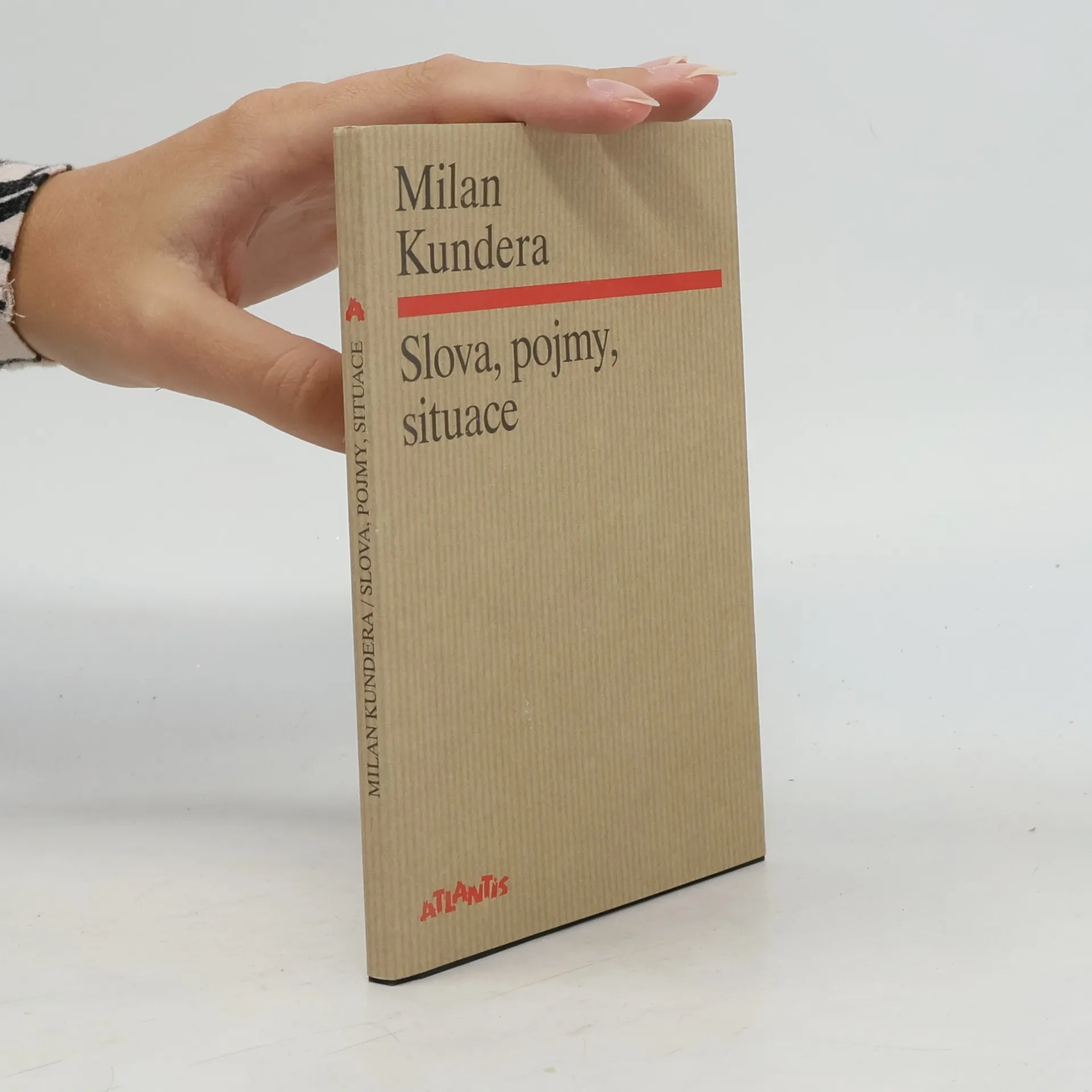
Pátý svazek esejů se jmenuje Slova, pojmy, situace. Autor píše na záložce: „Umění románu, jehož dějiny započaly velkým Rabelaisovým dílem na počátku 16. století, doprovází až dodneška Evropu a její konkrétní život. Tato malá knížka nemá nic společného s nějakým vědeckým povídáním. Je složena z různých krátkých zamyšlení nad lidskými situacemi, tak jak jsem se o to snažil já sám (první část Slova), ale zejména umění románu během celých svých dějin (druhá a třetí část: Pojmy a Situace).“ SLOVA jsou autorova definitivní česká verze šesté části knihy L‘art du roman (Umění románu). POJMY obsahují autorův český překlad páté části knihy Le rideau (Opona), kde vyšly pod názvem L’esthétique et l’existence (Estetika a existence). SITUACE tvoří texty druhé části knihy Une rencontre (Setkání) s názvem Romans, sondes existentielles (Romány, existenciální sondy).
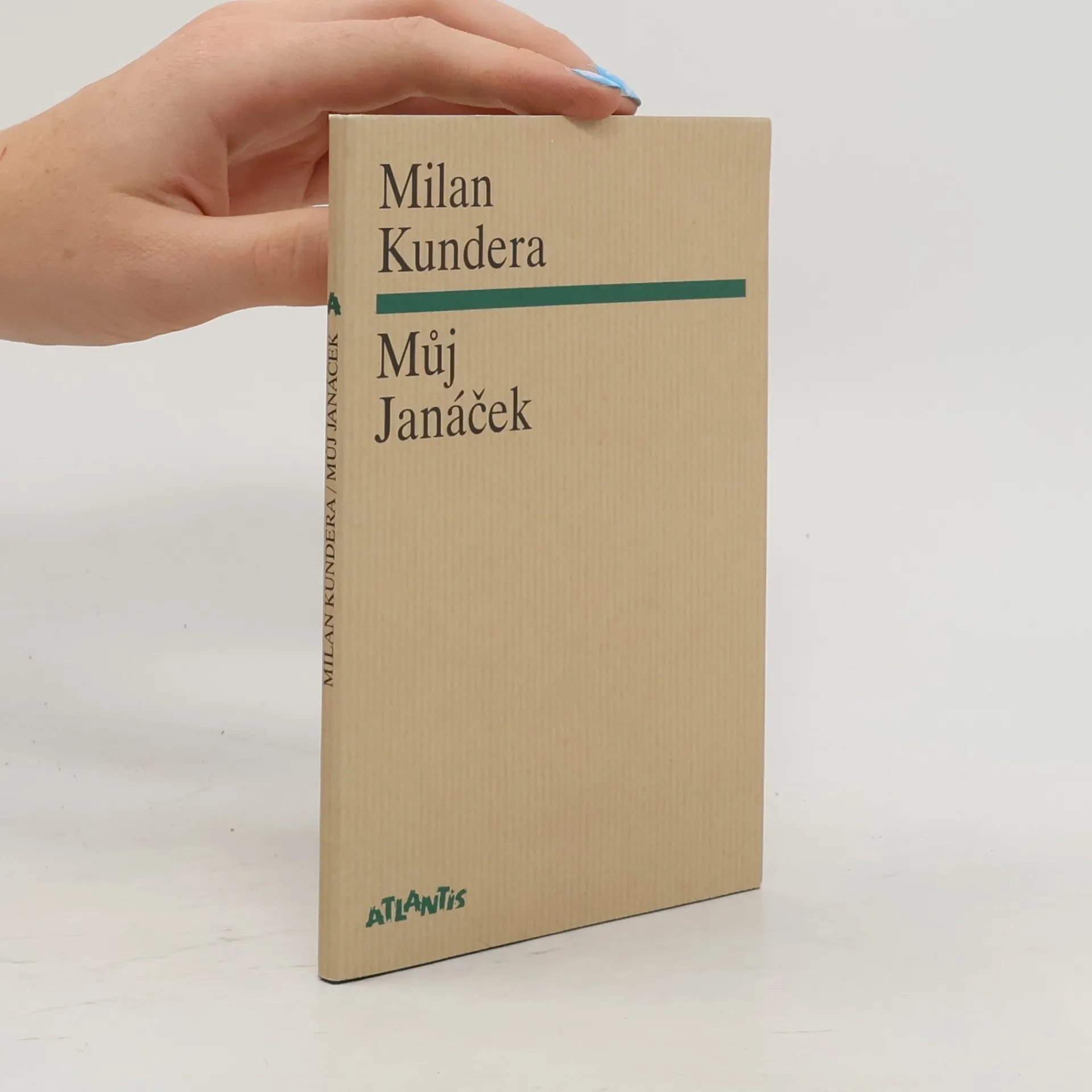
Svazek obsahuje tři Kunderovy texty o Janáčkovi, které vznikly ve Francii mezi rokem 1991 a 2004. V třetím textu (záznamu rozhlasového rozhovoru, který vysílal Český rozhlas 3 – Vltava dne 3. července 2004) formuluje Kundera základní otázku: Je Janáček „jen zajímavým skladatelem jakéhosi exotického koutu Evropy, anebo jedním z tvůrců moderní světové hudby“? Tato otázka podle Kundery provází Janáčkovo dílo jako jeho úděl a prosvítá za všemi texty: v prvním z nich, Hledání přítomného času, je Janáčkova opera srovnávána s úsilím Flauberta a Hemingwaye uchopit „prózu života“ a její „přítomný čas“; v druhém, Liška Bystrouška, drásavá idyla, je Janáček řazen k velkým osamělým antiromantikům Střední Evropy; v posledním, Nepravděpodobný osud (rozhovor s Tomášem Sedláčkem), je Janáčkův osud konfrontován s největšími skladateli moderní hudby, od Schönberga ke Stravinskému.
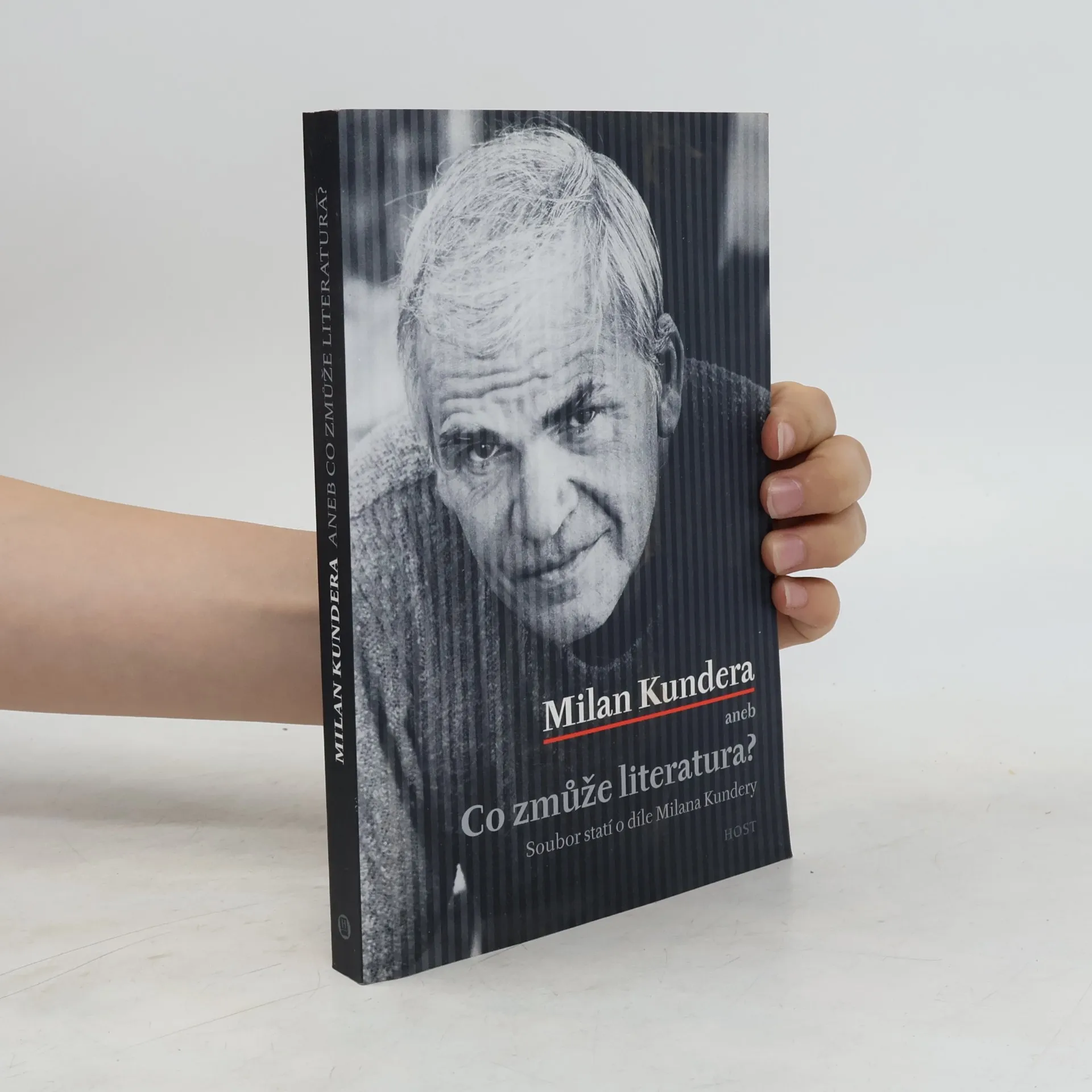
Kolektivní monografie věnovaná dílu Milana Kundery navazuje na stejnojmennou mezinárodní konferenci konanou v Brně v roce 2009. Publikace spojuje příspěvky odborníků k jednotlivým aspektům díla Milana Kundery (Češka, Kosková, Richterová) se studiemi (literárních) historiků a teoretiků, kteří se vyslovují ke konkrétním problémům tvorby tohoto autora (Pavel, Steiner, Koten, Sládek), nechybí ani pohledy z jiných oborů (Scarpetta). Analyzováno je hlavně Kunderovo dílo beletristické, především v jeho estetických a ideových souvislostech, středem zájmu jsou též autorovy eseje a jeho celkový filozofický a kulturní odkaz, a to napříč uměleckými médii.
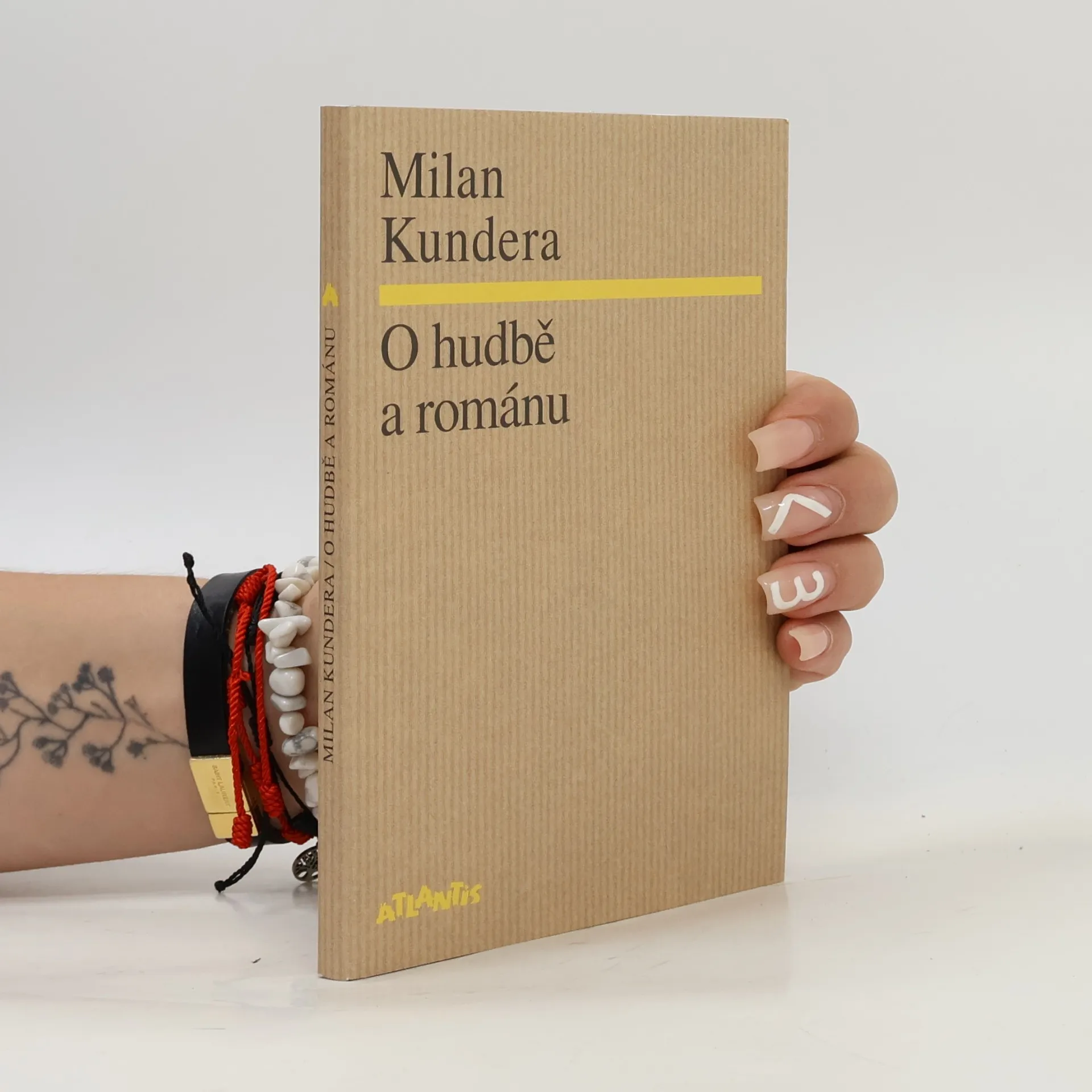
Sedmý svazek esejů Milana Kundery se jmenuje O hudbě a románu.
Na záložce se dočtete: „Neobávejte se: to není žádná univerzitní přednáška, ale úvaha plná překvapivých odboček, vzpomínek, polemických pasáží i vtipů, vyprávěných někým, kdo byl celým svým životem spjat jak s románem, tak s hudbou, těmito dvěma uměními, která patří Evropě více než kterákoli jiná, protože právě ona Evropu vytvořila. Není to ostatně žádné nedorozumění, že za knihu Zrazené testamenty — z níž pocházejí obě části této knížky — byla Kunderovi v roce 1996 udělena cena americké Společnosti hudebních skladatelů (ano, hudebních skladatelů).“
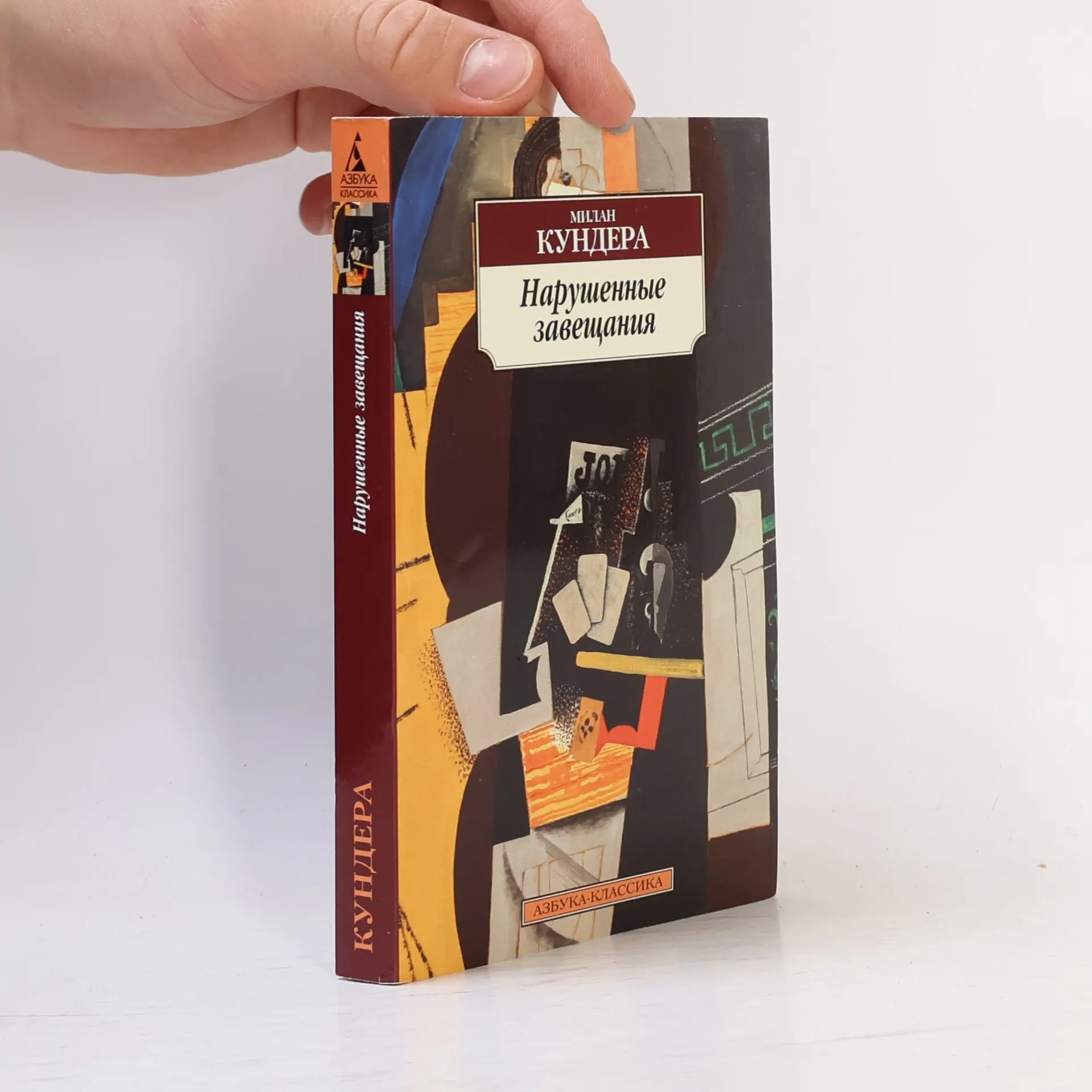
После успешного сборника "Мой Яначек" выходят под названием "Нарушенные завещания" две эссе Милана Кундеры, посвященные искусству романа: "Нарушенные завещания" и "Иерусалимская речь: Роман и Европа". Эти работы исследуют глубинные аспекты романа как жанра, его влияние на культуру и общество, а также роль литературы в формировании европейской идентичности. Кундера анализирует, как роман может отражать сложные человеческие переживания и исторические контексты, раскрывая многослойность и разнообразие этого литературного жанра.
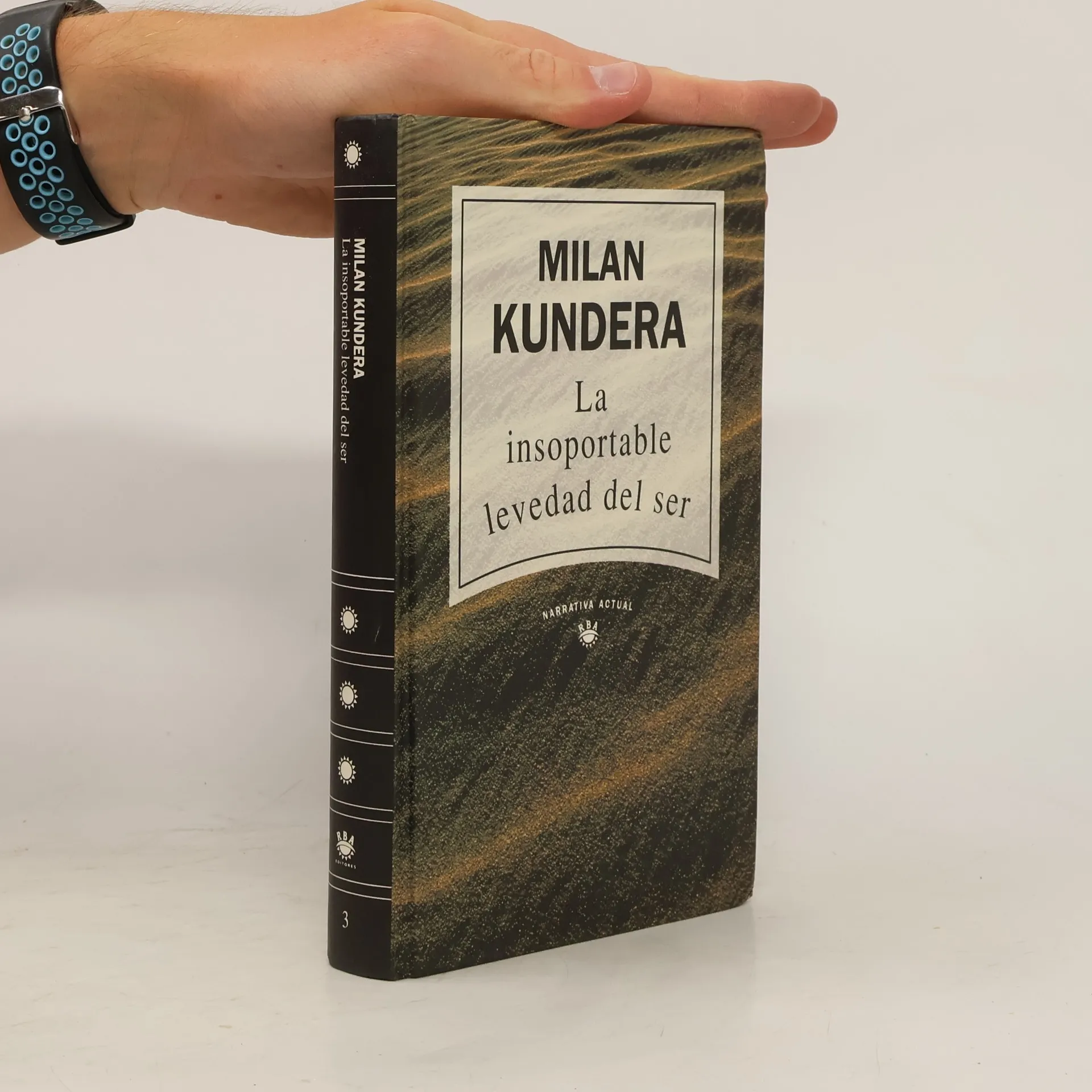
Sie kam ihm vor wie ein Kind, das jemand in ein pechbestrichenes Körbchen gelegt und auf dem Fluß ausgesetzt hatte, damit er es am Ufer seines Bettes barg. Der Prager Chirurg Tomas, der die Frauen begehrt und zugleich fürchtet, ein Erotomane, der seine Scheidung wie eine Hochzeit feierte und fortan der Liebe aus dem Weg ging, bricht für die Kellnerin Teresa mit einigen seiner Grundsätze. Seine erotischen Freundschaften, wie jene mit der Malerin Sabina, führt er aber weiter. Teresa verläßt ihn in Zürich, wo sich die beiden, inzwischen verheiratet, nach dem russischen Einmarsch in Prag, niedergelassen haben. Sie kehrt in ihr Heimatland zurück, er folgt ihr, verliert seine Stellung und arbeitet als Fensterputzer, später als Lastwagenfahrer in einem Dorf fern von Prag. Das Glück endet wiederum in der Katastrophe - Tomas und Teresa sterben bei einem Verkehrsunfall nach einem Tanzabend. Der Roman Die unerträgliche Leichtigkeit des Seins verschaffte Milan Kundera den internationalen Durchbruch. Milan Kunderas Roman mutet wie ein kühnes intellektuelles Feuerwerk an, in welches sich immer wieder auch die Raketen des Sentiments und der Sinnlichkeit mischen
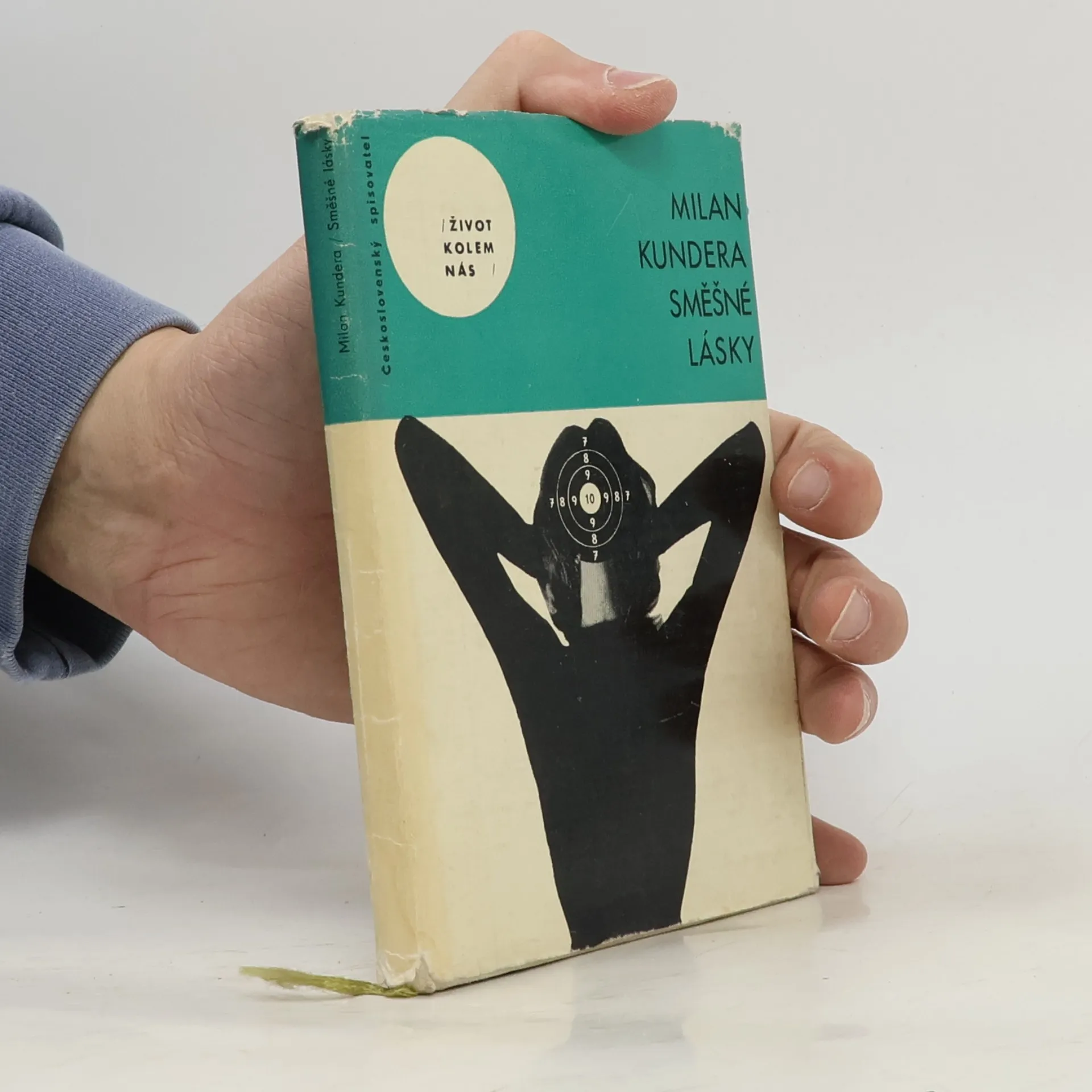
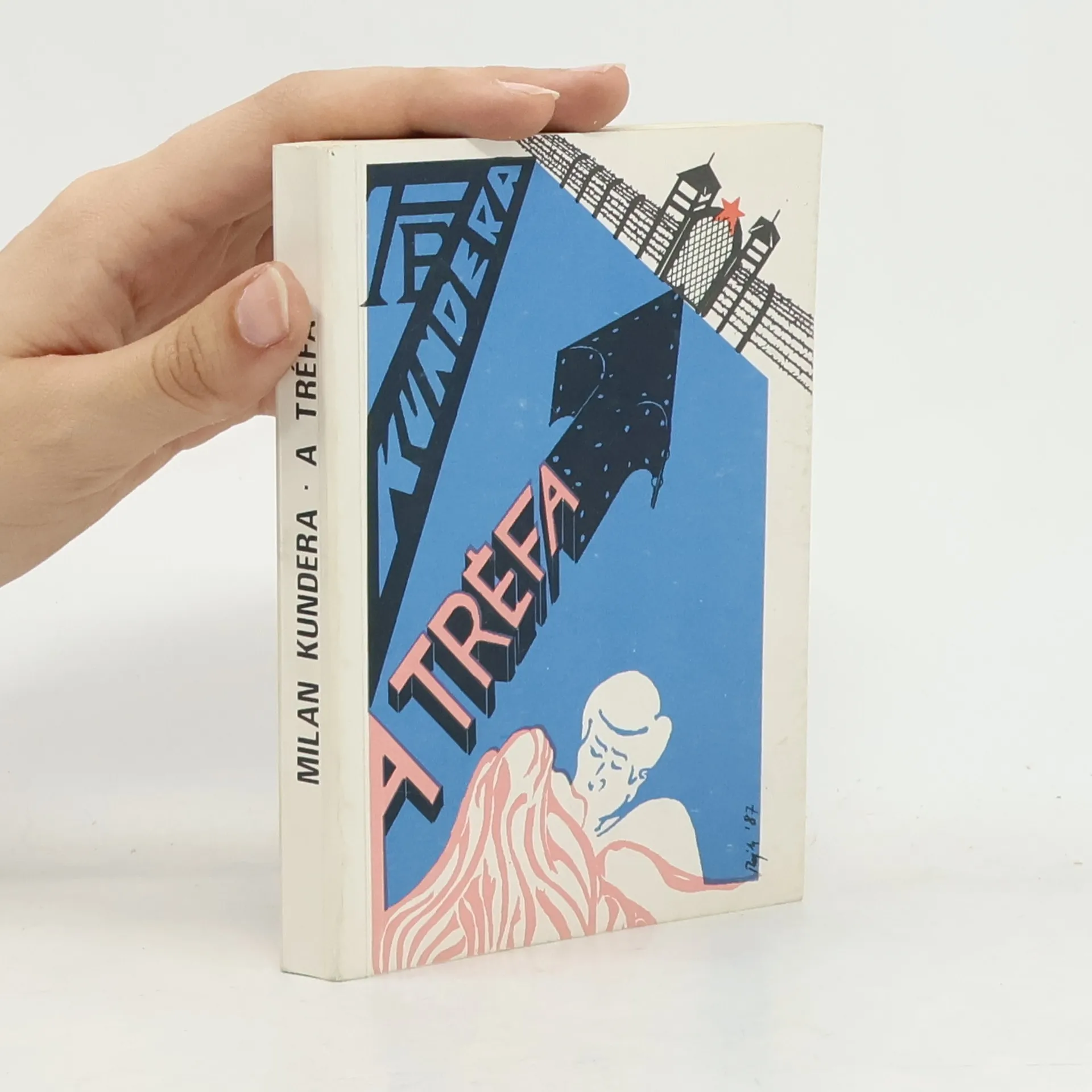
Tři povídky (Zlaté jablko věčné touhy, Zvěstovatel, Falešný autostop) o lásce nerozpačitě nahlížející do intimní sféry dnešního člověka a ukazující, že jak muž, tak i žena nejsou než tu komickými a jinde tragickými služebníky choutek a rozmarů sexu.
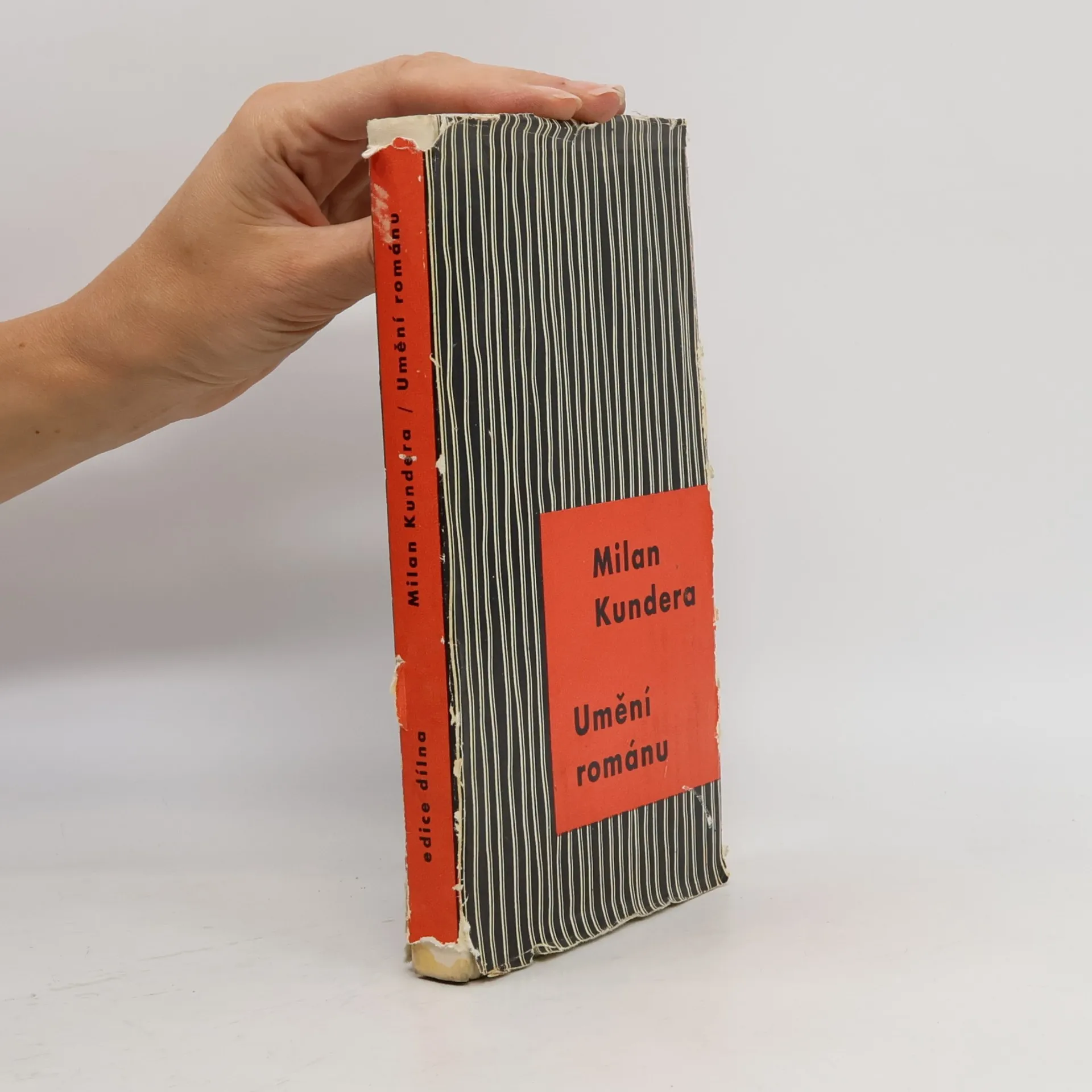
Soubor esejí rozebírajících a hodnotících prózu Vladislava Vančury, kterou autor konfrontuje s vývojem evropského románu za posledních sto let. Závěry vyvozené ze svých úvah a studií Kundera zobecnil a formuloval jako příspěvky k teorii románu.
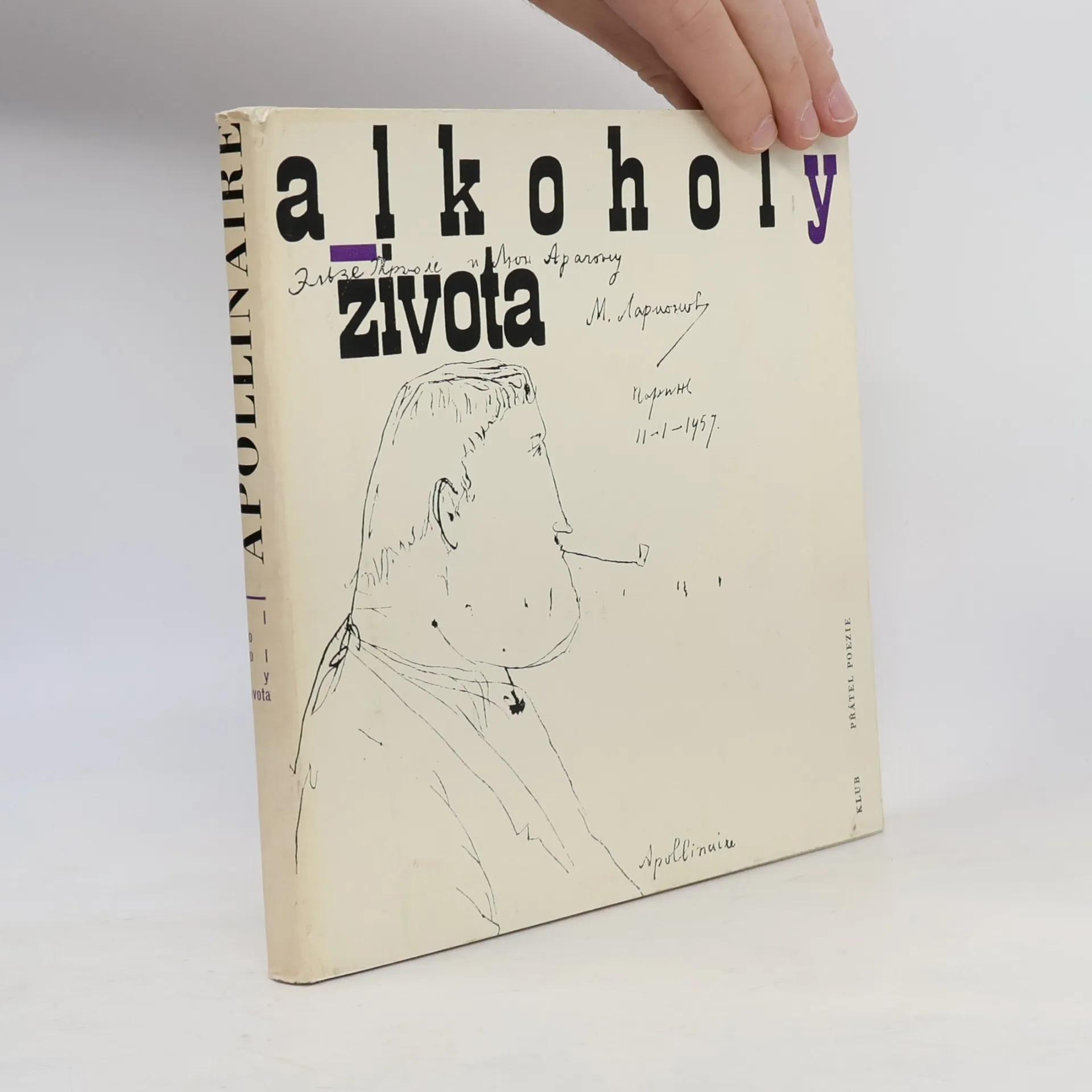
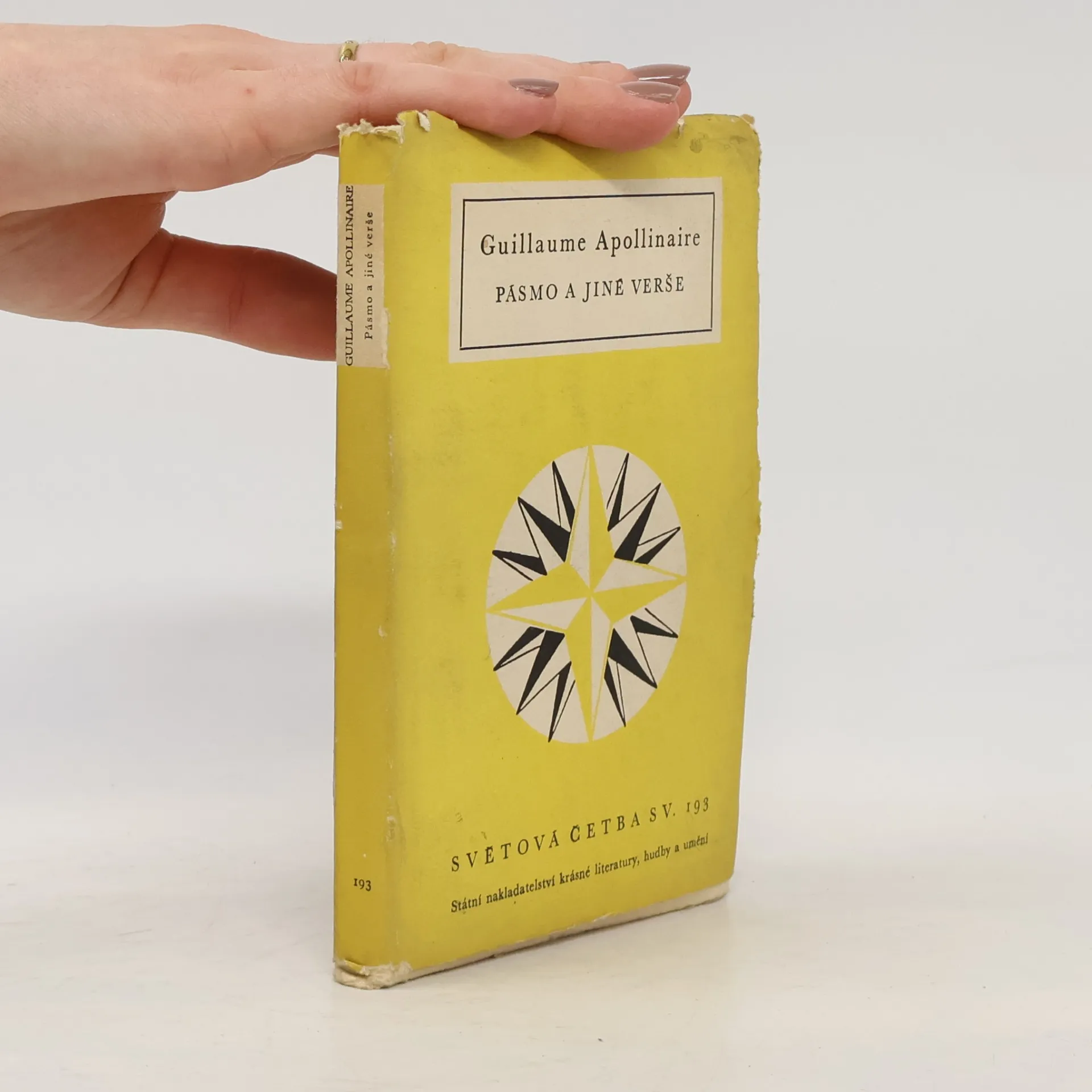
Kniha sestavená Adolfem Kroupou a Milanem Kunderou, který připojil i úvodní esej, představuje průřez básníkovým dílem a životem, s řadou reprodukcí a fotografií a komentářů Apollinairových současníků. Výbor z básníkova díla (Alkoholy, Kaligramy, Dopisy pro Madeleinu a Lou, Zvířecízkazky, Nový duch a básníci) doplňují dokumentární fotografie a kresby, svědectví a vyznání básníků jak cizích, tak našich a podrobné apollinairovské kalendárium. Z připojené mikrodesky zazní autorovy básně Ocúny, Sličná rusovláska a Růženka v přednesu V. Vosky a P. Leclera.
В романе «Неспешность» знаменитый чешский писатель Милан Кундера сравнивает различные стороны современного человека, живущего в мире сверхскоростей, с «неспешностью» жизни, описанной в новелле Вивана Денона, французского автора XVIII века.Роман «Подлинность» повествует о психологическом конфликте между двумя влюбленными, которые волею случая утрачивают в глазах друг друга прежнюю индивидуальность.
Dans Le Rideau, Milan Kundera oppose la « morale de l’archive », qui justifie la publication de tout ce qu’un auteur a écrit, à la « morale de l’essentiel », qui ne retient que les textes jugés dignes par l’auteur. Ainsi, cette édition ne présente pas des Œuvres complètes, mais une Œuvre définie par l’auteur lui-même, incluant un recueil de nouvelles, neuf romans, une pièce de théâtre issue d’un roman, et quatre essais sur l’art du roman. Ces quinze livres incarnent la volonté esthétique de Kundera, mûre et consciente. Le texte, souvent retouché par l’auteur lors de rééditions, vise à être aussi définitif que possible. Cette édition ne contient pas de biographie de Kundera, mais plutôt la biographie de son œuvre. François Ricard, à travers quinze chapitres, retrace le destin de ces livres, évoquant leur publication, diffusion et réception. Chaque chapitre est enrichi d’extraits de déclarations, notes ou préfaces de Kundera, offrant un accès à des écrits difficiles à trouver, voire inédits en français.
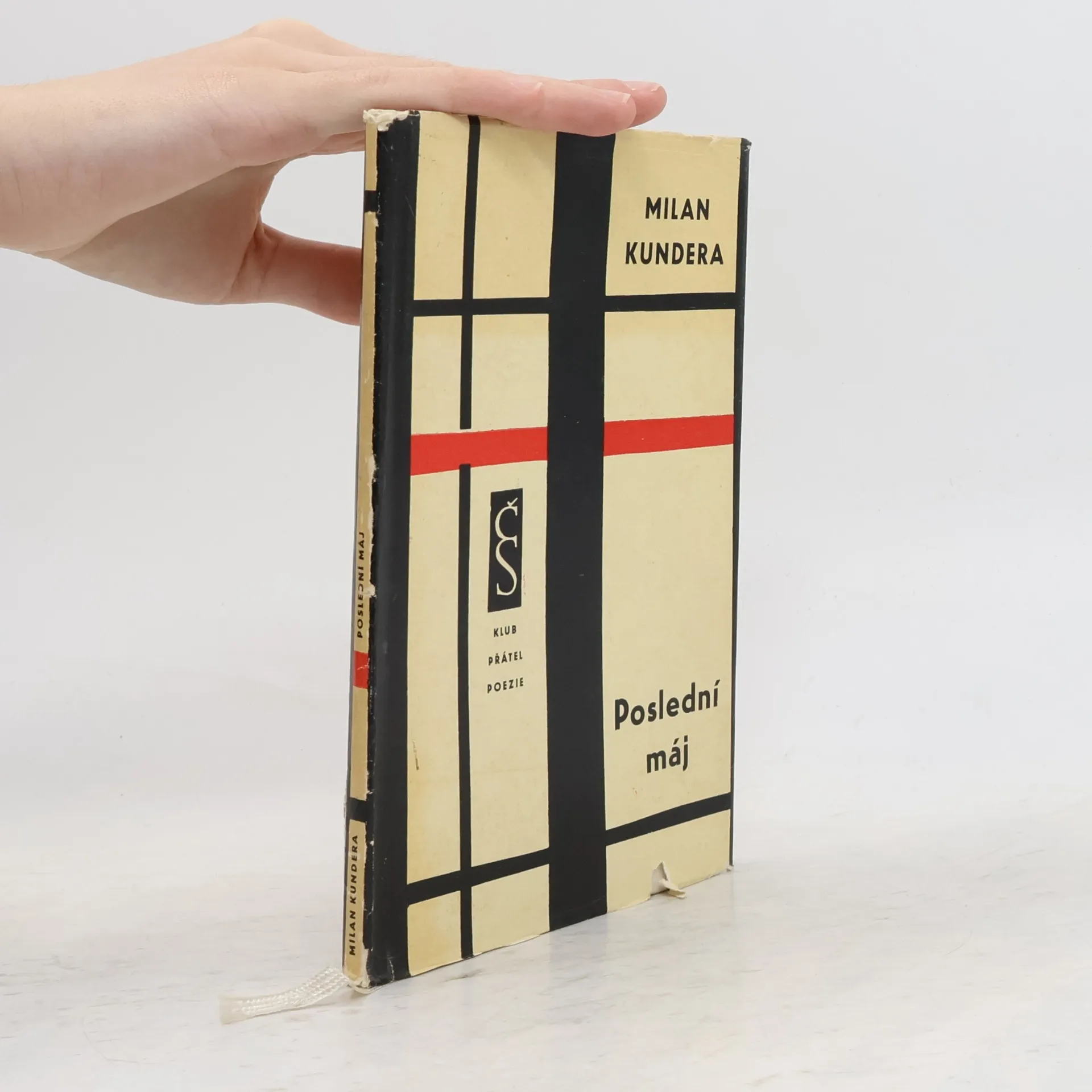
Rozlehlá poéma o Juliu Fučíkovi, jejž gestapák Böhm uprostřed jarem rozkvetlého Petřína a tváří v tvář kráse Prahy marně svádí k zradě idejí komunismu a národa.
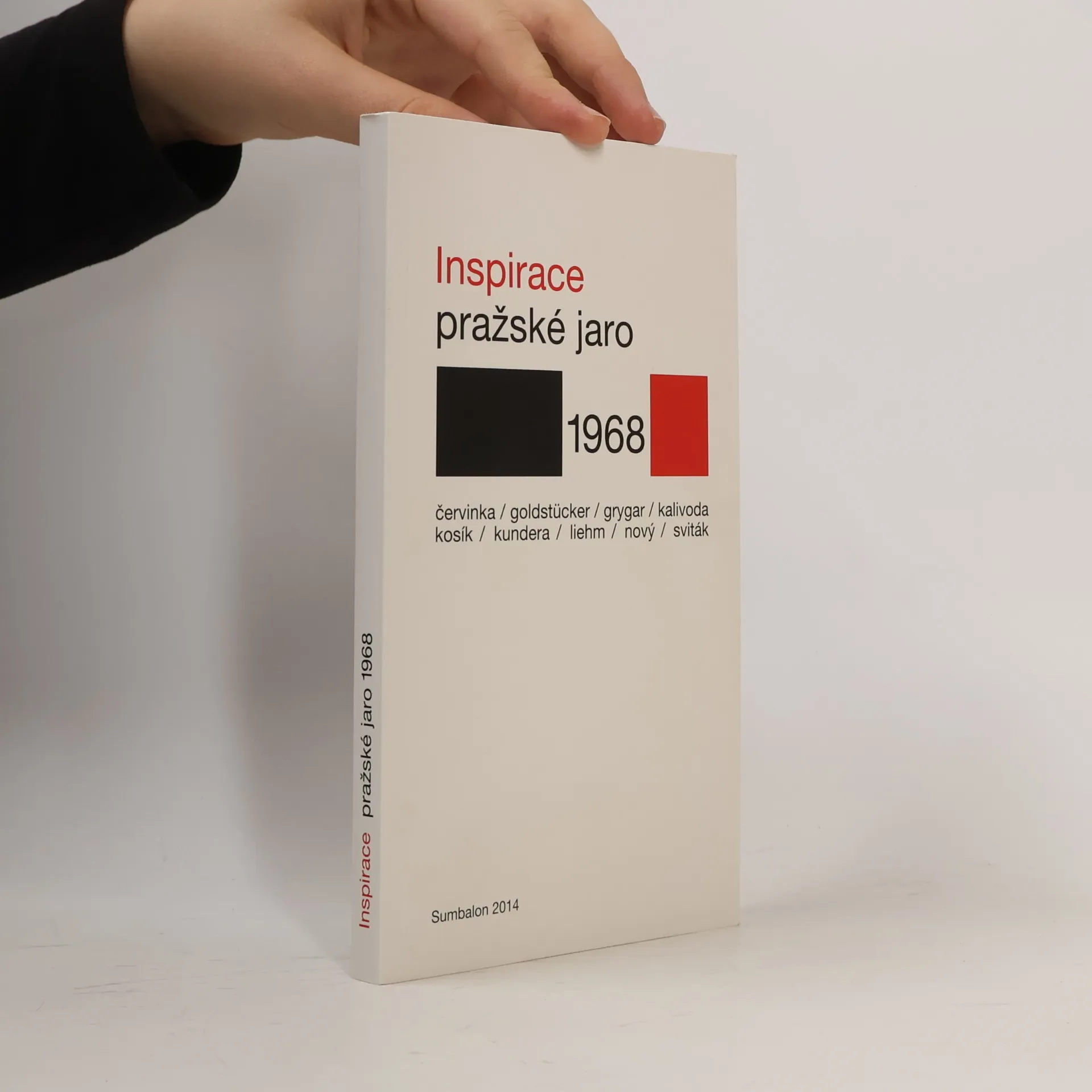
Soubor statí publikovaných v Literárních novinách mezi lety 1967-69 zahrnuje příspěvky významných českých myslitelů druhé poloviny dvacátého století, jako jsou Milan Kundera, Karel Kosík a Robert Kalivoda. Od konce padesátých let se tento kulturní týdeník snažil o znovuzačlenění české kultury do evropského kontextu, což se podařilo až na konci šedesátých let. LN se staly jedním z nejlepších evropských časopisů svého druhu, přestože je četlo jen málo lidí. Jejich proslulost však stále rostla, dokud nebyly umlčeny sovětskými tanky.
Na podzim 1990 A. J. Liehm požádal Kunderu o příspěvek pro česko-slovenskou Lettre. Kundera se zpočátku zdráhal, protože měl pocit, že nemá co nabídnout. Přiznal, že napsal mnoho textů o českých tématech, ale považoval je za příliš apologetické. Zmínil, že má sedm esejů, které by chtěl přeložit do češtiny, ale odkládal to. Nakonec si vzpomněl na Literární noviny z druhé poloviny šedesátých let, které měly obrovský vliv na kulturní a politický diskurs. Vzpomněl si na snahu založit deník Lidové noviny, kde by Kosík a Liehm mohli vytvořit jeden z nejlepších časopisů v Evropě. Po ruské invazi však k tomu nedošlo a Kundera odešel do exilu. Jeho emigrace byla pokračováním cesty za stejným cílem. Na oslavu, kterou by rád navštívil, posílá alespoň sedm písmen jako symbol štěstí.
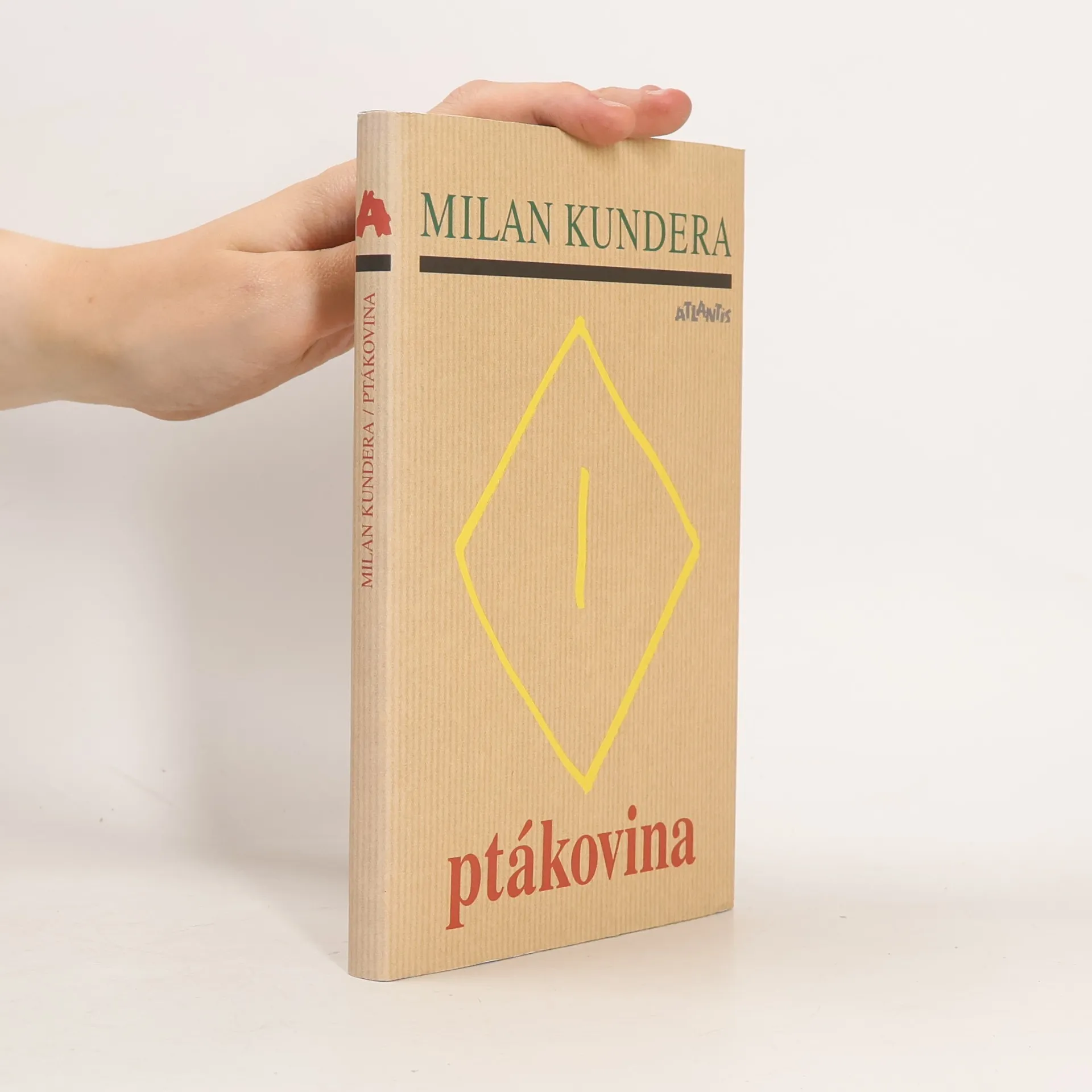
Divadelní hra z roku 1968, s úvodním textem Milana Kundery Autor se ptá autora. Zápletka divadelní hry je jednoduchá: ředitel školy nakreslí na tabuli kosočtverec, který představuje ženské pohlaví, nechá tuto událost vyšetřovat a sarkasticky se baví reakcemi svých kolegů. Vyšetřovací komise křivě obviněného žáka, snaživě přiznávajícího neprovedený čin, odmění údělem fízla. Ředitel, opojený svou mocí, však nerozvážně přiznává manželce předsedy vše, co si doopravdy myslí o jejím muži a tím spadne do pasti, takže se stane proti své vůli jakýmsi sexuálním otrokem. V závěru hry zazní z úst vítězné nevěrné chlípnice zásadní sdělení: „Moc je nejsladší, když je úplně nepřiměřená. Když blbec vládne moudrému, slabý silnému, ohavná krásnému…“
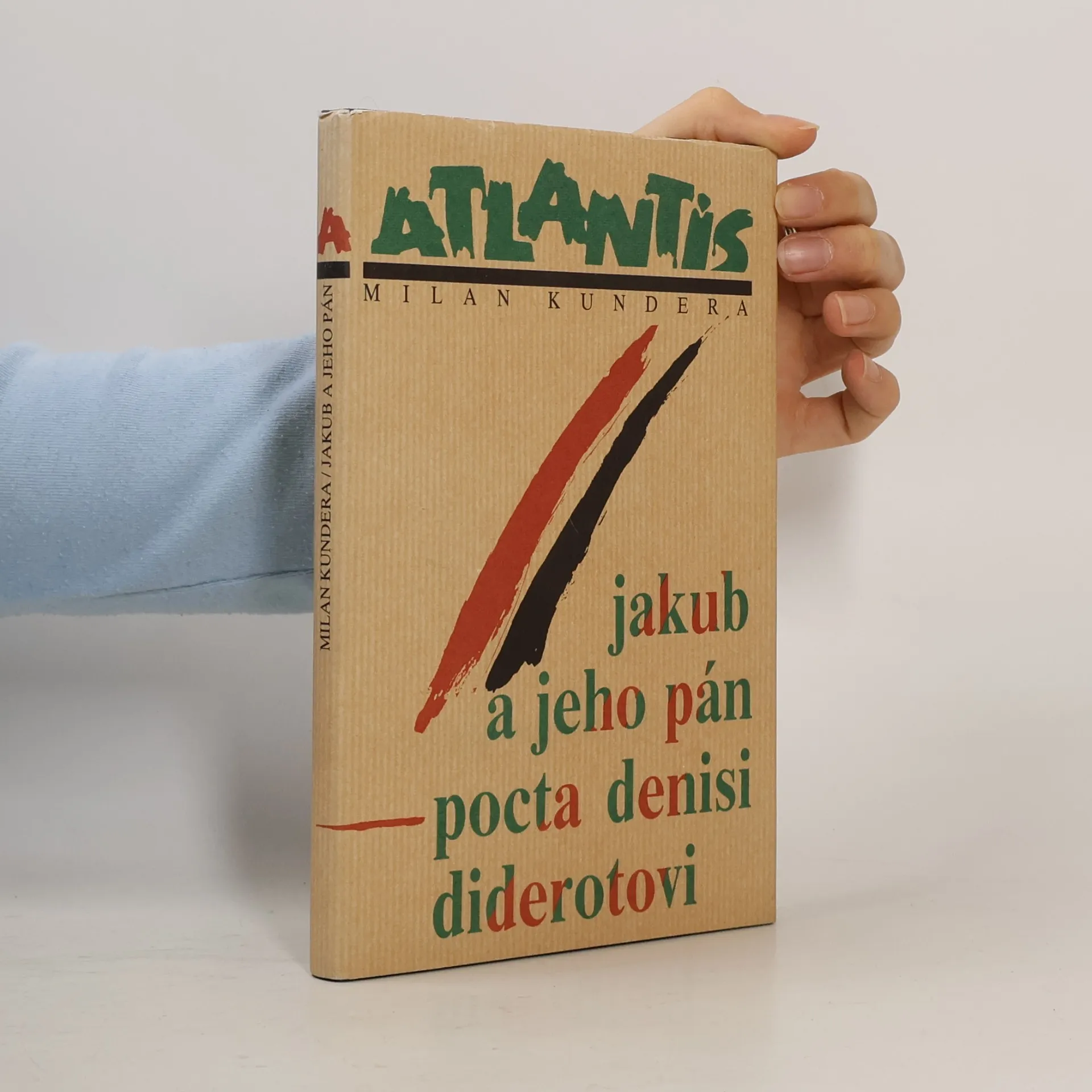
Znamenitá a úspěšná dramatizace Diderotova Jakuba Fatalisty, hravá i krutá studie proměn lidského osudu v neprohlédnutelném světě, je jediný autorův dramatický text patřící k dílům, která „má bez výhrad rád a chce vydávat“.
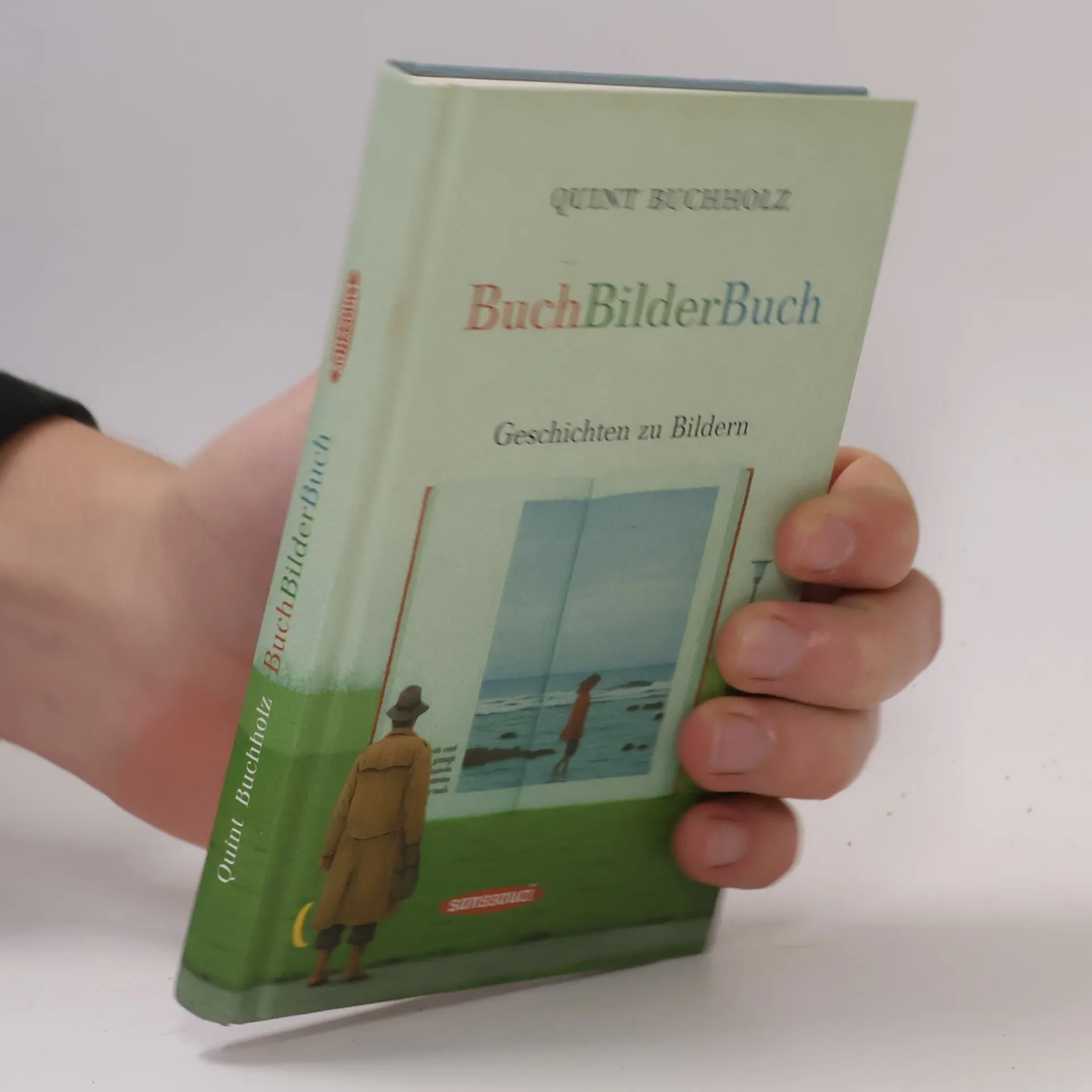
Dieses Buch, das angenehm in der Hand liegt, ist das Ergebnis eines unerwarteten Zufalls, der das geheime Leben der Bücher beeinflusst. Michael Krüger, Chef des Hanser Verlags, beschreibt in seinem Vorwort, wie Quint Buchholz ihm an einem Nachmittag zahlreiche seiner Bilder präsentierte. Einige dieser Zeichnungen sind bereits von Buchumschlägen bekannt, während viele neu sind. Bekannte Autoren wie Elke Heidenreich, Peter Hoeg, T. C. Boyle und Rafik Schami wurden eingeladen, sich von Buchholz' Bildern inspirieren zu lassen und haben jeweils eine Geschichte zu einem seiner Werke verfasst. Die Vielfalt der Geschichten spiegelt die Vielschichtigkeit der Bilder wider und lädt den Betrachter ein, in die geheimnisvollen Welten einzutauchen, die sich hinter den Illustrationen verbergen. Das Buch ist eine wunderbare Sammlung, die sowohl zum Blättern als auch zum Lesen einlädt. Es eignet sich hervorragend, um es während einer Kaffeepause griffbereit zu haben. Diese Geschenkausgabe im Miniformat bietet eine besondere Möglichkeit, die Kunst von Quint Buchholz und die Kreativität namhafter Autoren zu genießen.
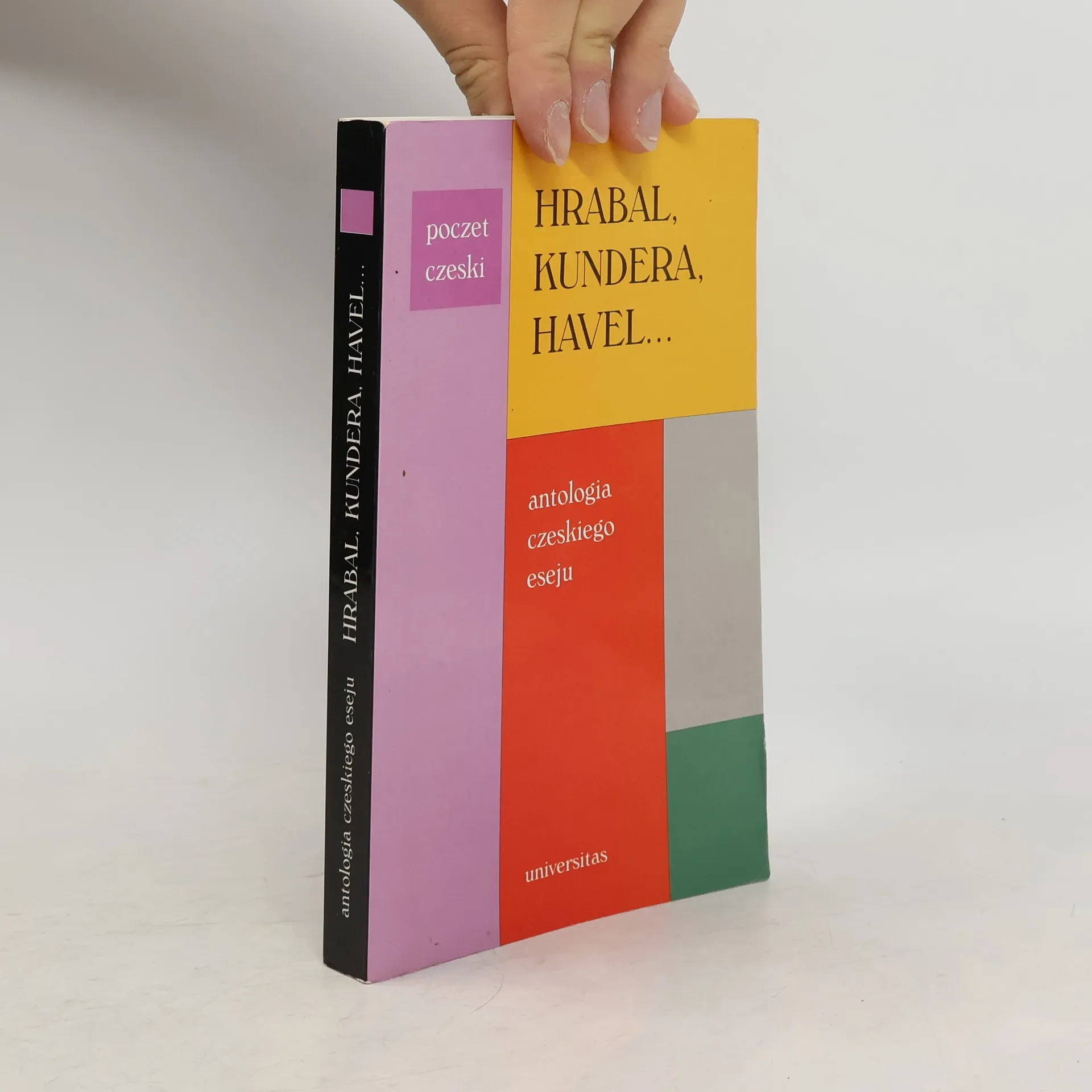
Książka Antologia czeskiego eseju ma na celu zaprezentowanie polskiemu Czytelnikowi czeskiej myśli, kultury, sztuki i literatury. Znalazły się tu utwory należące do klasyki eseju, publikowane w Polsce od końca lat siedemdziesiątych głównie w drugim obiegu i na emigracji. Tematyka eseistyki jest bardzo szeroka: od esejów emigracyjnych do polemik ideowych, od nurtu katolickiego po protestancki. Książka zawiera między innymi eseje: Václava Hrabala "Kim jestem", Milana Kundery "Niekochane dziecko rodziny", Václava Havla "Siła bezsilnych", Václava Bendy "Równoległa polis", Václava Černego "Europejskie źródła czeskiej kultury" i Josefa Kroutvora "Europa środkowa: anegdota i historia".
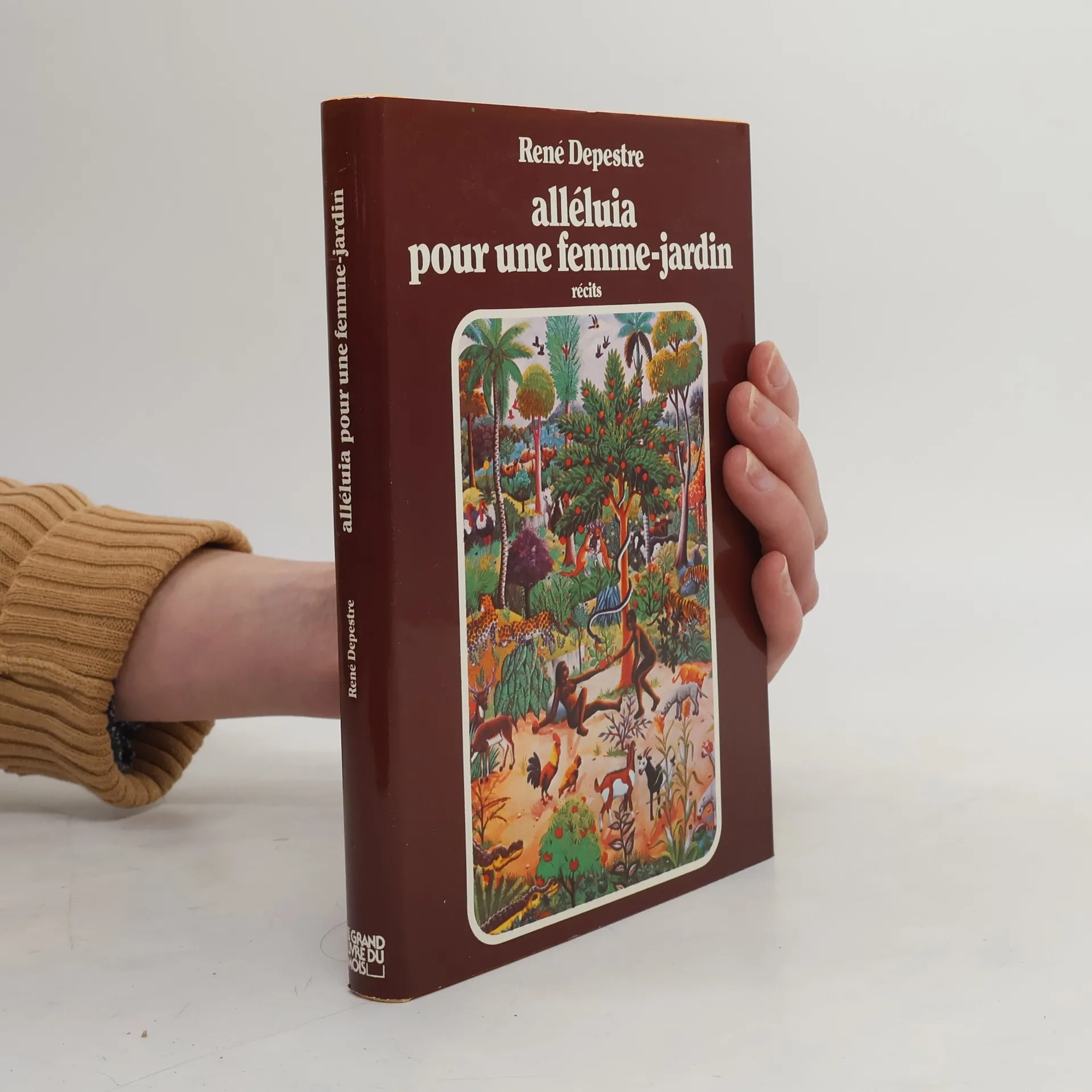
La tante Zaza, à la beauté légendaire, emmène son jeune neveu en vacances à la campagne. Il a seize ans et, ingénument, elle lui fait partager son lit. L'inévitable se produit. Zaza, plus tard, périra dans un incendie, mais son souvenir adorable restera vivant.
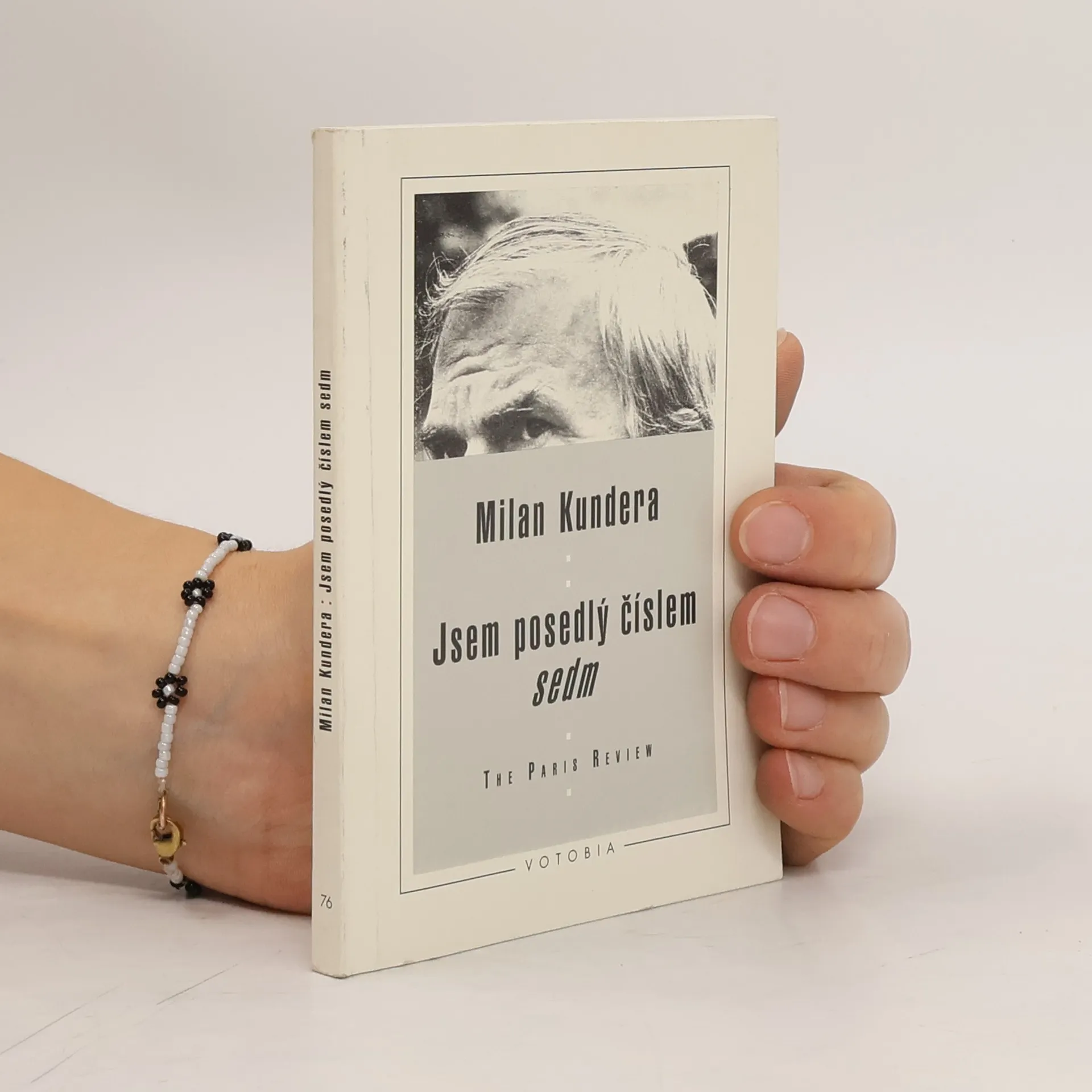
Rozhovor Christiana Salmona s Milanem Kunderou, který původně vyšel v literárním časopise The Paris Review. Je zvláštní, že v tomto rozhovoru Kundera zcela pominul svá raná díla, jako by vůbec neexistovala. Druhou část knihy tvoří studie Petra A. Bílka, která seznamuje s kritickými ohlasy na dílo Milana Kundery v anglofonní jazykové oblasti.
Svazek obsahuje po jedné povídce od tří významných českých spisovatelů – Arnošta Lustiga (Porgess), Milana Kundery (Ztracené dopisy) a Josefa Škvoreckého (Trip do Česka).
"The tale of a man imprisoned and reviled by his own countrymen, the Fable follows its character's decline from virulent hatred to near madness as a result of his violent frustration with the hypocrisy and banality of his fellow human beings. In part because of the story's clear link to his own case - and because of the legal and political difficulties this presented - Celine was compelled to push his famously elliptical, brilliantly vitriolic language to new and extraordinary extremes in Fable for Another Time. The resulting linguistic and stylistic innovation make this work stand out as one of the most original and revealing literary undertakings of its time."--BOOK JACKET.
Milan Kundera is one of the most popular writers of our time. His book
literally fascinate the reader sophistication, style, building plot, because
feelings in heroes. Each new piece by writer adds a number of best-selling
intellectual prose. Kundera is back! Read the long-awaited novel the triumph
of the weak, where the author, under the guise of deceptive lightness and
playful tone, talks about the unbearable the absurdity of existence.
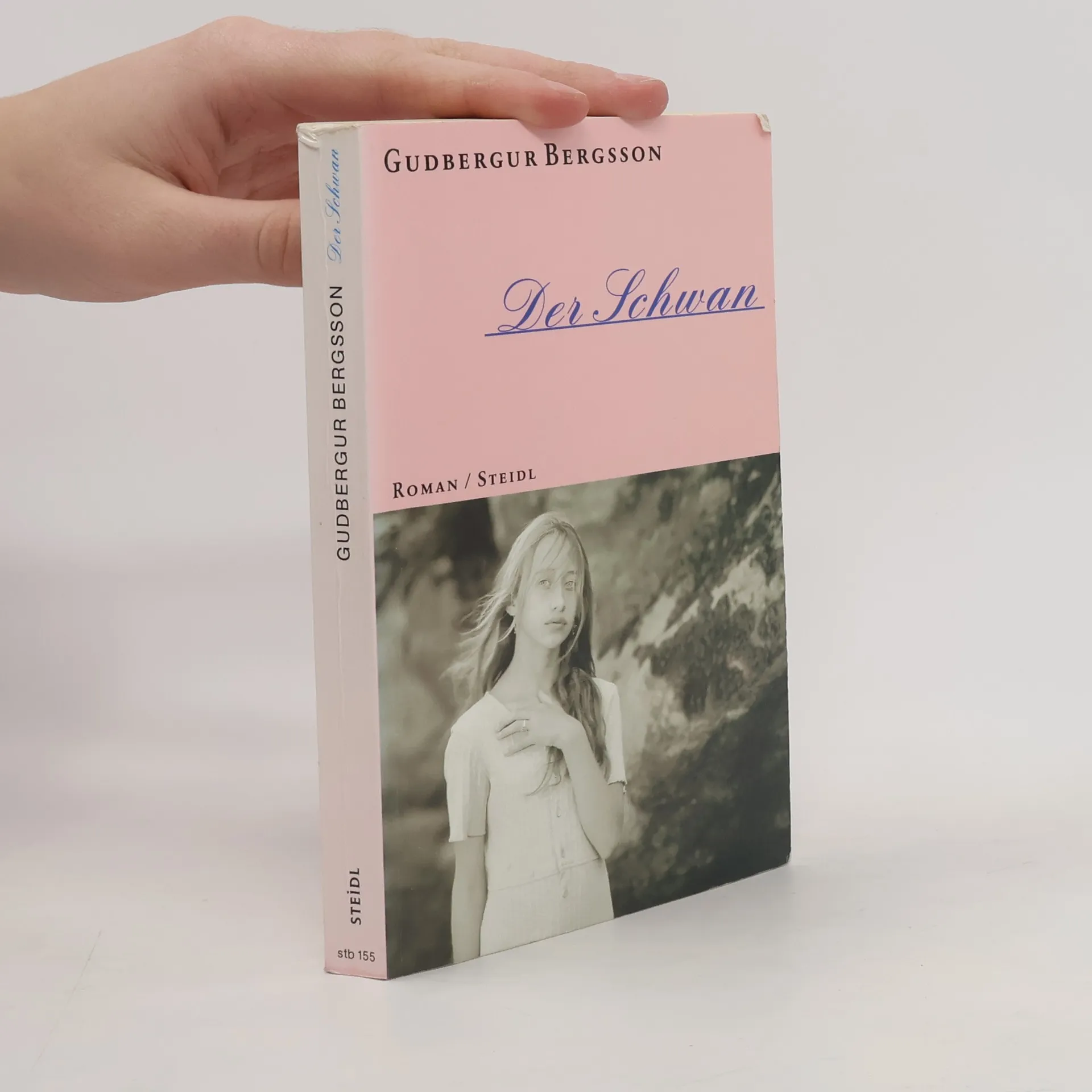
In seinem Roman erzählt der isländische Autor die Geschichte einer Neunjährigen, die zum ersten Mal das Elternhaus an der Küste Islands verläßt. Als Strafe für einen Ladendiebstahl muß sie den Sommer auf einem Bauernhof im Landesinneren verbringen. Allein unter schweigsamen Bauern deutet sie die Rätsel ihrer Umgebung und ihres neuen Lebens mit Hilfe der Phantasie. "Noch viele Tage nach der Lektüre des 'Schwan' war ich wie verzaubert. In diesem Buch werden Sie einen großen europäischen Romancier entdecken, dem es mit einzigartiger Finesse gelingt, das Leben eines heranwachsenden Mädchens einzufangen." (Milan Kundera.)
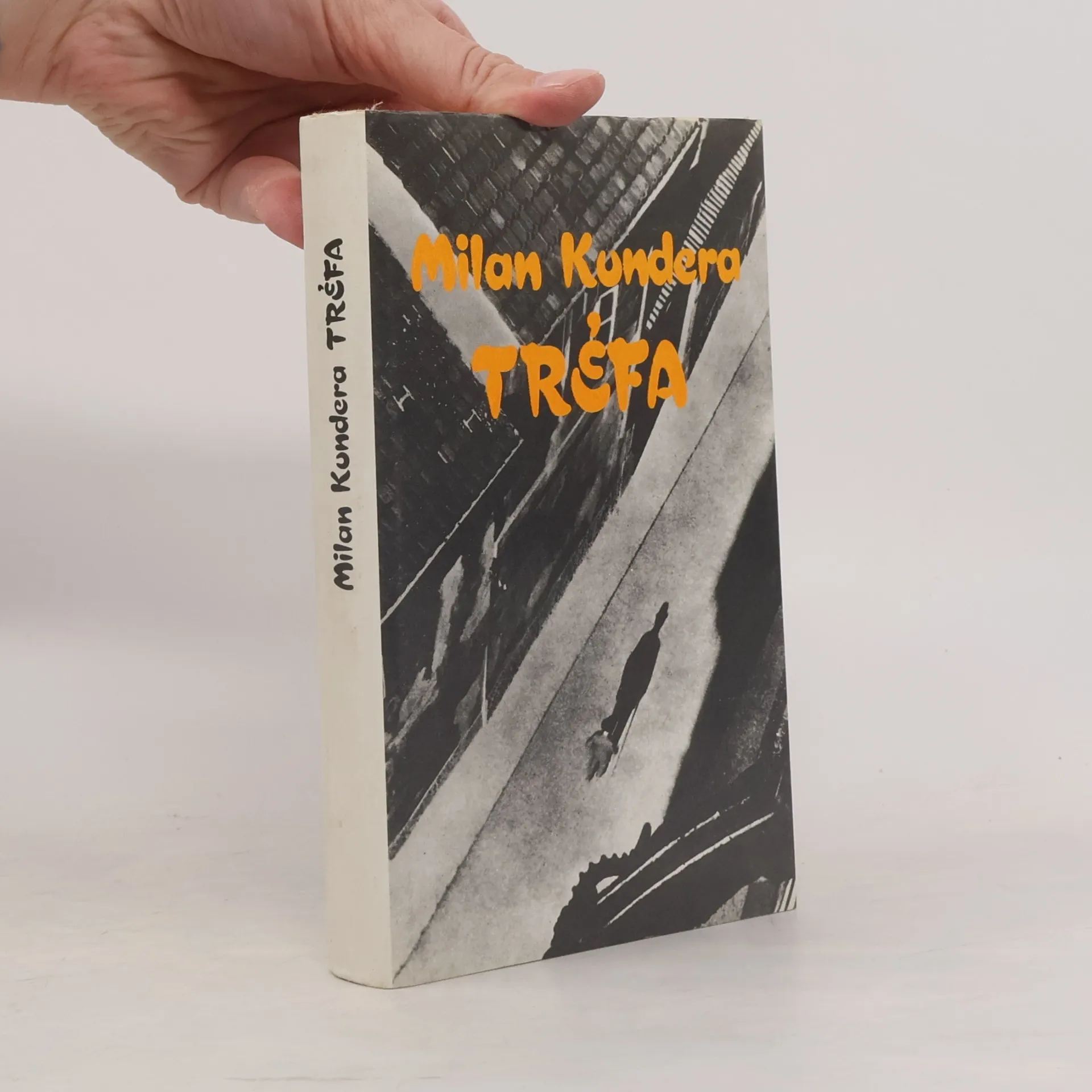
Sbírka veršů, tematicky rozdělena do pěti celků, obsahuje básně z let 1949-53, představuje to nejotevřeji bolševické smyšlení, které MK kdy odvážil ukázat.Nastupující básník hned ve své první knize nezůstává soustředěn na sebe, ale snaží se vyslovit bohatou problematiku našeho dnešního života, věnuje pozornost lidem kolem sebe, zájmům celku. Sbírku uvádí vlastním mottem a potom následuje pět větších cyklů: Zeleň mého domova (opěvující nejenom Moravu, ale především zase lidi, kteří jediní z všedního kousku země dokáží udělat nejdražší domov a vlast), Soukromá dramata (ve kterých zachytil konflikty dnešních lidí). Od obzoru jednoho k obzoru všech (ukazující na poslání básníka), Polemické verše a Veliký pochod, cyklus, kterým se vrací do doby okupace, slovenského povstání, dělnických bojů, v němž poslední slokou slaví největší dny našeho lidu, kdy "psanci země naší / dali se na pochod! Dali se na pochod!"
"Az optimizmus az emberiség ópiuma! Az egészséges lélek ostobaságtól bűzlik. Éljen Trockij!" - írja egy képeslapon Ludvík Jahn, a természettudományi fakultás ifjú hallgatója pártiskolára vezényelt kedvesének. Tréfából. Az 1949-es év Csehszlovákiájában azonban nem ismerik a tréfát. Ludvík Jahnt kizárják a pártból, kirúgják az egyetemről, a katonaságnál a büntetőalakulathoz sorozzák be, bányamunkára küldik. Ludvík Jahn élete és karrierje derékba törik. Hosszú éveken át csak a bosszúvágy élteti. És egyszer csak felvirrad a megtorlás napja. A hajdani, félresikerült tréfát egy másik, éppoly kegyetlen tréfával akarja helyreütni. A tréfa azonban ismét a visszájára, ismét őellene fordul. És ebből lesz a tulajdonképpeni, a minden emberi tréfáknál nagyobb szabású, áttekinthetetlen és visszavonhatatlan, a címadó tréfa, amely mifelénk a történelem képében szokta járatni áldozataival a bolondját. Erről ad felkavaróan és csúfondárosan, immár sokadik kiadásban számot, hányattatásainak fordulatos történetével is, a hajdan világraszóló "botrányt" keltő, majd a világsikerben időtálló klasszikussá érő Kundera-alapmű.
Druhé vydání tří povídek s podtitulem Tři melancholické anekdoty: Já truchlivý Bůh — Sestřičko mých sestřiček — Nikdo se nebude smát. Podle dvou povídek byly natočeny filmy: Nikdo se nebude smát (režie Hynek Bočan, 1965) a Já truchlivý Bůh (režie Antonín Kachlík, 1969).
Obsahuje verše ze sbírek: Po nás ať přijde potopa, Radosti života, Nové verše, politické satiry, jež byly publikovány v brněnských Lidových listech a několik výpravných básní z pozůstalosti. Celé dílo vyjadřuje desiluzi nad soudobým světem a jeho prolhanou idylou, je plné ironie a skepse.Odtud pramení i forma jeho básní, které vycházejí z šansonu, kupletu.
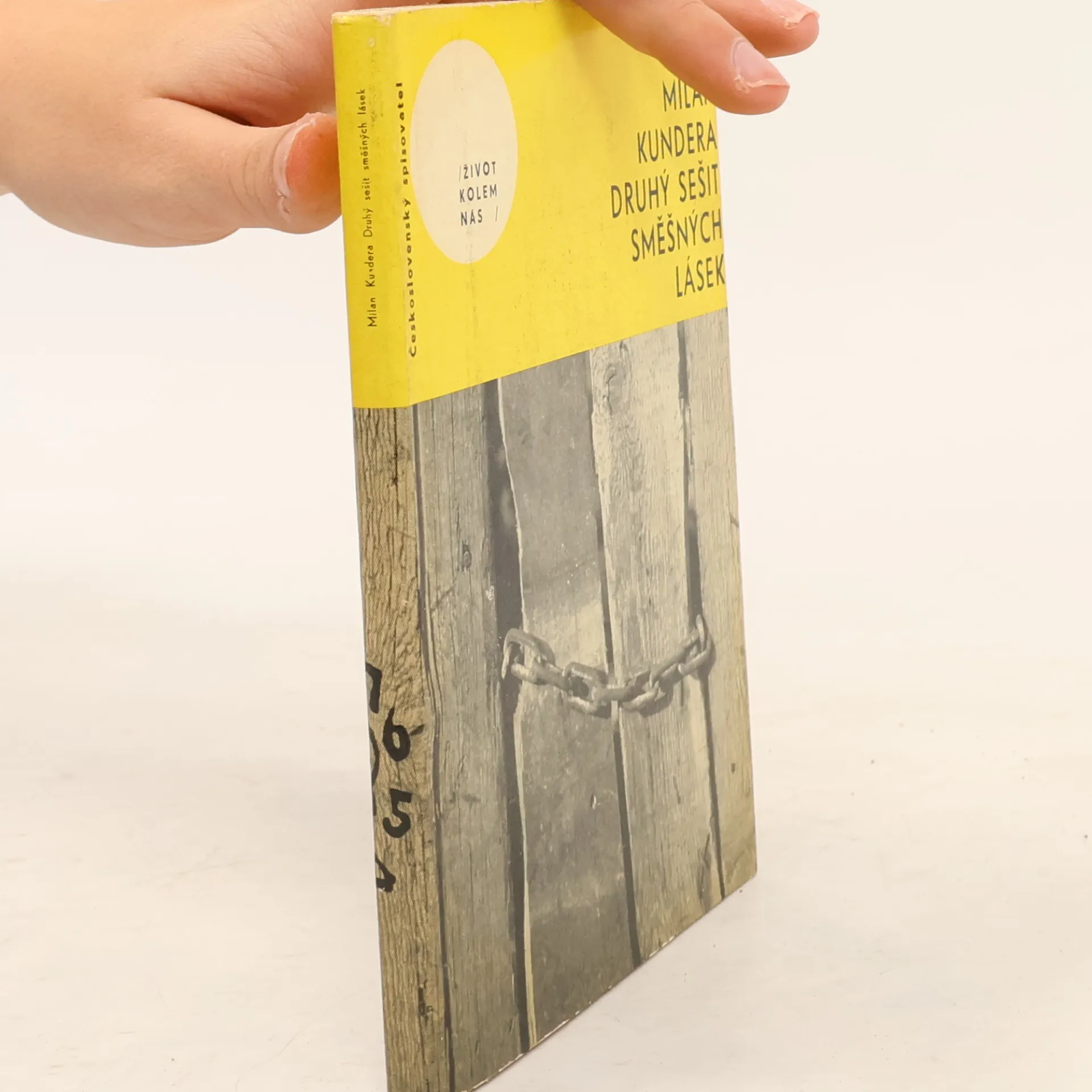
Závěrečný svazek souboru povídek o groteskních podobách lásky v dnešním světě, navazující na dva svazky předchozí (Směšné lásky, Druhý sešit směšných lásek). Příběhy, v nichž autor v groteskních situacích analyzuje milostnou problematiku muže a ženy a zejména pak svár mezi láskou tělesnou a duševní.
Výbor sdružuje několik vtipných, humorných povídek a novel, do kterých vložil Vančura mnoho ze své filosofie radosti a optimismu. Parodií na sportovní kluby je první povídka, F.C. Ball, kreslící postavy lidiček, scházejících se v hostinci u "Dvou litrů...". Známá novela Rozmarné léto je vyprávění plné pohody a shovívavosti ke třem přátelům v malém městečku, kam zavítá kouzelník a krásná dívka. Následuje Luk královny Dorotky, šest povídek s milostnou tématikou a novela Kosmas, vyňata z autorových Obrazů z dějin národa českého. Doslov: Milan Kundera
Hra o jednom dějství se čtyřmi vizemi. Absurdní drama odehrávající se za 2. světové války v době stanného práva. Děj hry se odehrává během jedné hodiny. Hlavní hrdina, sedmadvacetiletý architekt Jiří Nečas, žije poklidným životem spolu se svou ženou u jejích rodičů. Jednoho dne ho navštíví žena, která spolu s Jiřím spolupracuje v odboji a žádá Jiřího o pomoc...
Výběr z Apollinairových básní sestavili Adolf Kroupa a Milan Kundera. Zařazeny básně ze sbírek Zvířecí zkazky (Le Bestiaire ou Cortège d'Orphée – 1911 – podnětem k nim byly pravděpodobně Picassovy dřevoryty zvířat ), Alkoholy (Alcools – 1912 – úvodní báseň je Pásmo v překladu Karla Čapka), Kaligramy (Calligrammes – 1918), Básně pro Lou (Ombre de mon Amour – básně psané pro Luisu de Coligny, byly dlouho neznámé a vyšly až v 50. letech) a Básně pro Madeleine (Poèmes secrets à Madeleine – stejně jako básně pro Lou). Básně překládala řada básníků: Karel Čapek, Vladimír Holan, Jindřich Hořejší, František Hrubín, Hanuš Jelínek, Adolf Kroupa, Milan Kundera a Jaroslav Seifert.
Odin iz krupnejshikh prozaikov sovremennosti razmyshljaet ob istorii romana, o zakonomernostjakh etogo slozhnejshego zhanra, o ego vzaimootnoshenijakh s evropejskoj istoriej, o slozhnostjakh
Výbor prózy sedmi autorů: B. Hrabal, L. Bublík, J. Škvorecký, M. Kundera, I. Vyskočil, I. Klíma, F. Hrubín.Sedm novel a povídek autorů, kteří v nich v posledních letech dovedli zvlášť účinně reagovat na duševní stavy a pocity dnešního člověka i společnosti. Jsou to B. Hrabala "Taneční hodiny pro starší a pokročilé", L. Bublíka "Páteř", J. Škvoreckého "Legenda Emöke", M. Kundery "Falešný autostop", I. Vyskočila "Nejsem si jist", I. Klímy "Poprava koně" a F. Hrubína "Zlatá reneta".
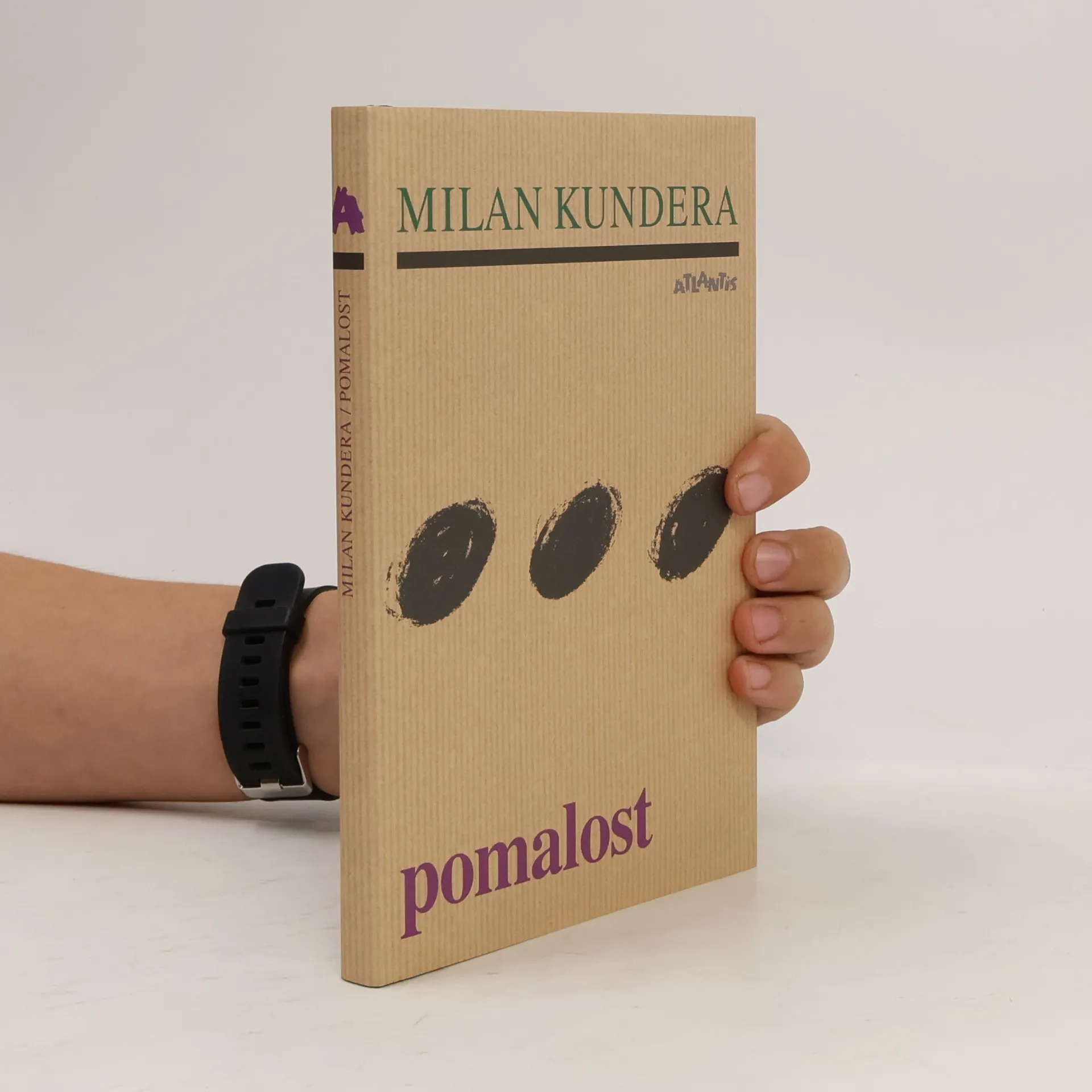
Pomalost, chronologicky první ze čtyř románů Milana Kundery napsaných francouzsky, vychází v českém překladu Anny Kareninové. Vydávání Kunderových románů v českém jazyce se uzavírá.