The Road Movie Book
- 400 páginas
- 14 horas de lectura
The first comprehensive study of this enduring but ever-changing Hollywood genre and its legacy to world cinema beyond the United States.



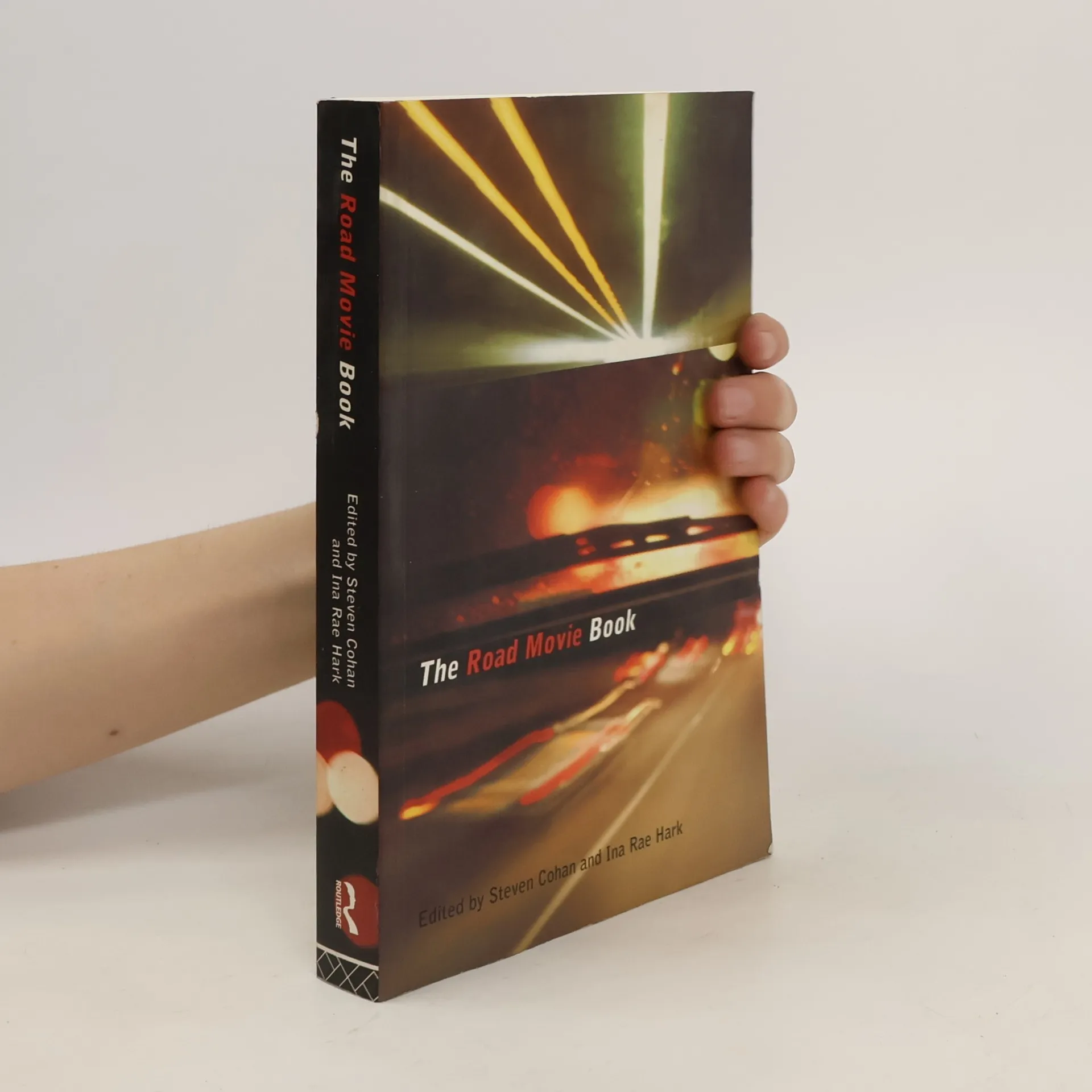
The first comprehensive study of this enduring but ever-changing Hollywood genre and its legacy to world cinema beyond the United States.
Cohan examines the status of evidence in relation to truth and justice in the television series CSI, using the story arc involving the Blue Paint Killer as a main example, and assesses the series' impact through the much discussed 'CSI Effect'. He addresses the series' visual style, the attention to both cutting-edge forensic technology and CGI close ups to represent the effects of weapons on the human body, and goes on to consider the series' locale, in which the fantasy delights of the New Las Vegas exist alongside echoes of its gangster-ridden past, and crimes bring out the contrast between the flashy spectacle of the Strip, suburban Clark County and the arid landscapes of the Mojave desert. Cohan analyses CSI's consistent questioning of identity and 'normality' in the numerous episodes that feature subcultural groups and questions if mainstream success has affected the show's edginess, particularly as it approaches a future without the key character of Grissom.--Publisher's note
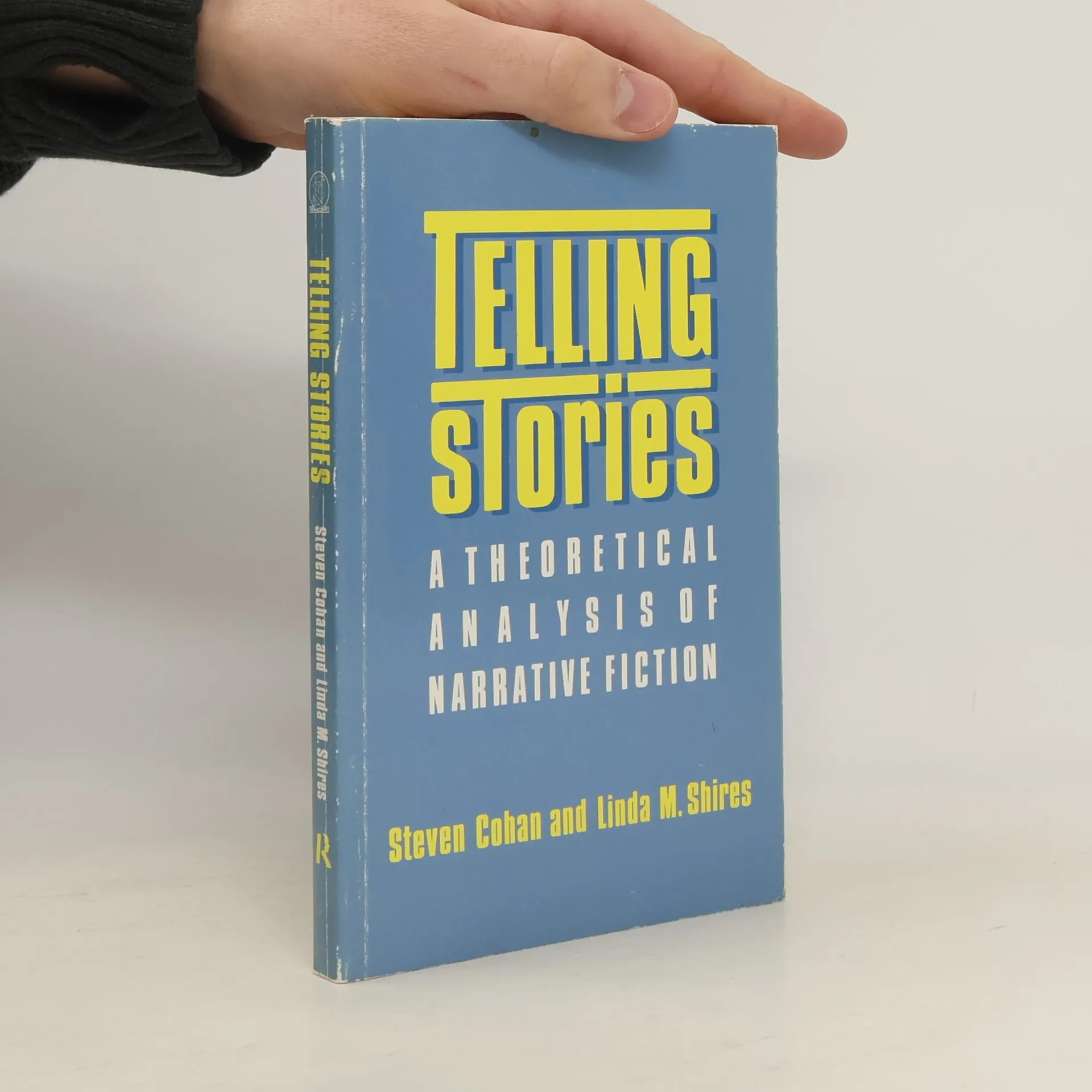
Telling Stories overturns traditional definitions of narrative by arguing that any story, whether a Bette Davis film, a jeans ad, a Jane Austen novel or a 'Cathy' comic, must be related to larger cultural networks. The authors show how meanings and subjectivity do not exist in isolation, but are manufactured by the narratives our culture reads and watches every day. They call for a critical practice that, through the fracturing of texts, can alter the grounds of knowledge and interpretation. This timely study will interest critics of narrative and culture, as well as students wanting to extend post-Saussurean theories to poopular and canonical cultures, and to the dynamics of story-telling itself.
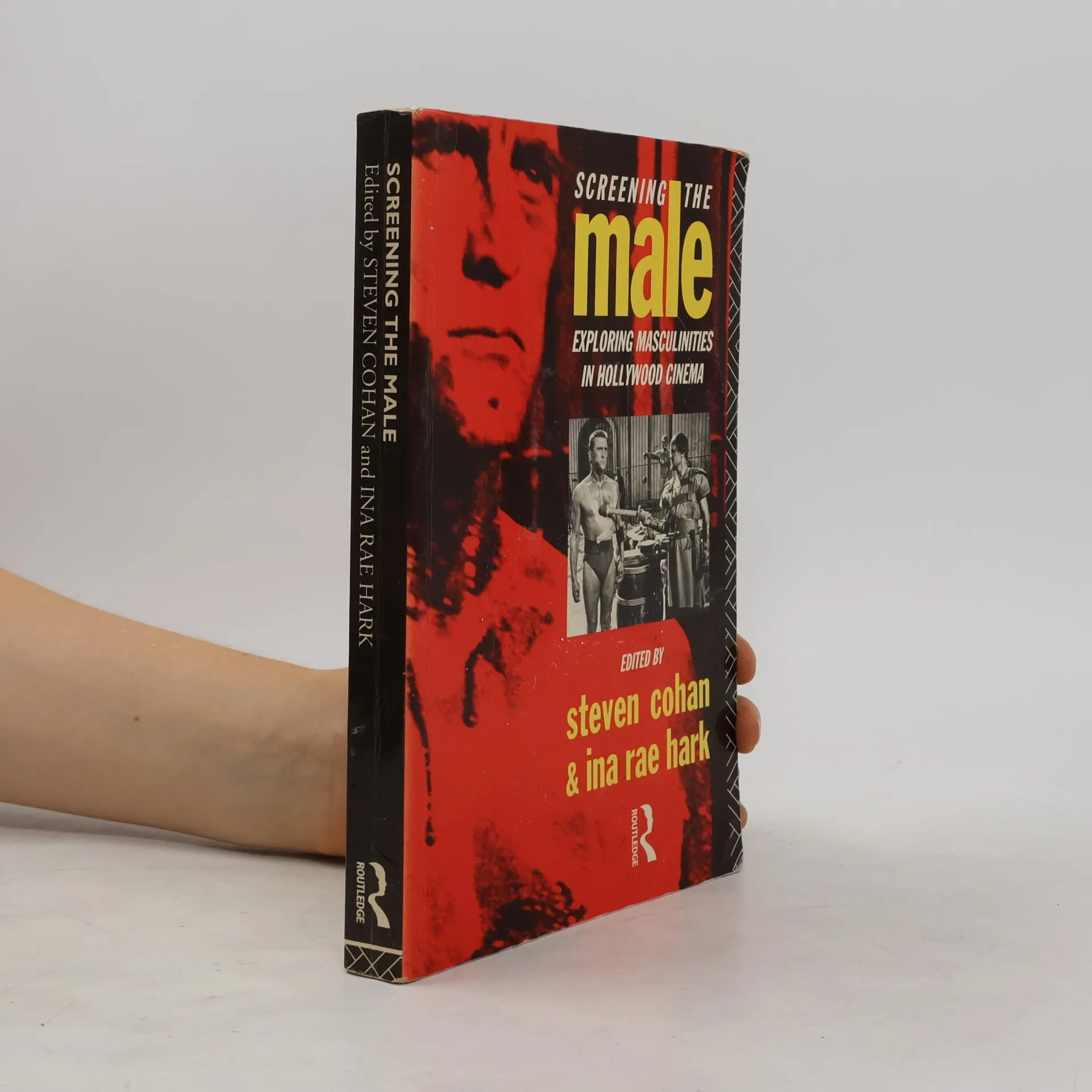
Screening the male re-examines the problematic status of masculinity both in Hollywood cinema and feminist film theory.Classical Hollywood cinema has been theoretically established as a vast pleasure machine, manufacturing an idealized viewer through its phallocentric ideological apparatus. Feminist criticism has shown how difficult it is for the female viewer to resist becoming implicated in this representational system. But the theroies have overlooked the significance of the problem itself - of the masuline motivation at the core of the system. The essays here explore those male characters, spectators, and performers who occupy positions conventionally encoded as "feminine" in Hollywood narrative and questions just how secure that orthodox male position is.Screening the Male brings together an impressive group of both established and emerging scholars from Britain, the United States and Australia unified by a concern with issues that film theorists have exclusively inked to the femninie and not the spectacle, masochism, passivity, masquerade and, most of all, the body as it signifies gendered, racial, class and generatonal differences.