

Bookbot

Michael Scholz-Hänsel

    1 de enero de 1955
    Eine spanische Wissenschaftsutopie am Ende des 16. Jahrhunderts
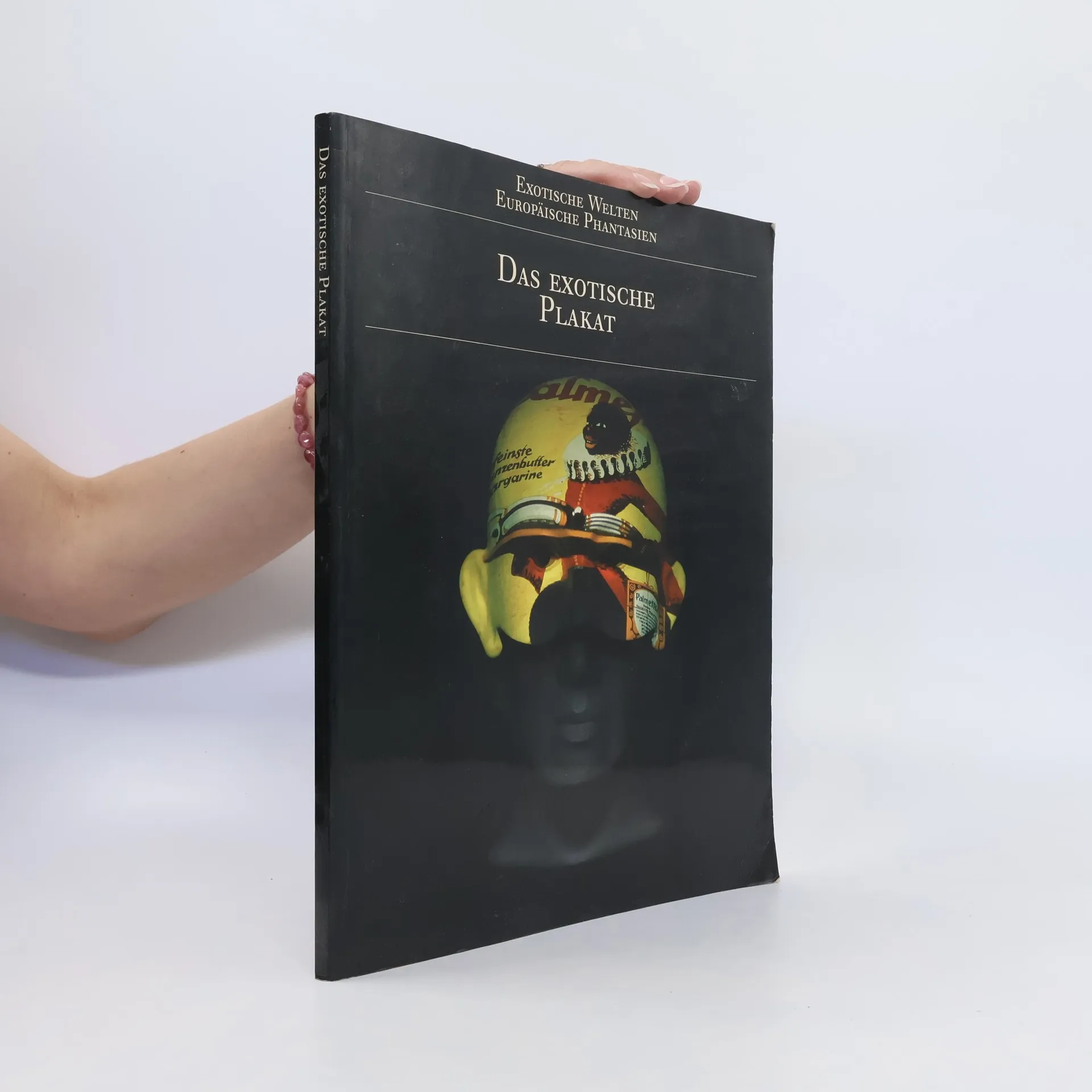
    Das exotische Plakat
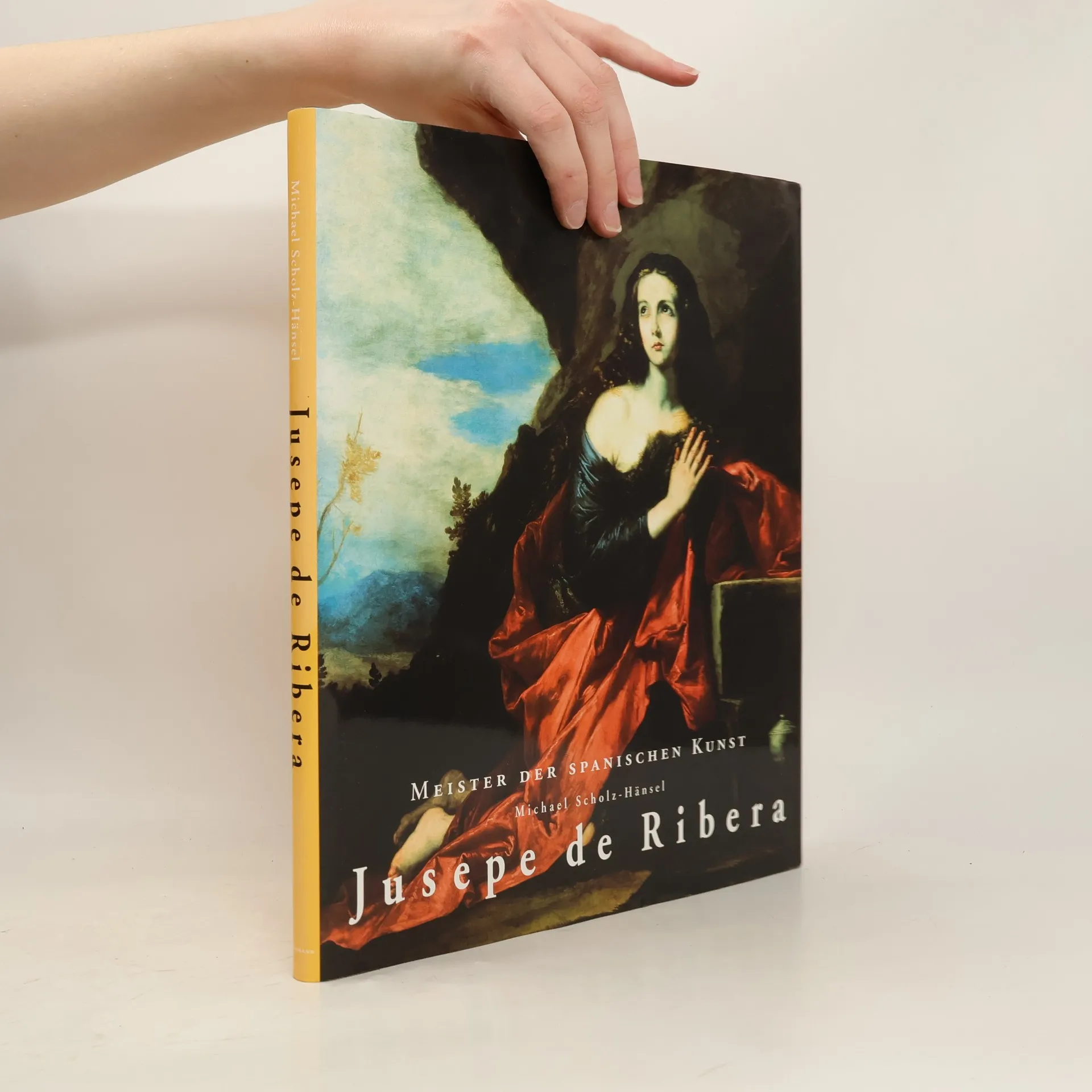
    Jusepe de Ribera
    Inquisition und Kunst
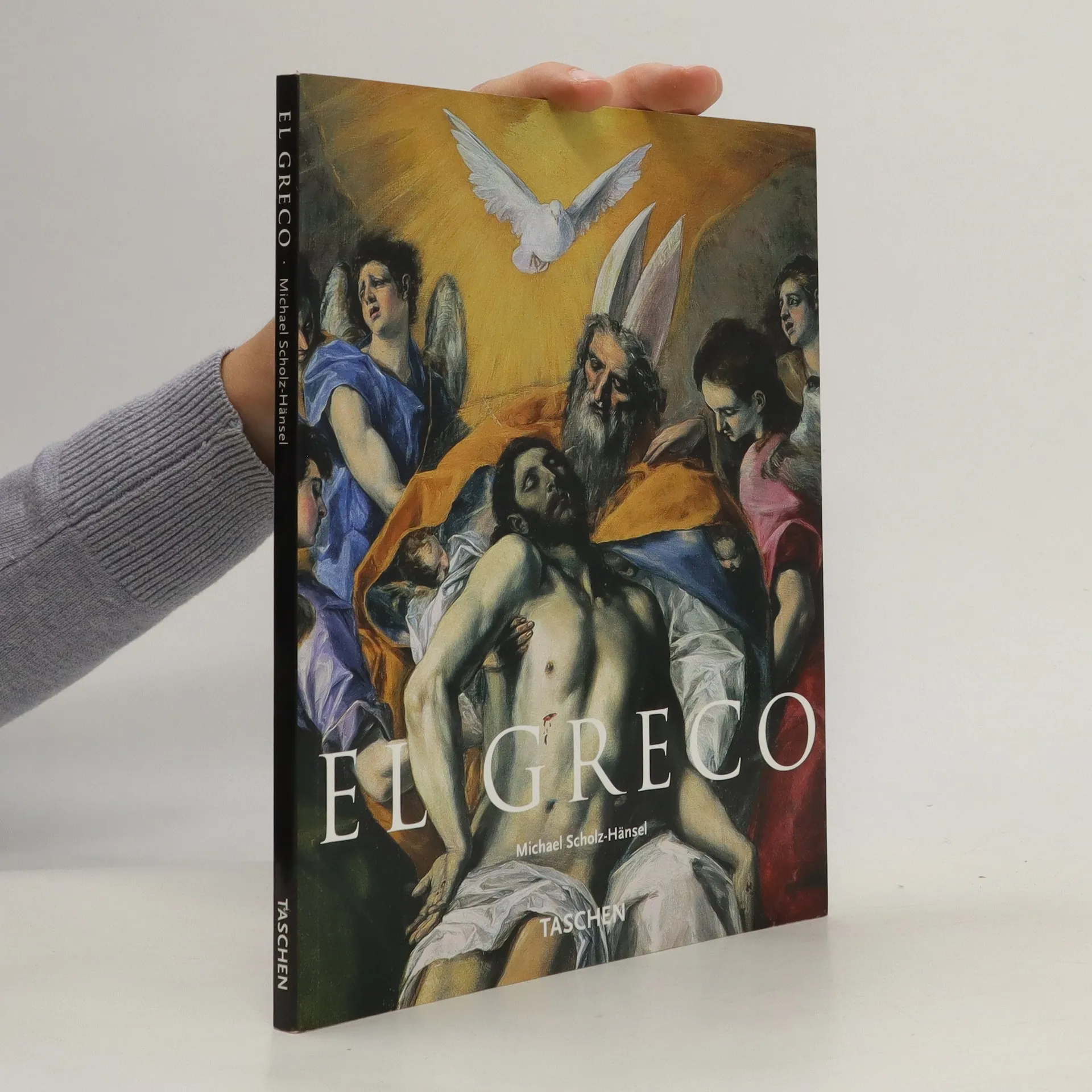
    El Greco
    El Greco
    • El Greco

      • 96 páginas
      • 4 horas de lectura

      <b>A prophet of modernism. Strong colours and sinuous figures</b> <b>El Greco</b> (1541-1614) was born Domenikos Theotokopoulos in Crete in 1541. He arrived in Venice in 1566, where his work was greatly influenced by Titian and Tintoretto. Later he made an offer to the Pope to paint over Michelangelo’s <i>Last Judgement</i> in the spirit of the Counter Reformation, which so incurred the wrath of Roman artists that a career in Italy was no longer conceivable. El Greco then settled in Spain, in Toledo, where he received numerous commissions from the Church and the nobility. Between 1586 and 1588 he created a major work of European painting, the monumental <i>Burial of the Count of Orgaz</i> for a chapel altar in the parish church of Santo Tomé in Toledo. El Greco confined his range of colours to a small number of very expressively used shades, with an evident preference for pale purple, pink, and yellow and greyish tones. He located the iconographical events in a space that he dramatized by means of light and atmospheric phenomena. His œuvre had a wide-ranging impact on art up to and including modern 20th century painting. Paul Cézanne and later Picasso and the Expressionists regarded El Greco as a prophet of modernism.

      El Greco2014
    • Inquisition und Kunst

      • 337 páginas
      • 12 horas de lectura

      Die antispanische „Schwarze Legende“ bestimmt bis heute unser Stereotyp von der Inquisition. Doch das Ketzergericht war eine höchst neuzeitliche, frühmoderne Institution, die die Macht der Bilder zu einer psychologisch berechneten Propaganda nutzte. Die vorliegende Marburger Habilitationsschrift behandelt nicht nur die bekannten Beispiele von El Grecos „Großinquisitor“ bis zu Francisco Goyas Gegen-Inszenierungen, etwa in den „Caprichos“, sondern präsentiert darüber hinaus ganz neues Material. Dabei verbinden sich motivische und ikonographische Analysen mit den methodischen Ansätzen der Sozial- und Mentalitätsgeschichte. Auch die soziologischen Begriffe „Inklusion“ und „Exklusion“ kommen zur Anwendung. So wird deutlich, dass es in der iberoamerikanischen Welt einen äußerst engen Zusammenhang von inquisitorischer Praxis und antisemitischer bzw. antimuslimischer Bildpropaganda gab, der noch bis in die Francozeit nachwirkte und dessen Analyse heute erstaunlich aktuelle Ergebnisse zeitigt.

      Inquisition und Kunst2009
    • El Greco

      • 96 páginas
      • 4 horas de lectura

      Cretan-born painter Domenicos Theotocopoulos, better known by his Spanish nickname, El Greco (c.1545-1614), studied under Titian in Venice before settling down in Toldeo. Commissioned by the church and local nobility, El Greco produced dramatic paintings marked by distorted figures and vibrant color contrasted with subtle grays. Though his work was appreciated by his contemporaries, especially intellectuals, it wasn't until the 20th century that it was widely embraced and admired, influencing in particular the Expressionist movement.

      El Greco2004
      4,1