

This collection features essays by a renowned poet and Pulitzer Prize winner, offering insights into her unique perspective and literary journey. As a former Poet Laureate of the United States, Kay Ryan's work reflects her distinctive voice and thoughtful exploration of language and meaning. Readers can expect a blend of personal reflections and broader themes, showcasing her talent beyond poetry and inviting a deeper understanding of her artistic vision.
Kay Ryan Libros
Kay Ryan es reconocida como una de las voces más originales de la poesía contemporánea. Sus poemas se caracterizan por su forma densamente comprimida, su densidad rítmica y su ingenio a menudo mordaz, que frecuentemente atrae comparaciones con Emily Dickinson y Marianne Moore. Ryan elabora sus versos económicos con una habilidad única para la rima "recombinante", estableciéndose como una de las poetas estadounidenses vivas más importantes. Su obra es el resultado de años de profunda contemplación, donde las reflexiones filosóficas se entrelazan con un intelecto frío que le permite abordar incluso temas "calientes" con un sentido de distancia.

Electricities
- 160 páginas
- 6 horas de lectura
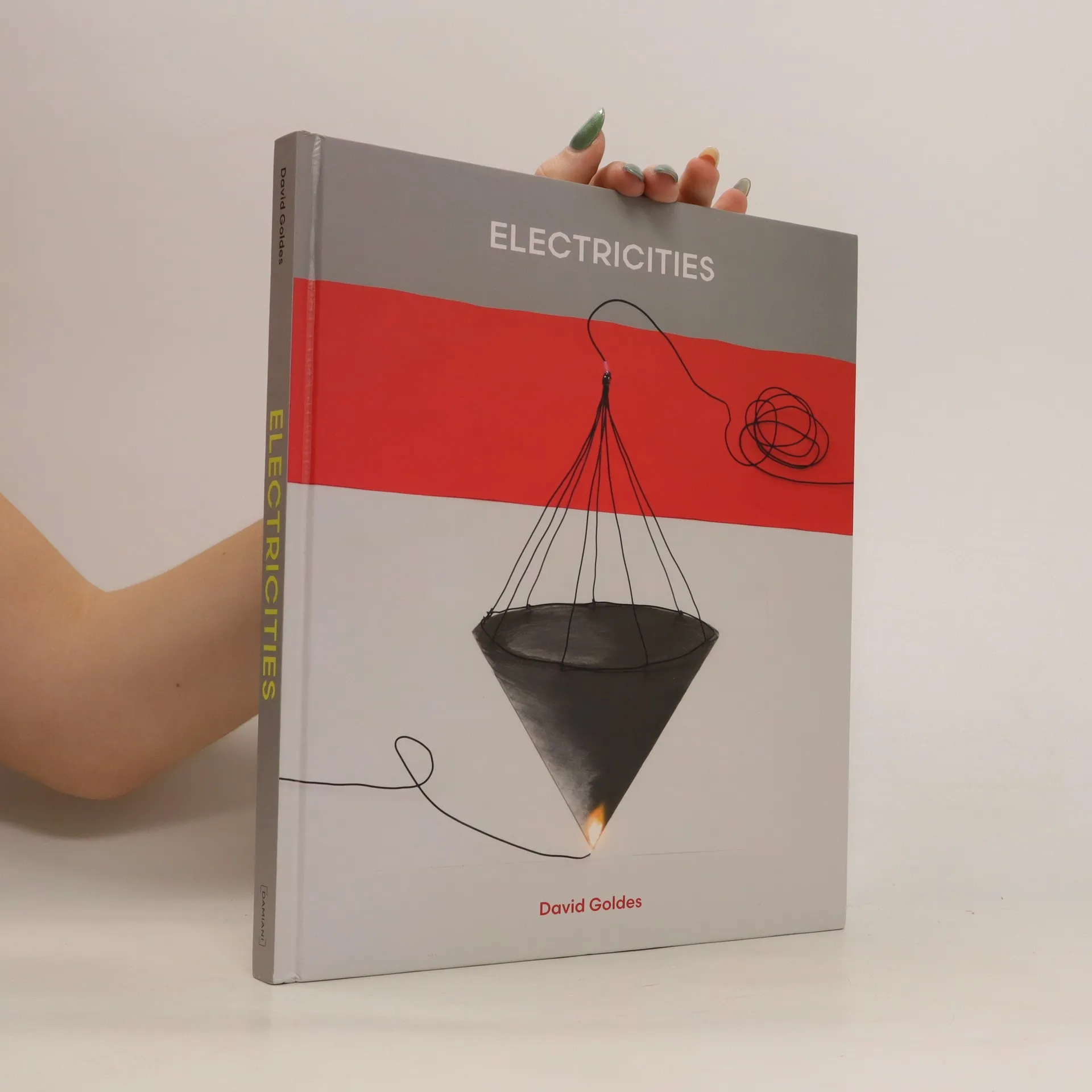
Electricity in its myriad forms has intrigued people for centuries. In our modern era it powers nearly every machine and modern convenience that defines contemporary life. However, by hiding power lines underground or in the walls of our homes and through generations of miniaturization, our sense of what electricity is and how we have come to understand it is not widely considered. Electricities is comprised of photographs that depict constructions Goldes refers to as 'performing still-lifes' based on historical experiments into the nature of electricity. Electrical phenomena including electrostatics, high-voltage arcing, Faraday's first transformer, water conductivity, electrified graphite drawings, and other inventions and experiments form the basis of these works. Elegant and playful, Goldes uses commonplace materials such as string, pins, wire, pencil lines and bright colored backgrounds in his ingenious investigations. The photographs reveal how electricity behaves; how it jumps gaps, repels, attracts, arcs, destroys, and often confounds our expectations. Uniting the strategies of art and science his visually rigorous images reveal a mechanistic understanding of electricity in dialogue with the viewer's subjectivities that can expand, build upon and even contradict such explanations.
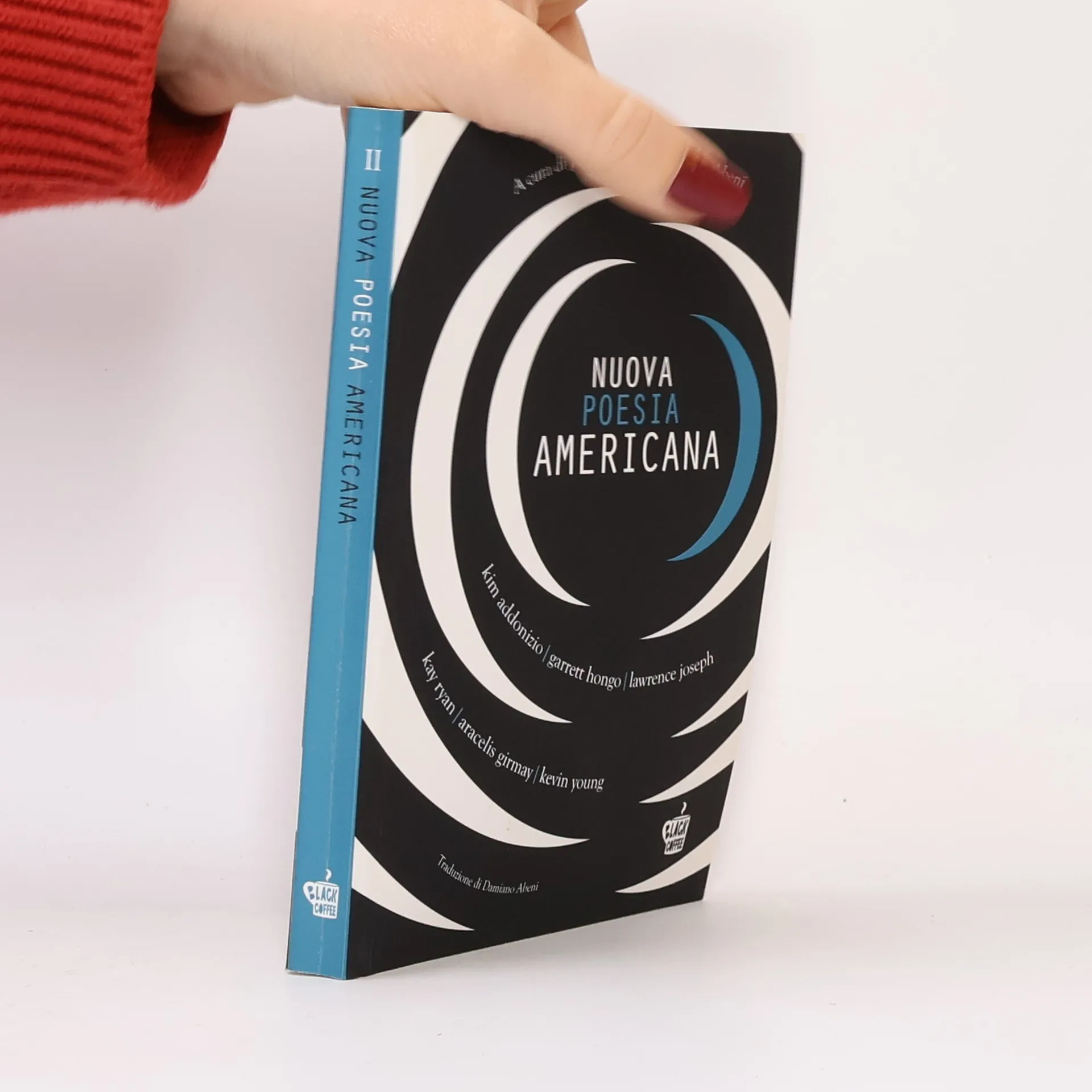
Nuova poesia americana
- 214 páginas
- 8 horas de lectura