Aimed at teenagers and young adults, this book offers guidance and inspiration for achieving a successful future. It emphasizes the importance of ambition and provides practical advice to help readers navigate their paths toward personal and professional fulfillment.
La geografia politica è un campo di studi variegato, critico e dinamico che prende forma al crocevia del discorso politico sulle forme e pratiche del potere, e di quello geografico, inteso come lo studio dello spazio e dei processi che lo trasformano incessantemente. Dall'analisi della territorialità statale alle geografie dell'impero, dallo studio dei fenomeni elettorali alle politiche per la difesa dell'ambiente, dalle microgeografie dell'identità locale ai complessi meccanismi della governance globale, "Introduzione alla geografia politica" offre strumenti per comprendere e interpretare i rapporti di potere, i conflitti e i divari che caratterizzano il mondo contemporaneo.
'She is the perfect heroine' Elly Griffiths The addictive new crime thriller
featuring DCI Matilda Darke. Perfect for fans of Angela Marsons. 'DCI Matilda
Darke is going places' James Oswald
A single-volume history told in a new way: mingling grand sweep narrative with deep-core, local, personal stories – all woven together with landscape history and the author’s own travel journals.
DCI Matilda Darke steht am Tatort eines Verbrechens von unglaublicher Brutalität: Ein Mann wurde bis zur Unkenntlichkeit verprügelt und erschossen, eine halbnackte Frau mit einem Bauchschuss sterbend zurückgelassen. Dabei begann Matildas Morgen bereits mit einem Schock: In der Zeitung stieß sie auf einen Artikel, der sie ganz allein für den missglückten Ausgang einer Kindesentführung verantwortlich macht. Der öffentliche Druck ist enorm und auch ihre Vorgesetzten zeigen sich davon beeindruckt: Es müssen Erfolge her, ansonsten wird die Mordkommission geschlossen. Und so wird die Ergreifung des Parkplatzmörders zum Schicksalsspiel für Matilda und ihre Abteilung … »Ich habe mich gefreut Matilda Darke kennenzulernen. Sie ist ein starker Charakter mit wahrer Tiefe.« Robert Bryndza, Autor von Das Mädchen im Eis
Das Harkness-Massaker jährt sich zum 20. Mal. Es gibt keine Spuren und nur einen damals elfjährigen Zeugen, der nicht spricht. DCI Matilda Darke wird nach einer mehrmonatigen Zwangspause mit dem unaufgeklärten Doppelmord betraut. Genau das, was die Leiterin der Mordkommission nicht wollte: das Abstellgleis. Doch plötzlich weist ein neues Verbrechen Verbindungen zum Harkness-Fall auf. Entgegen ihrer Befehle ermittelt Matilda in dem aktuellen Mord. Es ist ihre letzte Chance, den Täter von einst zu fassen und sich ihren Vorgesetzten zu beweisen.
Widely regarded as the greatest filmmaker of the twentieth century, Alfred Hitchcock had a gift for creating suspense and a shrewd knowledge of human psychology. His film career, spanning more than half a century, is studded with classics from The 39 Steps to Psycho, North by Northwest to Vertigo (which in 2012 unseated Citizen Kane as the best movie of all time according to Sight and Sound). A master of intricate storytelling, Hitchcock was one of the first directors whose films belonged to both popular culture and high art. By the end of his life, he had gone from being the overweight son of a greengrocer in a London suburb to Hollywood's reigning director, whose cameo roles in his own films were one of their most anticipated features, and whose profile was recognized by millions (thanks to the television show Alfred Hitchcock Presents). Michael Wood describes this journey with the wit and erudition that are the trademarks of his work, showcasing his singular ability to detect hidden patterns within apparently disparate forms. Whether he is writing about Henry James or Hollywood in the 1920s, he is alert to the fundamental truth lurking behind the stated meaning. In Hitchcock, Wood has found his ideal subject--an artist for whom explicit statement was anathema, who made conventional plot a hiding place rather than a source of revelation.
The narrative follows Jack Cann, a prominent virologist seeking a peaceful life as a university professor in Kansas. His aspirations are shattered when a mysterious and deadly outbreak devastates an African village in the Olduvai region. What begins as a localized tragedy escalates into a global crisis, spreading rapidly across Africa and threatening the world. The story weaves together themes of science, ethics, and the impact of disease, reminiscent of the works of renowned medical thriller authors.
Considered by some to be the dominant art form of the twentieth century, film has come to encompass many things-a record of events, a modern mythology, a hobby, a career, and an entire industry-but it is, above all, a means of telling stories through images and sounds. In this Very Short Introduction, Michael Wood provides a brief history and examination of the nature of the medium of film, its role and impact on society, and its future in the digital age. --Book Jacket
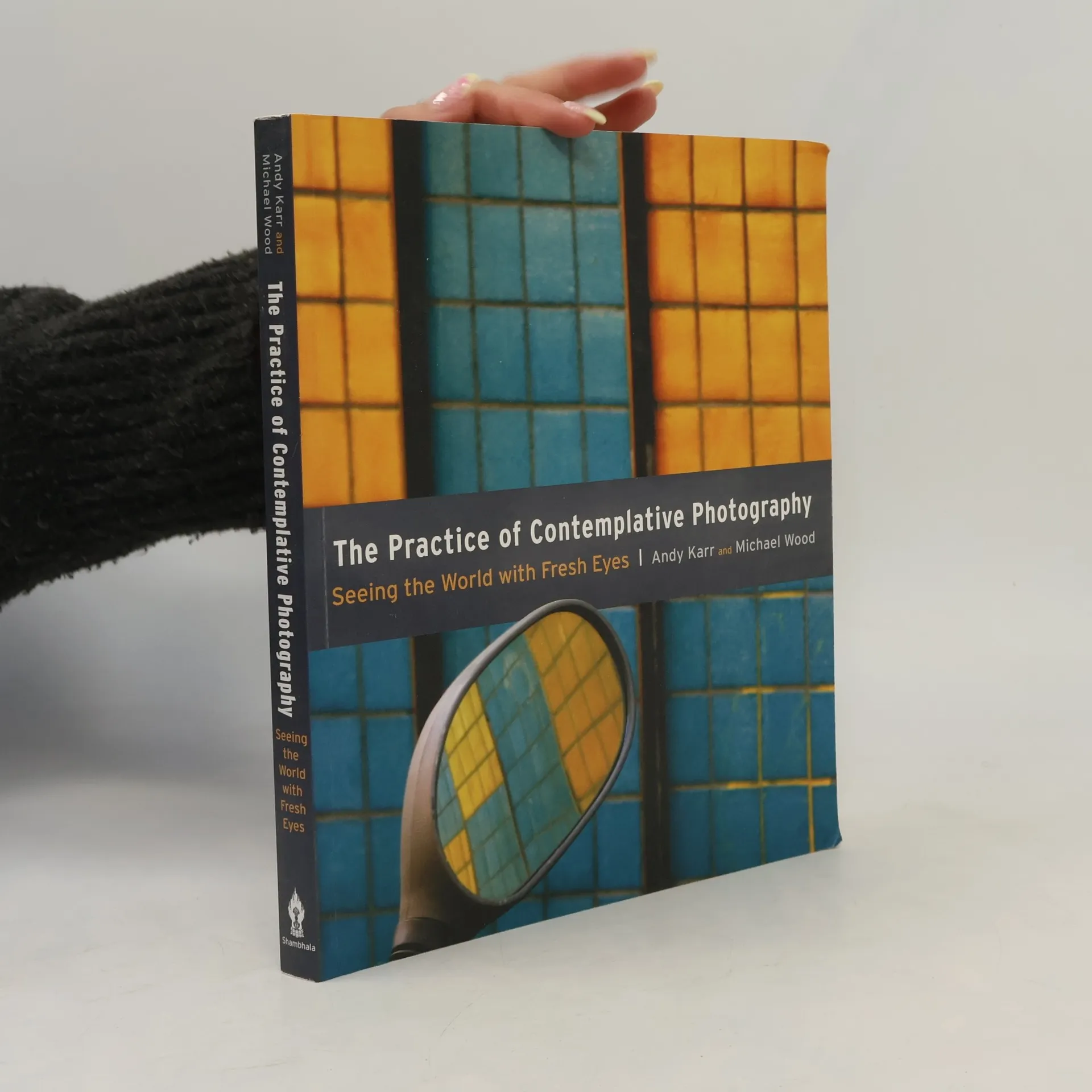
This book teaches us how to fully connect with the visual richness of our ordinary, daily experience. Photography is not just a mechanical process; it requires learning how to see. As you develop your ability to look and see, you will open, more and more, to the natural inspiration of your surroundings. Filled with practical exercises, photographic assignments, and techniques for working with texture, light, and color, this book offers a system of training that draws on both Buddhist mindfulness practice and the insights of master photographers such as Alfred Stieglitz, Edward Weston, and Henri Cartier-Bresson.
Recognized as a pivotal work in contemporary Latin American literature, the narrative explores the multi-generational saga of the Buendía family in the fictional town of Macondo. It weaves themes of solitude, magic realism, and the cyclical nature of history, reflecting the complexities of human experience and cultural identity. The novel's rich storytelling and vivid imagery have made it a cornerstone of modern fiction, influencing countless writers and captivating readers worldwide.
Exploring the intersection of literature and knowledge, this book delves into how literary works, including those by Henry James and Kafka, contribute to our understanding of knowledge itself. Through detailed analysis of various examples, it examines themes of irony, indirection, and the unique qualities of forms like the villanelle. The discussion spans a diverse range of authors, including Auden, Proust, Rilke, Calvino, Jean Rhys, and Yeats, offering a rich exploration of literature's role in questioning and interpreting knowledge.
From Rome's founding to the execution of Saddam Hussein, "1001 Days That Shaped the World" focuses on the extraordinary moments that change the direction of history, all summarized in brief, dramatic articles supplemented with memorable illustrations.Barron's Educational Series Inc.
Processes, Responses and Experiences in Rural Restructuring
352 páginas
13 horas de lectura
The book offers a comprehensive overview of rural areas and societies within advanced economies, showcasing Michael Woods' expertise as a single author. It is recognized for its thorough analysis and contemporary relevance, making it a significant contribution to the field of geography. The text is acclaimed for its state-of-the-art insights into the dynamics of rural life and the socio-economic factors at play in these regions.
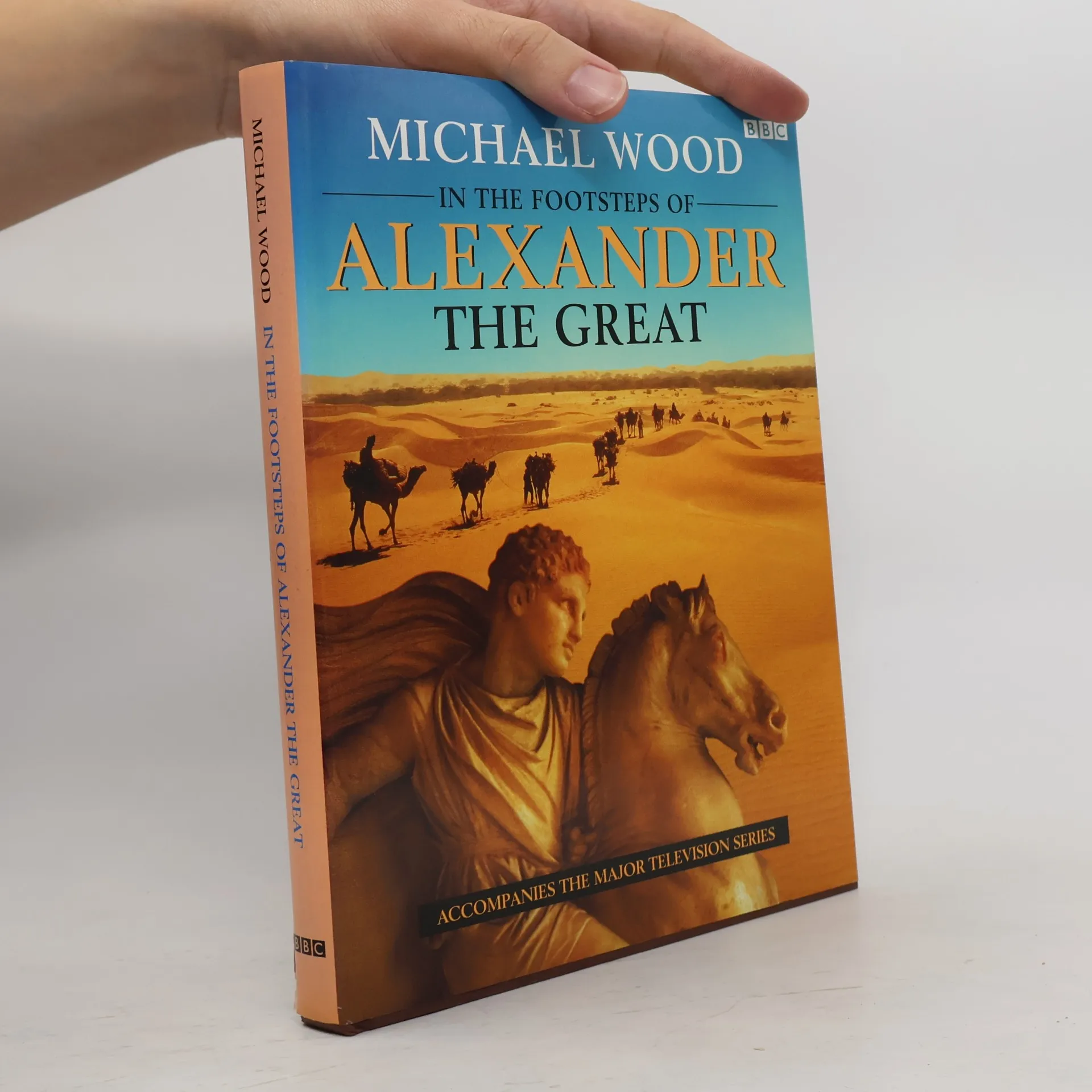
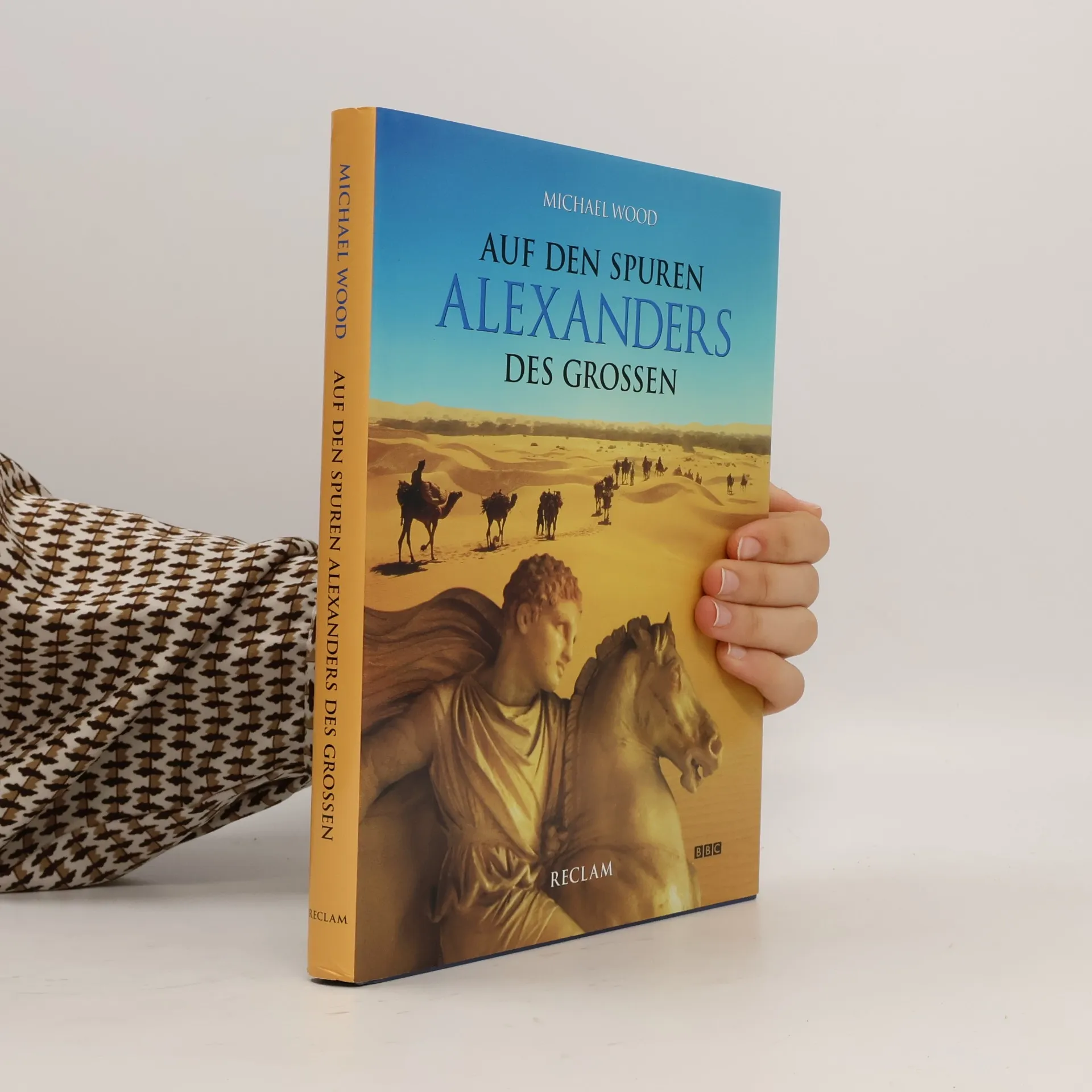
From 334 to 324, a Macedonian army led by Alexander the Great embarked on a relentless campaign across Asia, marked by bravery, cruelty, endurance, and greed. This historic expedition transformed interactions between Europe and Asia, setting in motion historical forces that continue to resonate today. The narrative follows Alexander's 22,000-mile journey from Greece to India, retracing his actual route as much as possible. Historian Michael Wood traversed 17 countries, exploring the Zagros Mountains to locate the site of Alexander's battle at the Persian Gates, savoring black tea in the Hindu Kush, and crossing the Makran Desert with 23 camels. His travels included encounters with Lebanese traders, Iranian pilgrims, and Afghan guerrillas, taking him through significant 20th-century conflict zones like Beirut and Kurdistan. Wood's account draws on Greek and Roman texts while reexamining the conquest through contemporary lenses of colonialism, orientalism, and racism. The Macedonian conquest, often viewed solely through Greek perspectives, is enriched by medieval travelers' narratives and newly discovered oracles. At the center of this tale is Alexander himself—an enigmatic figure who ascended the throne at 20, conquered vast territories by 30, and died at 32. His complex character embodies both ruthless ambition and profound generosity, leaving a lasting legacy that echoes through time.
Making Sense of Statistics provides a thorough, but accessible, introduction to statistics and probability, without the distractions of mathematics. The book does not require you to use any algebraic formulae or equations, but it does explain how and why methods work, and exactly what answers mean. Guidance is provided on how to design investigations, analyze data and interpret results. There are exercises and case studies from a variety of areas of application, and an accompanying website from which interactive spreadsheet models and data files can be downloaded.
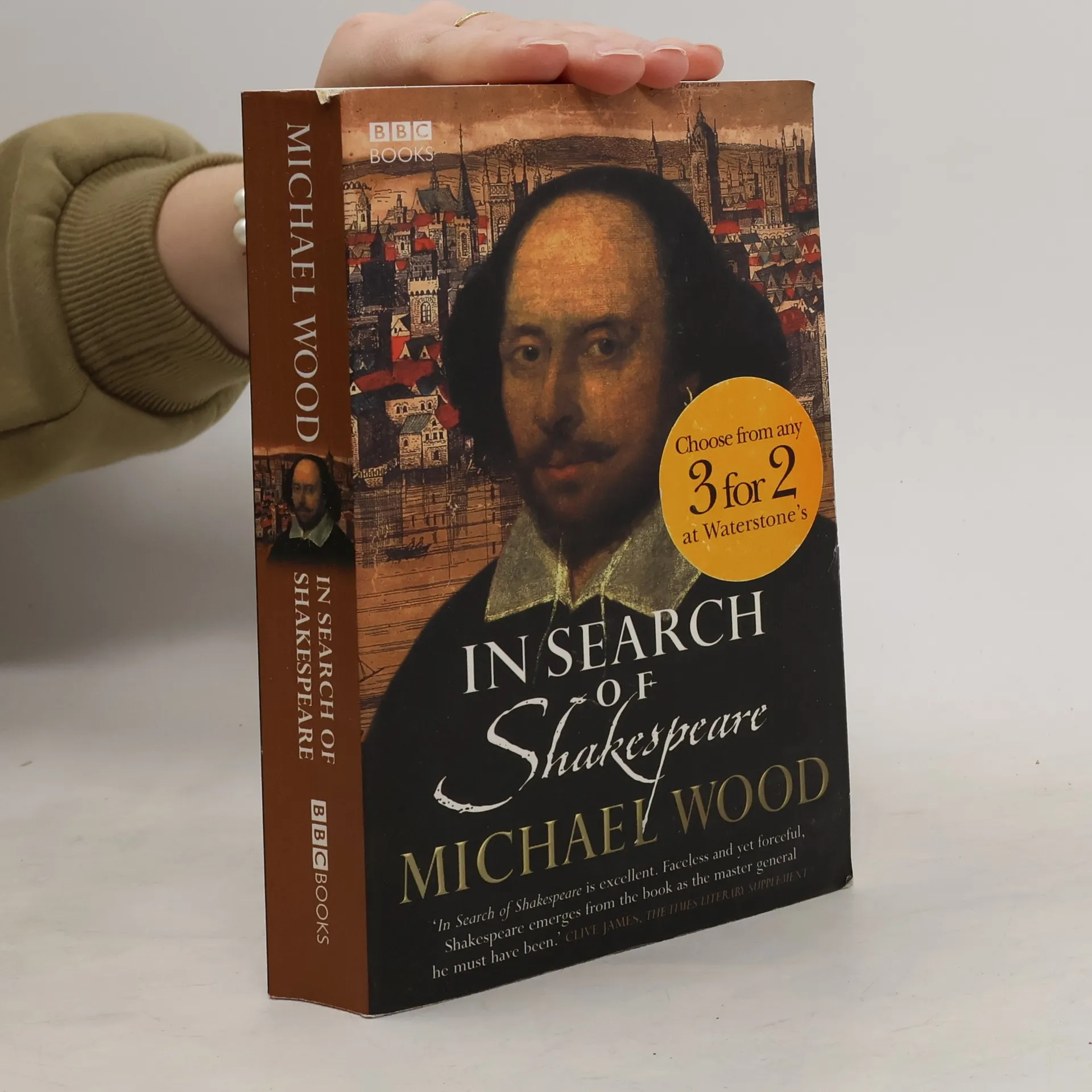
Almost 400 years after his death, William Shakespeare is still acclaimed as the worlds greatest writer, and yet the man himself remains shrouded in mystery. In this absorbing historical detective story, the acclaimed broadcaster and historian Michael Wood takes a fresh approach to Shakespeares life, brilliantly recreating the turbulent times through which the poet lived: the age of the Reformation, the Spanish Armada, the Gunpowder Plot and the colonization of the Americas. Elizabethan England to reveal a man who is the product of his time - a period of tremendous upheaval that straddled the medieval and modern worlds. the neighbourhoods of the Elizabethan London where Shakespeare lived and worked during his glittering career. with a Shakespeare for the twenty-first century: a man of the theatre, a thinking artist, playful and cunning who held up a mirror to hi sage, but who was also, as his friend Ben Jonson said, not of an age, but for all time .
Der Eroberungsfeldzug, den Alexander der Große 334 – 324 v. Chr. von Griechenland über Kleinasien, Ägypten und Persien bis nach Indien unternahm, gilt als beispiellose militärische Leistung. Mehr als 2300 Jahre später ist der britische Journalist und Dokumentarfilmer Michael Wood mit einem Expeditionsteam den Spuren Alexanders gefolgt. Zu Fuß, auf Kamelen, mit Packpferden, per Boot und Jeep, durch Wüsten und Schluchten, über Gebirge und Flüsse hat er die dramatische Geschichte einer Welteroberung nacherlebt – und in Wort und Bild wissenschaftlich fundiert und abenteuerlich zugleich vergegenwärtigt.
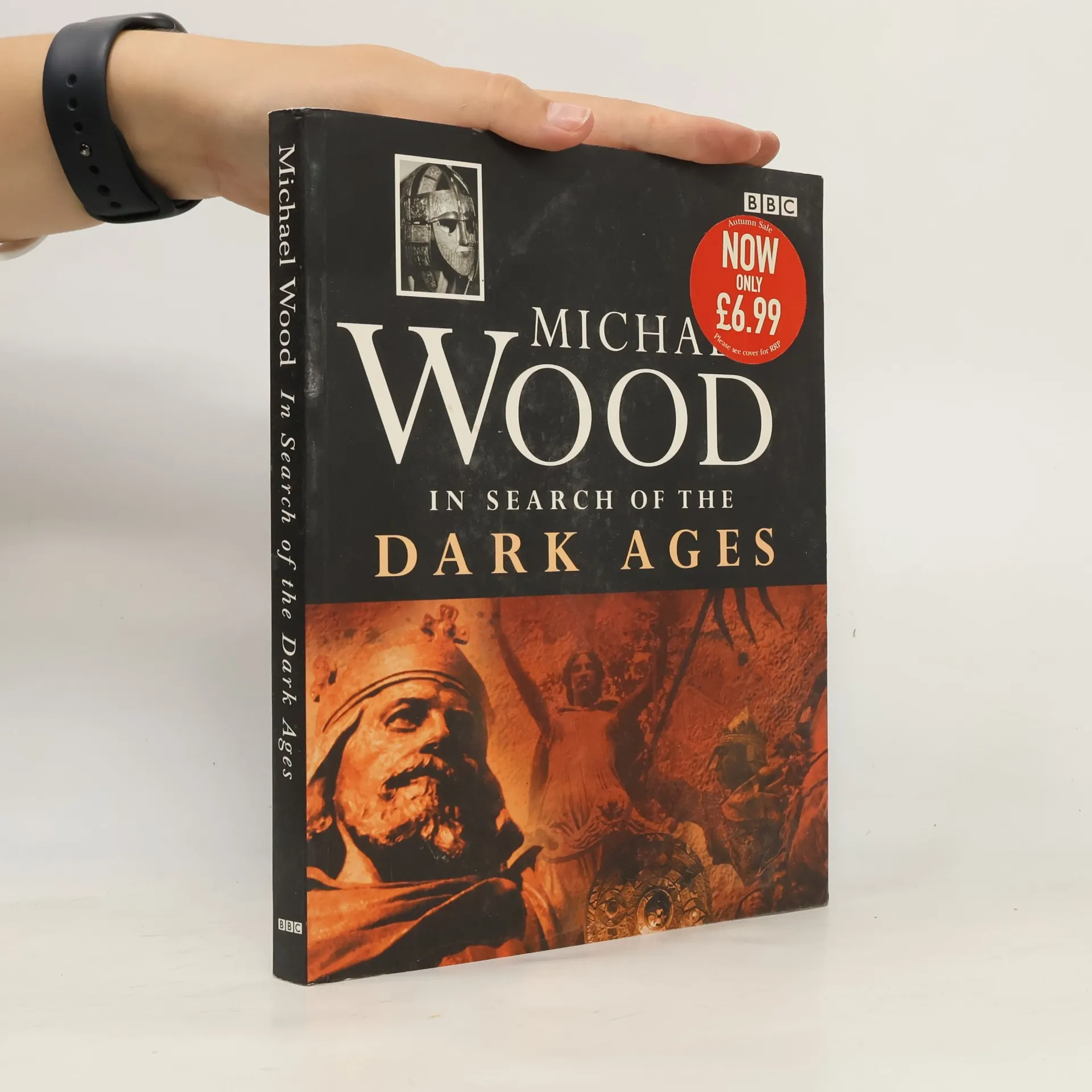
This work explores the mysterious centuries between the Romans and the Norman Conquest of 1066. In this revised edition Michael Wood conjures some of the most famous names in British History, such as Queen Boadicea, leader of a terrible war of resistance against the Romans, and King Arthur, the once and future king for whose riddles Wood proposes a surprising solution. It also covers the Saxon, Viking and Norman kings who laid the political foundations of England - Offa of Mercia, Alfred The Great, Athelstan, and William the Conquerer. The book reflects historical, textual and archaeological research, which overturns the Dark Ages as a shadowy and brutal era.
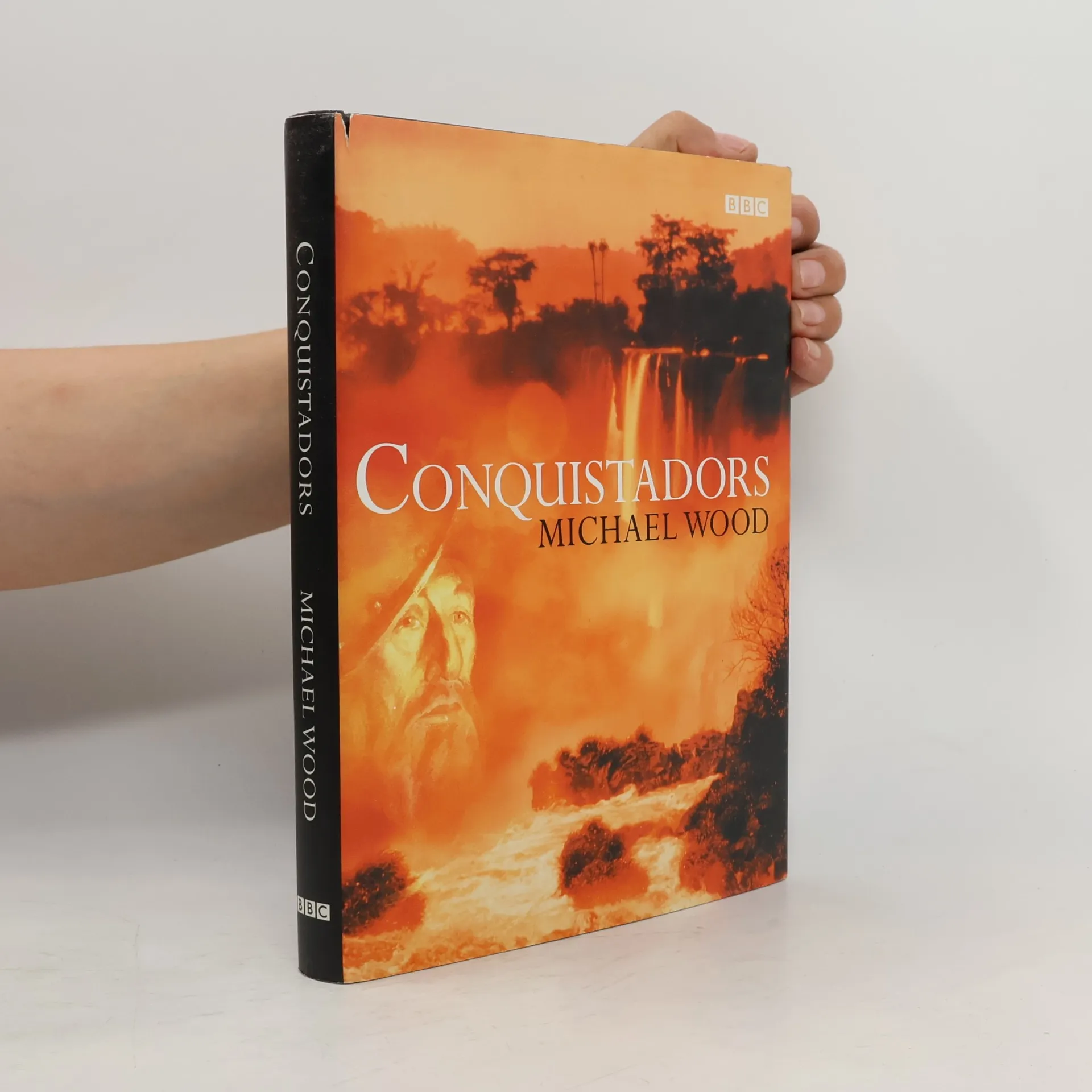
The Spanish conquest of the Americas in the sixteenth century was one of the most cataclysmic events in history. Spanish expeditions had to endure the most unbelievable hardships to open up the lands of the New World. Few stories, if any, in history match these for sheer drama, endurance and distances covered. In Conquistadors Michael Wood travels in the footsteps of some of the greatest of the Spanish adventurers from Amazonia to Lake Titicaca, and from the deserts of North Mexico to the heights of Macchu Picchu. He experiences first hand the reality of epic journeys, such as those made by Hernan Cortes, and Francisco and Gonzalo Pizarro, and explores the turbulent and terrifying events surrounding the Spanish conquest of the Aztec and Inca empires, as well as Orellanas extraordinary voyage of discovery down the Amazon and Cabeza de Vacas journey across America to the Pacific. In Peru, as in Mexico, the conquistadors swept away the indigenous states, subjugating the native people, destroying their religion and culture. As well as bringing history alive with evocative text and stunning pictures, Michael Wood grapples with the moral legacy of the European invasion. The stories in this book are not only of conquest, heroism and greed, but of changes in the way we see the world in our view of history and civilization, justice and human rights.
Where does the idea of England and Englishness come from? Are there particular moments in the Dark and Middle Ages when we can see it begin to develop? How is being English different from being British?
Alexander the Great's 20,000-mile journey from Greece to India is seen as a key moment in history which laid the foundations for the later dominance of Western culture, but which also, ironically, paved the way for the spread of Islam. Retracing the journey in this book, Michael Wood travels by plane, train, boat and camel and on foot through many of the 20th century's major trouble spots, including Beirut and Kurdistan. Among the people he encounters are Lebanese traders, Iranian pilgrims and Afghan guerrillas.
This fascinating book describes a large number of dinosaurs and explains what these amazing creatures may have looked like and how they could have lived.
Five thousand years ago there began the most momentous revolution in human history. Starting in Mesopotamia, city civilization emerged for the first time on earth, to be followed in Egypt, India, China and the Americas. The ideals of these ancient civilizations still shape the lives of the majority of mankind. In Search of the First Civilizations (previously published as Legacy) asks the intriguing question: what is civilization? Did it mean the same to the Chinese, the Indians and the Greeks? What can the values of the ancient cultures teach us today? And do the ideals of the West - a latecomer to civilization - really have universal validity? In this fascinating historical search, Michael Wood explores these ancient cultures, looking for their essential character and their continuing legacy. A brilliant exploration. Sunday Times Well-written, gorgeous and guaranteed to induce thought... Wood takes great care to put everything in a large historical perspective, which is actually more disturbing than comforting. New York Post
In this beautifully illustrated and comprehensive volume, readers embark on a journey through the greatest art and architecture of Western civilization. This companion to a nine-part PBS series traces the history of Western art from its classical roots in ancient Greece to the international Post-Modernism of diverse artists like Christo, Hockney, and Kiefer. Experts Bruce Cole and Adelheid Gealt chart the evolution of the Western tradition, exploring the grandeur of Roman architecture, the symbolic language of medieval art, the unparalleled achievements of the Renaissance, and the emotionalism of Romantics such as Turner and Constable. They also delve into the Impressionists' quest for a new reality and the revolutionary spirit of twentieth-century Abstract Expressionists.
The book integrates the works of each period with the history, values, and ideals that shaped them, highlighting the influence of patrons like the Medicis, the resurgence of classical styles following the French Revolution, and the break from tradition seen in Impressionist works. It also examines the tortured visions of a world scarred by war, as depicted by artists like Picasso and Marc. Offering a valuable key to understanding the language of art, this guide provides fresh insights into the significance of great works at the time of their creation and their enduring relevance today.
In 1086, Domesday Book, perhaps the most remarkable historical document in existence, was compiled. This tremendous story of England and its people was made at the behest of the Norman king William the Conqueror. It was called Domesday, the day of judgement, because its decisions are unalterable. In Search of the Roots of England is not only a study of the ancient manuscript but an attempt to analyse the world that Domesday Book so vividly portrayed. By skilful use of the Domesday record, historian Michael Wood examines Norman society and the Anglo-Saxon, Roman, and even the Iron Age cultures that preceded it.
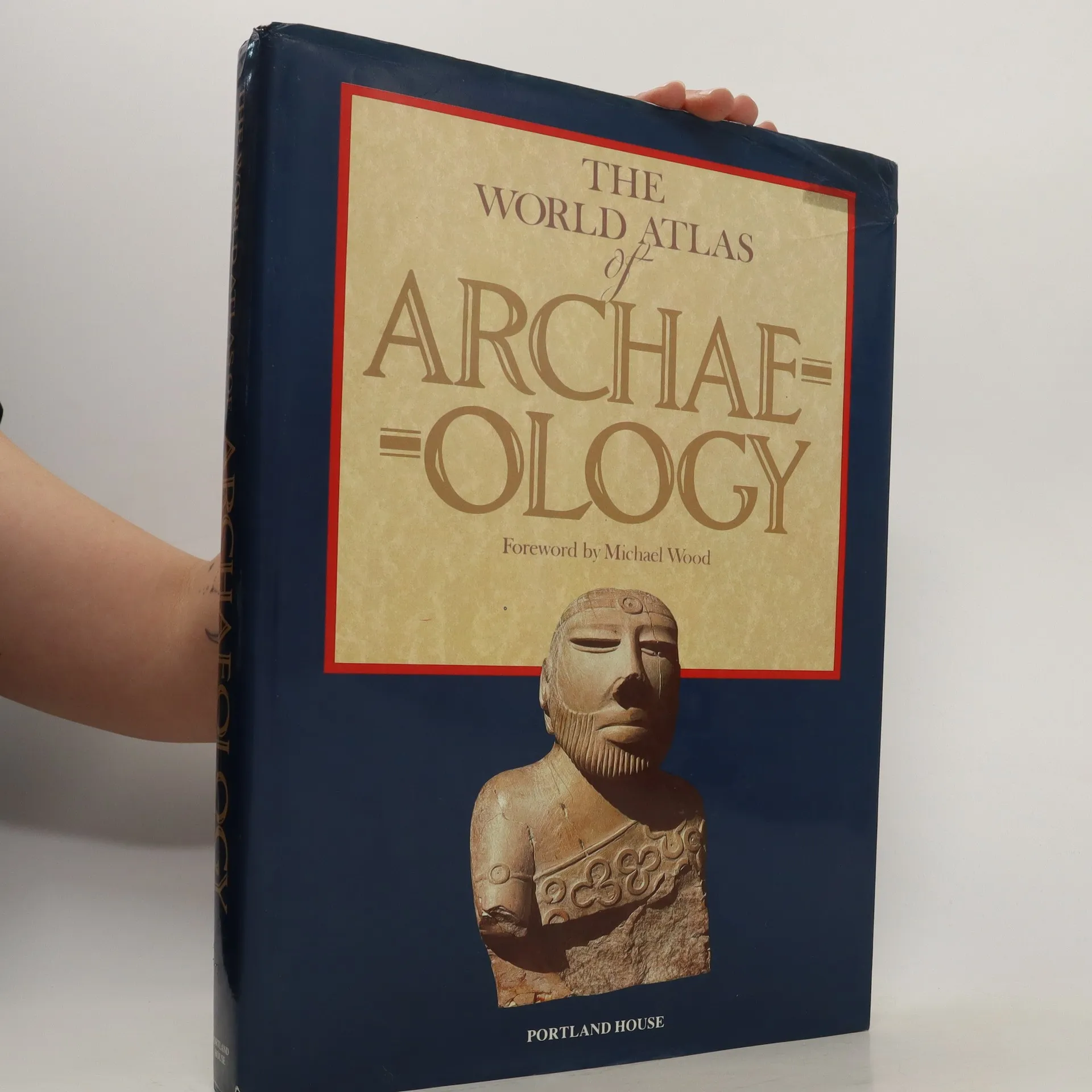
A geographical and chronological reconstruction of every region and period, with an account of the area and discussions of special discoveries, events, and archeological conclusions in those regions
For thousands of years we have been enthralled by tales of Troy and its heroes. Achilles and Hector, Paris and the famed beauty Helen remain some of the most enduring figures in art and literature. But did these titanic characters really walk the earth? Was there ever an actual siege of Troy? In this new, extensively revised edition Michael Wood takes account of the latest dramatic developments in the search for Troy. A new preface, a new final chapter and an addendum to the bibliography bring his wide-ranging study of the complex, archaeological, literary and historical records up to date. Detailing the rediscovery in Moscow of the so-called jewels of Helen and the re-excavation of the site of Troy begun in 1988, which continues to yield new evidence about the historical city, this superbly illustrated book takes a fresh look at some of the most exciting discoveries in archaeology.