The Timucua
- 256 páginas
- 9 horas de lectura
Based on the latest research findings, this is the moving story of the demise of one of the oldest of the American Indian peoples.



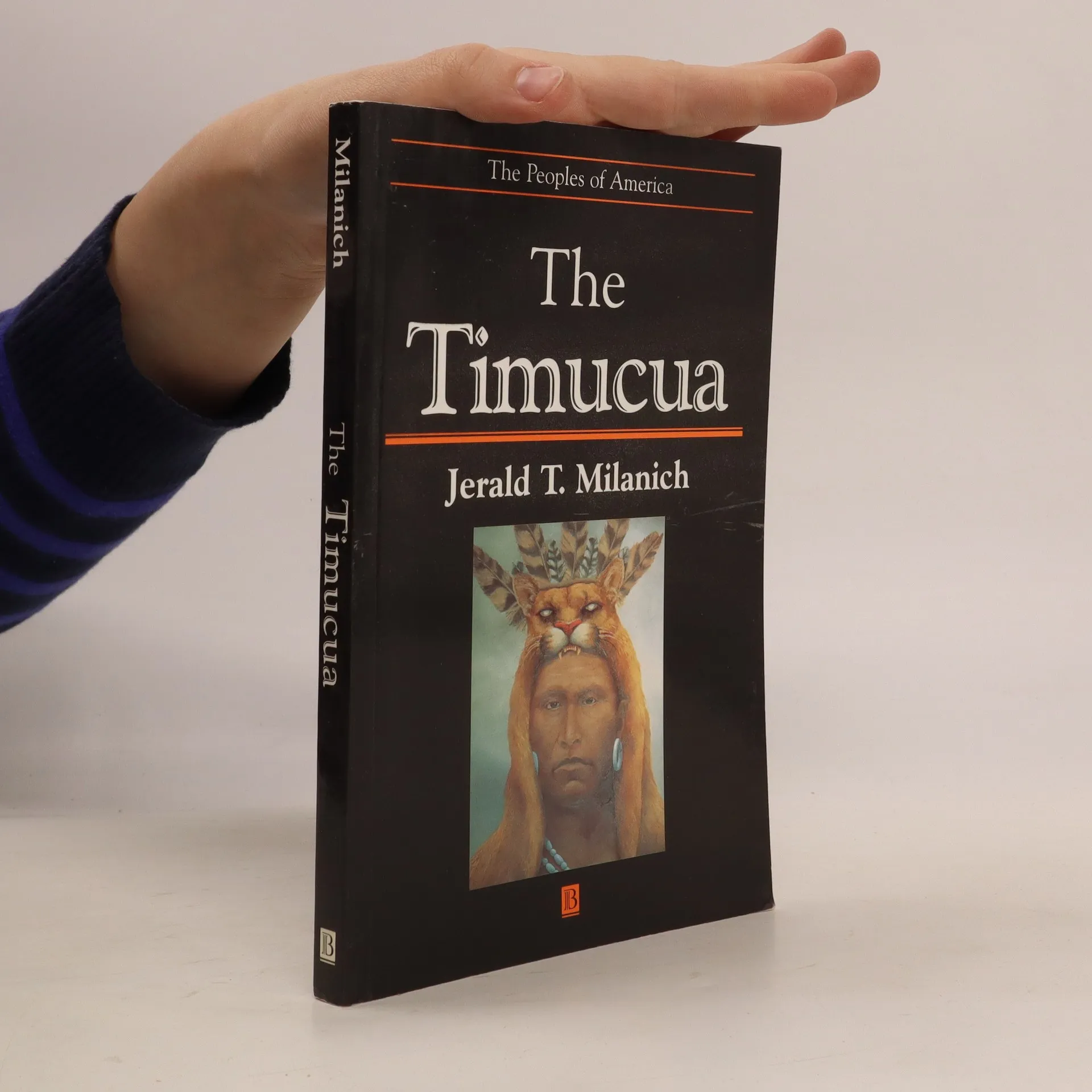
Based on the latest research findings, this is the moving story of the demise of one of the oldest of the American Indian peoples.
Great for professional archaeologists and general public.
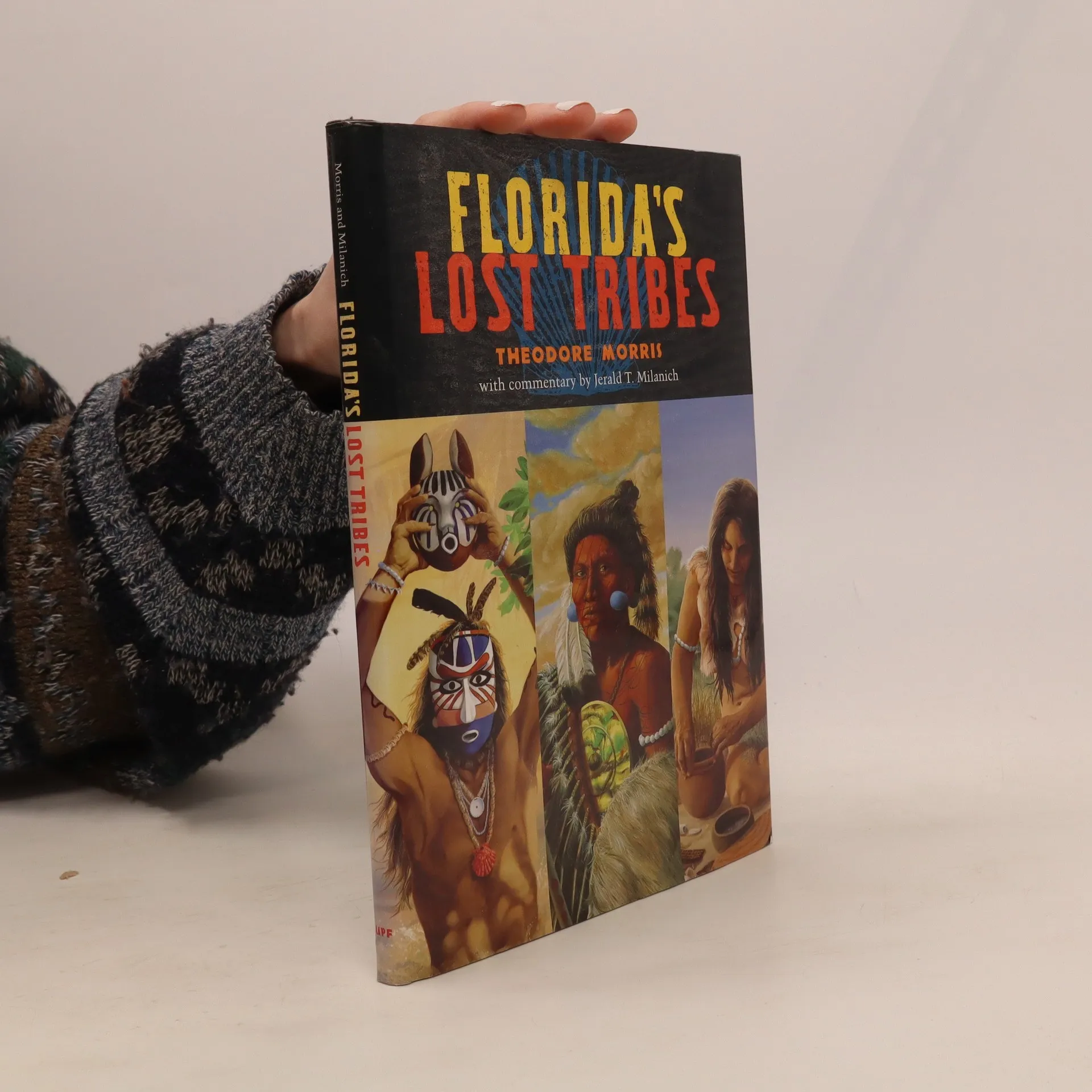
In a pictorial record of Florida's ancient Indians, an artist's detailed paintings and drawings based on historical evidence and his own research re-create the appearance of the lifestyles and cultures of the state's pre-Columbian peoples.
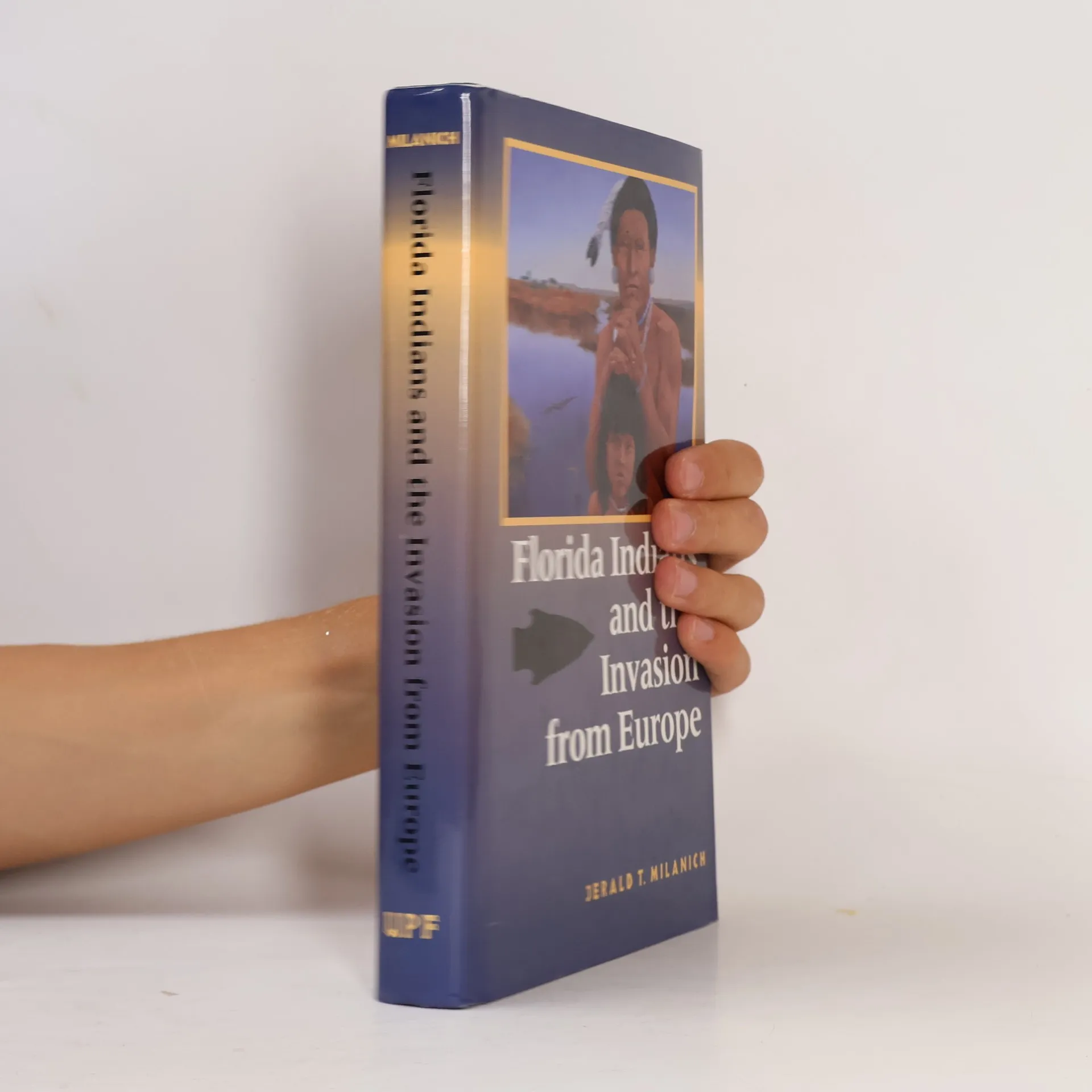
"Based on the best modern historical research on the Timucua and other Florida indigenous groups, work relates their decline and extinction"--Handbook of Latin American Studies, v. 58.
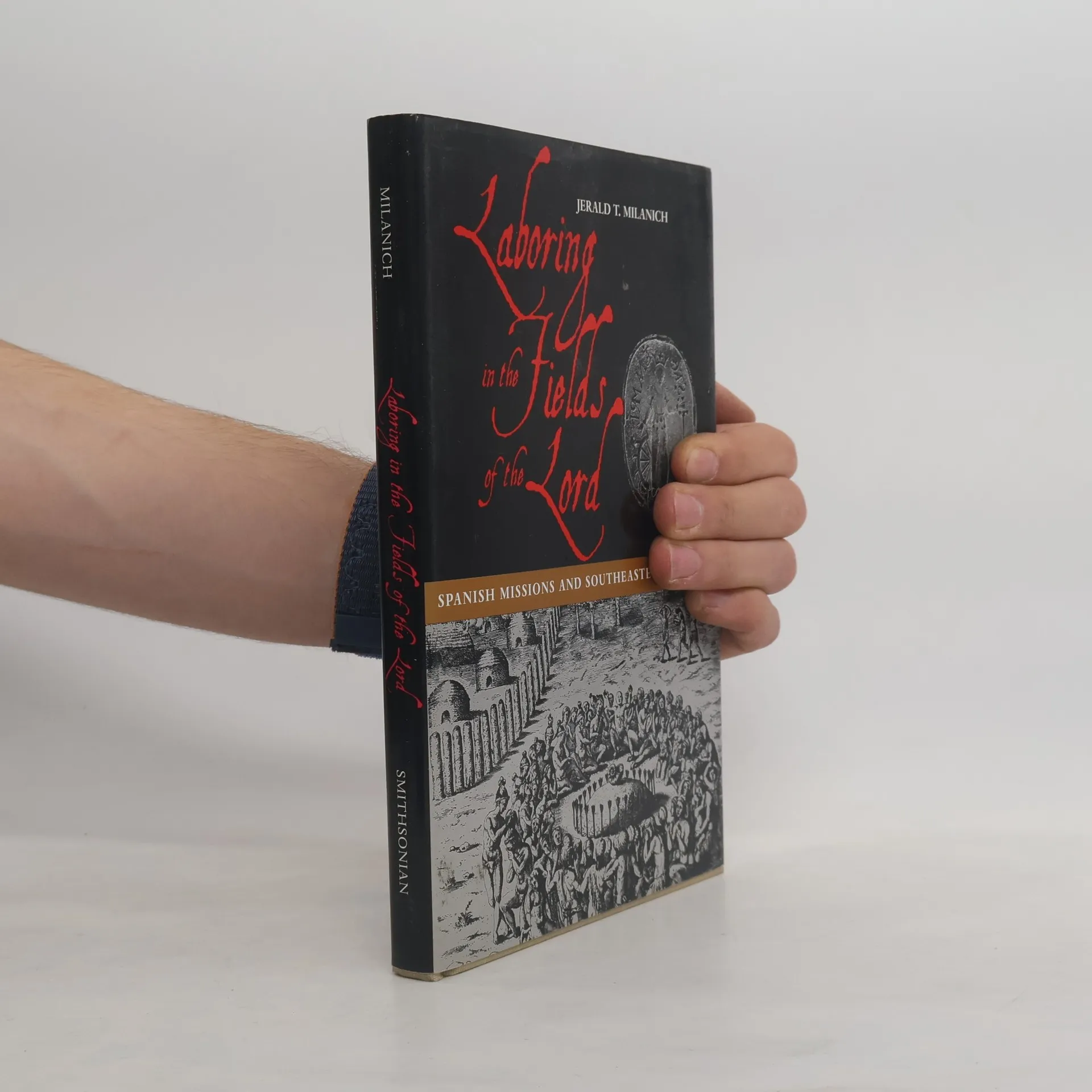
Spanish Missions and Southeastern Indians
One of the great secrets of American history, more than 150 Spanish mission churches once dotted the landscape between modern Miami and the Chesapeake Bay. Built between the 1560s and 1760s, the missions were concentrated in what is now northern Florida and southern Georgia, but until recently their existence - and their influence on the region's native groups - has remained virtually undetected. The wood and thatch buildings burned or rotted away, and sweeping epidemics gradually wiped out the entire population of the Timucua, Guale and Apalachee Indians.