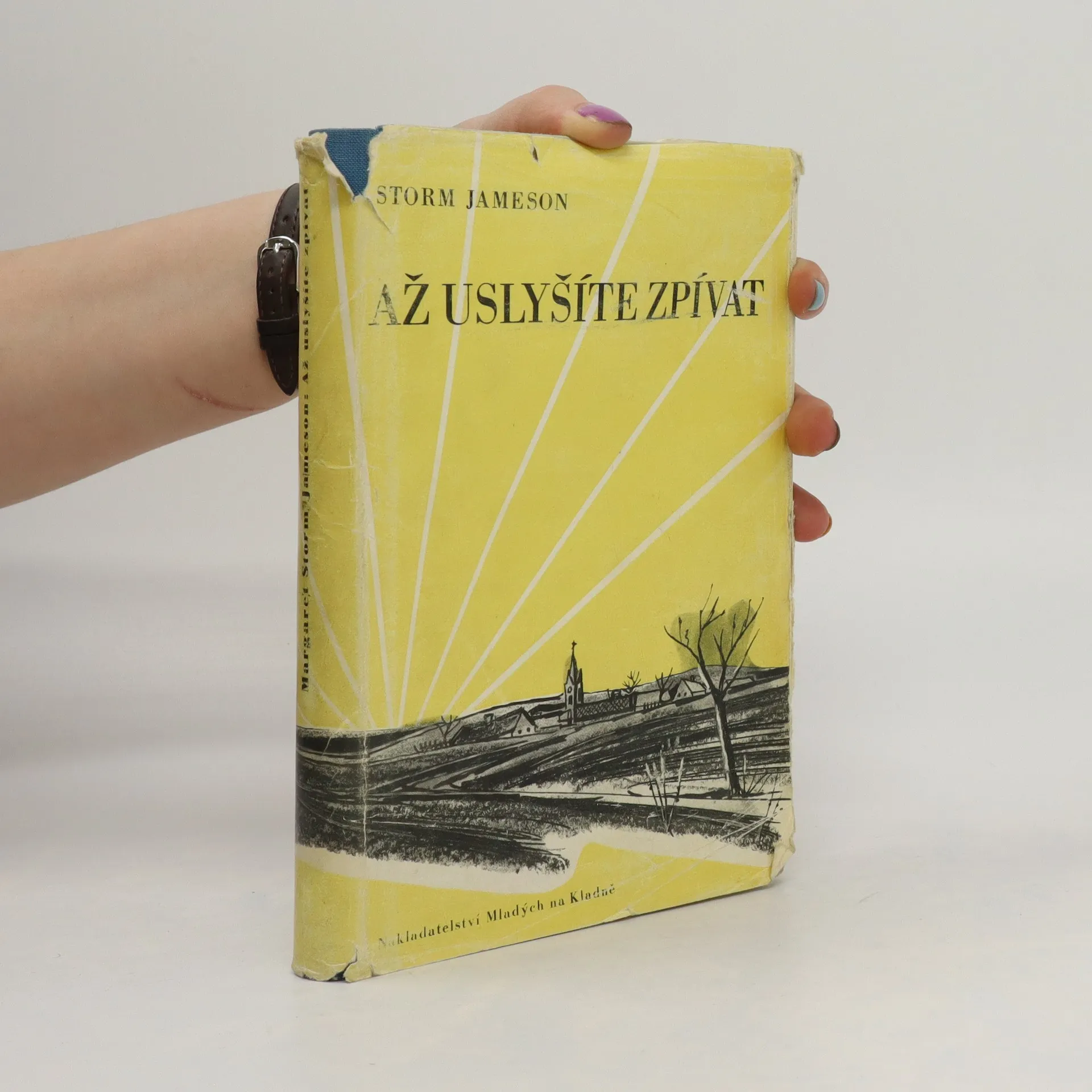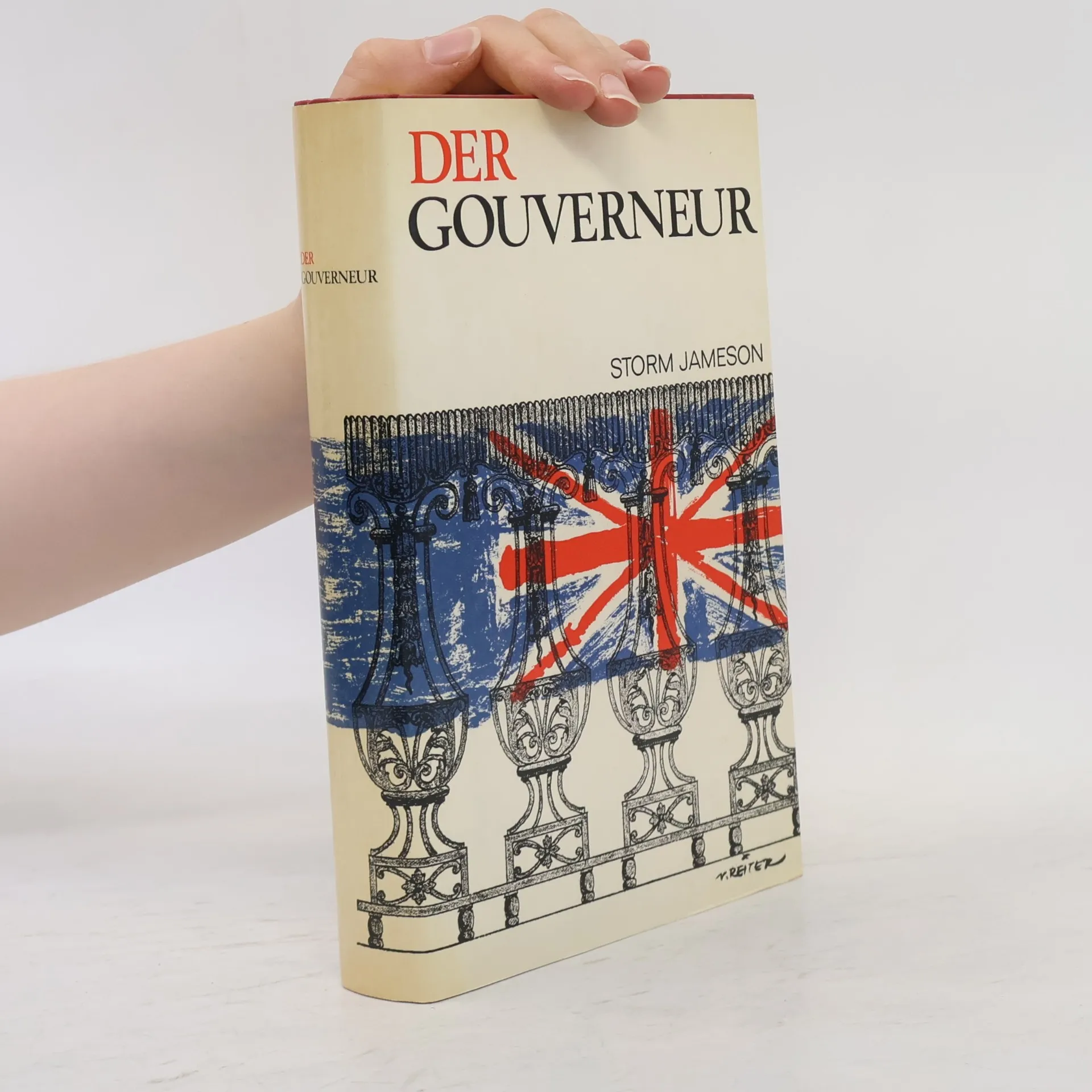
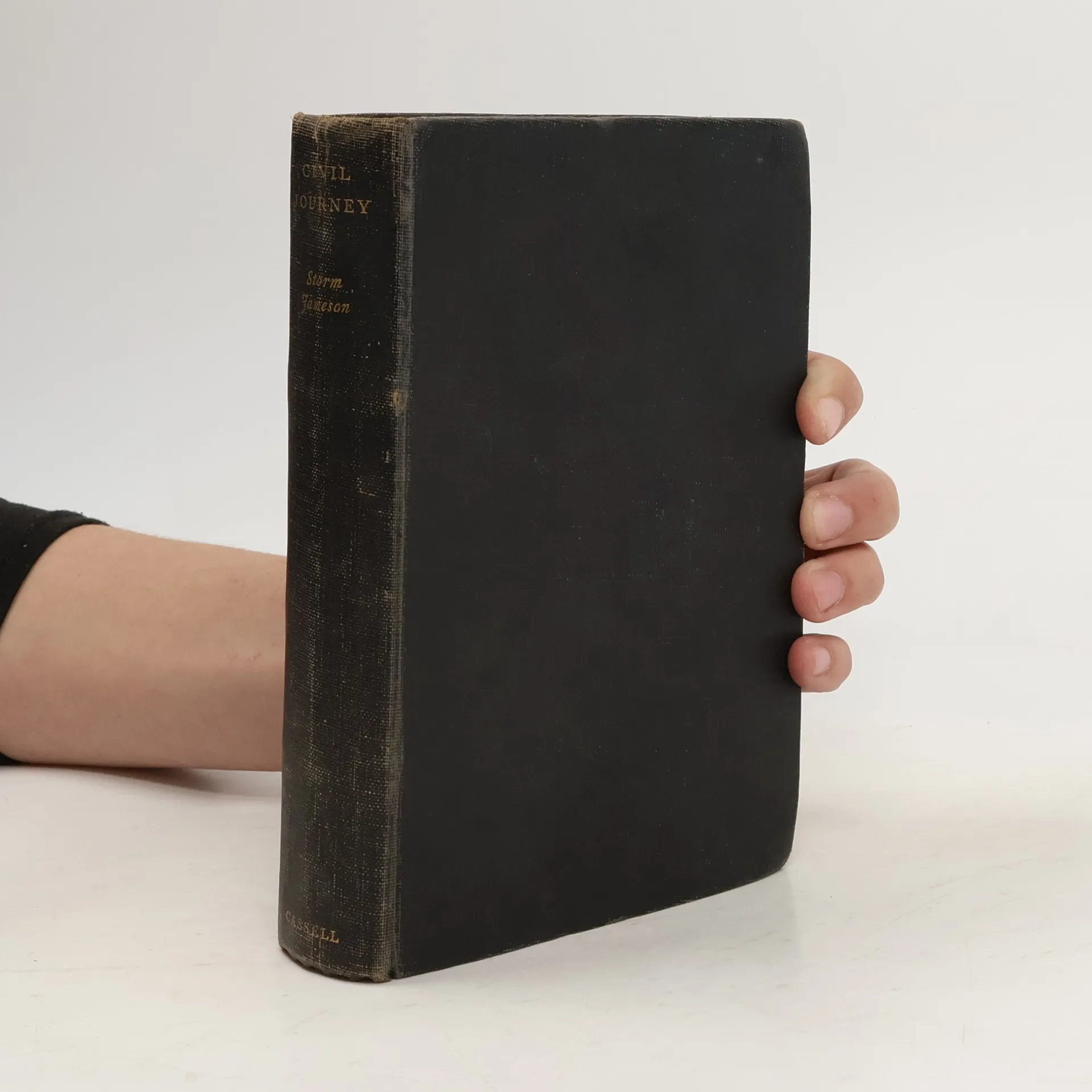
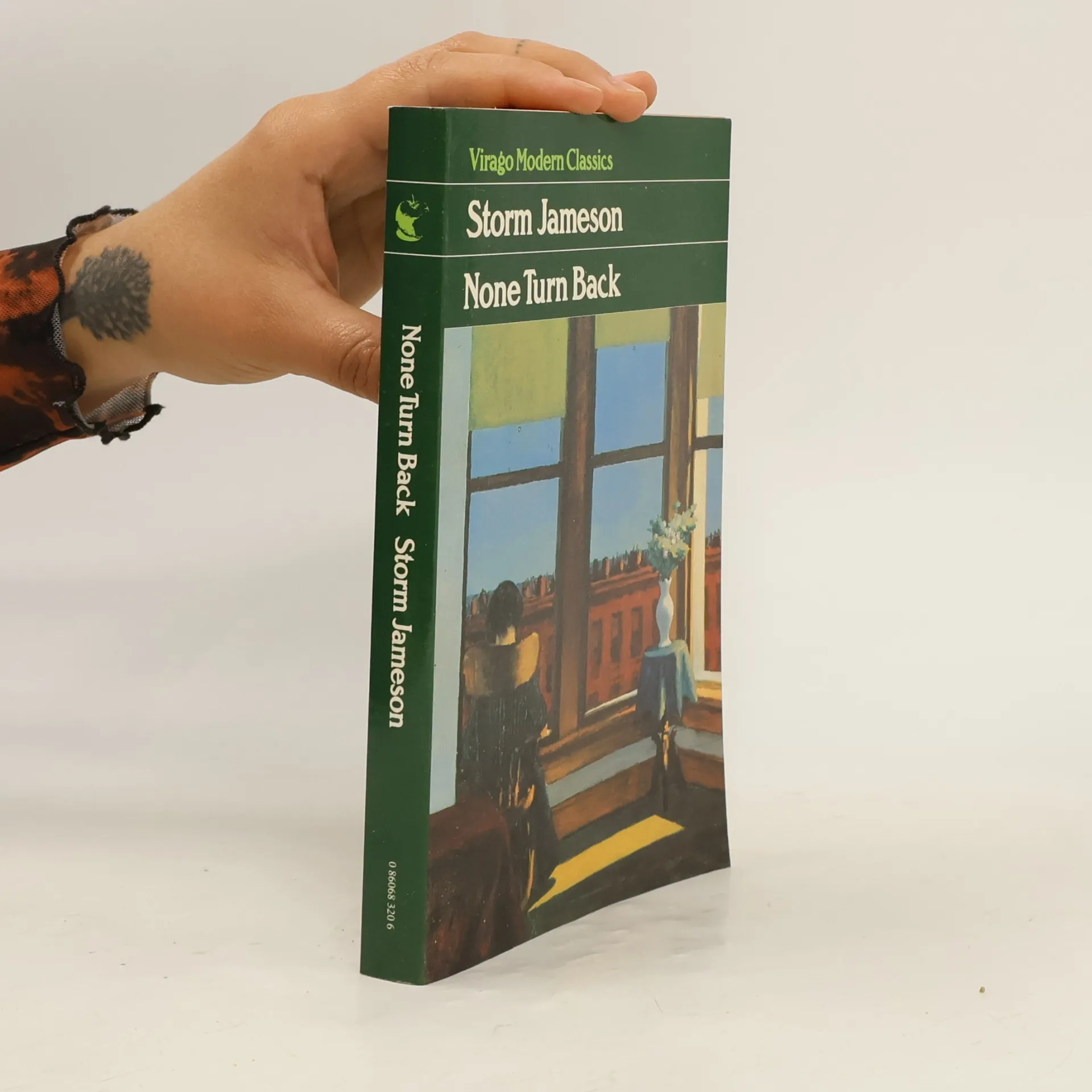
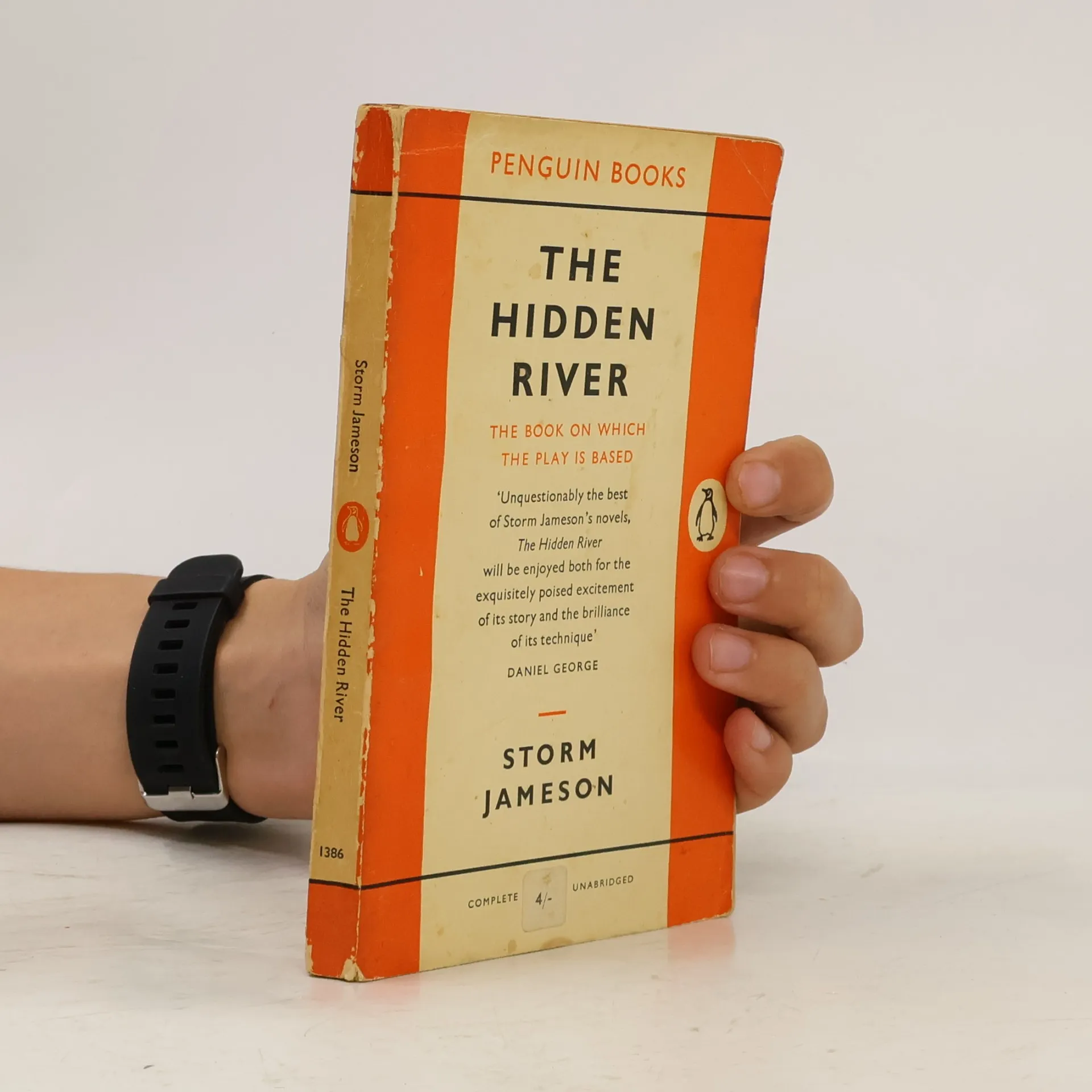
One of the 20th century's finest memoirs of literary and political life, with an introduction by Vivian Gornick, who referred to the book as “literary gold” “Stops you in your tracks. I would like to persuade everyone to read it” — Sunday Times A compulsively readable, beautifully written account of a fascinating twentieth-century woman and life. This candid, affecting portrait of a woman who loathed domesticity explores how she sought to balance a literary career with political commitment. Towards the end of her life, the writer Storm Jameson began her memoir by asking, “can I make sense of my life?” This question propelled her through an extraordinary reckoning with how she had lived: her early years in Whitby, shadowed by her tempestuous, dissatisfied mother; an early, unhappy marriage and repeated flights from settled domesticity; a tenaciously pursued literary career, always dogged by a lack of money; and her lifelong political activism, including as the first female president of English PEN, helping refugees escape Nazi Germany. In a richly ironic, conversational voice, Jameson tells also of the great figures she knew and events she witnessed: encounters with H.G. Wells and Rose Macaulay, travels in Europe as fascism was rising and a 1945 trip to recently liberated Warsaw. Throughout, she casts an unsparing eye on her own motivations and psychology, providing a rigorously candid and lively portrait of her life and times.
Storm Jameson Libros
Margaret Storm Jameson fue una importante autora inglesa, celebrada por su extensa obra, que incluye numerosas novelas y escritos críticos. Sus contribuciones literarias exploraron temas profundos, estableciéndola como una voz distintiva en la literatura inglesa. La dedicación de Jameson se extendió más allá de su escritura para apoyar activamente a otros escritores, particularmente a aquellos que buscaban refugio.


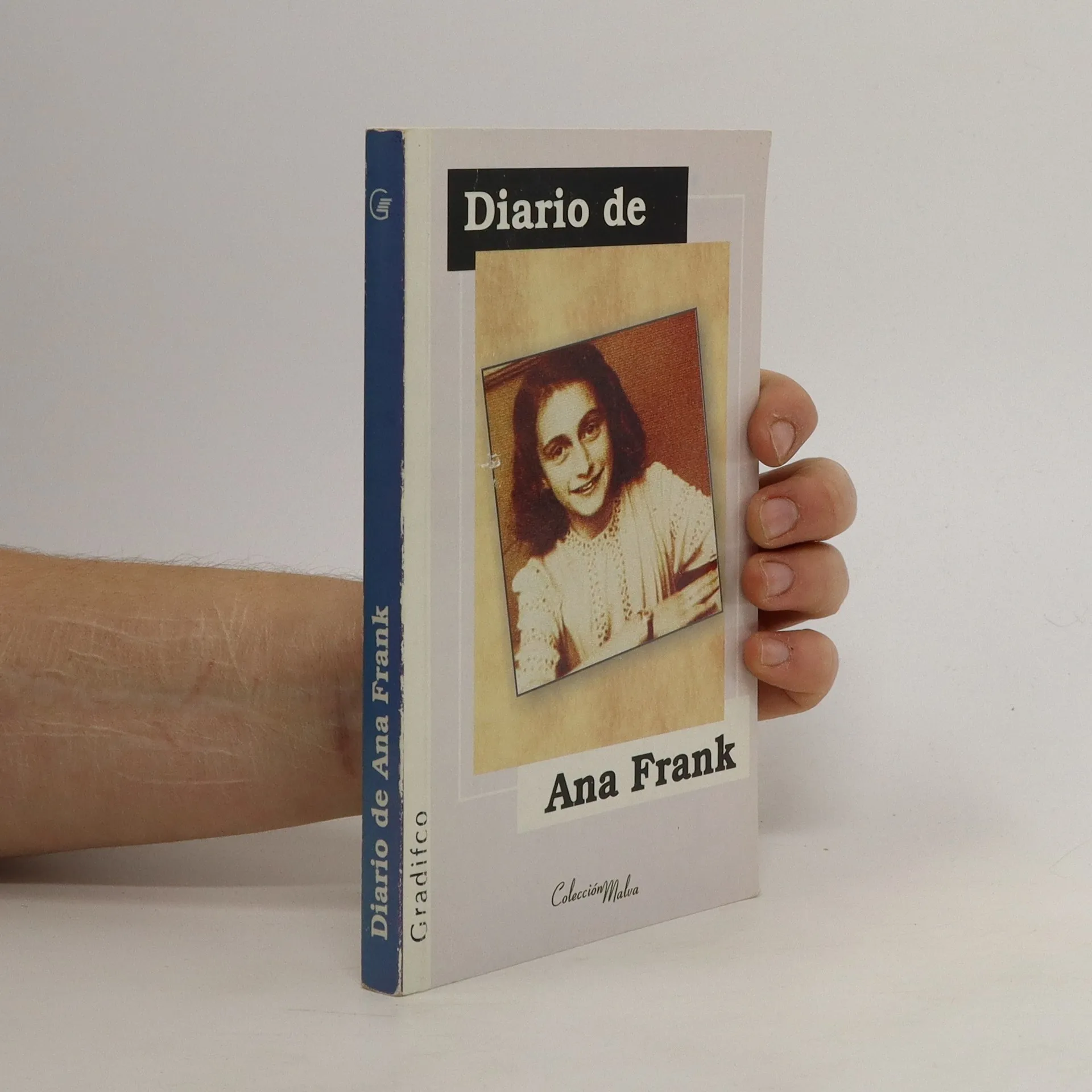
Tras la invasión de Holanda, los Frank, comerciantes judíos alemanes emigrados a Amsterdam en 1933, se ocultaron de la Gestapo en una buhardilla anexa al edificio donde el padre de Ana tenía sus oficinas. Eran ocho personas y permanecieron recluidas desde junio de 1942 hasta agosto de 1944, fecha en que fueron detenidos y enviados a campos de concentración. En ese lugar y en las más precarias condiciones, Ana, a la sazón una niña de trece años, escribió su estremecedor Diario: un testimonio único en su género sobre el horror y la barbarie nazi, y sobre los sentimientos y experiencias de la propia Ana y sus acompañantes. Ana murió en el campo de Bergen-Belsen en marzo de 1945. Su Diario nunca morirá.