White Rage
- 246 páginas
- 9 horas de lectura
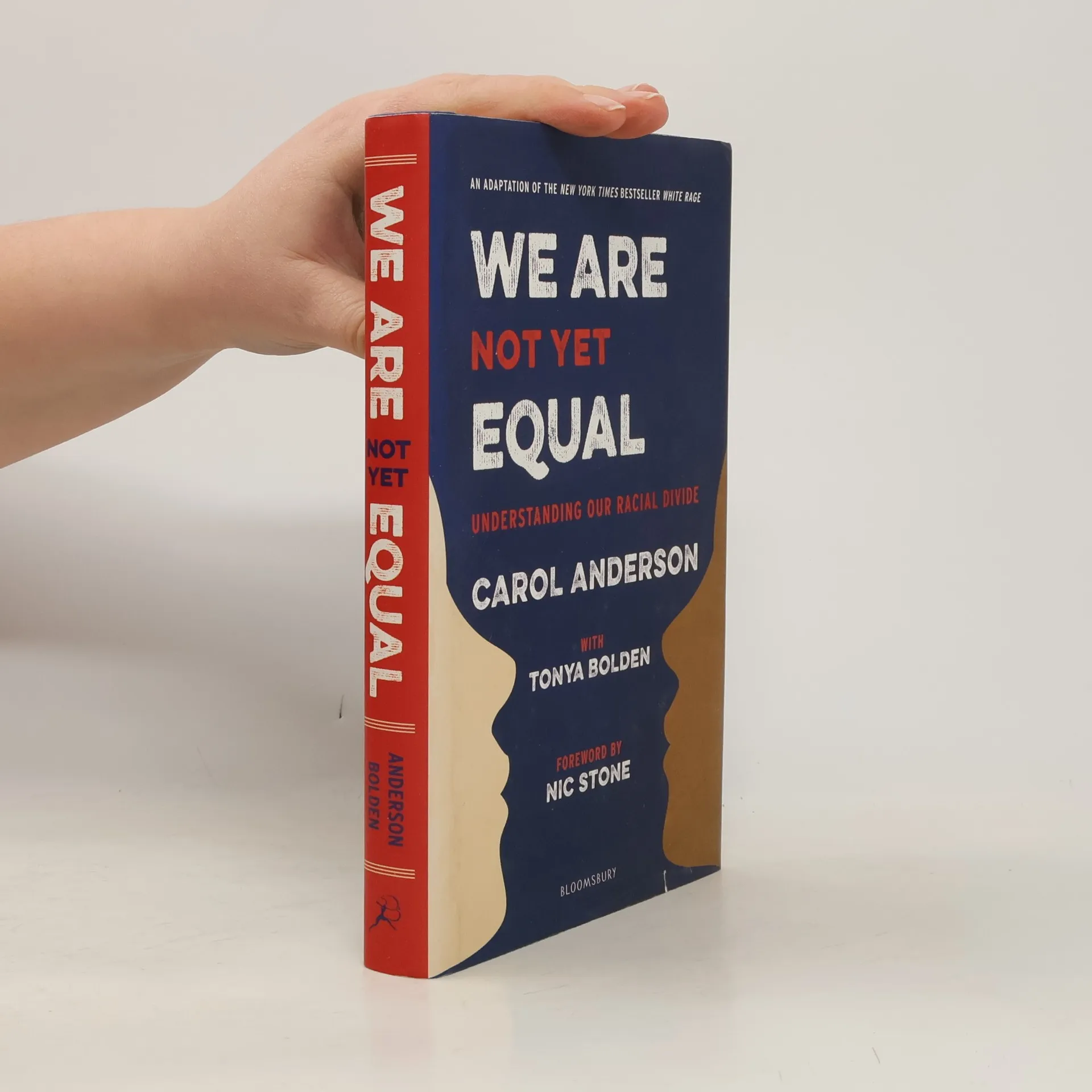
From the Civil War to our combustible present, an acclaimed historian reframes our continuing conversation about race, chronicling the powerful forces opposed to black progress in America.


El trabajo de Carol Anderson profundiza en la intersección de las políticas internas e internacionales, examinando cómo las cuestiones de raza, justicia e igualdad dan forma al panorama estadounidense. Analiza meticulosamente los complejos mecanismos a través de los cuales las decisiones políticas impactan las vidas y oportunidades de las comunidades marginadas. La escritura de Anderson ilumina los intrincados sistemas que perpetúan la desigualdad, mientras busca simultáneamente caminos hacia el cambio sistémico. A través de su erudición, ofrece profundas ideas sobre la lucha en curso por los derechos civiles y los desafíos persistentes que enfrenta la comunidad afroamericana.

From the Civil War to our combustible present, an acclaimed historian reframes our continuing conversation about race, chronicling the powerful forces opposed to black progress in America.
Carol Anderson's White Rage captivated readers, becoming a New York Times bestseller and earning accolades from major publications. It established her as a prominent voice on race issues, leading to invitations to speak to influential groups. This young adult adaptation introduces her insights to a new audience. The book explores the pattern of systemic racist backlash following milestones of progress for black Americans in democracy. It examines five pivotal moments: the end of the Civil War and Reconstruction, which led to Jim Crow laws; the Great Migration, where opportunities were stifled by barriers; the Supreme Court's 1954 Brown v. Board of Education decision, which resulted in the closure of public schools in the South; the Civil Rights Act of 1964 and Voting Rights Act of 1965, which were followed by laws disenfranchising African American voters and the War on Drugs targeting black communities; and the election of President Obama, which sparked violence, including the tragic death of Michael Brown in Ferguson, and the subsequent election of Donald Trump. This adaptation features an engaging narrative style, providing teen readers with context for these historical events, along with photographs, archival images, and additional resources.
'A provocative look at the racial context for Americans' right to bear arms' New York Times Book Review, Editor's Choice The Second Amendment: The right of the people to keep and bear arms, shall not be infringed. Throughout history, the Second Amendment to the Constitution of the United States has protected the right to bear arms. For Black Americans, this has come with the understanding that the moment they exercise this right (or the moment that they don't), their life - as surely as the lives of Philando Castile, Tamir Rice, Breonna Taylor - may be snatched away in a single, fateful second. In The Second, historian and award-winning author Carol Anderson illuminates the history and impact of the Second Amendment: from the seventeenth century, when it was encoded into law that the enslaved could not own, carry or use a firearm, to today, where measures to expand and curtail gun ownership continue to limit the freedoms and power of Black Americans. Through compelling historical narrative merging into the unfolding events of recent years, Anderson's investigation shows that the Second Amendment is not about guns but about anti-Blackness, revealing the magnitude of institutional racism in America today.
Exploring the critical issue of Black voter suppression, this adaptation presents a thorough historical account that highlights significant events and systemic obstacles faced by Black voters throughout American history. It delves into the socio-political factors that have contributed to disenfranchisement and the ongoing struggle for voting rights, making it a vital resource for understanding the complexities of race and democracy in the United States.
The Four Noble Truths in the Theravada Buddhist Canon
The book explores the four noble truths as central to the Pali canon, illustrating their significance in representing Buddha's enlightenment. It delves into how these truths function within a broader framework of Buddha's teachings, providing insights into their application and relevance in the context of Buddhist philosophy. Through this examination, readers gain a deeper understanding of the interconnectedness of these doctrines and their role in guiding spiritual practice.
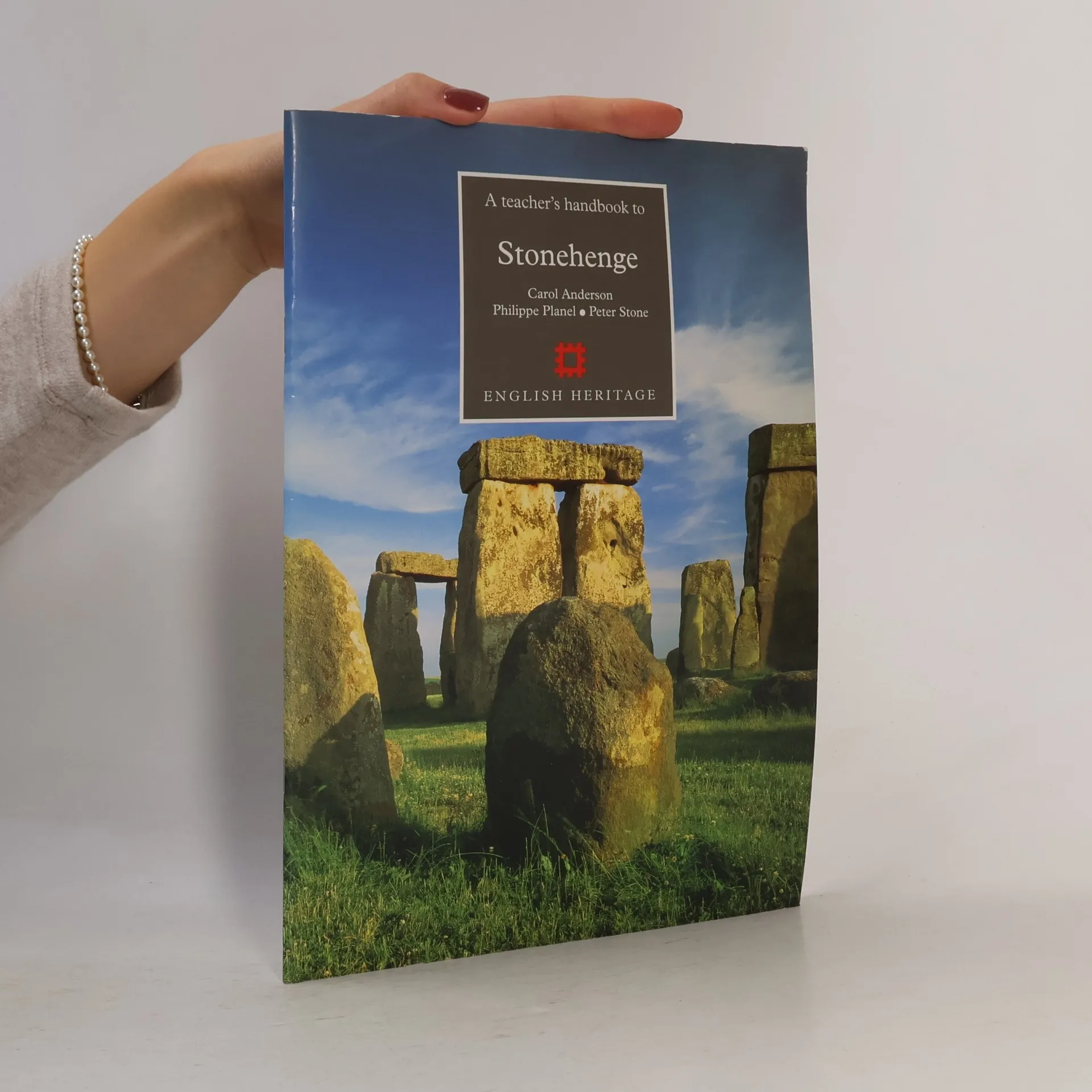
Play will the barrow survive?' and lose ten points by landing on Stukeley, debate access and build a brickhenge. The guide offers activities for all key stages with advice on visits, summaries of the archaeology and its local context. Though perhaps the debate about access ought to read in conjunction with Barbara bender's essay in