White Wolves are engaging books that children want to pick up, at a range of different reading levels. Eighteen exciting new titles reflect the range of non-fiction texts children will come across in the real world, from guidebooks to cookbooks. They are ideal for topic libraries, and for teaching literacy skills in a curriculum context.
Richard Spilsbury Libros

Investigating Magnetism
- 32 páginas
- 2 horas de lectura
Budding scientists will engage in hands-on investigations to explore the properties of magnetism. The book focuses on how magnetic force is influenced by factors such as distance, strength, and size, encouraging critical thinking and experimentation.
Investigating Heat
- 32 páginas
- 2 horas de lectura
Engaging young minds, this book encourages budding scientists to explore the properties of heat through hands-on investigations. Readers will learn how to measure, conduct, and transfer energy, fostering a practical understanding of thermal science. The interactive approach enhances learning and sparks curiosity in scientific concepts.
This book introduces readers to a range of endangered animals found in South America. Readers learn basic facts about each animal, and also why the animal's habitat is threatened. The book also considers what people can do to help, both at an international level and at the level of the readers themselves.
This book introduces readers to a range of endangered animals found in Africa. Readers learn basic facts about each animal, and also why the animal's habitat is threatened. The book also considers what people can do to help, both at an international level and at the level of the readers themselves.
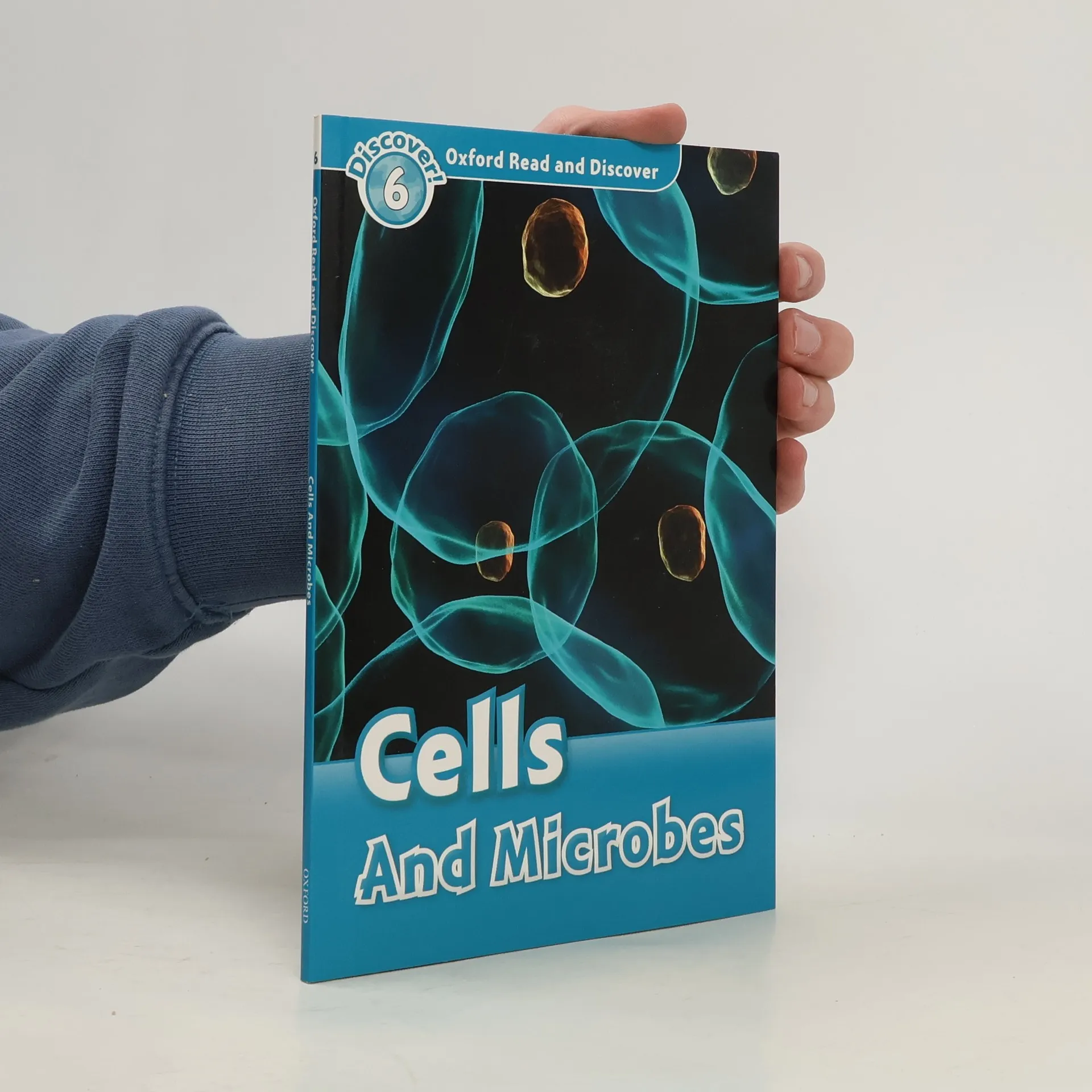
Oxford Read and Discover 6: Cells and Microbes
- 56 páginas
- 2 horas de lectura
This exciting new series of non-fiction readers provides interesting and educational content, with activities and project work. The readers are graded at four levels, from 3 to 6, suitable for students from age 8 and older.
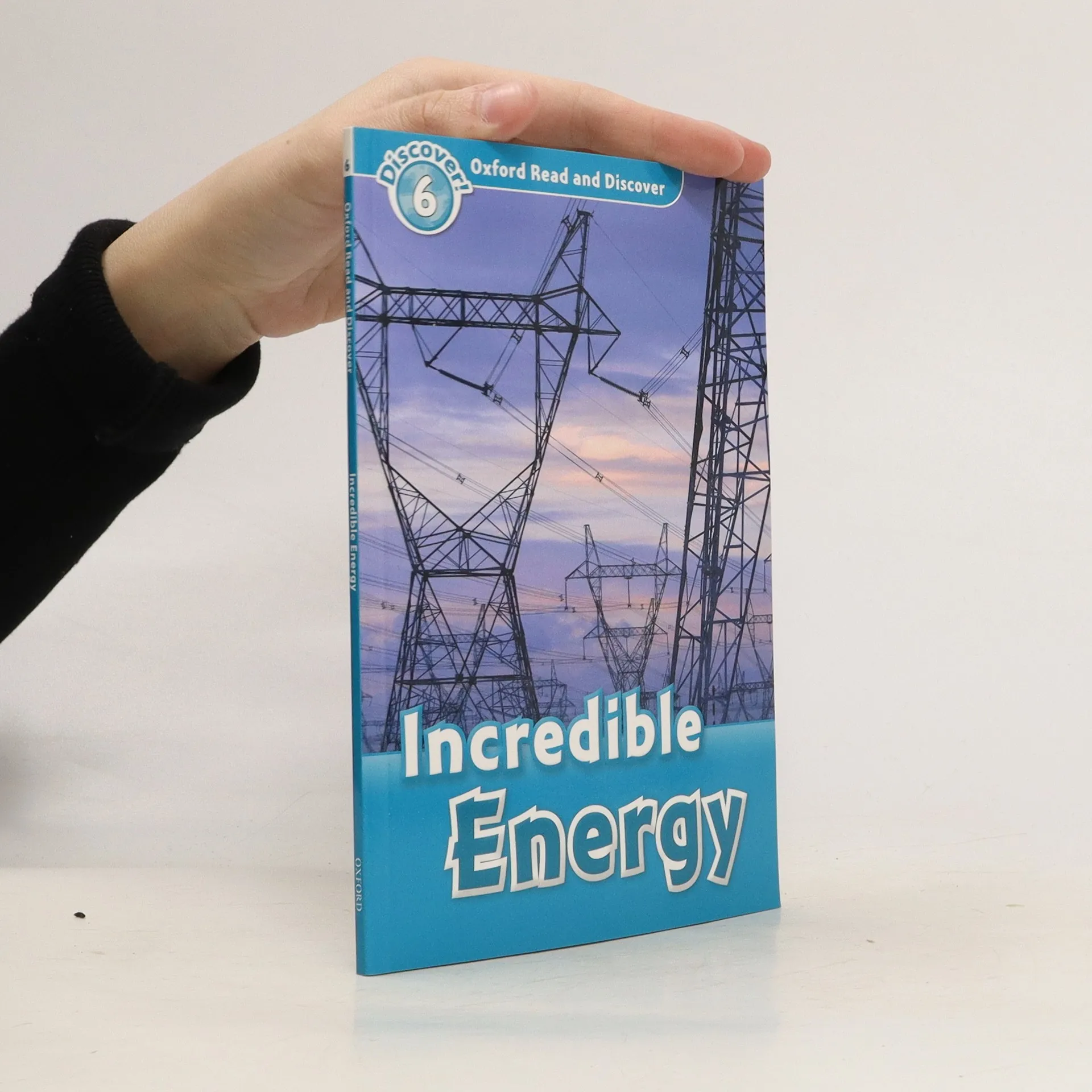
Oxford Read and Discover: Level 6: Incredible Energy
- 56 páginas
- 2 horas de lectura
Read and discover all about incredible energy... What is kinetic energy? What types of energy does electricity give us?This exciting new series of non-fiction readers provides interesting and educational content, with activities and project work. The readers are graded at four levels, from 3 to 6, suitable for students from age 8 and older.
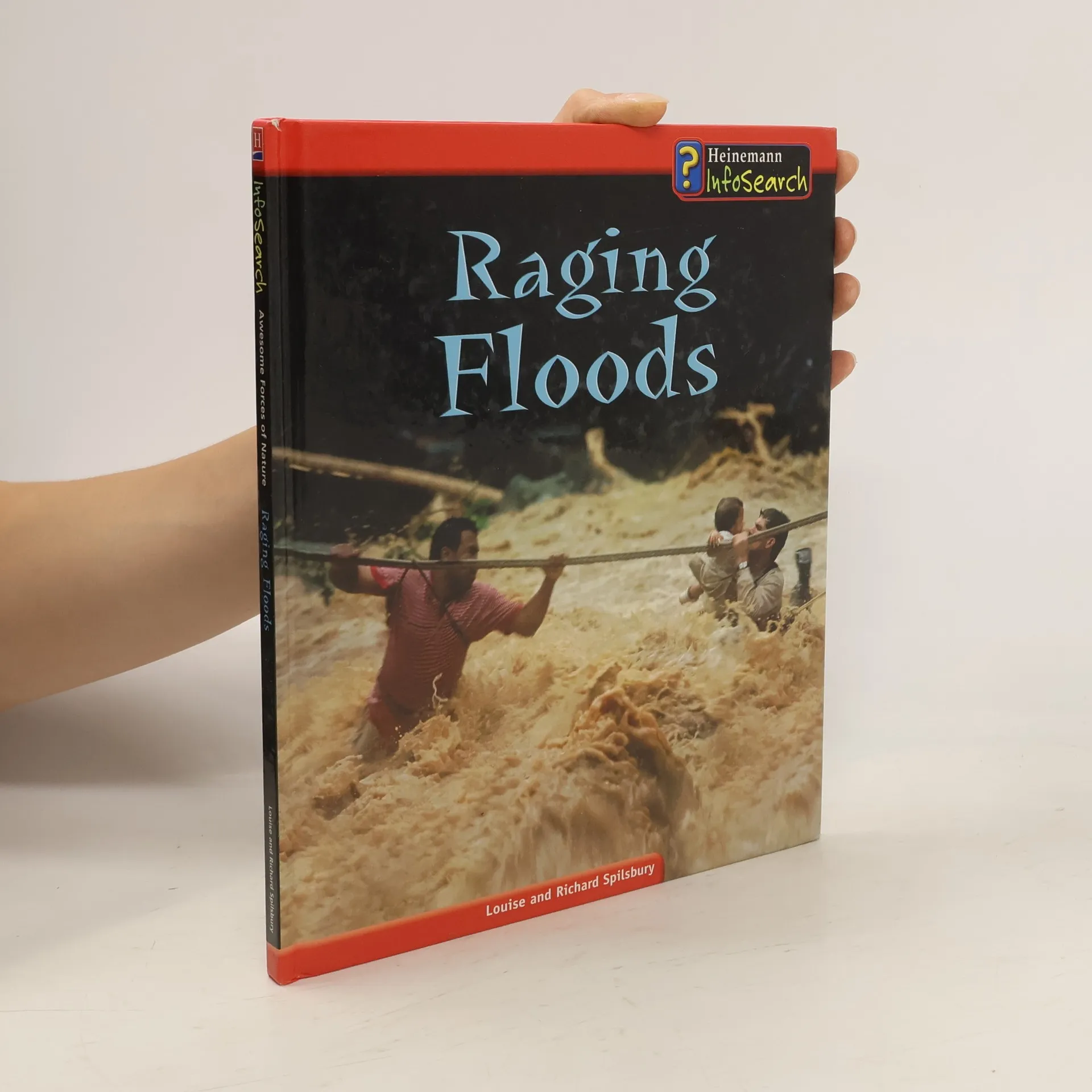
Raging Floods
- 32 páginas
- 2 horas de lectura
Explores a wide range of destructive natural events and phenomena.
Focusing on innovative car designs from 1900 onwards, this book explores iconic models like the Mini Cooper and the Mercedes 300SL with gull-wing doors. It delves into the driving needs that inspired these designs, highlights groundbreaking designers, and examines the technological advancements that enabled their creation. Through a historical lens, readers will appreciate the evolution of automotive design and the creative minds behind these remarkable vehicles.
Investigating Electricity
- 32 páginas
- 2 horas de lectura
Engaging young minds, this book encourages budding scientists to delve into the world of electricity through hands-on investigations. It focuses on exploring how electricity can be produced, conducted, and converted, fostering a practical understanding of its properties. Through interactive activities, readers will develop critical thinking skills and a deeper appreciation for energy in their everyday lives.
Oceans
- 48 páginas
- 2 horas de lectura
Exploring the vastness of the ocean ecosystem, this book utilizes flowcharts to present engaging insights about the world's oceans, which encompass over three-quarters of the Earth's surface. It offers readers a captivating look at marine life and the intricate dynamics of oceanic environments, making complex information accessible and visually appealing.
This book introduces readers to a range of endangered animals found in Asia. Readers learn basic facts about each animal, and also why the animal's habitat is threatened. The book also considers what people can do to help, both at an international level and at the level of the readers themselves.
Health and Disease
- 64 páginas
- 3 horas de lectura
Everyone is an individual and we're all different in many ways, but every human being on Earth follows a similar pattern of changes from birth to childhood, through adolescence to adulthood, and into old age.
How do we know about the thousands of people who marched in campaigns for civil rights for African Americans in the 1960s? It includes information on some historical detective work that has taken place, using documentary and oral evidence, that has enabled historians to piece together the fascinating story of the civil rights marches.
Rainforests
- 48 páginas
- 2 horas de lectura
Rainforests are lush, healthy forests. These amazing ecosystems are home to around half of all Earth's plants and animals. Find out about rainforests through the use of flowcharts in this fascinating book.
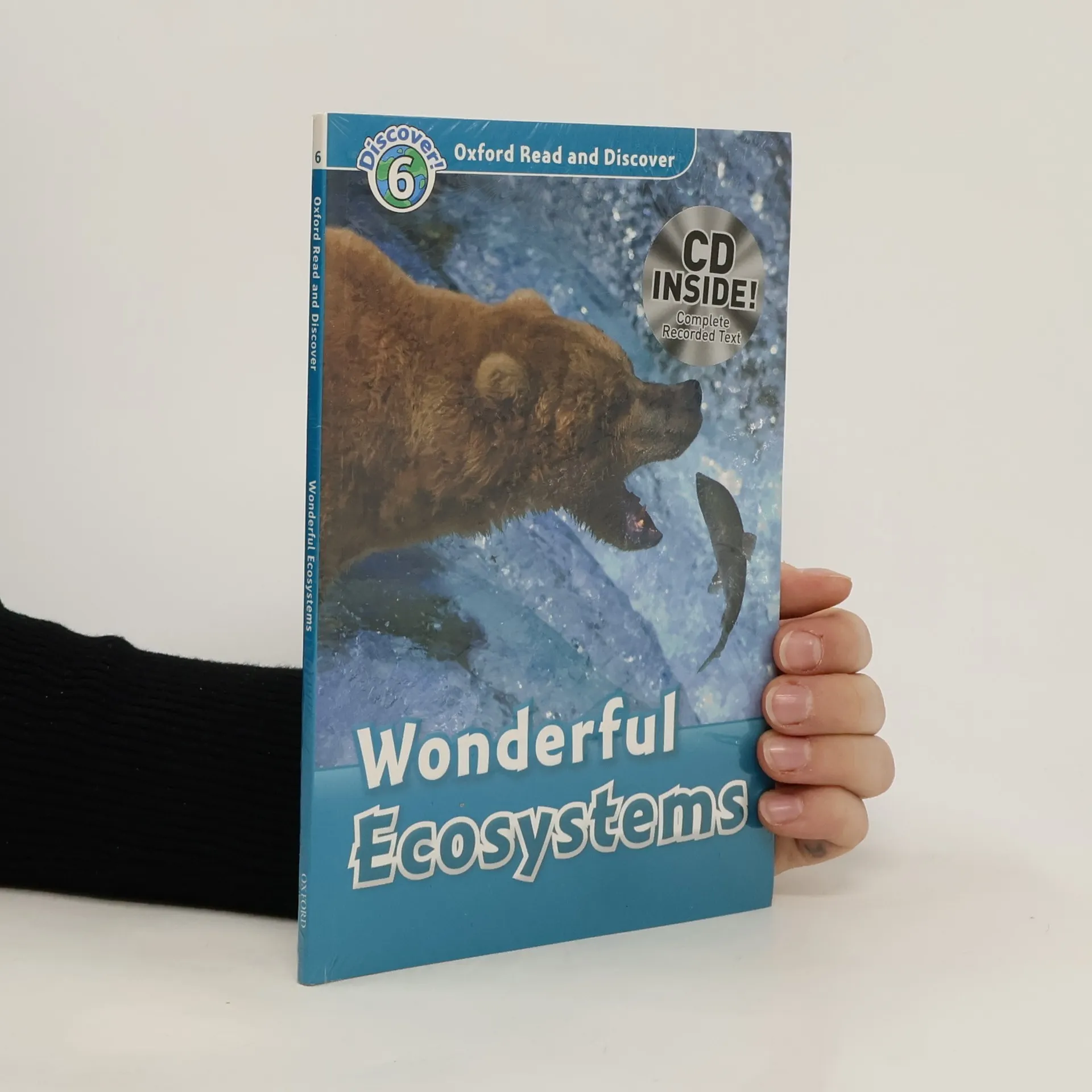
Oxford Read and Discover - 6: Wonderful Ecosystems
- 56 páginas
- 2 horas de lectura
Read and discover all about wonderful ecosystems on Earth ... How are polar bears adapted to living in a frozen ecosystem? What are decomposers?This exciting new series of non-fiction readers provides interesting and educational content, with activities and project work. The readers are graded at four levels, from 3 to 6, suitable for students from age 8 and older.