

A study of loneliness, crime and retribution that makes a third panel for the triptych which began with "Taxi Driver" and "American Gigolo". John le Tour is an up-market drug-dealer who has turned 40 and is facing a turning point in his life as his boss is about to quit drug-dealing.
Paul Schrader Libros
Paul Schrader, un cineasta a menudo asociado con la generación de los 'movie brats', forjó un camino distinto. Su educación en un estricto hogar calvinista inicialmente limitó su exposición al cine, pero esto fomentó una profunda y crítica conexión con el medio tras sus estudios. El trabajo de Schrader como director y guionista se caracteriza por un profundo interés en el cine trascendental, inspirándose en directores como Bresson y Ozu, una pasión que exploró en sus escritos críticos. Sus películas son conocidas por sus audaces exploraciones estilísticas y temáticas, operando a menudo dentro del marco de Hollywood mientras expanden sus límites.



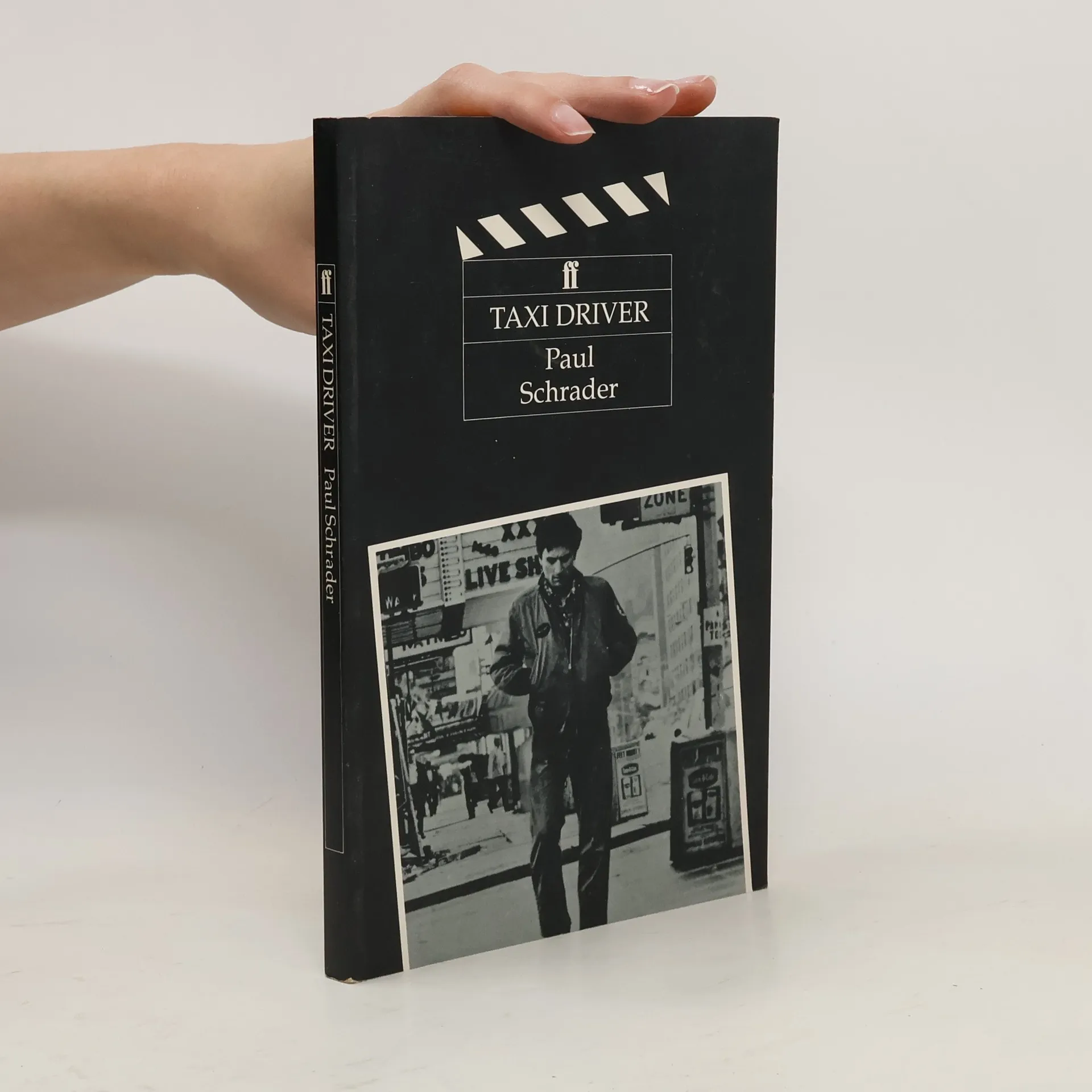

A loner, Travis Bickle, takes up driving a taxi in search of an escape from his sleeplessness and his disgust with the corruption he finds around him. His pent-up rage, fuelled by his doomed relationship with a political campaign worker, leads to an inevitable descent into psychosis and violence.
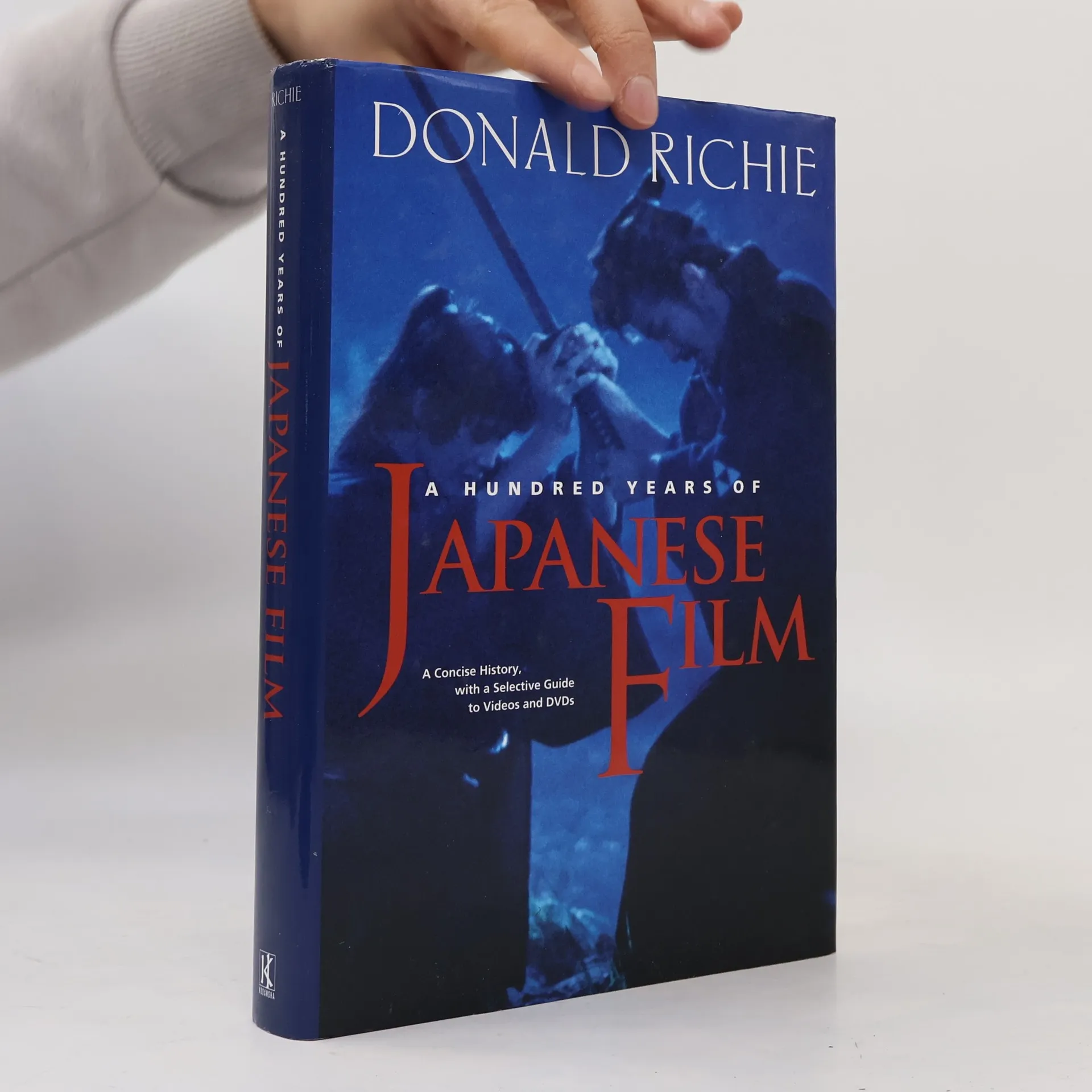
In A Hundred Years of Japanese Films , Richie offers an insider's look at the achievements of Japanese filmmakers. He begins in the late 1800s, when the industry took its inspiration from the traditional stories of Kabuki and Noh theater, and finishes in the present with the latest award-winning dramas showcased at Cannes. In between, Richie explores the roots of Japan's contribution to world cinema. He discusses the careers of Japan's rising stars and celebrated directors, and also offers a fascinating view of the strategies and politics of the movie studios themselves. A selective guide in the book's second part provides capsule reviews of the major Japanese films available in VHS and DVD formats, as well as those televised on standard and cable channels.
Transzendentaler Stil im Film: Ozu, Bresson, Dreyer
- 260 páginas
- 10 horas de lectura
Über das »Streben nach dem Unbeschreibbaren und Unsichtbaren« – ein Manifest für ein anderes Kino Wie kann es gelingen, Transzendenz im Film darzustellen? Was sind die spirituellen Ausdrucksmöglichkeiten der Kamera, des Dialogs, des Lichts und der Montage, die einem Regisseur zur Verfügung stehen? Paul Schrader ist diesen Fragen auf den Grund gegangen, indem er den Stil von drei großen Filmemachern des europäischen und japanischen Kinos analysiert: Yasujiro - Ozu (1903–1963), Robert Bresson (1901–1999) und Carl Theodor Dreyer (1889–1968). Die stilistischen Gemeinsamkeiten – innerhalb unterschiedlicher Kulturen – bezeichnet er als »transzendentalen Stil«. Das Buch, dessen Erstveröffentlichung 1972 zeitlich zwischen die filmtheoretischen Standardwerke von André Bazin (Was ist Film?, 1958–62) und Gilles Deleuze (Kino 1, 1983/Kino 2, 1985) fällt, unterscheidet sich von vergleichbaren Debatten und Diskussionen, indem es weitgehend auf einen philosophischen Jargon verzichtet. Schrader ist an Klarheit und Lebendigkeit gelegen. Die Erstausgabe wurde um eine von Schrader 2016 verfasste Einleitung ergänzt, in der er über Deleuze und Andrej Tarkowski einen faszinierenden Bogen zum slow cinema unserer Tage schlägt, wie es Béla Tarr, Pawel Pawlikowski oder Lav Diaz praktizieren. »Ein beispielhaftes Werk der Filmkritik.« New Yorker