
Peter FitzSimons es una figura mediática y editorial australiana destacada y de gran éxito. Su dinámica carrera incluye la co-presentación de un popular programa de radio matutino, la escritura de columnas regulares en periódicos, apariciones en televisión y la autoría de libros superventas cuando su agenda lo permite. También se desempeña como corresponsal de un importante periódico de Londres y es frecuentemente solicitado como orador invitado y presentador.
From the bestselling author of Kokoda and Gallipoli, the extraordinary story
of the Australian Light Horse, their defining World War I battle: the iconic
cavalry charge at Beersheba in October 1917, and the brave men who built the
legend.
The extraordinary, must-read story of the brave, bold Hubert Wilkins -
Australia's most adventurous explorer, naturalist, photographer, war hero,
aviator, spy and daredevil - brought to life by Australia's greatest
storyteller.
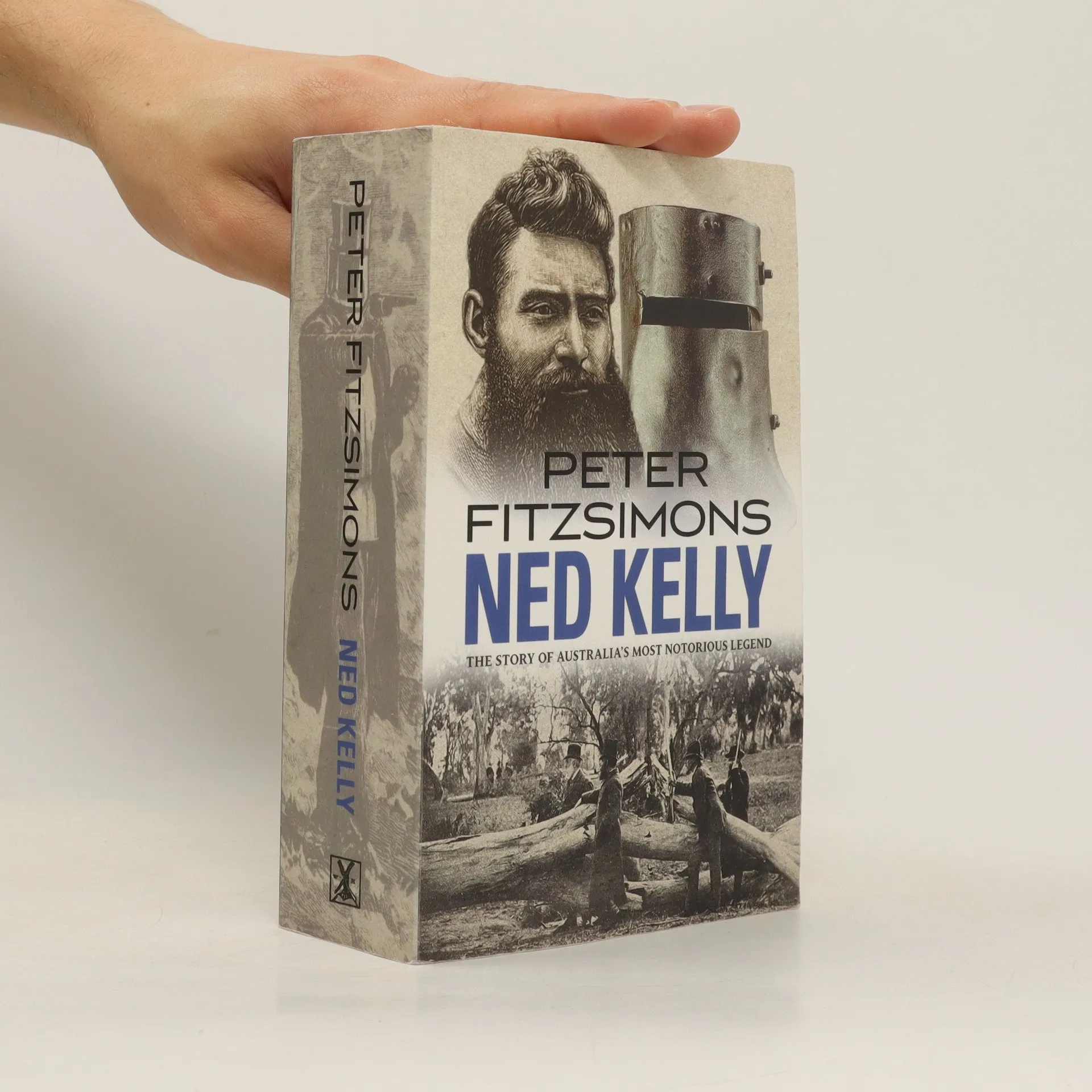
Love him or loathe him, Ned Kelly has been at the heart of Australian culture and identity since he and his gang were tracked down in bushland by the Victorian police and came out fighting, dressed in bulletproof iron armour made from farmers' ploughs. Historians still disagree over virtually every aspect of the eldest Kelly boy's brushes with the law. Did he or did he not shoot Constable Fitzpatrick at their family home? Was he a lawless thug or a noble Robin Hood, a remorseless killer or a crusader against oppression and discrimination? Was he even a political revolutionary, an Australian republican channelling the spirit of Eureka? Peter FitzSimons, bestselling chronicler of many of the great defining moments and people of this nation's history, is the perfect person to tell this most iconic of all Australian stories. From Kelly's early days in Beveridge, Victoria, in the mid-1800s, to the Felons' Apprehension Act, which made it possible for anyone to shoot the Kelly gang, to Ned's appearance in his now-famous armour, prompting the shocked and bewildered police to exclaim ‘He is the devil!' and ‘He is the bunyip!', FitzSimons brings the history of Ned Kelly and his gang exuberantly to life, weighing in on all of the myths, legends and controversies generated by this compelling and divisive Irish-Australian rebel.
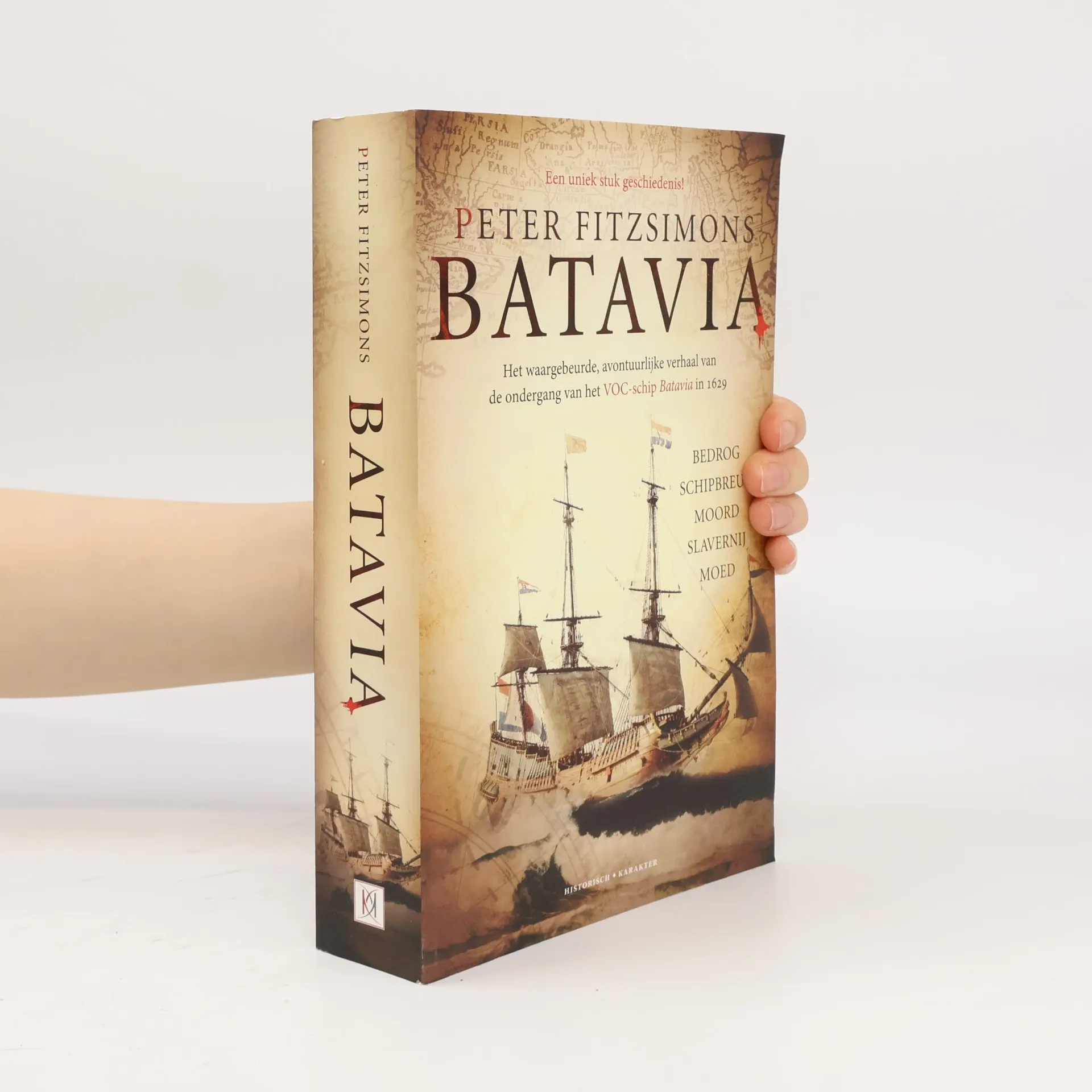
Het waargebeurde, avontuurlijke verhaal van de ondergang van het VOC-schip Batavia in 1629
400 páginas
14 horas de lectura
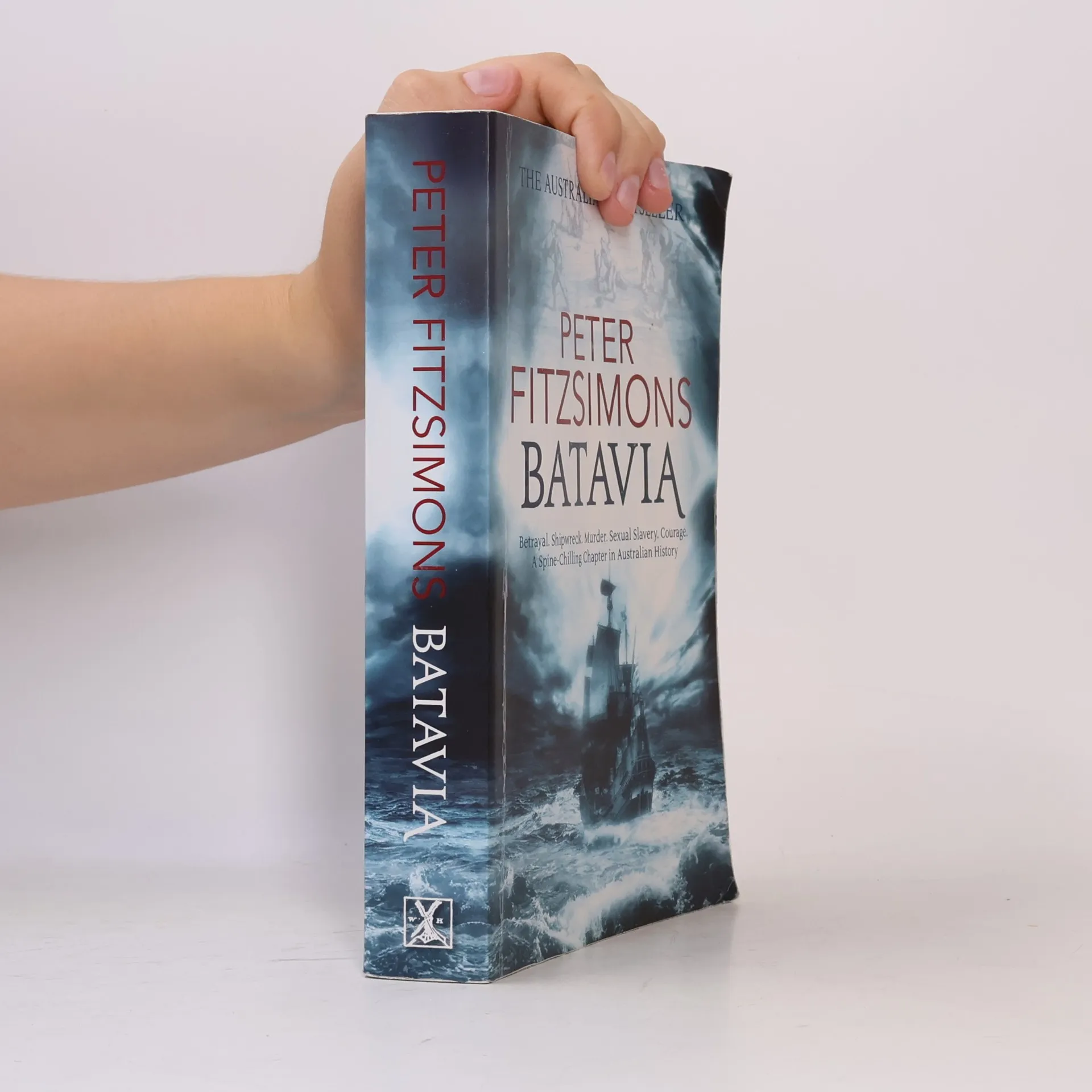
Op 28 oktober 1627 vertrekt de Batavia – de trots van de Republiek – voor haar eerste zeereis van Texel richting Nederlands-Indië. Dit nieuwe vlaggenschip van de VOC, groter en sneller dan zijn voorgangers, is beladen met veel kostbaarheden en toegerust voor een reis van vele maanden. De lading bestaat onder meer uit kisten zilveren muntgeld en goud ter waarde van 260.000 gulden, luxe gebruiksgoederen, zilverwerk voor Mogol-vorst Jahangir, handelswaar en een kistje met zeer kostbare juwelen. Maar al snel begint het te rommelen onder de bemanning en de ontevreden mannen staan op het punt van muiterij als het schip midden in de nacht op een rif voor de kust van Australië loopt en begint te zinken. Onder de mannen, vrouwen en kinderen aan boord breekt paniek uit. Bij zonsopkomst wordt de ernst van de situatie helemaal duidelijk: de Batavia bevindt zich in een hopeloze situatie. Er is een straffe wind opgestoken die de golven hard tegen het dek laat beuken. Met kleine bootjes worden zo veel mogelijk opvarenden geëvacueerd naar een nabijgelegen eiland, dat later de geschiedenis in zal gaan als ‘het kerkhof van de Batavia’, omdat de muiters besluiten iedereen die hun in de weg zit, te vermoorden. Van de 341 opvarenden van de Batavia komen er uiteindelijk slechts 68 op Java aan…
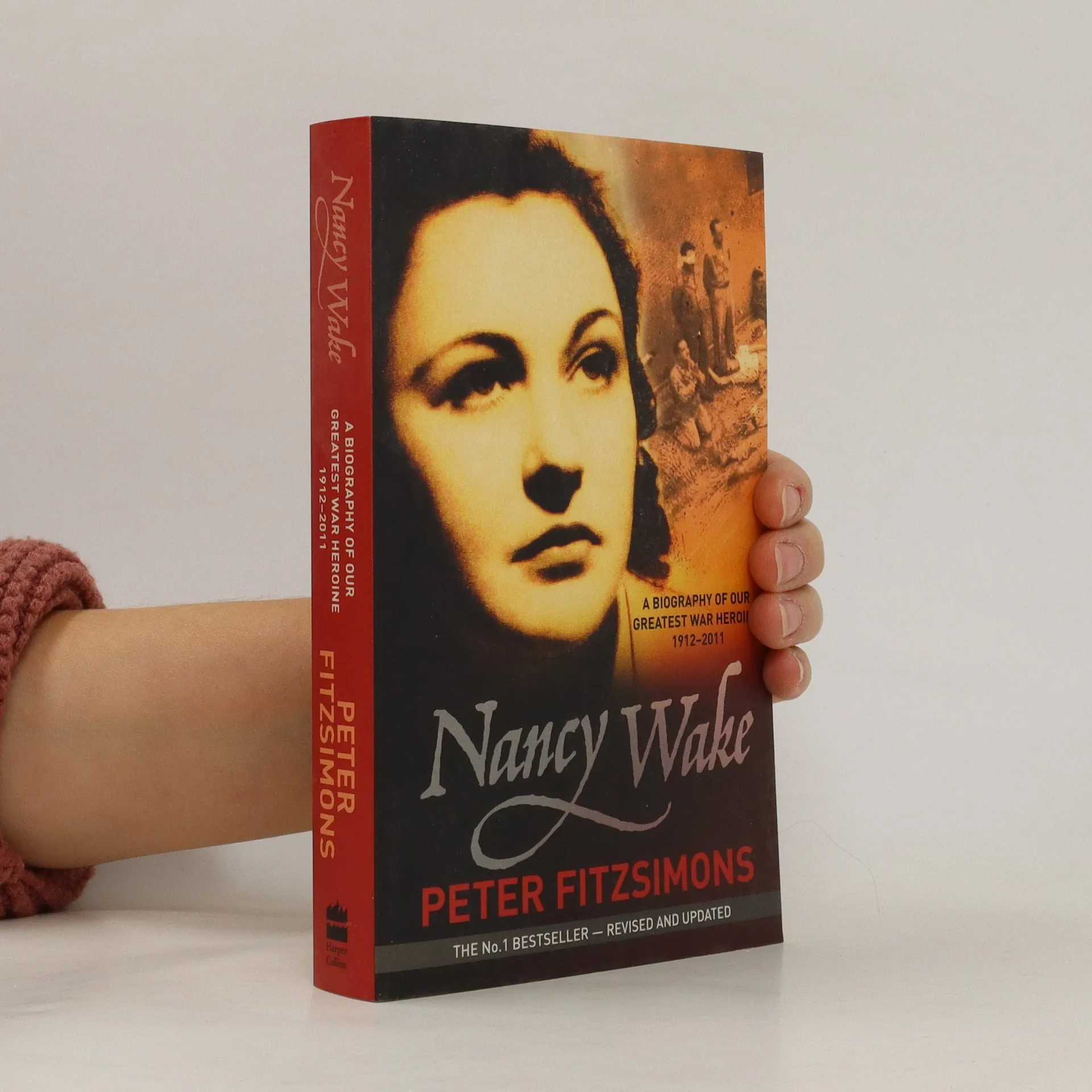
The number one bestselling biography of our greatest war heroine - over 84,000 copies sold in its first two formats. In the early 1930s, Nancy Wake was a young woman enjoying a bohemian life in Paris. By the end of the Second World War, she was the Gestapo's most wanted person. As a naive, young journalist, Nancy Wake witnessed a horrific scene of Nazi violence in a Viennese street. From that moment, she declared that she would do everything in her power to rid Europe of the Nazis. What began as a courier job here and there became a highly successful escape network for Allied soldiers, perfectly camouflaged by Nancy's high-society life in Marseille. Her network was soon so successful - and so notorious - that she was forced to flee France to escape the Gestapo, who had dubbed her the white mouse for her knack of slipping through its traps. But Nancy was a passionate enemy of the Nazis and refused to stay away. Supplying weapons and training members of a powerful underground fighting force, organising Allied parachute drops, cycling four hundred kilometres across a mountain range to find a new transmitting radio - nothing seemed too difficult in her fight against the Nazis.Peter FitzSimons reveals Nancy Wake's compelling story, a tale of an ordinary woman doing extraordinary things.
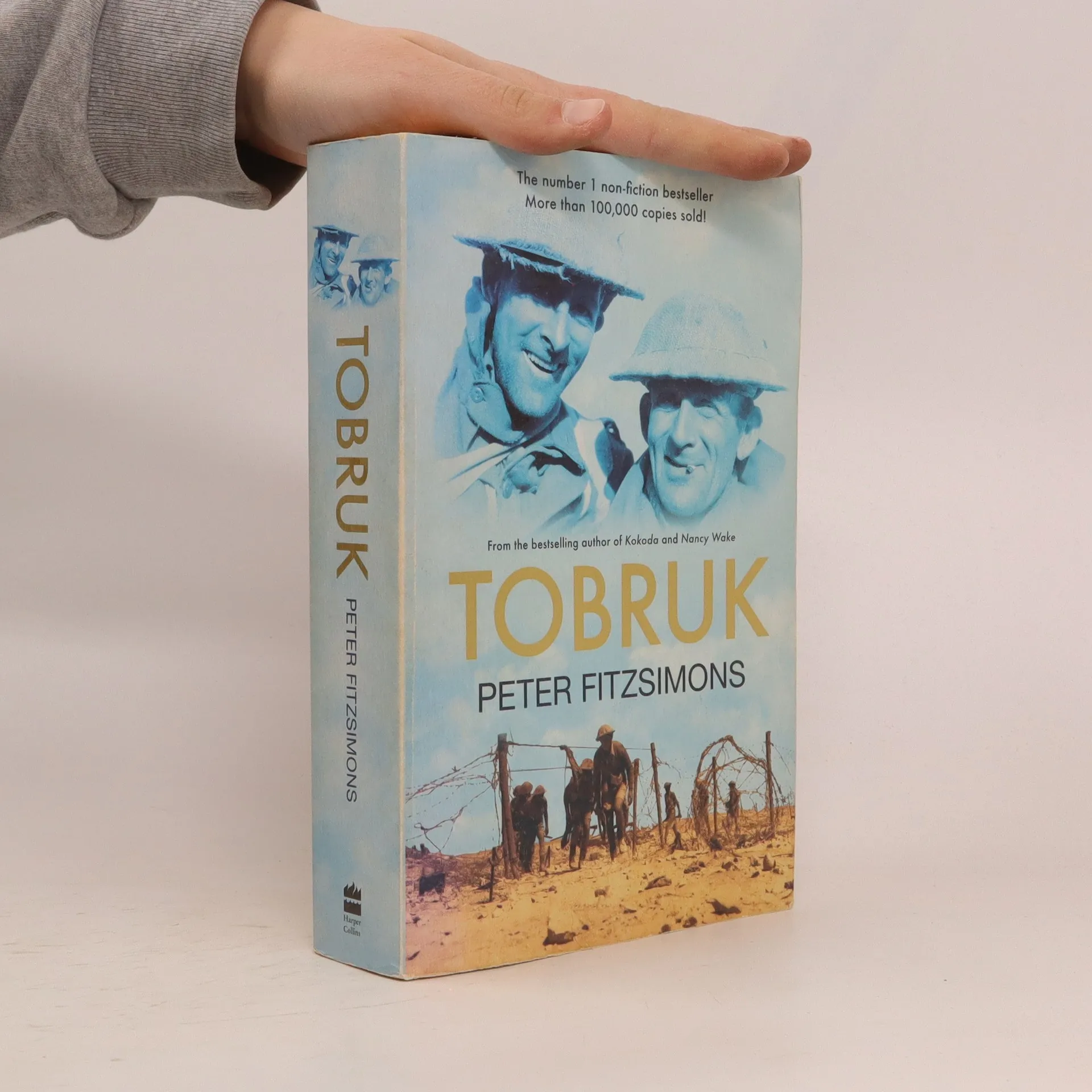
"This is an account of the battle of Tobruk in 1941 in which Australian troops fought against the Afrika Korps in North Africa."--Provided by publisher.