
Bookbot

Nicole Lindstrom

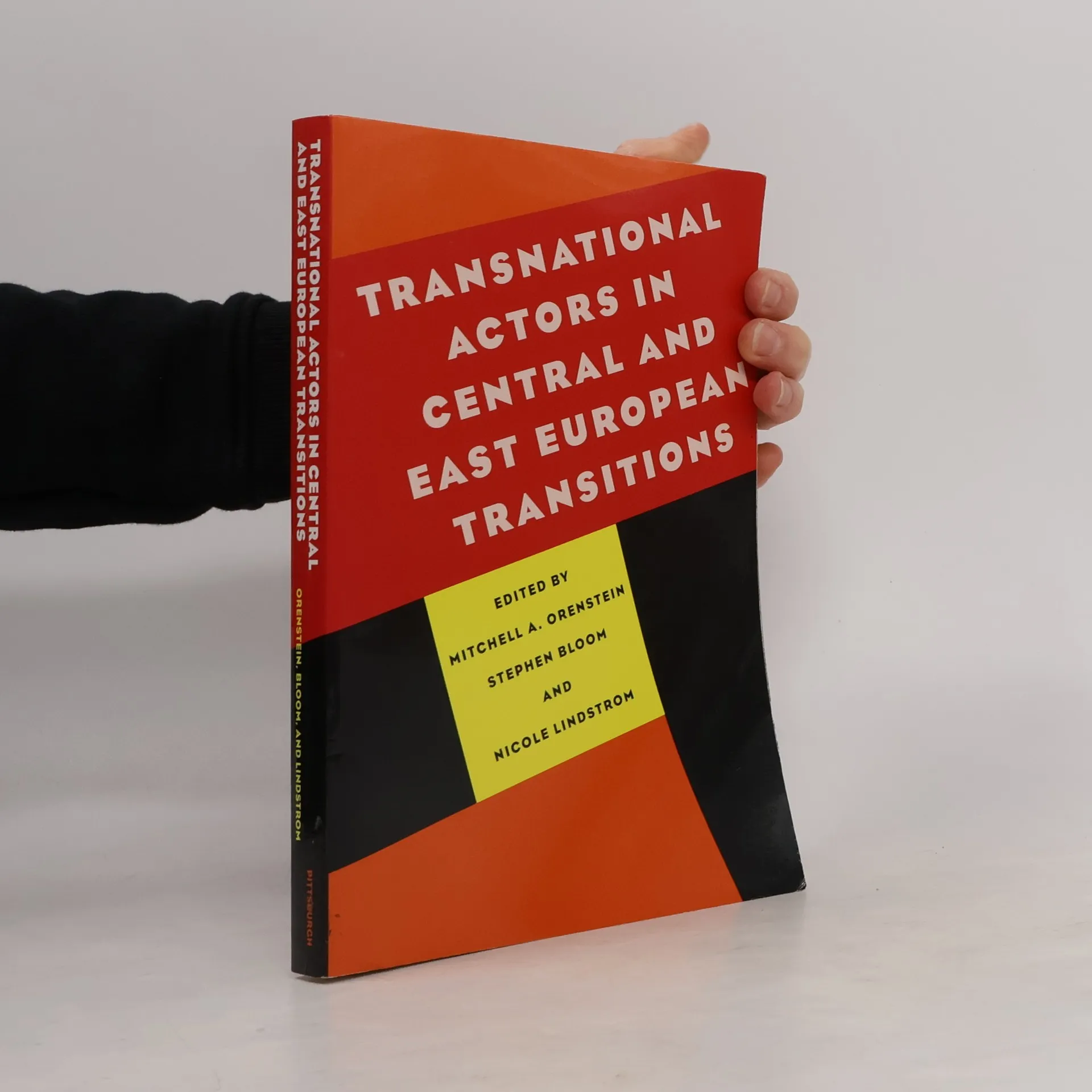
    Transnational Actors in Central and East European Transitions
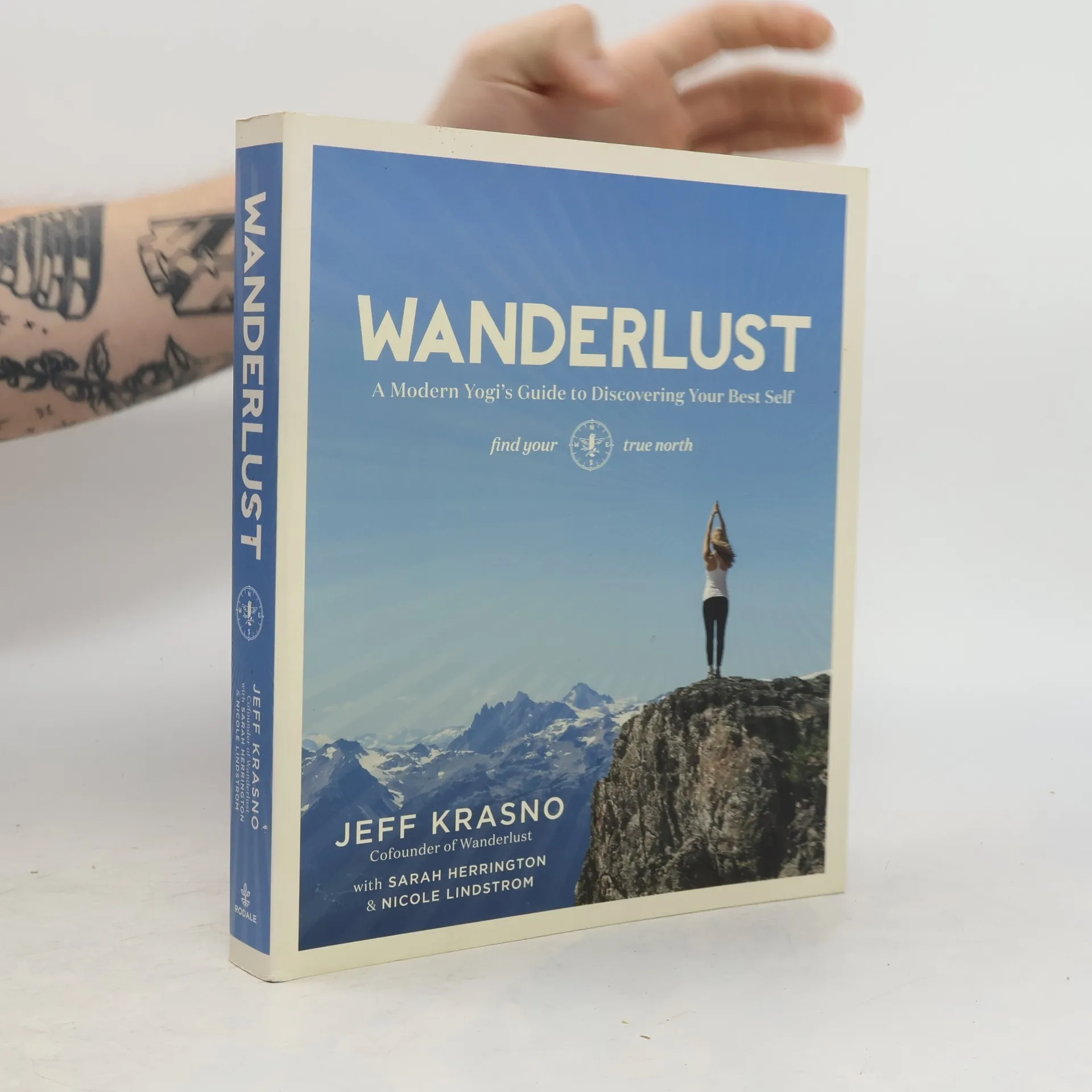
    Wanderlust
    • Wanderlust

      • 289 páginas
      • 11 horas de lectura

      Like the wildly popular festivals that have taken the yoga world by storm, Wanderlust is a road map for the millions of people engaged in cultivating their best selves. For the 20 million people who grab their yoga mats in the United States every week, this book gives a completely unique way to understand "yoga"--not just as something to do in practice, but as a broader principle for living. Wanderlust helps readers navigate their personal path and find their own true north, curating principles that embody the brand and lifestyle--authentic yoga practices, provocative thinking, music, art, good food, eco-friendly activities, and more. Each chapter includes expert yoga instruction by renowned teachers; inspiring music playlists to motivate readers to practice; thought-provoking art; awesome recipes for delicious, healthy foods to sustain a yoga regimen; and fun, unexpected detours. This wide array of ideas and beautiful visuals is designed to be hyper-stimulating--whether a reader follows the arc of the book from beginning to end or dips into chapters at random, she is sure to find something pleasing to the eye, to feel motivated to practice, and to want to reach for her deepest desires and dreams. This book brings the Wanderlust festival experience into any reader's home.

      Wanderlust
      4,2
    • When Vladimir Putin claimed “outside forces” influenced the Ukrainian Orange Revolution of 2004, it highlighted the significant impact of transnational actors in postcommunist countries. This uprising against election fraud was supported by a Western-funded democracy-building coalition that trained protesters in political organization and nonviolent resistance. Despite this, many theorists downplay the influence of transnational actors, with realists asserting that only powerful states hold sway and others suggesting these actors merely affect rhetoric, not policy outcomes. The editors of this volume argue that transnational actors have played a crucial role in postcommunist transitions, facilitating democracy, capitalism, and nation-statehood through the integration of Central and East European states into a complex international system. These actors, including international organizations, corporations, banks, foundations, religious groups, and activist networks, serve as the “dark matter” that binds the transition processes. While the European Union is the most prominent transnational actor in the region, others such as the OSCE, NATO, and the Catholic Church also contribute significantly. This collection of leading scholars debates the role and impact of these actors, offering a new research framework for understanding this rapidly evolving region.

      Transnational Actors in Central and East European Transitions