

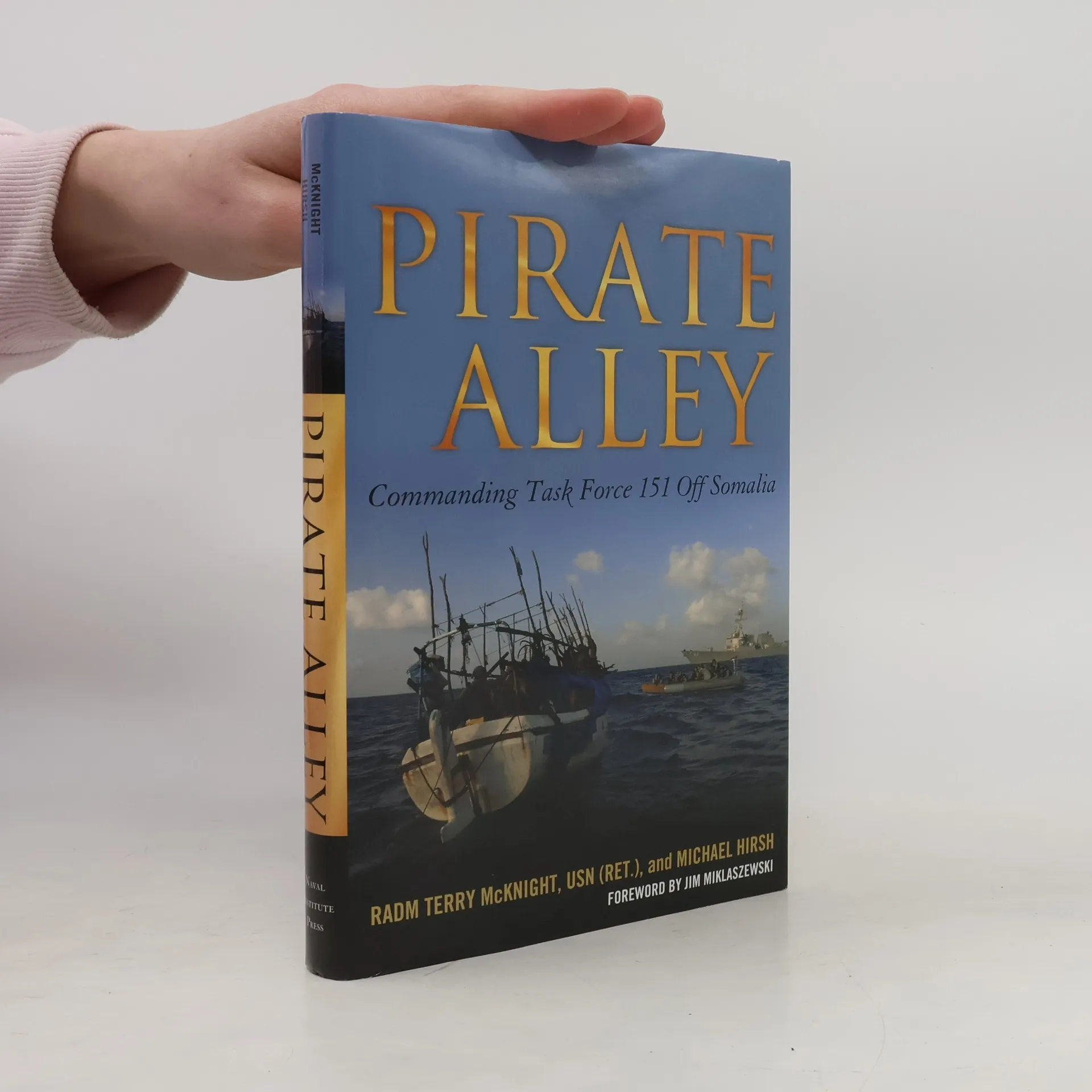
Rear Admiral Terry McKnight, USN (Ret.), served as Commander of the Counter-Piracy Task Force in the Gulf of Aden and authored the Navy's initial handbook on combating piracy. As the first commander of Combined Task Force 151, he led international naval efforts to thwart piracy in the region, successfully disrupting hijackings and capturing sixteen Somali pirates. However, he encountered the perplexing U.S. policy of catch-and-release, realizing that combating piracy involves more than just apprehending armed youths. After retiring, he researched the issue extensively, collaborating with journalist Michael Hirsh to create an accessible book that serves as a comprehensive introduction to Somali piracy. The narrative includes insights into the SEAL Team 6 operation that rescued Captain Richard Phillips and findings from a Ph.D. candidate's research in Somali pirate villages. It delves into the operational methods of pirates and their broader economic impact, raising questions about solutions for Somalia. The book discusses the controversial practice of using armed guards on merchant ships and highlights evolving management strategies for navigating high-risk areas. McKnight argues that enhancing the prosecution and imprisonment of captured pirates is essential for justice, emphasizing the need for the U.S. to adhere to its constitutional mandate to define and punish piracy on the high seas.
Michael Hirsh Orden de los libros (cronológico)
Michael Hirsh es autor de numerosos libros. Su extensa carrera en radiodifusión, que abarca cuatro décadas, lo vio producir documentales y especiales para las principales cadenas, lo que le valió múltiples premios. Continúa su carrera literaria desde su hogar en Florida.
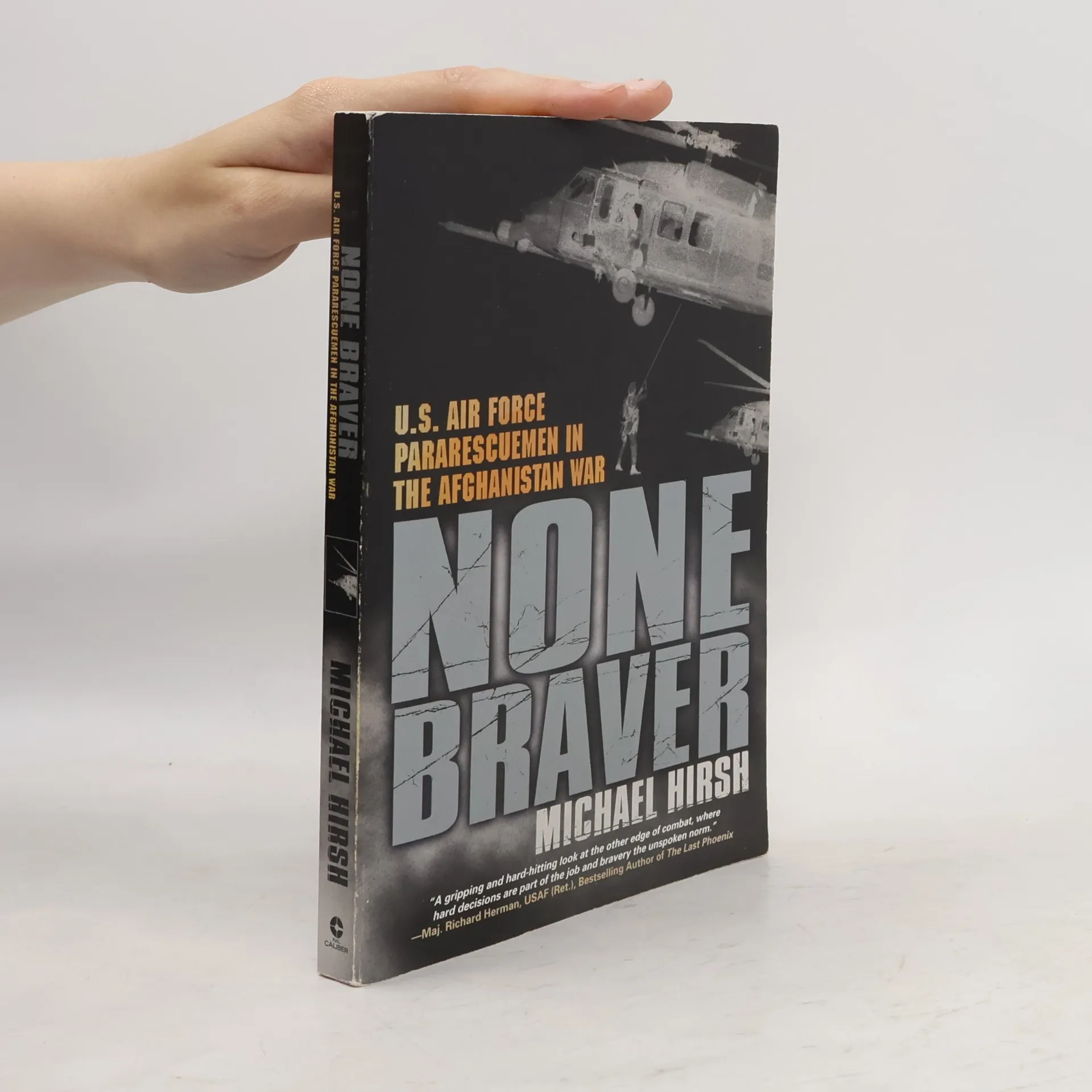
Focusing on the intense and heroic pararescue operations of the Air Force in Afghanistan, this gripping account by journalist and combat veteran Michael Hirsh reveals the challenges and bravery of those involved. Through firsthand experiences and insights, the narrative highlights the critical role of pararescuers in saving lives amidst the chaos of war, showcasing their training, missions, and the personal sacrifices they make in the line of duty.
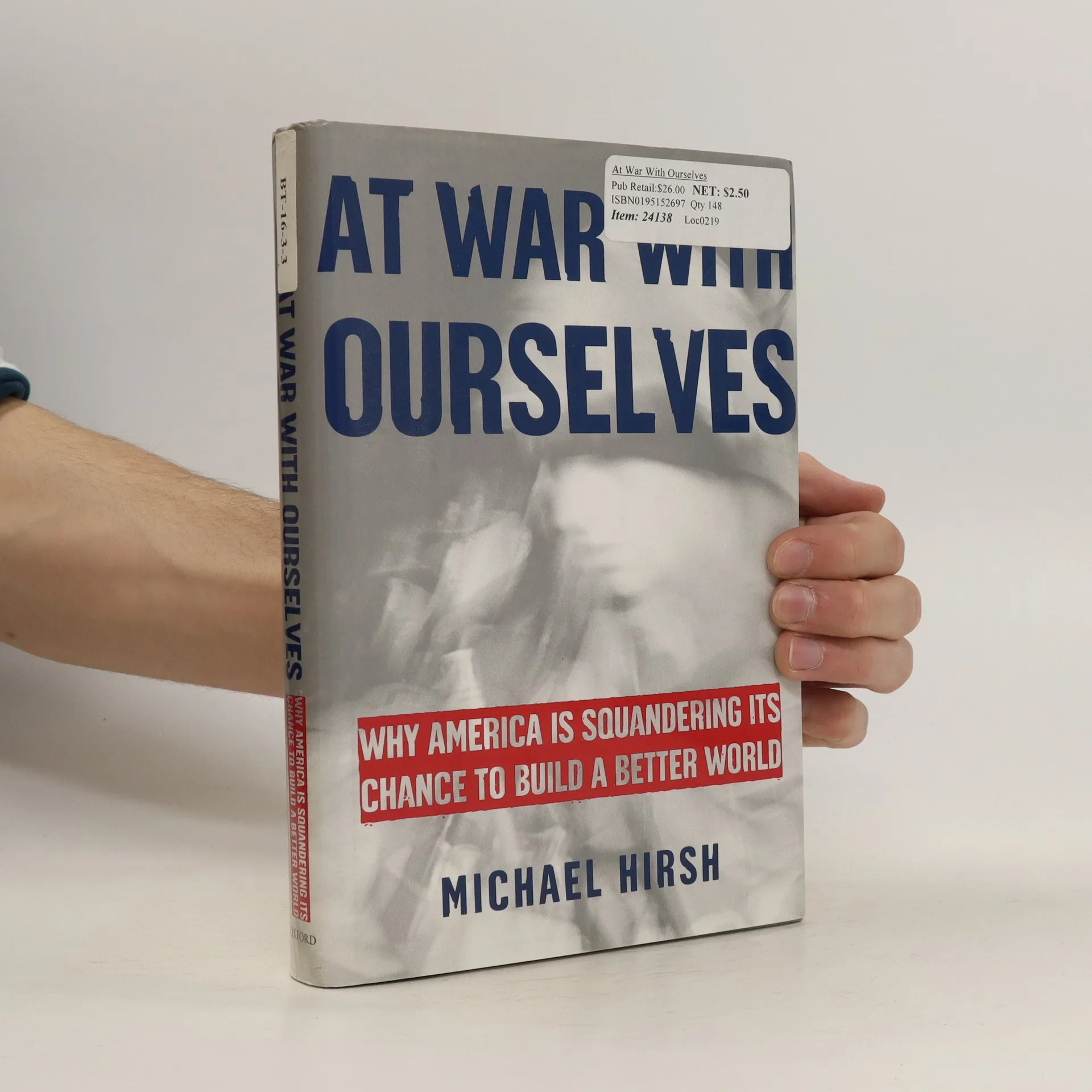
At War with Ourselves : Why America is Squandering its Chance to Build a Better World
- 304 páginas
- 11 horas de lectura
As a correspondent for Newsweek, Michael Hirsh has reported on American foreign policy across every continent. He offers a unique perspective on America's role in the world, drawing from his experiences covering Bill Clinton and George W. Bush. Hirsh posits that America has assumed a new role as the world's Uberpower, overseeing a global system from various domains, including space. This presents an unprecedented opportunity for the nation to maintain the international order it has established, creating a secure community centered around American power that may remain unchallenged. However, he warns that Americans are squandering this opportunity by not fully grasping the stakes involved. While the nation wields significant power, individuals face vulnerabilities they have not previously encountered, emphasizing the need for international support. In a time when democracy and free markets dominate global ideology, Hirsh identifies "ideological blowback" as a major challenge, highlighting the complexities of promoting democracy in the Arab world without empowering Islamic fundamentalists. To navigate these challenges and avoid accusations of hypocrisy, he argues that Washington must empower global institutions, like the U.N., to promote U.S. values effectively.