
The second edition introduces a comprehensive new section focused on California's environmental hazards and challenges. It includes updated chapters addressing critical issues such as landslides, air and water pollution, renewable energy initiatives, and projections for climate change's impact on the state. This edition enhances the reader's understanding of California's unique environmental landscape and the pressing challenges it faces.
In this lively and entertaining book, Donald R. Prothero explores the
astonishing connections between climate and life through the ages, telling the
remarkable stories of the scientists who made crucial discoveries.
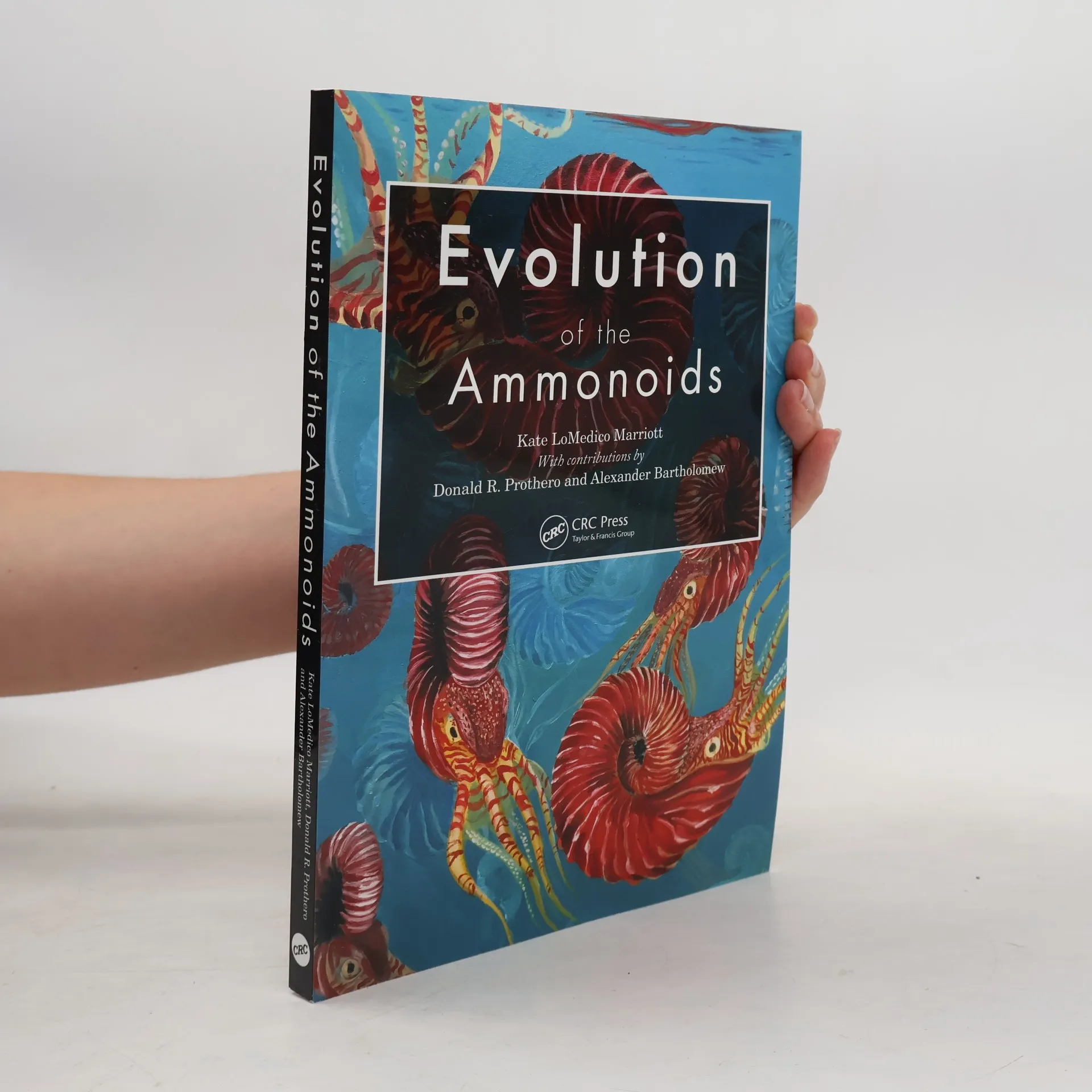
Focusing on the fascinating history of ammonites, this book explores their role as an extinct lineage that thrived for over 300 million years. It highlights their significance in paleontology, particularly in establishing the principle of faunal succession and advancing biostratigraphy. Through their charismatic presence, ammonites offer insights into evolutionary biology and the geological timeline.
Virgil Colvin, a retired homicide detective, leaves his hometown Chicago to resurrect his honeymoon memories with his dead wife in Ithaca, Greece. There, he befriends the Vathy police chief, Costas Pantakalas, over stories of a shared profession and countless cups of ouzo. One day, Virgil wakes to the violent tremors of the earth to find Ithaca has just had an earth quake. But that is not the only unusual occurrence. In the city's public square, at the feet of Odysseus, someone has dumped the body of a British tourist in the small hours of the morning. He ran to the ends of the earth to escape his former life, but murder had other plans for Virgil Colvin. Together, Virgil and Costas join forces to track down a killer. But in their quest to find the murderer, will they unearth an even more astounding secret?
The book explores the evolution of vertebrate animals, tracing their origins from the first appearances in the fossil record over 520 million years ago. It details how these early lineages diversified and adapted, eventually making their way onto land, leading to significant evolutionary changes and the emergence of the diverse and familiar vertebrates we recognize today.
More than a hundred years ago, Sir Arthur Conan Doyle wrote a novel called The Lost World with the exciting premise that dinosaurs and other prehistoric beasts still ruled in South America. Little did Conan Doyle know, there were terrifying monsters in South America--they just happened to be extinct. In fact, South America has an incredible history as a land where many strange creatures evolved and died out. In his book Giants of the Lost World: Dinosaurs and Other Extinct Monsters of South America, Donald R. Prothero uncovers the real science and history behind this fascinating story. The largest animal ever discovered was the huge sauropod dinosaur Argentinosaurus, which was about 130 feet long and weighed up to 100 tons. The carnivorous predator Giganotosaurus weighed in at more than 8 tons and measured more than 47 feet long, dwarfing the T. rex in comparison. Gigantic anacondas broke reptile records; possums evolved into huge saber-toothed predators; and ground sloths grew larger than elephants in this strange, unknown land. Prothero presents the scientific details about each of these prehistoric beasts, provides a picture of the ancient landscapes they once roamed, and includes the stories of the individuals who first discovered their fossils for a captivating account of a lost world that is stranger than fiction.
Aliens. Ley lines. Water dowsing. Conspiracies and myths captivate imaginations and promise mystery and magic. Whether it's arguing about the moon landing hoax or a Frisbee-like Earth drifting through space, when held up to science and critical thinking, these ideas fall flat. In Weird Earth: Debunking Strange Ideas About Our Planet, Donald R. Prothero demystifies these conspiracies and offers answers to some of humanity's most outlandish questions. Applying his extensive scientific knowledge, Prothero corrects misinformation that con artists and quacks use to hoodwink others about geology—hollow earth, expanding earth, and bizarre earthquakes—and mystical and paranormal happenings—healing crystals, alien landings, and the gates of hell. By deconstructing wild claims such as prophesies of imminent natural disasters, Prothero provides a way for everyone to recognize dubious assertions. Prothero answers these claims with facts, offering historical and scientific context in a light-hearted manner that is accessible to everyone, no matter their background. With a careful layering of evidence in geology, archaeology, and biblical and historical records, Prothero's Weird Earth examines each conspiracy and myth and leaves no question unanswered.
In The Story of the Dinosaurs in 25 Discoveries, Donald R. Prothero tells the
fascinating stories behind the most important fossil finds and the intrepid
researchers who unearthed them. He weaves together the dramatic tales of
dinosaur discoveries with what modern science now knows about the species to
which they belong.
Every rock is a tangible trace of the earth's past. This book tells the
fascinating stories behind the discoveries that shook the foundations of
geology. In twenty-five chapters-each about a particular rock, outcrop, or
geologic phenomenon-Donald R. Prothero recounts the scientific detective work
that shaped our understanding of geology.
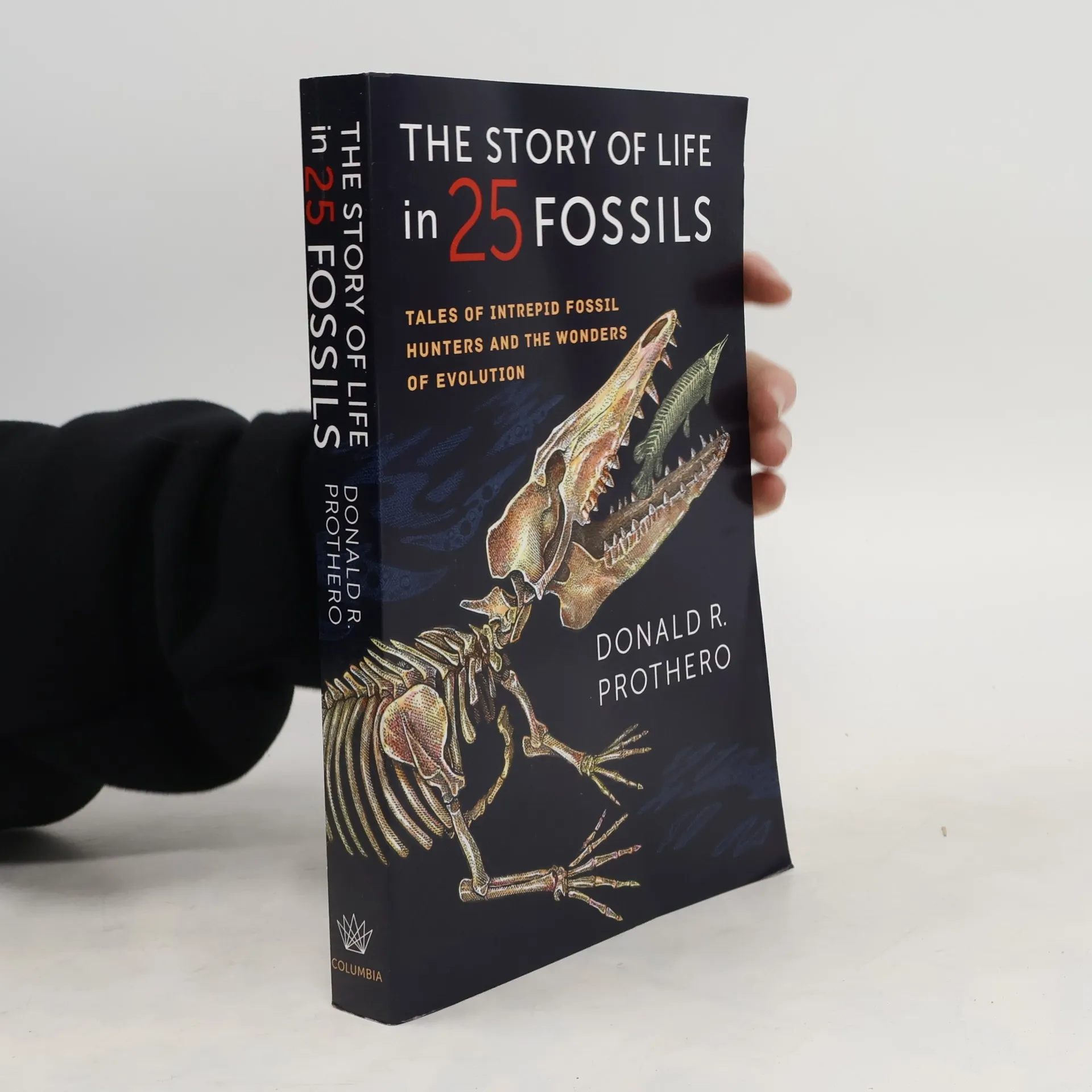
Donald R. Prothero explores the most fascinating breakthroughs in piecing
together the evidence for evolution. In twenty-five vignettes, he recounts the
dramatic stories of the people who made crucial discoveries, placing each
moment in the context of what it represented for the progress of science.
In Fantastic Fossils, Donald R. Prothero offers an accessible, entertaining,
and richly illustrated guide to the paleontologist's journey. He details the
best places to look for fossils, the art of how to find them, and how to
classify the major types.
Donald R. Prothero is one of the most talented science writers of his
generation - as a paleontological writer, he has no peer. This is an engaging,
attractive book! David J. Bottjer, University of Southern California
Up-to-date, comprehensive, and very readable. Prothero is a renowned expert in
this field, with decades of experience working on diverse groups of
prehistoric mammals. He clearly knows his subject well and skillfully conveys
this knowledge to readers.--Spencer G. Lucas, New Mexico Museum of Natural
History and Science
Throughout our history, humans have been captivated by mythic beasts and legendary creatures. Tales of Bigfoot, the Yeti, and the Loch Ness monster are part of our collective experience. Now comes a book from two dedicated investigators that explores and elucidates the fascinating world of cryptozoology.Daniel Loxton and Donald R. Prothero have written an entertaining, educational, and definitive text on cryptids, presenting the arguments both for and against their existence and systematically challenging the pseudoscience that perpetuates their myths. After examining the nature of science and pseudoscience and their relation to cryptozoology, Loxton and Prothero take on Bigfoot; the Yeti, or Abominable Snowman, and its cross-cultural incarnations; the Loch Ness monster and its highly publicized sightings; the evolution of the Great Sea Serpent; and Mokele Mbembe, or the Congo dinosaur. They conclude with an analysis of the psychology behind the persistent belief in paranormal phenomena, identifying the major players in cryptozoology, discussing the character of its subculture, and considering the challenge it poses to clear and critical thinking in our increasingly complex world.
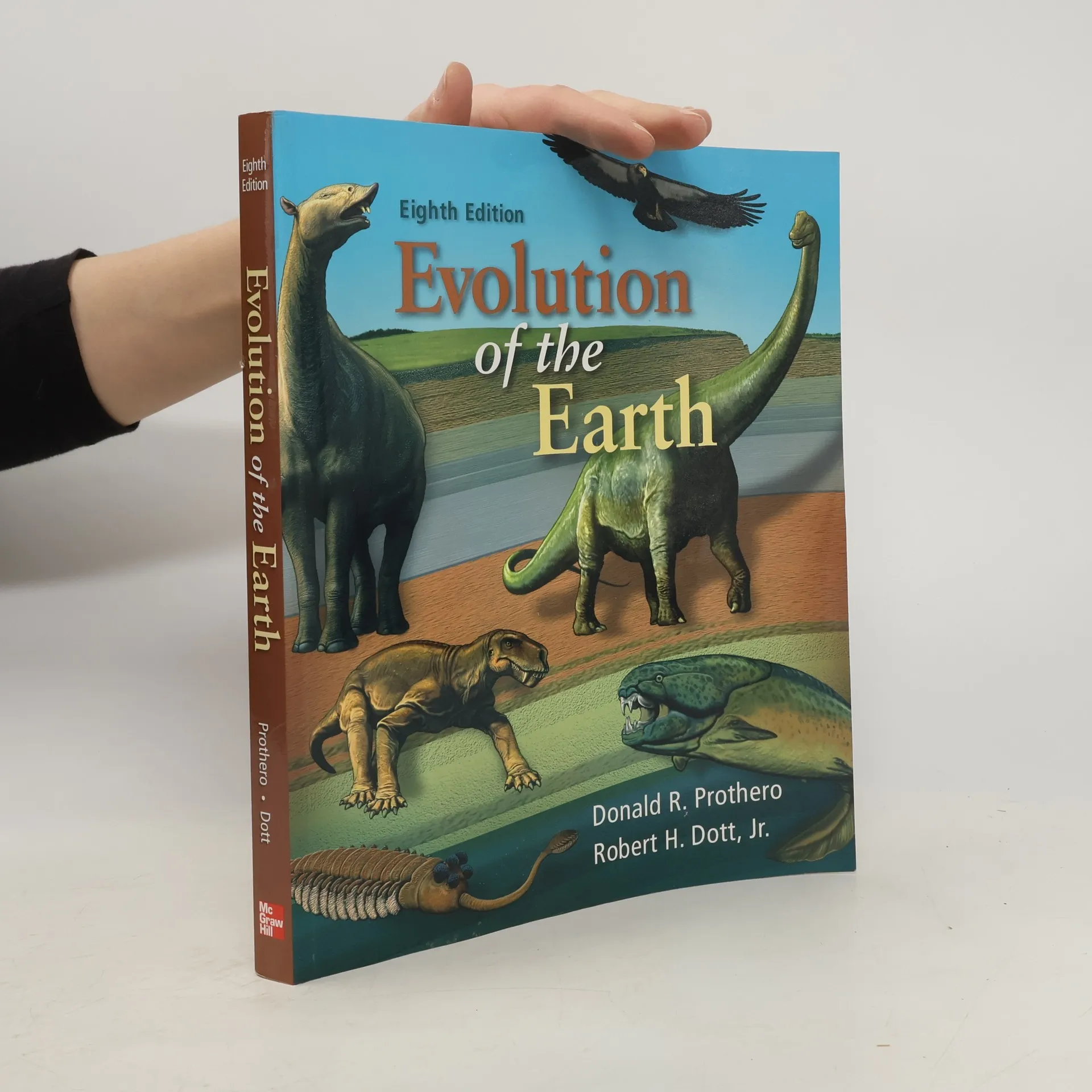
Evolution of the Earth reveals the logical framework of geology, shows relations of the science to the totality of human knowledge, and gives some idea of what it is to be a participant in the discipline. In keeping with the preference for a "How do we know?" rather than "What do we know?" approach, the authors stress what assumptions are made by earth historians, what kinds of evidence (and tools for gathering that evidence), and what processes of reasoning and limitations of hypotheses are involved in reconstructing and interpreting the past. Each chapter begins with a list of highlights entitled "Major Concepts". Many chapters have a summary timeline that puts the entire sequence of events into a quick visual reference frame. The use of dioramas and reconstructions of extinct animals and plants has been greatly expanded, so that students can get a more vivid concept of typical life in any part of the geologic past. In many places, the authors have supplied a full page of color photos of classic fossils from each period to improve the visual recognition of the organisms that give life its distinctive history. The areas of hottest controversy, such as mass extinctions, dinosaur endothermy, the origin of life, and controversies over late Proterozoic tectonics and glaciation, have been given separate sections so that students can appreciate the different sides of the debates.
Over the years, paleontologists have made tremendous fossil discoveries, which includes an amazing diversity of fossil humans, suggesting we walked upright long before we acquired large brains. This work tackles subjects ranging from flood geology and rock dating to neo-Darwinism and macroevolution.
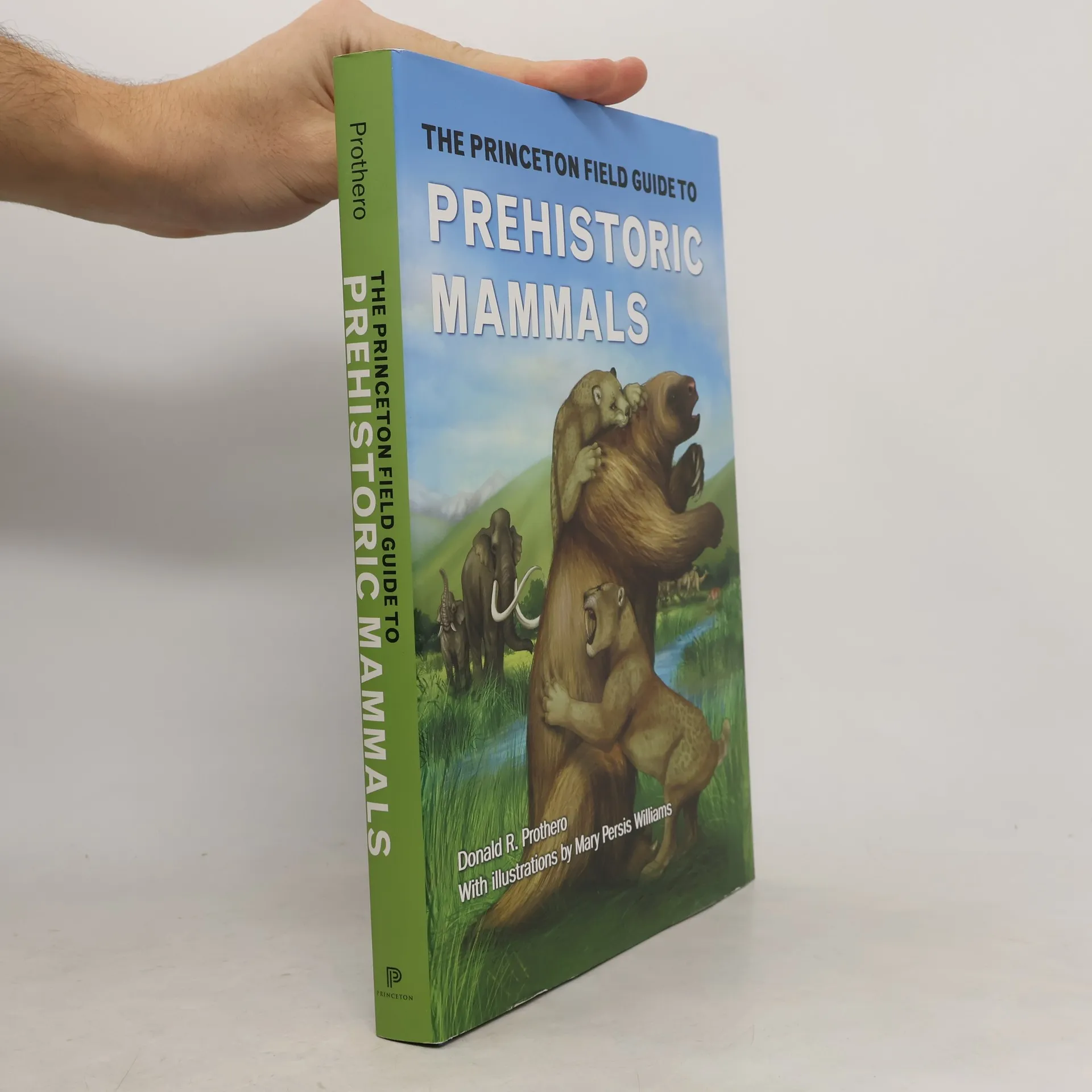
Around 65 million years ago, a giant boloid impact likely triggered the extinction of dinosaurs, paving the way for an astonishing array of mammals to evolve during the Cenozoic Era. This period, often overlooked, was filled with remarkable creatures that rivaled their Mesozoic predecessors. The Age of Mammals saw the rapid evolution of diverse species, including gigantic hornless rhinos, sabertooth cats, mastodonts, and mammoths, along with our own ancestors. This narrative unfolds against a backdrop of significant environmental changes, beginning with a dramatic warming phase around 55 million years ago, followed by a swift cooling that led to the return of glacial ice 33 million years ago. Vegetation transformed from tropical jungles in regions like Montana to polar forests, eventually giving rise to expansive grasslands and savannas worldwide. Marine life also adapted to these climatic shifts, leading to the emergence of giant sharks, seals, sea lions, dolphins, and whales. This exploration of the Cenozoic Era captivates those intrigued by the extraordinary life forms that once roamed the Earth.