
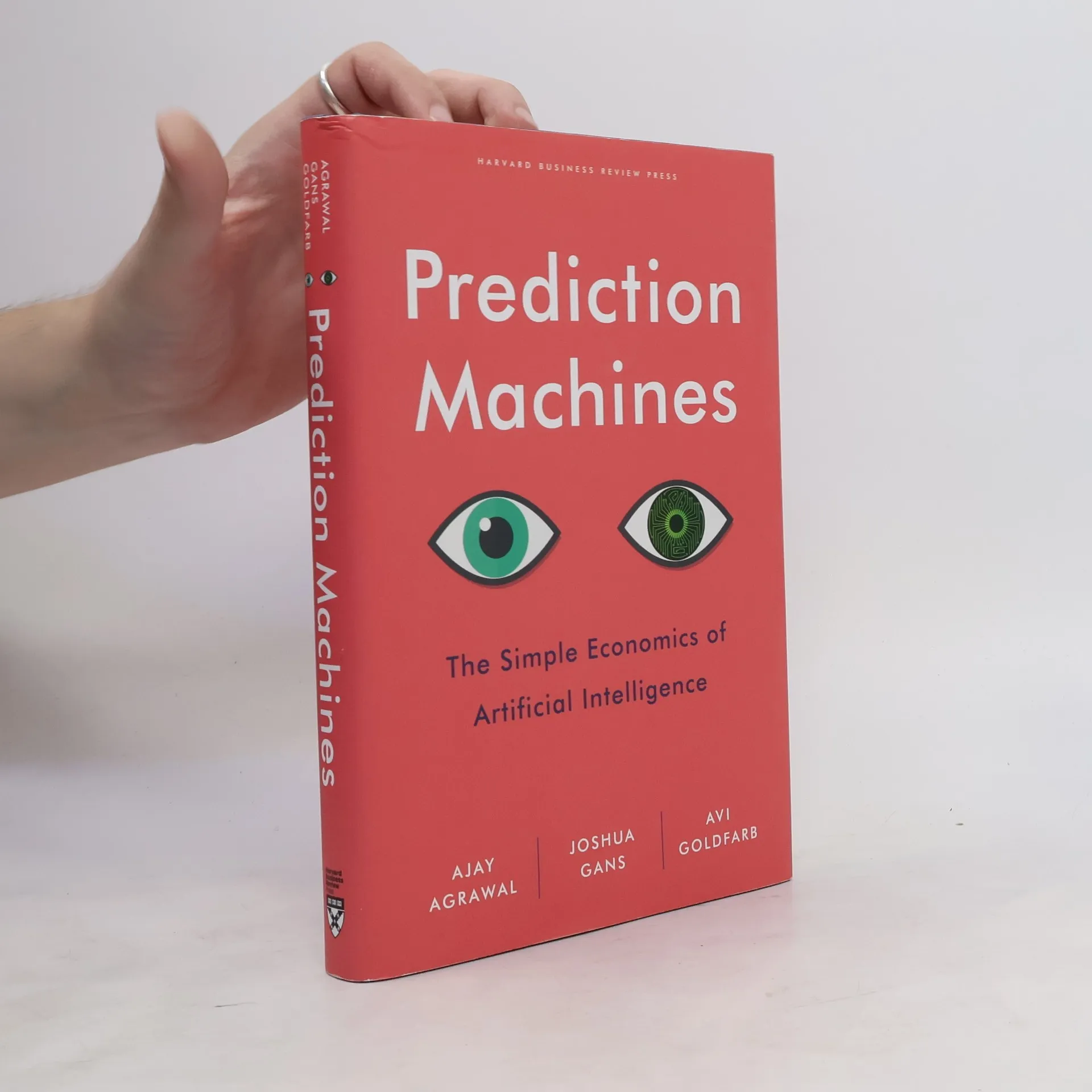
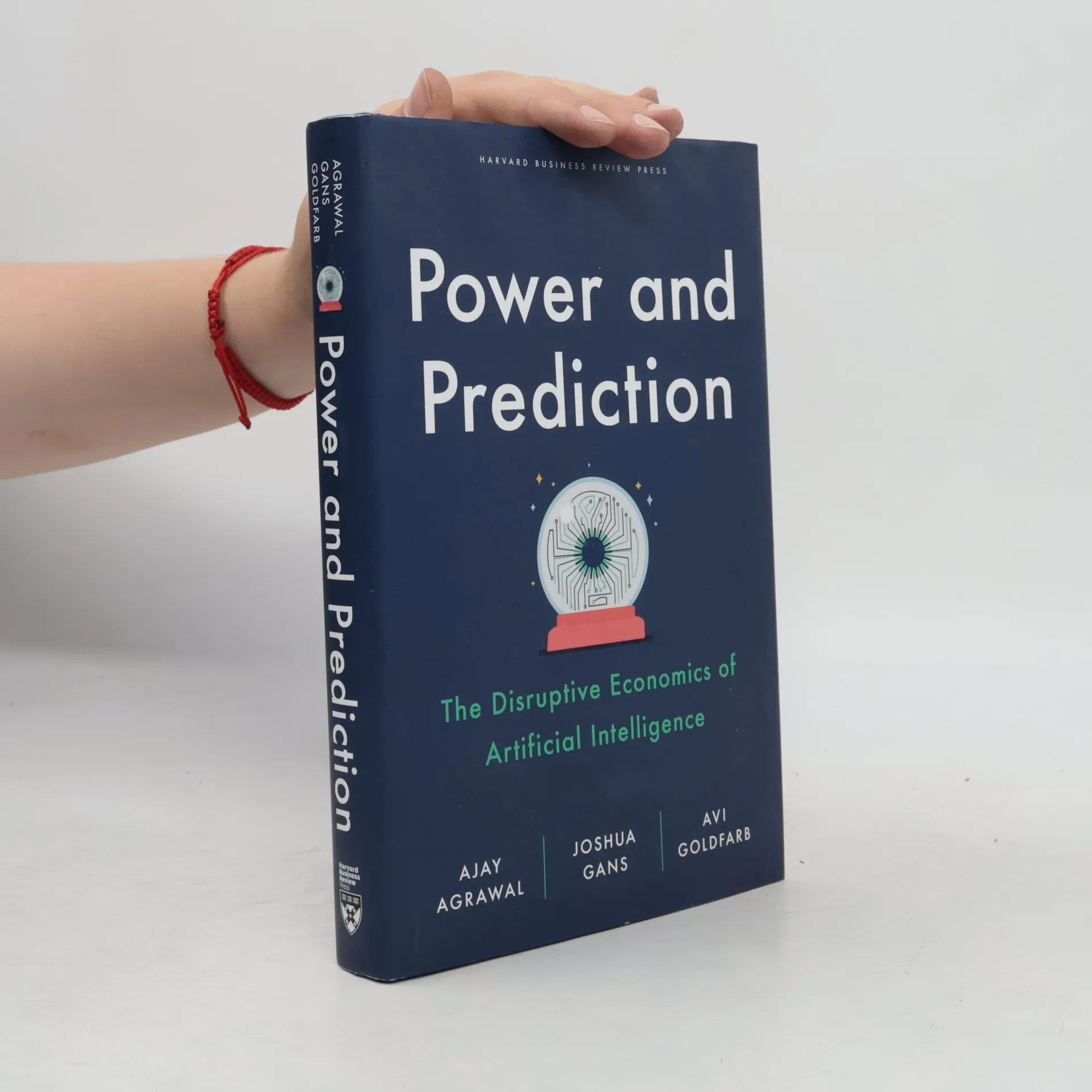
Artificial intelligence appears to perform the impossible, enabling machines to drive cars, trade stocks, and educate children. However, the rapid changes brought by AI can be overwhelming. Companies, governments, and individuals are left wondering how to adapt to this new reality. While some respond with fear or overly optimistic predictions, three prominent economists present a different perspective by framing AI as a reduction in the cost of prediction. This approach demystifies the AI hype and utilizes economic principles to clarify the AI revolution, offering actionable insights for executives, policymakers, investors, and entrepreneurs. In this revised edition, the authors emphasize that understanding AI as a tool for cheap prediction reveals its vast potential. Prediction is central to decision-making in uncertain environments, which permeate both business and personal spheres. Enhanced prediction capabilities can boost productivity by improving operations, document management, and customer communication, while also enabling innovative business strategies. The authors reflect on the book’s impact and discuss its relevance in real-world scenarios. They also explore how prediction integrates into decision-making and the influence of emerging technologies like quantum computing on business strategies. Insightful and practical, this work equips readers to navigate the profound changes AI brings, anchored in a straightforwar
Avi Goldfarb Libros


Artificial intelligence (AI) is increasingly integrated into various industries, marking the beginning of its journey toward enhancing predictions that drive strategic business decisions. This transformation promises to disrupt existing practices, but the full impact is yet to be realized. To navigate this shift, businesses must prepare effectively. In their previous work, the authors outlined the fundamental economics of AI; now, they delve deeper into AI as a prediction technology that influences decision-making. They guide businesses in recognizing both disruptive opportunities and threats posed by AI advancements. Their comprehensive analysis of AI's evolution and historical technological disruptions reveals a critical moment: we are in a transitional phase, having seen AI's potential but before its widespread implementation, termed "the Between Times." This period presents both significant opportunities and risks, as improved prediction technologies will challenge traditional methods. The uneven integration of AI across various systems will create distinct winners and losers. The authors provide valuable insights, examples, and practical strategies for business leaders and policymakers to harness AI disruptions effectively, ensuring they work in their favor rather than against them.
Prediction Machines
- 250 páginas
- 9 horas de lectura
Cheap changes everything -- The magic of prediction -- Why it's called intelligence -- Data is the new oil -- The new division of labor -- Unpacking decisions -- The value of judgment -- Taming complexity -- What machines can learn -- Fully automated decision-making -- Deconstructing workflows -- Decomposing decisions -- Job redesign -- AI in the C-suite -- When AI transforms your business -- Managing AI risk -- Beyond business