


Bookbot

Nicholas Herbert Stern

    Nicholas Stern es un destacado economista británico cuyo trabajo abarca una amplia gama de temas económicos. Su investigación a menudo explora las intrincadas conexiones entre el desarrollo económico y la sostenibilidad, enfatizando las consecuencias a largo plazo de las decisiones actuales. El rigor analítico de Stern y su profundo conocimiento de los sistemas complejos lo posicionan como una voz influyente en el discurso económico. Sus análisis económicos se esfuerzan por identificar caminos hacia la prosperidad que también sean ambientalmente responsables.

    The Global Deal
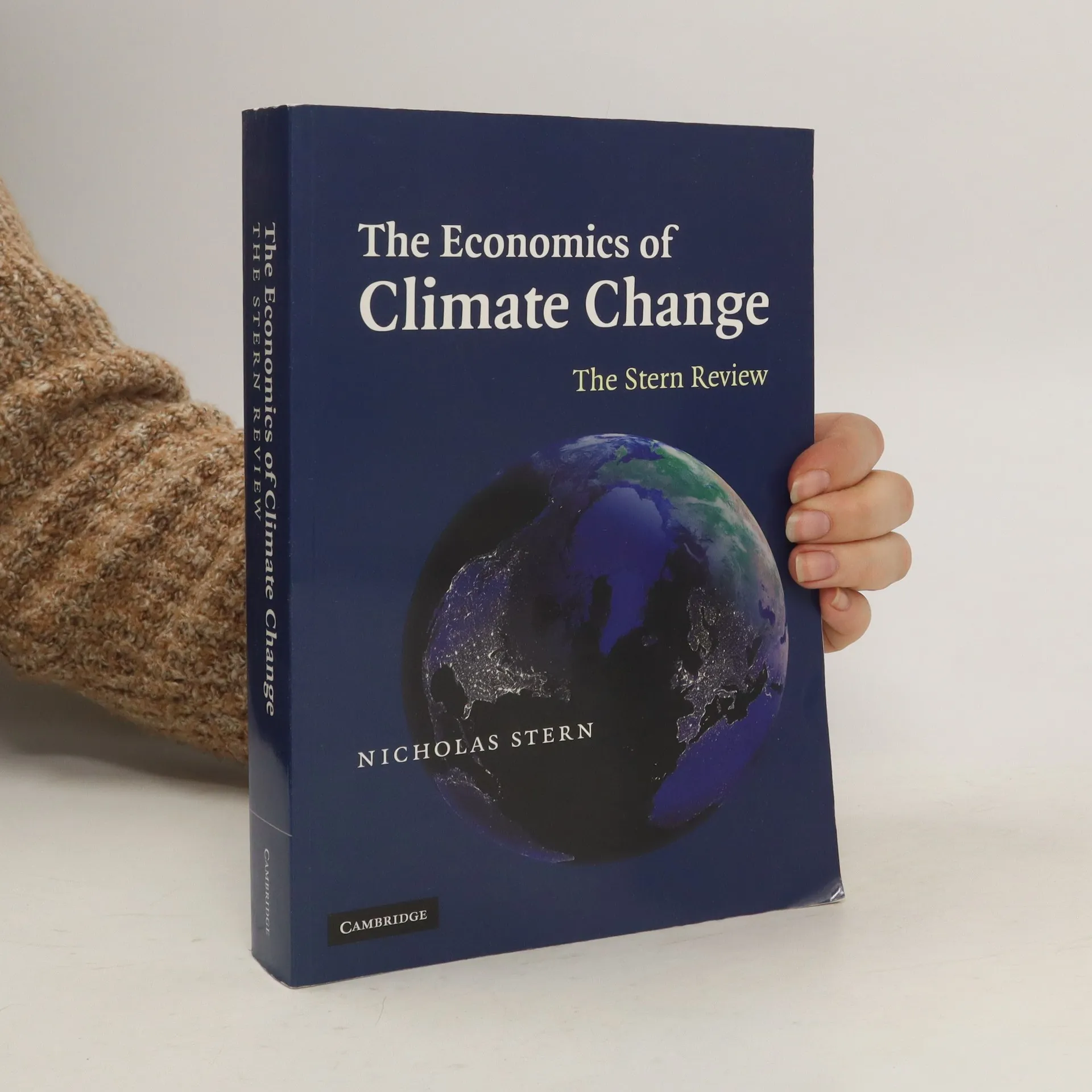
    The Economics of Climate Change
    Blueprint for a Safer Planet
    • The Global Deal

      Climate Change and the Creation of a New Era of Progress and Prosperity

      • 246 páginas
      • 9 horas de lectura

      In October 2006, Nicholas Stern, one of the greatest economists and public intellectuals of our day, made headlines around the world with his report, which reviewed the costs and benefits of dealing with global warming. The world's community has learned that it must act to mitigate global climate change, but until the Stern Review, no one knew how much it would cost, and how to do it. Now, Stern has transformed his report into a powerful narrative book for general readers. The Global Deal evaluates the economic future, and the essential steps we must take to protect growth and reduce poverty while managing climate change. The future Stern outlines is optimistic and pragmatic; he believes we have the capacity and creativity to change. But we need the will to inspire our political leaders to drive a new global strategy.

      The Global Deal2009
      3,7
    • Blueprint for a Safer Planet

      • 256 páginas
      • 9 horas de lectura

      Further substantial climate change is unavoidable, posing immense risks to the natural world, economy, and daily lives. The next thirty years will be crucial in determining how we invest, use energy, organize transport, and manage forests, influencing whether these risks materialize. While poor countries, the least responsible for climate change, will face the earliest and most severe impacts, all nations must adapt to effects such as hurricanes in New Orleans and Mumbai, flooding in England and Mozambique, droughts in Australia and Darfur, and rising sea levels affecting Florida and Bangladesh. As a leading authority on climate change, Lord Stern, author of the Stern Review and former Chief Economist at the World Bank, emphasizes the need for international collaboration to address this unprecedented threat. Successful action on climate change could secure not just our future but also our prosperity. Stern examines the economic management of investment and growth, addressing urgent questions: What is the problem? What are the dangers? What can be done to reduce emissions, and at what cost? How can the world adapt? What implications do these challenges have for corporations, governments, and individuals? The book provides authoritative, inspirational, and hopeful answers to these critical issues.

      Blueprint for a Safer Planet2009
      4,2
    • There is now clear scientific evidence that emissions from economic activity, particularly the burning of fossil fuels for energy, are causing changes to the Earth's climate. A sound understanding of the economics of climate change is needed in order to underpin an effective global response to this challenge. The Stern Review is an independent, rigourous and comprehensive analysis of the economic aspects of this crucial issue. It has been conducted by Sir Nicholas Stern, Head of the UK Government Economic Service, and a former Chief Economist of the World Bank. The Economics of Climate Change will be invaluable for all students of the economics and policy implications of climate change, and economists, scientists and policy makers involved in all aspects of climate change.

      The Economics of Climate Change2007
      4,0