

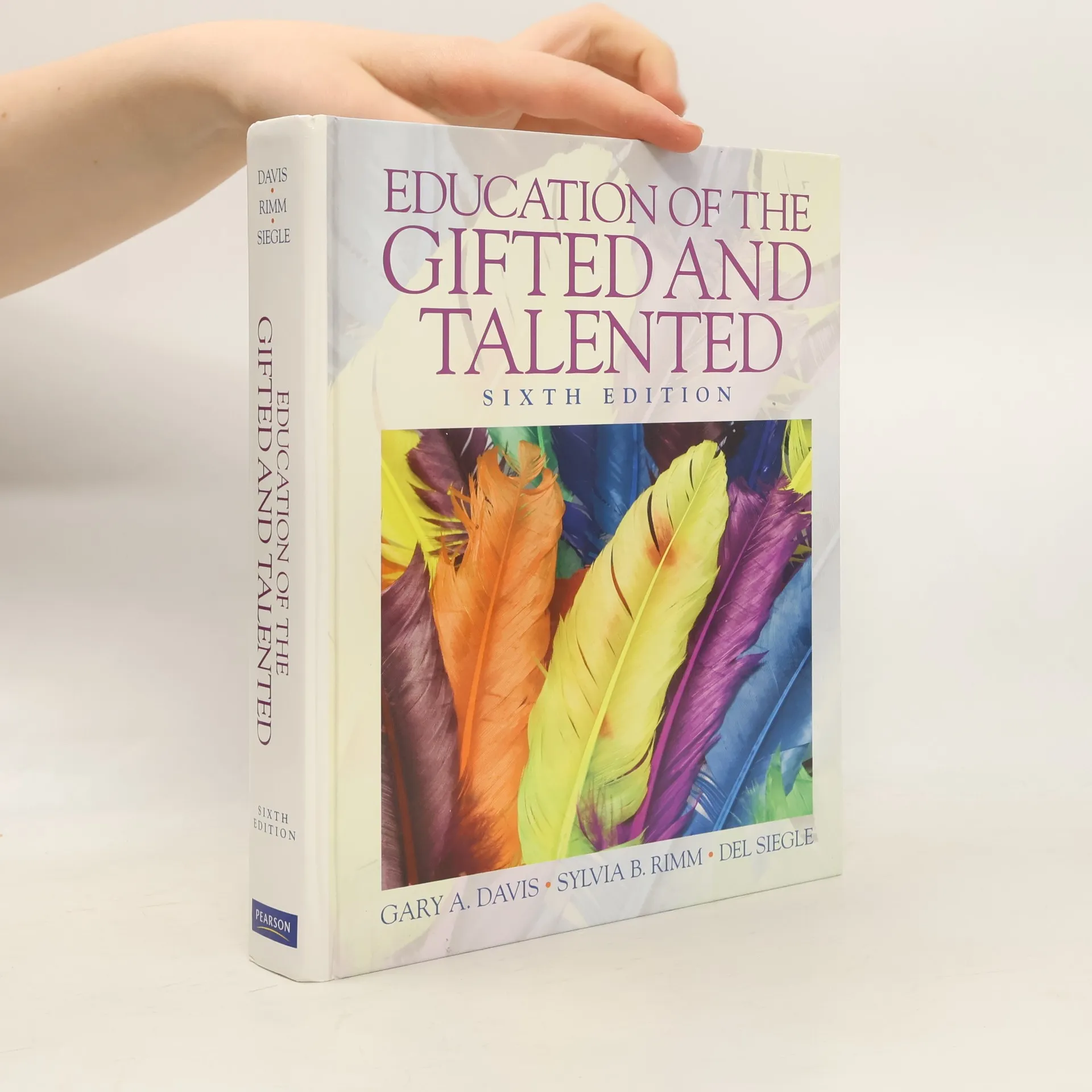
This comprehensive guide, authored by leaders in gifted education, offers an in-depth exploration of the field, highlighting best practices. It begins with an overview of current issues and delves into essential topics such as the characteristics of gifted students, identification strategies, program planning, contemporary models, various forms of acceleration, and differentiated curriculum. It also addresses challenges faced by underachieving disadvantaged, twice-exceptional, and female gifted students, along with program evaluation. The authors consider affective needs, leadership, and counseling, and include a chapter on parenting gifted children that covers advocacy and communication with schools. The thoroughly revised sixth edition incorporates the latest research on acceleration, curriculum, underachievement, and issues affecting culturally and economically disadvantaged students, as well as gender and dual exceptionalities. Practical strategies for classroom implementation, case studies for identifying student needs, and summaries of effective programs enhance the content. The emphasis on pedagogy and social-emotional needs, along with a focus on less visible sub-groups within gifted populations, is presented in an engaging and witty style, making this a compelling resource for educators.
Sylvia B. Rimm Libros
La Dra. Sylvia Rimm es una psicóloga y autora cuyo trabajo se adentra en la guía de los niños hacia el logro y la navegación por las complejidades de la vida familiar moderna. Ofrece consejos perspicaces y estrategias prácticas para los padres, centrándose en las necesidades de desarrollo de los niños y adolescentes. La experiencia de la Dra. Rimm abarca una amplia gama de temas, lo que la convierte en una voz de confianza para comprender los desafíos y las alegrías de la paternidad. Su amplia experiencia le permite conectar con el público, proporcionando perspectivas valiosas a través de diversos medios.
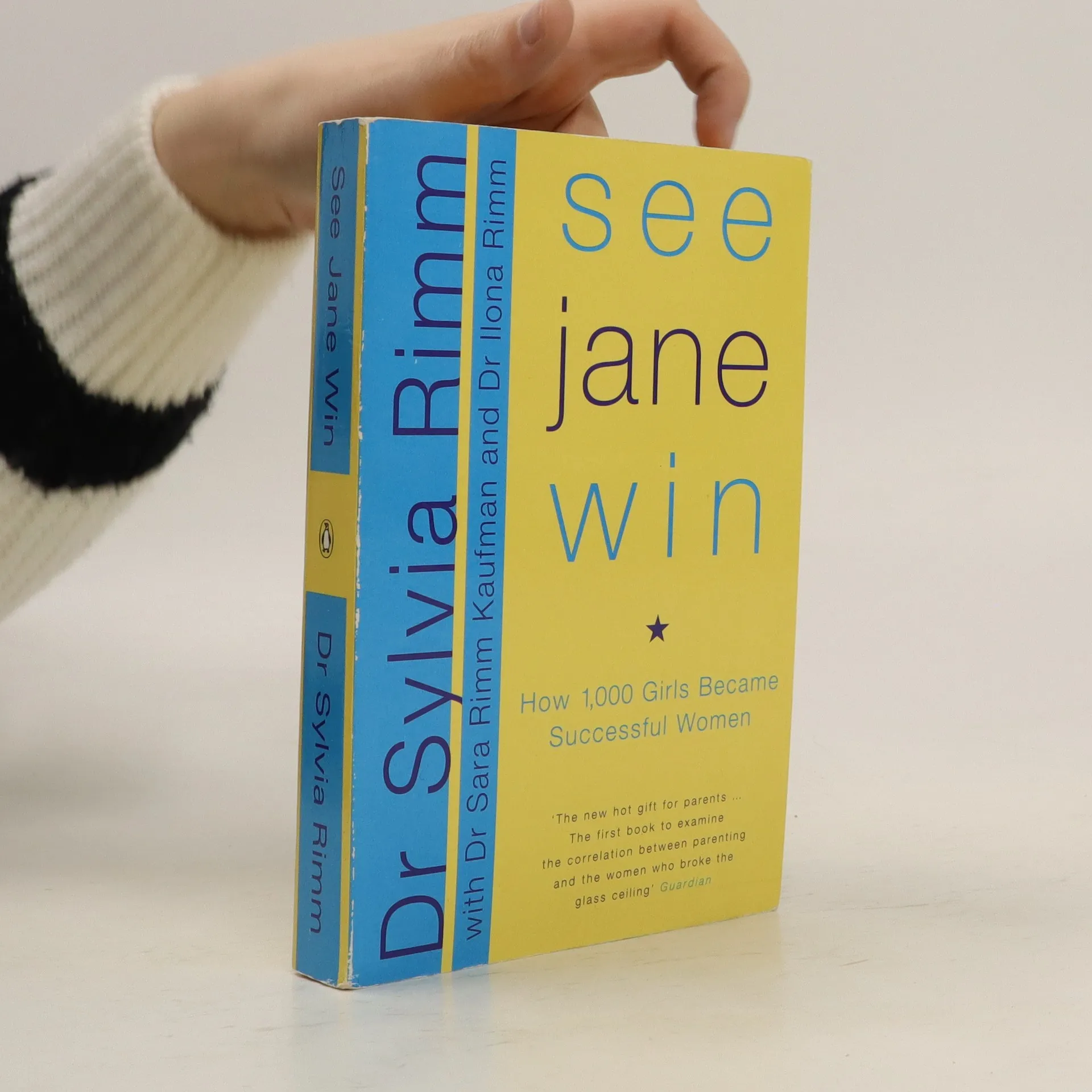
A noted child psychologist presents the conclusions of her extensive survey among more than 1,000 successful women, exploring what they each had in common with their upbringing and how parents can give their own daughters the same advantages.
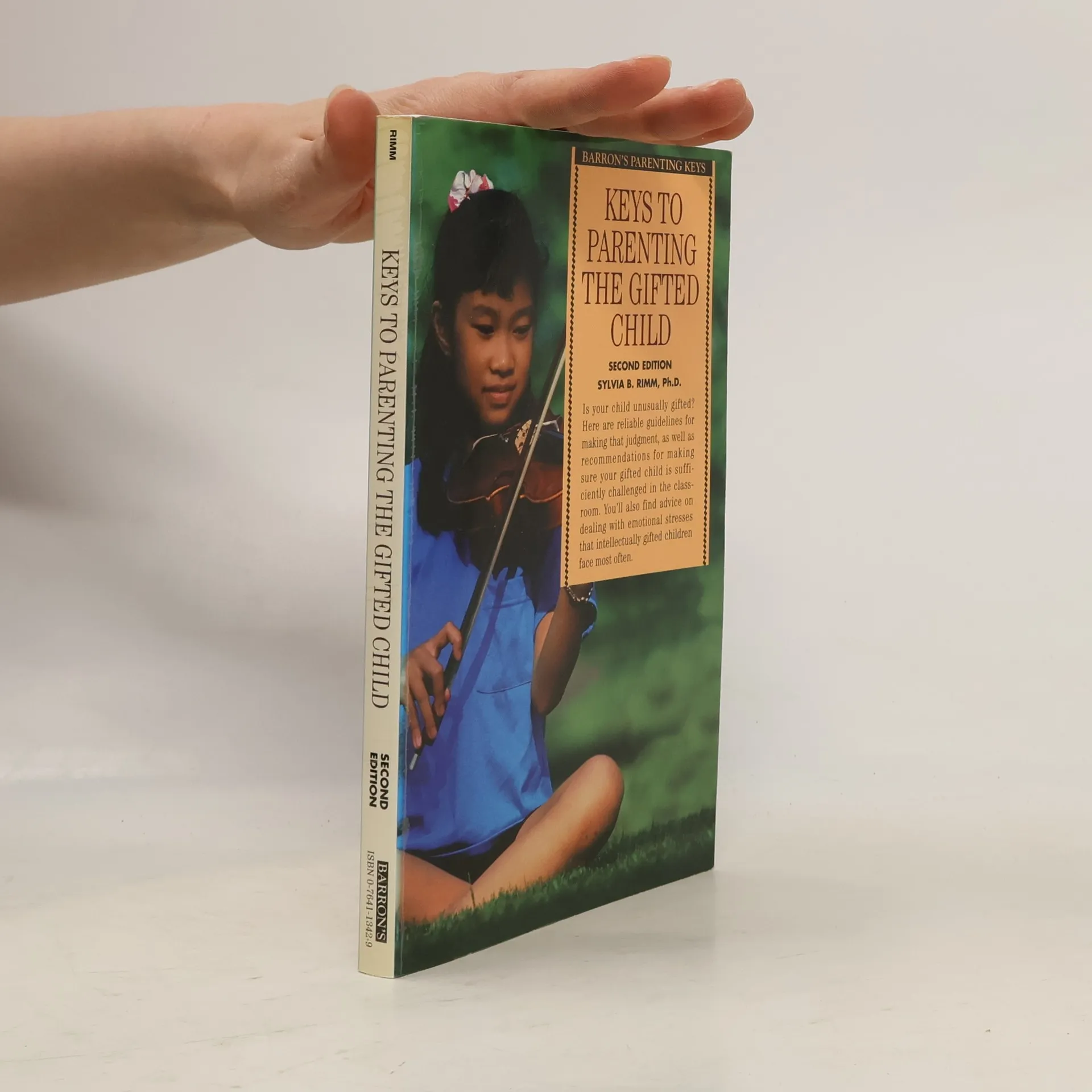
Barron's Parenting Keys: Keys to Parenting the Gifted Child
Second Edition
- 202 páginas
- 8 horas de lectura
Barron's informative, easy-to-read series of Parenting Keys books contain advice and information on a wide range of child-related subjects, written by experts in psychology, physical health, education, and social and personal development. Parenting Keys are designed to help parents raise healthy, happy, productive, and well-adjusted children in the demanding contemporary environment. Keys to Parenting the Gifted Child, 2nd Ed.; Parents get guidelines on how to determine if their children are unusually gifted, and how to prepare them for school. Here are recommendations to ensure that gifted children are sufficiently challenged in the classroom. The author also gives advice on dealing with emotional stresses that intellectually gifted children often feel. She emphasises the importance of maintaining a child's emotional adjustment in school, and among siblings, friends, and all family members. This new edition includes a chapter on gifted children and technology, and expands on the topic of gender issues that can affect gifted children's achievement.
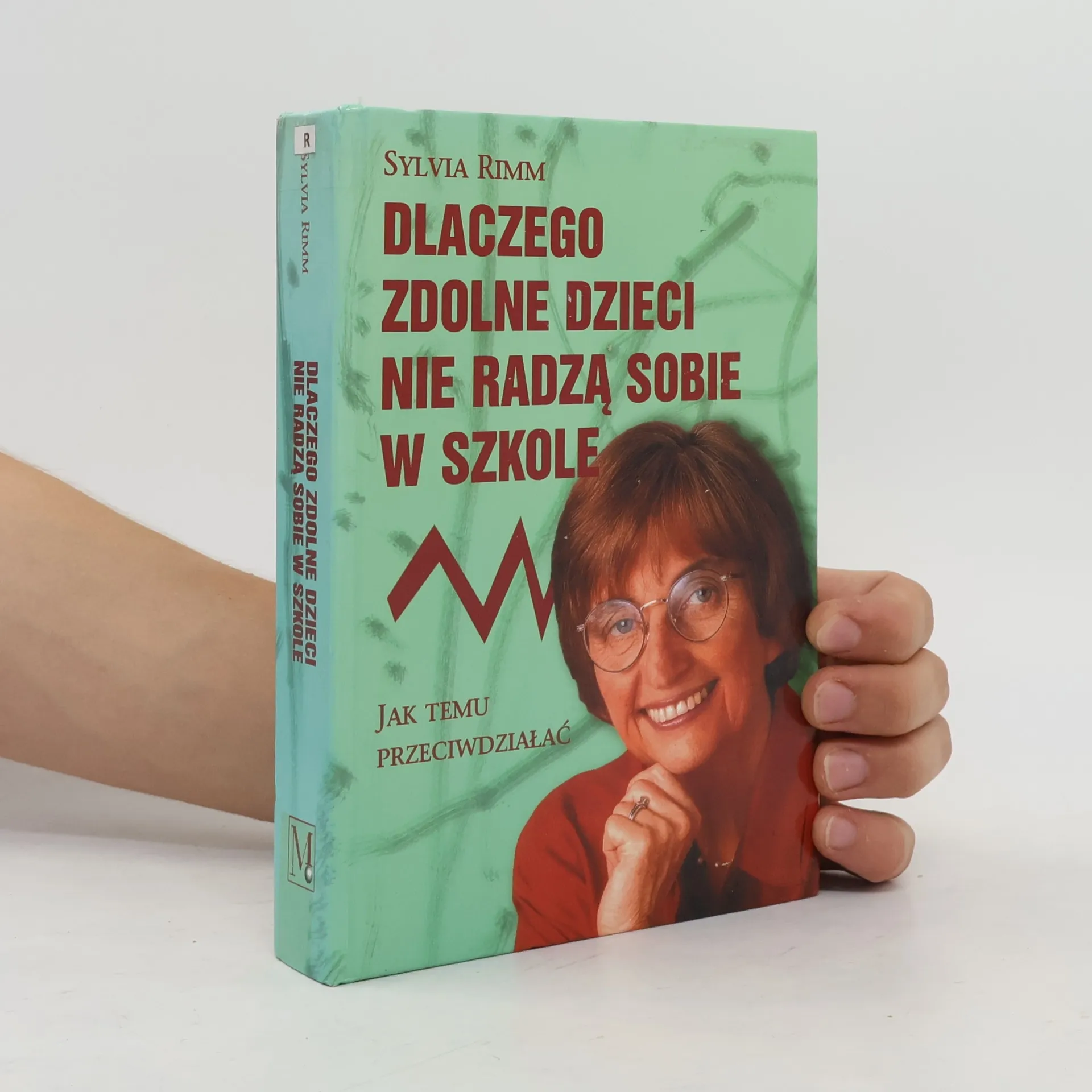
Dlaczego zdolne dzieci nie radzą sobie w szkole
- 439 páginas
- 16 horas de lectura