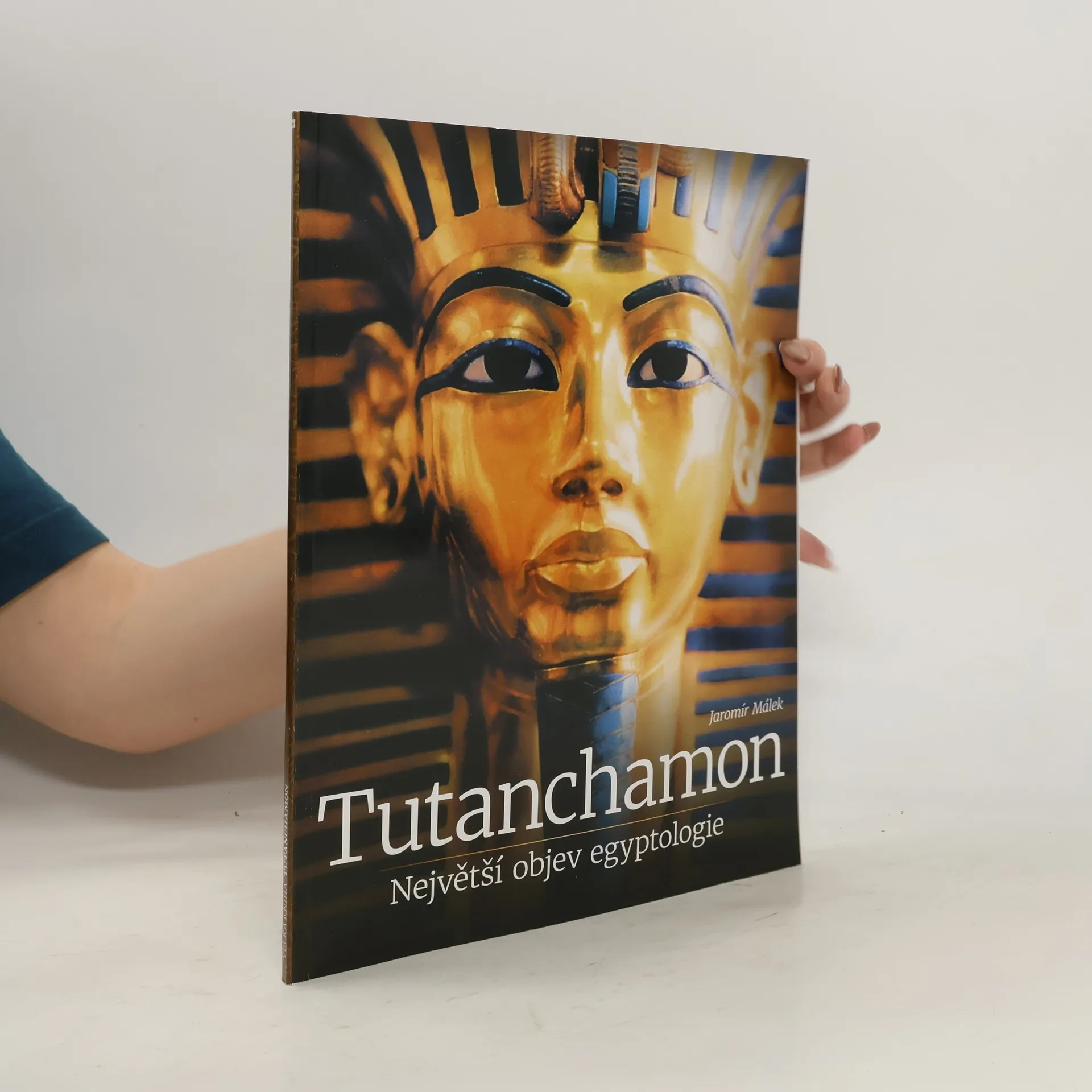
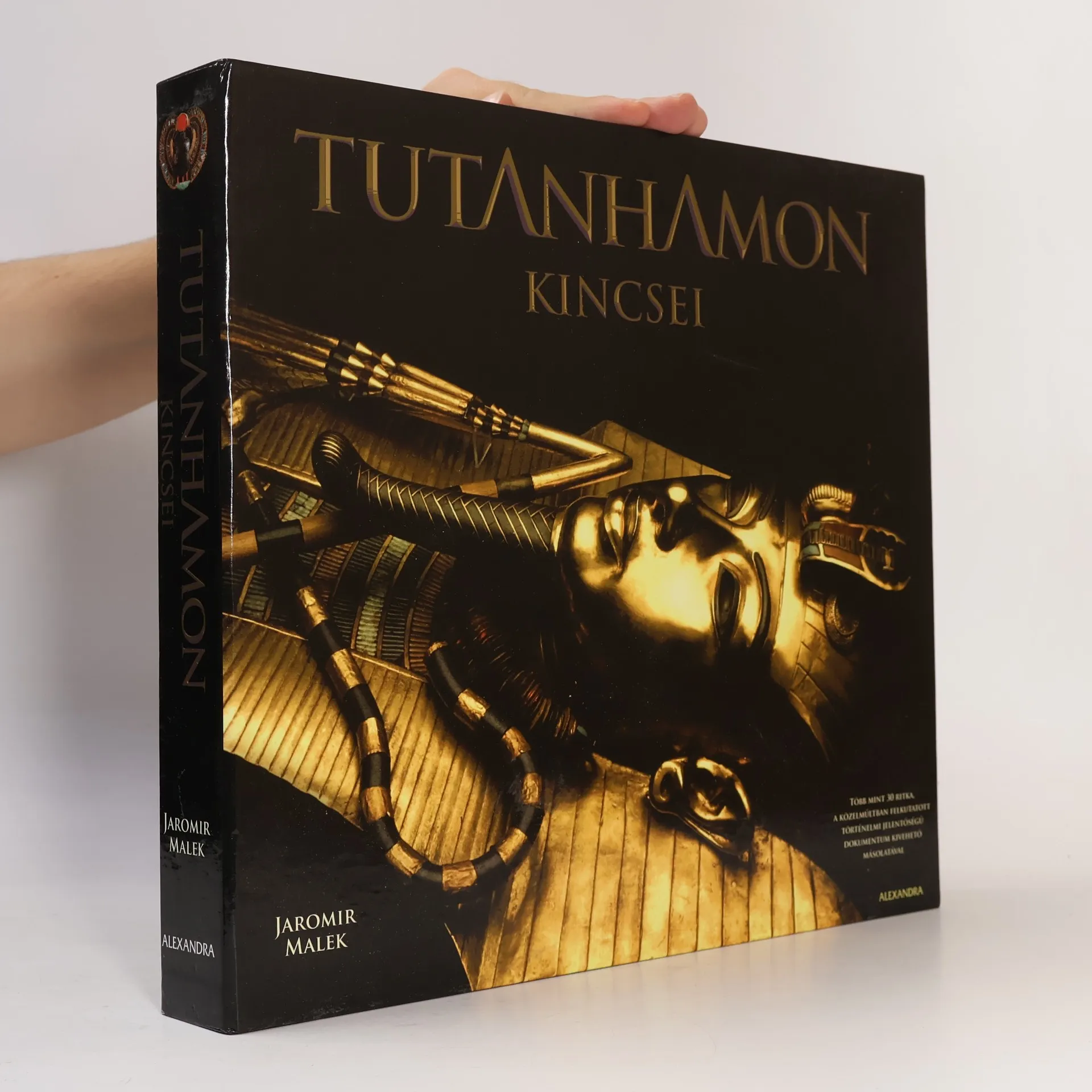
Autor Jaromír Málek (*1942) je egyptolog českého původu, který léta vedl archiv Griffithova institutu při Ashmoleově muzeu v Oxfordu, jeden z předních egyptologických archivů na světě. Starověký Egypt fascinuje lidstvo odedávna. Po staletí usilovali vykradači hrobů o dobytí ukrytých pokladů v hrobkách faraonů a v nové době se k nim přidali archeologové. Pak přišel 26. listopad 1922, den, kdy Howard Carter s vydatnou pomocí lorda Carnarvona objevil hrobku krále Tutanchamona, a svět užasl. Ještě nikdy nikdo nespatřil poslední místo egyptského panovníka v tak dokonalém stavu a se vším jeho bohatstvím, jež tu leželo nedotčeno. Vzrušující příběh objevování hrobky a mladičkého krále, který v ní nerušeně odpočíval po více než 3 000 let, se stal legendou a dodnes nepřestává podněcovat představivost lidí po celém světě. Výpravná kniha Tutanchamon: Největší objev egyptologie přibližuje Tutanchamonův krátký život v kontextu s událostmi a způsobem života ve starém Egyptě. Představuje práci prvních egyptologů a především líčí podrobnosti Carterovy expedice a slavného objevu na základě původních materiálů z osobního archivu Howarda Cartera. Poznejte nejslavnějšího egyptského faraona i všechny ty, kteří se zasloužili o jeho novodobý věhlas!
Jaromír Málek Orden de los libros (cronológico)
Jaromír Málek es un egiptólogo dedicado al estudio detallado del antiguo Egipto. Su experiencia reside en la meticulosa investigación de archivos y el trabajo editorial, centrándose en la documentación topográfica. Sus contribuciones profundizan la comprensión de la historia y cultura del antiguo Egipto a través de un análisis y organización precisos de los datos arqueológicos. Su enfoque subraya la importancia de la exactitud y el detalle para preservar y hacer accesible información histórica valiosa para las futuras generaciones.


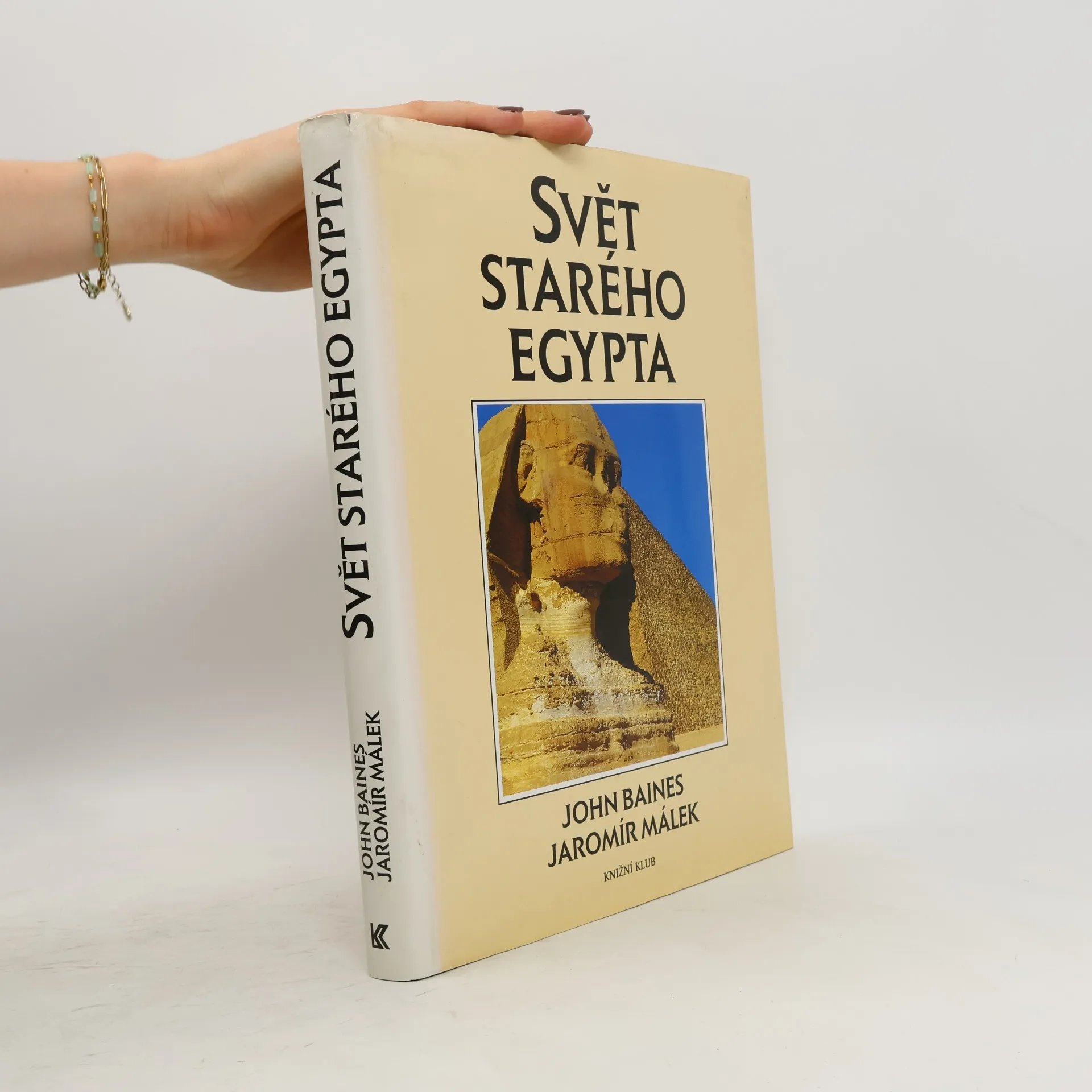
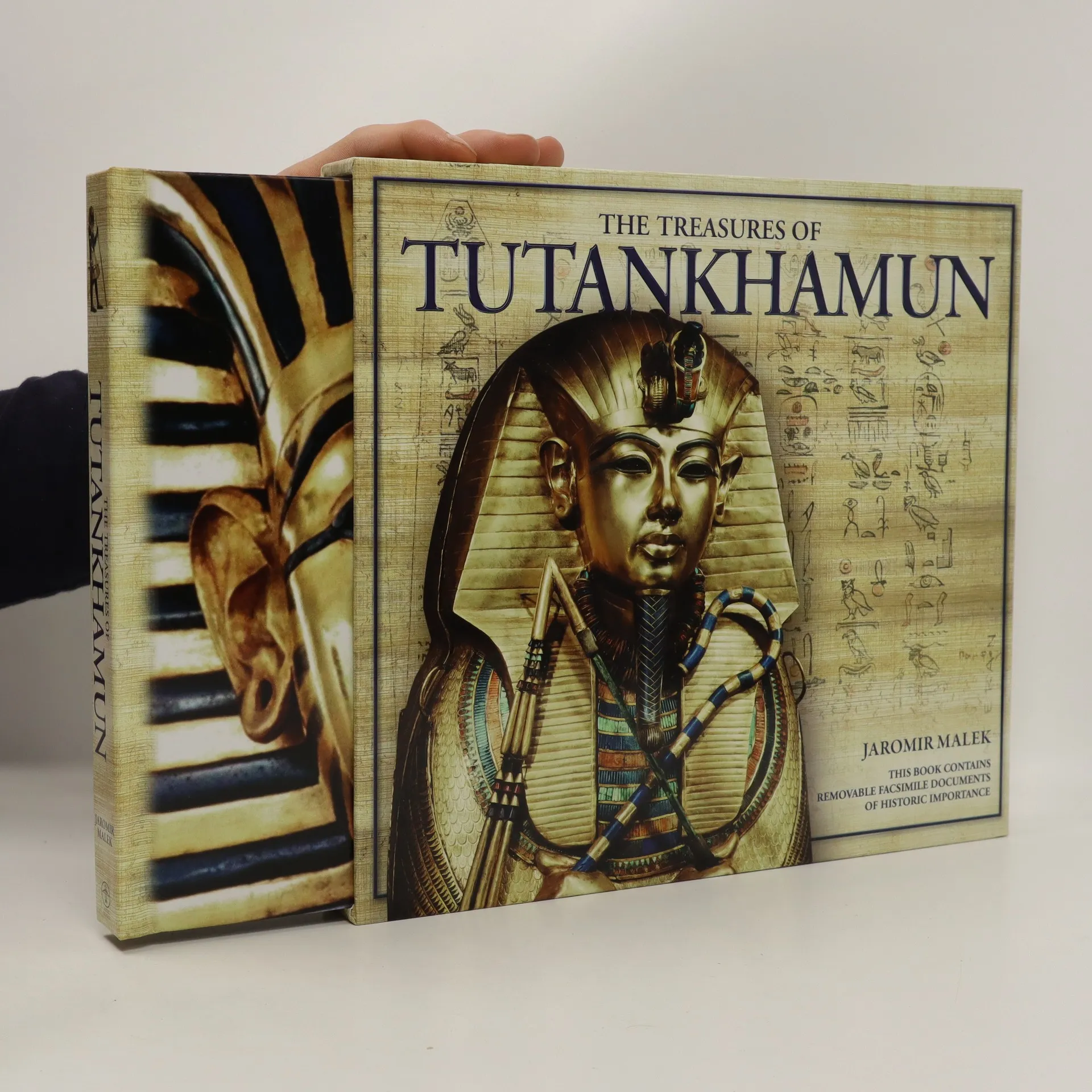
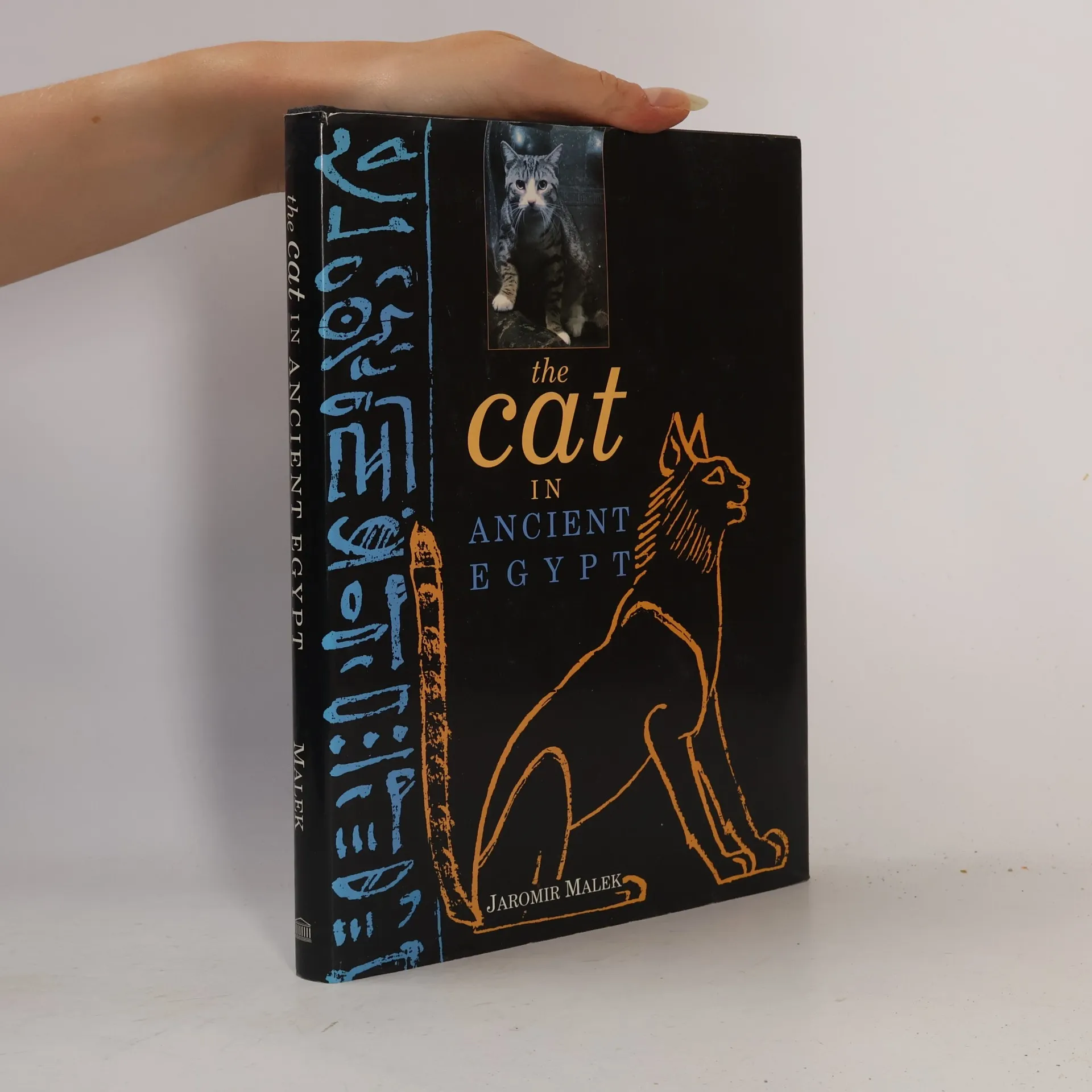
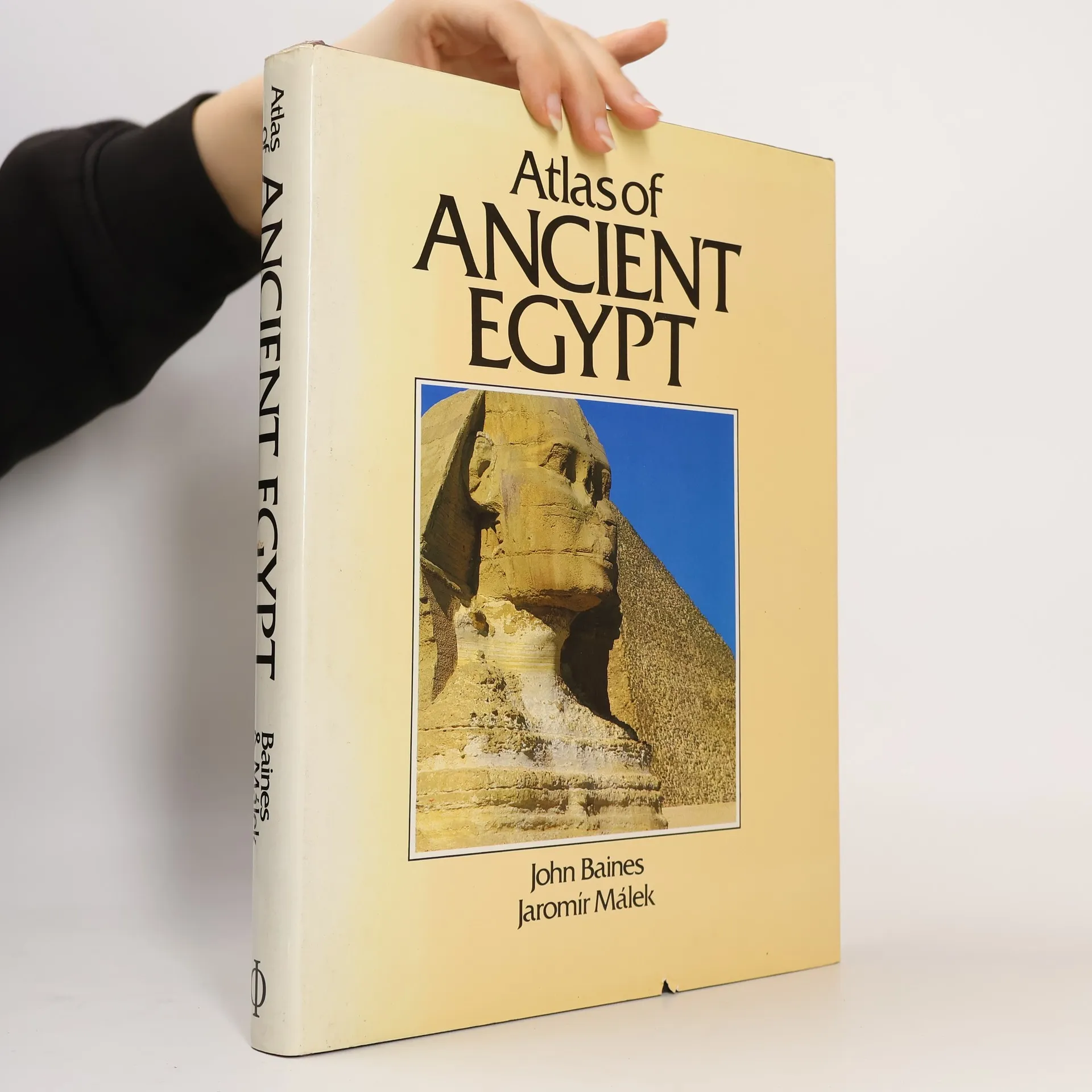
Explaining Tutankhamun's background and the role of the Pharaoh, this book shows how Egypt became a source of fascination for those in the West. It aims to bring to life the excitement and wonderment that Carter and Carnarvon must have felt upon opening the tomb.
Poklady skryté v hrobkách faraonov sa po stáročia snažili nájsť lupiči aj archeológovia. Dňa 26. novembra 1922 objavili Howard Carter a lord Carnarvon hrob kráľa Tutanchamona. Svet bol nadšený – nikdy predtým nebola objavená hrobka v tak dokonalom stave, ktorá by ukrývala také nesmierne bohatstvo pohrebnej výbavy. Kniha Poklad kráľa Tutanchamona približuje krátke panovanie tohto faraóna v kontexte života v starovekom Egypte. Predstavuje prácu doterajších egyptológov a na základe osobného archívu Howarda Cartera podrobne osvetľuje priebeh slávnej expedície vedúcej k objavu Tutanchamonovej hrobky. Kniha je bohatá na ilustrácie a obsahuje vyjímatelné faksimiliá vzácnych dobových dokumentov, väčšinou dosiaľ nepublikovaných.
Svět starého Egypta
- 240 páginas
- 9 horas de lectura
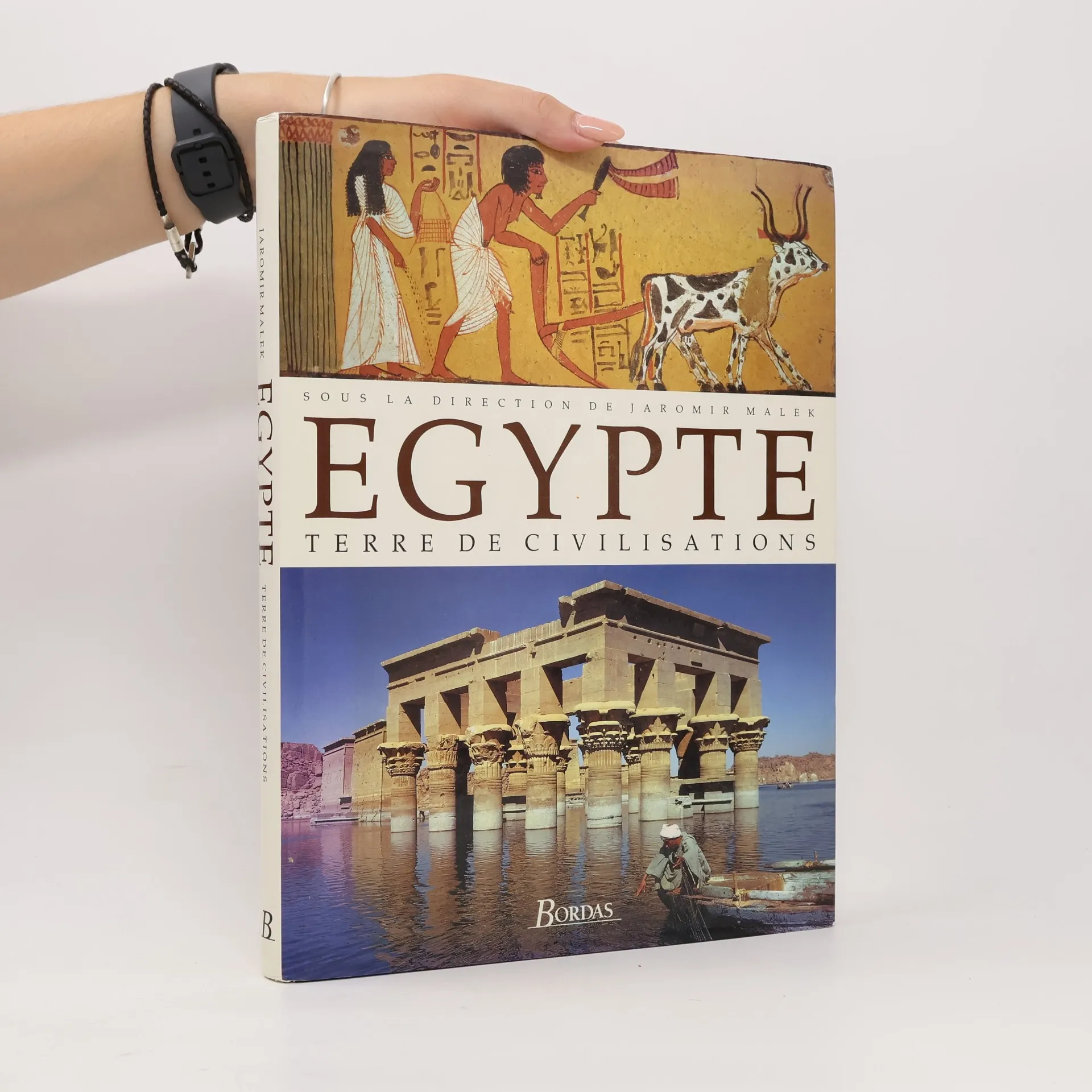
Tato kniha pojednává zcela novým způsobem o starém tématu - starověkém Egyptě. Dosud nikdy nebylo toto téma představeno formou kulturního atlasu, jenž přináší nejen mnoho historických a topografických map, ale také erudovaný text, ve kterém se dvěma významným egyptologům podařilo obsáhnout kulturu - chápanou v širokém smyslu - této staré civilizace.
The Cat in Ancient Egypt
- 144 páginas
- 6 horas de lectura
Cat fanciers who view their pets as majestic have history on their side: felines were domesticated in ancient Egypt around 2000 B.C., long before their European counterparts. Over time, cats gained a revered status in royal society, celebrated as embodiments of a goddess, depicted in bronze statuettes, and even mummified alongside their owners. They also earned the respect of commoners for their humble origins and protective instincts, securing a significant role in the personal beliefs of ordinary people. Egypt scholar Jaromir Malek utilizes various artistic and written sources to illustrate how cats became one of the most esteemed animals in ancient Egypt. He traces the domestication of cats through their artistic representations, starting with the tomb of Baket III, where a cat confronts a field rat, and evolving to images of cats beneath the chairs of wives, complementing the motif of dogs under husbands' chairs. The book features over a hundred illustrations—many in full color—showing cats in tomb paintings, sculptures, papyri, jewelry, ostraka, and sarcophagi. Malek provides context on ancient Egyptian religion, society, and art, helping readers understand the cat's esteemed place. Today, cats roam Egypt’s bazaars and courtyards, reflecting an enduring bond with humans captured in this engaging work that appeals to both cat lovers and history enthusiasts.
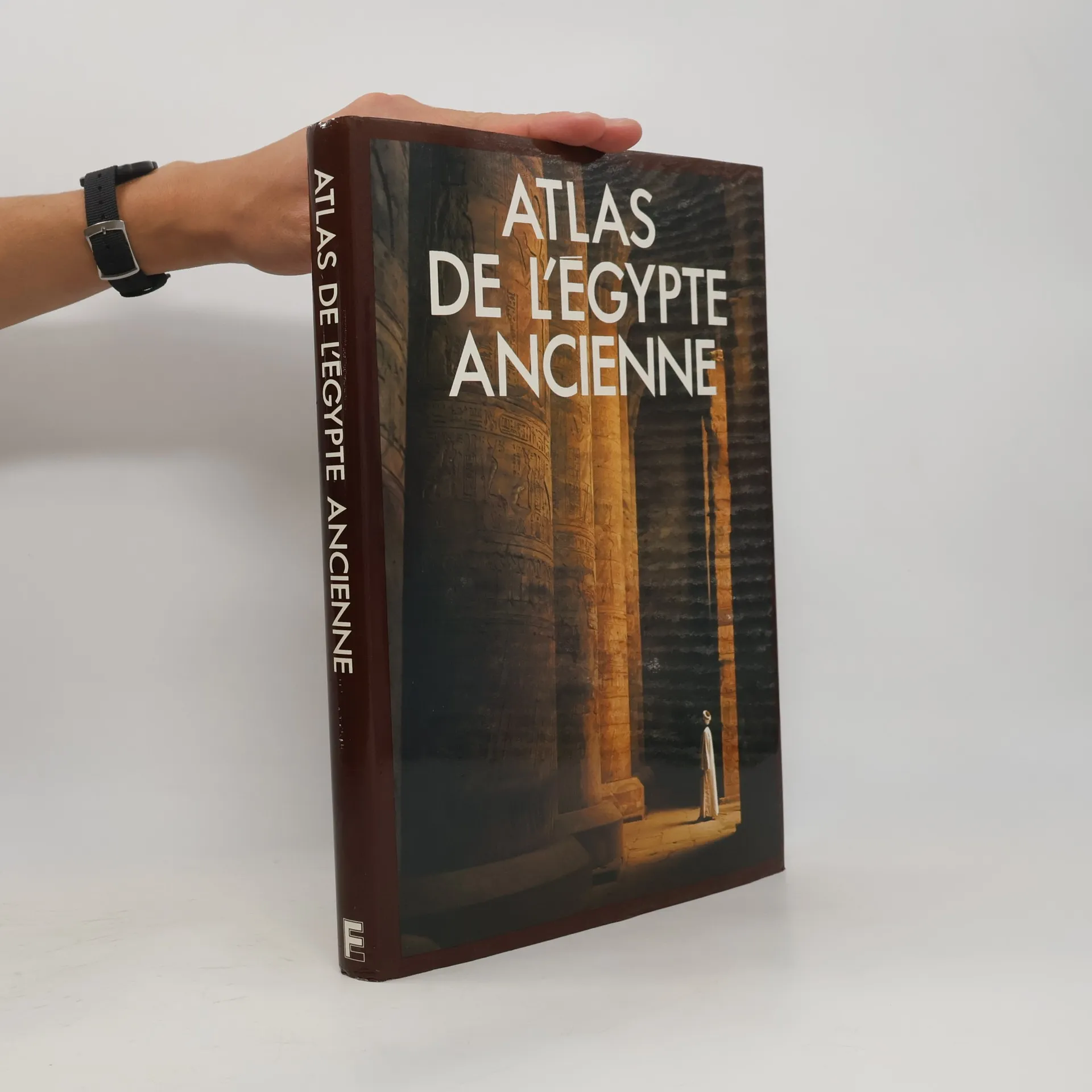
Rayon : Civilisation Editeur : Editions du Fanal Date de parution : 1991 Description : In-4, 240 pages, relié entoilé avec jaquette parfaite, occasion, très bon état. Envois quotidiens du mardi au samedi. Les commandes sont adressées sous enveloppes bulles. Photos supplémentaires de l'ouvrage sur simple demande. Réponses aux questions dans les 12h00. Librairie Le Piano-Livre. Merci. Référence catalogue vendeur: X14618. Please let us know if you have any questions. Thanks
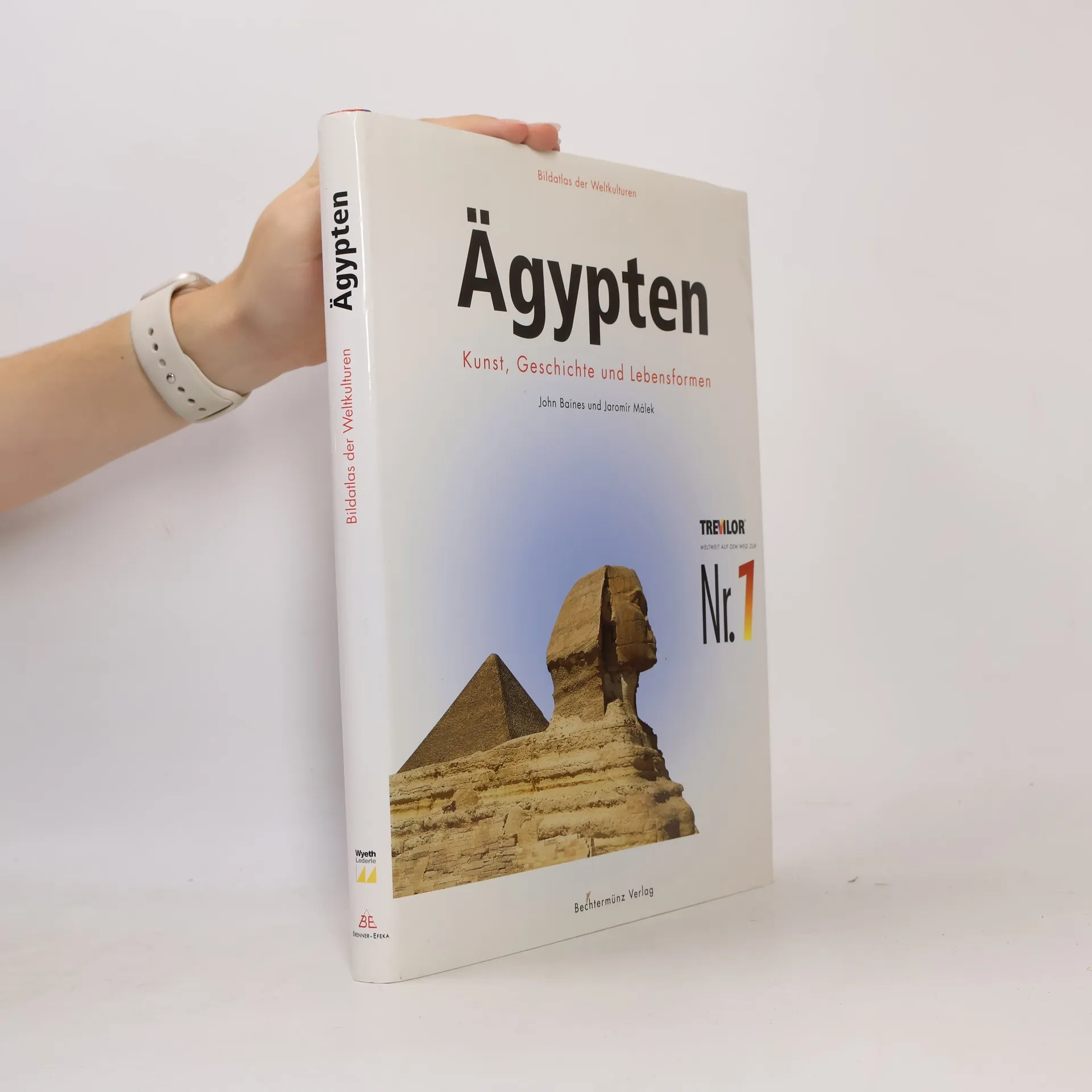
durchg. farb. Abb., geogr. Reg., Glossar, Bibliogr., Orts- u. Begriffsreg.
Atlas of Ancient Egypt
- 240 páginas
- 9 horas de lectura
The book is divided into three parts. The first establishes the cultural setting of ancient Egypt, with chapters on its geography, archaeology, history, art and architecture. The central section of the book takes the reader on a journey down the Nile, calling at some 90 sites where significant discoveries have been made or spectacular monuments stand. From the rock-cut tombs of Aswan to the pyramids at Giza, from he treasures of Tut'ankhamun to the shifting sands of the delta, the reader is transported effortlessly by means of maps, photographs, site plans and descriptive accounts of the visible remains. A further journey takes the intrepid traveler into Nubia and to the temples of Abu Simbel, rescued from the waters of Lake Nasser. The third part considers important aspects of Egyptian society and daily life.
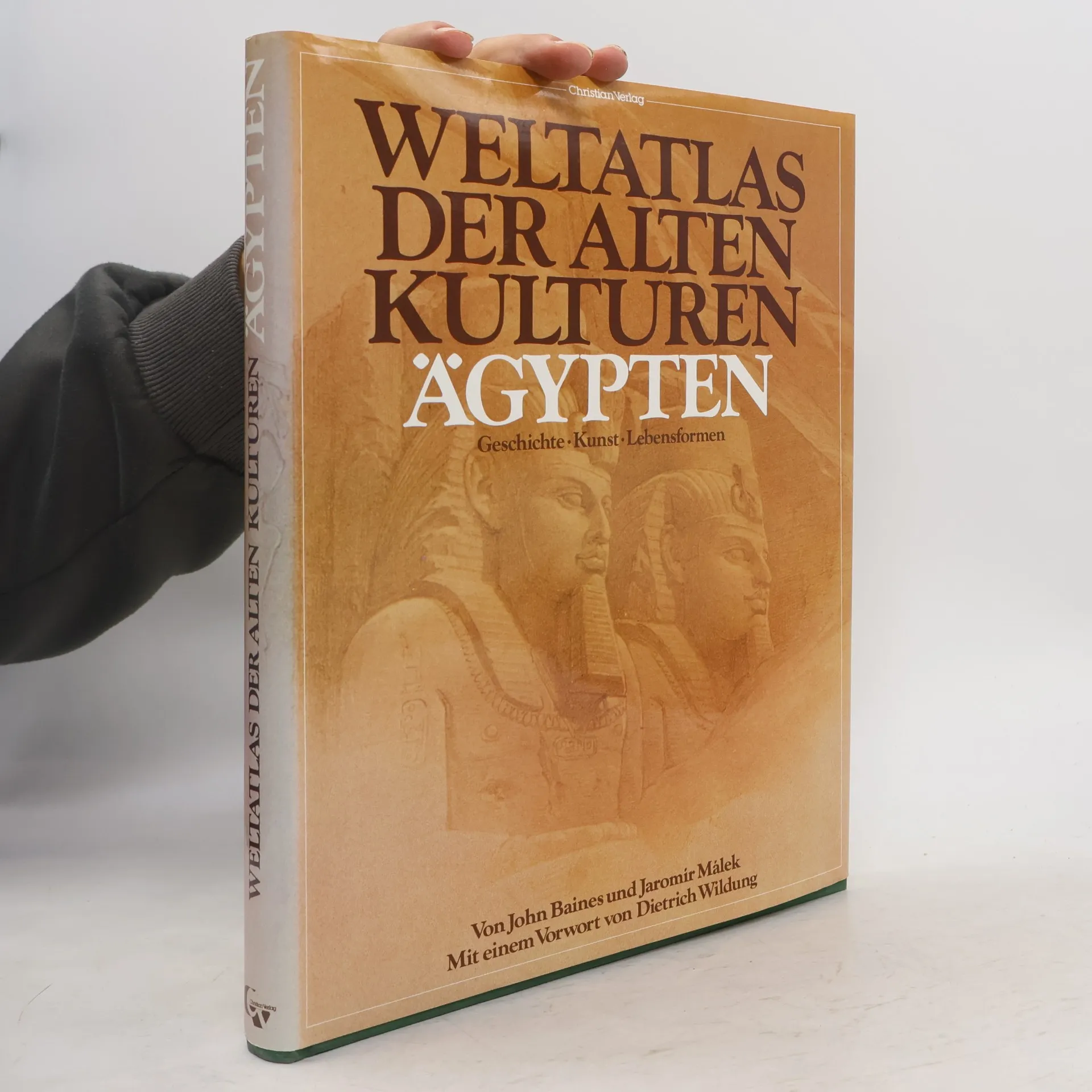
Weltatlas Der Alten Kulturen. Ägypten
- 240 páginas
- 9 horas de lectura