
Compra 10 libros por 10 € aquí!
Bookbot

Ṣādiq Hidāyat

    17 de febrero de 1903 – 4 de abril de 1951
    Tup-e Morvari. Originalhandschrift
    Der Feueranbeter und andere Erzählungen
    Die blinde Eule. Ein Roman und neun Erzählungen. Ein Roman und neun Erzählungen
    Die blinde Eule
    The Blind Owl (Authorized by The Sadegh Hedayat Foundation - First Translation into English Based on the Bombay Edition)
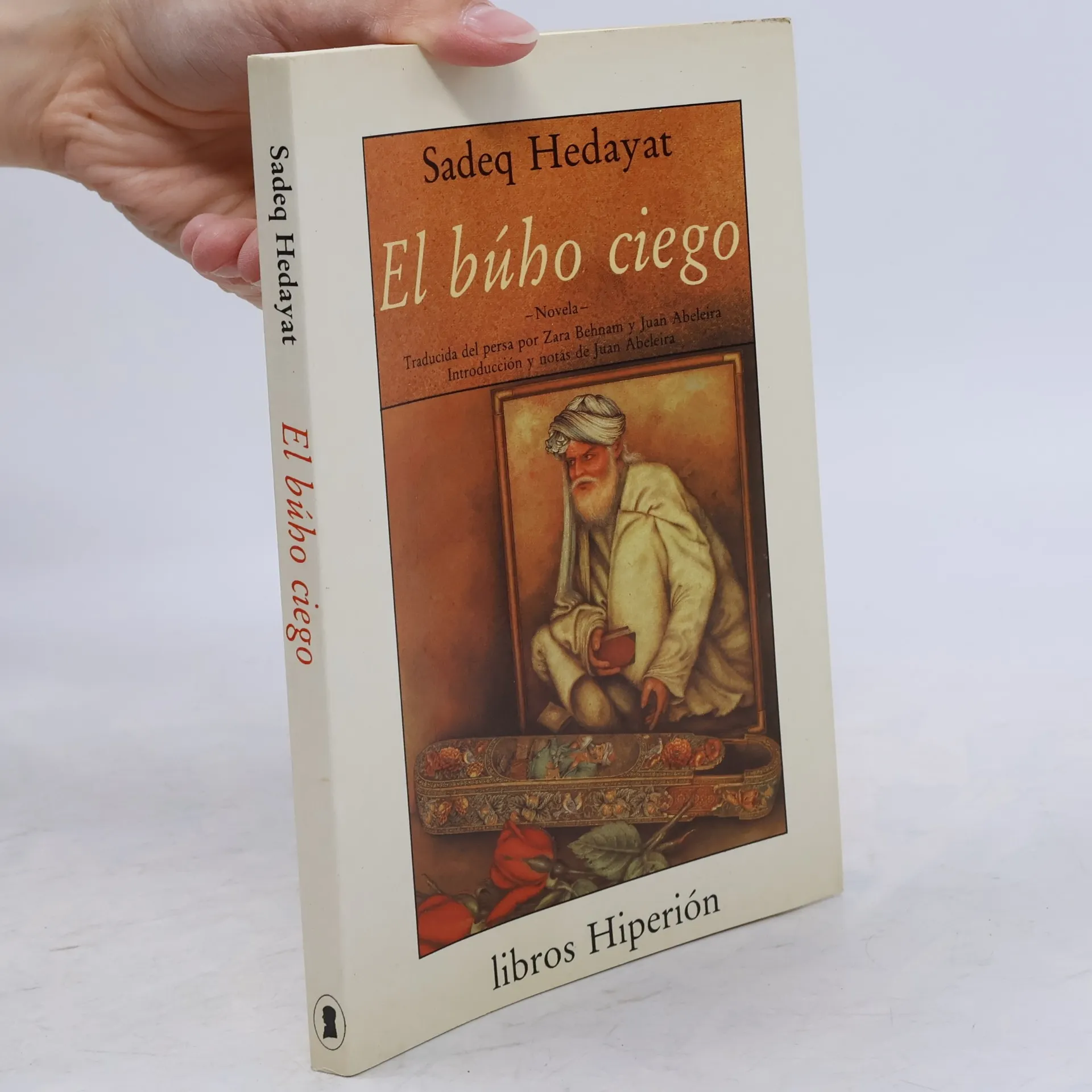
    The Blind Owl
    • The story is narrated by a young man, a painter of miniatures, whose name is never given. He feels an overbearing need to recount an experience he went through that has shattered his whole existence. A beautiful woman, an old man and a cypress tree are the recurring motifs.

      The Blind Owl
    • Tells the story of an unnamed pen case painter, the narrator, who sees in his macabre, feverish nightmares that "the presence of death annihilates all that is imaginary. We are the offspring of death and death delivers us from the tantalizing, fraudulent attractions of life; it is death that beckons us from the depths of life. If at times we come to a halt, we do so to hear the call of death... Throughout our lives, the finger of death points at us." The narrator addresses his murderous confessions to the shadow on his wall resembling an owl. His confessions do not follow a linear progression of events and often repeat and layer themselves thematically, thus lending to the open-ended nature of interpretation of the story.

      The Blind Owl (Authorized by The Sadegh Hedayat Foundation - First Translation into English Based on the Bombay Edition)
    • Der düstere Roman handelt von der Beichte eines Malers gegenüber seinem Schatten mit dem Umriss einer Eule. Er erzählt ihm von seinen Albträumen, in denen er sich mit dem Tod und seinen Auswirkungen auf das Leben auseinandersetzt. Das Buch erschien 1936 während der Regentschaft Reza Schahs in einer limitierten Auflage in Mumbai, wo sich Hedayat zu der Zeit aufhielt. Nach der Abdankung Reza Schahs 1941 wurde der Roman im Iran herausgegeben und hatte gleich eine starke Resonanz.

      Die blinde Eule
    • "Tup-e Morvari" erzählt die Geschichte der persischen Kanone "Marwari", die durch die Geschichte Irans führt. Sadegh Hedayat kritisiert scharf das Schahregime, die Mullahs und den Islam. Das Werk wurde sowohl während der Schahzeit als auch nach der Islamischen Revolution zensiert und nicht mehr veröffentlicht.

      Tup-e Morvari. Originalhandschrift