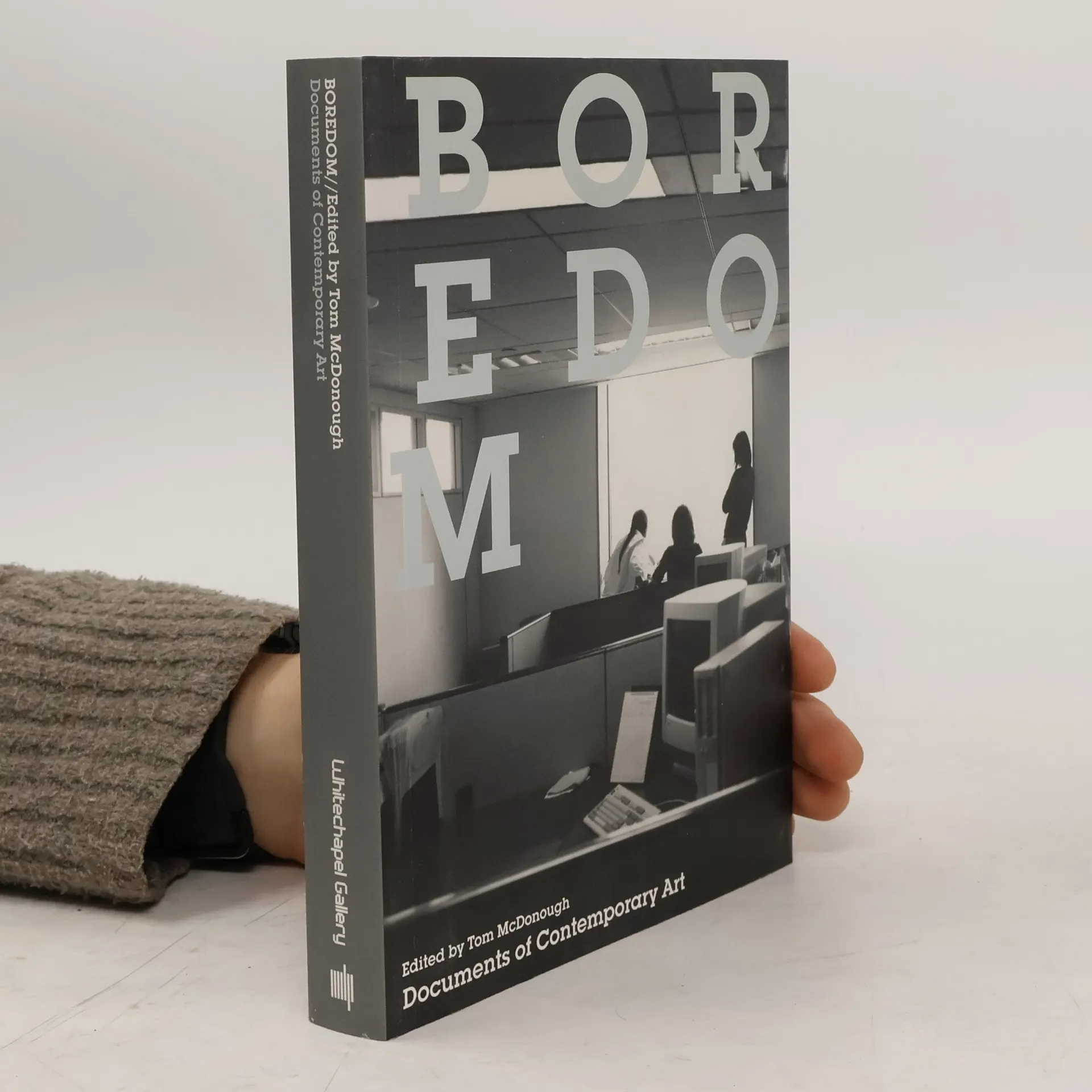
Boredom
- 240 páginas
- 9 horas de lectura
This title is part of the acclaimed series of anthologies which document major themes and ideas in contemporary art.


This title is part of the acclaimed series of anthologies which document major themes and ideas in contemporary art.
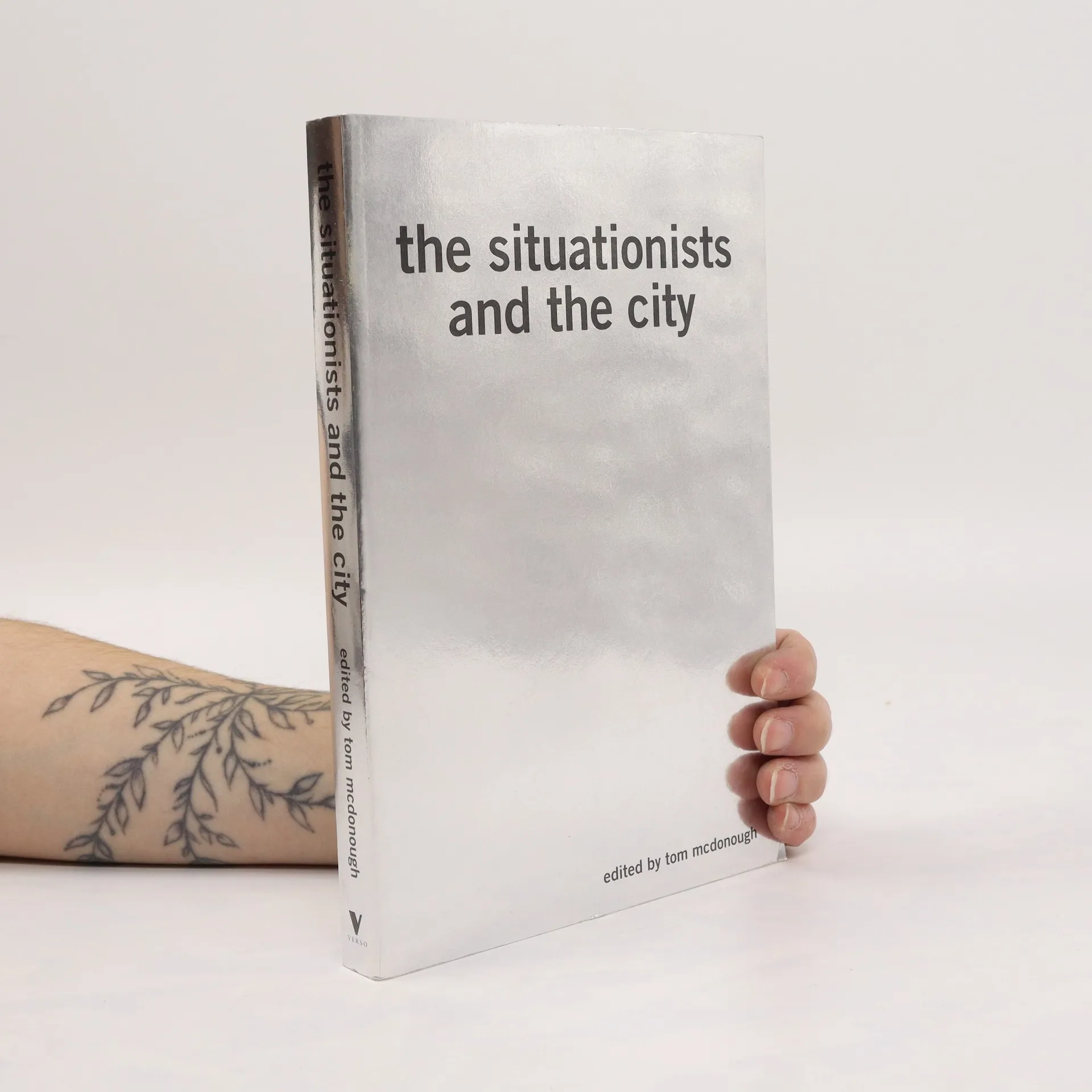
The Situationist International (SI), led by the revolutionary Guy Debord, were active throughout the 1950s and 60s. They published the journal Internationale Situationniste that included many incendiary texts on politics and art, and were a galvanizing force in the revolutions of May 1968. The importance of their work has been felt particularly in their revolutionary analysis of cities. The SI were responsible for utopian imaginings of the city, where its alienating effects from its routine use as a site of consumption and work were banished and it was instead to be turned into a place of play. Tom McDonough collects all the SI’s key work in this area for an essential one-stop collection. Including such essential works as ‘The Theory of the Derive’, ‘Formulary for a New Urbanism’, and many previously untranslated texts, the book will also be strikingly illustrated by the images that were core to the Situationist project.
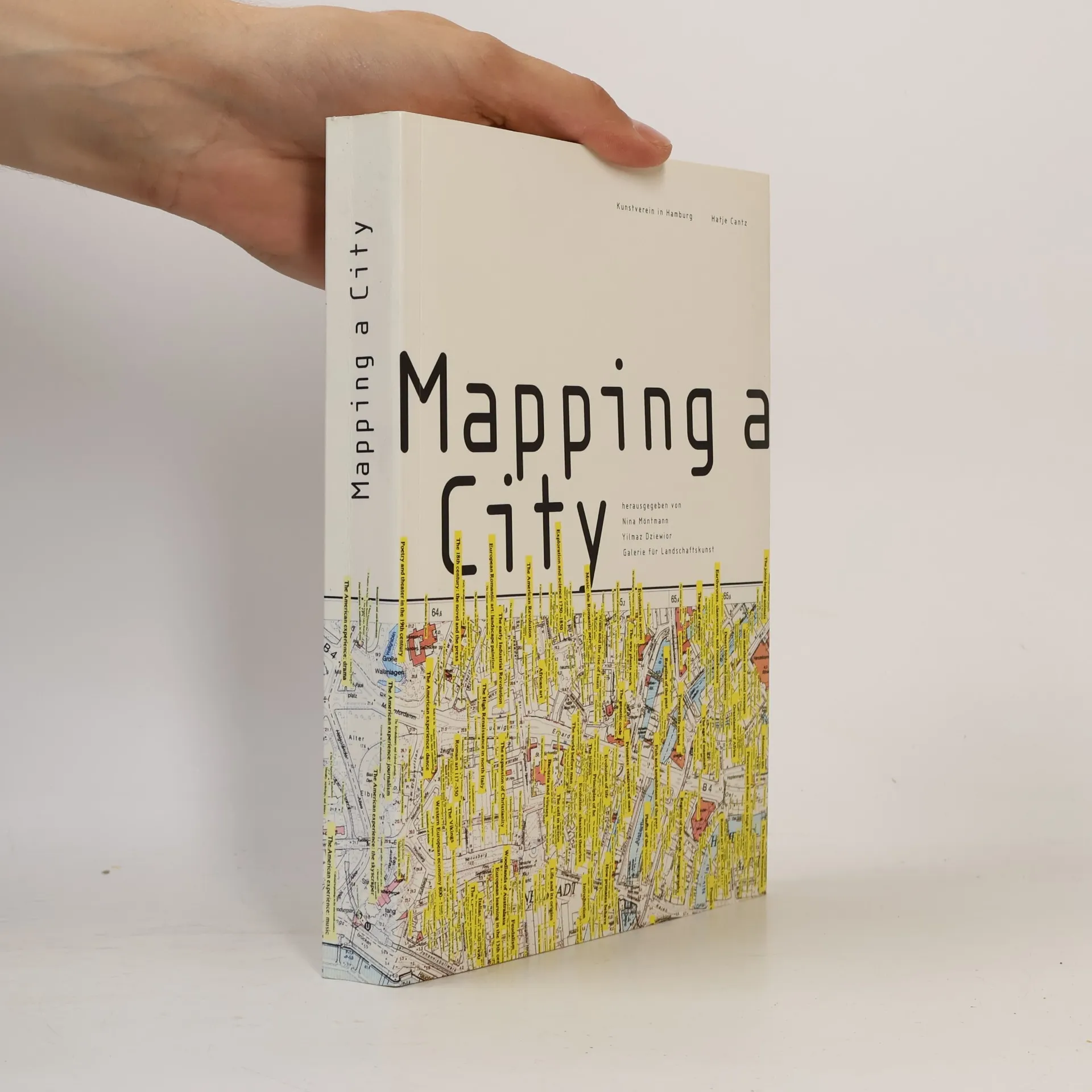
Die Stadt Hamburg diente für das umfangreiche Projekt Mapping a City als exemplarische urbane Metropole. Internationale Künstlerinnen und Künstler unternahmen in ihren Arbeiten Erkundungen des städtischen Raums und untersuchten Vorstellungen von Natur und Landschaft. Die Publikation präsentiert neben einem allgemeinen Reader zum Phänomen 'Mapping' die vielgestaltigen Ergebnisse dieser künstlerischen und wissenschaftlichen Recherchen. So spürte etwa der Amerikaner Bob Braine den ehemaligen Wall- und Befestigungsanlagen um die alte Hansestadt sowie dem Auftreten und Fehlen von Vegetation im heutigen Stadtbild mittels Infrarotaufnahmen nach. Till Krause lief auf einer geraden Linie von seiner Wohnung in Altona nach Kiel und kartografierte Blickhindernisse und Handyempfang. Und der Brite Nils Norman sah die alte Hansestadt als gigantischen Abenteuerspielplatz. Die vorgestellten Künstler: Bob Braine, Stephan Dillemuth, Mark Dion, Anna Gudjónsdóttir, Anke Haarmann [AHA], Kristinn G. Hardarson, Florian Hüttner, Jussi Kivi, Till Krause, Daniel Maier-Reimer, Matt Mullican, Nils Norman, Patrick Rieve, Malte Urbschat, Mark Wehrmann, Ralf Weißleder, Malte Willms
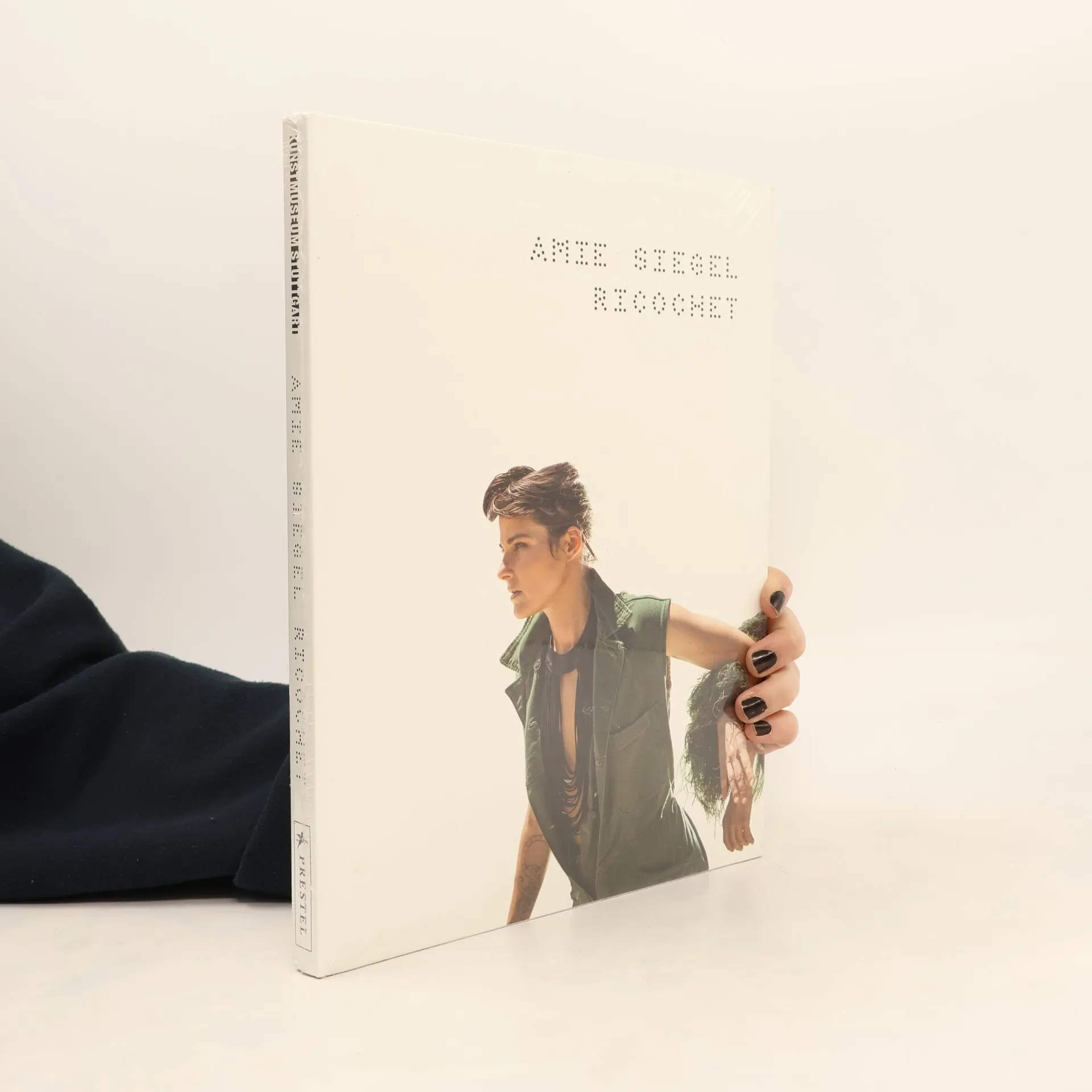
This book presents the film, performance, and works on paper of Amie Siegel from her two exhibitions, Black Moon and Ricochet, at the Kunstmuseum Stuttgart. Siegel's work is often characterized by duplication and repetition, by appropriation and adaptation, and not least by remaking. In 2011 and 2016, the Kunstmuseum Stuttgart presented two solo exhibitions of the work of Amie Siegel. These exhibitions, Black Moon and Ricochet, though separated by five years, were conceived as a single show unfolding over time and space. Rebounding between the shows, visual motifs and ideas have found their expression in the artist's concept of the catalogue. Instead of combining both presentations in a single publication, the artist, together with graphic designer Kerstin Riedel, created two mirrored books which are bound together into one volume. Opening the catalogue reveals two double spreads that offer endless possibilities to combine the illustrations of Siegel's artworks. The themes and motifs scattered across the exhibitions through performance, video, and works on paper include the archeology of cinema, image provenance, psychoanalysis, and economies of gender. The book includes essays by Tom McDonough and Sven Beckstette as well as a conversation between Amie Siegel and Ulrike Groos, director of Kunstmuseum Stuttgart.
Ausst. Kat. Museum Moderner Kunst Stiftung Ludwig Wien, 2019/20
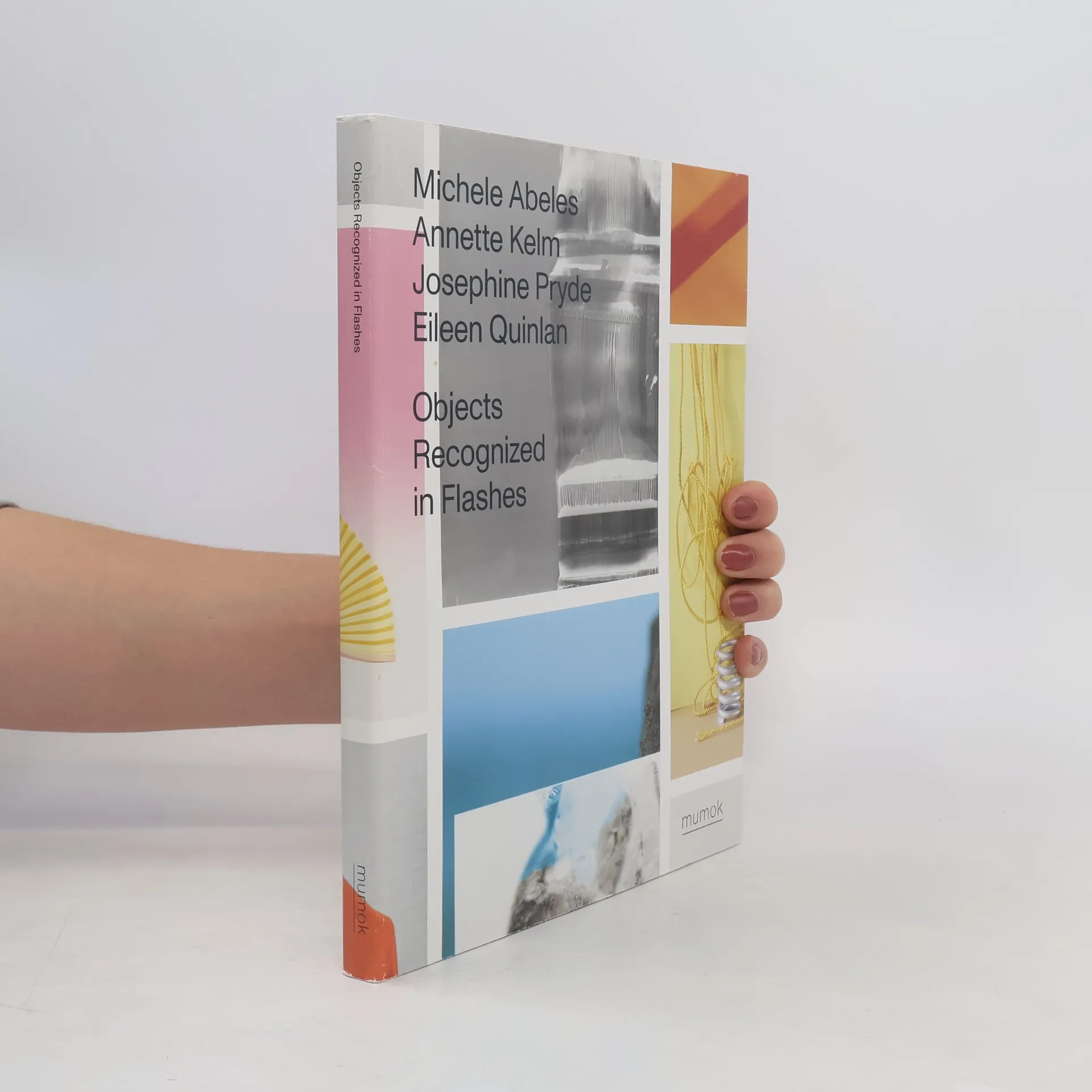
Objects Recognized in Flashes' is the title of a group exhibition focusing on surfaces of photographs, products, and bodies. The exhibition was developed by the curator in consultation with the artists Michele Abeles, Annette Kelm, Josephine Pryde, and Eileen Quinlan. It asks how our largely mediatized society deals with and relates analogue and digital images. How are relations between material and immateriality, body, screen and photographic surface constituted? In our contemporary consumer culture, products and questions of commodity aesthetics are becoming more and more significant. This is not without consequences for our use of photographic images. Ubiquitous advertising, marketing, and product presentation create imaginary visual standards that have now become a firm fixture of our self representations in photos on social media platforms. The works by the four artists in the exhibition respond both in respect to each other, and to this changing context.