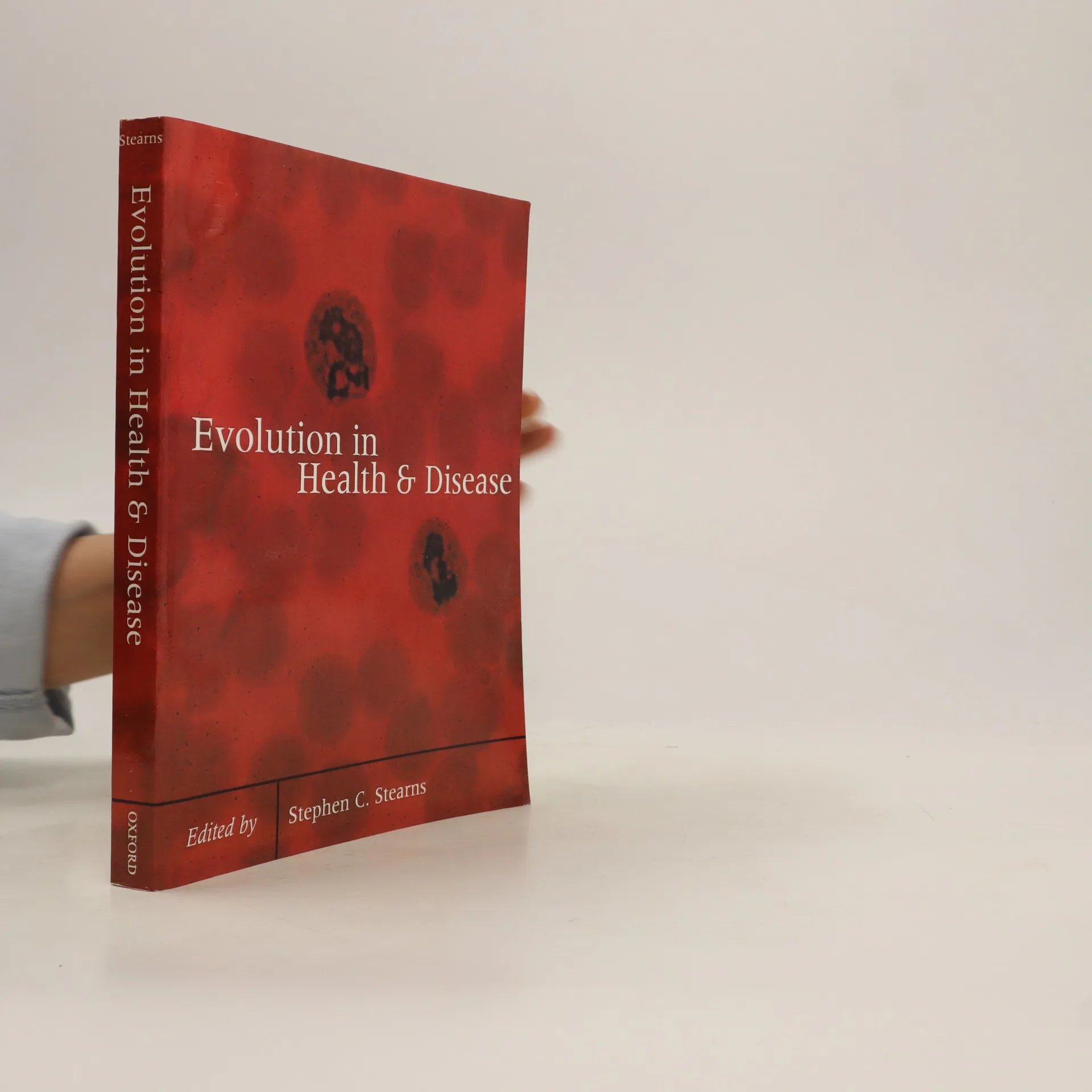
Have you ever considered how the life experiences of our ancestors might impact our health today? For most of our evolutionary history, humans lived in small hunter-gatherer groups with diets, lifestyles, and living conditions vastly different from contemporary life. The adaptations that define us—height, brain size, body proportions, metabolic rate—were established during the Pleistocene, a period far longer than our recent evolutionary history, and may not align with modern conditions. This engaging exploration examines how our ancient genes interact with contemporary human life. It provides a comprehensive look at the intersections of evolutionary biology and medical science, an area often overlooked in medical education yet rich with insights into human health and disease. Topics covered include antibiotic resistance, pathogen virulence, aging, vaccine design, and population-specific drug responses. The book also delves into mother-offspring conflict during pregnancy, menstruation, menopause, child abuse, homicide, depression, schizophrenia, and chronic diseases like cancer and osteoporosis. Written by leading experts in evolutionary medicine, it offers accessible insights into the primary literature, making a compelling case for integrating evolutionary biology into medical practice for students, researchers, and practitioners alike.
Stephen C. Stearns Orden de los libros (cronológico)
Stephen C. Stearns es un biólogo estadounidense y profesor de ecología y biología evolutiva. Es reconocido por su trabajo en la teoría de la historia de vida y la medicina evolutiva. Su investigación se centra en comprender cómo los procesos evolutivos dan forma a las estrategias vitales de los organismos y su susceptibilidad a las enfermedades. El trabajo de Stearns ha contribuido significativamente a nuestra comprensión de los principios evolutivos que rigen los ciclos de vida y la salud.