This book is a reproduction of a historical work, presented in large print to enhance accessibility for readers with impaired vision. Published by Megali, a company dedicated to producing such accessible editions, it aims to preserve important texts while ensuring they are easier to read.
Henrik Ibsen Orden de los libros (cronológico)
20 de marzo de 1828 – 23 de mayo de 1906
Henrik Ibsen es una figura fundamental del drama noruego, responsable en gran medida del auge del teatro realista moderno. Sus obras a menudo se consideraban escandalosas, ya que revelaban las realidades ocultas tras muchas fachadas y desafiaban los valores victorianos predominantes. Ibsen estableció el drama moderno a través de su lente crítica y su libre indagación sobre las condiciones de la vida y las cuestiones morales. Hizo añicos las ilusiones del público, interrumpiendo las creencias contemporáneas sobre obras morales con conclusiones predeciblemente apropiadas.


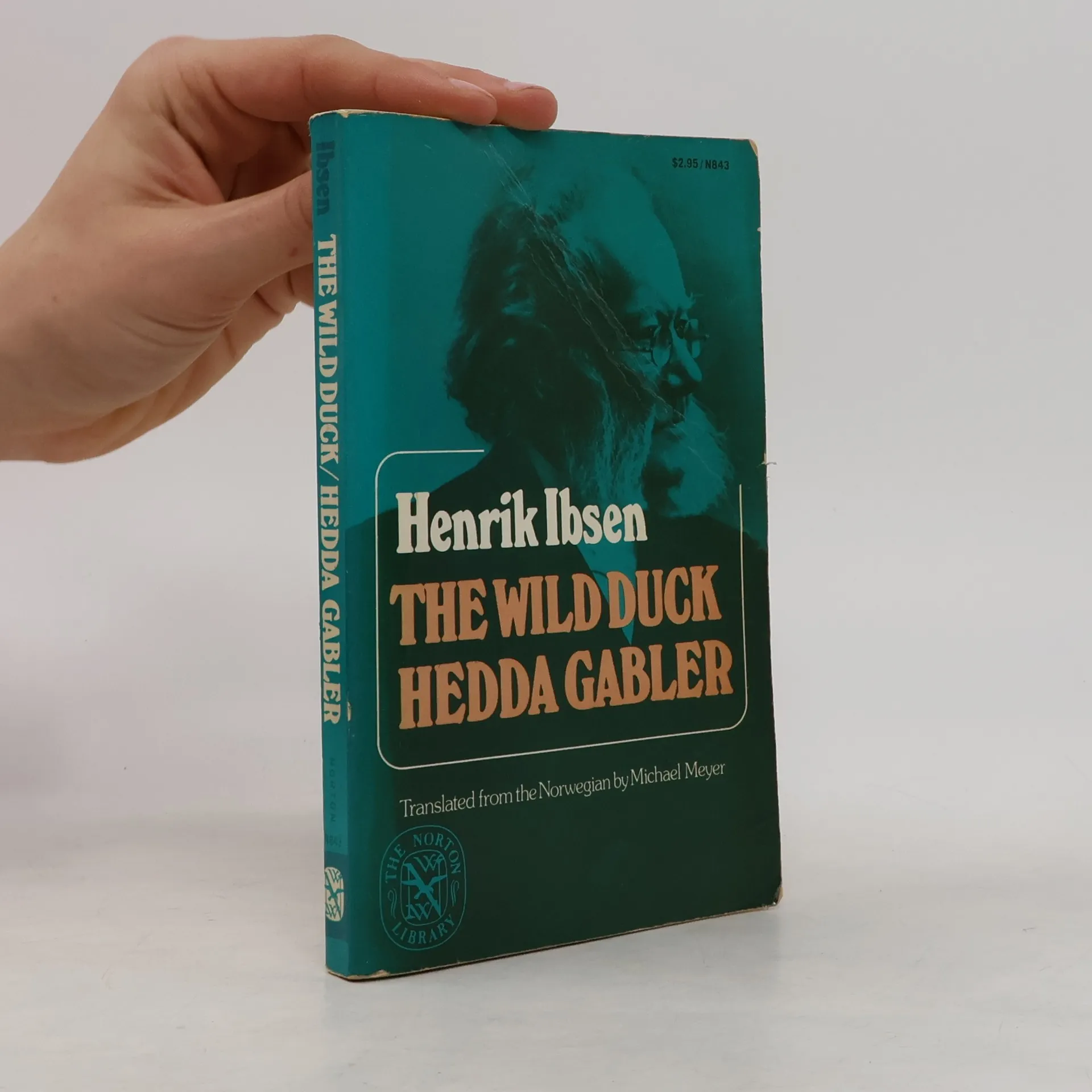

The Collected Works of Henrik Ibsen; In eleven volumes, Lady Inger Of Östråt, The Feast At Solhoug, Love's Comedy
Volume 1 - in large print
- 704 páginas
- 25 horas de lectura
This book is a reproduction of an original historical work, presented in large print to enhance readability for individuals with impaired vision. Published by Megali, a house dedicated to making historical texts accessible, it aims to preserve the integrity of the original while catering to the needs of readers who benefit from larger fonts.
The Collected Works of Henrik Ibsen; In eleven volumes, Emperor And Galilean
Volume 5 - in large print
- 684 páginas
- 24 horas de lectura
Focused on accessibility, this publication by Megali aims to provide historical works in large print, catering specifically to individuals with impaired vision. The effort highlights the importance of inclusive reading experiences, ensuring that significant texts remain available to a wider audience.
The Collected Works of Henrik Ibsen; In eleven volumes, Brand
Volume 3 - in large print
- 484 páginas
- 17 horas de lectura
The publishing house Megali focuses on reproducing historical works in large print, specifically designed to enhance accessibility for individuals with impaired vision. This initiative aims to make classic literature more readable, preserving the original content while catering to a wider audience.
This book is a reproduction of a historical work, published by Megali, a house dedicated to producing large print editions. This initiative aims to enhance accessibility for readers with impaired vision, ensuring that important texts remain available and easy to read.
The Collected Works of Henrik Ibsen; In eleven volumes, Peer Gynt
Volume 4 - in large print
- 508 páginas
- 18 horas de lectura
The book is a reproduction of a historical work, published by Megali, which focuses on making literature accessible to those with impaired vision through large print. This initiative highlights the importance of inclusivity in reading, ensuring that classic texts remain available to a wider audience.
This book is a reproduction of a historical work, published by Megali, a house dedicated to producing large print editions. The focus on accessibility aims to assist individuals with impaired vision, ensuring that classic literature remains available to a wider audience. The initiative highlights the importance of inclusivity in reading, allowing more people to engage with significant texts from the past.
The book is a reproduction of a historical work, produced by Megali, a publishing house dedicated to creating large print editions for those with impaired vision. This initiative aims to enhance accessibility and ensure that classic literature remains available to a wider audience, emphasizing the importance of inclusivity in reading.
The Works Of Henrik Ibsen: From Ibsen's Workshop: Notes, Scenarios, And Drafts Of The Modern Plays
- 288 páginas
- 11 horas de lectura
The Allmers family grapples with personal aspirations and societal expectations in this poignant play. Alfred, returning from a trip, resolves to prioritize raising his disabled son, Eyolf, over his literary ambitions. Eyolf, yearning for a normal childhood despite his paralysis, faces the challenges of his sheltered life. Alfred's desire to guide Eyolf towards intellectual pursuits clashes with the boy's longing for freedom and normalcy, creating a complex exploration of familial duty and individual desire.
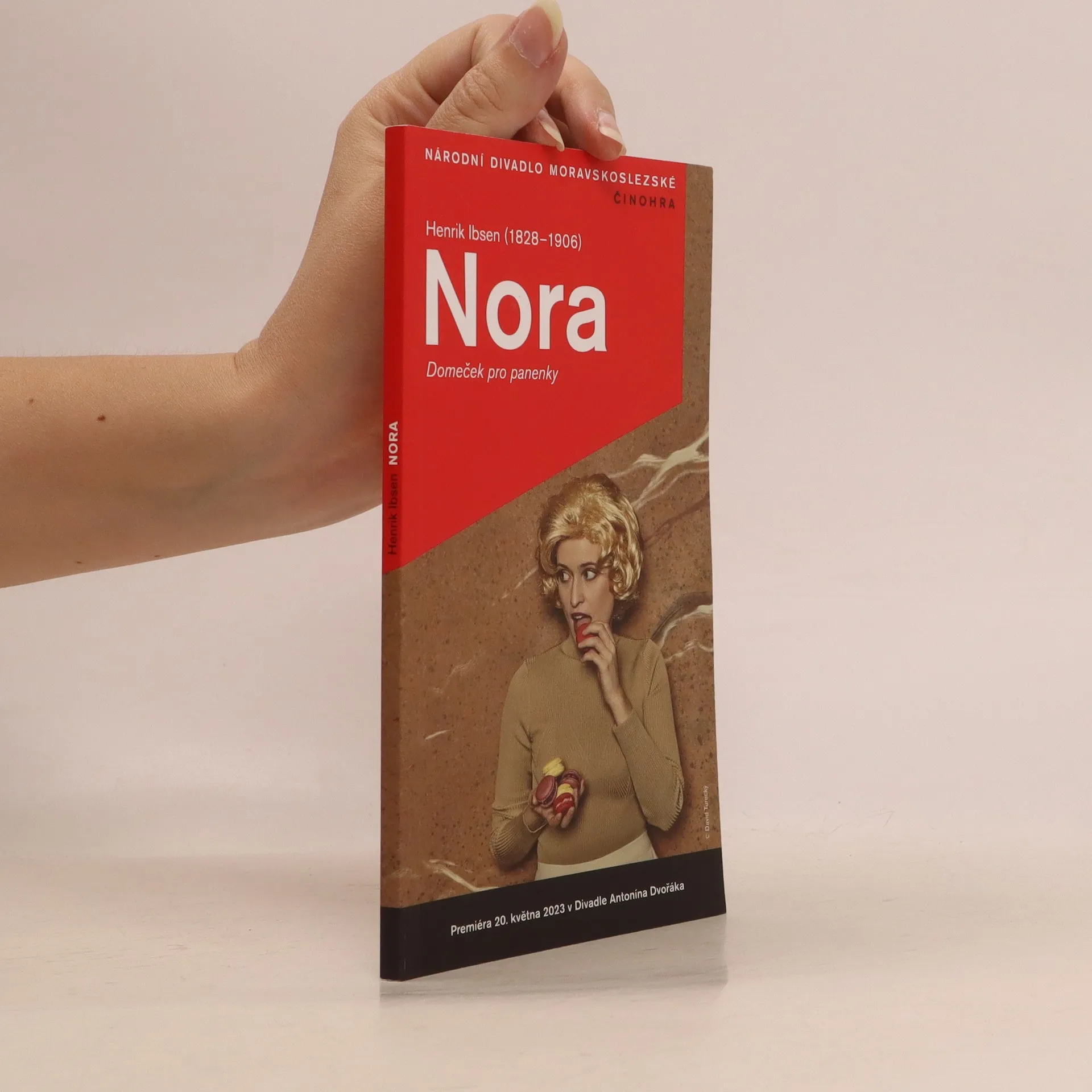
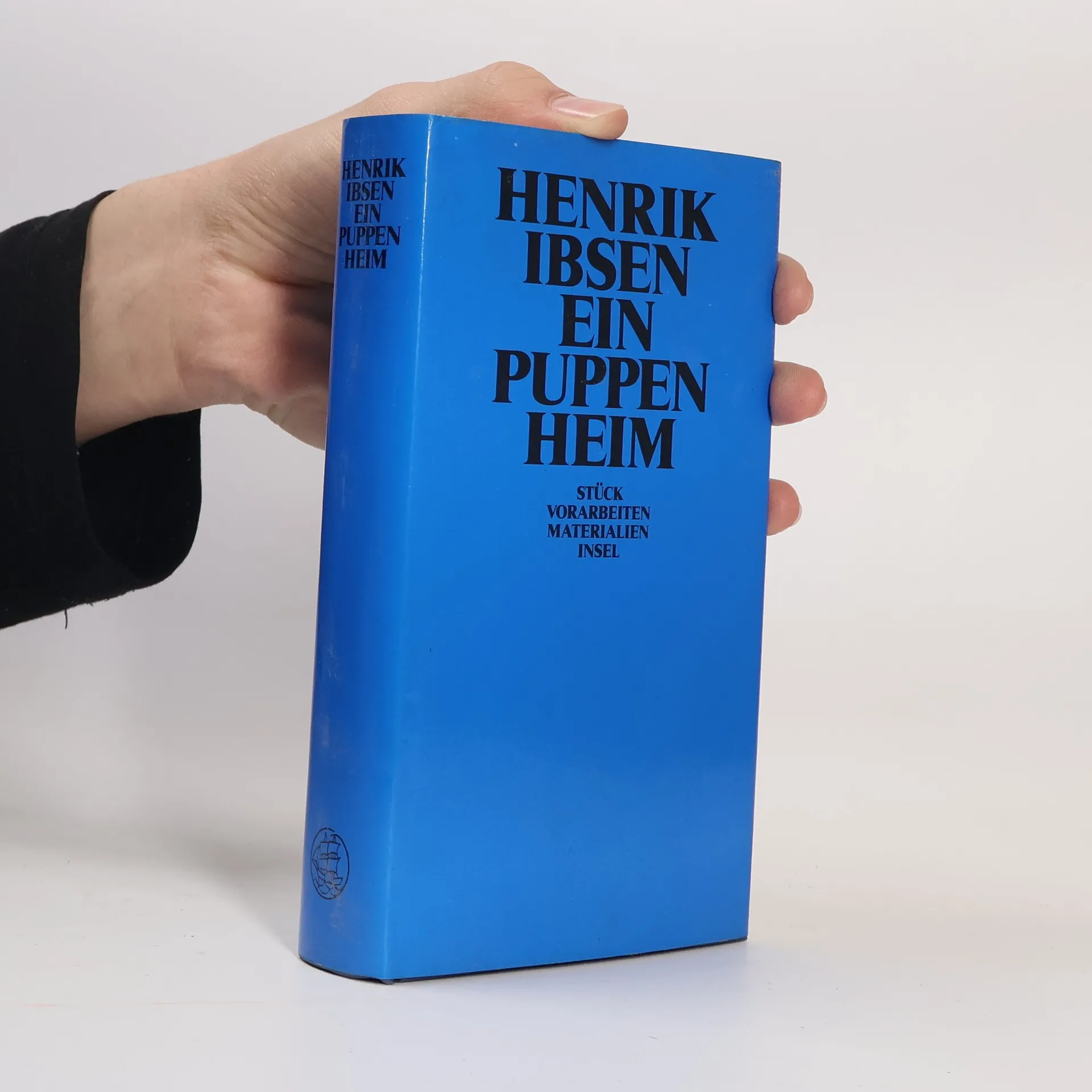
Nora (Ein Puppenheim). Textausgabe mit Kommentar und Materialien
Reclam XL – Text und Kontext
»Ich muss mich davon überzeugen, wer recht hat, die Gesellschaft oder ich.« Mit »Nora«, 1879 in Kopenhagen uraufgeführt, gelingt Henrik Ibsen einer der bedeutendsten literarischen Beiträge zur Frauenemanzipation. Klassenlektüre und Textarbeit einfach gemacht: Die Reihe »Reclam XL – Text und Kontext« erfüllt alle Anforderungen an Schullektüre und Bedürfnisse des Deutschunterrichts: * Reclam XL bietet den sorgfältig edierten Werktext – seiten- und zeilengleich mit der entsprechenden Ausgabe aus Reclams Universal-Bibliothek. * Das Format ist größer (12,2 x 20 cm) als die gelben Klassiker der Universal-Bibliothek, mit ausreichend Platz für Notizen am Seitenrand. * Schwierige Wörter werden am Fuß jeder Seite erklärt, ausführlichere Wort- und Sacherläuterungen stehen im Anhang. * Ein Materialienteil mit Text- und Bilddokumenten erleichtert die Einordnung und Deutung des Werkes im Unterricht. * Natürlich passen auch weiterhin alle Lektüreschlüssel, Erläuterungsbände und Interpretationen dazu!
Love's Comedy
- 190 páginas
- 7 horas de lectura
Set in a small Norwegian town, this play examines the intricate dynamics of love and marriage against societal expectations. Characters face the contrast between romantic ideals and the harsh realities of their relationships, leading to profound self-discovery and societal critique. Ibsen's sharp dialogue and rich characterization blend humor and drama, offering a nuanced exploration of the human heart and the pursuit of genuine connection. The play's psychological depth and insightful commentary ensure its relevance across generations.
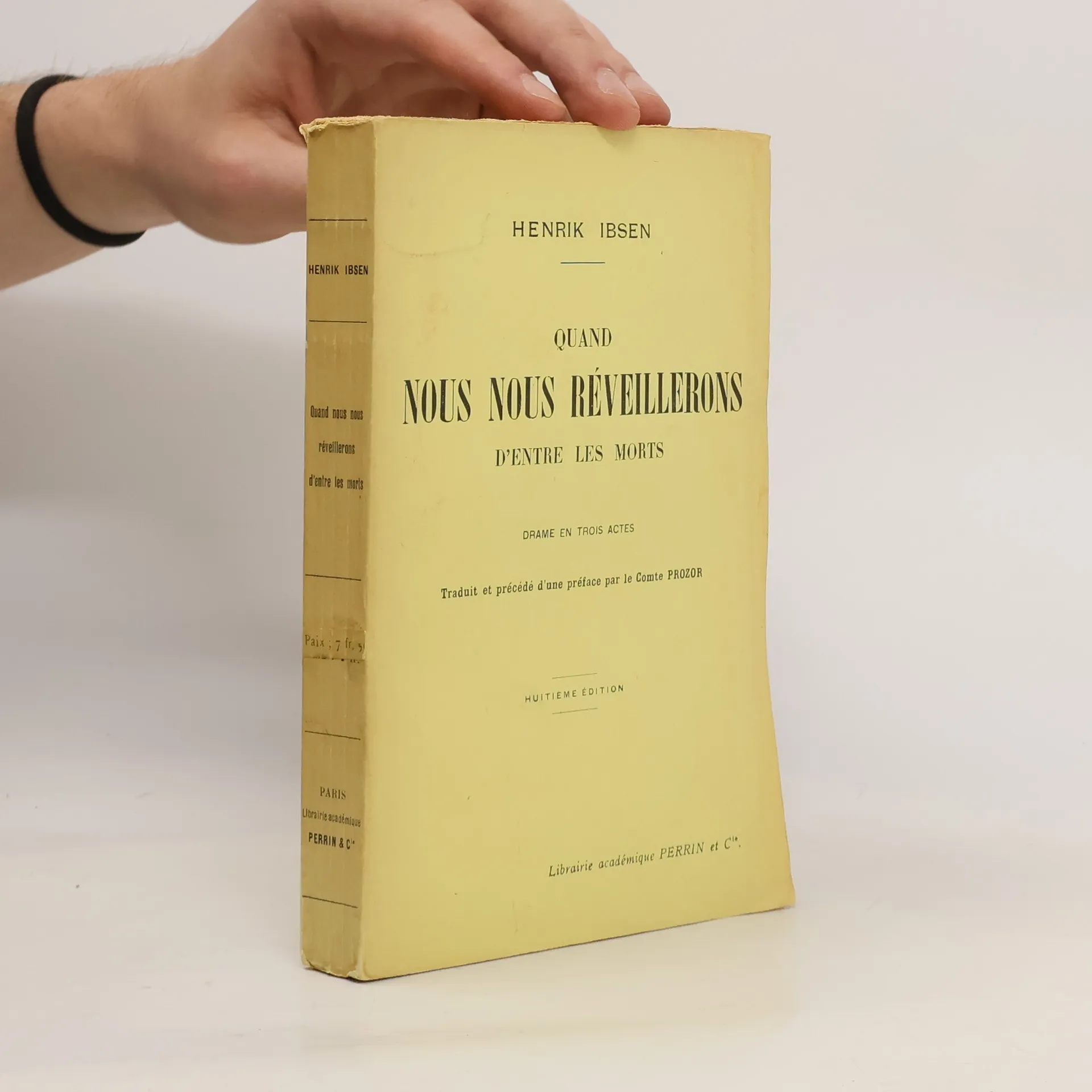
When We Dead Awaken
- 60 páginas
- 3 horas de lectura
Focusing on themes of mortality and artistic struggle, the story explores the complex relationship between an aging sculptor and his former muse as they navigate their past romance amidst the challenges of his marriage and her mental instability. The narrative delves into the internal conflicts faced by the accomplished artist, providing a poignant examination of life, love, and the burdens of creativity.
Henrik Ibsen, a pivotal figure in modern theatre, is celebrated as "the father of realism" for his profound influence on playwriting. His notable works span various themes and styles, including the surreal elements of "Peer Gynt" and the groundbreaking social commentary in "A Doll's House." Ibsen's plays, such as "Hedda Gabler" and "Ghosts," explore complex characters and societal issues, establishing him as a leading dramatist whose works continue to resonate globally, making him the second most performed playwright after Shakespeare.
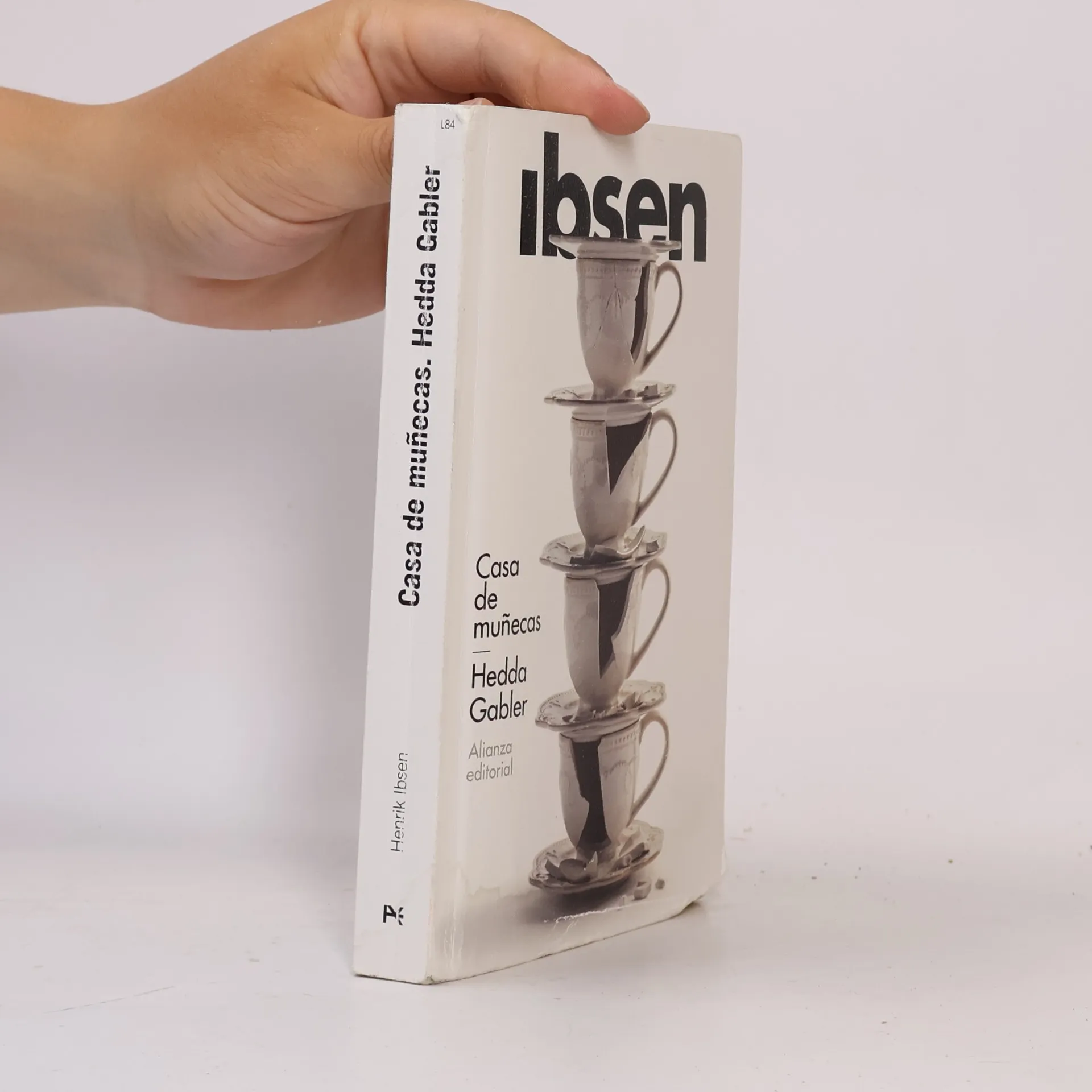
El libro de bolsillo: Casa de muñecas: Hedda Gabler
- 416 páginas
- 15 horas de lectura
Las raíces directas del teatro actual se encuentran en la obra de Henrik Ibsen (1828-1906), quien no sólo puso los cimientos de la escena moderna, sino que dio expresión a muchos de los problemas del mundo contemporáneo. Uno de los temas que están presentes a lo largo de todo su teatro -la mujer como ser capaz de elegir libremente- llega a su cima en la Nora de Casa de muñecas (1879) y en la protagonista de Hedda Gabler (1890). Si la primera obra fue causa de uno de los mayores escándalos de la historia del teatro occidental, la segunda ofrece el retrato de una compleja psicología femenina encarnada en su protagonista, una mujer capaz de sacrificar todo en aras de su independencia. Prologo de Alberto Adell
Baumeister Solneß & Gespenster
Schauspiele in drei Aufzügen - Gebundene Ausgabe
- 168 páginas
- 6 horas de lectura
Die Handlung dreht sich um Baumeister Solneß, der in einem moralischen Dilemma steckt, als eine Zwölfjährige ihn nach einem vor Jahren gegebenen Versprechen fragt. Ibsen nutzt diese Konstellation, um die verheerenden Auswirkungen gesellschaftlicher Normen und Lebenslügen auf das individuelle Schicksal zu beleuchten. In "Gespenster" wird der Untergang einer Familie thematisiert, was gleichzeitig eine scharfe Kritik an der rückständigen Gesellschaftsordnung seiner Zeit darstellt. Ibsens Werk bleibt eine kraftvolle Auseinandersetzung mit den Themen Verantwortung und Verfall.
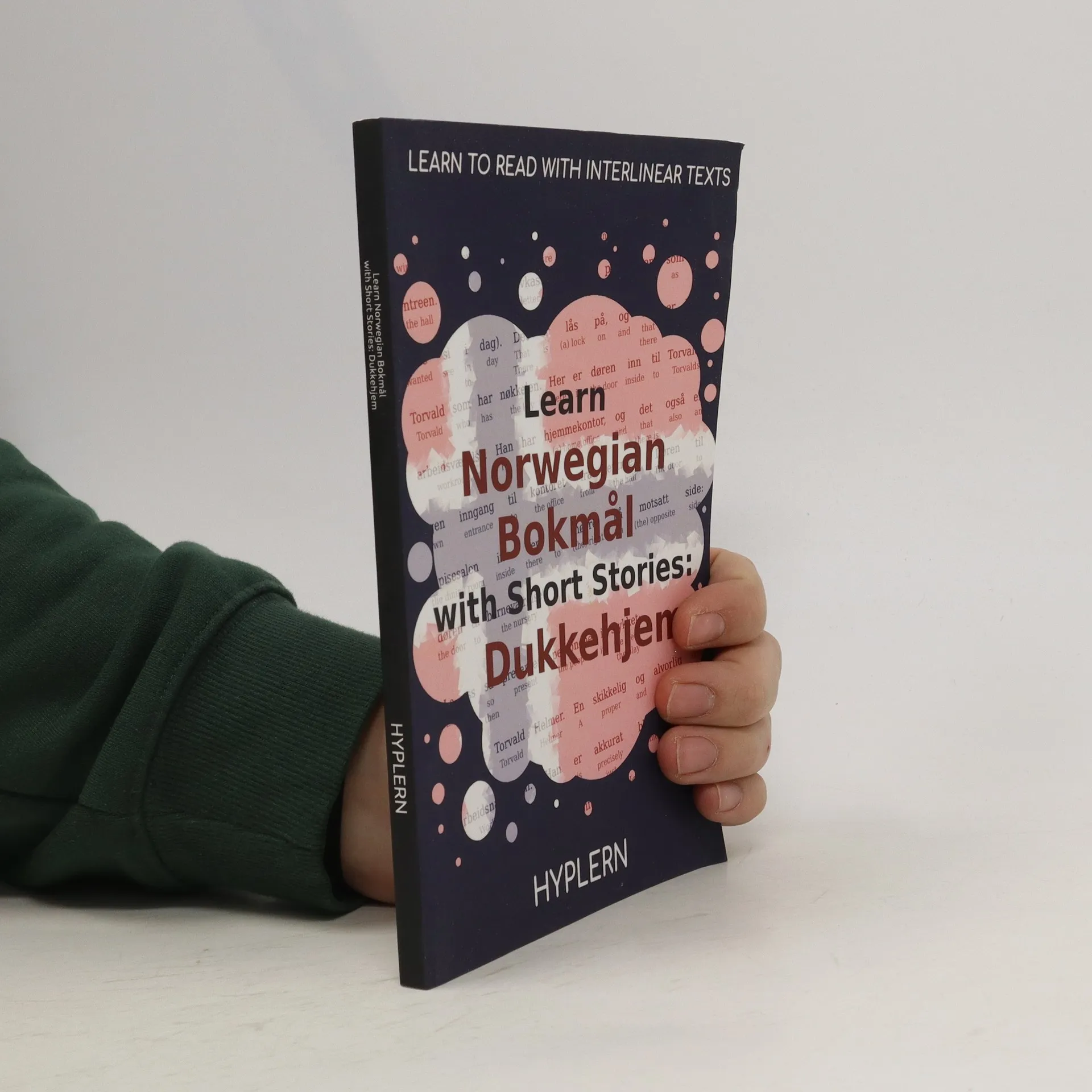
Do you want to learn Norwegian Bokmål with real Norwegian Bokmål Literature? It's easy with Norwegian Bokmål and interlinear English. 160+ pages with every word translated literally and in English idiom so you can keep on reading and learn a lot of new words at the same time.The only Norwegian Bokmål reader with literal word-for-word translation and idiomatic explanation where necessary. This book contains an abridged edition of the well known story Dukkehjem (Doll house) from famous Norwegian author Henrik Ibsen.We have added an interlinear translation to the Norwegian Bokmål text. This means that the meaning of every Norwegian Bokmål word is immediately accessible, which in turn will make it much easier for you to expand your Norwegian Bokmål vocabulary fast. This is a unique method enabling you to read Norwegian Bokmål from the start.Use the HypLern method to learn to read Norwegian Bokmål with ease and expand your vocabulary fast. Re-read the texts to learn the high frequency words.Then mark and learn the more difficult words until you master those by re-reading their paragraphs. The repetition and the association of the story will help you memorize the words.N.B. If you bought this book and would like a free pdf or epub version contact us at HypLern!
Et dukkehjem
Skuespil i tre akter
The Lady from the Sea
- 86 páginas
- 4 horas de lectura
Ellida Wangel's deep connection to the sea contrasts sharply with her current life, where she feels trapped in a marriage to a doctor rather than the sailor of her dreams. This choice has led to tension in her relationship with her husband and his two daughters from a previous marriage, highlighting themes of longing, sacrifice, and the complexities of familial bonds. As she navigates her feelings of regret and desire, Ellida's journey explores the struggles of reconciling past loves with present responsibilities.
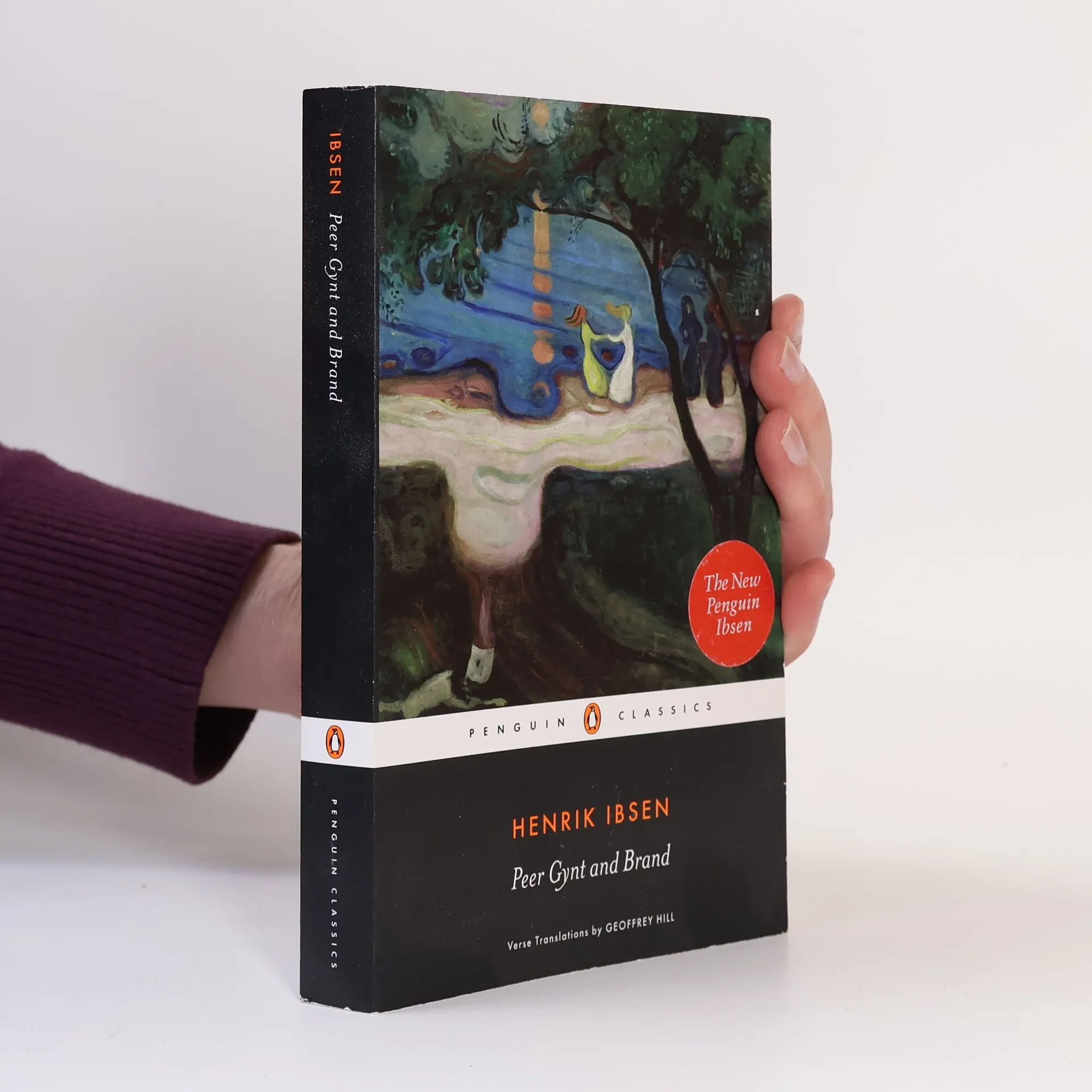
Peer Gynt and Brand
- 368 páginas
- 13 horas de lectura
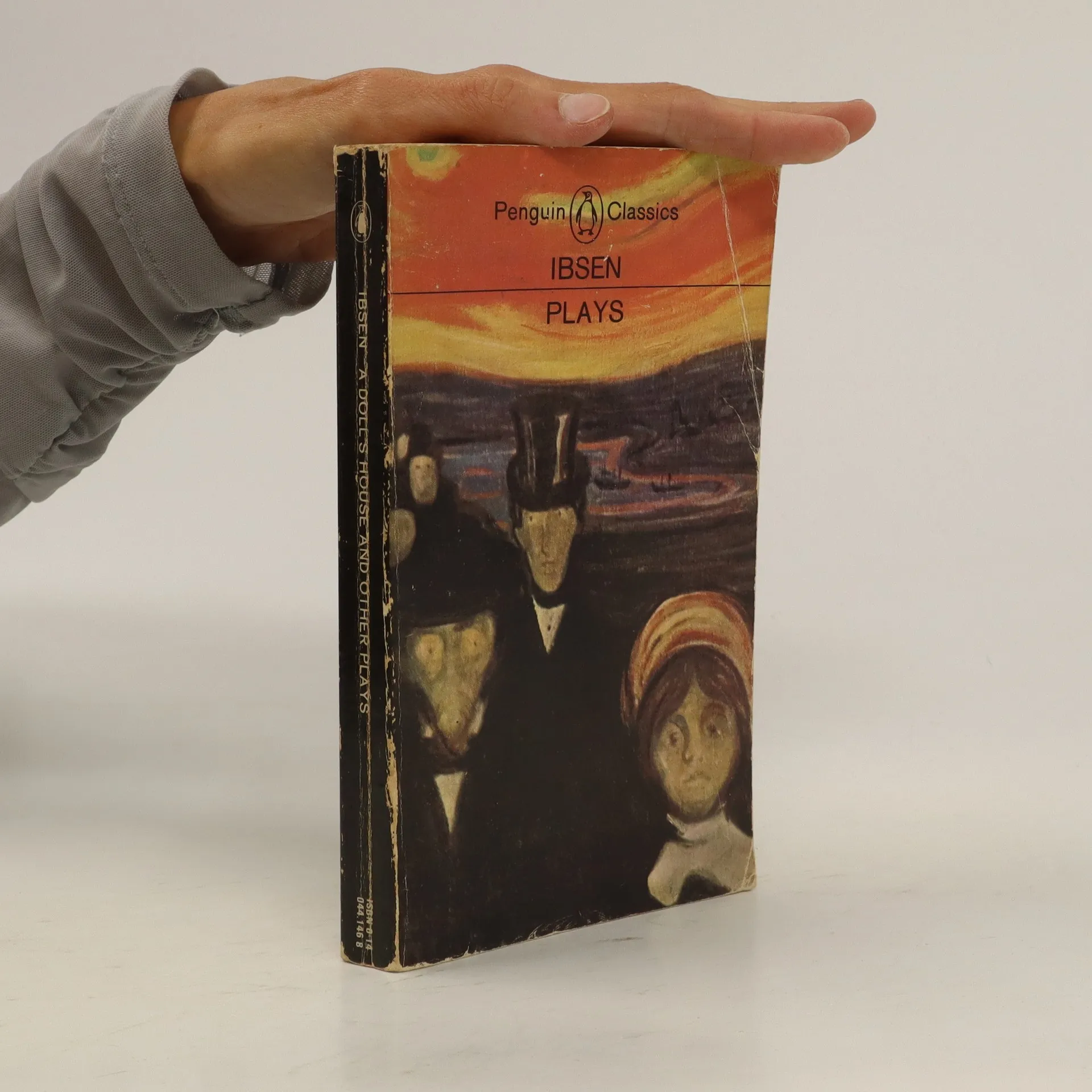
Masterful versions of Ibsen’s two great verse plays by one of our greatest living poets, Geoffrey Hill These two masterly and contrasting verse dramas by Ibsen made his reputation as a playwright. The fantastical adventures of the irrepressible Peer Gynt—poet, idler, procrastinator, seducer—draw on Norwegian folklore to conjure up mountains, kidnappings, shipwrecks, and trolls in an exuberant celebration of life; while Brand, an unsparing vision of an idealistic priest who lives by his steely faith, explores free will, sacrifice, and the self. This volume brings together the poet Geoffrey Hill’s acclaimed stage version of Brand with a new poetic rendering of Peer Gynt, published for the first time. For more than seventy years, Penguin has been the leading publisher of classic literature in the English-speaking world. With more than 1,700 titles, Penguin Classics represents a global bookshelf of the best works throughout history and across genres and disciplines. Readers trust the series to provide authoritative texts enhanced by introductions and notes by distinguished scholars and contemporary authors, as well as up-to-date translations by award-winning translators.
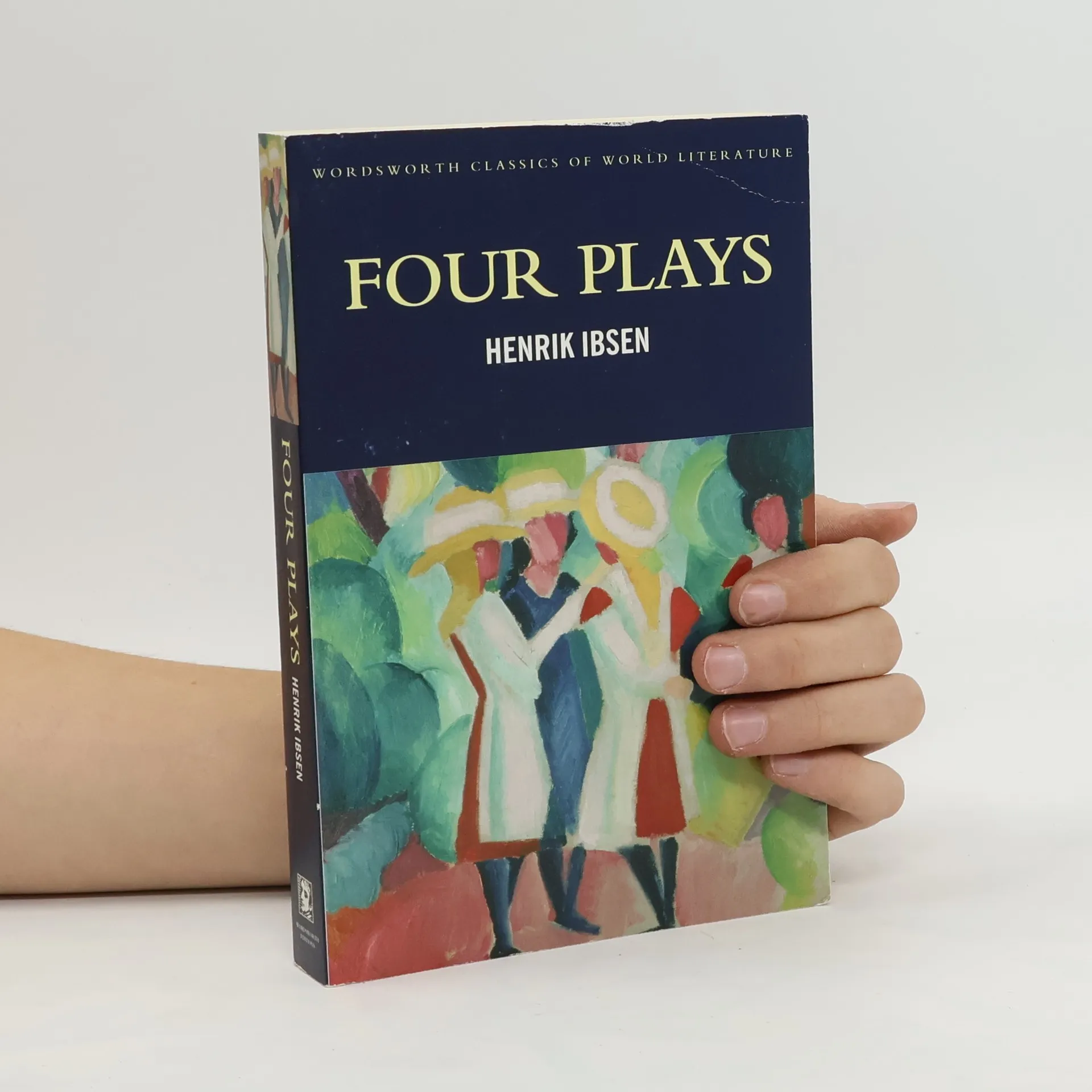
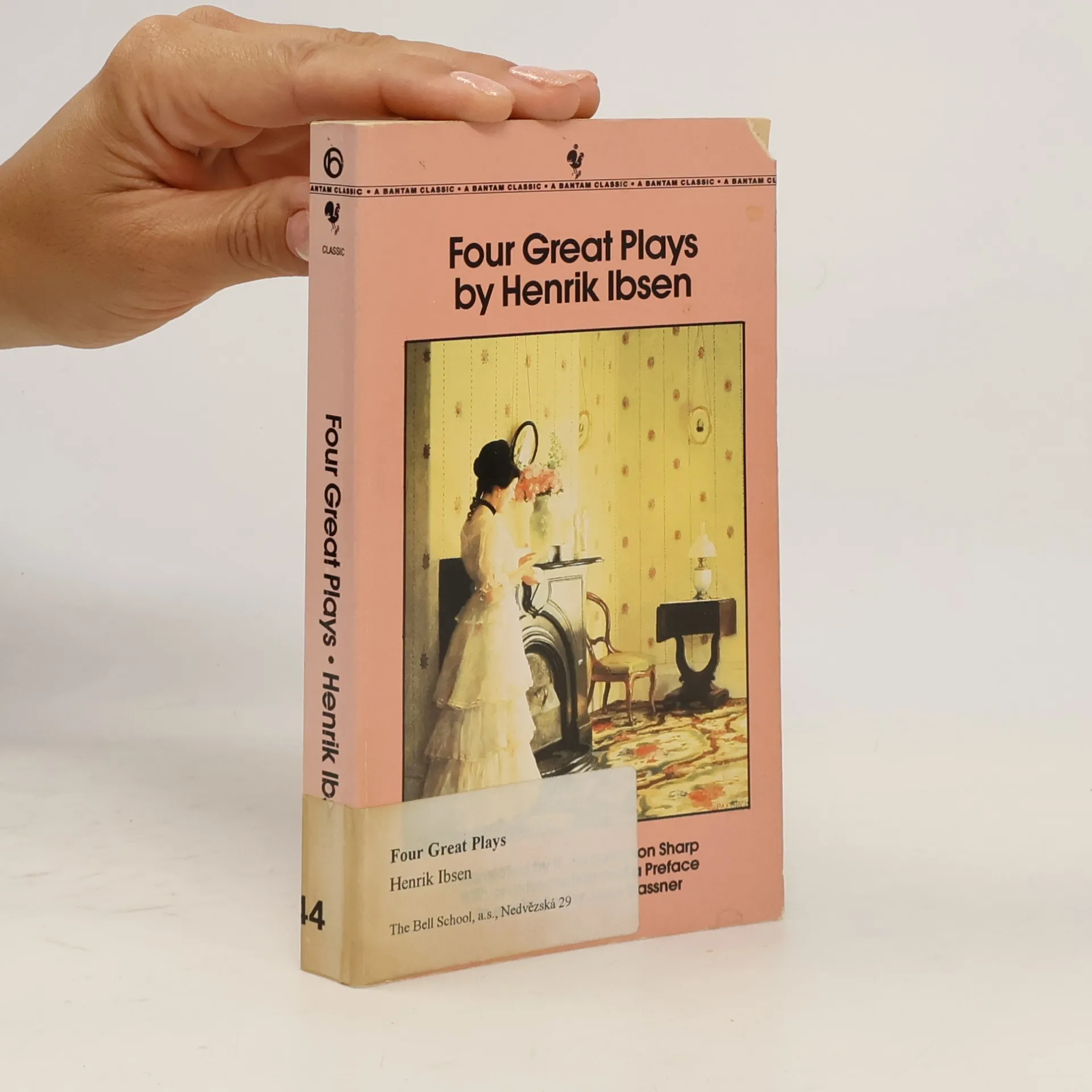
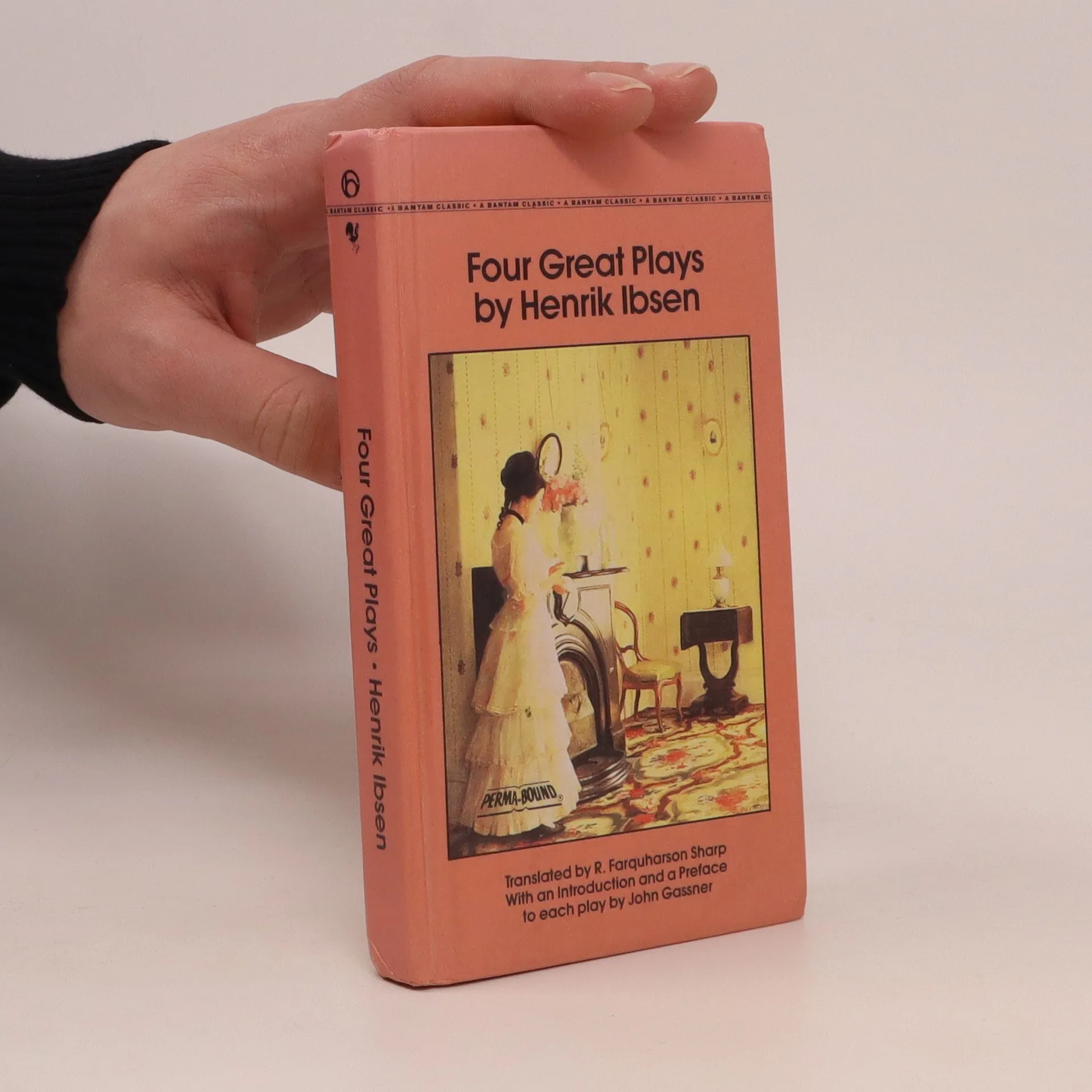
Four plays : Peer Gynt, A doll's house, Hedda Gabler, The master builder
- 416 páginas
- 15 horas de lectura
"With an Introduction by Ellen Rees, Centre for Ibsen Studies, University of Oslo. The plays of Norwegian dramatist Henrik Ibsen (1828-1906) are critically acclaimed throughout the world. The father of modern drama, Ibsen broke with theatrical conventions and created a more realistic form of drama that used the stage as a forum for debating social problems, notably the rights of the individual, and the damaging effects of orthodoxy. This collection of four plays contains, A Doll's House (1879) and Hedda Gabler (1890), his most striking depictions of the struggle by individuals - especially women - to realize their full potential; it also presents Peer Gynt (1867), an early verse tour-de-force, not originally intended for the stage, on the nature of the self, and The Master Builder (1892), a play that explores the clash between the old and the new in richly metaphorical language. This collection returns to the acclaimed translations of William Archer (1856-1924), who through these renditions played a major role in promoting Ibsen's reputation outside Norway. Archer was also a critic, who with actress Elizabeth Robbins and dramatist George Bernard Shaw was central in the modernisation of English theatre." --Publisher description.
Fifteen men on a dead mans chest, ho, ho, ho! This refrain will be your introduction to the pirate world of young Jim Hawkins and Long John Silver.
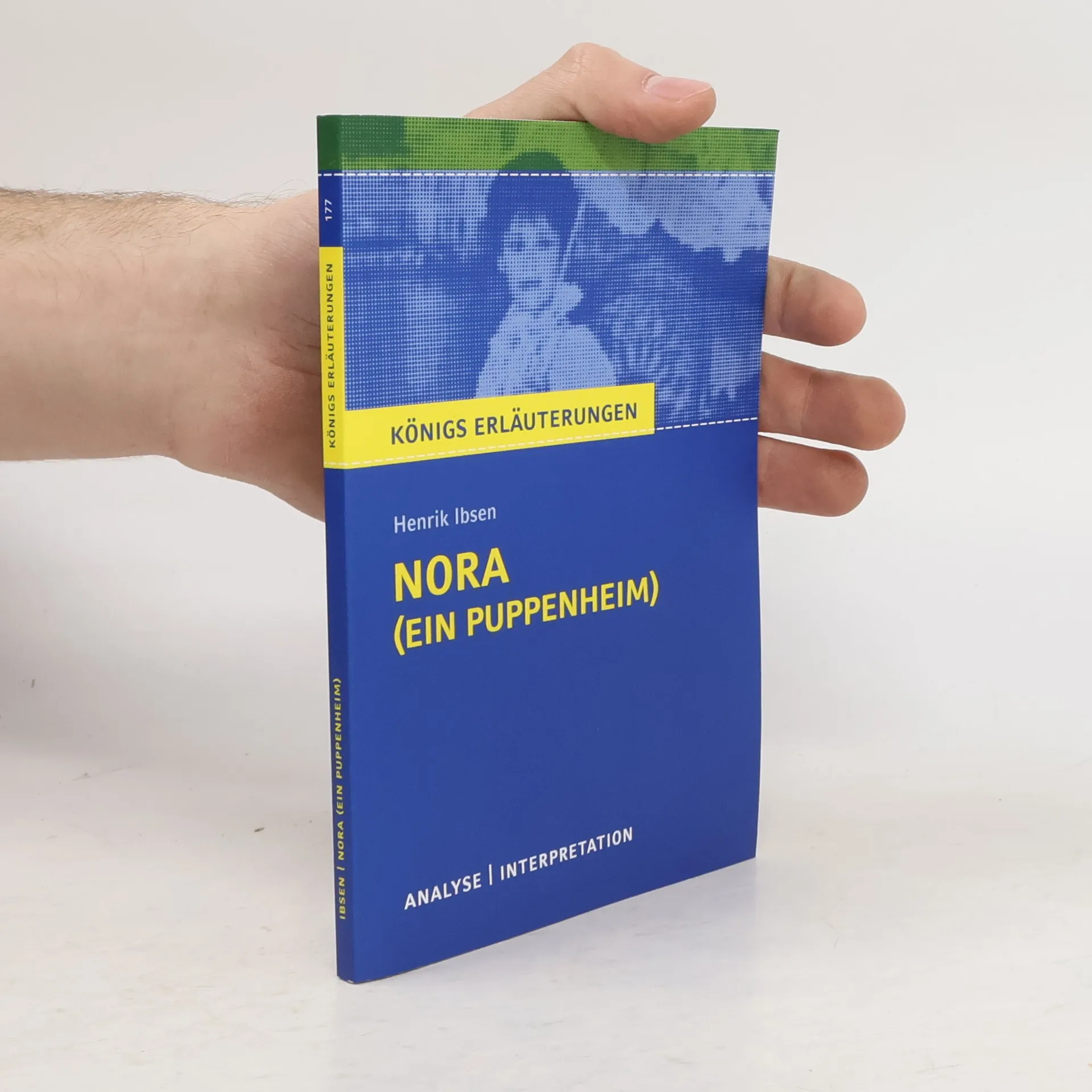
Henrik Ibsen: Nora (Ein Puppenheim)
Textanalyse und Interpretation mit ausführlicher Inhaltsangabe und Abituraufgaben mit Lösungen
- 136 páginas
- 5 horas de lectura
Königs Erläuterungen Textanalyse und Interpretation mit ausführlicher Inhaltsangabe und Abituraufgaben Das spart dir lästiges Recherchieren und kostet weniger Zeit zur Vorbereitung. In einem Band bieten dir die neuen Königs Erläuterungen ALLES, was du zur Vorbereitung auf Referat, Klausur, Abitur oder Matura benötigst. Alle wichtigen Infos zur Interpretation... - von der ausführlichen Inhaltsangabe über Infos zu Leben und Werk bis zu Stil und Sprache u. v. m. - plus 4 Abituraufgaben mit Musterlösungen und 2 weitere zum kostenlosen Download ... findest du kurz und knapp aber auch ausführlich - Die Schnellübersicht fasst alle wesentlichen Infos zu Werk und Autor zusammen. - Die Kapitelzusammenfassungen zeigen dir das Wichtigste eines Kapitels im Überblick ideal auch zum Wiederholen. - Das Stichwortregister ermöglicht dir schnelles Finden wichtiger Textstellen. ... und klar strukturiert - Ein zweifarbiges Layout hilft dir Wesentliches einfacher und schneller zu erfassen. - Die Randspalte mit Schlüsselbegriffen gibt dir bessere Orientierung beim Suchen wichtiger Textstellen. - Klar strukturierte Schaubilder zeigen dir wichtige Sachverhalte auf einen Blick. ... mit weiteren extra Abituraufgaben und vielen zusätzlichen Infos zum kostenlosen Download.
En Norvège, dans "une maison confortable et de bon goût", une famille se prépare à fêter Noël. Mais le douillet et rassurant cocon se fissure quand le secret de Nora, la jeune et joyeuse épouse, menace soudain d'être dévoilé à son mari. Dès lors, toute allégresse recule, et les enfants aux joues rouges s'effacent devant des personnages qui surgissent tour à tour - amie de jeunesse, médecin, créancier -, semant le doute et l'inquiétude. En ébranlant ainsi la certitude lisse de son héroïne qui pensait avoir toujours agi connue elle le devait, Ibsen crée l'une des grandes figures du théâtre nordique, dont on continue d'interroger la volte-lace et la destinée.
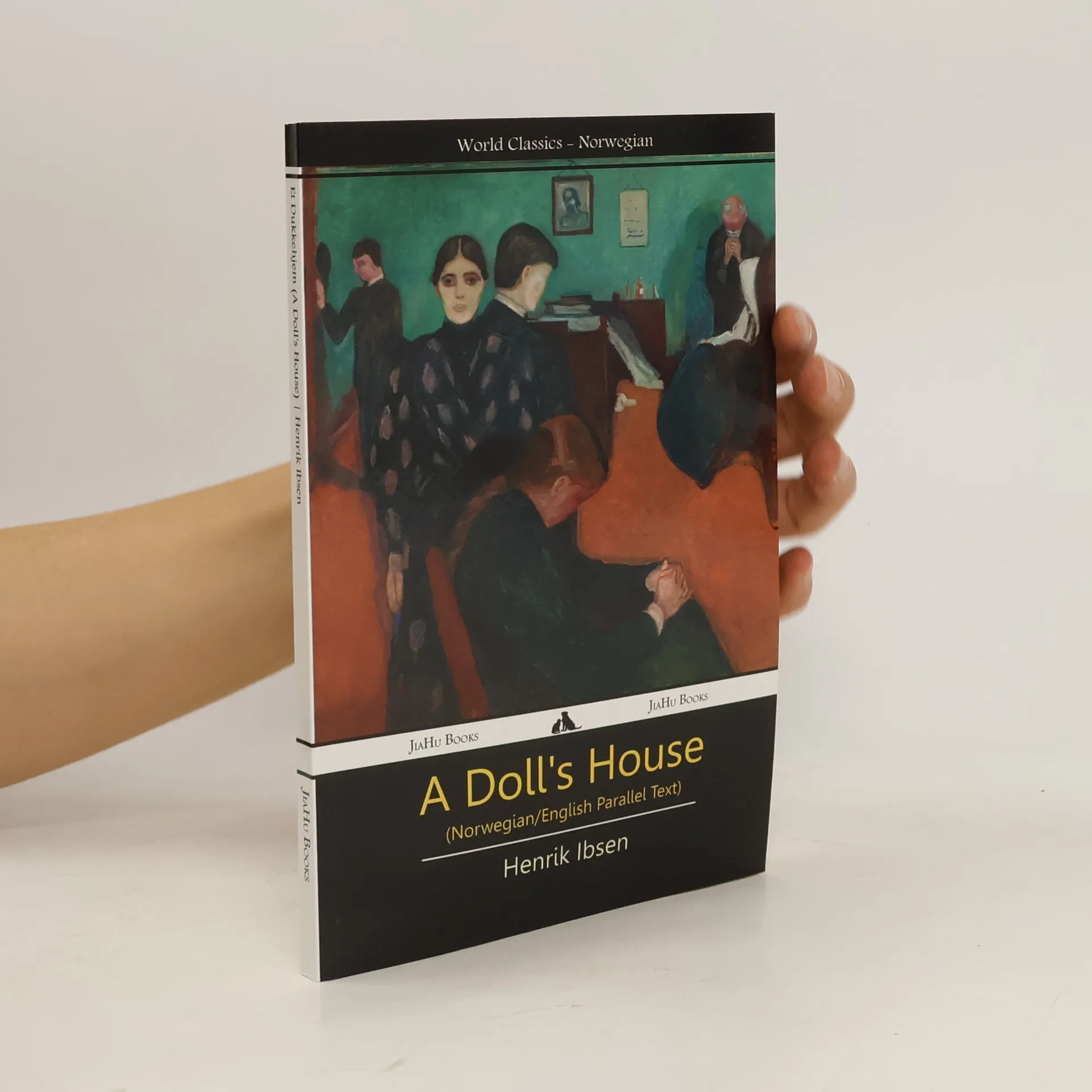
A Doll's House (Norwegian/English Parallel Text)
- 150 páginas
- 6 horas de lectura
Et Dukkehjem (A Doll's House) is, quite simply, the most performed play in history. It is a three-act play in prose by Henrik Ibsen which critically deals with the suffocating norms of a 19th century marriage. However the theme goes beyond this and is far more universal, namely how can each and every individual find out exactly who they are. Here Ibsen's original text is presented side-by-side with Robert Farquharson Sharp's translation.
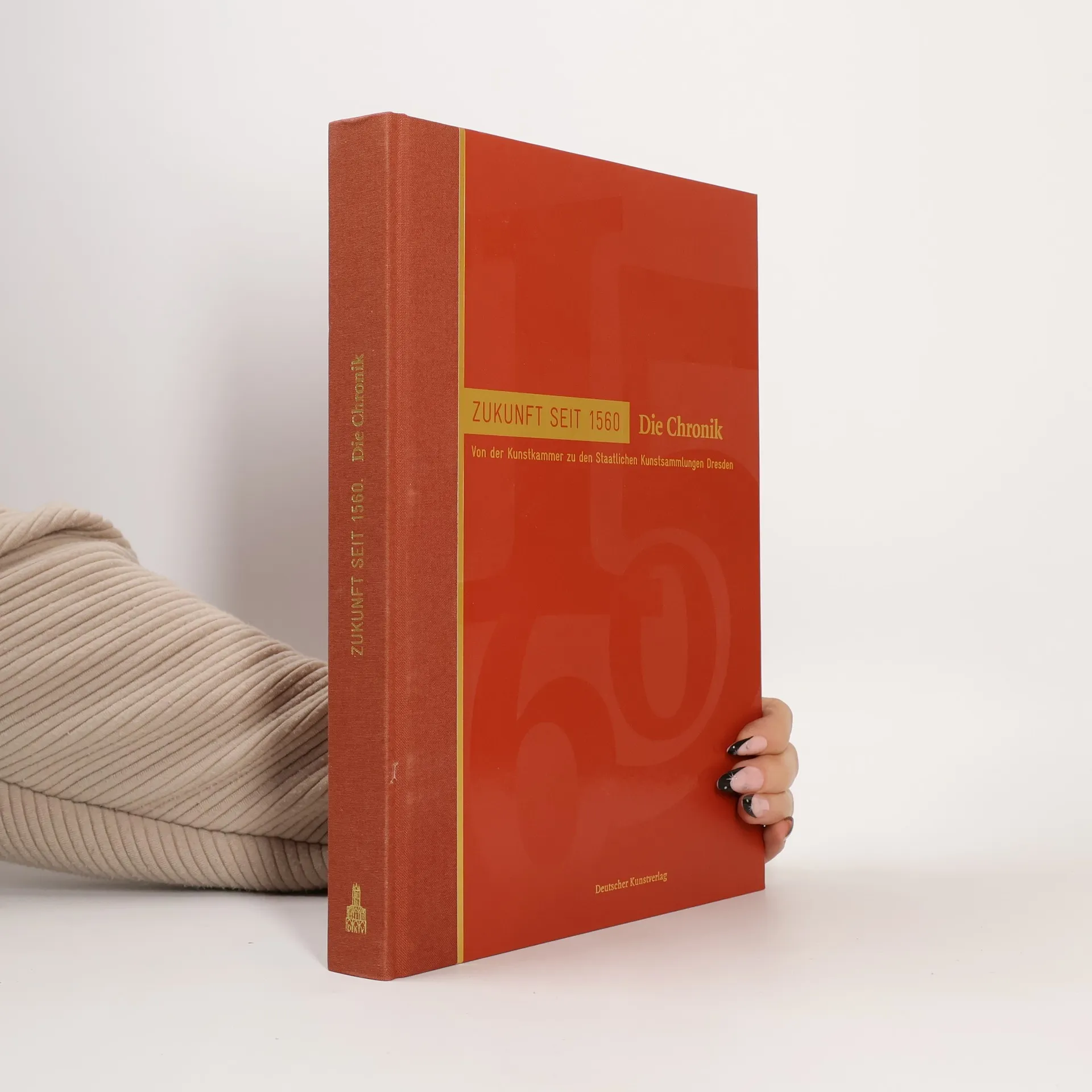
Zukunft seit 1560
Von der Kunstkammer zu den Staatlichen Kunstsammlungen Dresden
- 231 páginas
- 9 horas de lectura
Deutscher Kunstverlag, Berlin, (2010). 286 S., Pbd. mit Lesebndchen, quart - neuwertig -
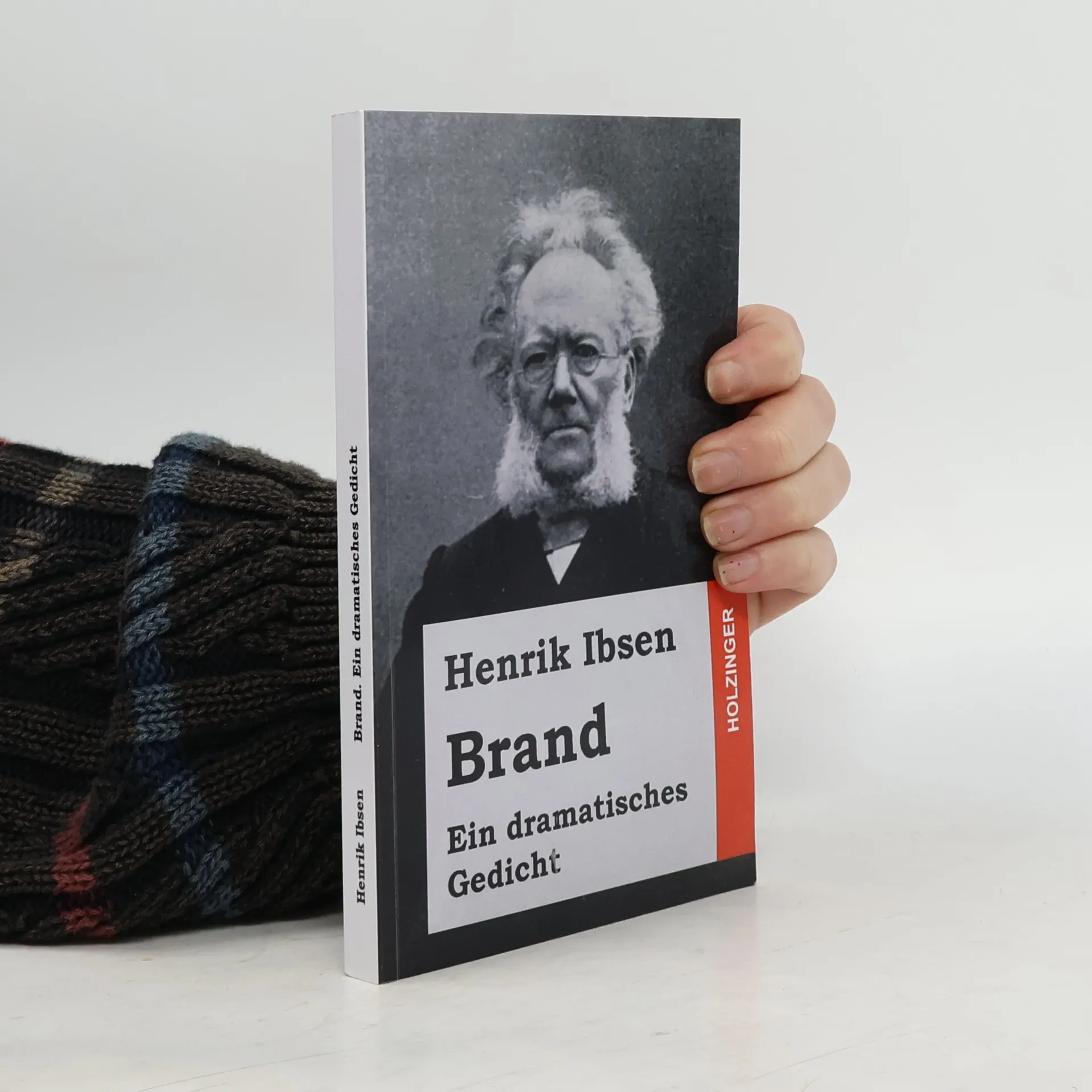
Brand. Ein dramatisches Gedicht
- 198 páginas
- 7 horas de lectura
Henrik Ibsen: Brand. Ein dramatisches Gedicht Edition Holzinger. Taschenbuch Berliner Ausgabe, 2013 Vollstandiger, durchgesehener Neusatz mit einer Biographie des Autors bearbeitet und eingerichtet von Michael Holzinger Norwegischer Originaltitel: Brand. Et dramatisk digt. Erstdruck: Kopenhagen (Gyldendal) 1866. Textgrundlage ist die Ausgabe: Ibsen, Henrik: Brand. Ein dramatsiches Gedicht, Ubersetzt von Christian Morgenstern, In: Samtliche Werke. Volksausgabe in funf Banden, Herausgegeben von Julias Elias und Paul Schlenther, 2. Band, Berlin: S. Fischer, 1911, S. 245-419. Herausgeber der Reihe: Michael Holzinger Reihengestaltung: Viktor Harvion Umschlaggestaltung unter Verwendung des Bildes: Henrik Ibsen
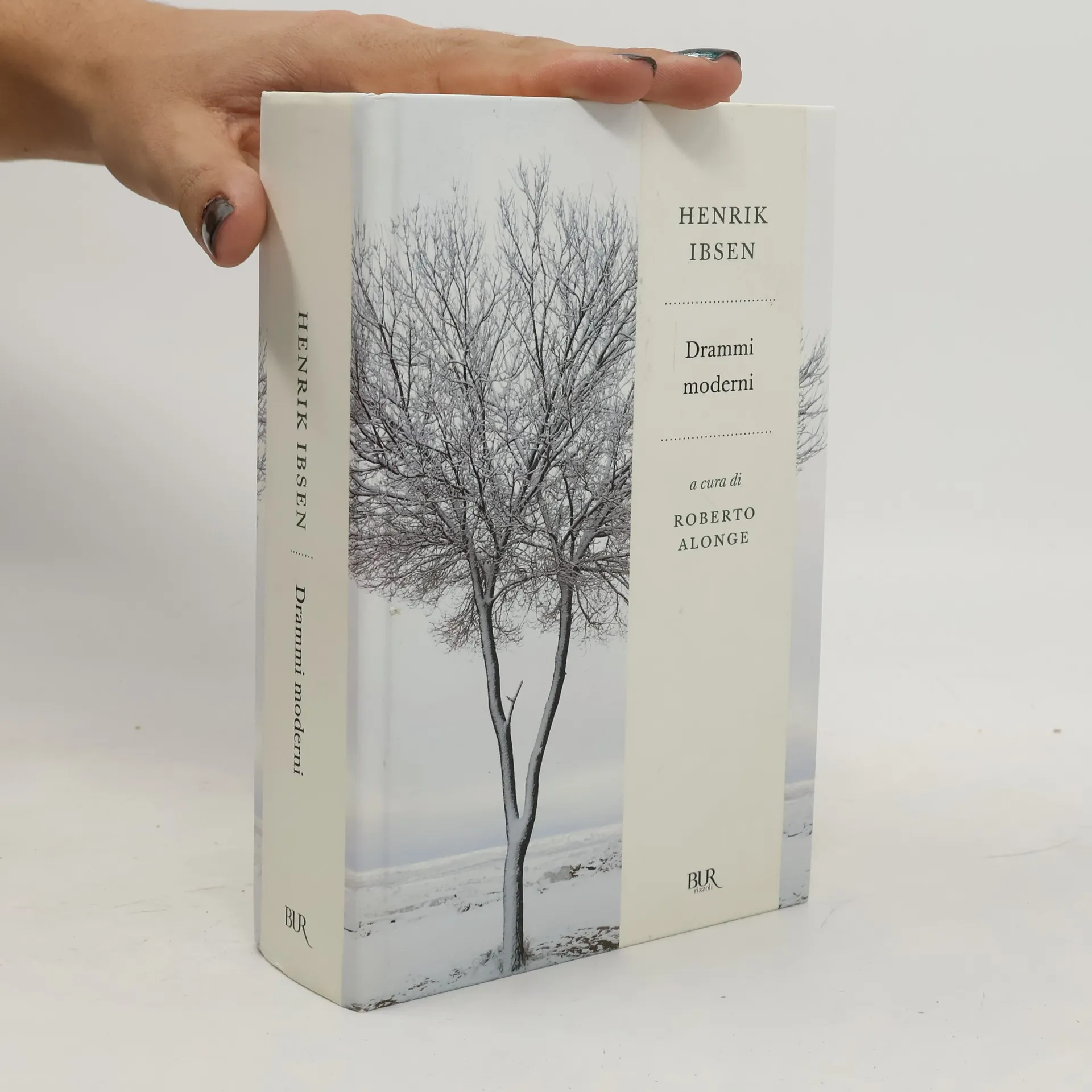
BUR Radici BUR: Drammi moderni
- 1158 páginas
- 41 horas de lectura
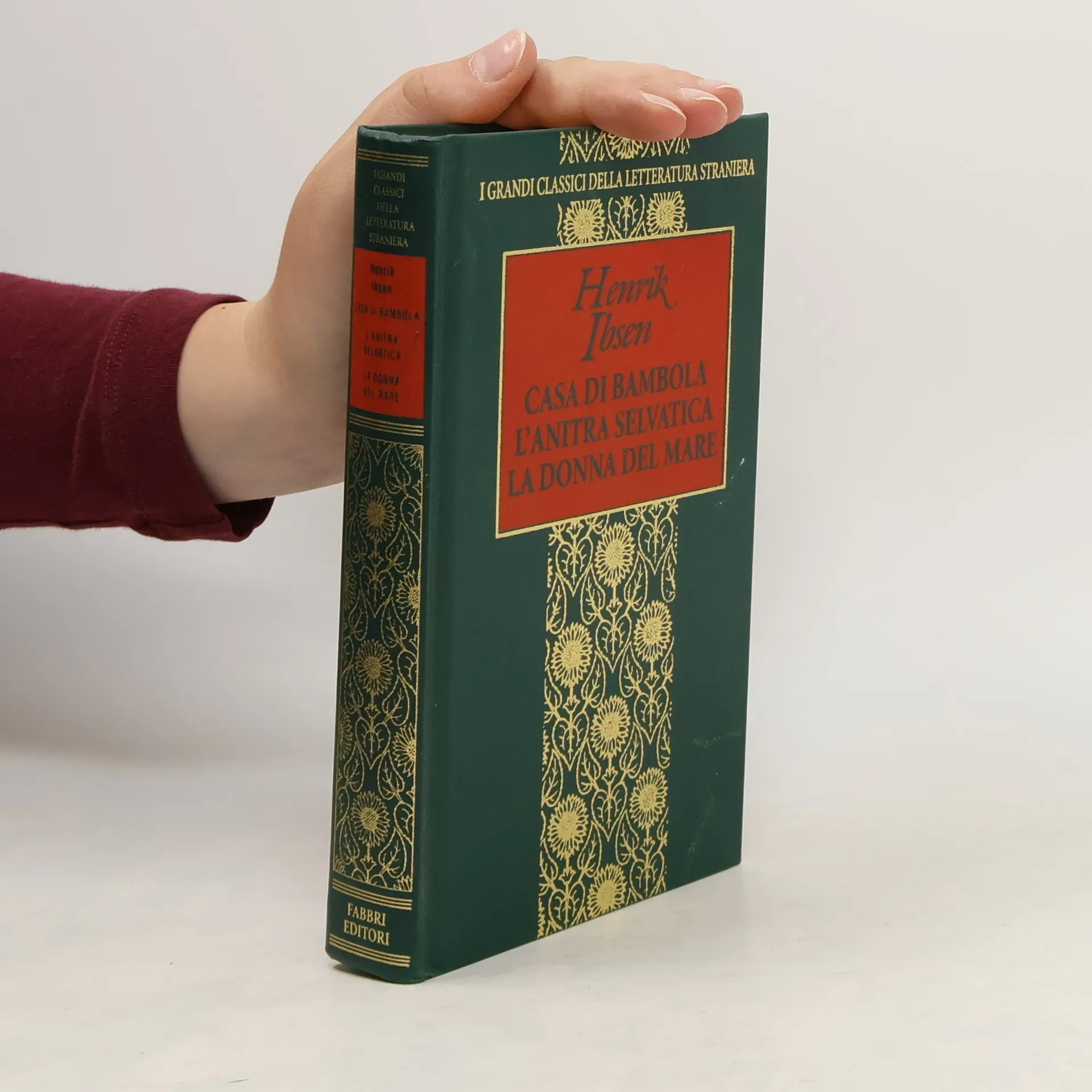
Un ritratto spietato e profondamente pungente del mondo della famiglia e dei rapporti tra i sessi, frutto di un'analisi degna della perizia di Freud. Un universo popolato da eroici capitani d'industria che sacrificano amore coniugale e paterno al lavoro e al potere, come il console Bernick o il costruttore Solness. Da antieroi o individui inetti sempre in attesa di compiere una trasformazione che non avverrà mai, come il dottor Stockmann o Johannes Rosmer. Da dolenti eroine, donne oppresse o represse, protagoniste di vicende luttuose e violente, come Nora o Hedda. E da strazianti figure di figli suicidi per amore dei padri come Hedvig e il piccolo Eyolf. Questa edizione raccoglie i dodici drammi (I sostegni della società; Una casa di bambola; Spettri; Un nemico del popolo; L'anitra selvatica; Casa Rosmer; La signora del mare; Hedda Gabler; Il costruttore Solness; Il piccolo Eyolf; John Gabriel Borkman; Quando noi morti ci destiamo) che l'inventore del "teatro del salotto borghese" dedica alla società sua contemporanea. L'aridità dei rapporti e la brutalità degli istinti si riflette nella lingua dura, carica di simbolismo, che questa nuova traduzione dall'originale norvegese restituisce in tutta la sua potenza innovativa e destabilizzante.
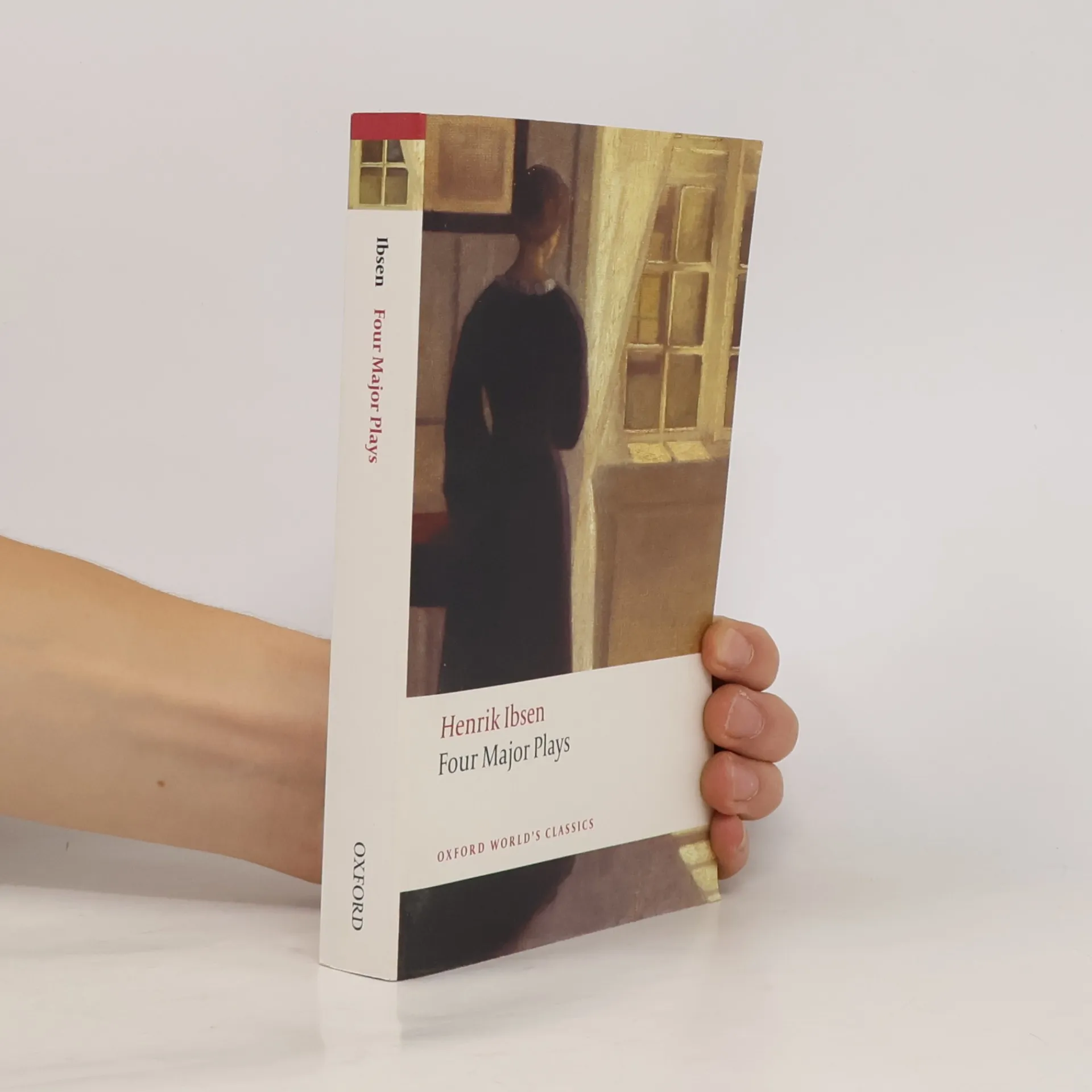
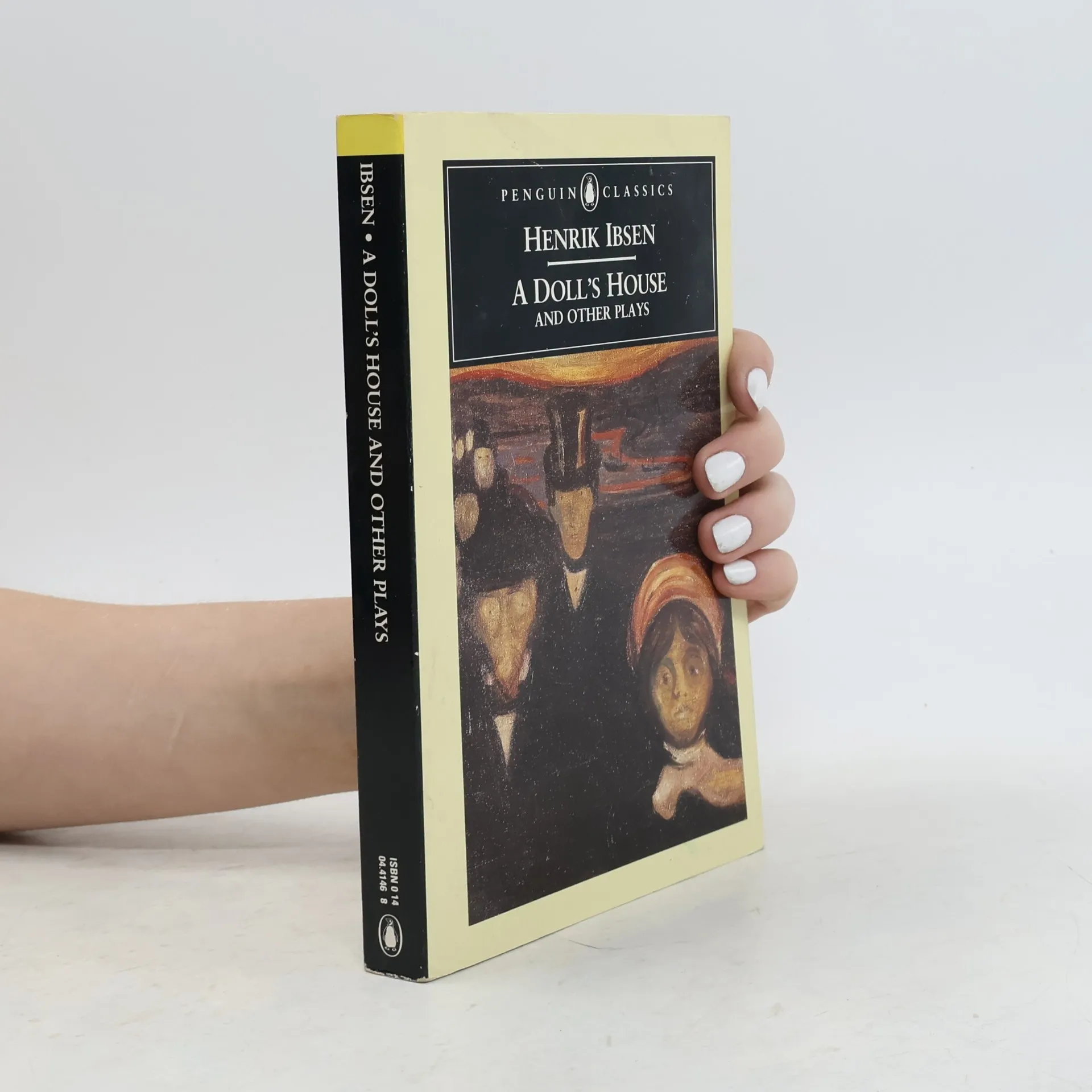
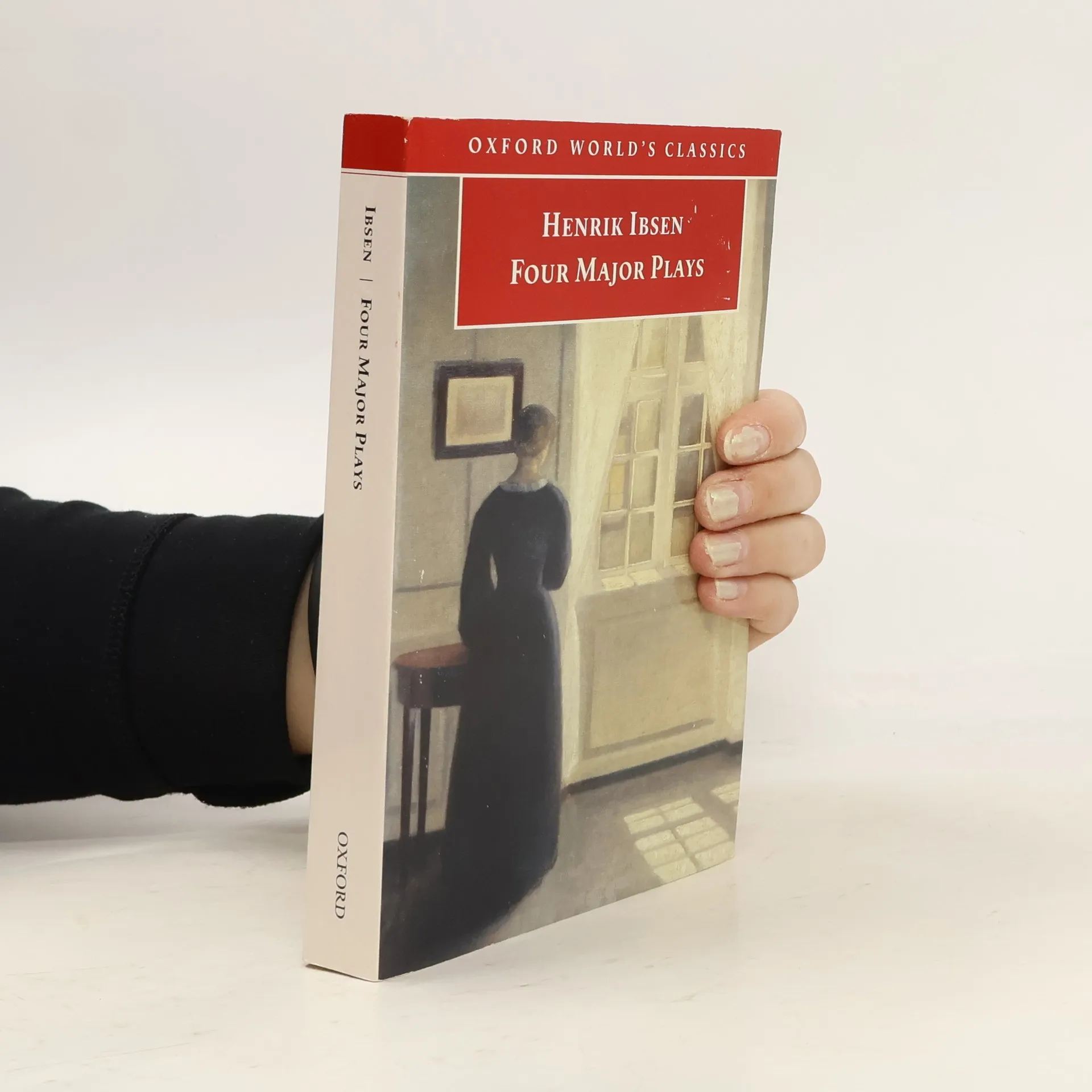
Oxford World's Classics: Four Major Plays
- 355 páginas
- 13 horas de lectura
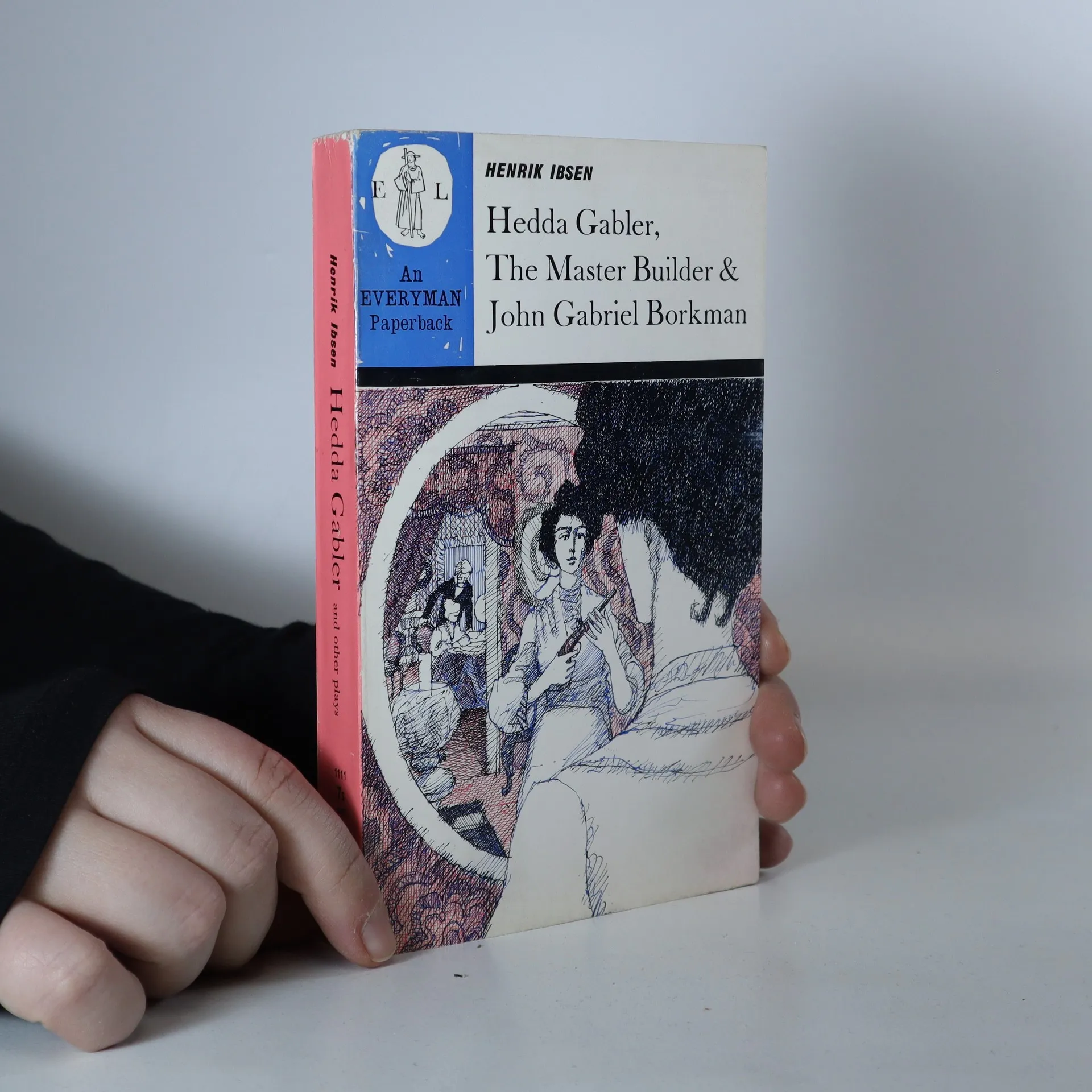
Four plays by Henrik Ibsen: A Doll's House, Ghosts, Hedda Gabler and the Master Builder.
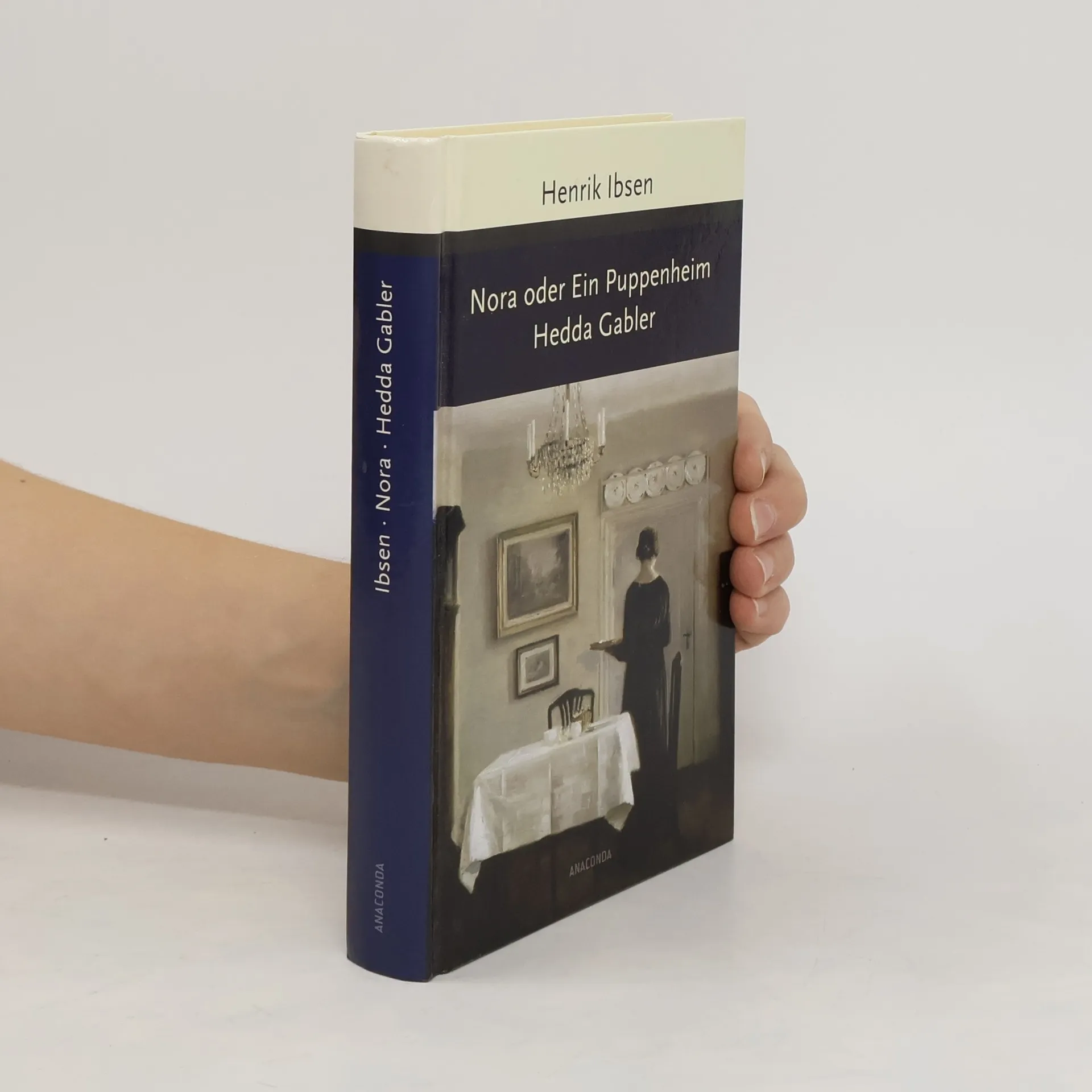
Nora oder Ein Puppenheim / Hedda Gabler
- 224 páginas
- 8 horas de lectura
Ibsens starke Frauenfiguren mit ihren unerfüllten Sehnsüchten sind bis heute präsent auf den Bühnen der Welt. Nora verlässt ihren Ehemann, als ihr bewusst wird, dass sie in einem goldenen Käfig lebt. Und Hedda Gabler nimmt sich das Leben, angeekelt von ihrem fremdgesteuerten Leben mit unaufrichtigen Menschen. Henrik Ibsen kämpfte gegen die verlogene Moral seiner Zeit – mit meisterlichen Dramen von zeitloser Aktualität.
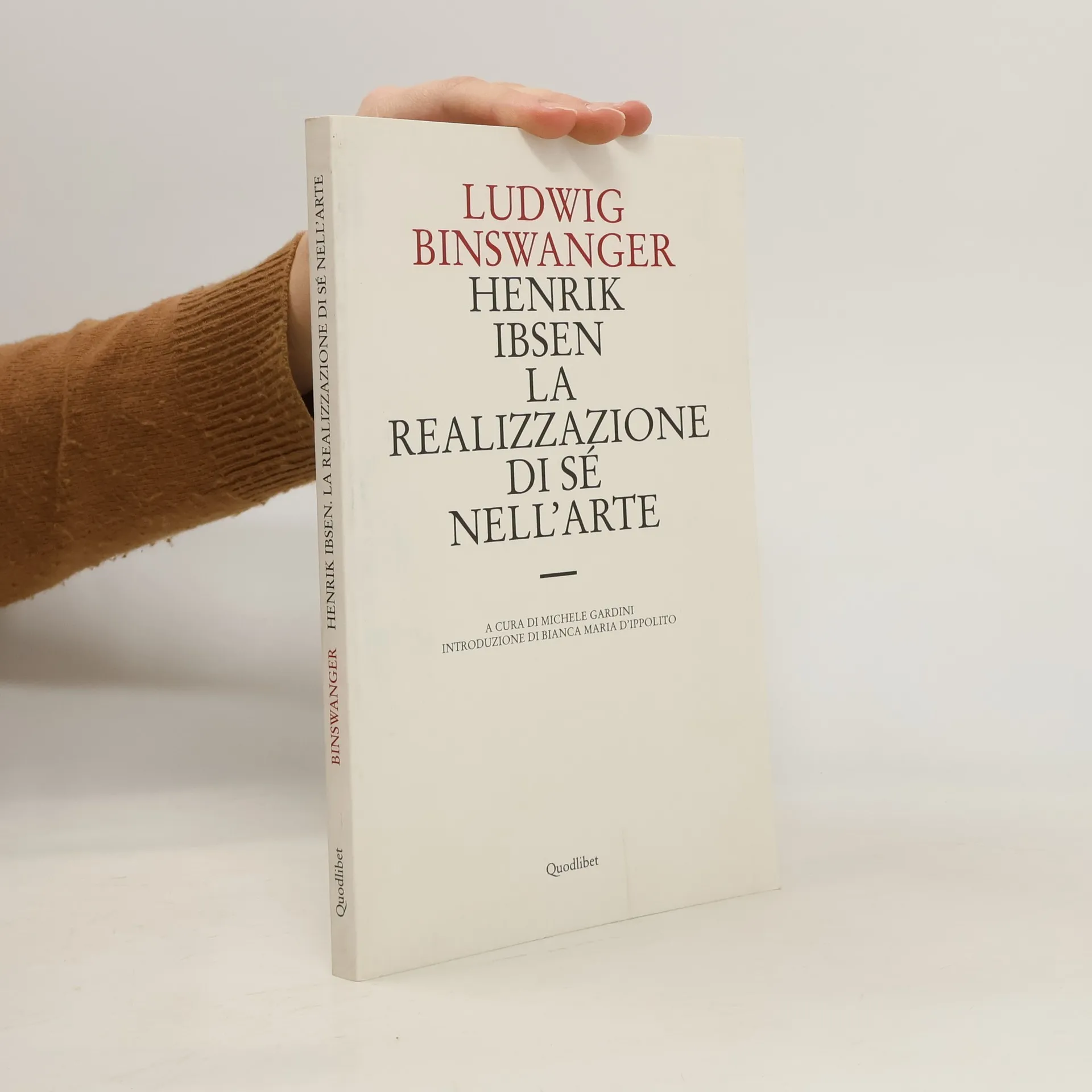
Ludwig Binswanger (1881-1966) occupa un ruolo assai originale nell'evoluzione della teoria psichiatrica e psicanalitica novecentesca. In quanto fondatore della Daseinsanalyse (Analisi esistenziale) è l'interprete, nel campo della salute mentale, prima della fenomenologia husserliana e successivamente del pensiero di Martin Heidegger. Questo volume su Ibsen, uscito nel 1949, era considerato dall'autore uno dei suoi contributi filosofici fondamentali. Il confronto - incisivo, appassionato e mirabilmente documentato - con la figura umana e artistica di Henrik Ibsen, consente a Binswanger di conferire al proprio approccio teorico e terapeutico una nota di concretezza, plasticità e densità concettuale che talora fanno difetto nella sua opera filosofica restante. Al centro dello studio binswangeriano sta un dramma tardo e oscuro di Ibsen, "Il costruttore Solness", sottoposto a un'analisi microscopica, che rivela una volta di più tutta l'acutezza dell'interprete e dischiude, come in uno specchio, tutto il dramma umano e cosmico di un "esserci" che è "nel mondo", aperto al gioco delle sue direzioni di senso, consegnato alle sue metafore spaziali e gettato nella propria angosciante libertà. Corredano il volume un saggio introduttivo di Bianca Maria d'Ippolito, una postfazione del curatore, l'indice dei nomi e delle materie.
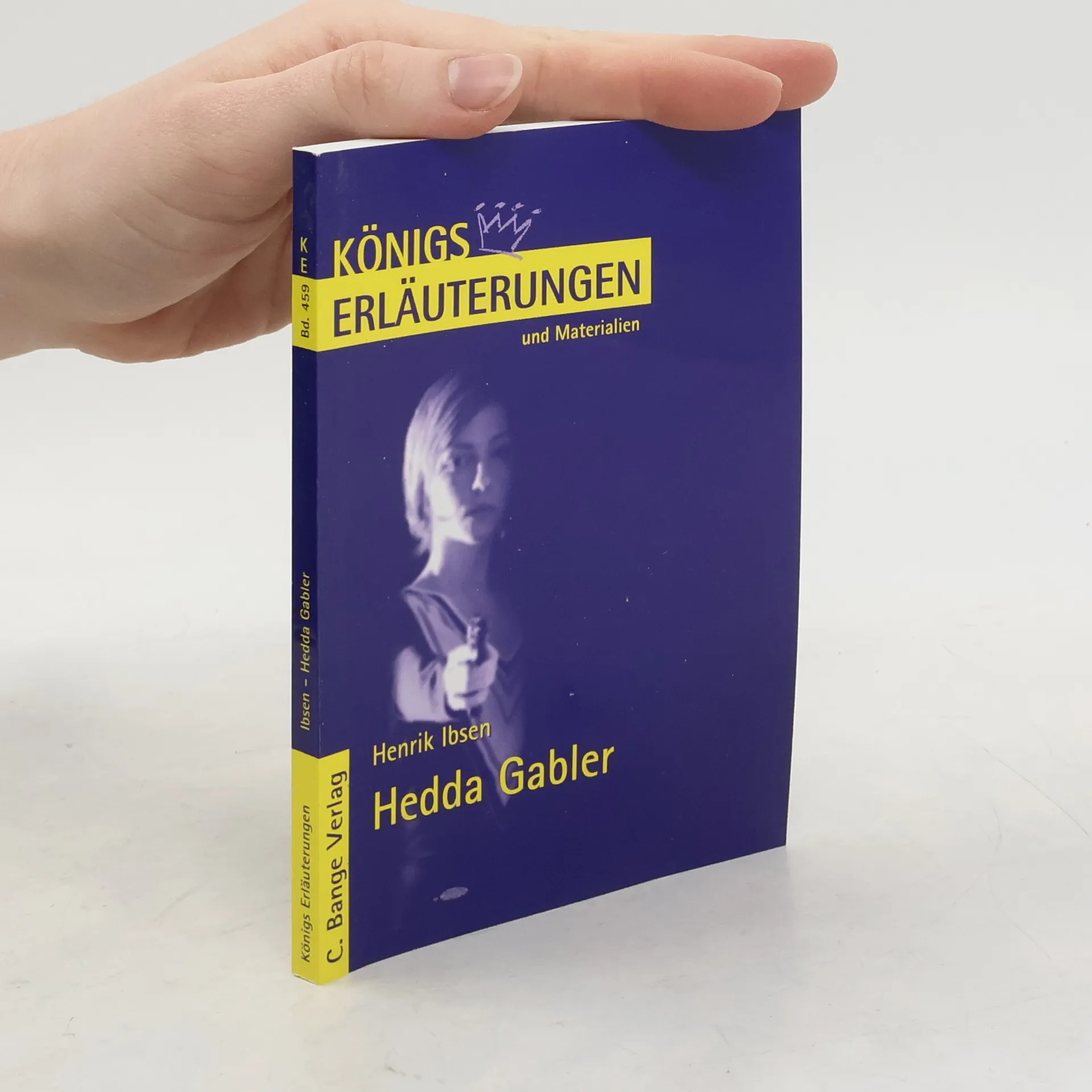
Königs Erläuterungen und Materialien - 459: Erläuterungen zu Henrik Ibsen, Hedda Gabler
- 128 páginas
- 5 horas de lectura
Inhaltsverzeichnis 1. Autor: Leben und Werk 1.1 Biografie 1.2 Zeitgeschichtlicher Hintergrund 1.3 Angaben und Erläuterungen zu wesentlichen Werken 2. Textanalyse und -interpretation 2.1 Entstehung und Quellen 2.2 Inhaltsangabe 2.3 Aufbau 2.4 Personenkonstellation und Charakteristiken 2.5 Sachliche und sprachliche Erläuterungen 2.6 Stil und Sprache 2.7 Interpretationsansätze 3. Themen und Aufgaben 4. Rezeptionsgeschichte 5. Materialien 6. Literatur
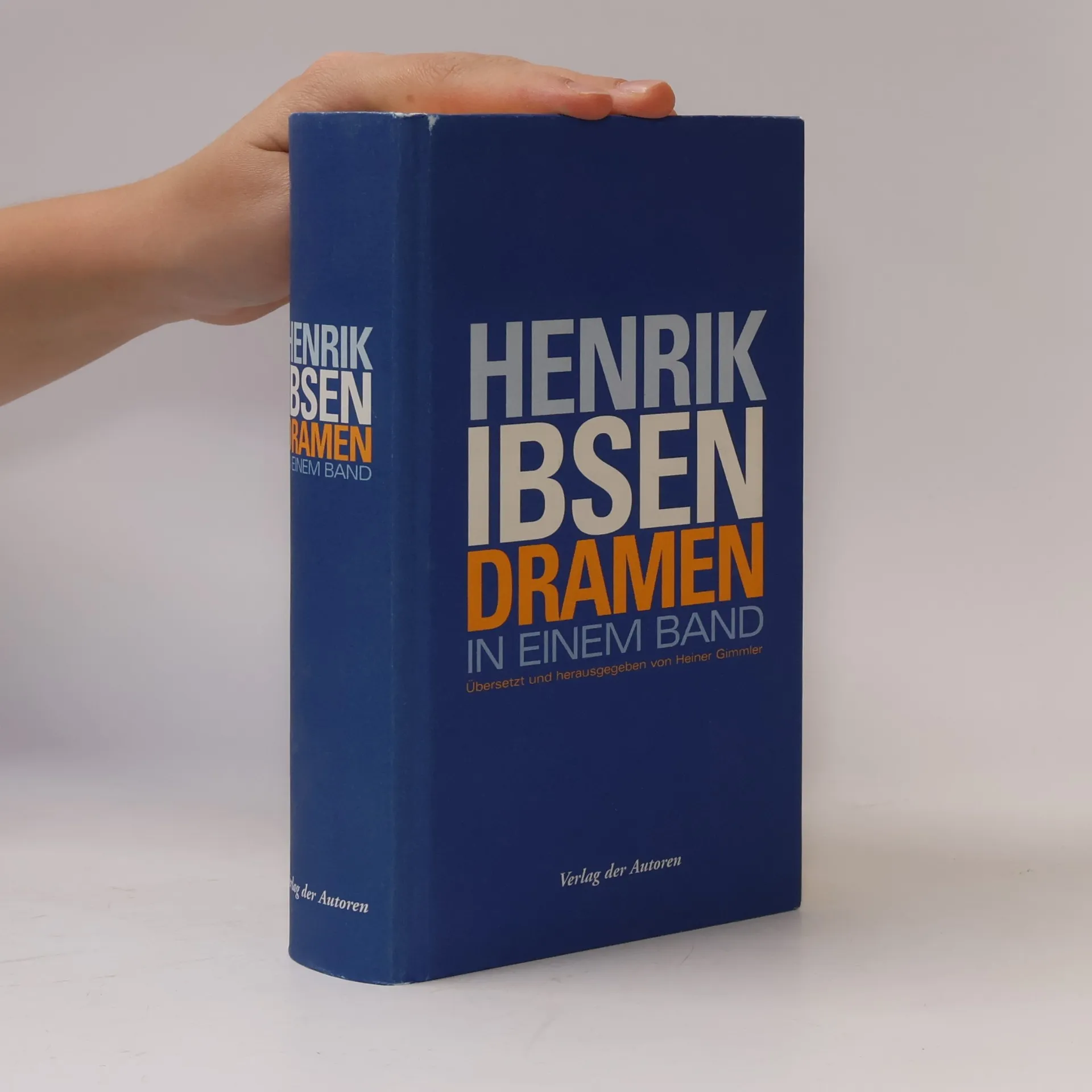
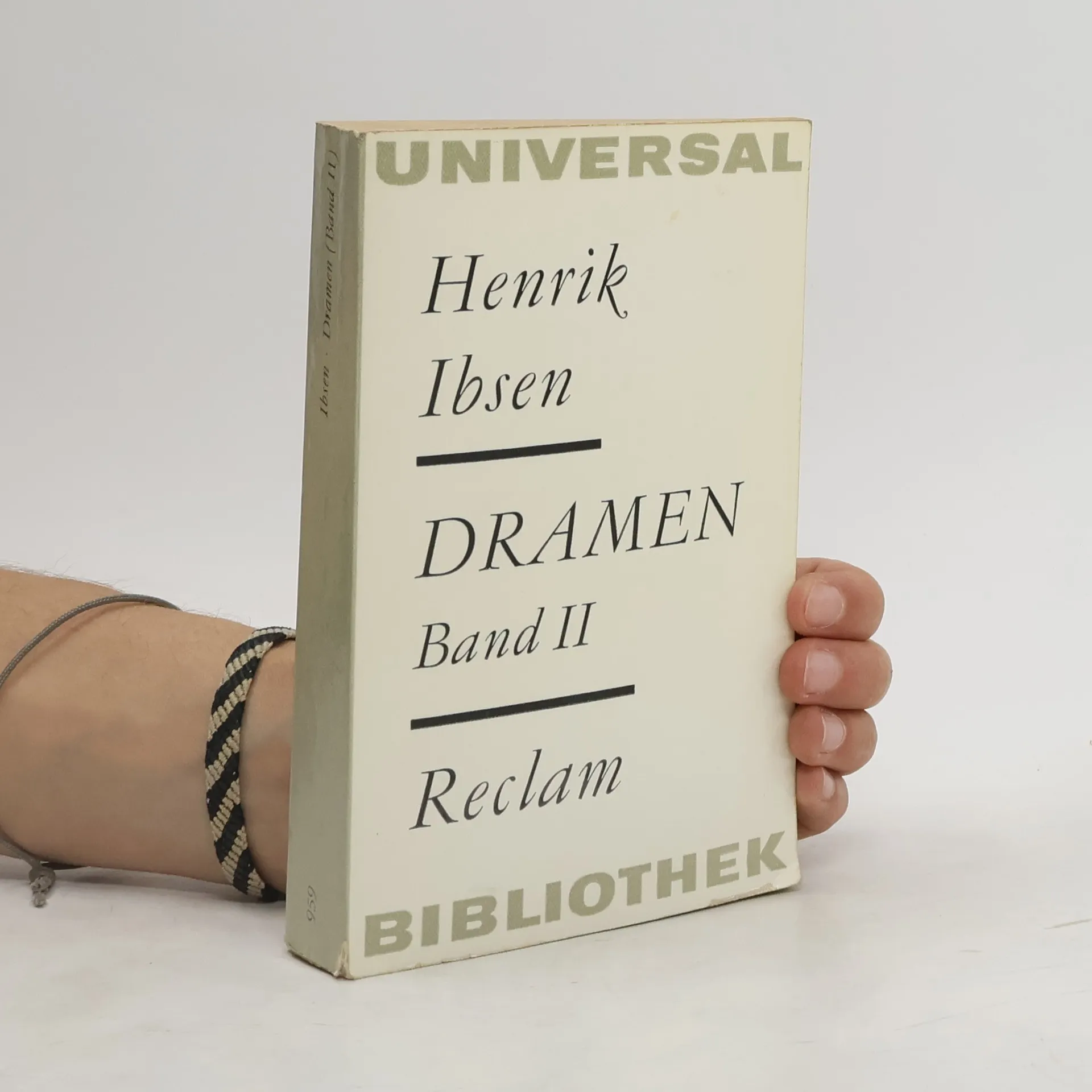
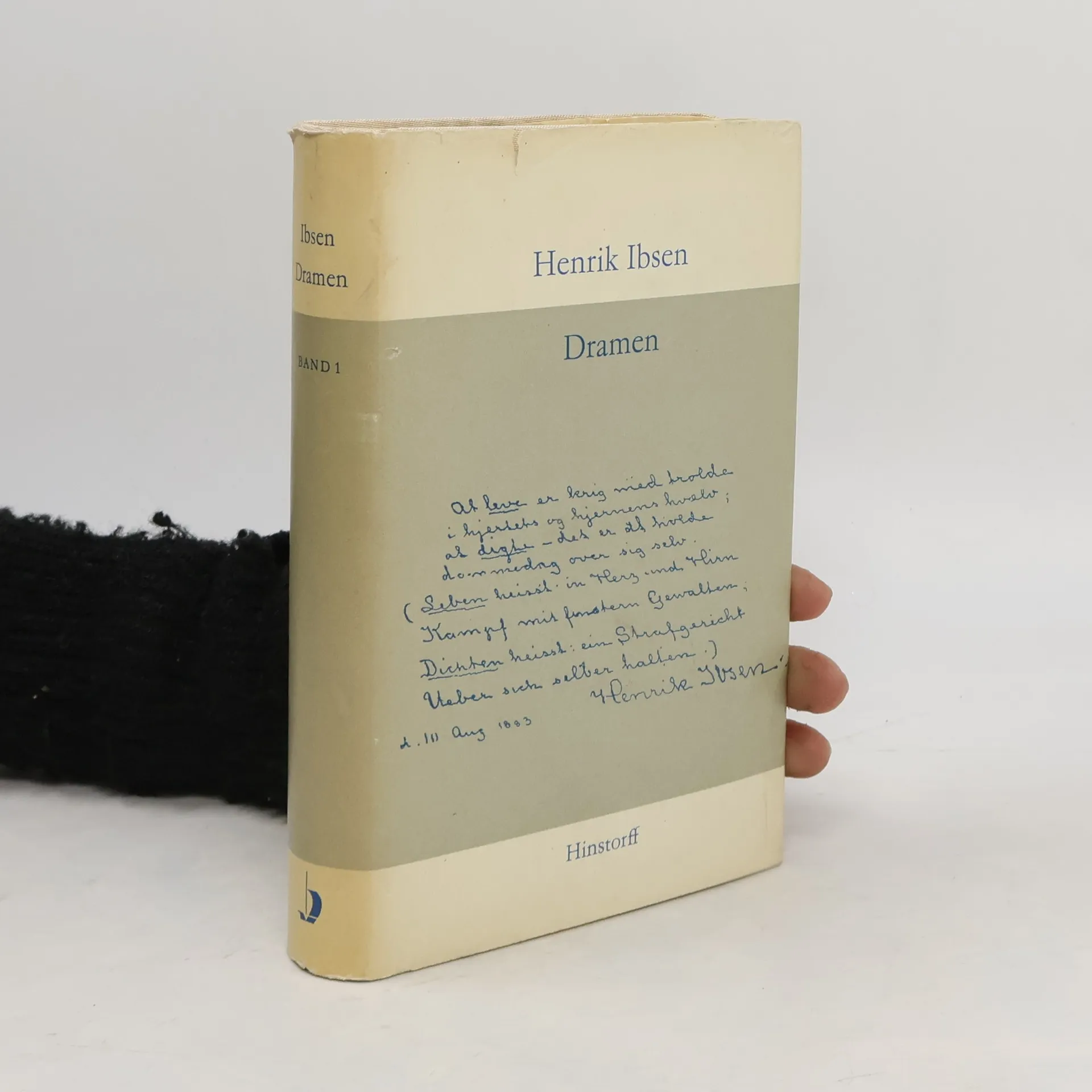
Dramen in einem Band
- 1296 páginas
- 46 horas de lectura
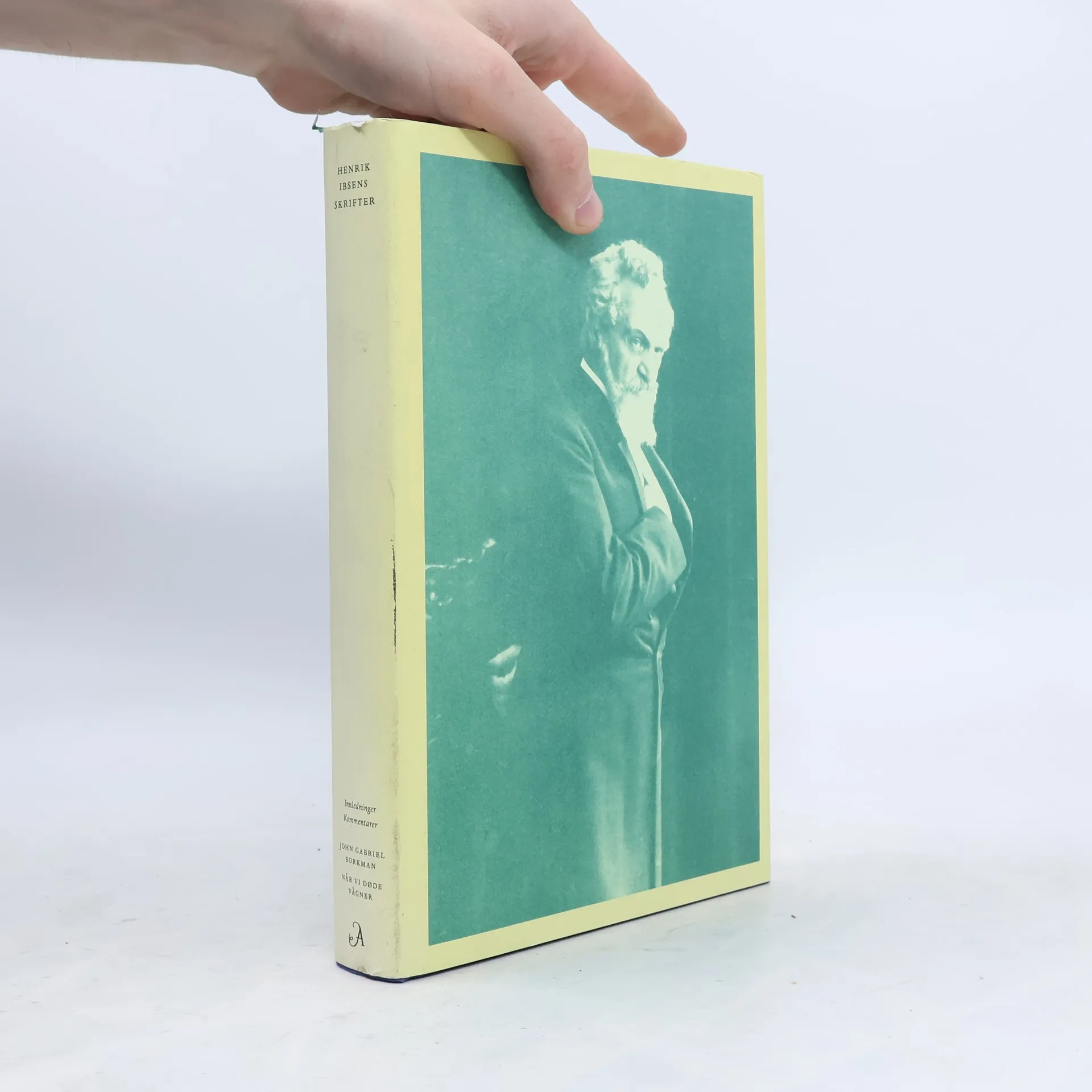
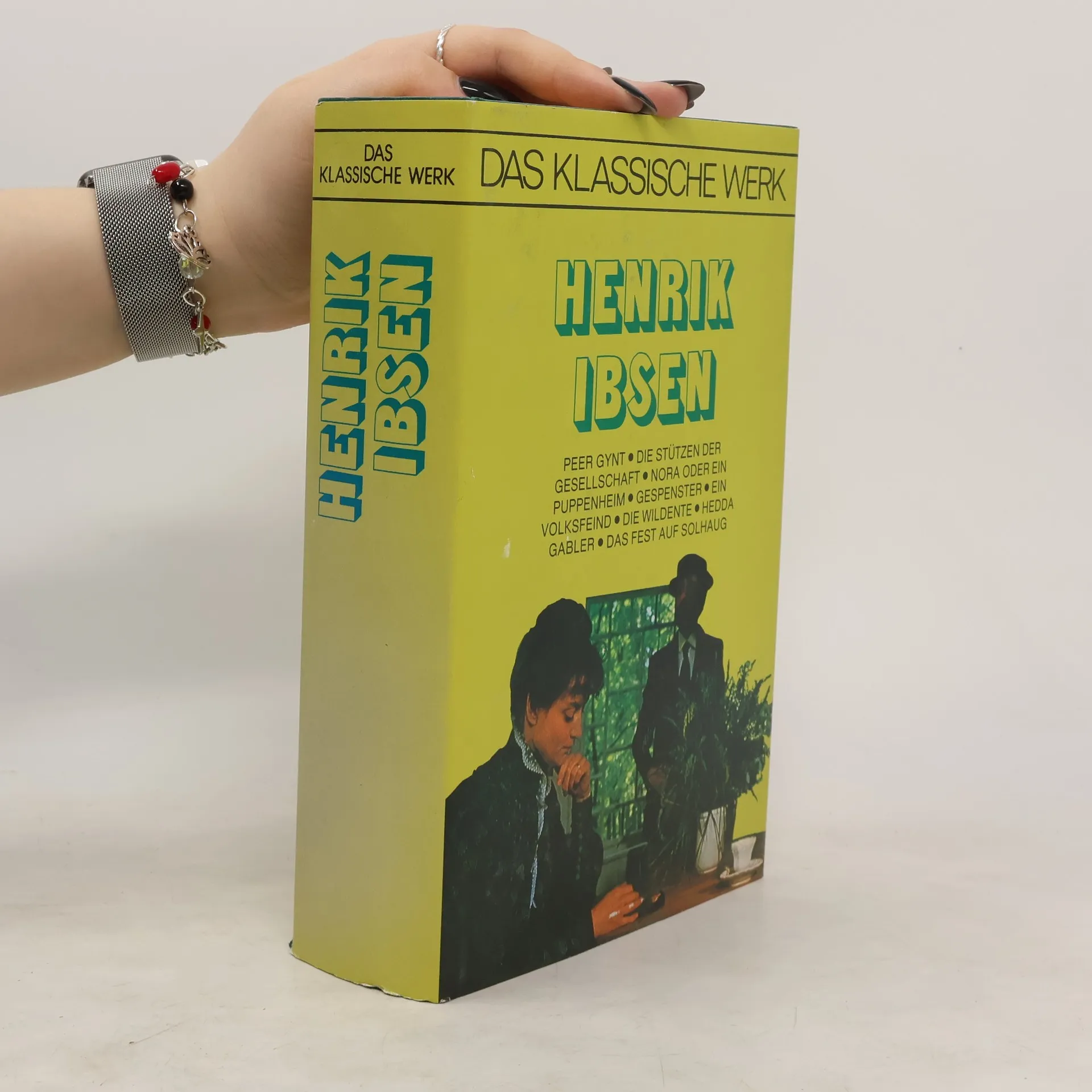
Zum 100. Todestag von Henrik Ibsen am 23. Mai 2006 veröffentlicht der Verlag der Autoren alle maßgeblichen Dramen des norwegischen Klassikers in einem Band. Diese Ausgabe umfasst sowohl bekannte Werke wie die realistischen Stücke und das „dramatische Gedicht in 5 Akten“, Peer Gynt, als auch weniger bekannte Stücke wie Ibsens letztes Werk Wenn wir Toten erwachen. Ergänzt wird die Sammlung durch Anmerkungen des Übersetzers Heiner Gimmler, der als studierter Skandinavist und erfahrener Dramaturg gilt. Gimmlers Übersetzungen zeichnen sich durch Prägnanz und Modernität aus, wodurch die scharfen Konturen der Originale wieder sichtbar werden. Mit seiner Expertise hat er einen zeitgenössischen Ibsen geschaffen, der auf zahlreichen deutschsprachigen Bühnen gespielt wird. Über 200 Inszenierungen seiner Übersetzungen, darunter von Regie-Legenden wie Ingmar Bergmann und Peter Palitzsch, belegen ihren Einfluss. Auch jüngere Regisseure wie Andreas Kriegenburg nutzen Gimmlers Fassungen. Seit mehr als 30 Jahren prägen seine Übersetzungen die Ibsen-Rezeption im deutschsprachigen Raum. Gimmler hat seine Übertragungen regelmäßig revidiert, wodurch sie aktuell und zugleich philologisch präzise geblieben sind. Ibsens Werke thematisieren essentielle menschliche Werte wie Liebe, Tod und Glück, was ihre zeitlose Relevanz unterstreicht. Der Band enthält folgende Dramen: Peer Gynt, Stützen der Gesellschaft, Ein Puppenheim (Nora), Gespenster, Ein Volksf
Anlässlich von Henrik Ibsens 100. Todestag präsentiert diese kompakte Leseausgabe die acht meistgespielten Stücke des norwegischen Dramatikers. Die Werke thematisieren gesellschaftliche Konventionen, Frauenrollen, Illusionen, Wahrheit und Lüge sowie das Streben nach Freiheit und die Tragik verpasster Chancen.
Théâtre
- 1952 páginas
- 69 horas de lectura
Comprend : Une maison de poupée, Le canard sauvage, Hedda Gabler et Le maître constructeur.
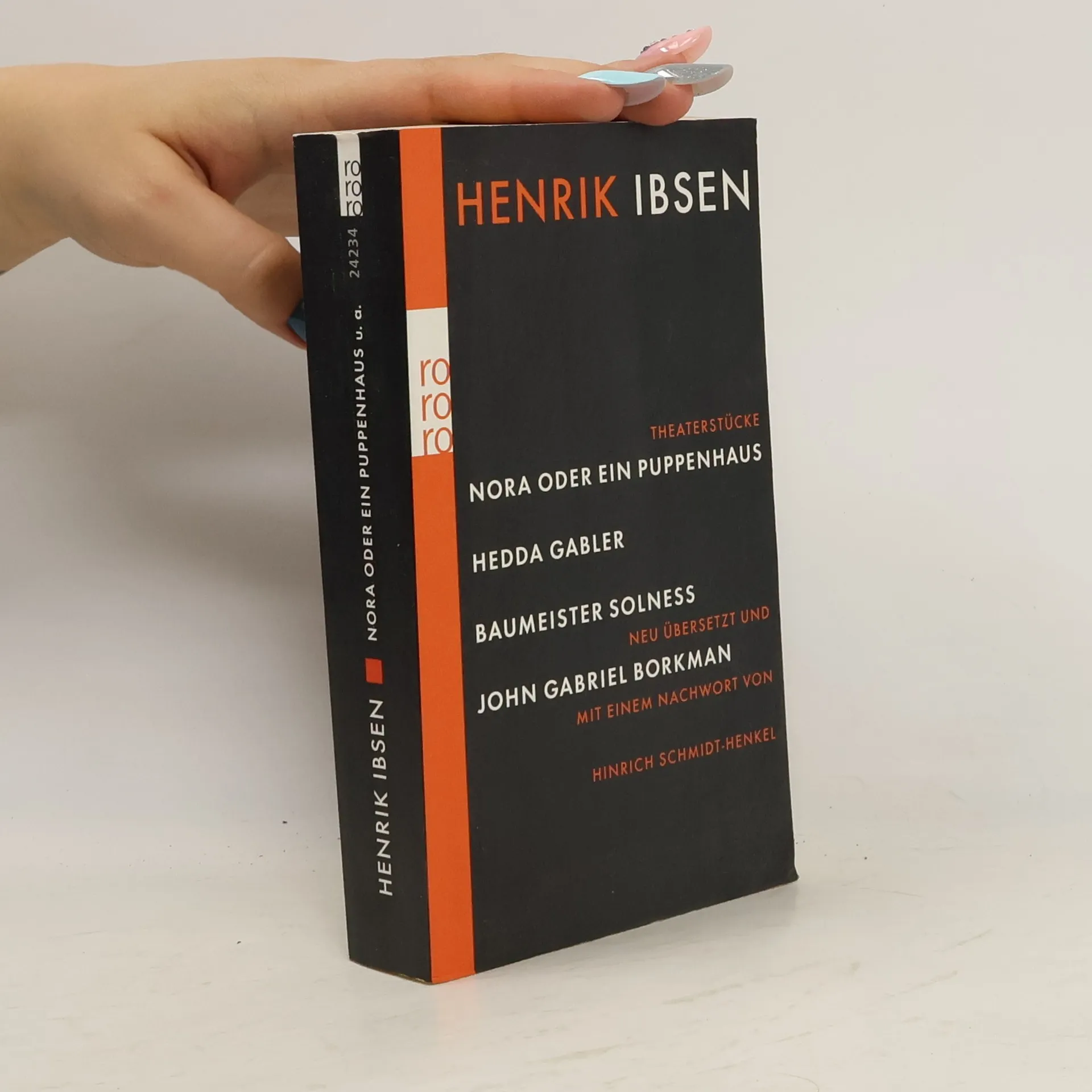
Nora oder Ein Puppenhaus. Hedda Gabler. Baumeister Solness. John Gabriel Borkman
- 480 páginas
- 17 horas de lectura
„Ich glaube, dass ich zuallererst ein Mensch bin, ich genauso wie du - oder dass ich jedenfalls versuchen möchte, einer zu werden … Ich gebe mich nicht mehr damit zufrieden, was die Leute sagen und was in den Büchern steht. Ich muss selber über die Dinge nachdenken und mir meine eigene Klarheit verschaffen.“ (Nora oder Ein Puppenhaus)
Samlede Verker
- 960 páginas
- 34 horas de lectura
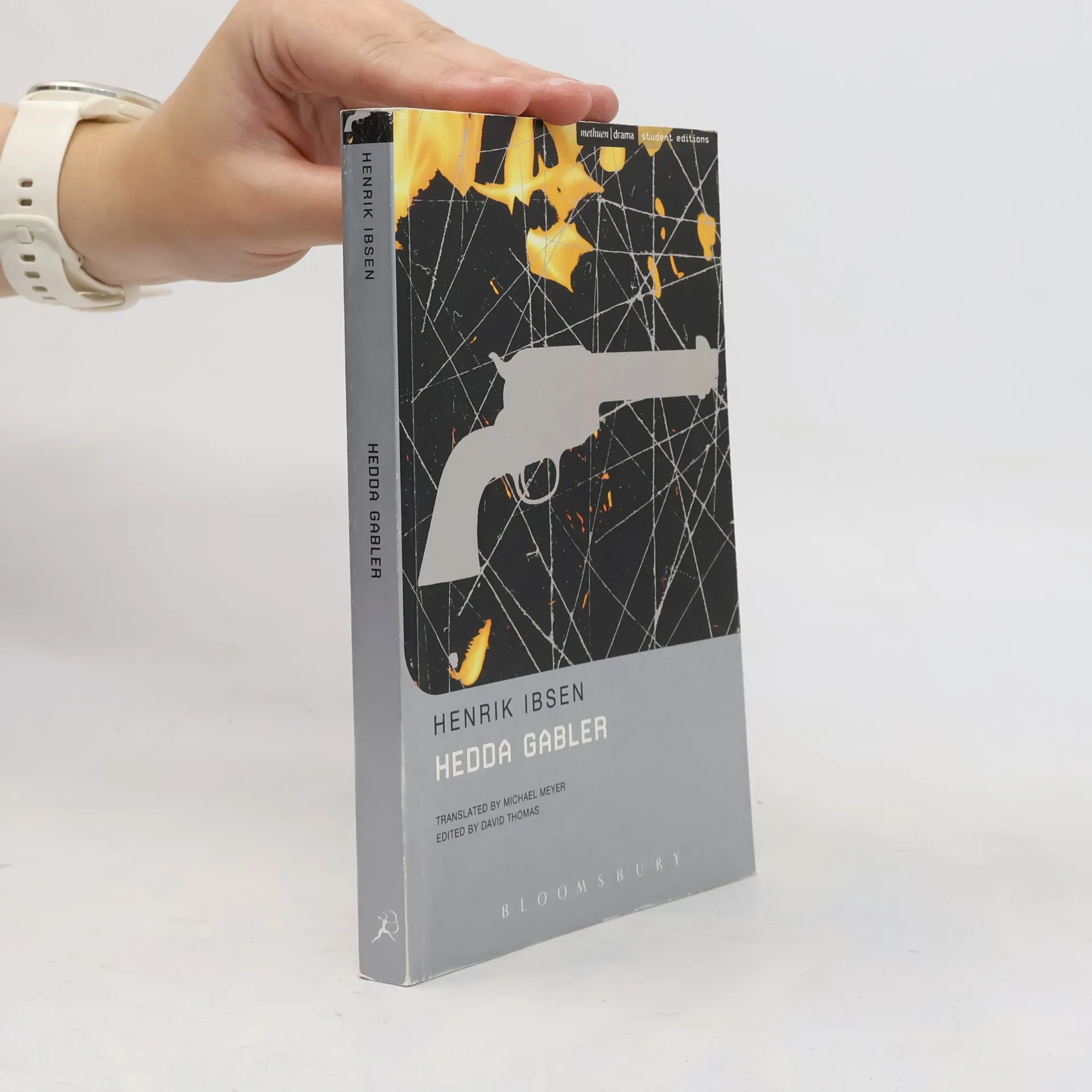
Methuen Drama Student Editions: Hedda Gabler
Methuen Student Edition With Commentary & Notes
- 110 páginas
- 4 horas de lectura
Hedda is an intelligent and ambitious woman, trapped in the stifling environment of a bourgeois 19th-century marriage. When writer Eilert Loevborg, an old flame returns to Hedda's life with a masterpiece that might threaten her husband's career, Hedda decides to take drastic and fatal action.
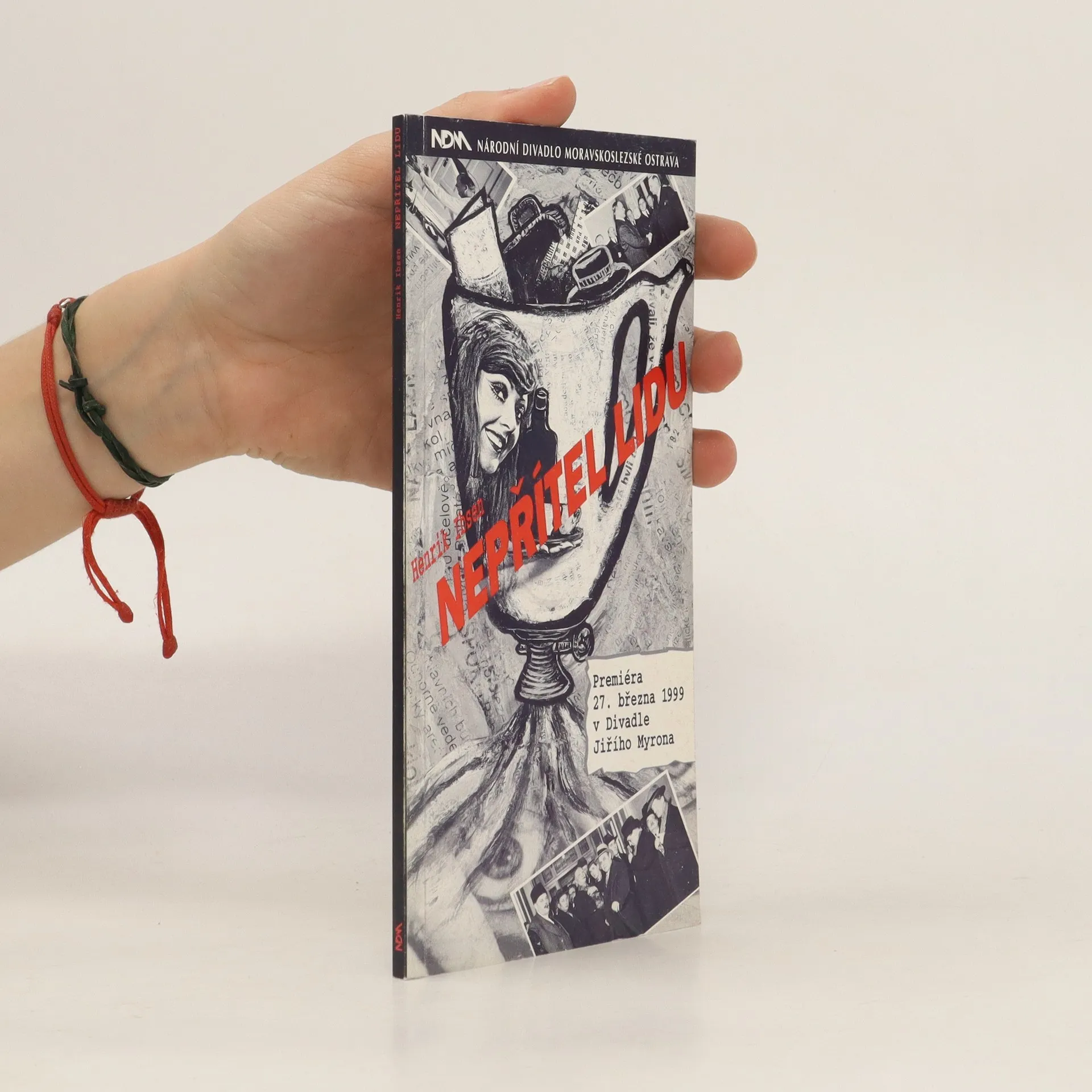
Nepřítel lidu (norsky En Folkefiende) je drama napsané norským spisovatelem Henrikem Ibsenem. Uvedeno bylo poprvé v Christiania Theater v Oslu 13. ledna 1883. Nepřítel lidu = (En folkefiende), hra v pěti dějstvích / Henrik Ibsen ; z norského originálu přeložil František Fröhlich (inscenační úprava) Premiéra 26. a 27. února 2009 ve Stavovském divadle / program připravila Iva Klestilová
Děj se odehrává v létech napoleonských válek. Tehdy (1814) bylo Norsko součástí Dánského království nedobrovolně vtaženo do válečného konfliktu na straně císaře Napoleona proti Británii. V důsledku válečné strategie kontrolovaly britské lodě dovoz potravin nejen do Francie, ale i jejím spojenců. Pro Nory to bylo o to svízelnější, že tyto válečné útrapy se násobily léty neúrody. Hrdina příběhu, rybář Terje Vigen žijící nedaleko norského městečka Grimstad se vypravil na riskantní plavbu do Dánska, aby přivezl své hladovějící dcerce a ženě obilí.
Königs Erläuterungen und Materialien - 177: Erläuterungen zu Henrik Ibsen Nora, Hedda Gabler
- 96 páginas
- 4 horas de lectura
Informationen und Analysen zu Autor und Text wie Interpretationen, Erläuterungen und Materialien.
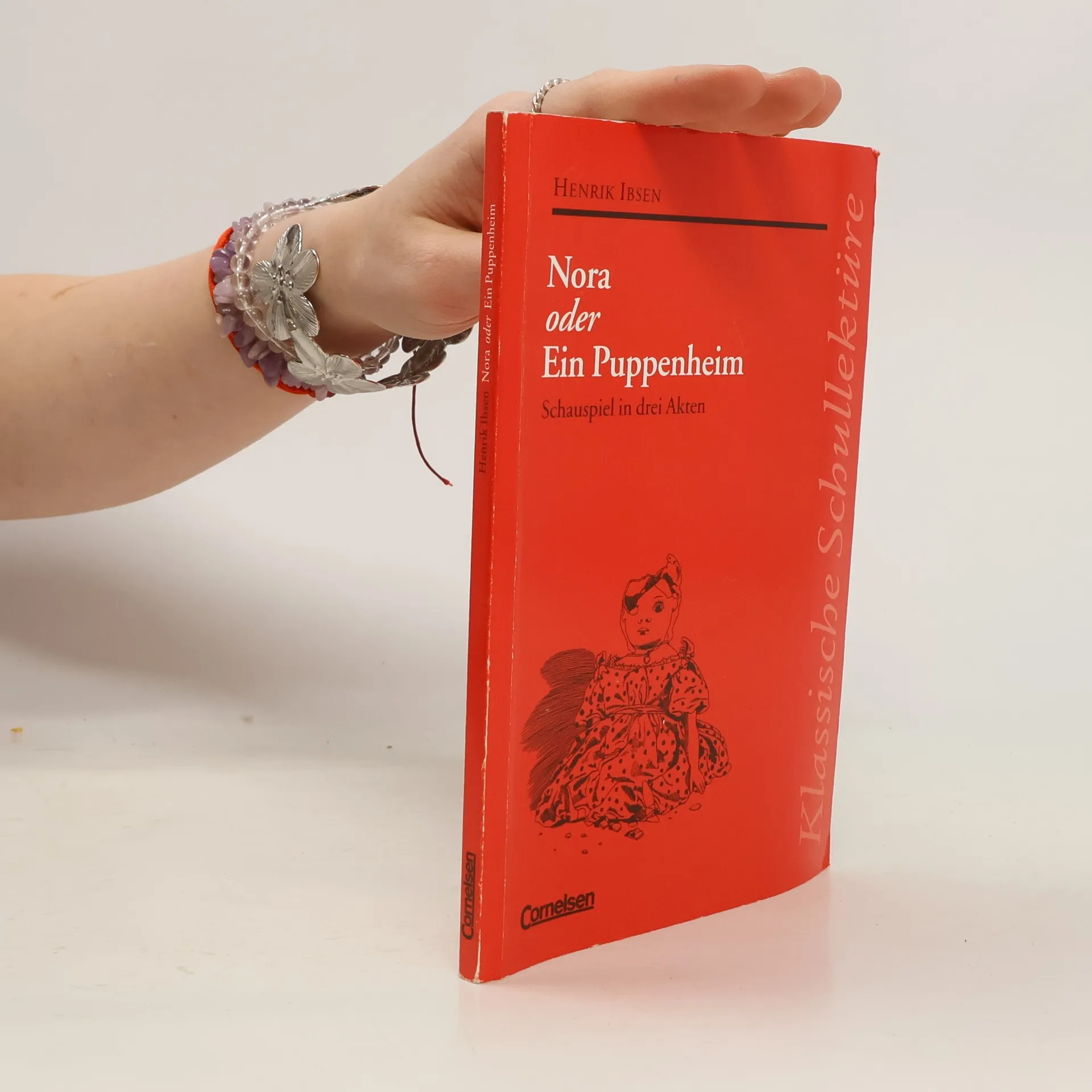
Klassische Schullektüre: Nora oder Ein Puppenheim
Schauspiel in drei Akten
- 96 páginas
- 4 horas de lectura
Three Plays
- 384 páginas
- 14 horas de lectura
Ibsen's three tragic, domestic plays herald the dawn of modern European drama in their painful unravelling of the past and the relentless examination of family relationships, light, dark, truth and idealism.
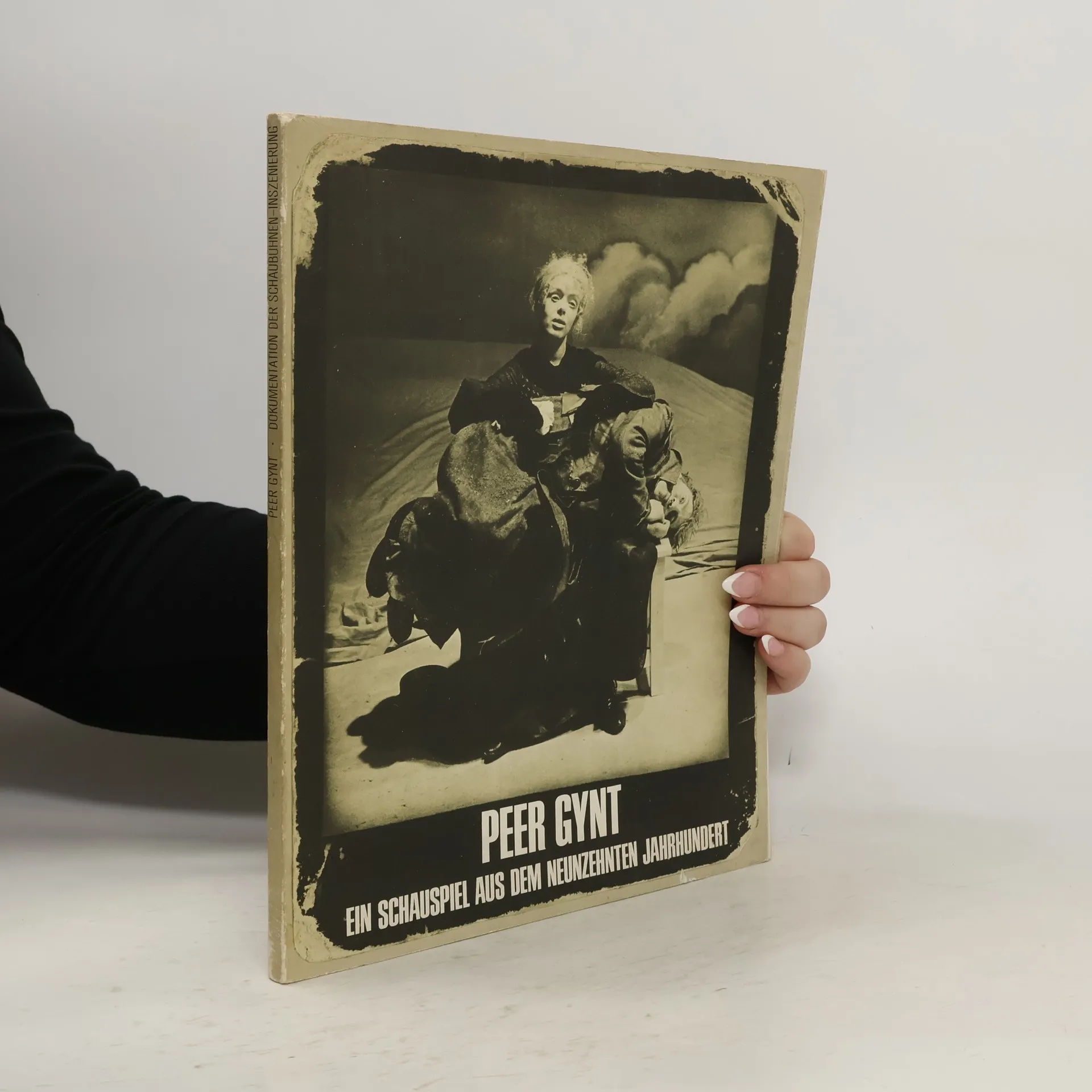
Burgtheater. Peer Gynt
Ein dramatisches Gedicht
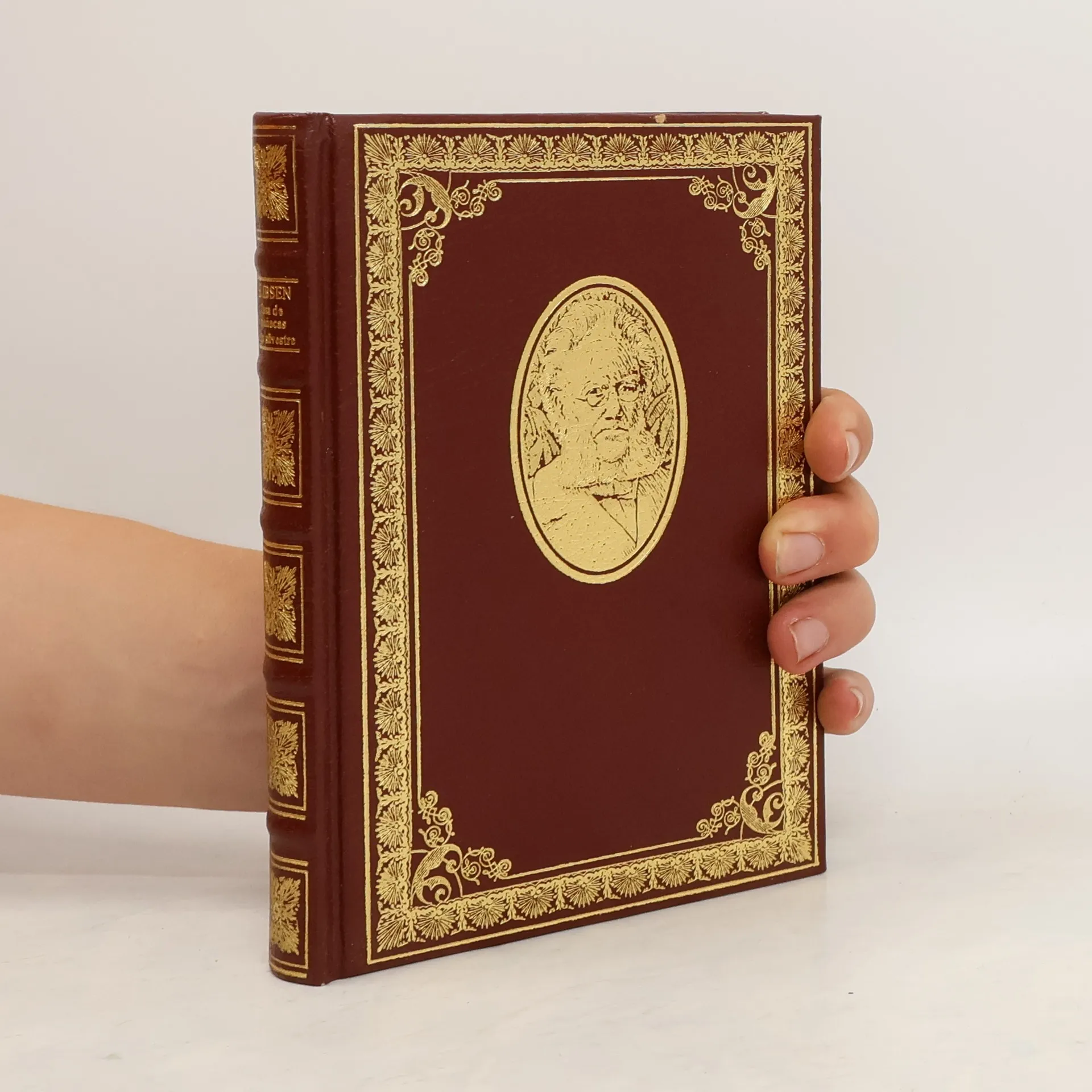
Casa de muñecas. Pato silvestre
- 190 páginas
- 7 horas de lectura
Una Casa de Muñecas Nora Helmer siempre llevó una vida de confort doméstico, gobernada todo el tiempo por su padre y después por su marido. Hace tiempo, Nora había tomado dinero prestado de un hombre de mala reputación llamado Krogstad, falsificando la firma de su padre en una nota promissoria. De esta forma, logró pagar un viaje a Italia para salvar la vida de Torvald, su marido, que estaba seriamente enfermo. Torvald no sabía nada sobre su estado de salud ni sobre el origen del dinero, que él creía que había sido dado por el padre de Nora. Desde entonces, ella tuvo que planear formas de pagar su préstamo, preocupándose cada vez más por el dinero. El Pato Salvaje “El Pato Salvaje” presenta a Hjalmar Ekdal, un poeta frustrado, que vive, sin confesarlo ni a sí mismo, del dinero del antiguo amante de su mujer y padre de su hija. El confuso personaje Gregers Werle, “fanático de la verdad”, destruye la mentira, y como consecuencia, arruina la vida rutinaria de la pareja y causa el suicidio de la hija. El vencedor de la obra es, por lo tanto, la “mentira vital”, sin la cual los hombres no pueden vivir.
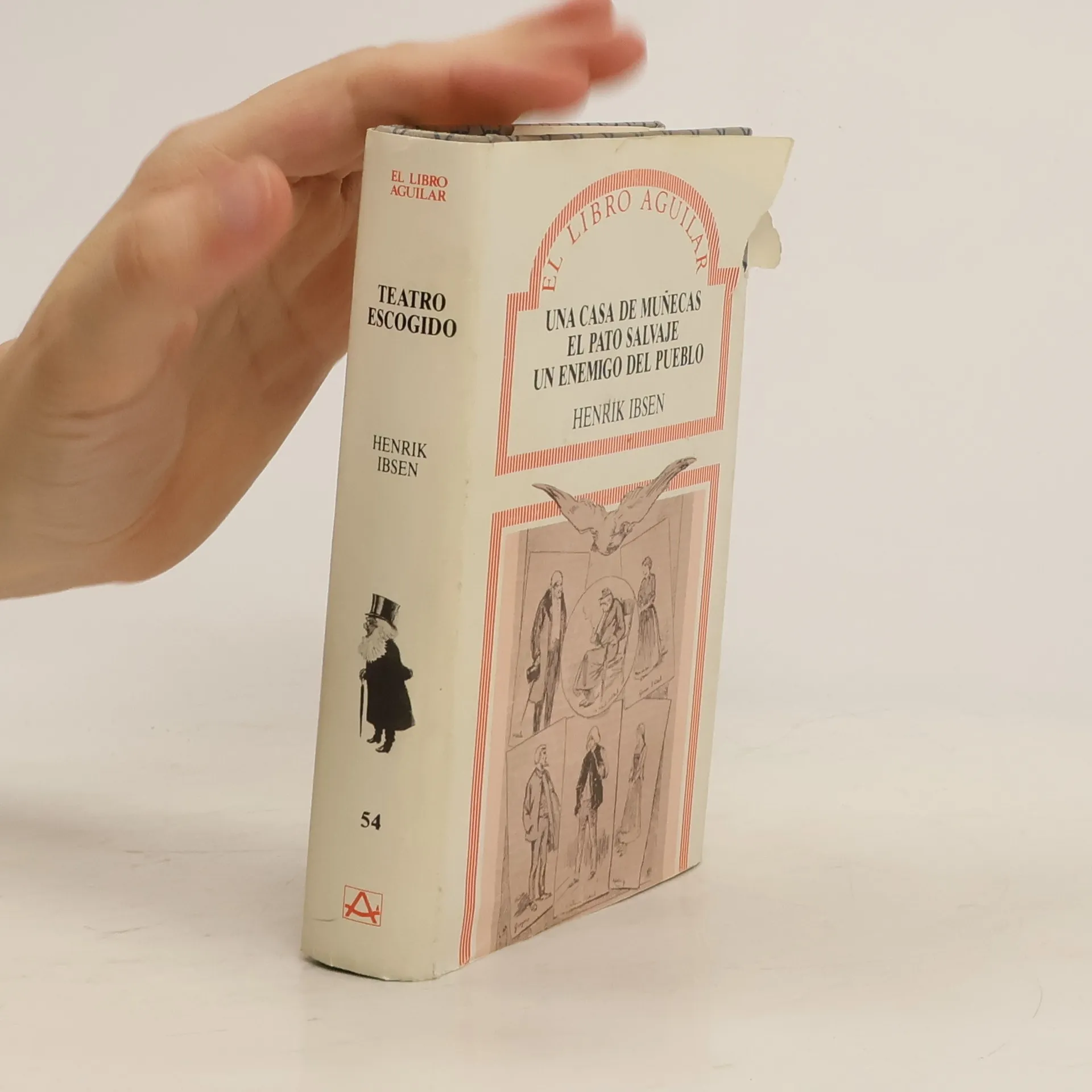
Una casa de muñecas. El pato salvaje. Un enemigo del pueblo
- 422 páginas
- 15 horas de lectura
Madrid. 16 cm. 422 p. Encuadernación en tapa dura de editorial con sobrecubierta ilustrada. Colección 'El Libro Aguilar. Sección Teatro', numero coleccion(54). Dukkehjem. Traducción del noruego y notas de Else Wateson. Ibsen, Henrik. 1828-1906. Vildanden. En folkefiende. El pato salvaje. Un enemigo del pueblo. 54 .. Este libro es de segunda mano y tiene o puede tener marcas y señales de su anterior propietario. 840387054X
Fra Brand til Keiser og Galilæer 1866-73
- 456 páginas
- 16 horas de lectura
Here, in a single volume, are four major plays by the first modern playwright, Henrik Ibsen. Ghosts - the startling portrayal of a family destroyed by disease and infidelity. The Wild Duck - A poignant drama of lost illusions. An Enemy Of The People - Ibsen's vigorous attack on public opinion. And A Doll's House - the play that scandalized the Victorian world with its unsparing views of love and marriage, featuring one of the most controversial heroines - and one of the most famous exits - in the literature of the stage.,p>Although Ibsen outraged many of his contemporaries, he persisted: he shocked the unthinking into thinking and blasted through the thick fog of convention to the restless human passions hidden underneath. Today his plays remain masterpieces of psychological insight and theatrical power.
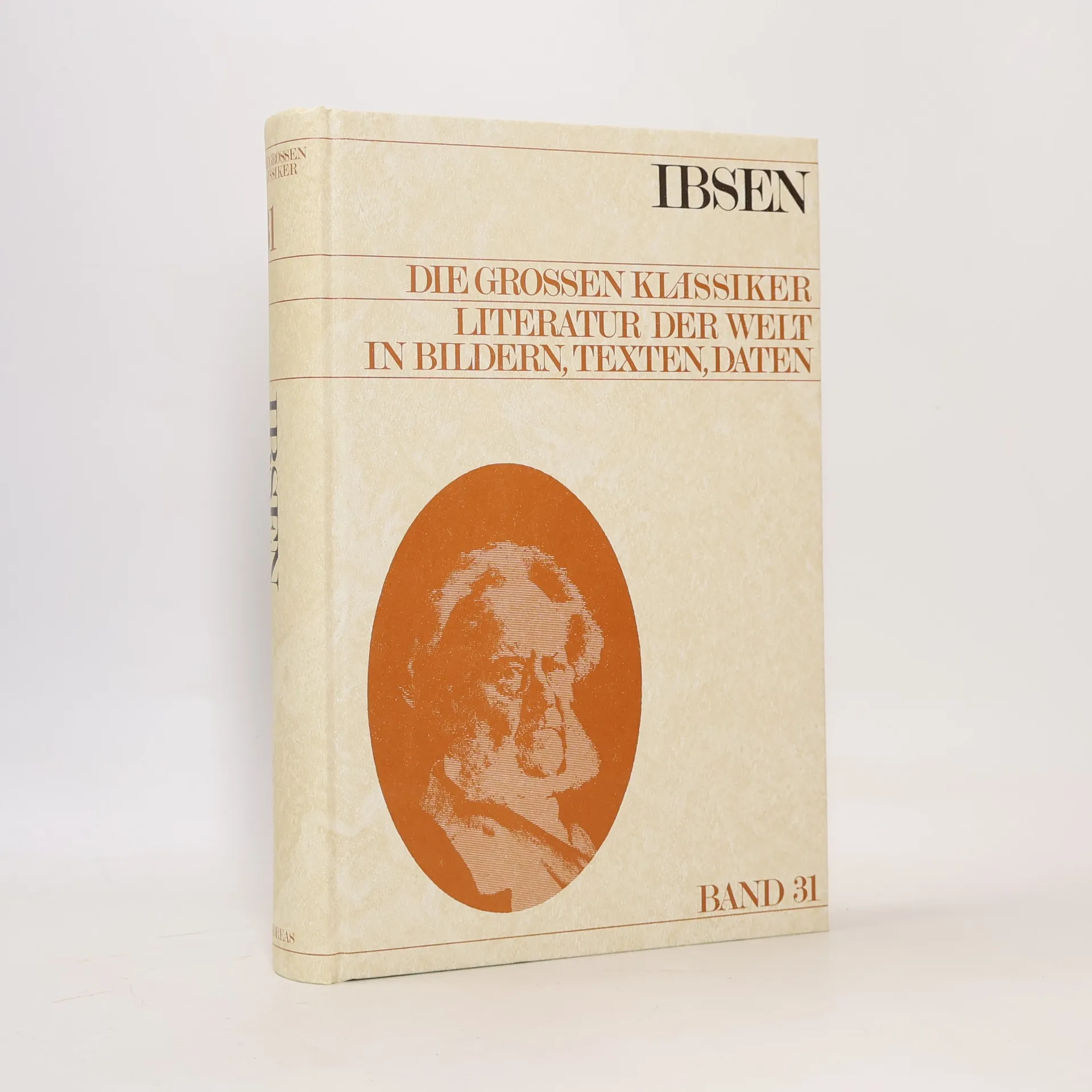
Die grossen klassiker Literatur und Welt in Bildern, Texten, Daten 31. Henrik Ibsen
- 304 páginas
- 11 horas de lectura
Different stages in the Norwegian playwright's literary and philosophical development are represented in three dramas.
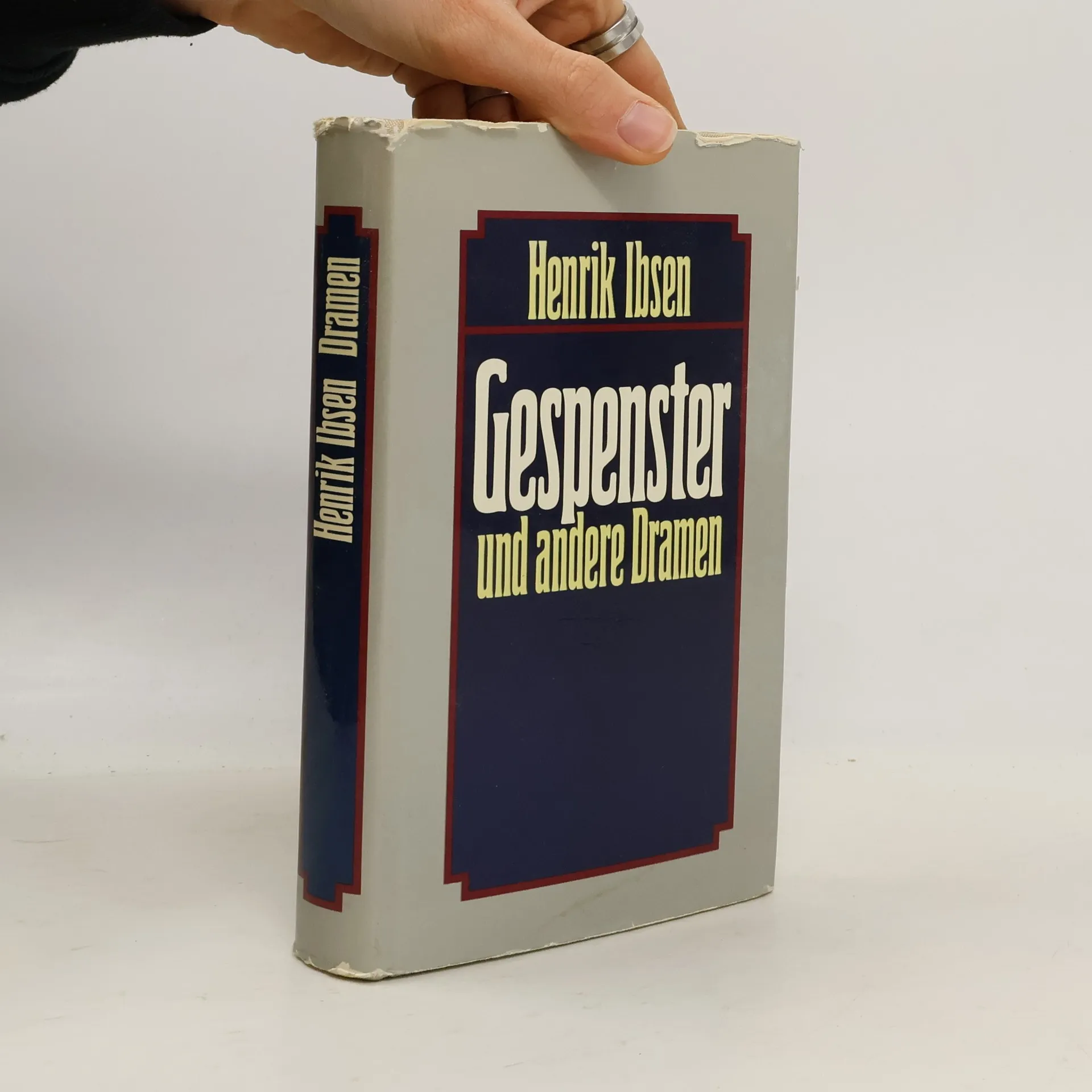
Gespenster und andere Dramen
- 384 páginas
- 14 horas de lectura
In Michael Meyer's fluent, idiomatic translations, and stand as masterpieces of naturalist drama.
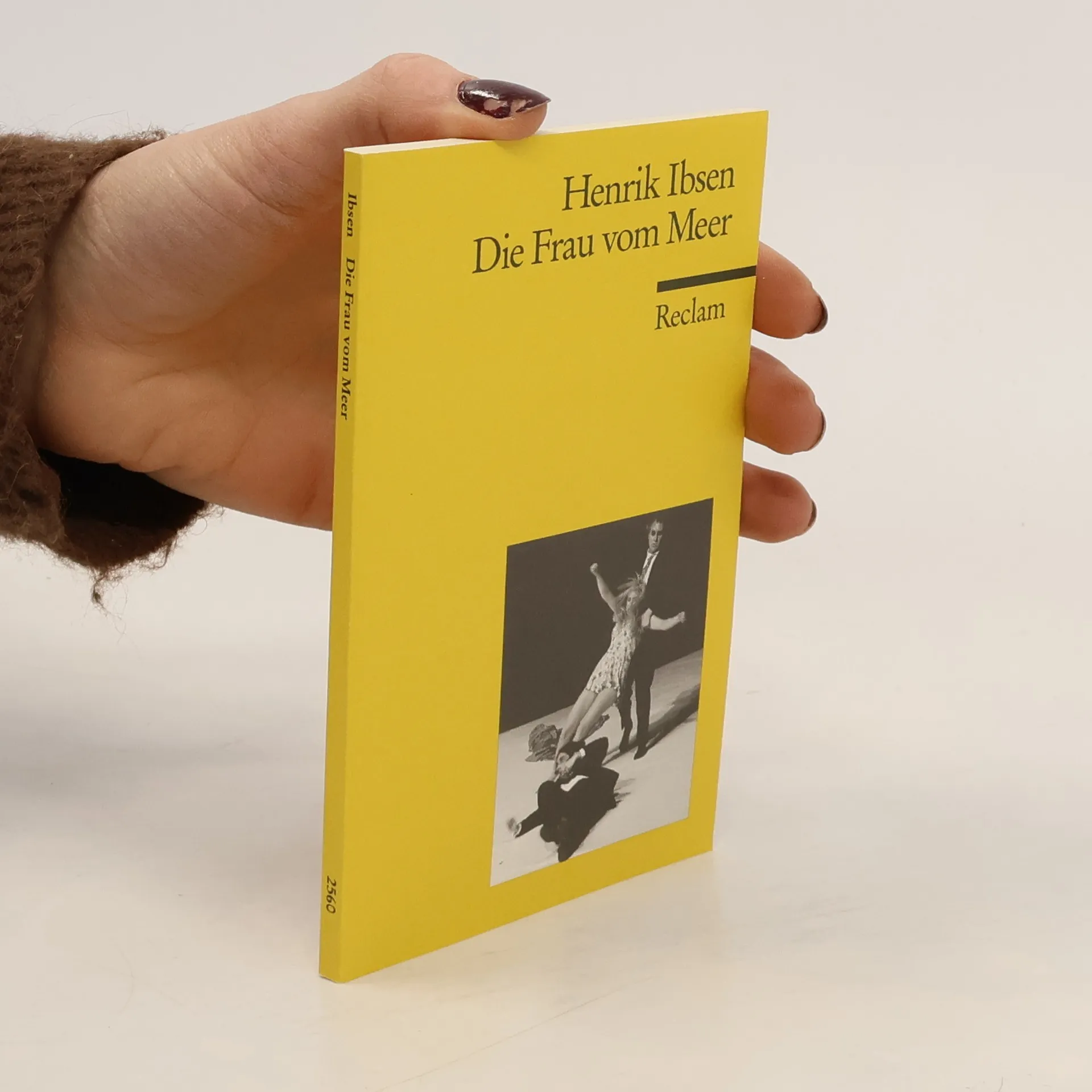
Die Frau vom Meer (1888) markierte einen Wendepunkt in Ibsens schriftstellerischer Karriere, da sie und die folgenden Stücke sich mehr mit individuellen Schicksalen als mit allgemeinen moralischen oder sozialen Prinzipien beschäftigten.
Four plays by Henrik Ibsen: A Doll's House, Ghosts, Hedda Gabler and the Master Builder.
Hry známeho nórskeho dramatika: "Nápadnící trónu" s historickým námetom, a hry "Spolok mladých", "Opory spoločnosti", "Nepriateľ ľudu", v ktorých je spoločným motívom kritika malomeštiackej spoločnosti....