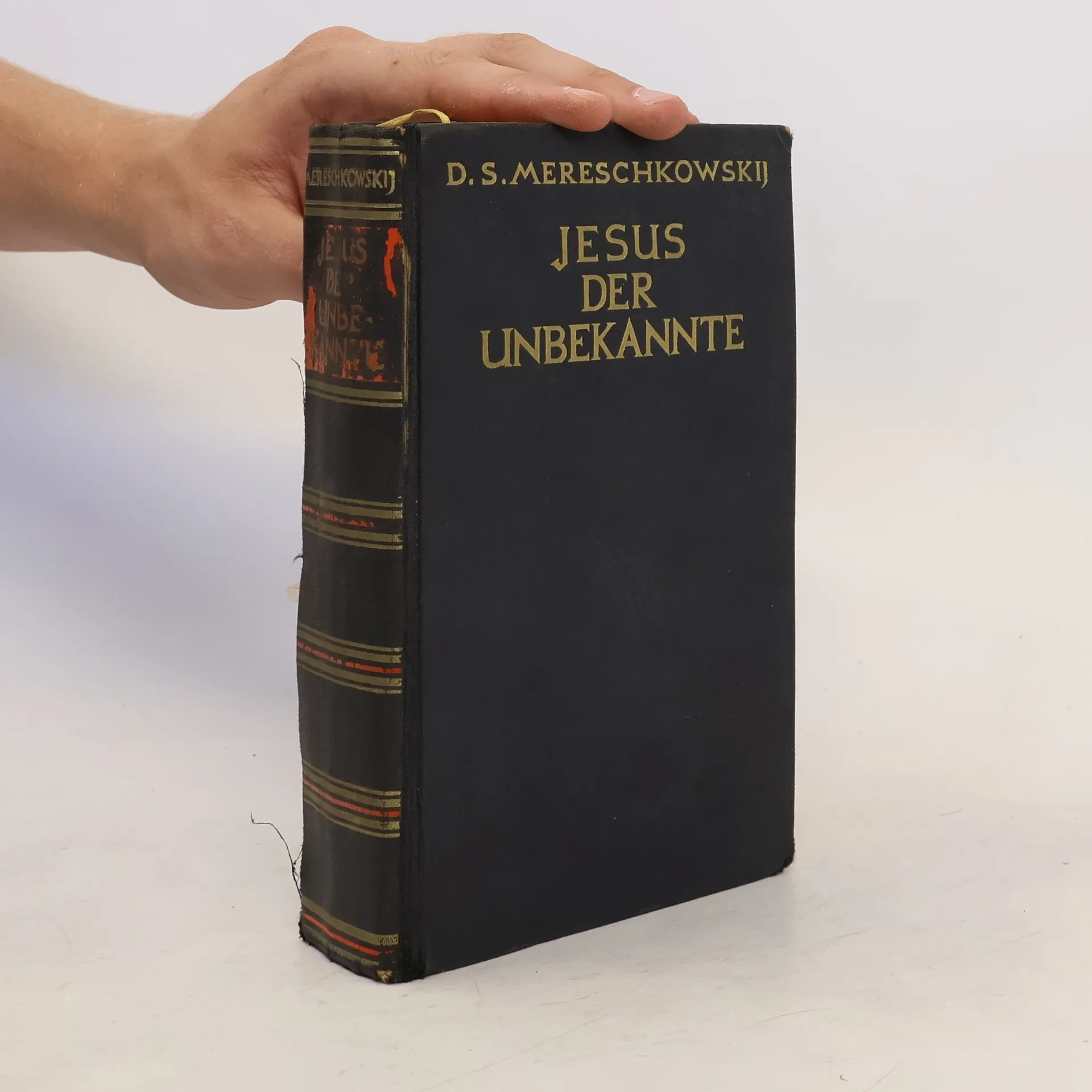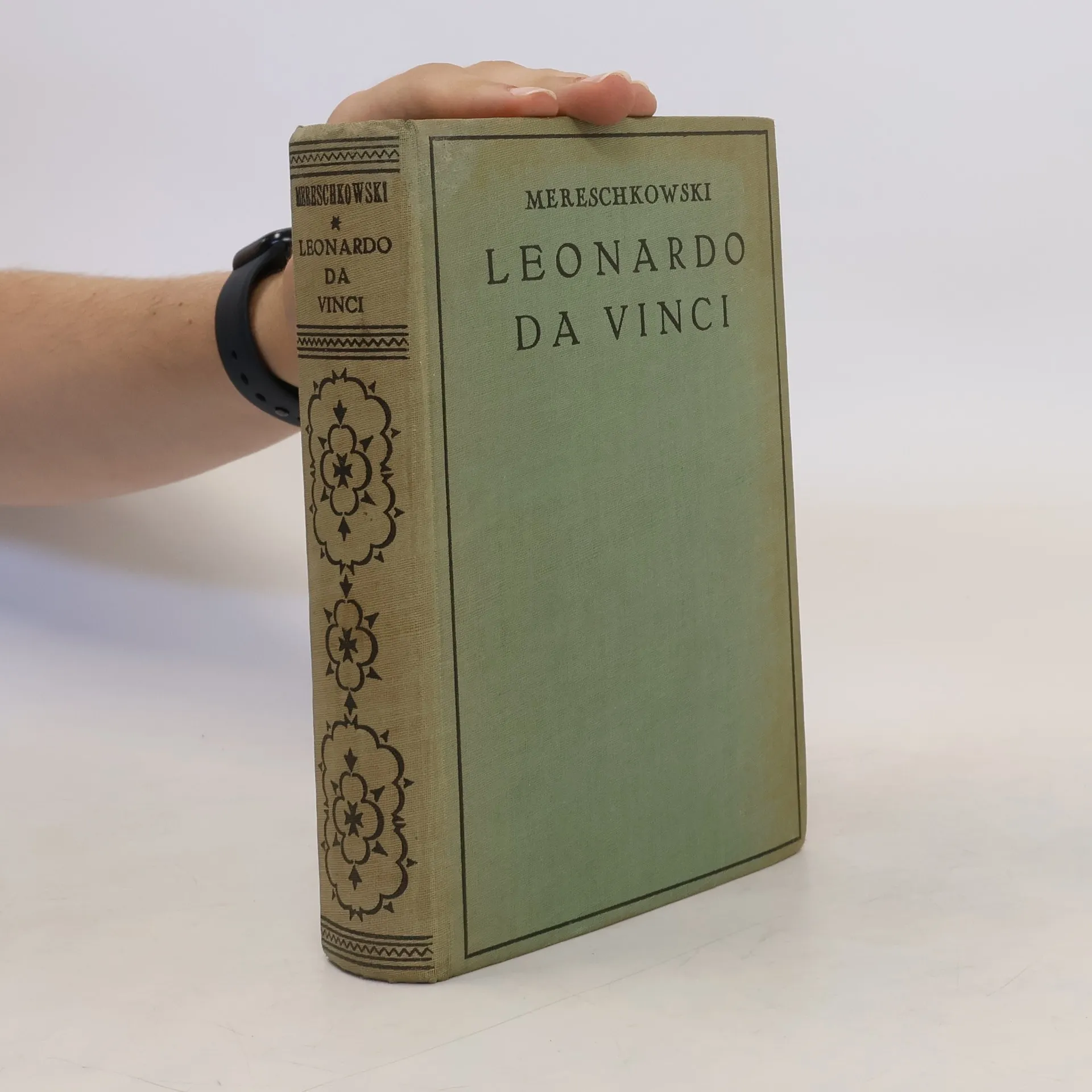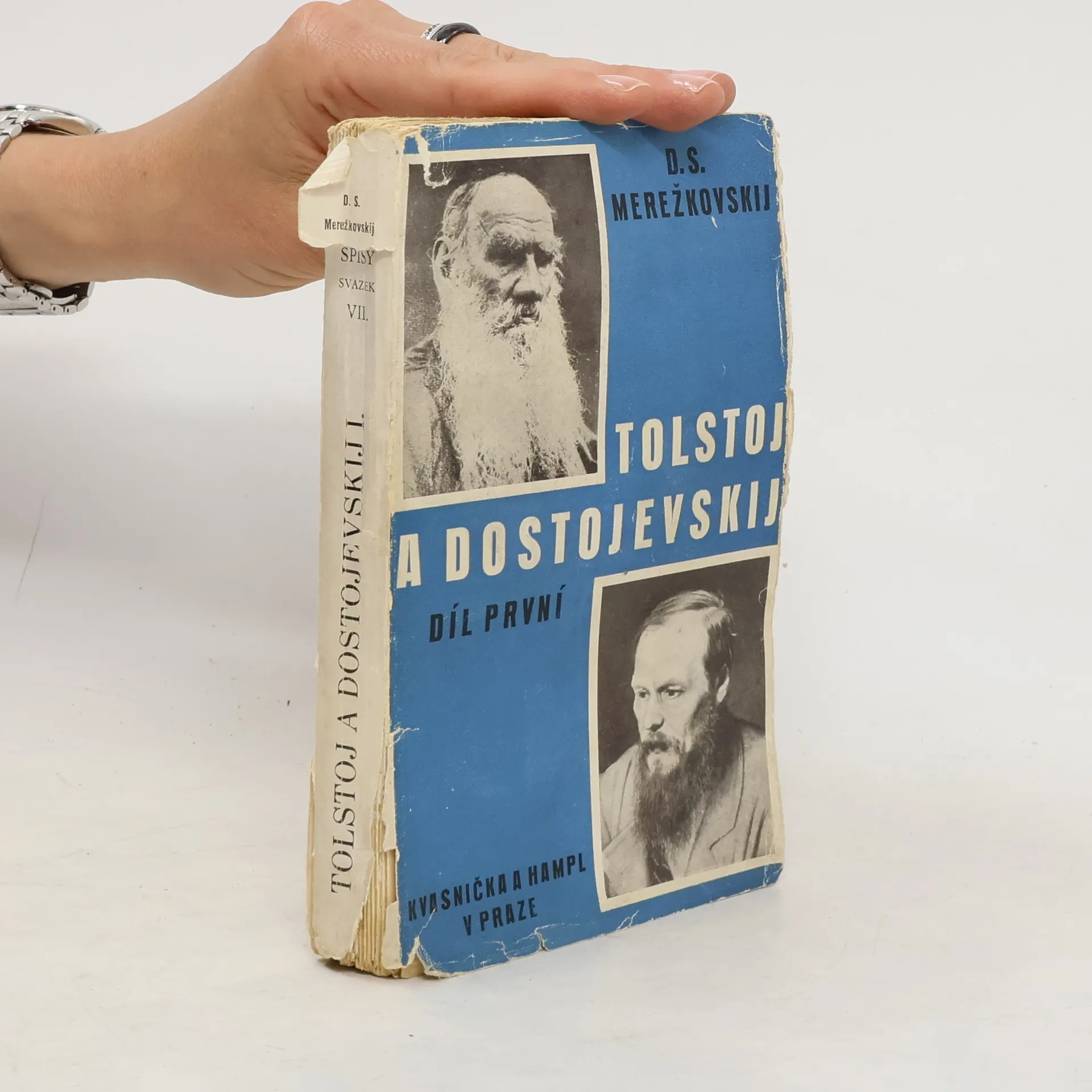

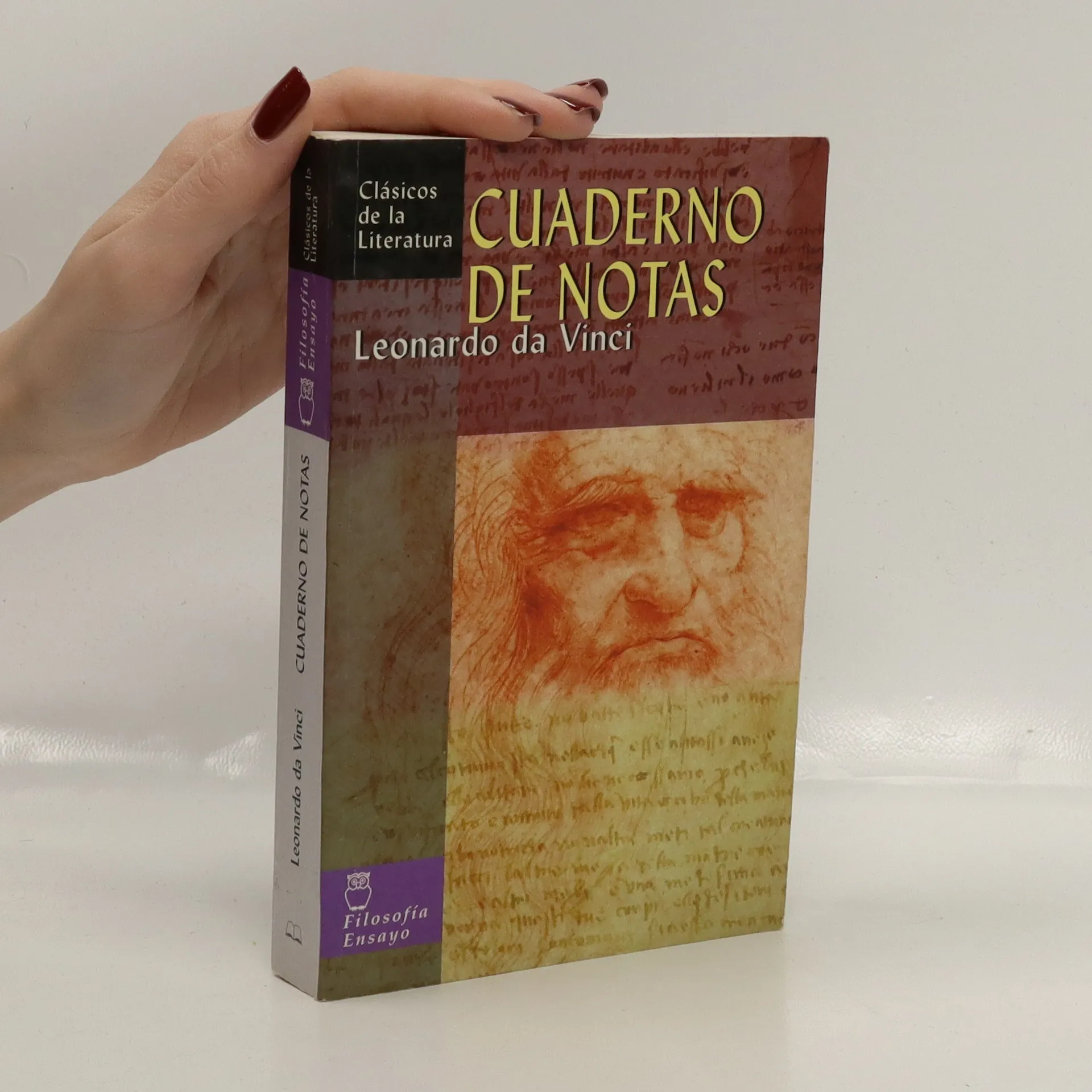
For lovers of timeless classics, this series of beautifully packaged and affordably priced editions of world literature encompasses a variety of literary genres, including theater, novels, poems, and essays. Los lectores tomar�n un gran placer en descubrir los cl�sicos con estas bellas y econ�micas ediciones de literatura famosa y universal. Esta selecci�n editorial cuenta con t�tulos que abarcan todos los g�neros literarios, desde teatro, narrativa, poes�a y el ensayo.
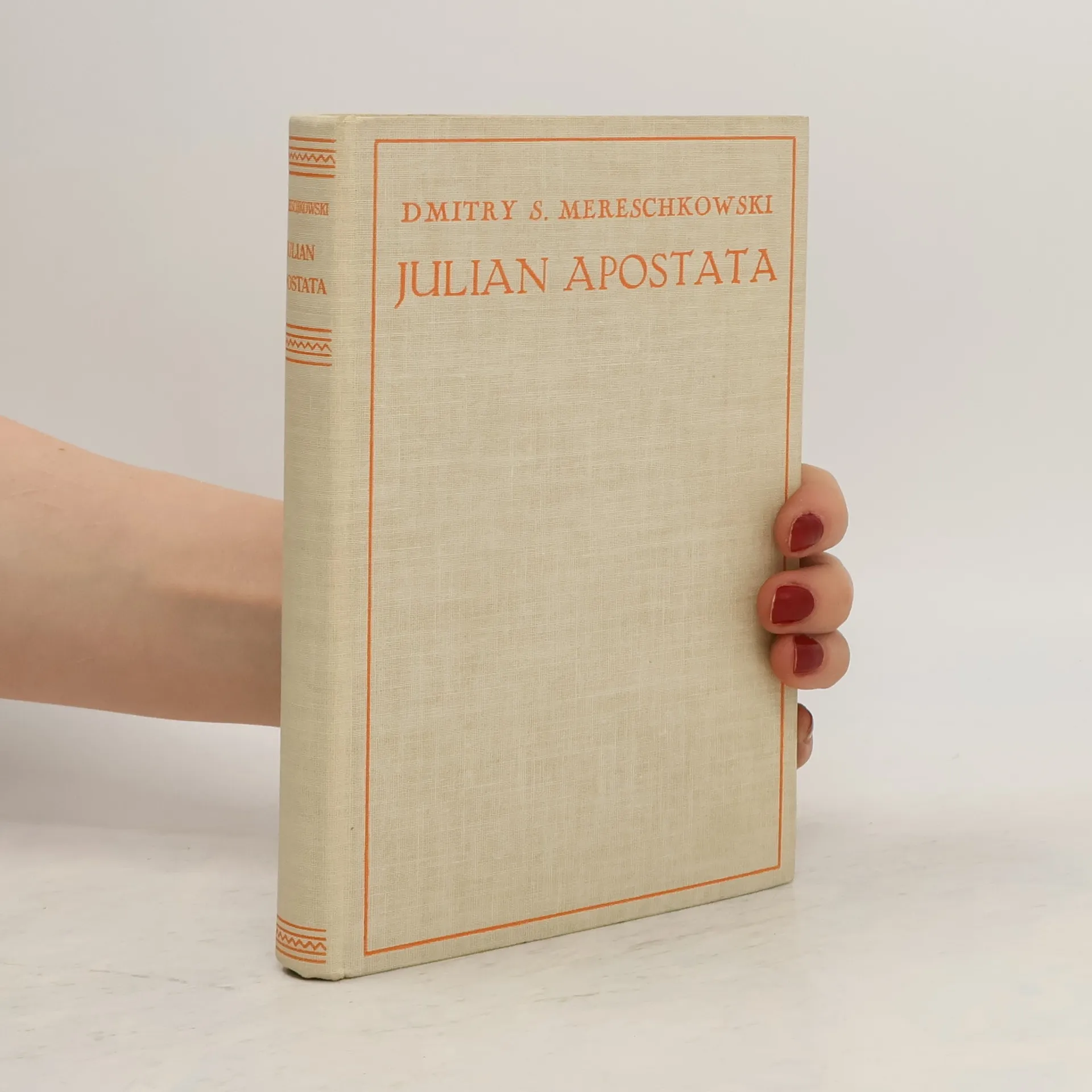
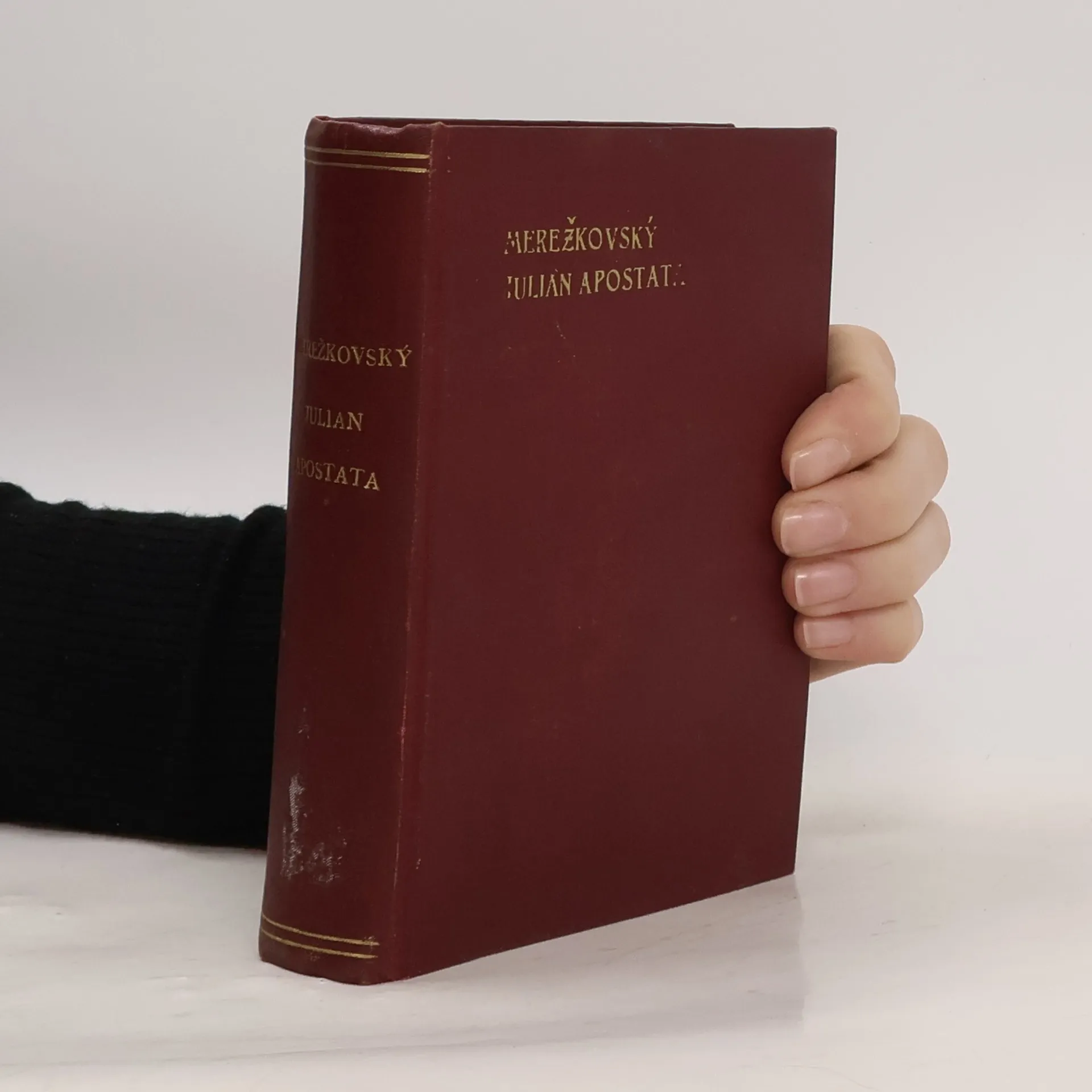
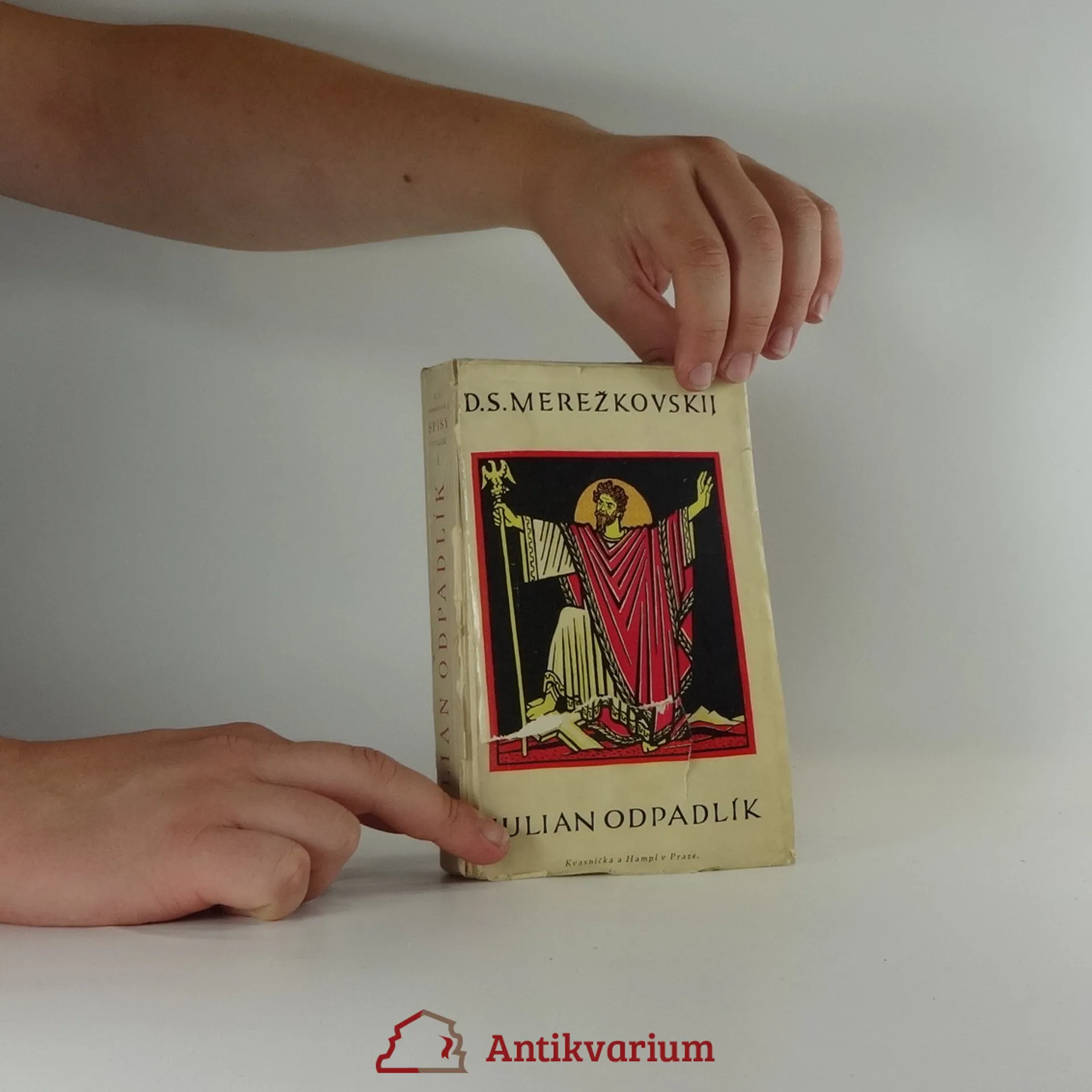
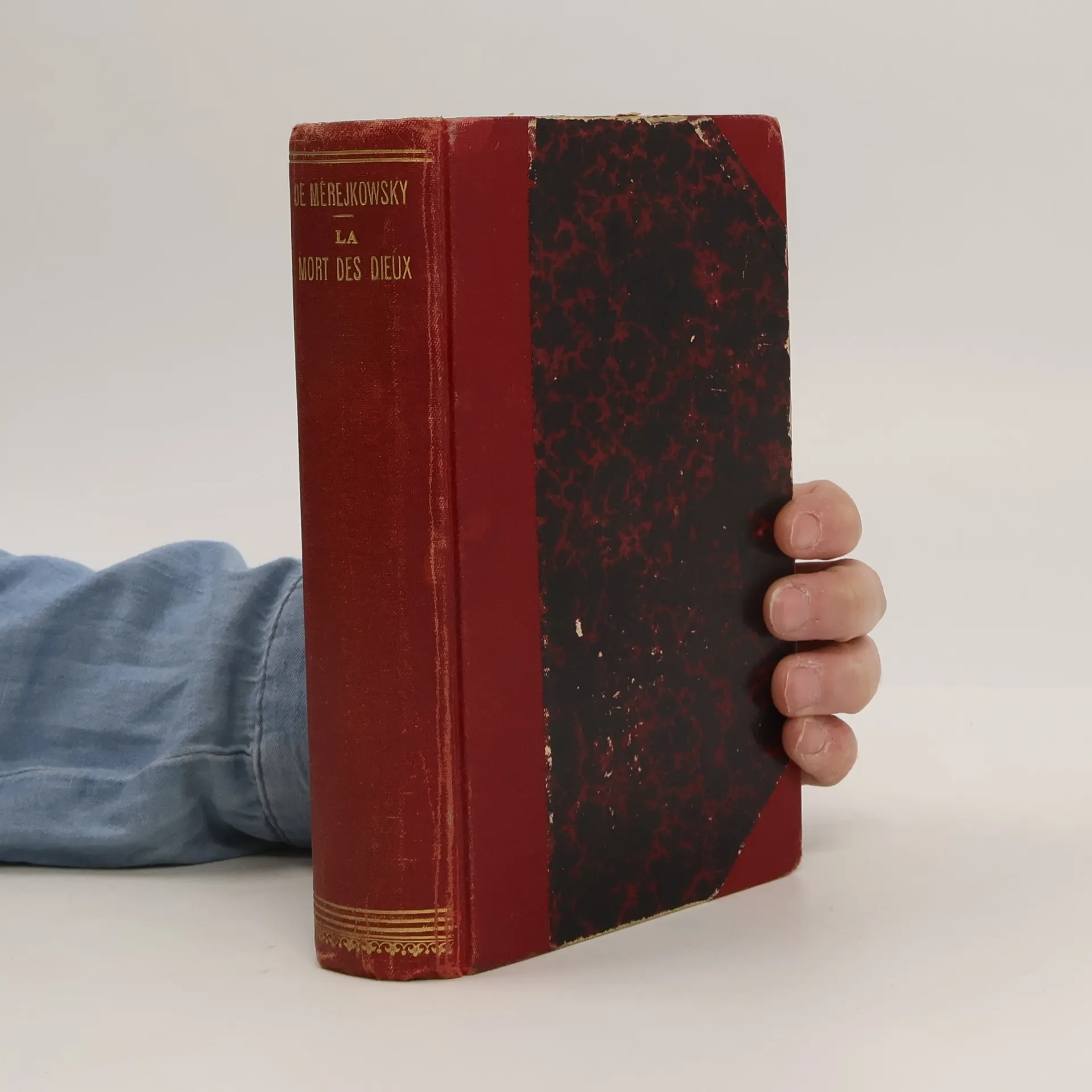
Set against the backdrop of Emperor Julian's efforts to revive the Olympian gods amidst the rising tide of Christianity, this novel delves into the spiritual struggle of a pivotal historical moment. Dmitriy Merezhkovsky weaves an apocalyptic vision in the first installment of The Christ and Antichrist Trilogy, examining the implications of faith and belief as they evolve into the twentieth century. The narrative juxtaposes ancient deities with the burgeoning influence of Christianity, offering a profound exploration of themes of faith and redemption.
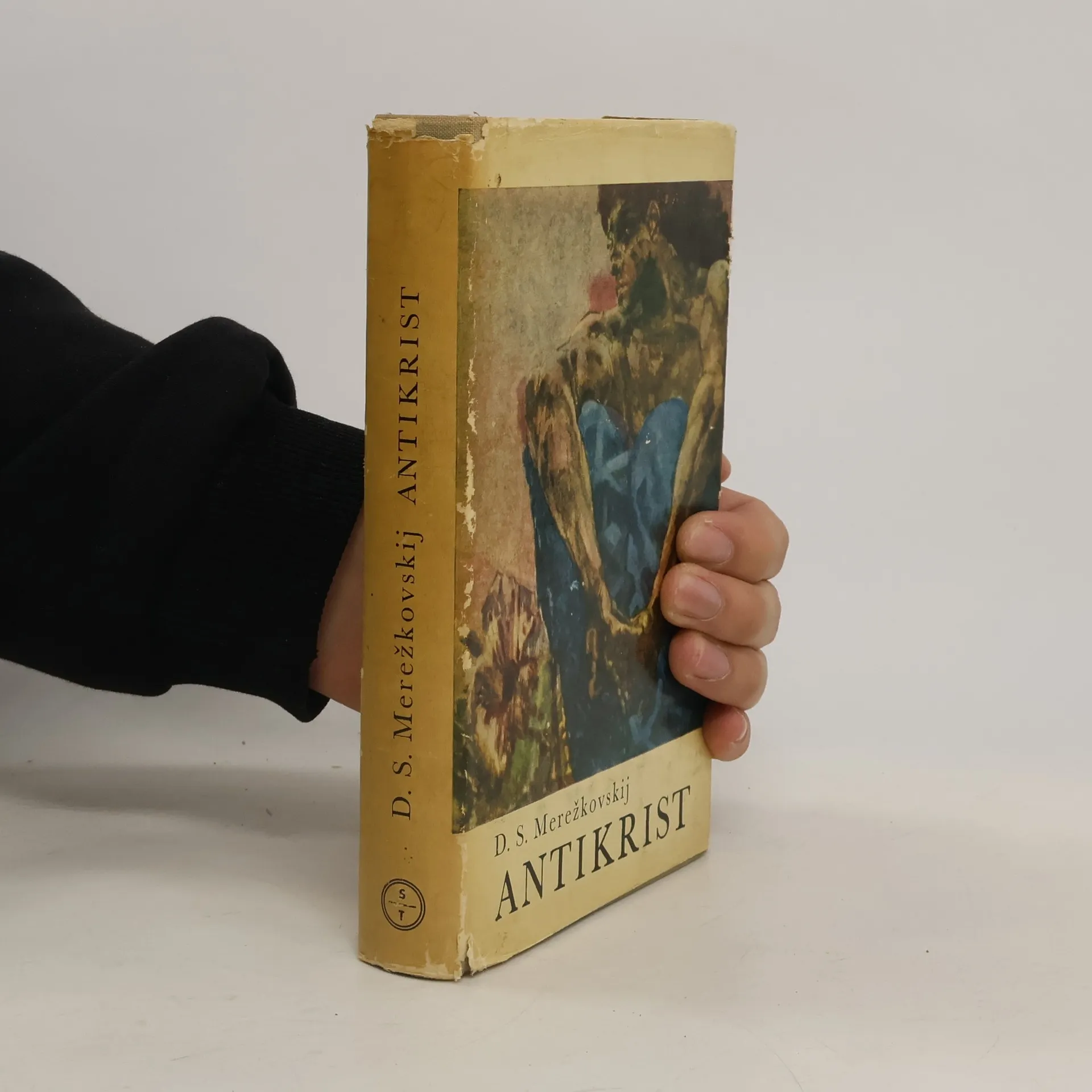
Set against the backdrop of early 20th-century Christianity, the narrative delves into the tumultuous relationship between Peter the Great and his son, Tsarevich Alexei. This conflict symbolizes the larger struggle between good and evil, embodying the clash between Christ and the Antichrist. As the final installment of The Christ and Antichrist Trilogy, it presents an apocalyptic vision of faith and humanity's destiny, culminating in a profound exploration of spiritual and moral dilemmas.
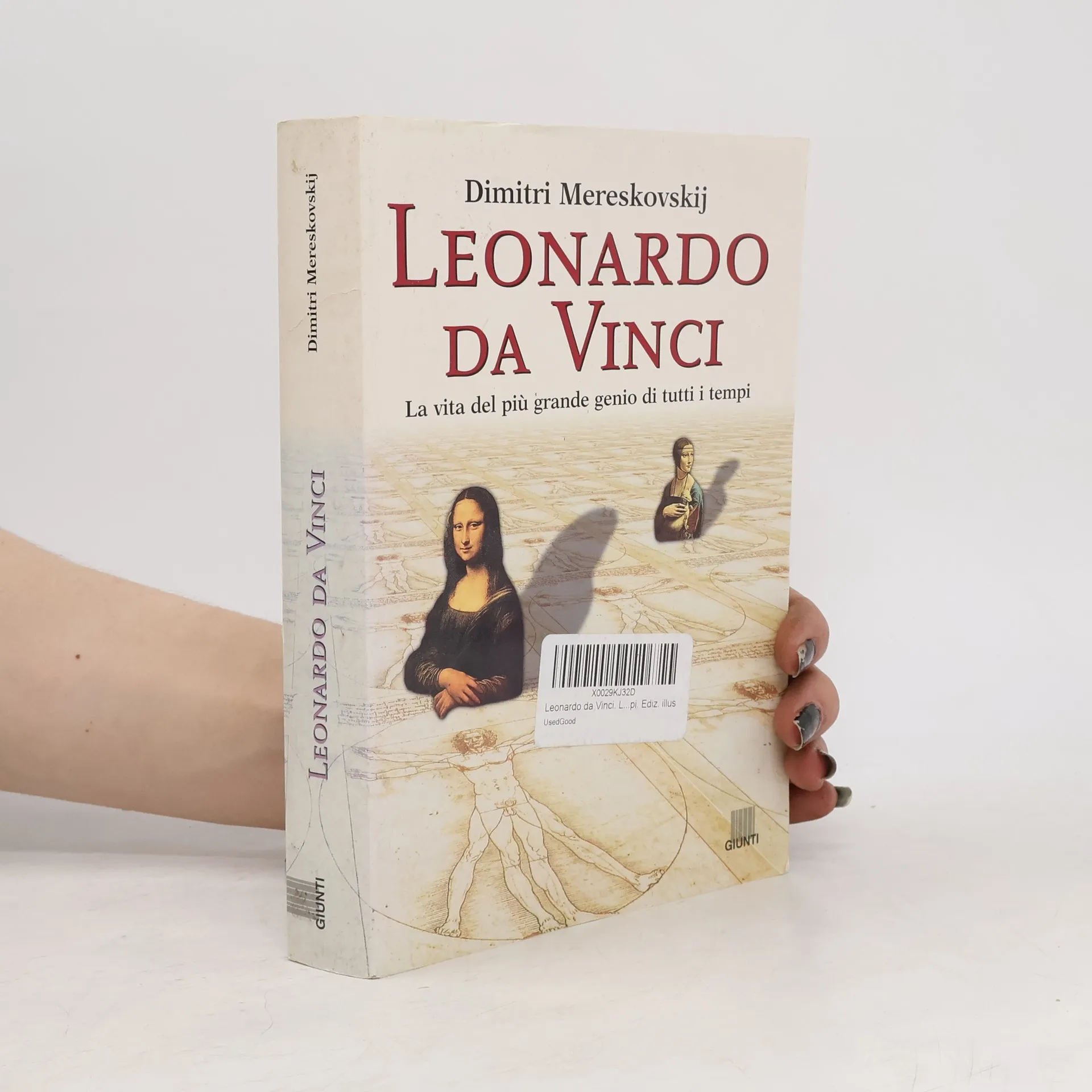
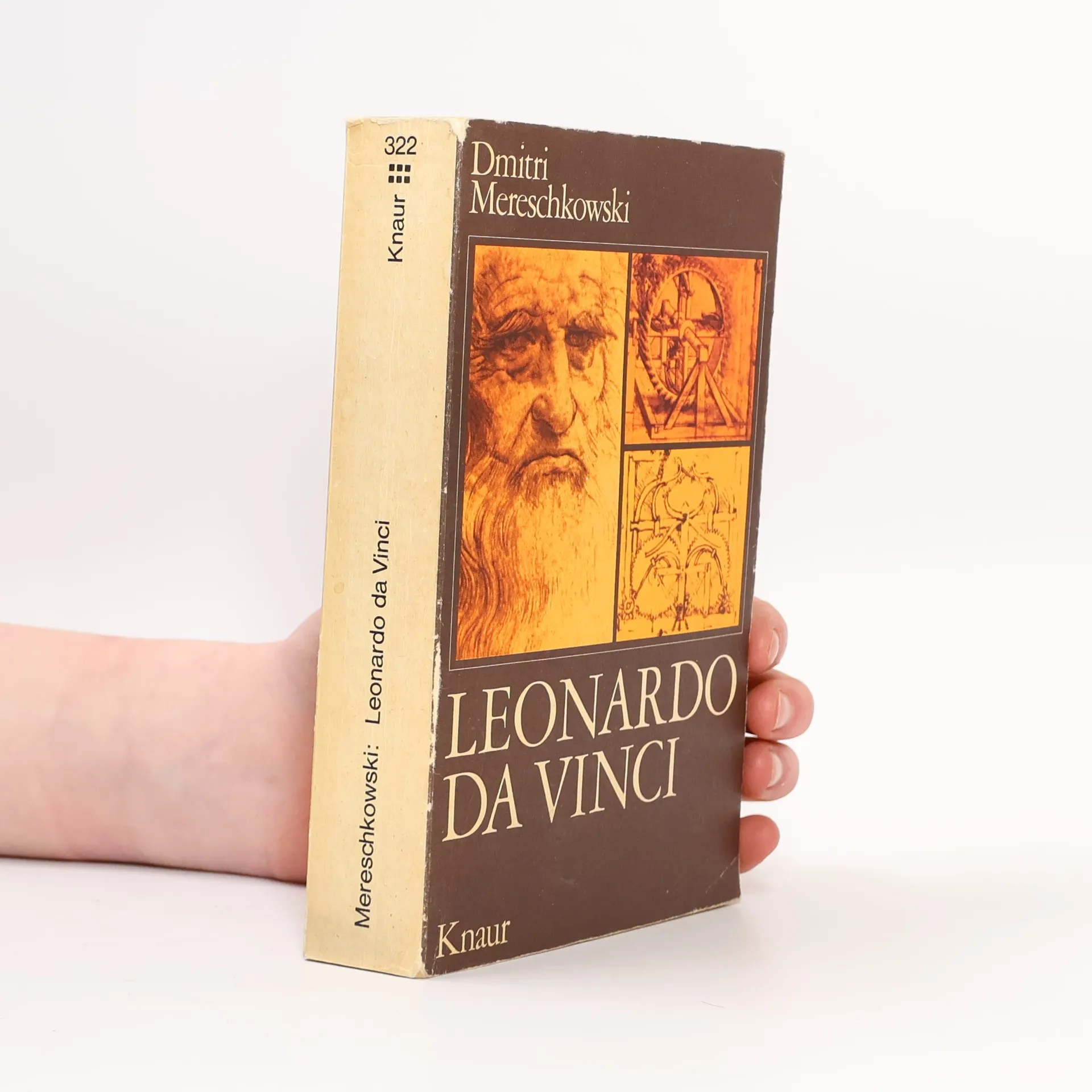
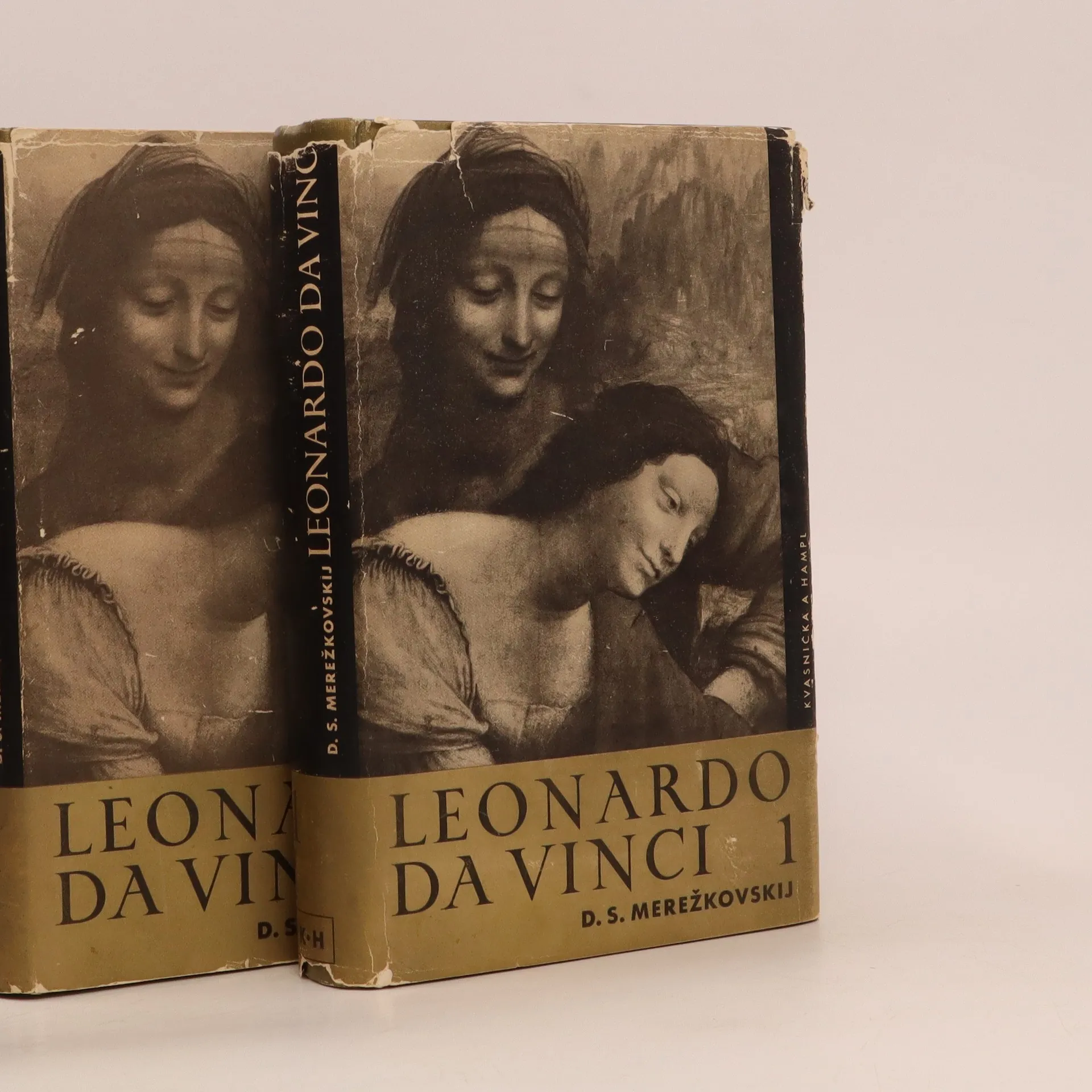
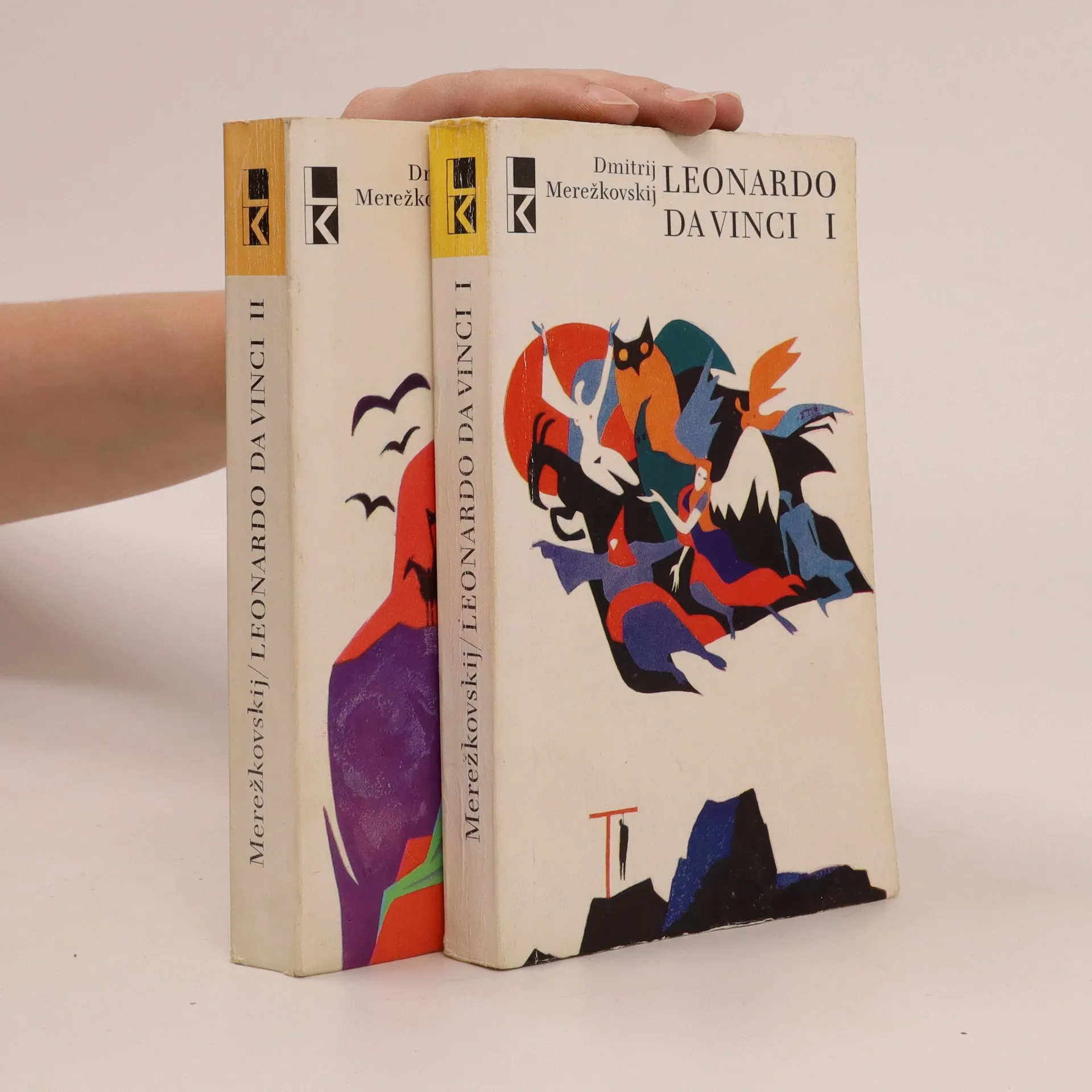
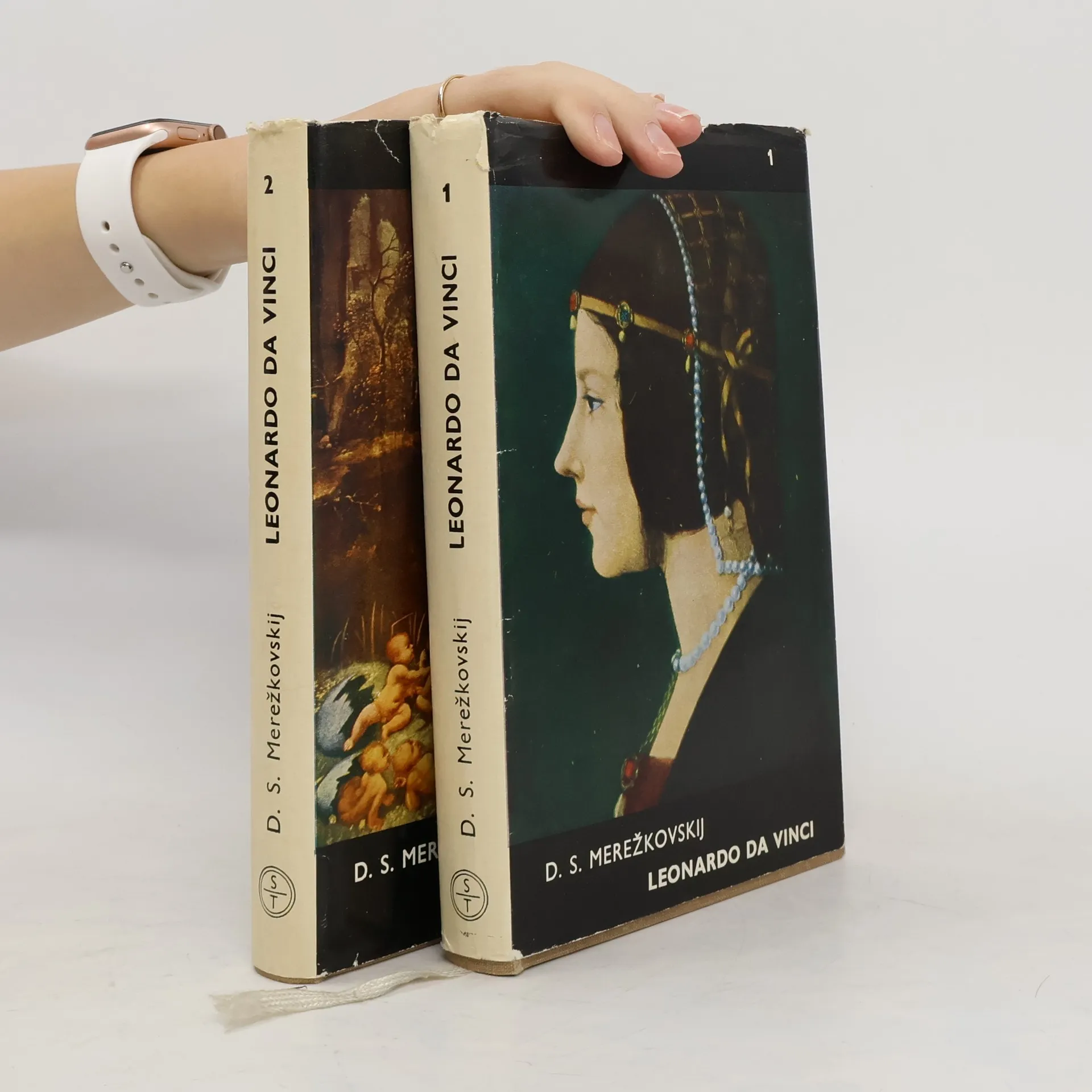
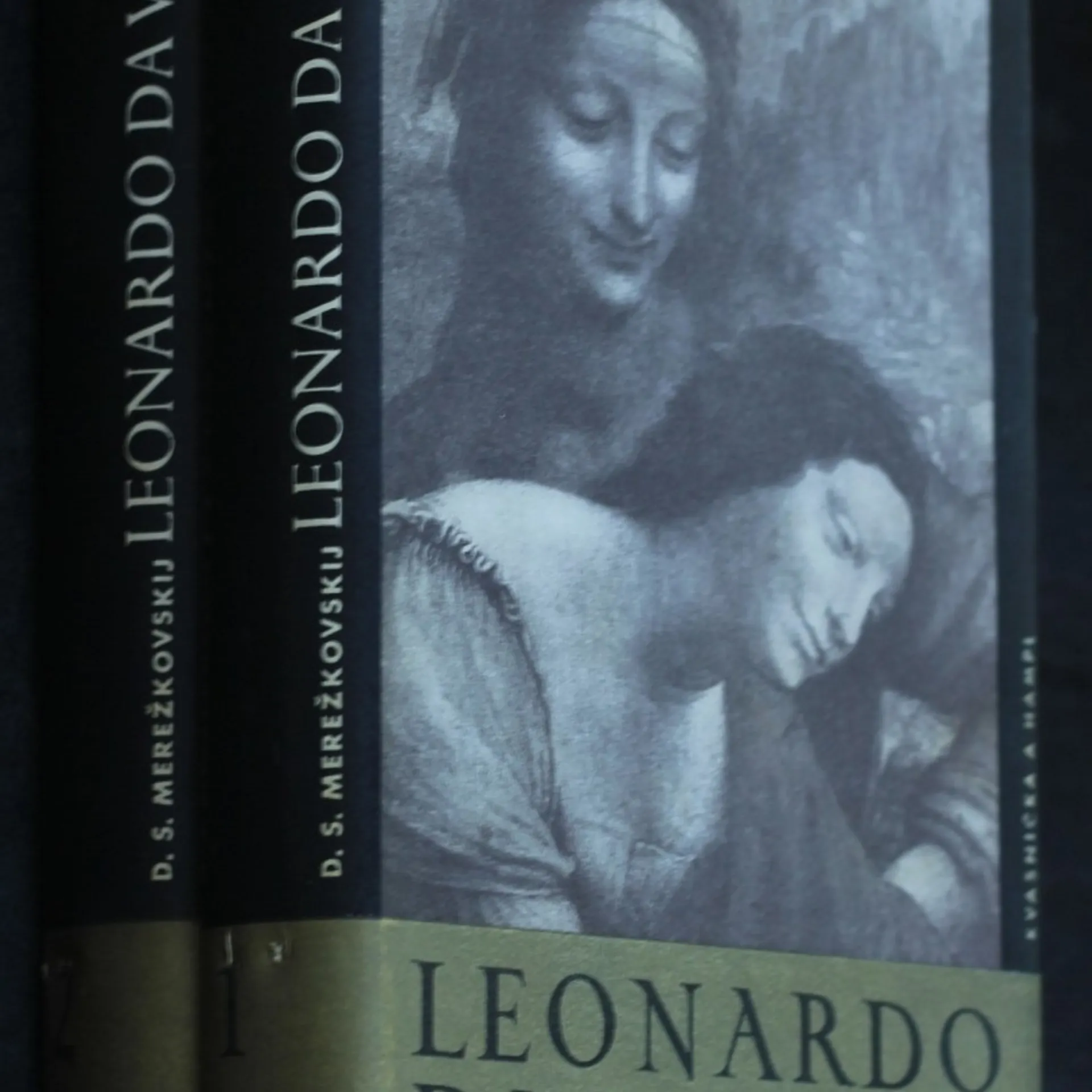
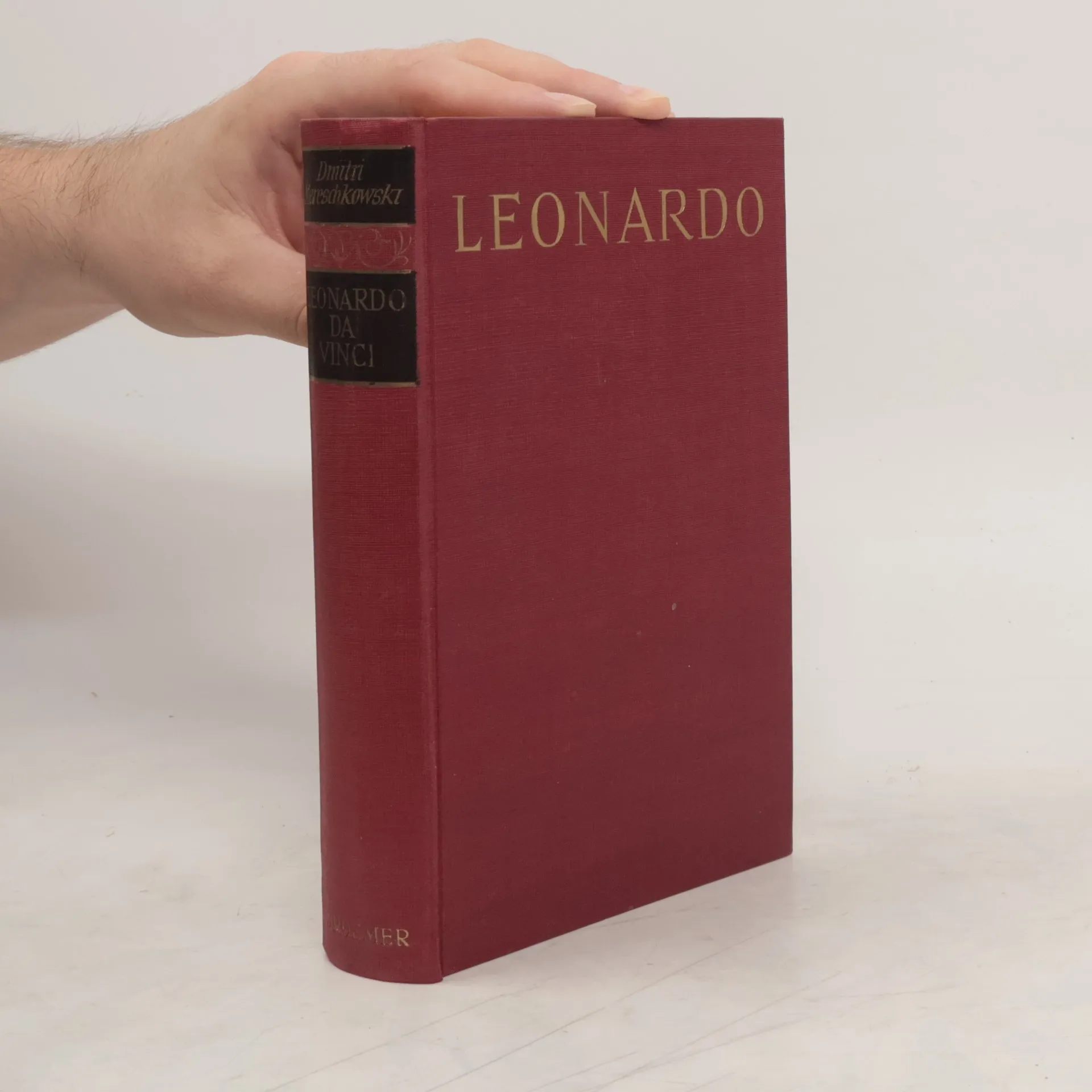
Set during the Italian Renaissance, the narrative explores Leonardo da Vinci's journey of self-discovery as he evaluates a rediscovered statue of Venus. This pivotal moment intertwines humanist ideals with his faith in art, reflecting Dmitriy Merezhkovsky's theory of the Third Testament, which envisions Christianity's fulfillment in the modern era. As the second installment of a trilogy, it builds on the themes established in The Death of the Gods and precedes Peter and Alexis, showcasing Merezhkovsky's unique spiritual and historical insights.
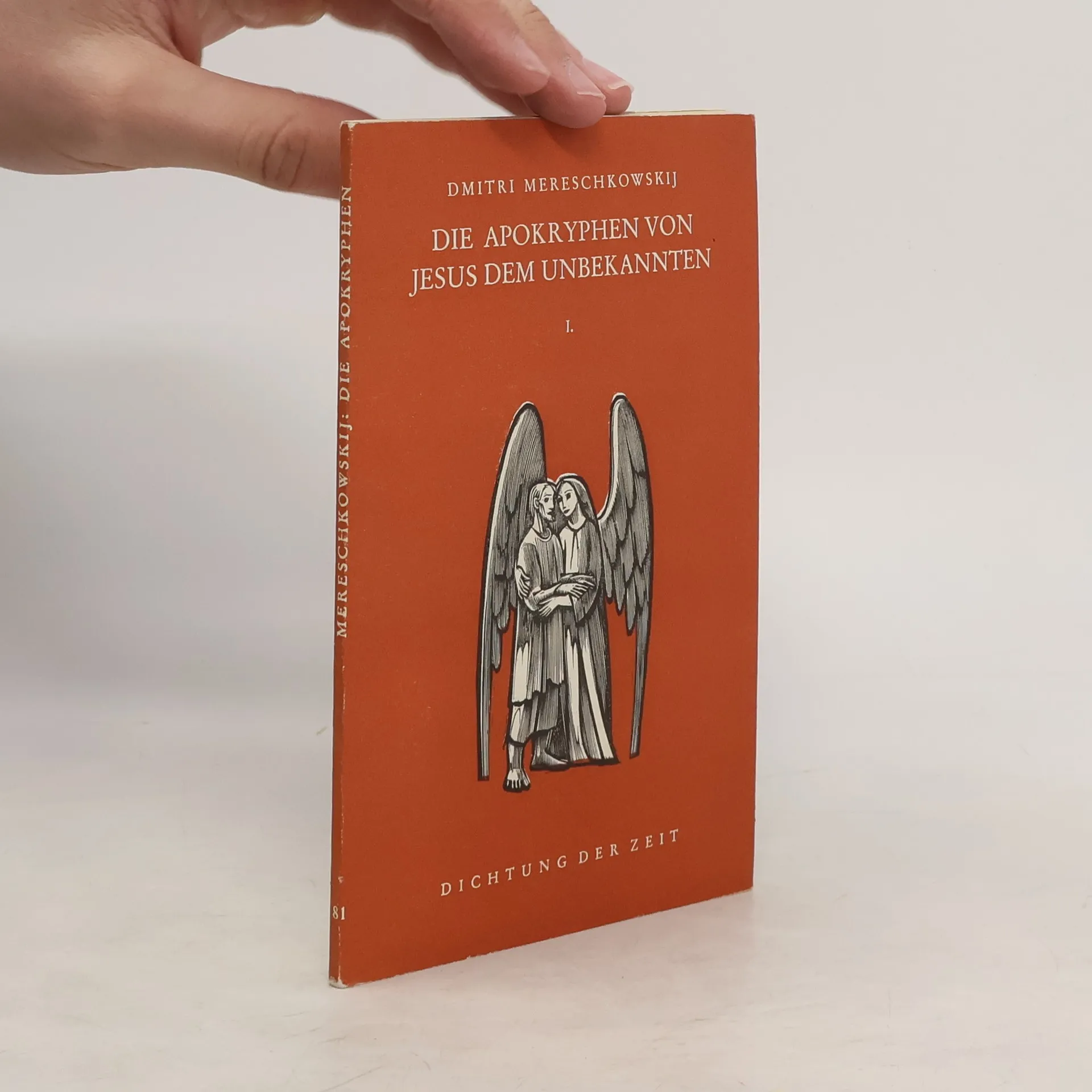
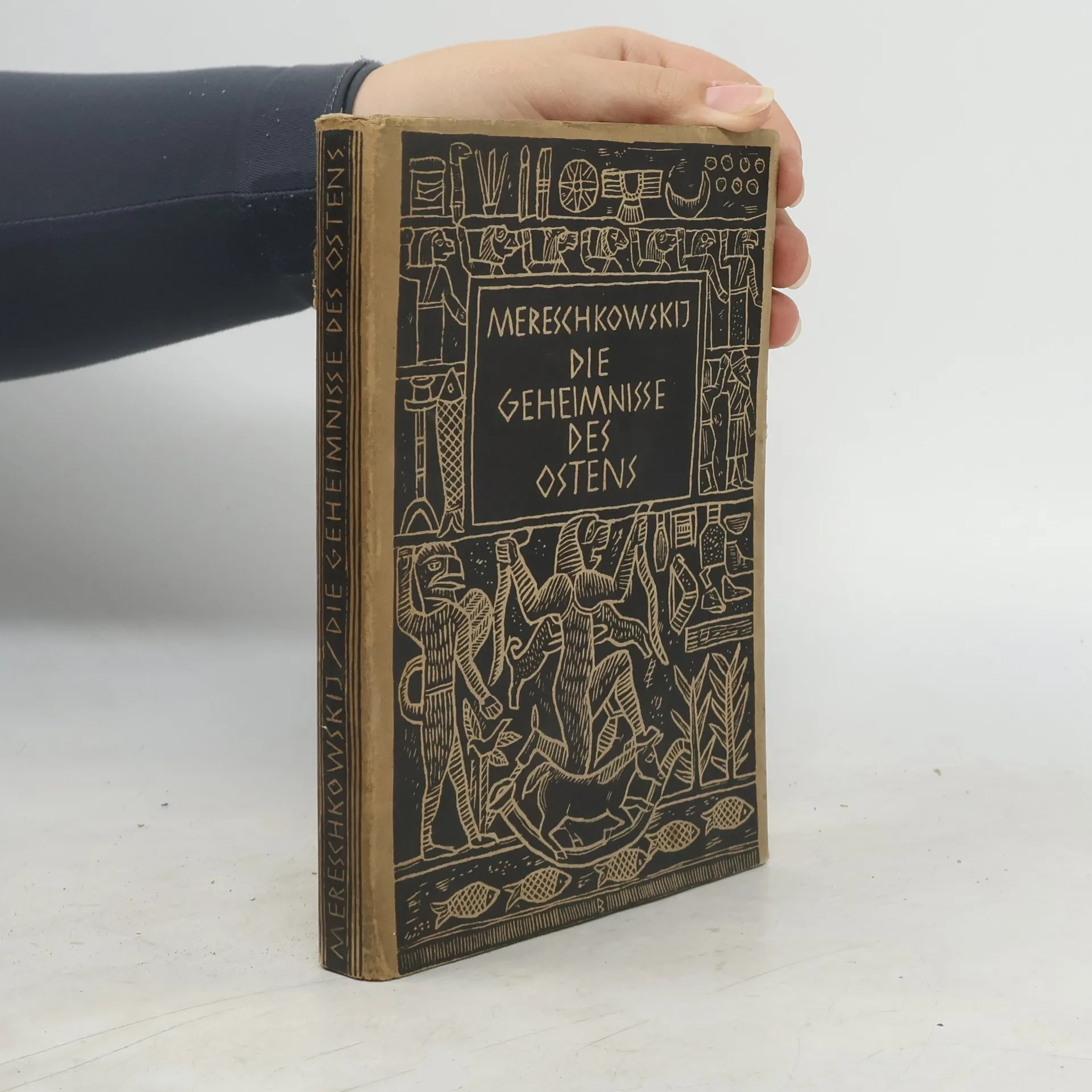
Dmitri Sergejewitsch Mereschkowski (1865-1941) war ein russischer Autor des literarischen Symbolismus um 1900, bekannt für historische Romane wie "Julianus Apostata" und "Leonardo da Vinci". Zudem verfasste er zahlreiche Essays, darunter einen über Dostojewski aus dem Jahr 1914.
Dmitrij Sergejevič Merežkovskij (1865-1941) oprávnene patrí k uznávaným
autorom myšlienkovo i esteticky podnetných historických románov. Slovenský
čitateľ mal možnosť oboznámiť sa s jeho trilógiou Kristus a Antikrist, v
ktorej priblížil dobu a osobnosti Juliána Apostatu, Leonarda da Vinci a Petra
Veľkého. Aj román o dekabristoch napísal svižne, s citom, a to v neľahkej
osobnej aj dejinnej situácii po udalostiach spätých s Októbrovou revolúciou v
Rusku r. 1917 krátko pred odchodom do emigrácie. Chronologicky posledná z
veľkých Merežkovského rýdzo beletristických próz odzrkadľuje medziiným skepsu
voči revolučným hnutiam a revolúciám všeobecne, ktorá logicky vyplýva z
Merežkovského filozofie dejín. Práve výrazná prítomnosť tohto názoru v texte
spôsobila, že sa nedostal k slovenským čitateľom v ére reálneho socializmu.
Pospolu s historickou líniou venuje pozornosť osobnému životu ústrednej
postavy. Štrnásty december je román o láske nielen k vlasti, ale i k žene.
Dejinné sa naliehavo prelína s intímnym: priam ako v dielach nášho národného
obrodenia. Obe témy autor sprítomňuje podmanivo, zdanlivo jednoducho,
presvedčivo, bez falše prílišného pátosu, jazykom ozajstného básnika prózy.
Väčšina znalcov oprávnene pokladá toto dielo za najdynamickejší a kompozične
najdokonalejší Merežkovského román. Autorovi sa v ňom podarilo ústrojne skĺbiť
estetický aspekt textu s filozofickým. I dnešného moderného čitateľa zaujme
spisovateľova minuciózna práca s historickými faktami. Súčasťou prózy je
napríklad fiktívny denník jednej z postáv doslova ,,vyskladá“ z citátov a
dobových alúzií. Merežkovskij bol poeta doctus a filozof, človek priam s
encyklopedickými vedomosťami, no predovšetkým tvorivá osobnosť par excellence,
čo dokazuje aj s knihou, ktorou vzdal neheroicky dojímavý hold dnes temer u
nás už zabudnutým tragikomickým hrdinom predvčerajška, ,,donkichotom ruských
dejín“, dekabristom. Dielo možeme pokladať aj za dôstojnú rozlúčku
D.S.Merežkovského s rodným, milovaným Ruskom.
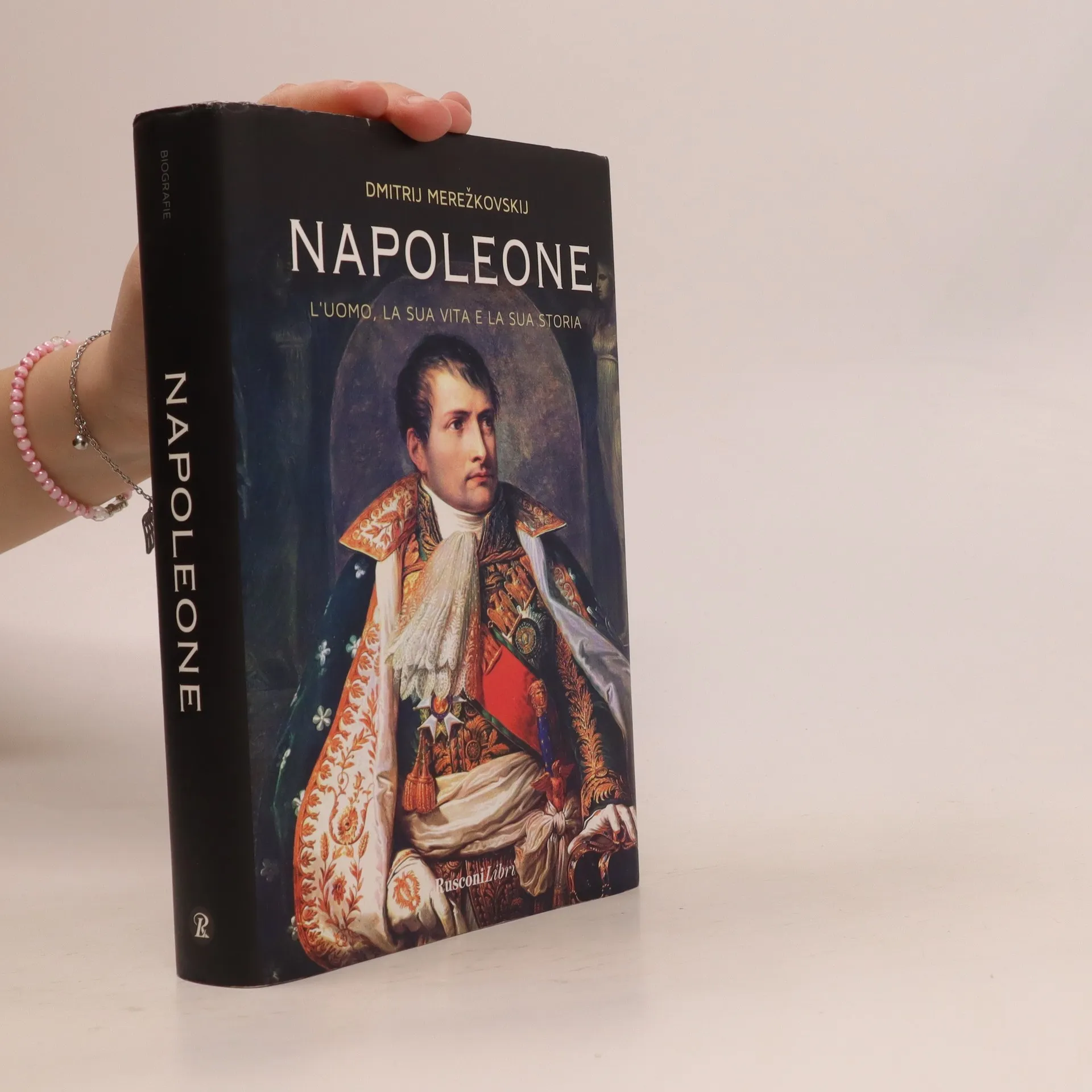
Il libro racconta con fascino e completezza d’informazioni la parabola del grande politico e generale francese. La prima sezione del volume, L’uomo, traccia un’analisi a tuttotondo di Bonaparte, nel tentativo di individuare pregi e difetti, lati manifesti e nascosti del carattere del grande condottiero. La seconda parte, invece, La sua vita e la sua storia, narra l’intera esistenza di Napoleone, dall’infanzia e dalle prime frequentazioni scolastiche, fino al consolato, al ruolo di Imperatore, alle vittorie, alle sconfitte, alle abdicazioni e alla morte, avvenuta misteriosamente nel 1821, durante l’esilio a Sant’Elena. Il volume rappresenta una risorsa fondamentale per chiunque voglia comprendere a fondo la figura dell’uomo che più influenzò la storia europea tra fine ‘700 e inizio ‘800, lasciando un’indelebile immagine di sé anche nei secoli a venire.