
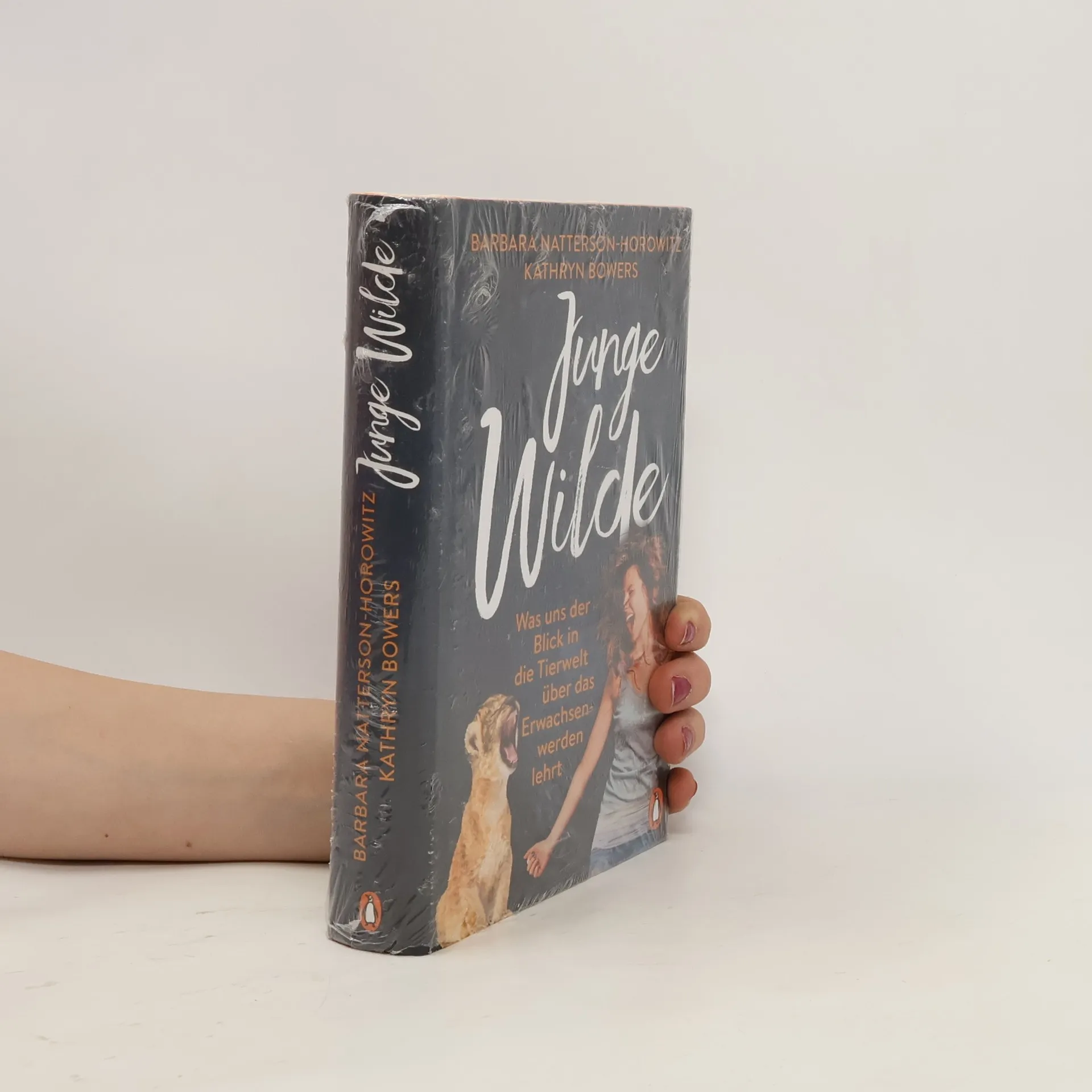
In "Erwachsenwerden: Lernen von der Natur" untersuchen Barbara Natterson-Horowitz und Kathryn Bowers, was wir aus dem Tierreich über die Herausforderungen des Erwachsenwerdens lernen können. Sie zeigen, dass auch Tiere wie Hyänen und Gnus Zeit und Erfahrung benötigen, um selbständig zu werden, und plädieren für Gelassenheit im Umgang mit Jugendlichen.
Barbara Natterson-Horowitz Orden de los libros (cronológico)
Barbara Natterson-Horowitz, M.D., es profesora de cardiología en la David Geffen School of Medicine de UCLA y se desempeña como consultora cardiovascular para la junta médica del Zoológico de Los Ángeles. Su escritura ha aparecido en numerosas publicaciones científicas y médicas. Su trabajo explora las conexiones entre la medicina humana y animal.


Wildhood
- 354 páginas
- 13 horas de lectura
A revelatory investigation of human and animal adolescence from the New York Timesbestselling authors of Zoobiquity. Teenagers: behind the banter, the tediously repetitive games and clicks, the moping and screaming, the fast living, and the jockeying and preening lie the rules of the entire animal kingdom. Based on their popular Harvard University course, latest research, and worldwide travels, Natterson-Horowitz and Bowers examine the four universal challenges that every adolescent on our planet must face on the journey to adulthood: how to be safe, how to navigate hierarchy, how to court potential mates, and how to leave the nest. Safety, status, sex, and survival. For parents and children, predators and prey alike, this is a powerfully revelatory book, entertainingly written. To become, as its reader does, for a while, a young penguin or a young humpback whale, or even an octopus tapping a shrimp on the shoulder or an orca silencing their victim, is a giddying experience. The authors open up horizons for their ordinary human readers as they go about their daily animal lives, and permit them to look afresh at the confusing and exhilarating experience of adolescence. Even your average teen will not get bored.
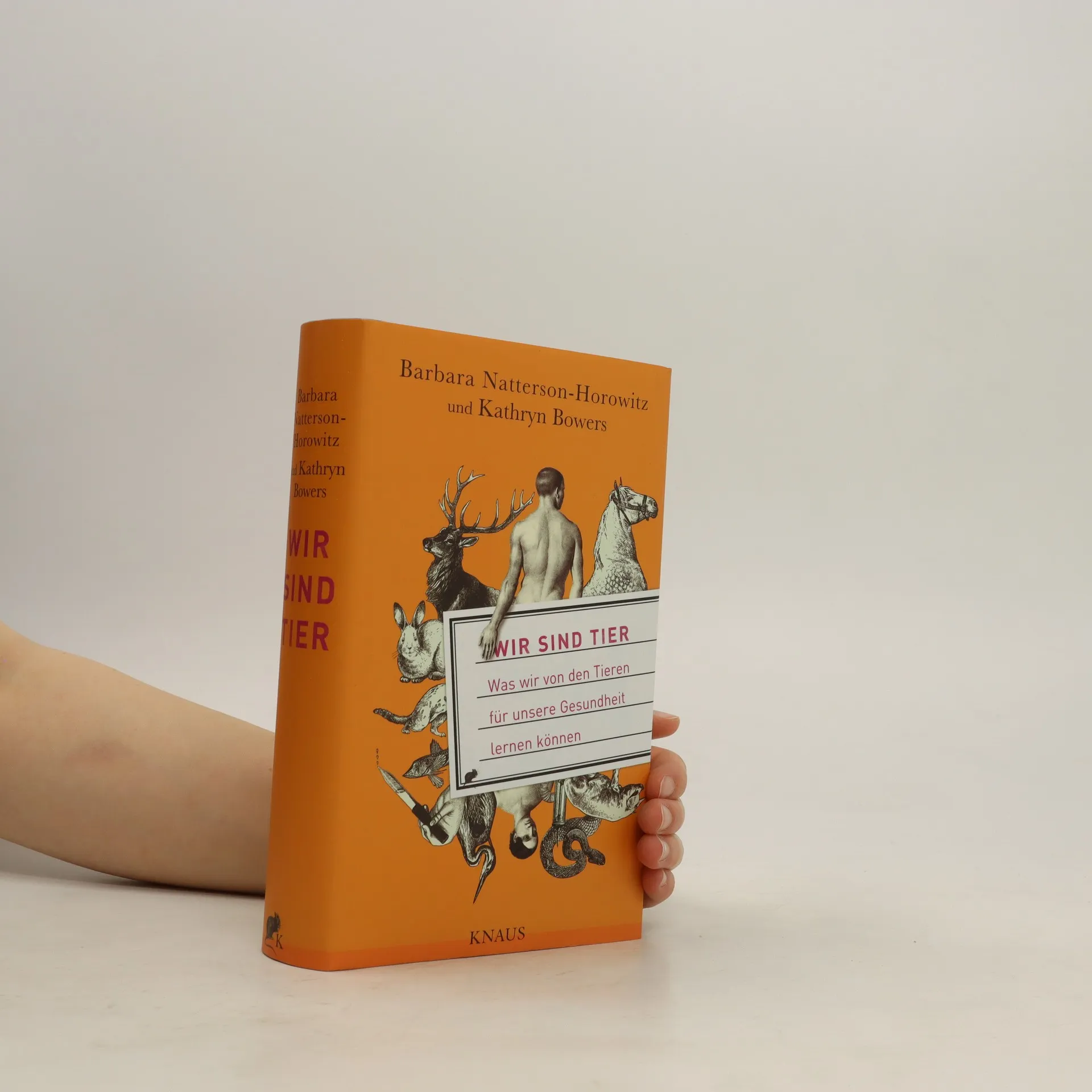
Eine völlig neue Sicht auf unsere bepelzten und gefiederten Verwandten Klinisch depressive Gorillas, Rennmäuse, die sich nachts heimlich vollfressen, und von halluzinogenen Pilzen betörte Rentiere. Die Tiere, die im Urwald, im Meer oder in unserer Wohnung leben, werden manchmal krank an Leib und Seele – genau wie wir. Tierärzte sehen und behandeln diese Erkrankungen bei einer Vielzahl verschiedener Arten, und die meisten Humanmediziner ignorieren das bis heute. Das ist ein riesiger blinder Fleck, denn wir könnten die Gesundheit aller Arten verbessern, wenn wir wüssten, wie Tiere in ihrem natürlichen Umfeld leben und sterben, krank und wieder gesunde werden.