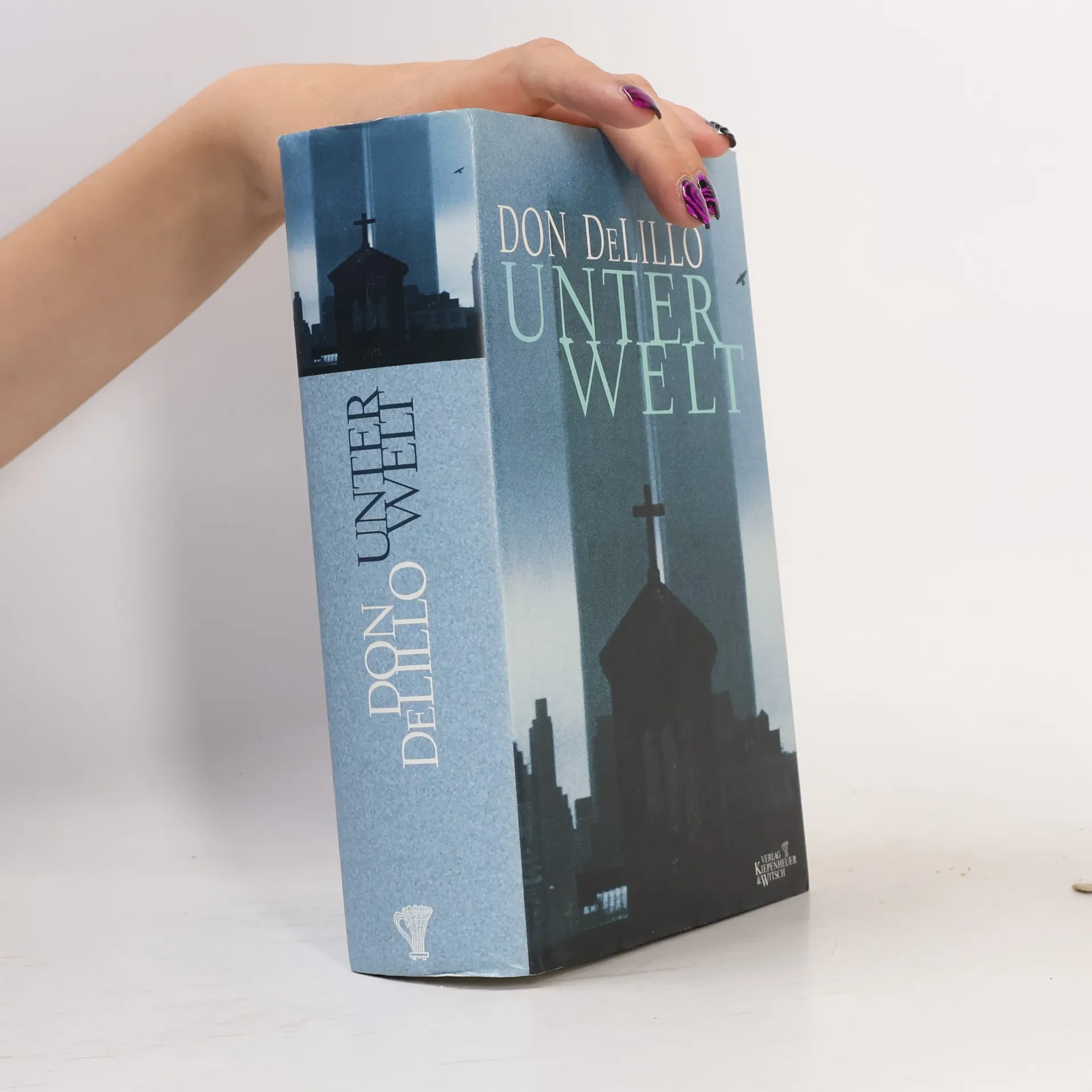
Don DeLillo es un autor estadounidense célebre por sus novelas que ofrecen retratos intrincados de la vida estadounidense durante finales del siglo XX y principios del XXI. Su obra profundiza en temas como los medios de comunicación de masas, el consumismo y las tecnologías modernas, explorando su profundo impacto en la psicología y la sociedad humanas. Con un estilo distintivo y agudas perspectivas sobre la cultura estadounidense, DeLillo ha consolidado su posición como una voz significativa en la literatura contemporánea.
Barcelona. 22 cm. 883 p. Encuadernación en tapa dura de editorial con sobrecubierta ilustrada. Traducción de Gian Gastelli Gair ; prólogo de José María Guelbenzu. Traducción de: Underworld .. Este libro es de segunda mano y tiene o puede tener marcas y señales de su anterior propietario. ISBN: 8422606097
This first volume in the Library of America Don DeLillo edition features three essential novels from the 1980s, each accompanied by new prefaces from the author. In The Names (1982), DeLillo's breakthrough work, James Axton, a risk analyst, investigates ritual murders linked to a cult fascinated by ancient languages, leading to profound reflections on identity, disconnection, and language. White Noise (1985), a blend of campus satire and midlife character study, presents a darkly humorous portrayal of postmodern America, where brand names infiltrate daily life and individuals are reduced to their data. Libra (1988) serves as a counter-history of the JFK assassination, offering a nuanced view of Lee Harvey Oswald and exploring the complexities of historical narratives. DeLillo notes that the novel, while rooted in history, also seeks to clarify and balance it. The volume includes two rare essays: "American Blood," a 1983 Rolling Stone article addressing the JFK assassination and its surrounding speculation, and "Silhouette City," which examines extremist right-wing groups and the rise of neo-Nazism in the U.S. Together, these works showcase DeLillo's incisive exploration of contemporary themes.
"There's a long drive. It's gonna be. I believe. The Giants win the pennant. The Giants win the pennant. The Giants win the pennant. The Giants win the pennant." -- Russ Hodges, October 3, 1951 On the fiftieth anniversary of "The Shot Heard Round the World," Don DeLillo reassembles in fiction the larger-than-life characters who on October 3, 1951, witnessed Bobby Thomson's pennant-winning home run in the bottom of the ninth inning. Jackie Gleason is razzing Toots Shor in Leo Durocher's box seats; J. Edgar Hoover, basking in Sinatra's celebrity, is about to be told that the Russians have tested an atomic bomb; and Russ Hodges, raw-throated and excitable, announces the game -- the Giants and the Dodgers at the Polo Grounds in New York. DeLillo's transcendent account of one of the iconic events of the twentieth century is a masterpiece of American sportswriting.
An unparalleled work of historical conjecture, this powerful and eerily convincing fictional speculation on the assassination of President John F. Kennedy chronicles Lee Harvey Oswald's journey from troubled teenager to a man who imagines himself an agent of history. Oswald's precarious stability is disrupted when two disgruntled CIA operatives decide that an unsuccessful attempt on JFK's life will galvanize the nation against Communism, tipping the scales irrevocably. The author, born and raised in New York City, announced his literary talent with his first novel in 1971, and subsequent works have solidified his reputation as a distinctive voice in late-twentieth-century American fiction. His comic gifts shine in a celebrated novel that won the National Book Award, while another was hailed as a significant achievement by a prominent writer. A later work was adapted into a film by a renowned director, and another explores the aftermath of the 9/11 terrorist attacks in New York. If you enjoyed this exploration of a pivotal moment in history, you might also appreciate the author's earlier work, available in the same collection. 'Don DeLillo's apocalyptic imagination takes on the assassination of John F. Kennedy... Breathtaking' - Newsday.
NATIONAL BOOK AWARD WINNER • An “eerie, brilliant, and touching” (The New York Times) modern classic about mass culture and the numbing effects of technology. “Tremendously funny . . . A stunning performance from one of our most intelligent novelists.”—The New Republic The inspiration for the award-winning major motion picture starring Adam Driver and Greta Gerwig Jack Gladney teaches Hitler Studies at a liberal arts college in Middle America where his colleagues include New York expatriates who want to immerse themselves in “American magic and dread.” Jack and his fourth wife, Babette, bound by their love, fear of death, and four ultramodern offspring, navigate the usual rocky passages of family life to the background babble of brand-name consumerism. Then a lethal black chemical cloud floats over their lives, an “airborne toxic event” unleashed by an industrial accident. The menacing cloud is a more urgent and visible version of the “white noise” engulfing the Gladney family—radio transmissions, sirens, microwaves, ultrasonic appliances, and TV murmurings—pulsing with life, yet suggesting something ominous.
From one of America's foremost living writers comes a brilliant and disturbing comedy that mixes laughter and terror as it uncovers the boundaries of sanity in all of us.
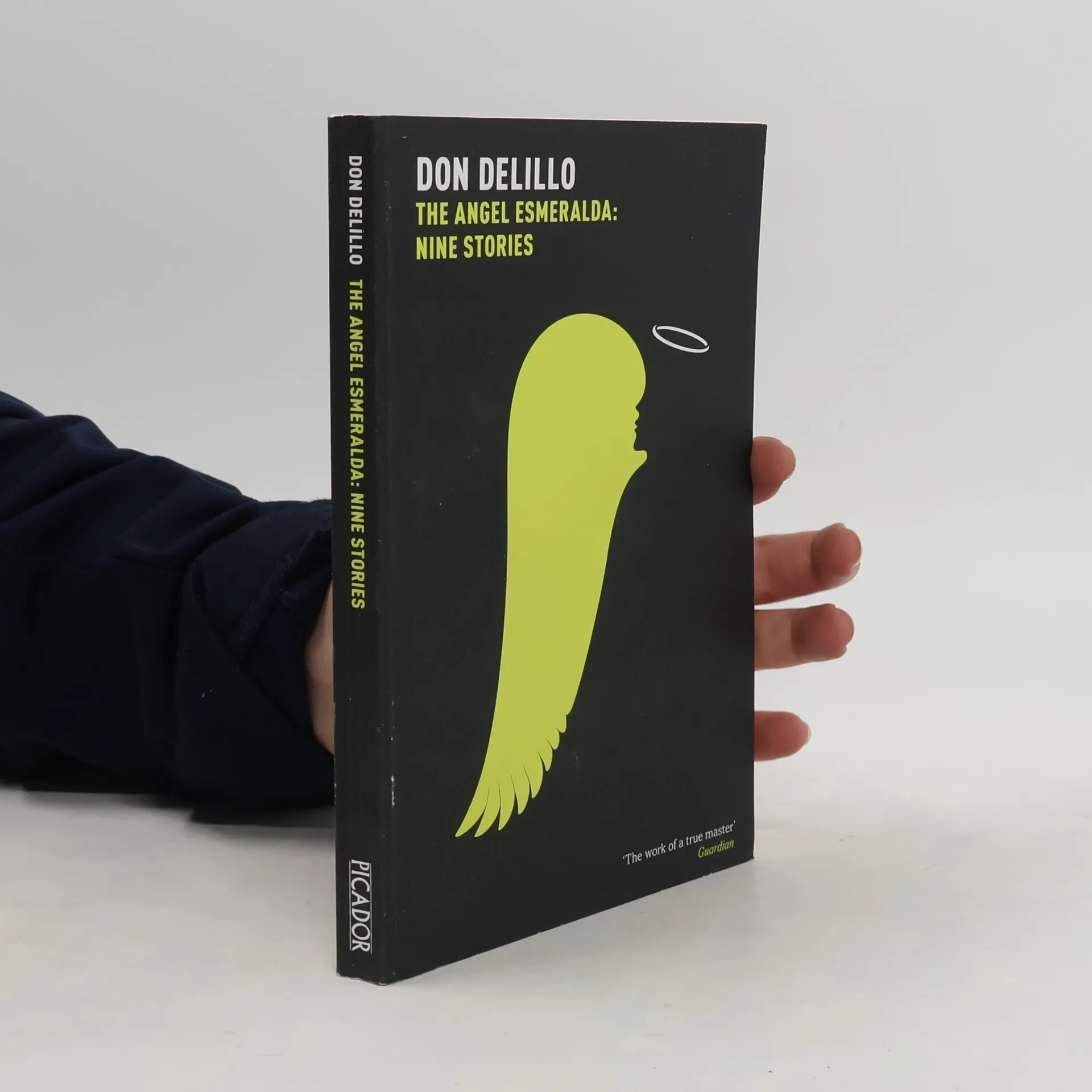
This is Don DeLillo's first collection of short stories, written between 1979 and 2011; in it he represents the wide range of human experience in contemporary America - and forces us to confront the uncomfortable shadows lurking in the background. His characters are plagued by their own deep, often unconscious, longings; they are subjected to shocking violations, exposed to unexpected acts of terror. No matter whether he is focused upon the slums of New York or astronauts in orbit around the Earth, DeLillo chooses never to turn away from the unsettling manner in which humans are brought together. These nine stories describe the extraordinary journey of a great American writer who changed the literary landscape. 'Don DeLillo's richly compressed short stories are the work of a true master . . . In these stories or lucid dreams - sometimes drily shocking or mournfully funny, always masterfully designed - DeLillo himself isolates that stray thought, and makes of it great art.' Guardian
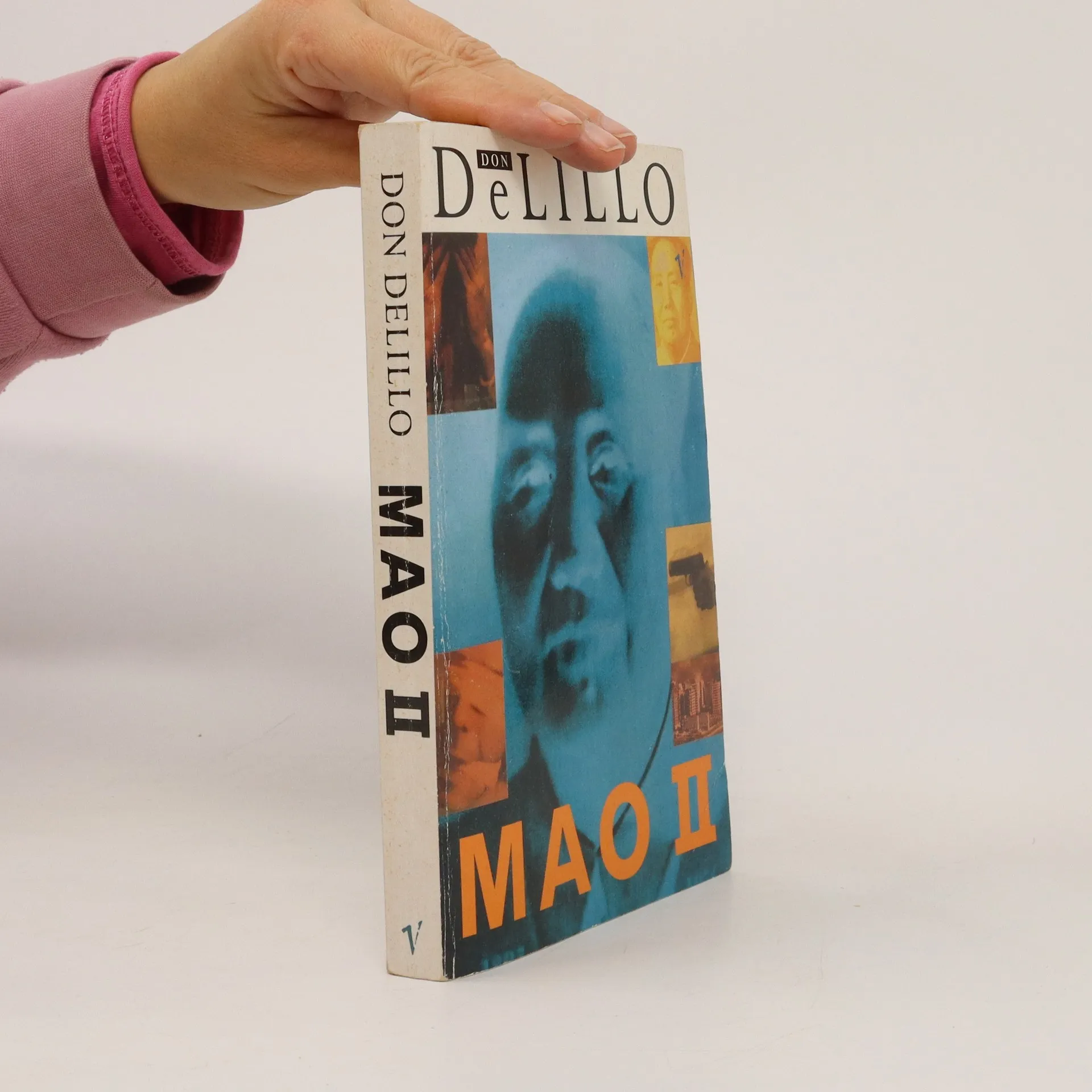
"Bill Gray, a famous, reclusive novelist, emerges from his isolation when he becomes the key figure in an event staged to force the release of a poet hostage in Beirut. As Bill enters the world of political violence, a nightscape of Semtex explosives and hostages locked in basement rooms, Bill's dangerous passage leaves two people stranded: his brilliant, fixated assistant, Scott, and the strange young woman who is Scott's lover - and Bill's. An extraordinary novel from Don DeLillo about words and images, novelists and terrorists, the mass mind and the arch-individualist, Mao II explores a world in which the novelist's power to influence the inner life of a culture now belongs to bomb-makers and gunmen. Mao II is the work of an ingenious writer at the height of his powers." -- Publisher's description.
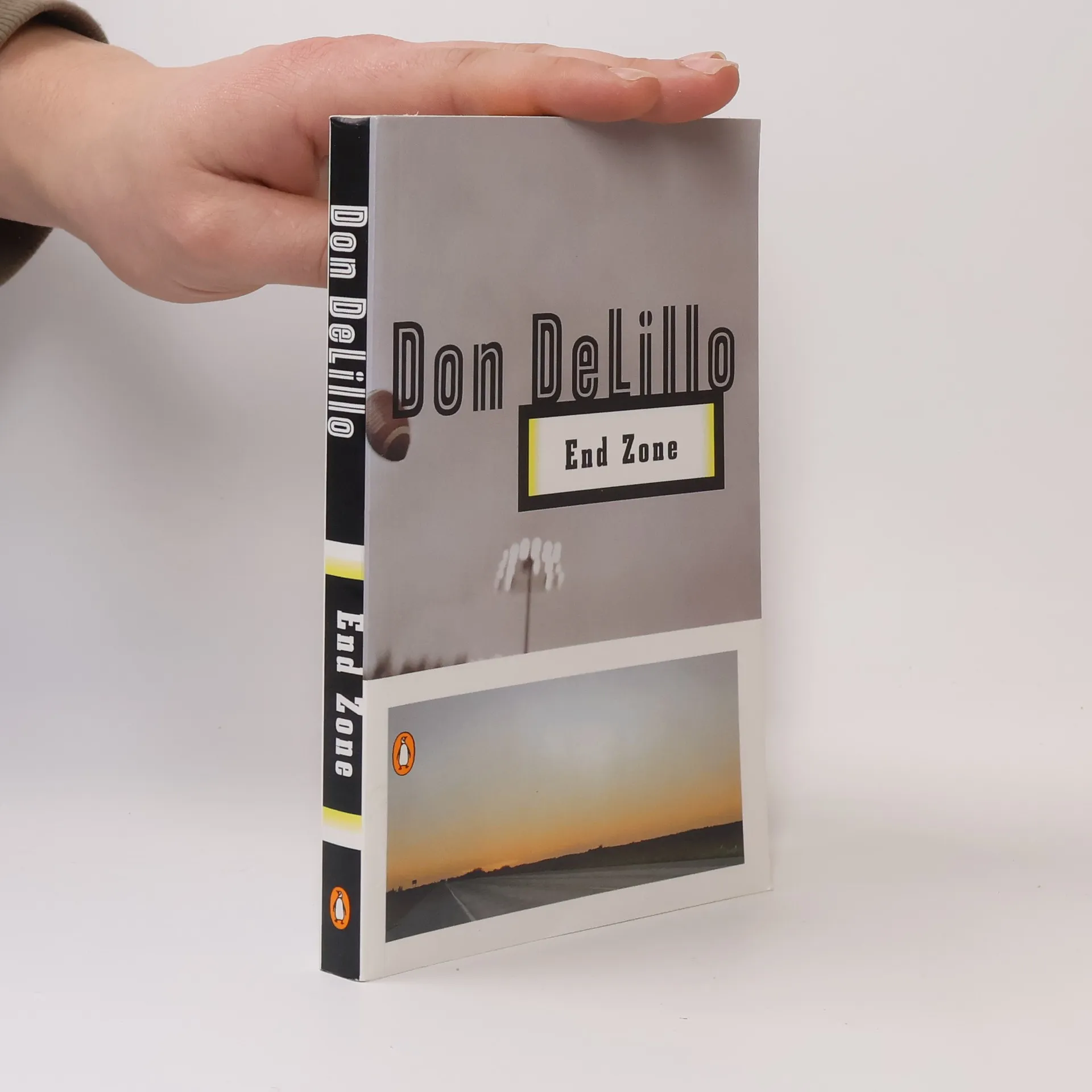
At Logos College in West Texas, huge young men, vacuum-packed into shoulder pads and shiny helmets, play football with intense passion. During an uncharacteristic winning season, the perplexed and distracted running back Gary Harkness has periodic fits of nuclear glee; he is fueled and shielded by his fear of and fascination with nuclear conflict. Among some of the players, the terminologies of football and nuclear war—the language of end zones—become interchangeable, and their meaning deteriorates as the collegiate year runs its course. In this triumphantly funny novel, Don DeLillo explores the the borders of organized violence.
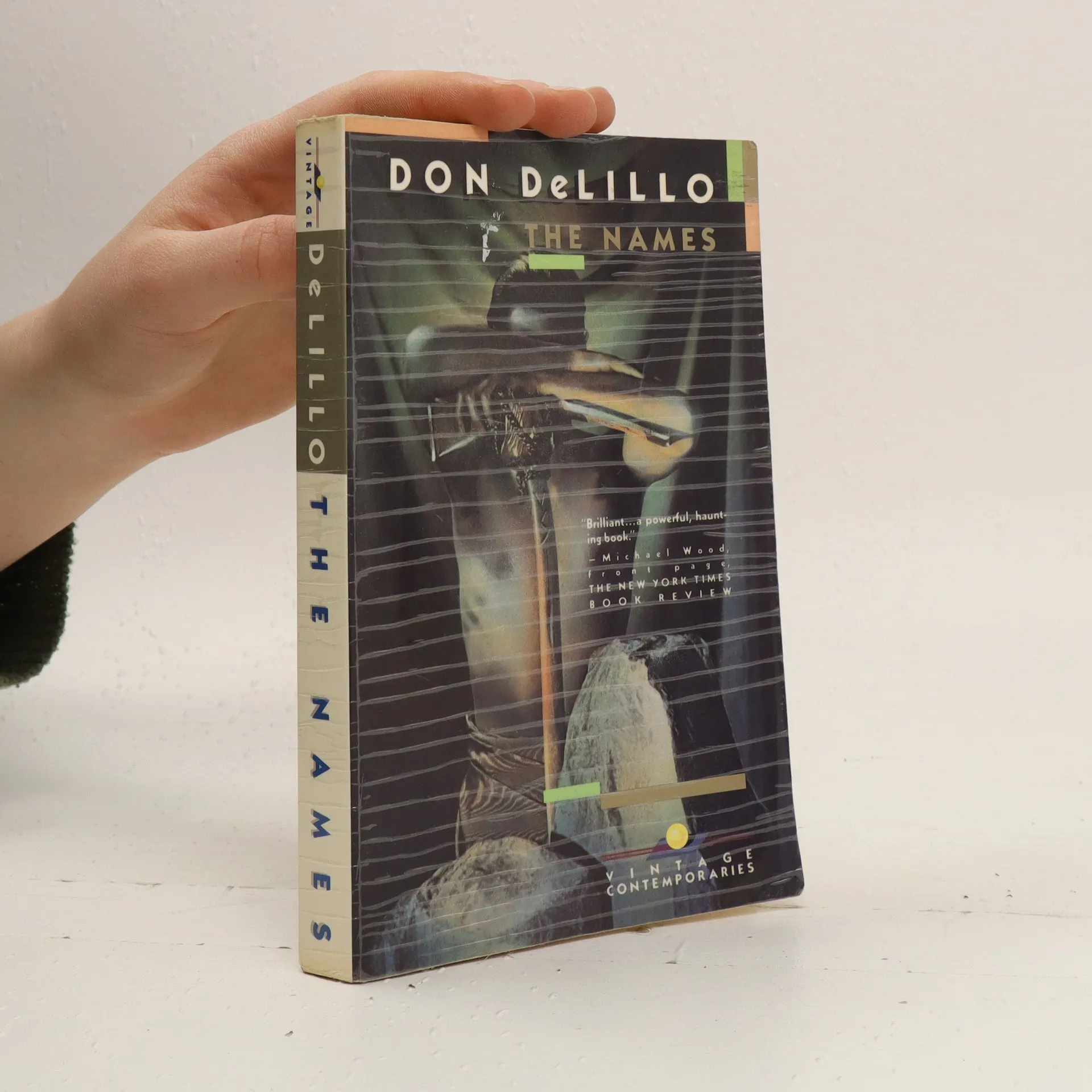
Set against the backdrop of a lush and exotic Greece, The Names is considered the book which began to drive "sharply upward the size of his readership" (Los Angeles Times Book Review). Among the cast of DeLillo's bizarre yet fully realized characters in The Names are Kathryn, the narrator's estranged wife; their son, the six-year-old novelist; Owen, the scientist; and the neurotic narrator obsessed with his own neuroses. A thriller, a mystery, and still a moving examination of family, loss, and the amorphous and magical potential of language itself, The Names stands with any of DeLillo's more recent and highly acclaimed works. "The Names not only accurately reflects a portion of our contemporary world but, more importantly, an original world of its own is created."--Chicago Sun-Times"DeLillo sifts experience through simultaneous grids of science and poetry, analysis and clear sight, to make a high-wire prose that is voluptuously stark."--Village Voice Literary Supplement"DeLillo verbally examines every state of consciousness from eroticism to tourism, from the idea of America as conceived by the rest of the world, to the idea of the rest of the world as conceived by America, from mysticism to fanaticism."--New York Times
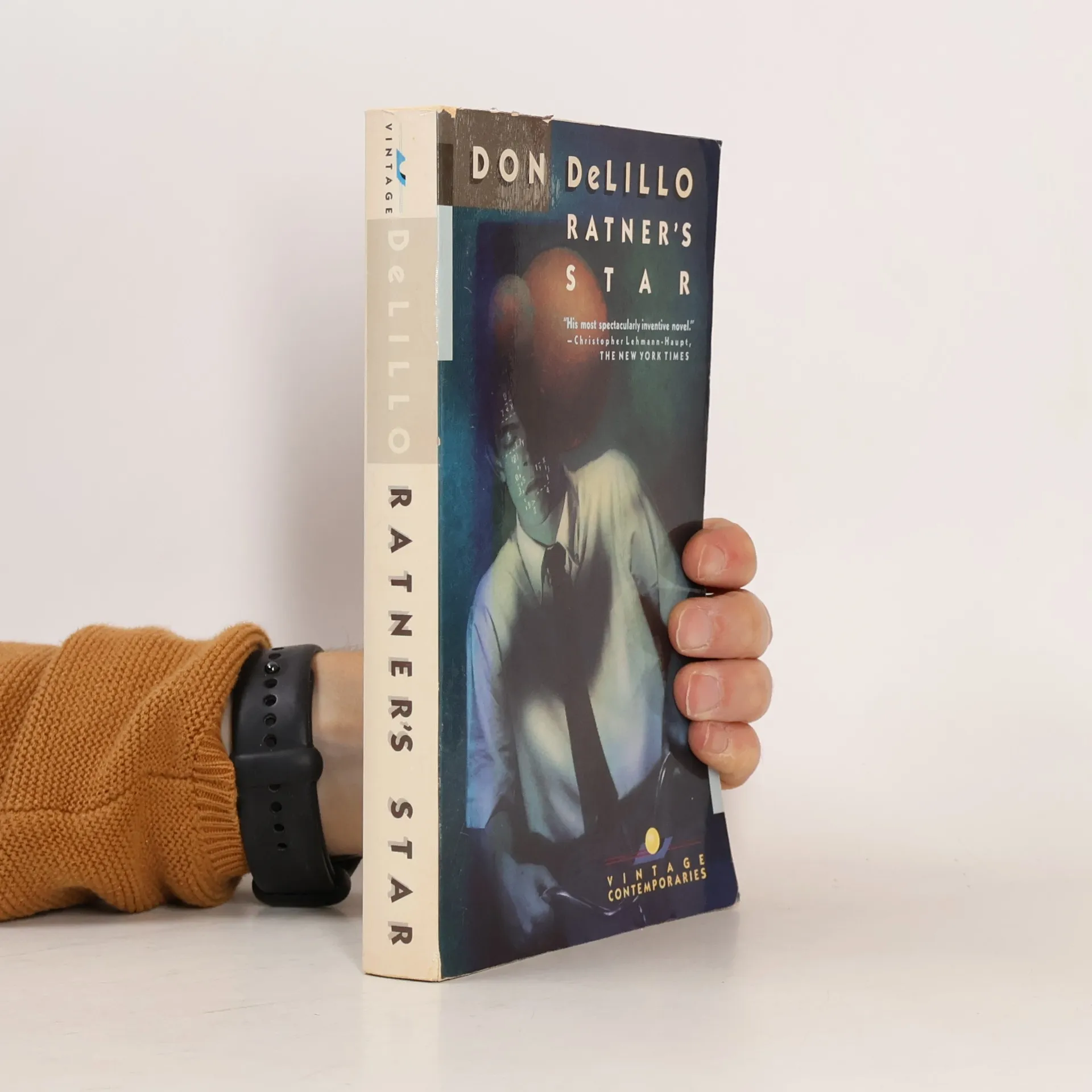
"A whimsical, surrealistic excursion into the modern scientific mind." -- The New YorkerOne of DeLillo's first novels, Ratner's Star follows Billy, the genius adolescent, who is recruited to live in obscurity, underground, as he tries to help a panel of estranged, demented, and yet lovable scientists communicate with beings from outer space. It is a mix of quirky humor, science, mathematical theories, as well as the complex emotional distance and sadness people feel. Ratner's Star demonstrates both the thematic and prosaic muscularity that typifies DeLillo's later and more recent works, like The Names (which is also available in Vintage Contemporaries). "His most spectacularly inventive novel." -- The New York Times
CRIME & MYSTERY. Moll Robbins is a journalist in a rut. But then she gets wind of a very exciting story: it concerns a small piece of celluloid, a pornographic film purportedly shot in a bunker in the climactic days of Berlin's fall with Hitler as its star. One person claims to have access to this unique piece of Naziana; inevitably, more than one wants it. Unfortunately for Moll, in the black-market world of erotica, the currency is blackmail, torture and corruption; and no price is too high.
Alex Hauser left New York and gave up easel painting to live and create land art in the southwestern desert. Now seventy, he has had his second massive stroke. His young third wife Lia believes that somewhere deep inside his mind is still alive, but Alex’s ex-wife and son, Toinette and Sean, have come to this remote place to help him die. Scarlet four o’clock, terminal sedation, night blooming cereus, respiratory depression, sacred datura, persistent vegetative state, love-lies-bleeding, life long devotion: the names of desert flowers and the language of death are equally potent and mysterious in this haunting and urgent play. Like Wit and Whose Life Is It Anyway?, Love-Lies-Bleeding explores the perilous question of when life ends—or should. It is also a play about a son looking for the father who abandoned him, and it is about the odd emotional tenacity of relationships long-ended, about shared language as the antidote to loss. Praise for Don DeLillo’s previous play, Valparaiso: 'May be the novelist’s most satisfying work since White Noise . . . Valparaiso is art at its finest' Boston Globe 'Indisputably electric . . . fresh and pertinent' New York Times
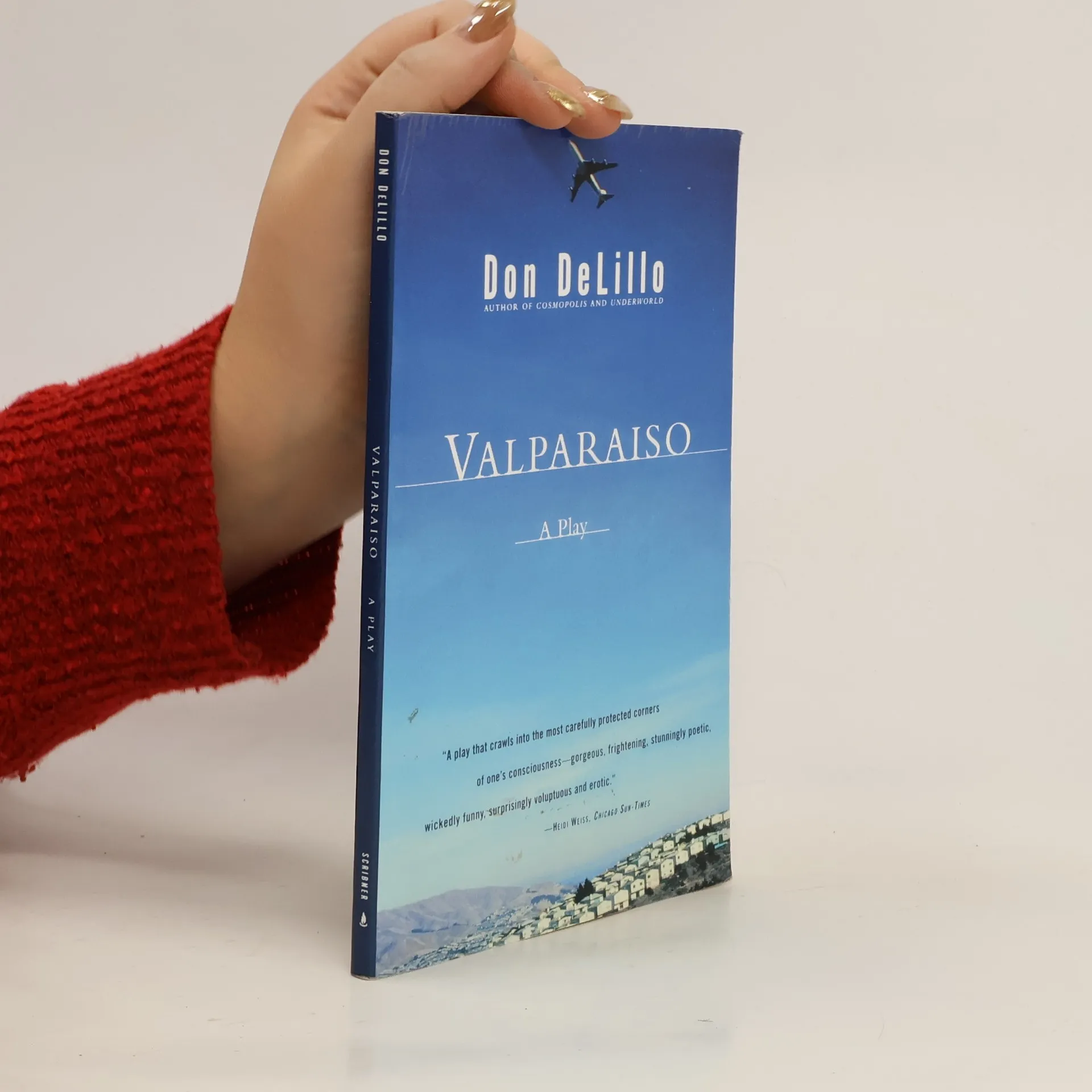
Michael Majeski finds himself in a surprising situation when he thinks he is flying to Valparaiso, Indiana. Through a series of mix-ups, Michael finds himself first flying to Valparaiso, Florida and then eventually lands in Valparaiso, Chile. Even more unexpected is the media onslaught that follows. He finds himself pursued by every kind of interviewer and the object of fascination for the American audience. As his fame grows, Michael's personal life begins to erode. He and his wife Livia struggle to keep their marriage and their lives intact despite the growing intensity of the media spotlight. Ultimately, Michael must choose between his sanity and his celebrity
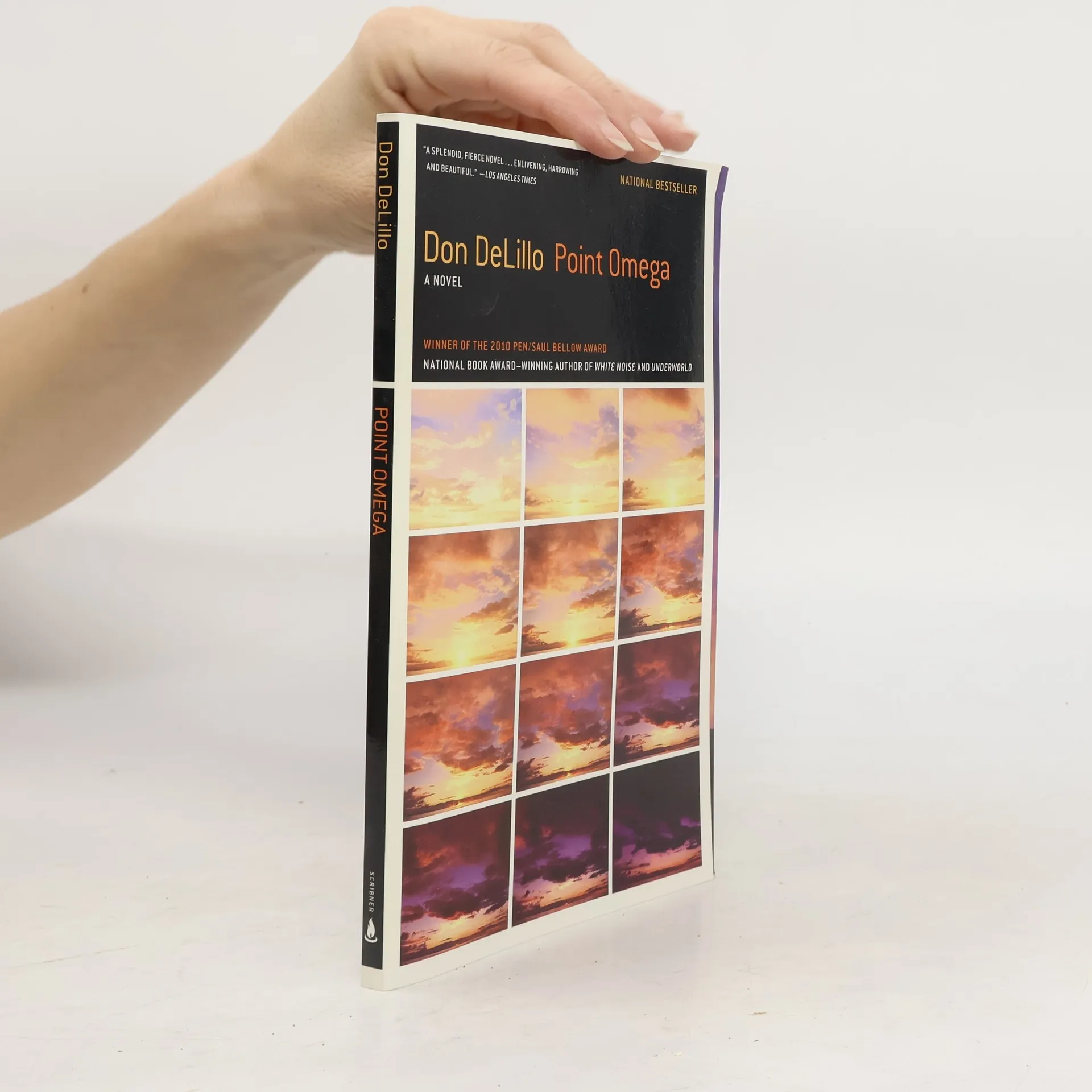
A Novel. Winner of the 2010 PEN / Saul Bellow Award
128 páginas
5 horas de lectura
In this potent and beautiful novel, the writer The New York Times calls "prophetic about twenty-first-century America" looks into the mind and heart of a scholar who was recruited to help the military conceptualize the war. Richard Elster is at the end of his service. He has retreated to the desert, in search of space and geologic time. There he is joined by a filmmaker and by Elster's daughter Jessica—an "otherworldly" woman from New York. The three of them build an odd, tender intimacy, something like a family. Then a devastating event turns detachment into colossal grief, and it is a human mystery that haunts the landscape of desert and mind.
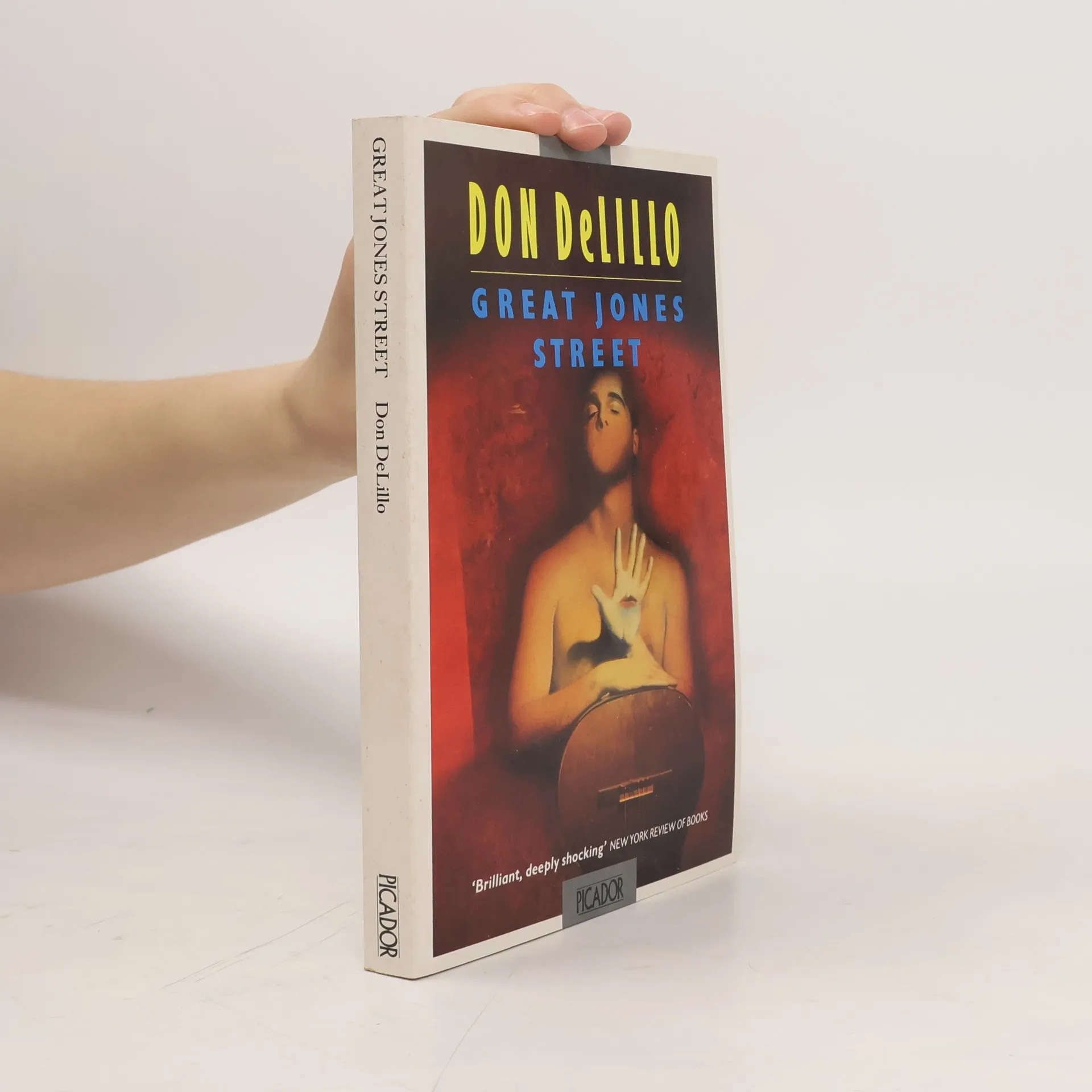
The narrator of this novel is Bucky Wunderlick, a Dylan-Jagger amalgam who finds he's gone as far as he knows how. Mid tour he leaves his rock band and holes up in a dingy East Village apartment, in Great Jones Street. The plot revolves around his retreat and a drug designed to silence dissidents.
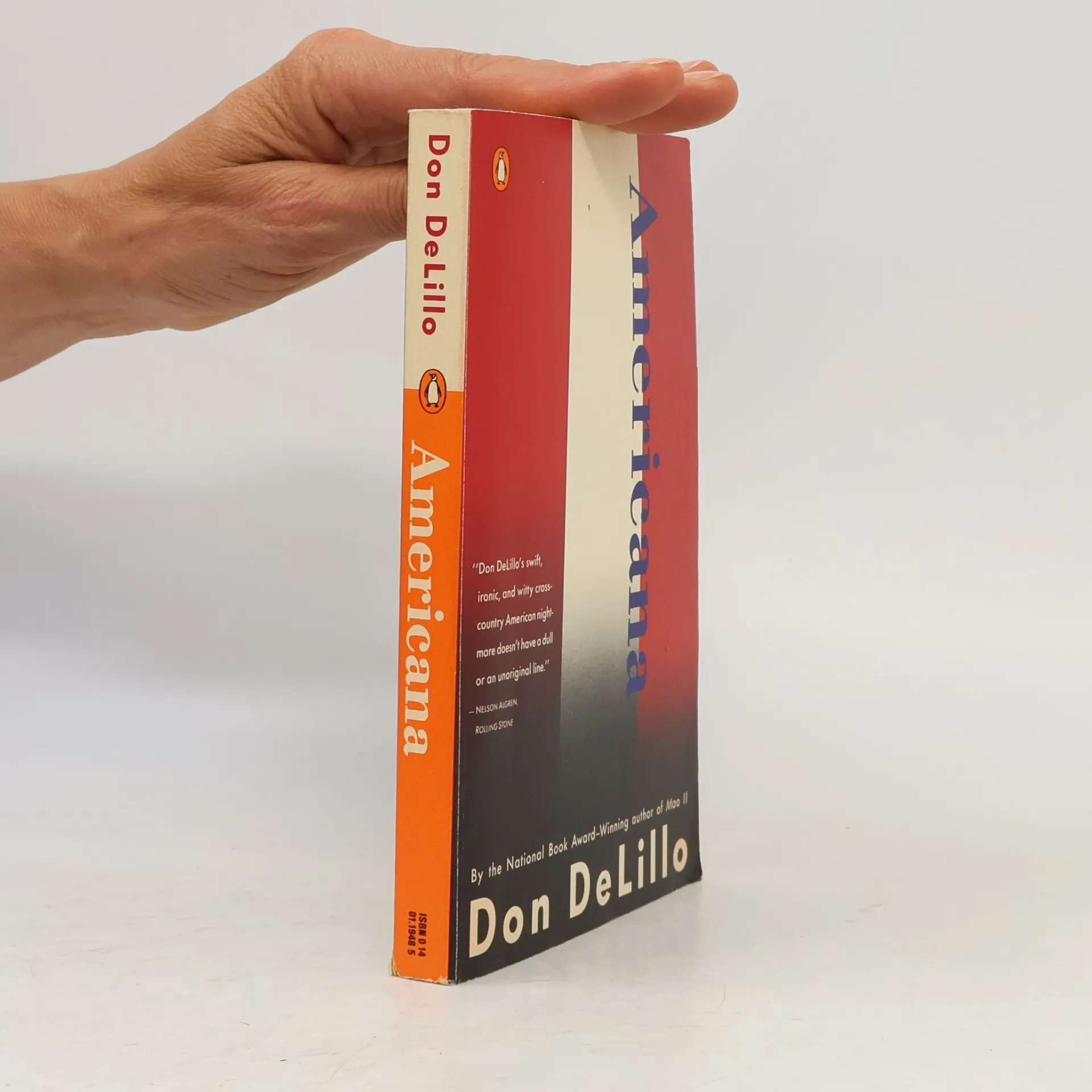
"David Bell embodies the American dream. He's twenty-eight, has survived office coups, scandals, and beaten lesser rivals, to become an extremely successful TV exec. The images that flicker across America's screens, the fantasies that enthrall viewers, they are of his making. But David's dream is turning sour, nightmarish. He wants reality, to touch, feel and record what is real. He takes a camera and journeys across America in a mad, roving quest to discover and capture some sense of his own and his country's past, present and future. Americana is Don DeLillo's brilliant first novel."
Falling Man is a magnificent, essential novel about the event that defines turn-of-the-century America. It begins in the smoke and ash of the burning towers and tracks the aftermath of this global tremor in the intimate lives of a few people. There is September 11 and then there are the days after, and finally the years. Falling Man is a magnificent, essential novel about the event that defines turn-of-the-century America. It begins in the smoke and ash of the burning towers and tracks the aftermath of this global tremor in the intimate lives of a few people. First there is Keith, walking out of the rubble into a life that he’d always imagined belonged to everyone but him. Then Lianne, his estranged wife, memory-haunted, trying to reconcile two versions of the same shadowy man. And their small son Justin, standing at the window, scanning the sky for more planes. These are lives choreographed by loss, grief, and the enormous force of history. Brave and brilliant, Falling Man traces the way the events of September 11 have reconfigured our emotional landscape, our memory and our perception of the world. It is cathartic, beautiful, heartbreaking.
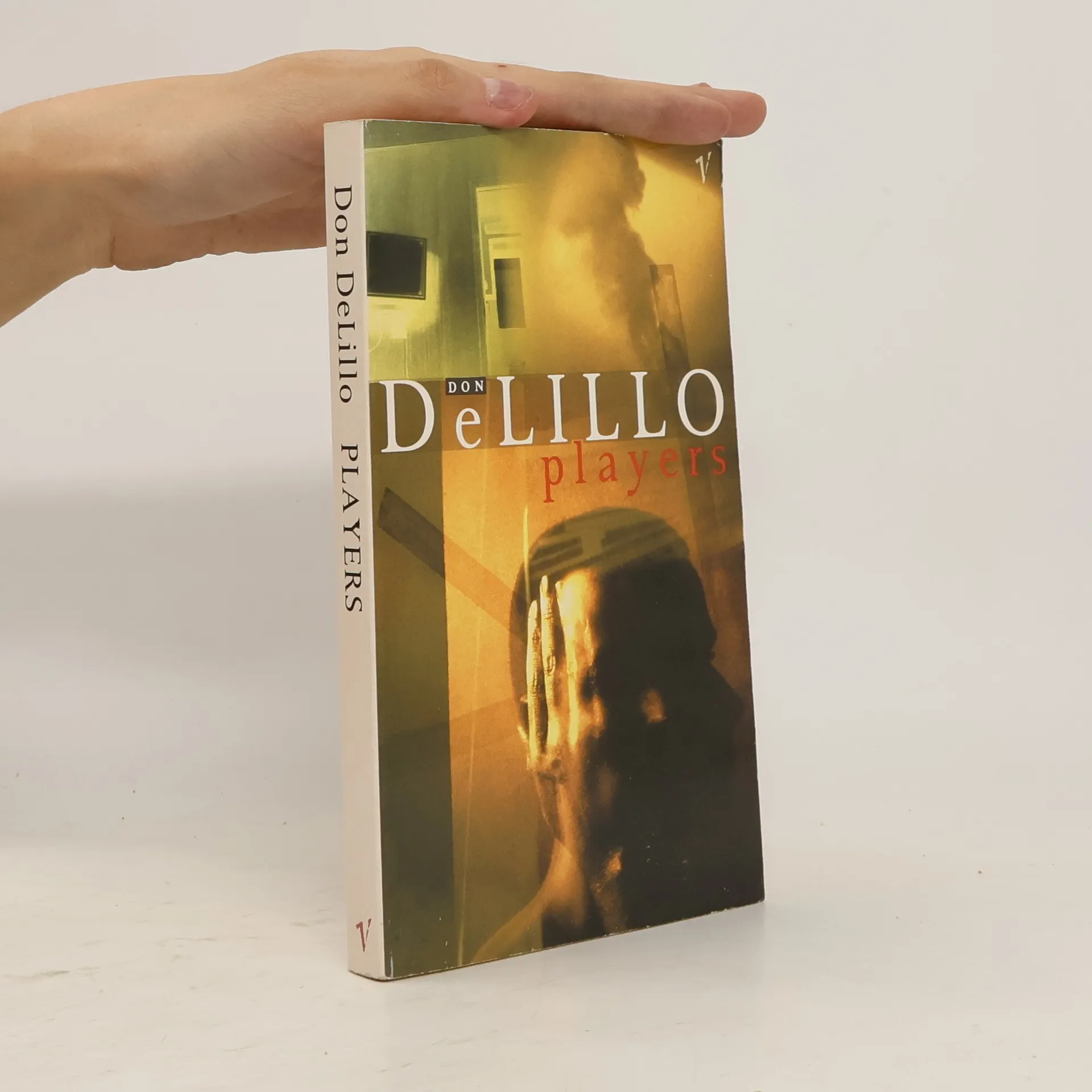
In this remarkable novel of menace and mystery Pammy and Lyle Wynant are an attractive, modern couple who seem to have it all. Yet behind their "ideal" life is a lingering boredom and quiet desperation which leads both of them into separate but equally fatal adventures. And still they remain untouched, "players" indifferent to the violence that surrounds them, and that they have helped to create.
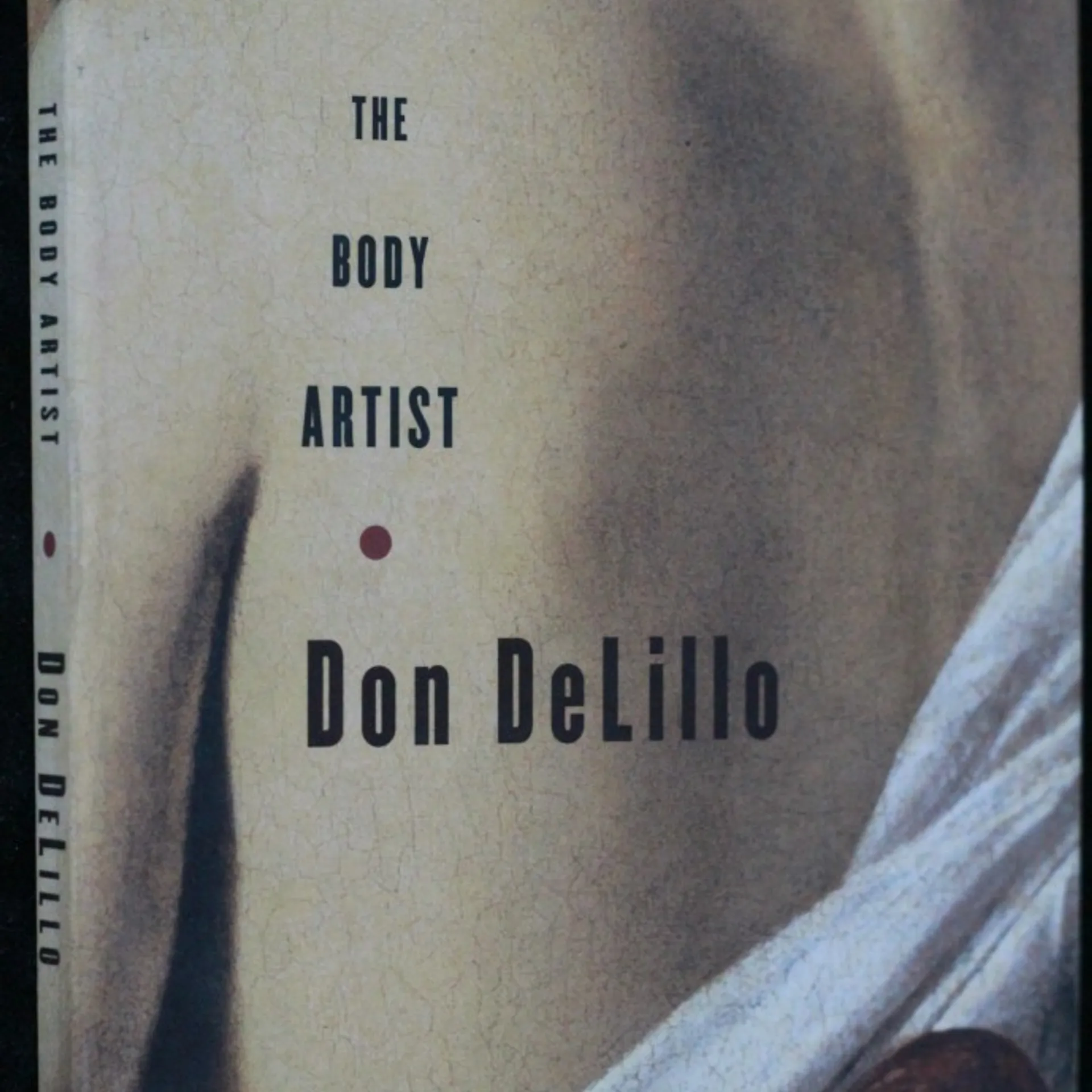
The Body Artist begins with normality: breakfast between a married couple, Lauren and Rey, in their ramshackle rented house on the New England coast. Recording their delicate, intimate, half-complete thoughts and words, Don DeLillo proves himself a stunningly unsentimental observer of our idiosyncratic relationships. But after breakfast, Rey makes a decision that leaves Lauren utterly alone, or seems to.As Lauren, the body artist of the title, becomes strangely detached from herself and the temporal world, the novel becomes an exploration of a highly abnormal grieving process; a fascinating exposé of 'who we are when we are not rehearsing who we are'; and a rarefied study of trauma and creativity, absence and presence, isolation and communion.
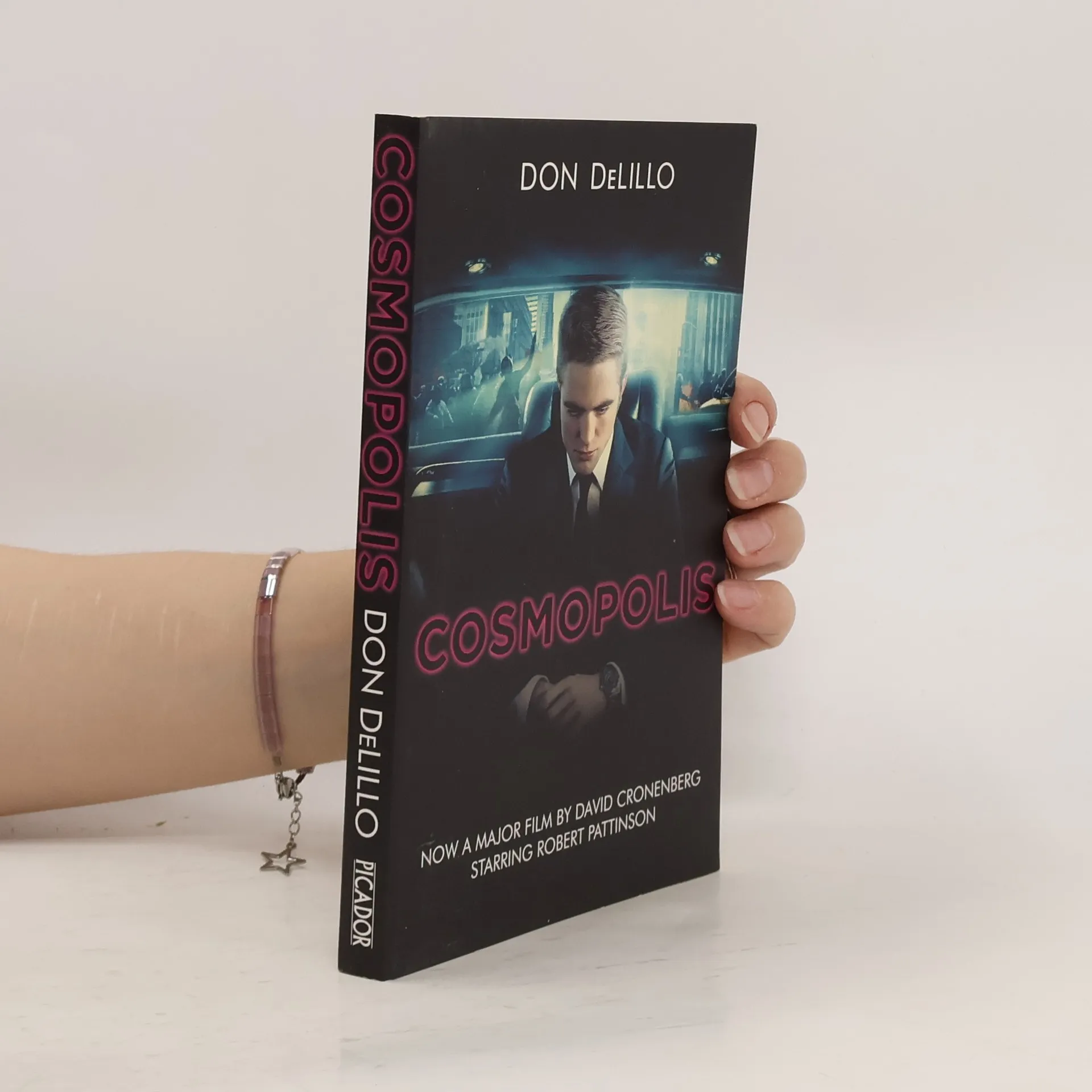
Eric Packer is a twenty-eight-year-old multi-billionaire asset manager. He lives in Manhattan. We join him on what will become a particularly eventful day in his life. When he woke up, he didn’t know what he wanted. Then he knew. He wanted to get a haircut. As his stretch limousine moves across town, his world begins to fall apart. But more worrying than the loss of his fortune is the realization that his life may be under threat. ‘A brilliant excursion into the decadence of contemporary culture’ Sunday Times ‘One of America’s smartest and most disturbing writers’ The Times
Jeffrey Lockhart's father, Ross, is a billionaire in his 60s with a younger wife, Artis Martineau, whose health is failing. Ross is the primary investor in a remote and secret compound where death is exquisitely controlled and bodies are preserved until a future time when biomedical advances and new technologies can return them to a life of transcendent promise. Conflicted, Jeff joins Ross and Artis at the compound to say 'an uncertain farewell' to her as she surrenders her body.
"It is Super Bowl Sunday in the year 2022. Five people, dinner, an apartment on the east side of Manhattan. The retired physics professor and her husband and her former student waiting for the couple who will join them from what becomes a dramatic flight from Paris. The conversation ranges from a survey telescope in North-central Chile to a favorite brand of bourbon to Einstein's 1912 Manuscript on the Special Theory of Relativity. Then something happens and the digital connections that have transformed our lives are severed"--Publisher.
Only once did David Foster Wallace give a public talk on his views on life, during a commencement address given in 2005 at Kenyon College. The speech is reprinted for the first time in book form in THIS IS WATER. How does one keep from going through their comfortable, prosperous adult life unconsciously? How do we get ourselves out of the foreground of our thoughts and achieve compassion? The speech captures Wallace's electric intellect as well as his grace in attention to others. After his death, it became a treasured piece of writing reprinted in The Wall Street Journal and the London Times, commented on endlessly in blogs, and emailed from friend to friend. Writing with his one-of-a-kind blend of causal humor, exacting intellect, and practical philosophy, David Foster Wallace probes the challenges of daily living and offers advice that renews us with every reading.