Focusing on modern warfare, this fourth edition provides a comprehensive overview from the eighteenth century to today. It offers an accessible narrative that highlights key developments and trends in global military history, making it suitable for both students and general readers interested in understanding the evolution of warfare over time.
Jeremy Black Orden de los libros (cronológico)
30 de octubre de 1955
Este prolífico historiador inglés es un destacado erudito de la política británica y las relaciones internacionales del siglo XVIII. Su extensa obra, que abarca más de cien libros, ofrece profundas perspectivas sobre los procesos históricos y sus consecuencias. El enfoque del autor es meticulosamente analítico, lo que permite a los lectores comprender plenamente las complejidades de los acontecimientos de la época. Sus escritos sirven como un recurso esencial para cualquiera interesado en este período crucial de la historia británica.



A History of Railways in 100 Maps
- 256 páginas
- 9 horas de lectura
Focusing on the global evolution of railways, this volume explores their origins in north-west England and follows their development to modern intercontinental networks. As part of the acclaimed British Library '100 Maps' series, it offers a comprehensive historical perspective, highlighting significant milestones and advancements in railway technology and infrastructure across different regions.
Focusing on Daniel Defoe, Jeremy Black explores the late 1600s in Britain, revealing how Defoe's works reflect the nation's struggles and identity. Black portrays Defoe as an outsider and a traveler, whose diverse interests and engagement with various social classes prefigure later literary figures. The narrative emphasizes Defoe's dual role as an observer and storyteller, blending historical reality with imaginative storytelling. Through this lens, Black offers a nuanced understanding of British nationalism and the moral complexities of Defoe's time.
In Fielding's Wake
- 240 páginas
- 9 horas de lectura
In the second volume of The Weight of Words Series, Jeremy Black continues his efforts to present and preserve Britain's literary genius. Its intelligence and enduring influence is in large part reliant on the underlining conservatism that has motivated authors such as Agatha Christie (Black's earlier subject) and Henry Fielding alike. Fielding's epic comic novel, Tom Jones, is unforgettable for many reasons, but the author must be credited with an aptitude for documenting contemporary cultural history and his contribution to a new species of writing. Black's treatment of Fielding draws to the fore a man who was of his time but not confined to it. "Philosophy in practice encompassed his stance as a man of action as well as a reflective writer of genius." Fielding is shown to provide across the breadth of his work extensive and invaluable commentary on issues as diverse as law and order, marriage, women, and the interplay of urban and rural life. Black, an historian, is here a student of storytelling and recovers Fielding's rich descriptions of the human heart and call to defy the vices with which circumstances might taunt it. Black has done a service along many fronts at once: the science of the novel and genre, the history of a people and the figure of a memorable writer.
Paris
- 256 páginas
- 9 horas de lectura
A concise history of Paris and the great events and personalities, from prehistory to the present, that have shaped its unique cultural legacy.
Exploring the history of insurgencies and counterinsurgency, this book moves beyond a Western-centric perspective to examine the connections between beliefs, events, and individuals. It highlights the evolution of politics, technologies, and ideologies, illustrating how these factors have shaped governmental and public perceptions over time. Through this comprehensive analysis, the author reveals the complexities and dynamics that influence contemporary conflicts and responses.
Cavalry: A Global History
- 240 páginas
- 9 horas de lectura
It is a picture of the universal role of cavalry in warfare from earliest times to the present - and future.
A History of Artillery
- 238 páginas
- 9 horas de lectura
A History of Artillery traces the development of artillery through the ages, providing a thorough study of these weapons from its earliest recorded use to recent conflicts.
Der Zweite Weltkrieg in 100 historischen Originalkarten
- 256 páginas
- 9 horas de lectura
Aufschlussreich und aussagekräftig: Historische Karten, die den Zweiten Weltkrieg geprägt haben. Die Schlachten des Zweiten Weltkriegs wurden in Eurasien ausgetragen, wobei zahlreiche Staaten beteiligt waren. Doch wie wussten Politiker, Militärs und die Bevölkerung, wo genau gekämpft wurde? Jeremy Black, ein bedeutender Militär- und Kartographie-Historiker, erklärt dies anhand von 100 teils unveröffentlichten historischen Landkarten. Für Seeschlachten, den Luftkrieg oder die Propaganda waren sowohl Hitler als auch die Alliierten auf präzise Karten angewiesen. Diese Karten sind heute wertvolle Artefakte, die den Verlauf und die Ereignisse des Krieges verständlich machen. Ob Pearl Harbor 1941 oder die Ostfront 1942: Karten waren für die Kriegsführung unerlässlich. Von Seekarten bis zu Aufmarschplänen musste alles kartografiert werden. Propagandakarten spielten eine entscheidende Rolle im Kampf um die Zustimmung der Bevölkerung. Feldmarschall Rommel und Bomberpiloten lernten durch Karten, strategische Ziele wie Pearl Harbor oder Hamburg zu erreichen. Ohne Kartographie wäre die Kriegsführung beider Seiten zum Scheitern verurteilt gewesen. Doch die Militärkarten stießen oft an Grenzen aufgrund von Zeitdruck und Informationsmangel. Jeremy Black zeichnet in dieser Sammlung den Zweiten Weltkrieg auf spannende Weise nach, basierend auf teils unbekannten Karten der verschiedenen Kriegsteilnehmer.
The wars between 1792 and 1815 saw the making of the modern world, with Britain and Russia the key powers to emerge triumphant from a long period of bitter conflict. In this innovative book, Jeremy Black focuses on the strategic contexts and strategies involved, explaining their significance both at the time and subsequently. Reinterpreting French Revolutionary and Napoleonic warfare, strategy, and their consequences, he argues that Napoleon’s failure owed much to his limitations as a strategist. Black uses this framework as a foundation to assess the nature of warfare, the character of strategy, and the eventual ascendance of Britain and Russia in this period. Rethinking the character of strategy, this is the first history to look holistically at the strategies of all the leading belligerents from a global perspective. It will be an essential read for military professionals, students, and history buffs alike.
Smollett`s Britain
- 240 páginas
- 9 horas de lectura
Acclaimed British historian examines the layers of craft and insight in Tobias Smollett, and discusses the particular nature of his genius and influence on British culture. Once again, Black acquaints the reader with the full range of a prolific writer's works and offers a backstage tour of the meaning and context of Britain's most beloved stories and story-tellers.
A Brief History of the British Monarchy
- 248 páginas
- 9 horas de lectura
A concise complete history of British monarchy, from its pre-Roman origins to the legacy of Queen Elizabeth II.
Historie Evropy : od pravěku do 21. století
- 256 páginas
- 9 horas de lectura
Kniha Historie Evropy je strhujícím vyprávěním o společných dějinách našeho kontinentu od konce doby ledové až po současnost. Vraťte se v čase k vzestupu římské říše, brutálním nájezdům Vikingů, ke kulturnímu rozmachu doby renesance a zažijte znovu rozpad Sovětského svazu a vzestup konzumní kultury ve 21. století. Historik Jeremy Black působí jako zkušený průvodce minulostí, která zformovala naši dnešní společnost. Historie Evropy, nádherně ilustrovaná publikace s více než 200 barevnými fotografiemi, podrobnými časovými osami a fascinujícími mapami, nám přibližuje dlouhé dějiny našeho kontinentu a činí je srozumitelnými.
An ambitious visual history of the 20th century, richly illustrated in full-color.Ranging from the world wars to the traumas of decolonization and the technological triumphs of the space race, A History of the 20th Century documents the events, the characters, the ideologies, the cultural transformations, and the dramatic politics of these turbulent times. Jeremy Black examines subjects as diverse as the Russian Revolution, the Great Depression, the Cold War, the Iranian Revolution, and the birth of the internet in a compelling narrative. Keen to highlight the role of demographics, the environment, culture, and technology, as well as the better-known tales of political rivalries, he brings a new perspective to this most important subject.
Logistics: The Key to Victory
- 240 páginas
- 9 horas de lectura
Logistics is the vital subject in waging war. This book fills a gap in war studies with logistics as a huge subject at the centre of all conflict, globally and historically.
New in paperback - Life, Society, Family, Economy, and Politics in early and mid-Victorian England mediated through the life and writings of arguably the nation's greatest novelist.
France: A Short History
- 256 páginas
- 9 horas de lectura
A concise history of France from prehistory to the present, recounting the great events and personalities and exploring France's cultural and political influence today.
A Short History of War
- 272 páginas
- 10 horas de lectura
An engagingly accessible introduction to war, from ancient times to the present and into the future
A History of the 20th Century: Conflict, Technology and Revolution
- 256 páginas
- 9 horas de lectura
"It's a book that looks like a magazine [...] and full of detail to die for" - Crawford Gribben, New Books NetworkFrom one of the world's leading historians comes an ambitious and sweeping history of the world in the 20th century, lavishly illustrated in full-color.Ranging from the world wars to the traumas of decolonization and the technological triumphs of the space race, A History of the 20th Century documents the events, the characters, the ideologies, the cultural transformations and the dramatic politics of these turbulent times.Jeremy Black examines subjects as diverse as the Russian Revolution, the Great Depression, the Cold War, globalization, climate change and the birth of the internet in a compelling narrative. Keen to highlight the role of demographics, the environment, culture and technology as well as the better-known tales of political rivalries, he brings a new perspective to this most important subject.Featuring remarkable maps, illustrations and photographs, this book brings the key events of the 20th century into exceptional clarity.ABOUT THE Sirius Visual Reference Library brings together wonderfully illustrated reference guides on scientific and historical topics, made bold and fascinating through full-color maps, timelines, photographs, feature boxes and other visual elements. -- Crawford Gribben
Stručné francouzské dějiny
- 480 páginas
- 17 horas de lectura
Knihu Dějiny Francie – Od Galů k de Gaullovi napsal diplomat a autor historických prací, pro nějž se Francie stala druhou vlastí. Norwich jako syn britského velvyslance ve Francii hluboce srostl s francouzskou kulturou a k jejím dějinám má osobní, ba možno říci citový vztah. Jeho kniha sleduje především politické dějiny Francie. Dozvídáme se, jak významní panovníci a vládci od franských králů přes Hugo Kapeta, Filipa Augusta, Františka I., Jindřicha IV., Napoleona I. až po Napoleona III. poznamenali osudy své země. Norwiche zajímá i jejich soukromý život; věnuje pozornost jejich manželkám a milenkám, charakteristickým vlastnostem, přednostem a slabostem, které podává s citem a porozuměním. Prostor dostávají i další významné osobnosti jako jsou bankéř Karla VII. Jacques Coeur, kardinál Richelieu, Robespierre, sestra krále Ludvíka Filipa Adelaida a významní státníci a vojáci republiky včetně de Gaulla. Autor komentuje významné bitvy, revoluce i pařížskou Komunu z roku 1871, na níž demonstruje specificky destruktivní mentalitu obyvatel francouzského hlavního města. Čtenář si díky této knize britského autora uvědomí zcela unikátní vztah Francie a Anglie, resp. Británie; neexistují patrně jiné dva evropské národy, jejichž historie by byla po mnoho staletí tak těsně propletena.
Kniha se soustřeďuje na stěžejní události a postavy, které zformovaly tvář Ruska a které se dodnes promítají do komplikovaných vztahů této země se Západem. Jde především o varjažské (vikingské) počátky ruských dějin, poté o více než dvousetletou nadvládu Mongolů (Tatarů) a z pozdějších panovníků zvláště o Ivana IV. Hrozného, Petra I., Kateřinu II. a Mikuláše I. Kniha sleduje především politickou historii, přičemž za její charakteristický rys považuje neustálé potíže Rusů s vlastní identitou, oscilující mezi přesvědčením o vlastní výjimečnosti a inklinací k Západu. Ruskou výjimečnost prosazuje současný ruský prezident Putin, kterého autor považuje za přechodný typ mezi érou sovětskou a skutečně postsovětskou, tedy liberální.
Přehled politických a hospodářských dějin oblasti Středomoří od nejstarších dob do současnosti.
Written In Bone
- 368 páginas
- 13 horas de lectura
Our bones are the silent witnesses to the lives we lead. Our stories are marbled into their marrow. Drawing upon her years of research and a wealth of remarkable experience, the world-renowned forensic anthropologist Dame Sue Black takes us on a journey of revelation. From skull to feet, via the face, spine, chest, arms, hands, pelvis and legs, she shows that each part of us has a tale to tell. What we eat, where we go, everything we do leaves a trace, a message that waits patiently for months, years, sometimes centuries, until a forensic anthropologist is called upon to decipher it. Some of this information is easily understood, some holds its secrets tight and needs scientific cajoling to be released. But by carefully piecing together the evidence, the facts of a life can be rebuilt. Limb by limb, case by case - some criminal, some historical, some unaccountably bizarre - Dame Sue Black reconstructs with intimate sensitivity and compassion the hidden stories in what we leave behind.
Military Strategy
- 320 páginas
- 12 horas de lectura
A global account of military strategy throughout history, from imperial strategies to those of anti-imperial insurgents
King of Britain for sixty years and the last king of what would become the United States, George III inspired both hatred and loyalty and is now best known for two reasons: as a villainous tyrant for America's Founding Fathers, and for his madness, both of which have been portrayed on stage and screen. In this concise and penetrating biography, Jeremy Black turns away from the image-making and back to the archives, and instead locates George's life within his age: as a king who faced the loss of key colonies, rebellion in Ireland, insurrection in London, constitutional crisis in Britain and an existential threat from Revolutionary France as part of modern Britain's longest period of war. Black shows how George III rose to these challenges with fortitude and helped settle parliamentary monarchy as an effective governmental system, eventually becoming the most popular monarch for well over a century. He also shows us a talented and curious individual, committed to music, art, architecture and science, who took the duties of monarchy seriously, from reviewing death penalties to trying to control his often wayward children even as his own mental health failed, and became Britain's longest reigning king.
In this highly original work Jeremy Black, one of world's leading military and cartographic historians, shows how fundamental maps were to the conflict as he charts its historical sweep across each of the major theatres.
Historie světa
- 256 páginas
- 9 horas de lectura
Po celé věky projevovali lidé neobyčejnou schopnost přizpůsobit se prostředí, v němž žili. Zakládáním rozsáhlých měst, budováním velkolepých civilizací a rozvojem nových způsobů komunikace jsme dokázali dosáhnout pozoruhodných úspěchů. Naproti tomu války, útlak a chudoba odhalily zase temnější stránky lidské povahy. Profesor Jeremy Black nás v této knize vezme na vzrušující výpravu minulostí člověka od pravěku až po moderní dobu a křížem krážem procestuje celou planetu. Nenechá přitom kámen na kameni a rozehraje fascinující příběh o tom, jak jsme se stali tím, kým jsme dnes.
Britain and Europe
- 256 páginas
- 9 horas de lectura
Dissects Britain's multi-faceted relationship with 'the Continent' through history, whether it be isolation or intervention, as an offshore-balancer or as a full member.
A Brief History of Spain
- 272 páginas
- 10 horas de lectura
A concise and very readable history that explores not just the history of Spain itself, but of Spain in the world, from Columbus's first voyage, in 1492, that was central to Spain's global impact, to the loss of Cuba, the Philippines and Puerto Rico in 1898. Spain's colonies were vitally important to its domestic and European position.
All That Remains
- 368 páginas
- 13 horas de lectura
In All That Remains she reveals the many faces of death she has come to know, using key cases to explore how forensic science has developed, and what her work has taught her.
A brief history of Italy
- 304 páginas
- 11 horas de lectura
Despite the Roman Empire's extensive 500-year dominance, Italy's national history is not as long as that of France or England. Historically divided, its regions have often been part of larger, rival empires, particularly those of Spain and Austria. The country's diverse and challenging terrain further complicated political unity. This concise history presents Italy's key events, from the rise of Rome to a unified nation grappling with fascism in the early twentieth century and into the present. Renowned as the birthplace of the Renaissance and the Baroque, Italy is a vibrant cultural hub. Modern Italians take great pride in their regional identities, with distinct cultures in Tuscany, Rome, Sicily, and Venice, among others. The author utilizes diaries, memoirs, and letters from historical travelers to provide insights into the passions of the Italian people, exploring their story chronologically and regionally. This narrative delves into what has endowed Italians with significant cultural influence—spanning food, music, fashion, art, and architecture—while also examining the political events and enduring divisions that shape contemporary Italy.
A History of Britain
- 276 páginas
- 10 horas de lectura
In 2016, Britain stunned itself and the world by voting to pull out of the European Union, leaving financial markets reeling and global politicians and citizens in shock. But was Brexit really a surprise, or are there clues in Britain's history that pointed to this moment? In A History of Britain: 1945 to the Brexit, award-winning historian Jeremy Black reexamines modern British history, considering the social changes, economic strains, and cultural and political upheavals that brought Britain to Brexit. This sweeping and engaging book traces Britain's path through the destruction left behind by World War II, Thatcherism, the threats of the IRA, the Scottish referendum, and on to the impact of waves of immigration from the European Union. Black overturns many conventional interpretations of significant historical events, provides context for current developments, and encourages the reader to question why we think the way we do about Britain's past.
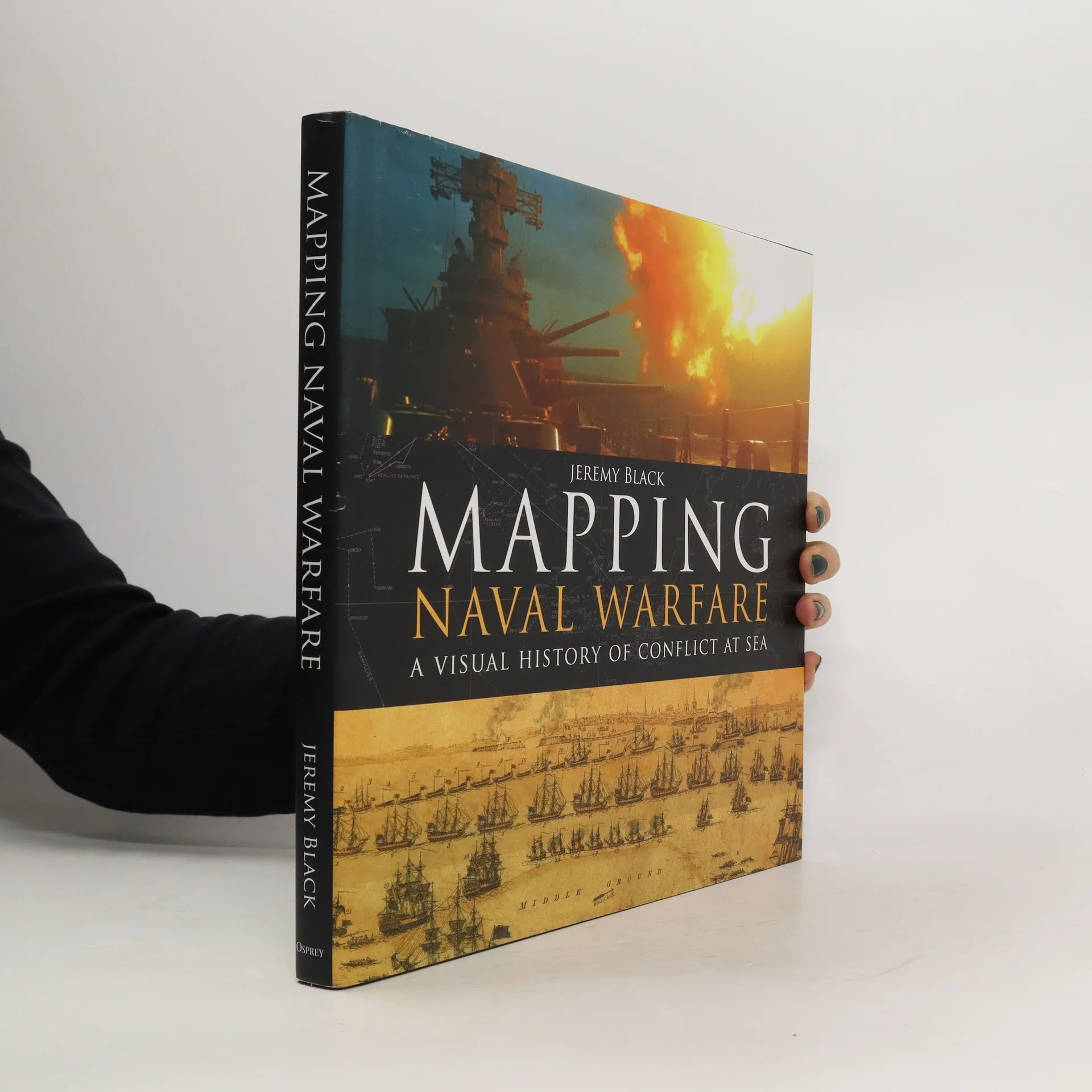
Mapping Naval Warfare
- 192 páginas
- 7 horas de lectura
A visually stunning account of how naval conflict was recorded and planned, using contemporary mapping.
A magnificent visual survey of how conflict was recorded and planned, using maps produced at the time to reveal how warfare and its documentation has changed over the centuries.
The Little Book of Big History
- 256 páginas
- 9 horas de lectura
BRAND NEW, Exactly same ISBN as listed, Please double check ISBN carefully before ordering.
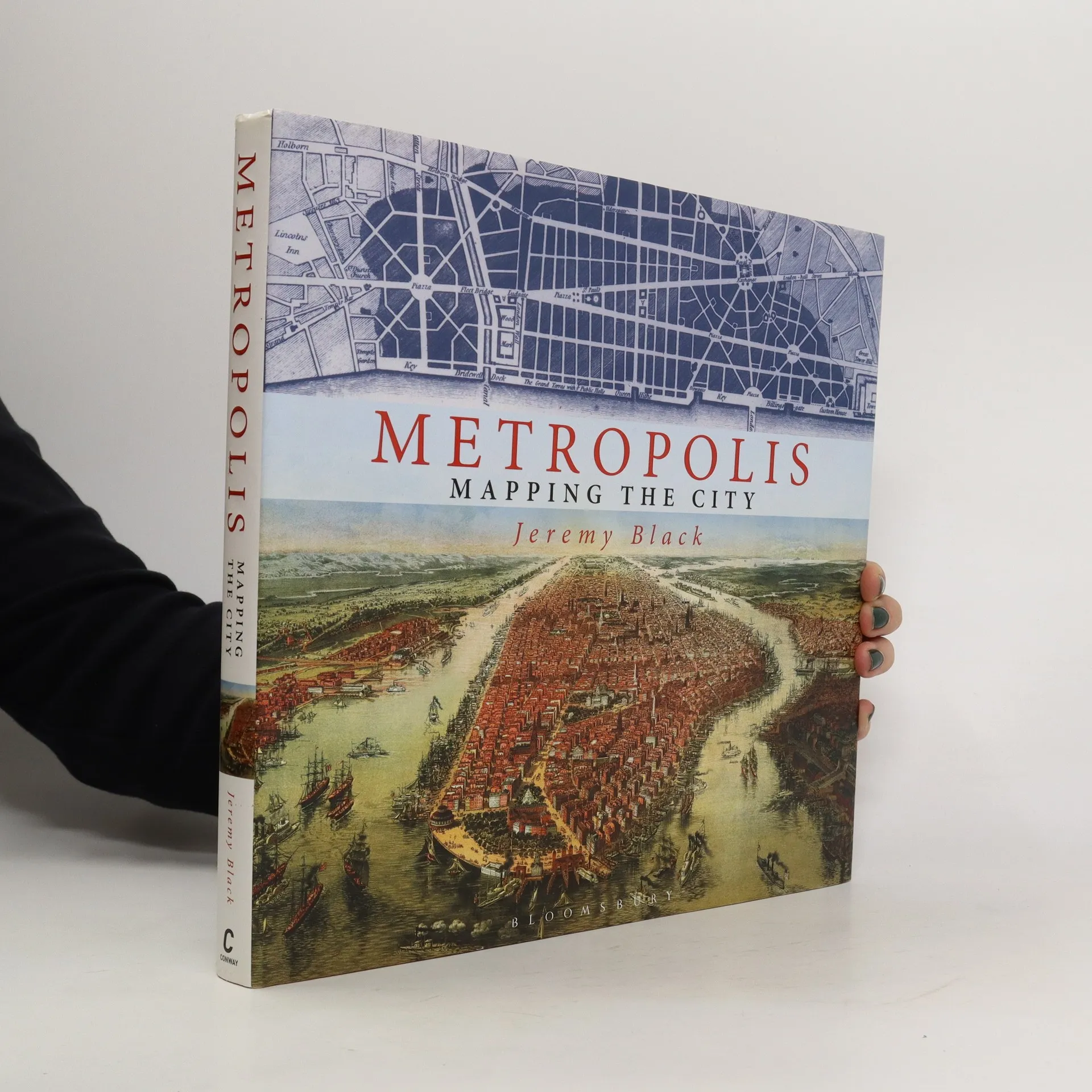
Metropolis : Mapping the City
- 224 páginas
- 8 horas de lectura
How the city was imagined in maps from ancient times to the present day.The a place of hopes and dreams, destruction and conflict, vision and order. The first city atlas, the Civitates Orbis Terrarum , was published by Georg Braun and Franz Hogenburg in 1572. For the first time, one could travel the streets of a city without leaving his or her armchair. Since then, our fascination with foreign cities has not abated. This sumptuous volume looks at the development of the mapping and the representation of cities, revealing how we organize urban space.From skyline profiles, bird's-eye views, and panoramas to the schematic maps of transport networks and road layouts to help us navigate, and statistical maps that can provide information on human aspirations, cities can reveal themselves in many ways. Focusing on key points in the development of urban representation and including retrofutristic visions of how we would be living today, this enlightening book illustrates some of the oldest, youngest, liveliest, and most contested cities in the world.Extended captions explain the relevance and elegance of each map, as well as the logic between its purpose and design. For anyone interested in the city in which he or she lives or with the desire to explore the history and culture of a metropolis overseas, this book is an enlightening companion.
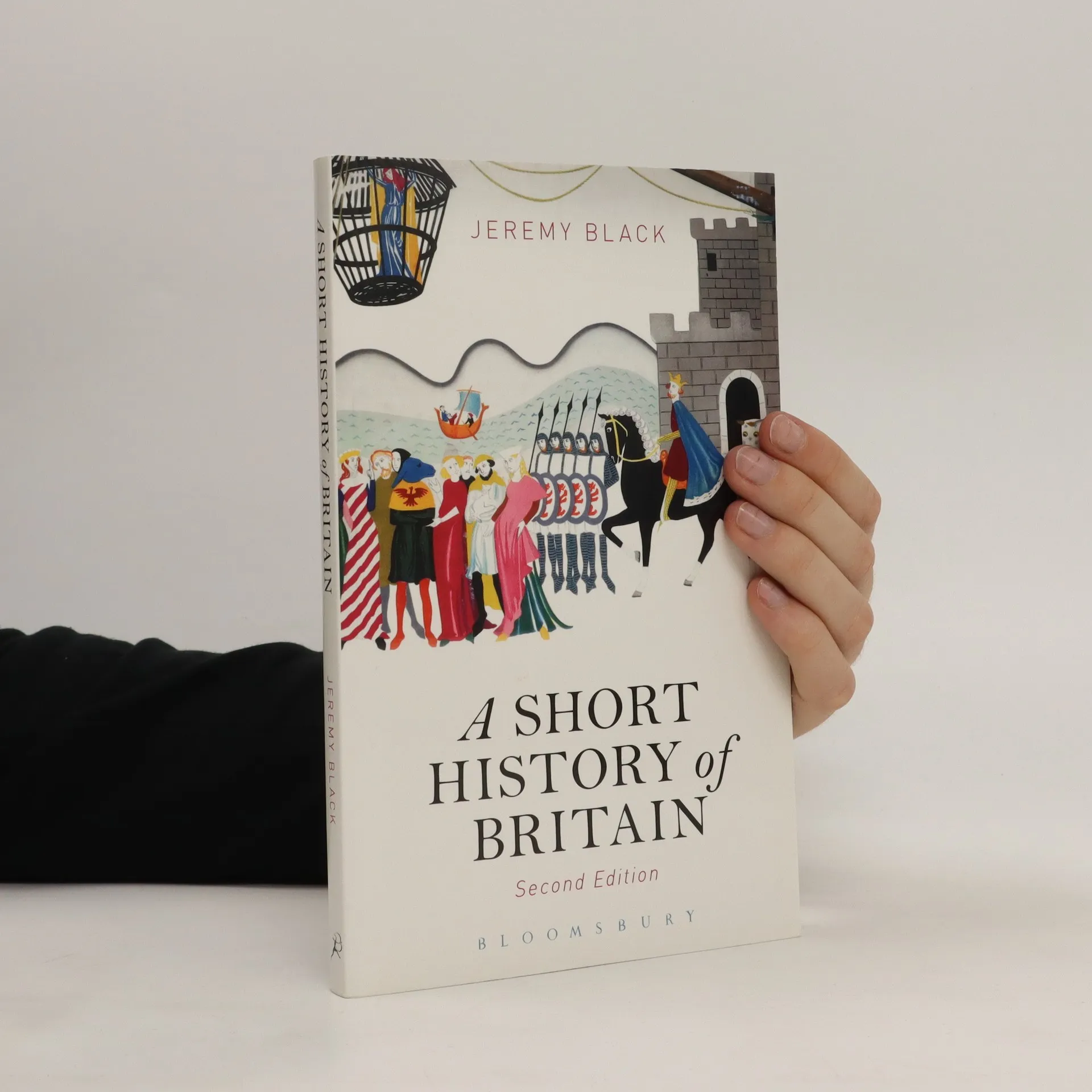
Covering over 2,000 years in under 200 pages, Jeremy Black takes the reader on a breathless tour of British history, providing invaluable context for students of any period. A truly British overview, this book covers all four constituent parts of the UK, as well as migration to and from Britain, and introduces questions of national identity and collective memory.The author begins by considering how the geography of Britain has influenced its development and goes on to examine the formation of its society and political culture. Resisting the Whiggish tradition of triumphalist national histories, Jeremy Black provides a balanced and sensitive account in his trademark pithy style.This new edition has been considerably revised and expanded, bringing the coverage right up to the present day, including what the Scottish referendum on independence says about the nature of modern 'Britishness'.
The Power of Knowledge
- 504 páginas
- 18 horas de lectura
A thought-provoking analysis of how the acquisition and utilization of information has determined the course of history over the past five centuries and shaped the world as we know it todaydiv /DIV
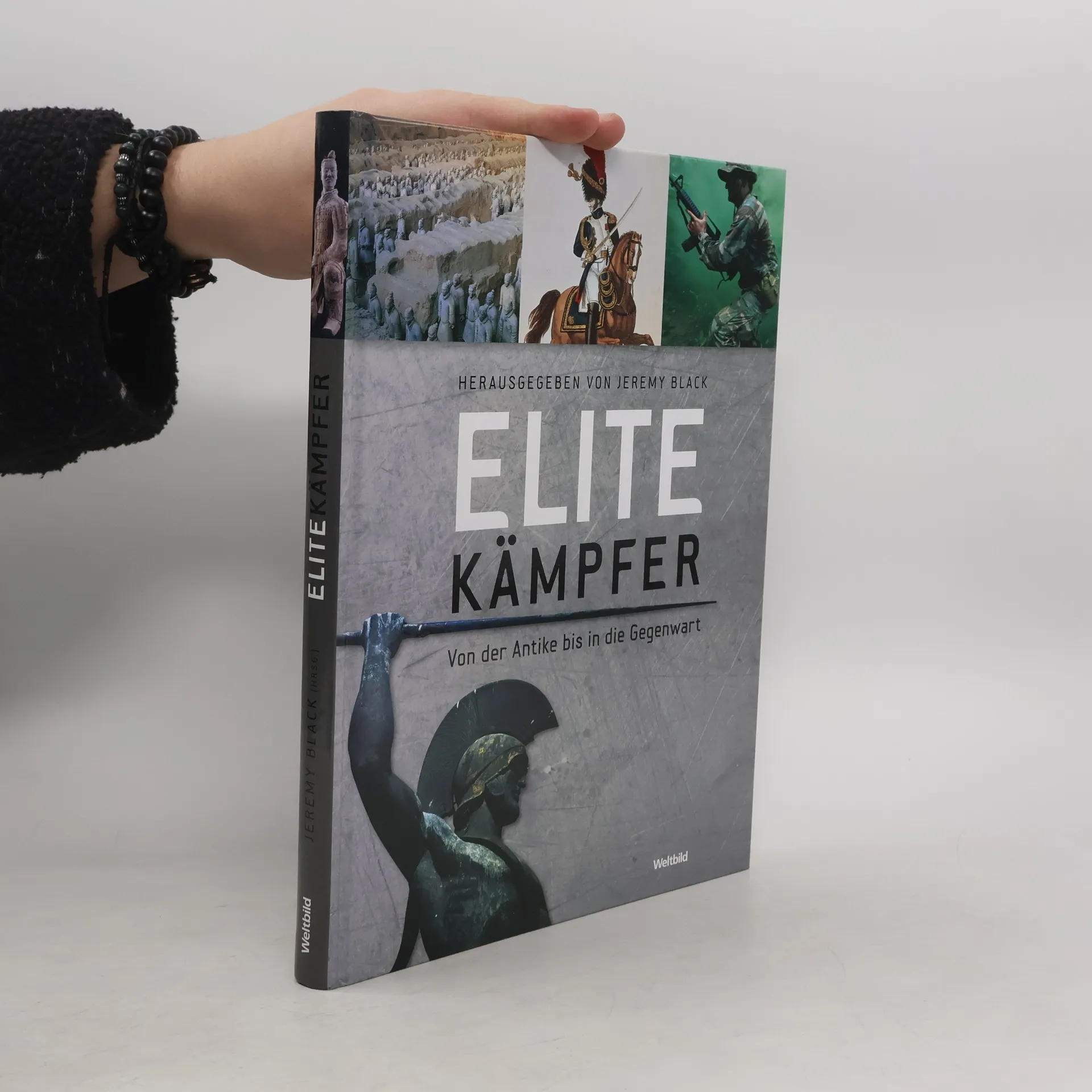
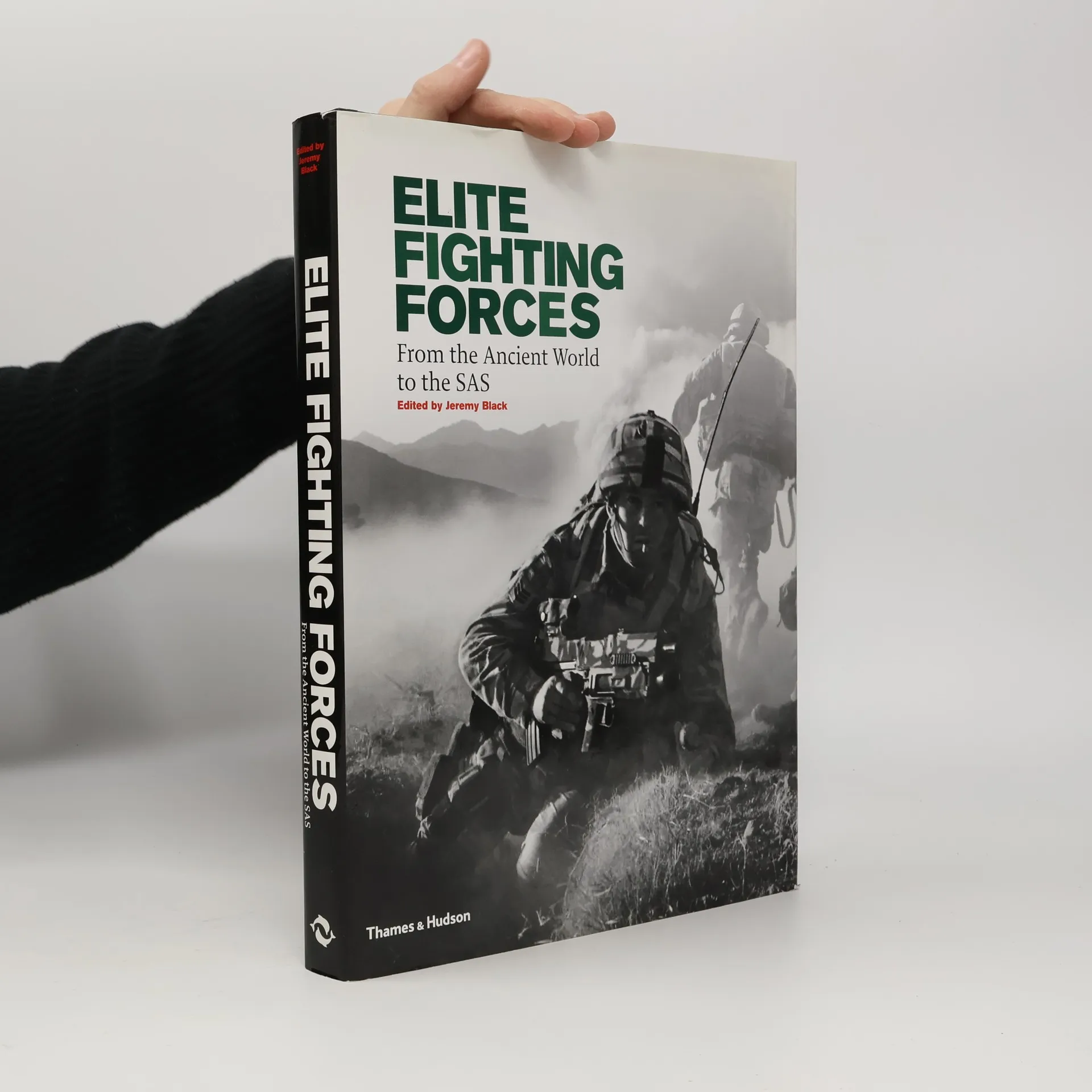
Elitekämpfer
- 207 páginas
- 8 horas de lectura
The most authoritative and up-to-date account available on special forces in history, with texts by noted military historians. Many of the most famous fighting forces in history have been elite units, trained and equipped for particular tasks, whether as imperial guards, shock troops, fighter pilots, or behind-enemy-lines special forces. This highly illustrated survey covers fifty-two such units, from the Persian Immortals of 2,500 years ago to the Delta Force and Green Berets today. These forces are distinguished by: • a willingness to fight to the death (the 300 Spartans at Thermopylae; the Knights of Malta) • a spearhead role (Alexander the Great’s Companion Cavalry; the Mongol Keshik; the Aztec Military Orders) • specialist skills and endurance (Edward III’s longbow men; Navy Seals) • reliability and loyalty to a leader or cause (the Zulu Impis; Mosby’s Rangers in the Civil War) Each profile lists important dates and includes a key battle and quotations from contemporary sources. The wide range of illustrations includes battle scenes and special uniforms and insignia.
Waterloo
- 256 páginas
- 9 horas de lectura
A masterly and concise reinterpretation of one of the seminal events in modern history, by one of the world's foremost military historians.
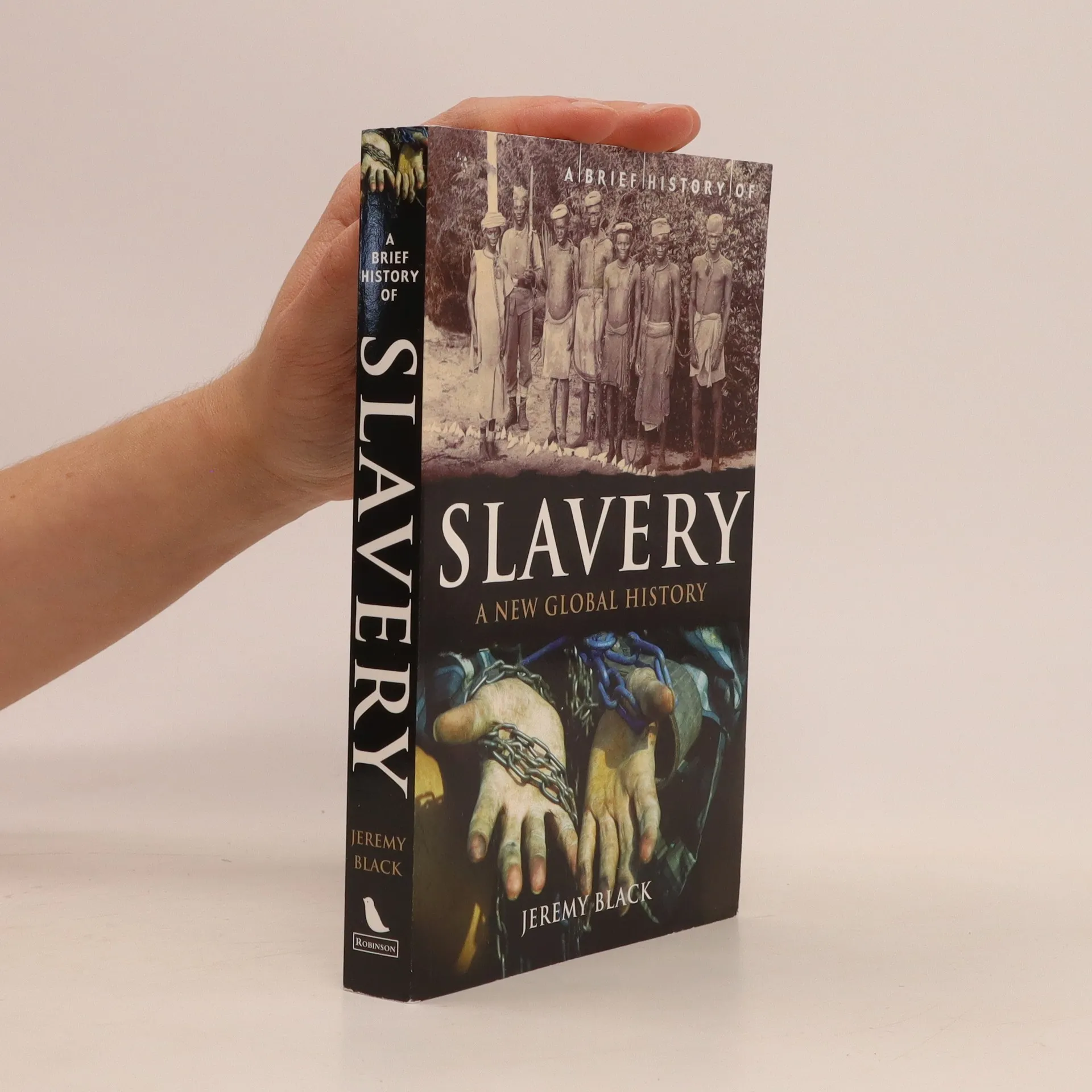
Slavery : A New Global History
- 336 páginas
- 12 horas de lectura
A new global history of slavery from its ancient origins through the horrors of the Atlantic trade to the present day.
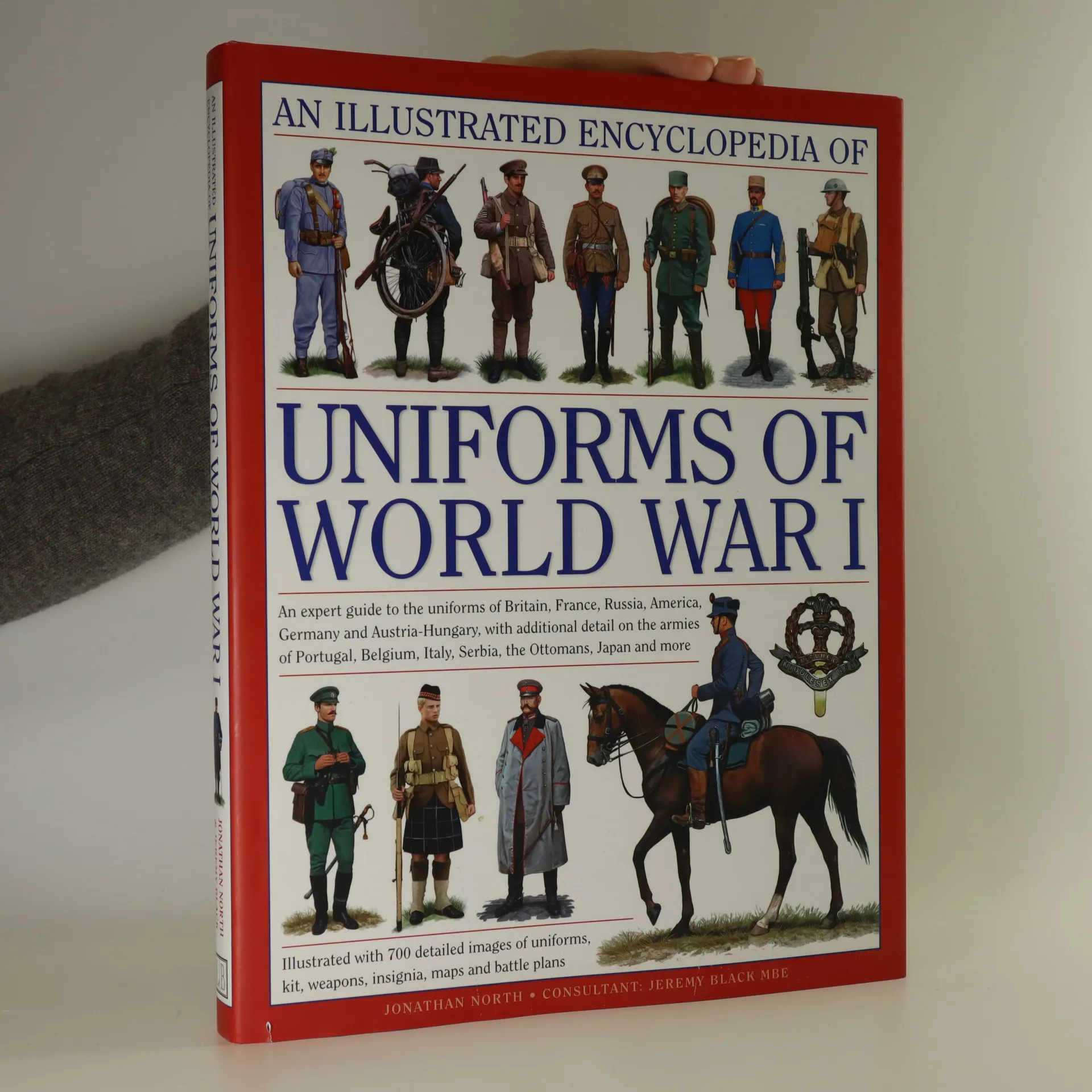
An Illustrated Encyclopedia of Uniforms of World War I
- 256 páginas
- 9 horas de lectura
This unique illustrated book charts the development in military uniform in relation to a shifting world, in an incredible visual directory with expert analysis and commentary.
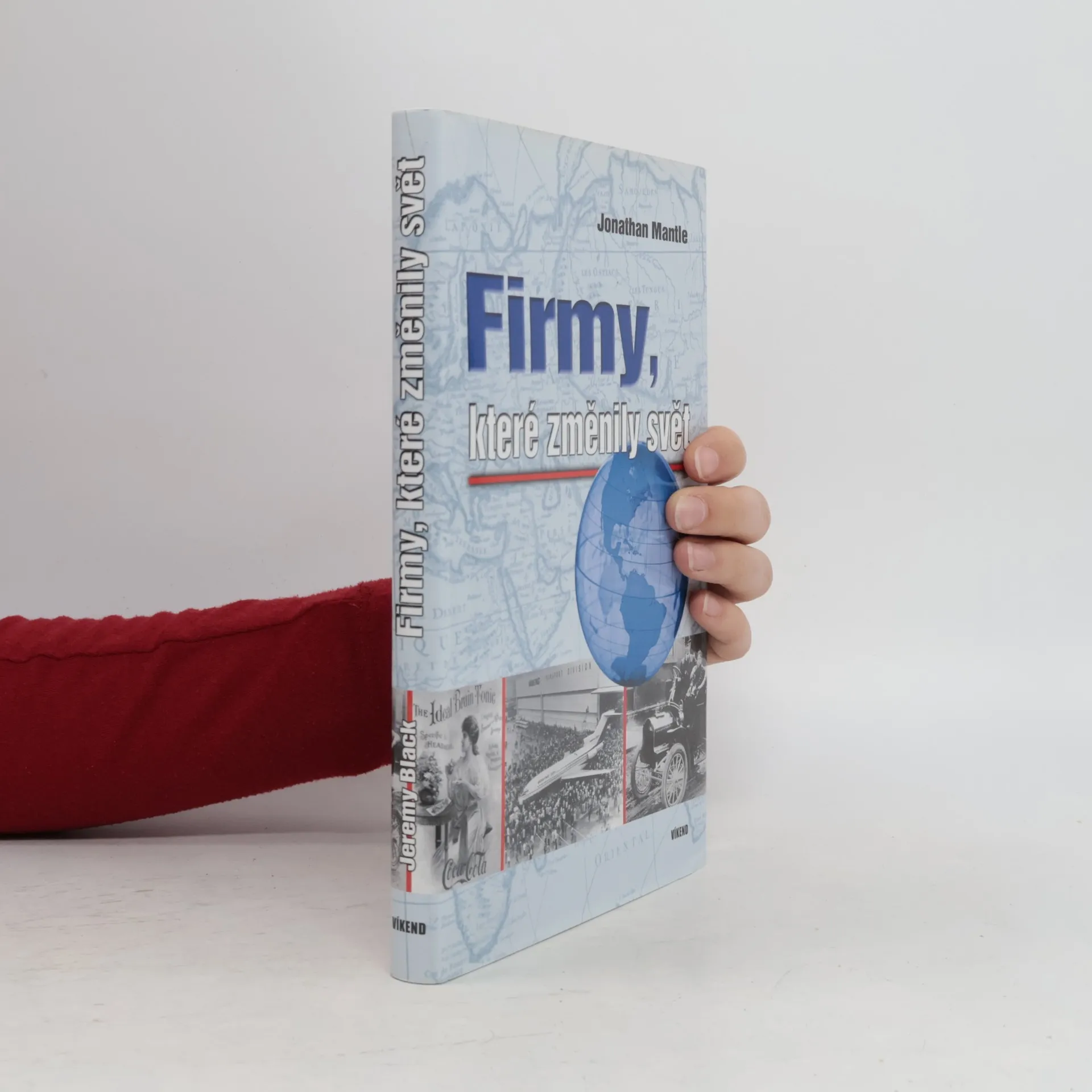
Firmy, které změnily svět
- 208 páginas
- 8 horas de lectura
Kniha, která pojednává o společnostech, které se podílely a podílejí nemalou měrou na utváření historie světa. Přečtěte si o jejich vzniku a historii. Některé společnosti Vás jistě překvapí. ...
Die Kriege des 20. Jahrhunderts
- 288 páginas
- 11 horas de lectura
Slavní vojevůdci a jejich tažení
- 420 páginas
- 15 horas de lectura
Velkolepý přehled osudů a kariér nejproslulejších vojevůdců od perského Kýra Velikého v 6. století př. n. l. po Vo Nguyen Giapa ve Vietnamu ve 20. století v podání špičkových historiků a vojenských odborníků z celého světa. Unikátní projekt se skutečně globálním záběrem – od Číny přes Indii po Afriku a od Evropy po Severní a Jižní Ameriku – se podrobně věnuje více než stovce nejdůležitějších vojenských vůdců, zatímco závěrečný abecední přehled zvyšuje celkový počet představených významných postav vojenské historie na úctyhodných dvě stě padesát. Bohatý obrazový doprovod tvoří dobové portréty a fotografie, vyobrazení bitevních scén, ukázky zbraní a uniforem i víc než 120 speciálně pro tuto publikaci vytvořených barevných map tažení, bitevních plánů a třírozměrných rekonstrukcí bitev. Jde o nepostradatelnou publikaci pro každého zájemce o vojenskou historii.
Kniha poutavě popisuje 50 nejvýznamnějších převratných změn v oblasti vojenské technologie. Autor ukazuje ničivý potenciál každé nové zbraně a její příspěvek ke změně způsobu vedení válek v celé historii ... Z anglického originálu „Tools of war“ vydaného nakladatelstvím Quercus Publishing Plc, London 2007 přeložili Jaromír Soukup, Stanislav Tumis, Jakub Rákosník, Blanka Kovářová, Jaroslav Valkoun, Ivan Jakubec, Michal Ulvr. Odborná revize Doc. PhDr. Martin Kovář, Ph.D.
A History of the British Labour Party
- 393 páginas
- 14 horas de lectura
Thorpe's book is widely seen as the best single-volume study of the whole of the Labour party's history. Now thoroughly updated in the light of ongoing historiographical debates, this third edition brings the story up to the present with new and revised chapters on the development of "New Labour" and the legacy of the Blair government.
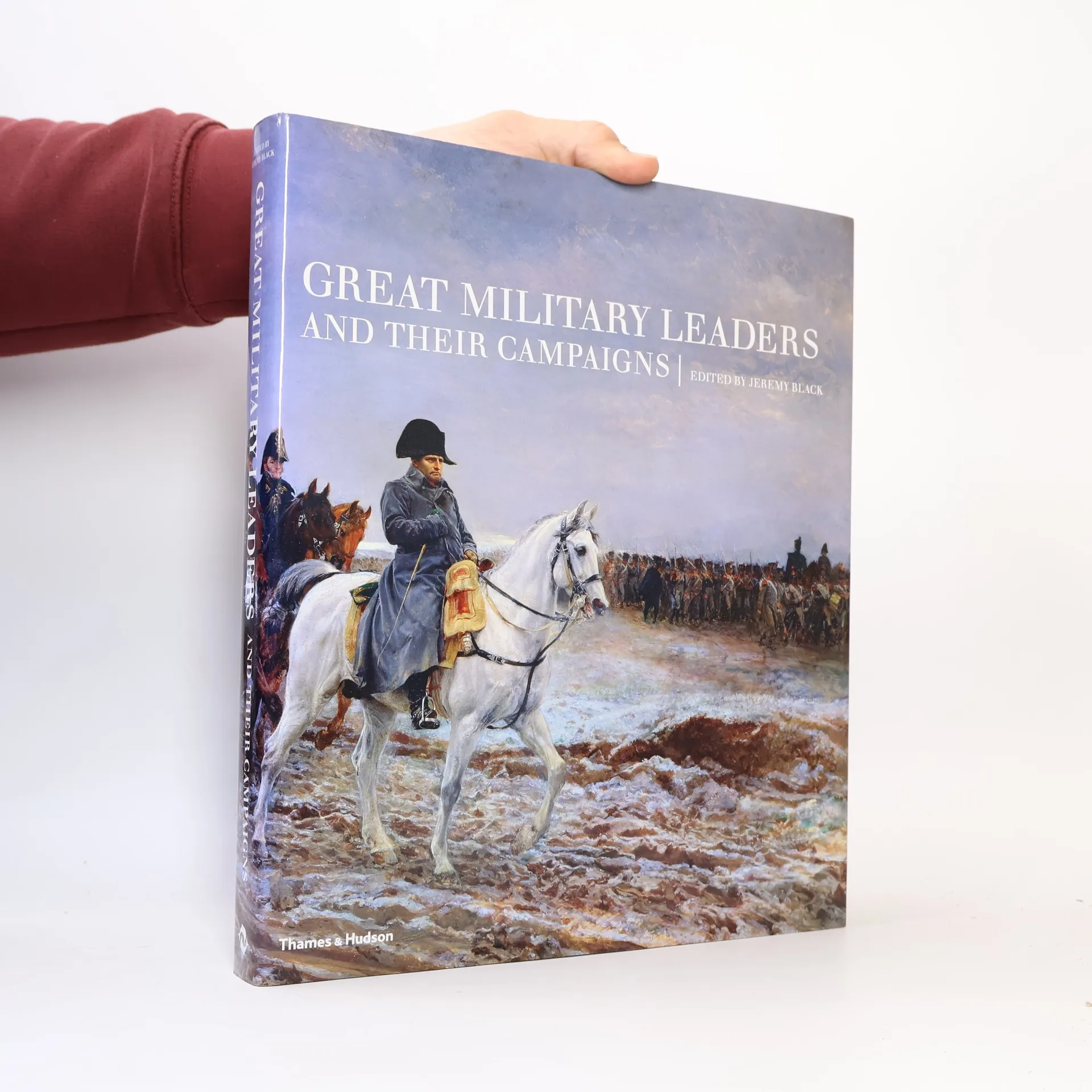
Great Military Leaders and Their Campaigns
- 304 páginas
- 11 horas de lectura
This profusely illustrated overview delves into the careers and campaigns of the world's greatest military commanders, spanning from Cyrus the Great in the sixth century BC to Vo Nguyen Giap in the twentieth century. It offers a global perspective, covering regions from China and India to Africa, Europe, and the Americas, with detailed profiles of over one hundred significant military leaders, their allies, and adversaries. Among the renowned figures featured are Alexander the Great, Hannibal, Julius Caesar, Saladin, Chingiz Khan, Napoleon, Wellington, Nelson, Ulysses S. Grant, Erich von Manstein, and Georgy Zhukov. The book also highlights lesser-known leaders like Jan Žižka and János Hunyadi, as well as Toyotomi Hideyoshi, the "Napoleon of Japan," and Nader Shah, the Persian conqueror. The large format enhances the visual experience, showcasing portraits, battlefield scenes, weapons, uniforms, and remarkable battle reconstructions. Additionally, specially commissioned campaign maps for each major leader and a reference section with concise biographies of 250 commanders enrich the content. Jeremy Black, a professor of History at the University of Exeter, brings his expertise to this comprehensive work.
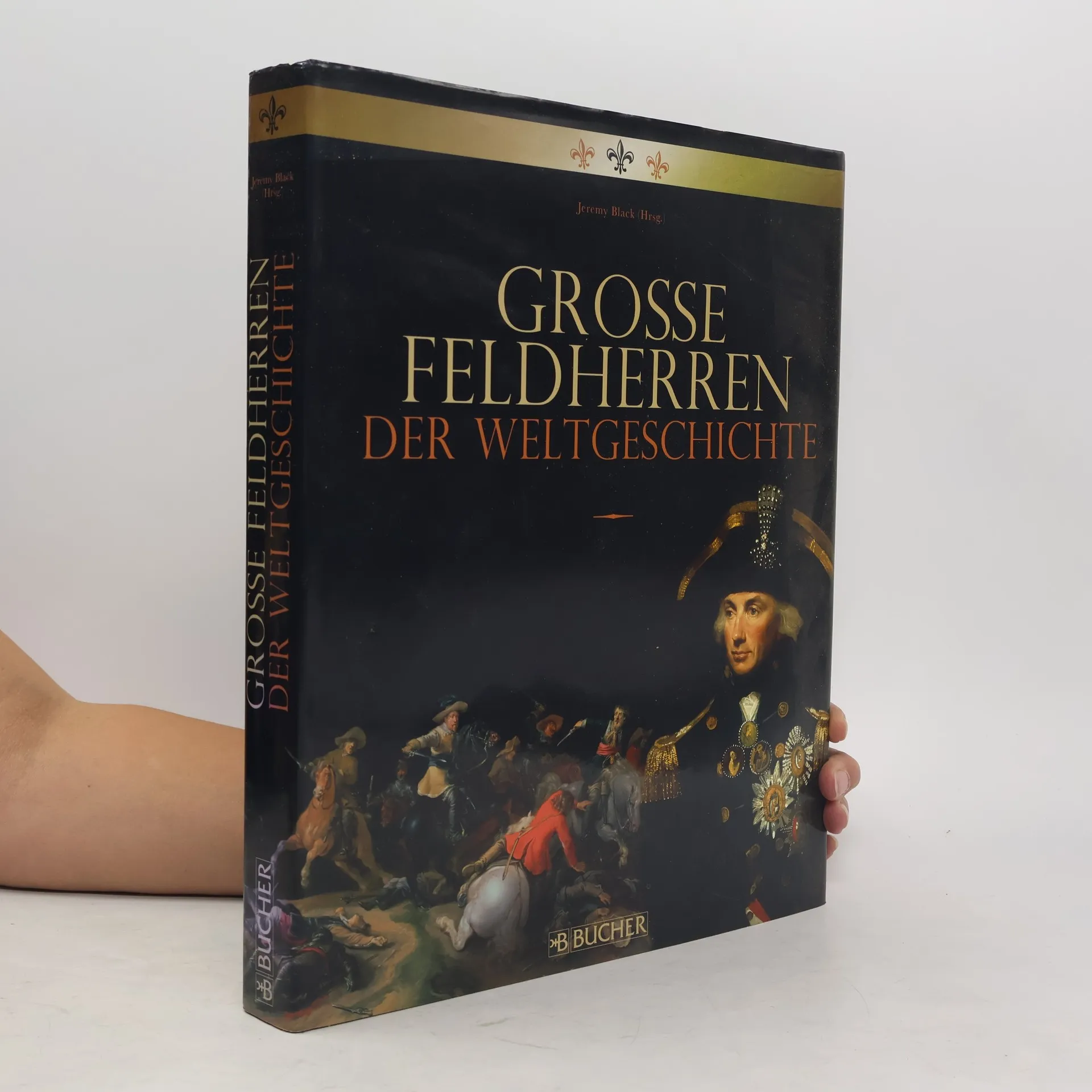
Grosse Feldherren der Weltgeschichte
- 304 páginas
- 11 horas de lectura
Siegreiche Schlachten und Niederlagen der größten Feldherren der Geschichte, vorgestellt von renommierten Historikern: Über 2500 Jahre reicht das Spektrum, von China über Afrika und Europa bis nach Amerika, von Alexander dem Großen über Julius Cäsar bis zu Napoleon, von Simón Bolívar über Robert E. Lee bis zu Eisenhower. Detaillierte Stragieanalysen werden ergänzt durch reichhaltiges Bildmaterial, Feldkarten, Schlachtpläne und 3-D-Konstruktionen der Kämpfe.
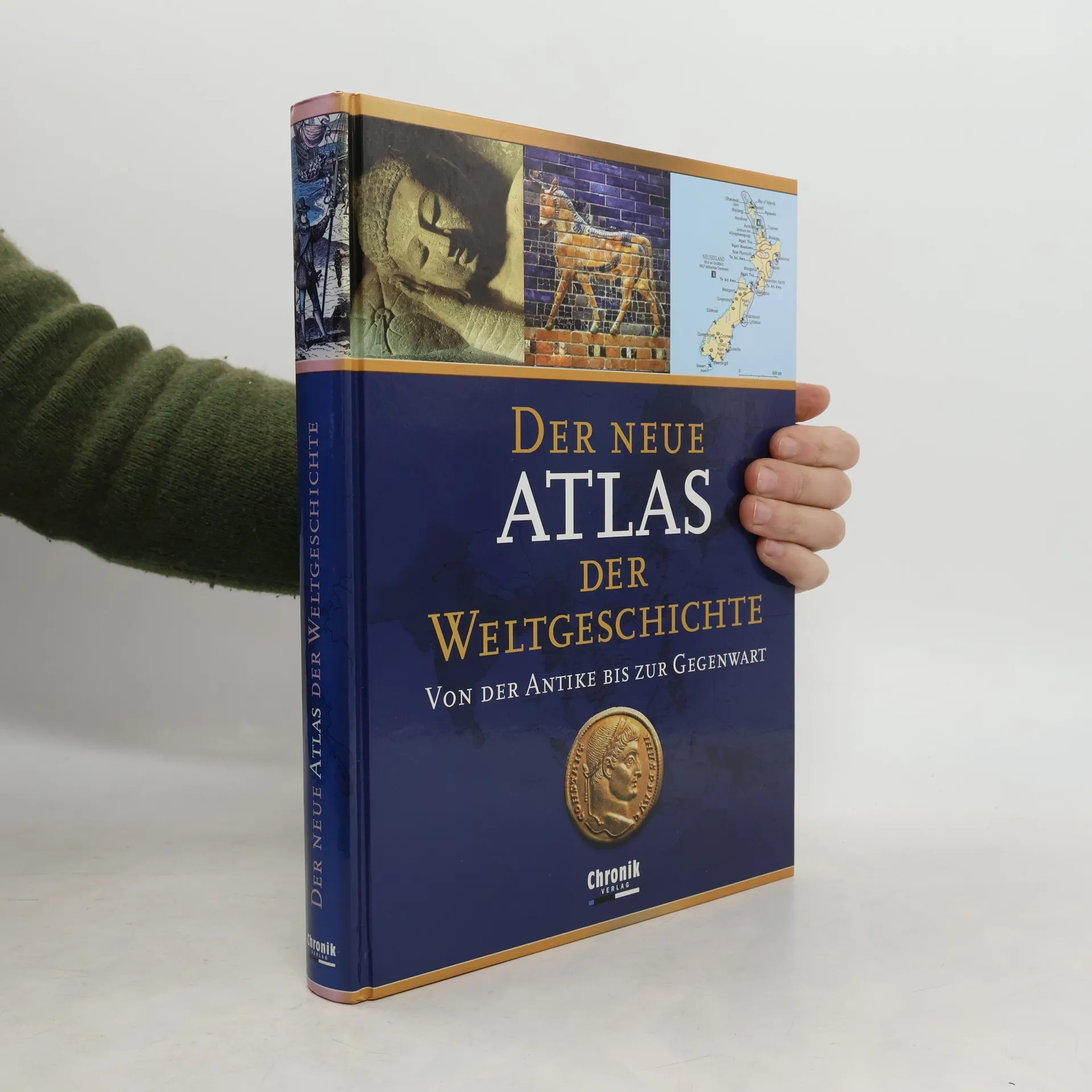
Dieser aktualisierte Atlas bietet eine zugängliche visuelle Zeitleiste der Geschichte und behandelt aktuelle historische Entwicklungen. Vollfarbig.
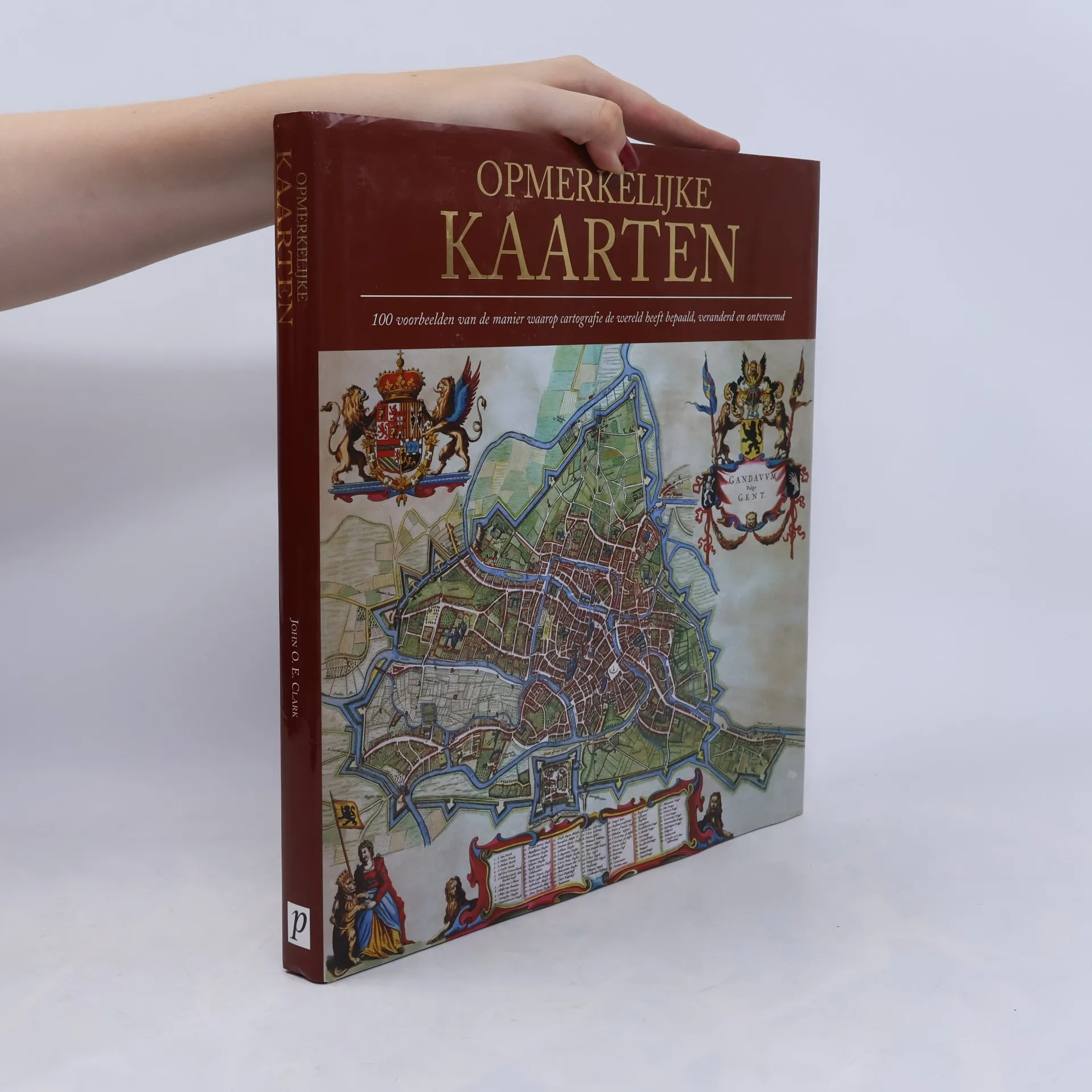
Opmerkelijke kaarten
100 voorbeelden van de manier waarop cartografie de wereld heeft bepaald, veranderd en ontvreemd
- 256 páginas
- 9 horas de lectura
Sedmdesát velkých historických bitev
- 304 páginas
- 11 horas de lectura
Výpravná publikace je bohatě ilustrovaným pramenem ilustrací, se stovkami fotografií a dobových maleb a speciálně zpracovanými schématy bitev. Je vhodná pro každého čtenáře, který se zajímá o vojenské dějiny. Jsou zde hodnoceny významné bitvy a válečné konflikty v dějinách uplynulých pětadvaceti století. Čtenář má možnost získat zasvěcený přehled o pokroku vojenské techniky i o tom, jak na něj reagovali velitelé na bojišti, a samozřejmě o důsledcích každé bitvy.
European Warfare in a Global Context, 1660-1815
- 240 páginas
- 9 horas de lectura
Focusing on the significance of conflict, this book explores eighteenth-century warfare from a global perspective. It highlights how these conflicts shaped military strategies and methods, emphasizing their decisive impact on the development of warfare during the period.
Sedemdesiat veľkých bitiek v dejinách ľudstva
- 304 páginas
- 11 horas de lectura
Waterloo a Gettysburg, Stalingrad a Midway, Kanny a Azincourt, ofenzíva Tet...Najnovší zväzok populárnej edície Sedemdesiat hodnotí významné bitky a vojnové konflikty v dejinách.V jednotlivých častiach knihy sa môžete dozvedieť detaily bitiek z rôznych období dejín – staroveku, stredoveku, renesancie, ale dočítate sa napríklad aj o vojnovom konflikte v Iraku.Publikácia je dokonalým prameňom informácií, bohato farebne ilustrovaným, so stovkami fotografií a dobových malieb a s osobitne spracovanými schémami bitiek. Je dostatočne zaujímavá pre širšie čitateľske publikum, nielen pre tých, čo sa zaujímajú striktne o vojenské dejiny.
De Zeventig Grootste Veldslagen Aller Tijden
- 304 páginas
- 11 horas de lectura
Geschichte der Landkarte
- 176 páginas
- 7 horas de lectura
70 große Schlachten der Weltgeschichte
- 304 páginas
- 11 horas de lectura
Kniha Obrazy světa se zabývá objevováním a mapováním naší planety od dob vynálezu knihtisku až po moderní družicové snímkování. Vypráví příběhy kartografů, objevitelů a zeměměřičů, kteří zakreslili náš svět do map. Neomezuje se jen na tradiční eurocentrický pohled, ale zabývá se i tím, jak Zemi vnímaly jiné kultury z celého světa. Kniha se také věnuje způsobům, jakými byly mapy používány – k matení nepřítele ve válečných konfliktech, při budování a správě říší, k zobrazení světa z různých kulturních a ekonomických hledisek a v neposlední době k zachycení rychlých změn fyzické podoby planety Země. Díky neobvykle rozsáhlé charakteristice důležitých map, které v průběhu historie lidstva vznikly, a podrobným výkladům o jejich významu přináší kniha Obrazy světa osvěžující zpracování dějin světové kartografie, které čtenáře nejen zaujme, ale i přiměje k zamyšlení.
The British Seaborne Empire
- 432 páginas
- 16 horas de lectura
Sea-power made the British Empire what it was: without sea-power there would have been no empire, or at least no empire in the form it actually took. In this masterful analysis of the role of the sea in the history of the British Empire, Jeremy Black follows in the tradition of classic works by C. R. Boxer on the Dutch and Portuguese seaborne empires and by J. H. Parry on the Spanish seaborne empire. Black considers how the ocean affected British exploration, defense, trade, commerce, and the navy, as well as the attitudes and perceptions of the British people themselves.The book covers the process of imperial expansion, the decline of the Empire, and the role of the navy in the postimperial age. Attractively illustrated and wide in scope, the book demonstrates the profound influence that proximity to the sea has exerted on virtually every aspect of British history and culture.
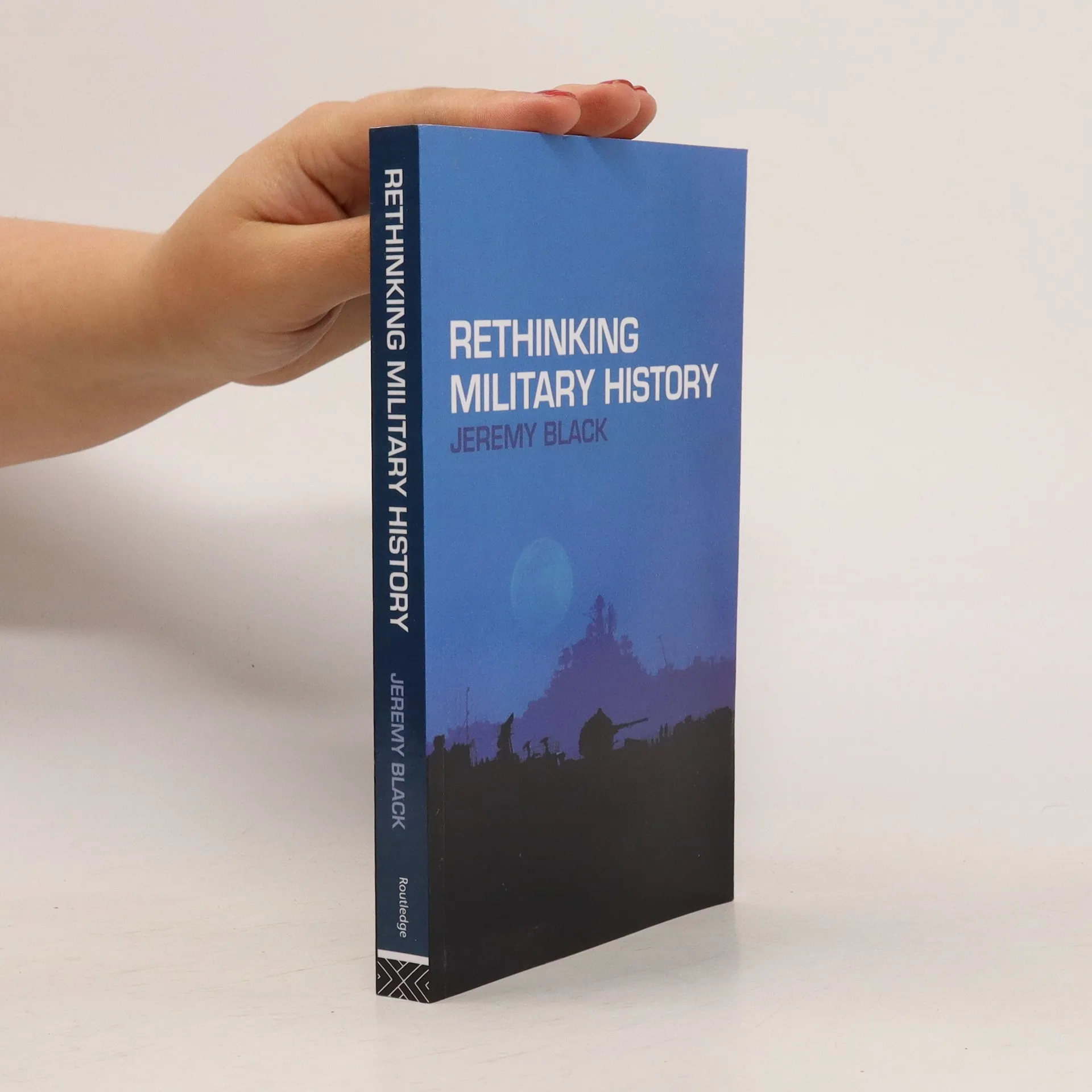
Rethinking Military History is a bold new 'thought book' that reconsiders military history at the beginning of the twenty-first century. The chapters provide a valuable and concise survey of the main themes in the study of military history from 1500 to the present day as Jeremy Black reveals the main trends in the practice and approach to military history and proposes a new manifesto for the subject to move forward.This must-read study demonstrates the limitations of current approaches, including common generalizations, omissions, and over-simplications. Engaging theoretical discussions, with reference to specific conflicts, suggest how these limitations can be remedied and adapted, whilst incorporating contributions from other disciplines. Rethinking Military History is essential reading for all those with an interest in military history, and all who wish to take part in moving the discipline forward.
Offering a fresh global perspective, this account of World War II emphasizes military campaigns and battles while challenging established interpretations. Distinguished historian Jeremy Black presents a chronological analysis of conflicts across land, air, and sea, integrating operational details with social, cultural, and political contexts. His work provides new insights into significant operations, particularly on the Eastern Front and in the war against Japan, serving as a crucial counterweight to previous historical narratives.
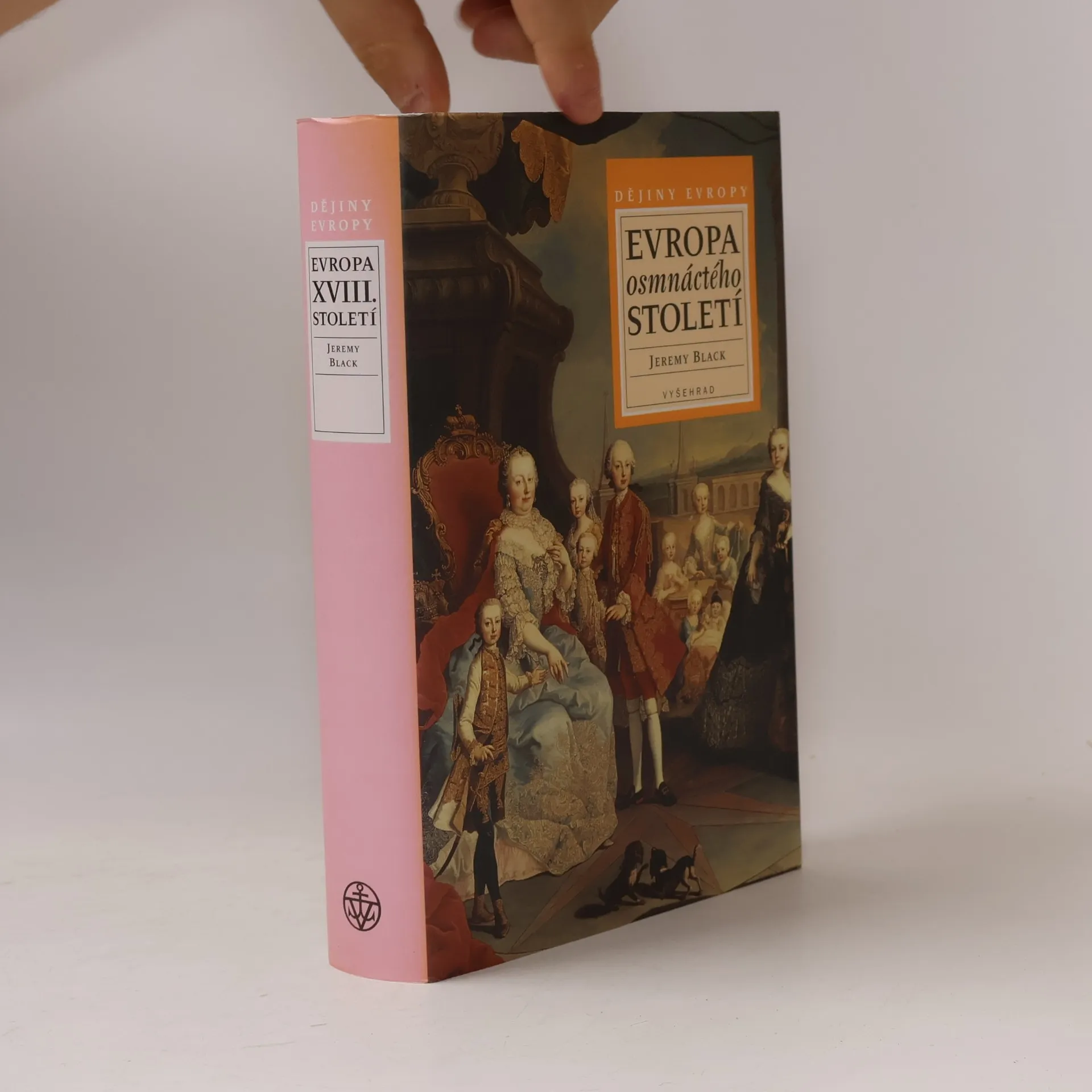
18. století je předznamenáním průmyslového věku, hospodářského rozmachu příštích staletí. Je ovšem i obdobím významných historických událostí – Francouzské revoluce a s ní spojeného teroru ve Francii, následné bídy a vystěhovalectví, počátků pozdější velké migrace národů, roztržky Británie s koloniemi v Severní Americe a vzniku Spojených států, dlouhých válek, z nichž některé trvaly celou generaci, počátků krizí, které v následujícím století přerostly v urputné střety, avšak zároveň ve svém důsledku znamenaly vznik velkých demokracií moderní doby.
European Warfare, 1494-1660
- 256 páginas
- 9 horas de lectura
Beginning with the Italian Wars in 1494, this book offers a focused examination of early modern European warfare. It presents a concise yet thorough analysis that appeals to students and enthusiasts of military history, highlighting key developments and strategies during this transformative era.
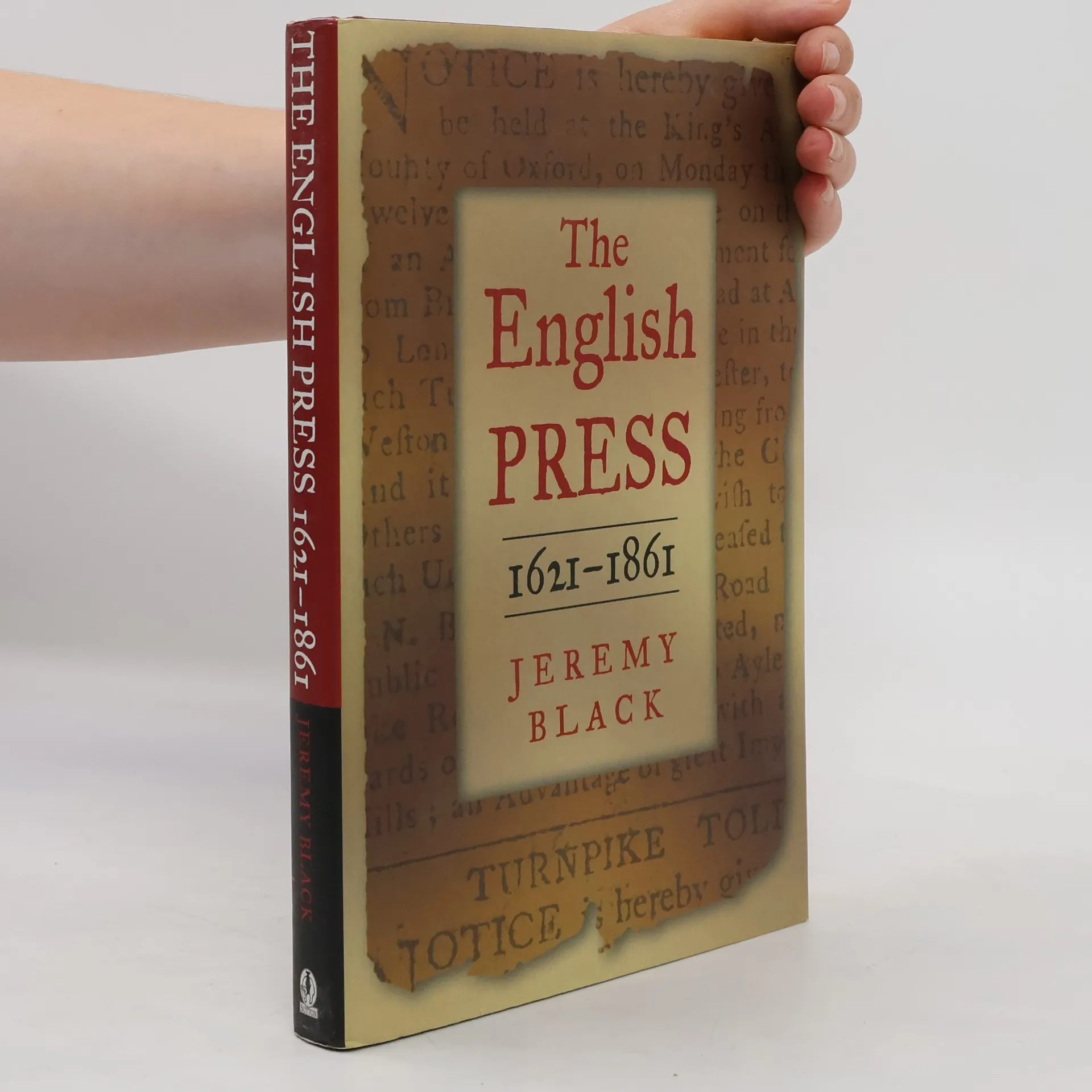
The English Press, 1621-1861
- 213 páginas
- 8 horas de lectura
This book provides an invaluable insight into the infant industry and its world. Informative and enlightening, it is also a tonic for those who think press intrusion and sensationalism are modern diseases!
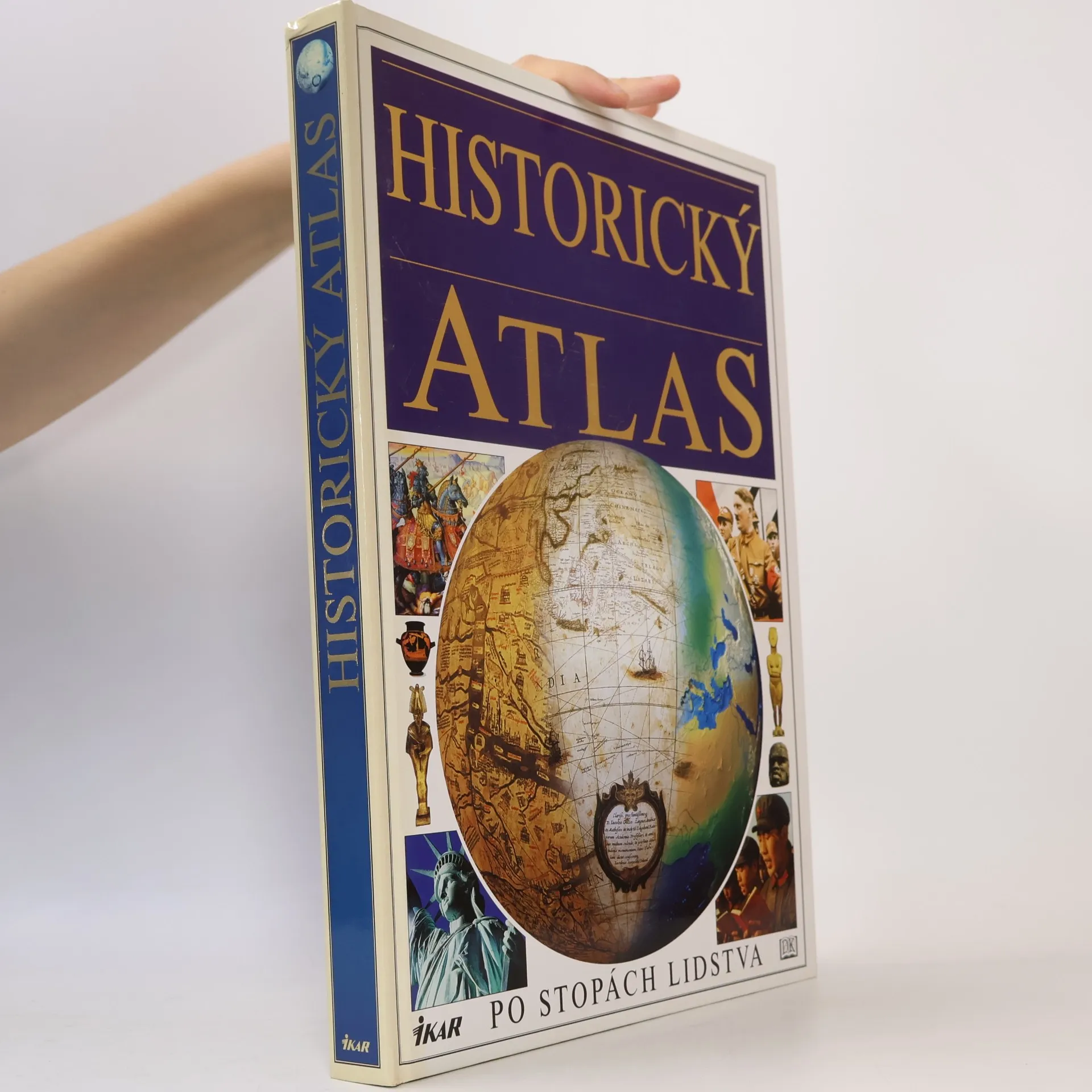
Historický atlas
- 352 páginas
- 13 horas de lectura
Podtitul: po stopách lidstva Dosud nepřekonaný vizuální přehled světových dějin v rozmezí více než 20 000 let – od vzniku člověka po úsvit nového tisíciletí – přes 470 názorných map vypracovaných nejmodernějšími kartografickými metodami – detailní průřez regionálními i světovými dějinami – více než 420 časových os, s jejichž pomocí jsou události zařazeny do historického kontextu – více než 1000 fotografií a ilustrací – fascinující obraz zrodu národů, vzestupu a pádu říší a rozvoje kultury, obchodu, jazyka a náboženství – encyklopedický rejstřík osobností, míst a událostí pro rychlou orientaci – přes 20 000 hesel! Atlas vyniká progresivní dvoustupňovou strukturou, která umožňuje vedle komplexního pohledu i seznámení s dějinami jendotlivých regionů. Obsahuje 26 map zachycujících měnící se svět od zrodu člověka po příchod třetího tisíciletí. Další část atlasu podrobně zkoumá historii jednotlivých regionů; zaměřuje se na rozvoj nových států, jazyků, náboženství a kultury. Každou chronologicky řazenou mapu doplňují fotografie, dobové ilustace, časové osy a odborný komentář.
A New History of England
- 308 páginas
- 11 horas de lectura
Jeremy Black looks at two millennia of English history, and identifies two major themes: a lack of geographic and concomitant economic unity; and the fact that from the Roman invasion onward, a united England was often politically associated with Europe, from Cnut to the Hanoverians.
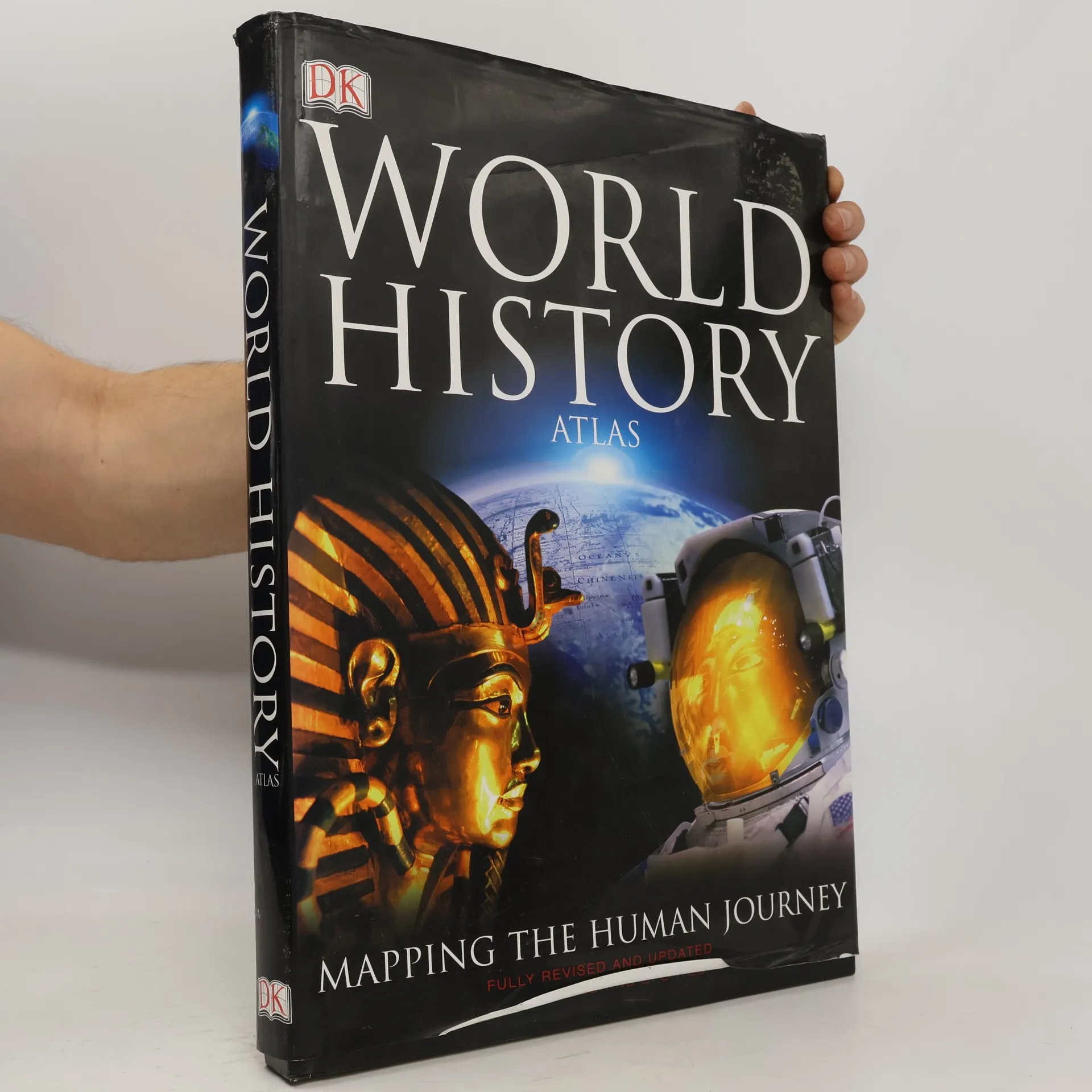
World History Atlas
- 320 páginas
- 12 horas de lectura
The definitive record of humankind's global story. From early man to the 21st century, the rise and fall of empires, the birth of nations, culture and conflict are all explored in revealing detail. Key Era Overviews build up a story of the changing world through the centuries, while historical developments are examined continent-by-continent, region by region, complemented by timelines and a detailed glossary. An unsurpassed visual chronology and an invaluable family reference.
Modern British history : since 1900
- 400 páginas
- 14 horas de lectura
This compelling text provides a thematic account of British history centering on the 20th century. To the traditional, chronological account of historic events, Black adds long-range thematic chapters reflecting the full range of topics. These include political structures, ideologies, wars and international relations, economic history, and social history as well as consumerism, media, and mass communication. The coverage is further enlivened with exhibits providing supplementary background information on key personalities and pivotal events, and numerous illustrations.
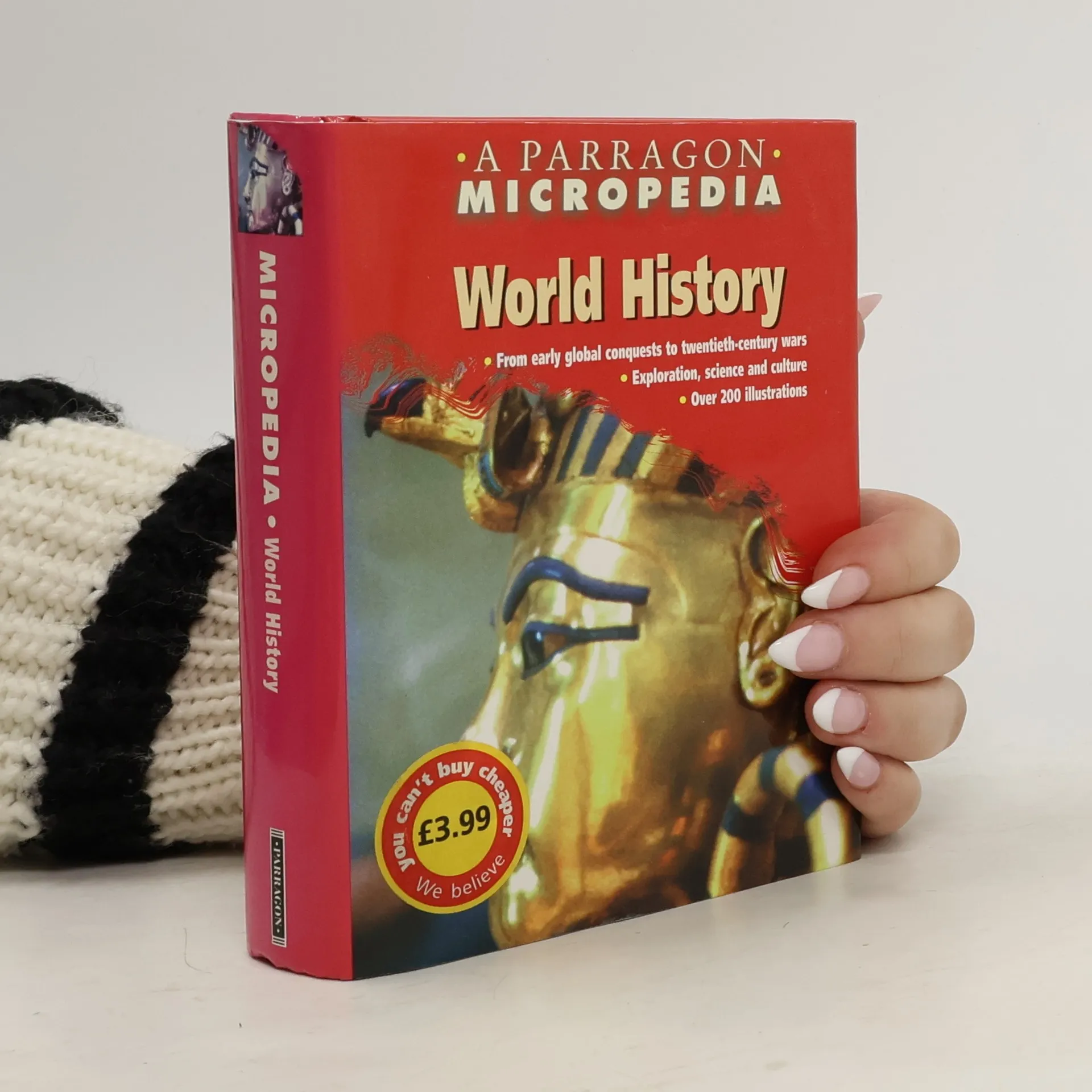
Micropedia: World History
- 352 páginas
- 13 horas de lectura
World History Covering the most significant moments in the history of the world, from prehistory to the twentieth century, this fascinating reference guide offers a diverse range of information from all regions of the world. From the earliest peoples - through the rise and fall of some of the greatest empires, internal and customs - to the great technological achievements of modern times, World History is the essential guide to all the key events, peoples, and cultures that have helped to shape the world today.
Die Kriege des 18. Jahrhunderts
- 224 páginas
- 8 horas de lectura
Ilustrovaný slovník nabízí pohled do života dávné říše a seznamuje čtenáře s jejími božstvy, démony, ale i magií a mýty.
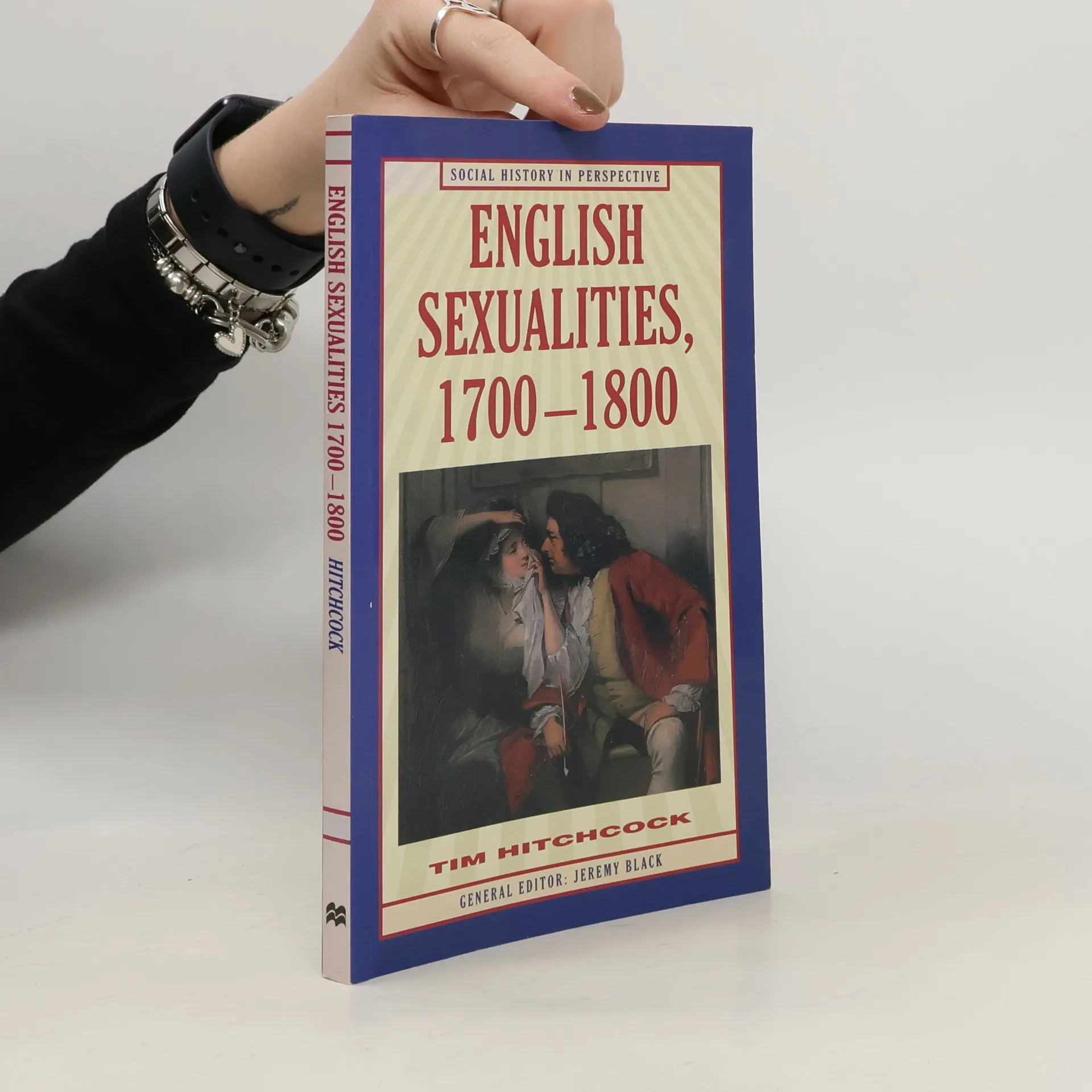
Social History in Perspective: English Sexualities, 1700 - 1800
- 184 páginas
- 7 horas de lectura
This fascinating and wide-ranging analysis of gender and sexualities brings together the disparate literatures on demography, love and marriage, the body, homosexuality, lesbianism, and the regulation of sexuality. It makes available to both undergraduates and professionals these complex literatures in an accessible and readable form, and in the process changes our understanding of the nature of the origins and development of modern sexual roles and gender relations.
Palgrave Essential Histories Series: A History of the British Isles
- 372 páginas
- 14 horas de lectura
'Do histories of Britain inevitably have to be histories of England? This is exactly where Jeremy Black comes into his own, for he delivers the history of the archipelago which he promises...the perspective of the work is wider and fuller than that of any other recent history. Black's work is also remarkable for the sense which it conveys of the power of broad social and cultural change.' - Times Educational Supplement Jeremy Black has written a vigorous and fascinating narrative of a group of rather desolate offshore islands and their remarkable impact upon the rest of the world. From the earliest pre-history to the 1990s, this stirring account describes the astonishingly varied stages through which the British Isles have passed to achieve their present identity.
An Illustrated History of Eighteenth Century Britain, 1688-1793
- 244 páginas
- 9 horas de lectura
The Enlightenment, Britain's cultural renaissance in the 18th century, is discussed in this analysis of Georgian society. The author presents a picture of society where life was nasty, often brutish and invariably short, but against which Britain saw the establishment of a huge overseas empire and the beginning of the first industrial revolution in the world.
European Warfare, 1660-1815
- 286 páginas
- 11 horas de lectura
This is a history of warfare, wars and the armed forces of Europe from the military revolution of the mid-17th century to the Napoleonic wars.; This book is intended for broad-based undergrad courses on 18th century Europe/Britain and the Ancien Regime. 2nd and 3rd year thematic courses on warfare in the modern period, and students of war studies.
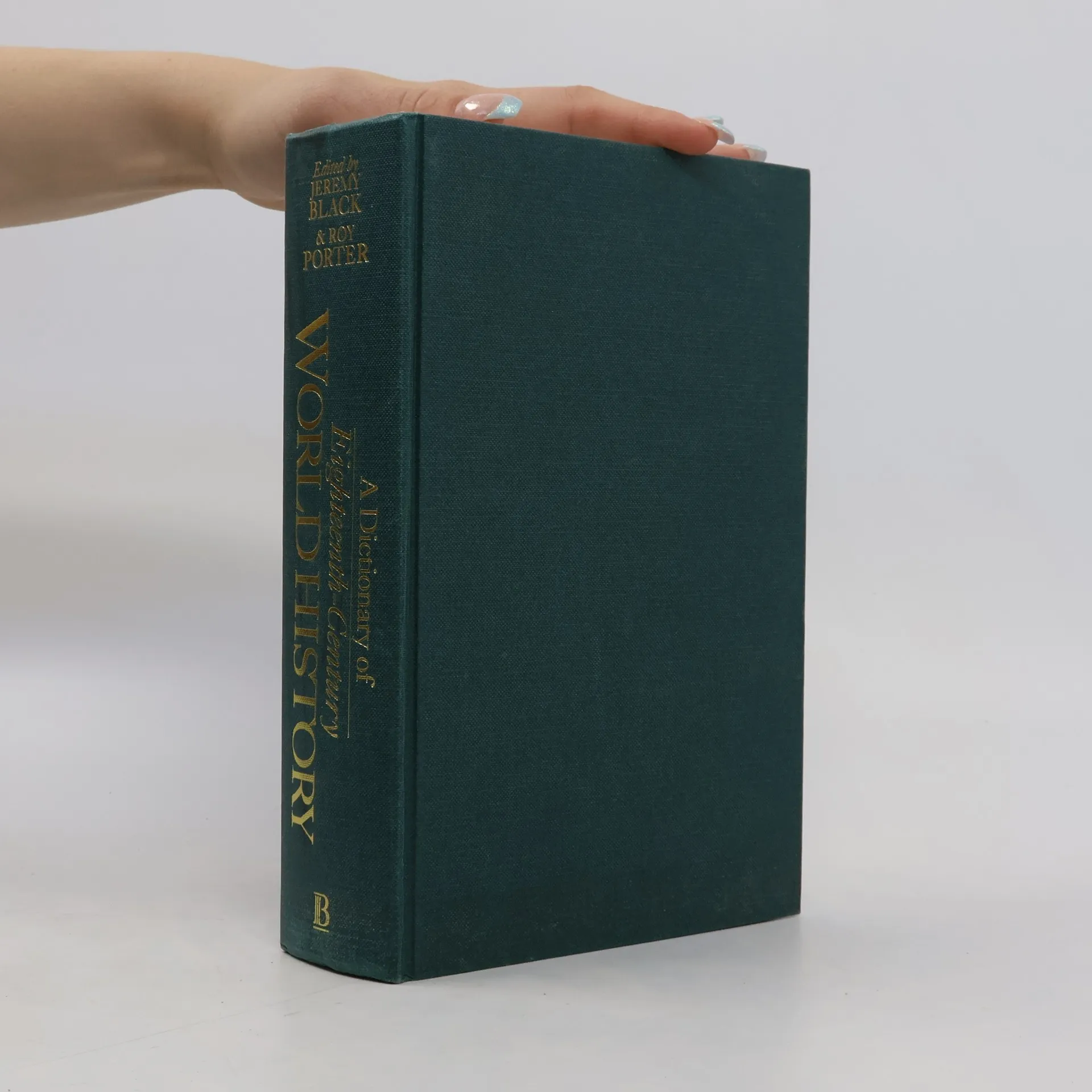
The short entries give facts on chief personalities, events, wars, political and social developments while the longer essays interpret the century. Includes a chronology, maps and charts showing world rulers at that time
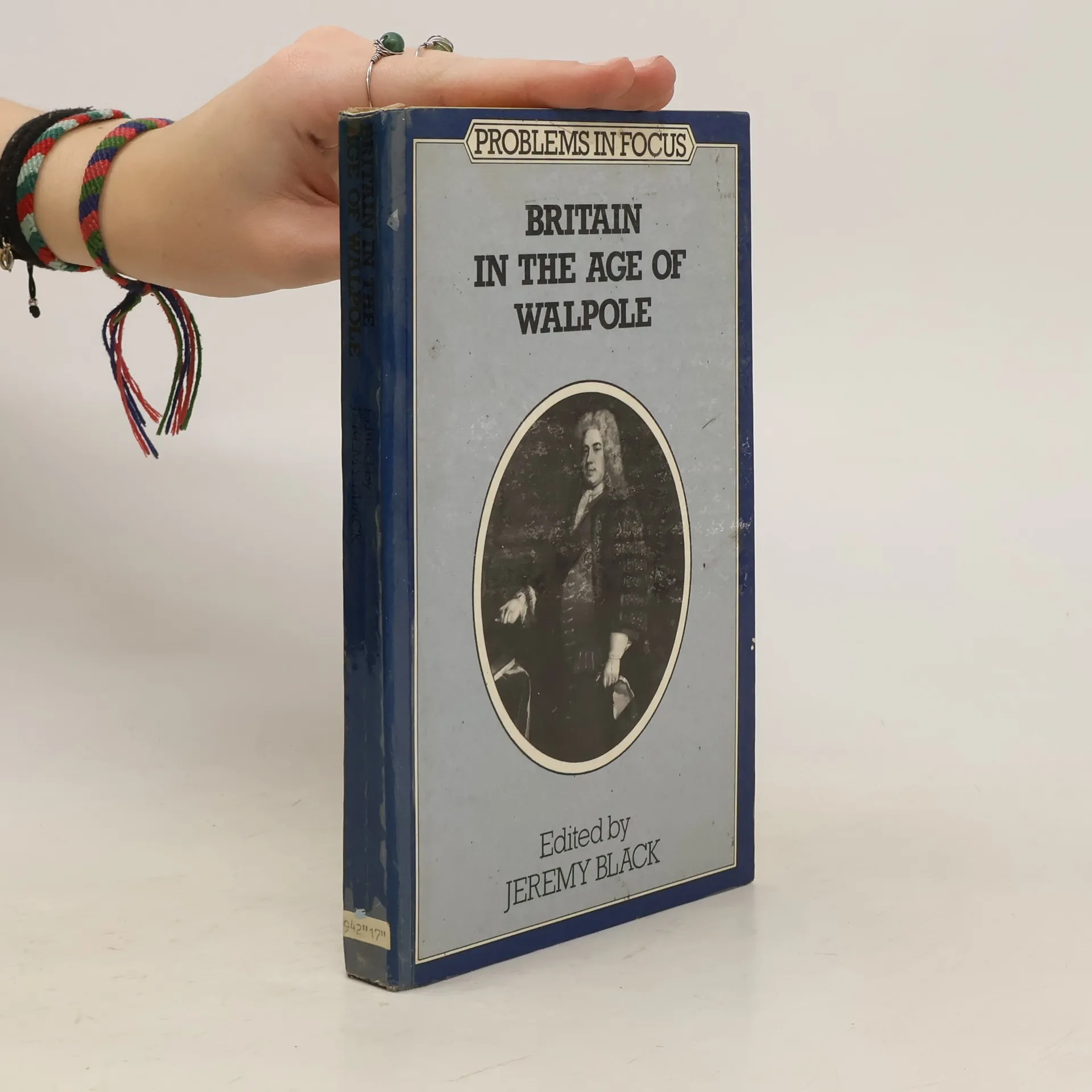
Britain in the Age of Walpole
- 272 páginas
- 10 horas de lectura
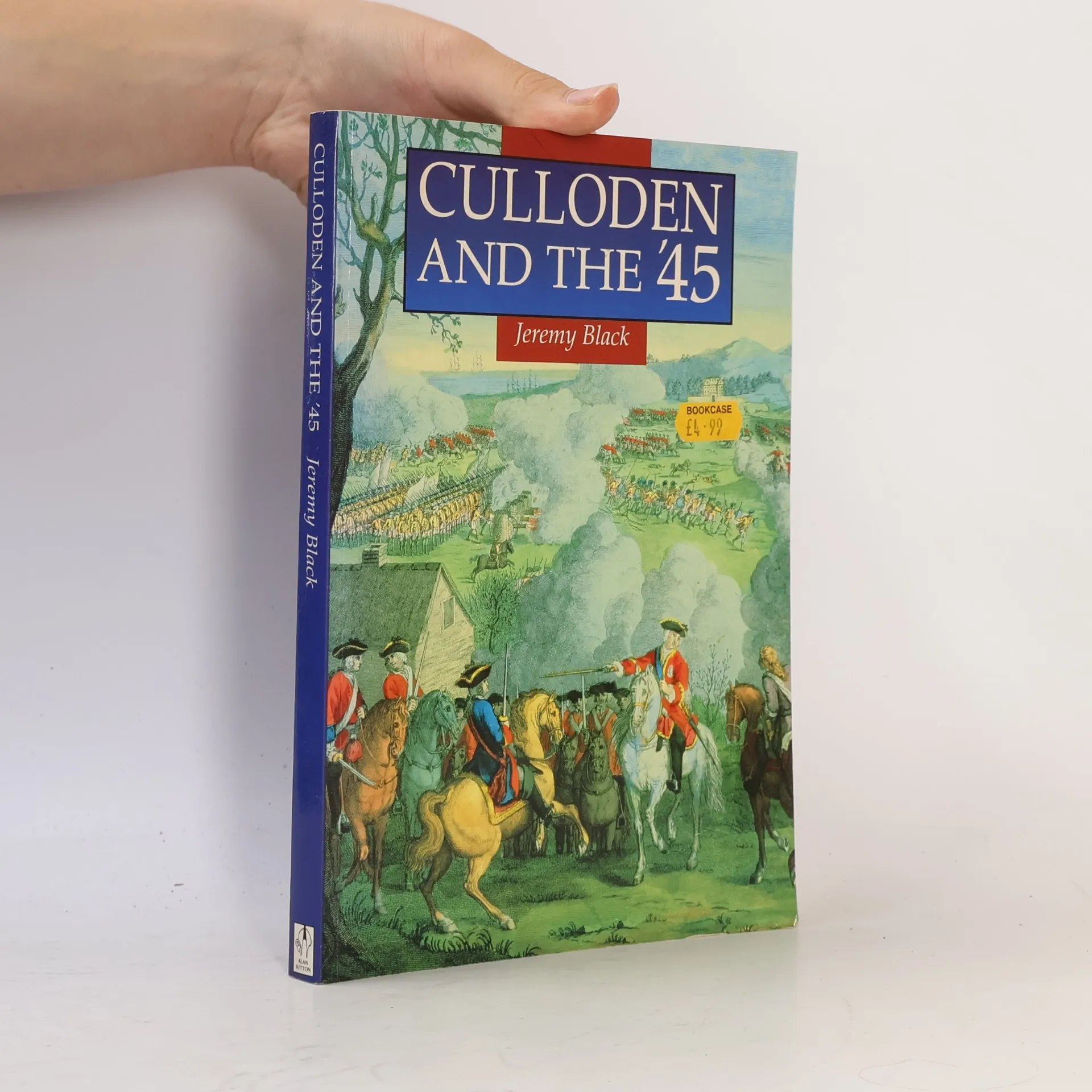
Culloden and the '45
- 240 páginas
- 9 horas de lectura
This book covers the bloody destruction at the battle of Culloden and looks at why the Jacobite rebellion fell apart.
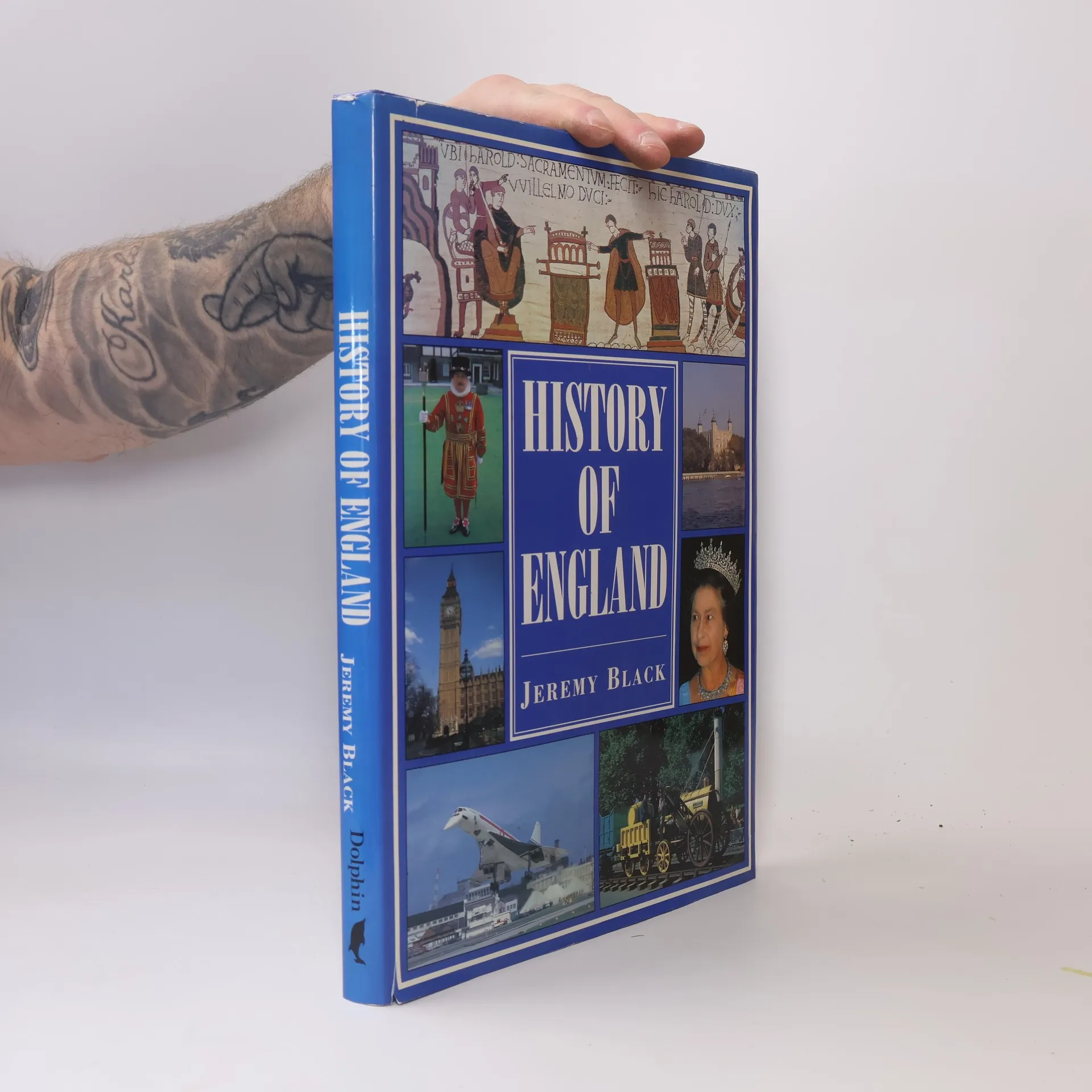
History of England
- 192 páginas
- 7 horas de lectura
History of England