
Este poeta y ensayista francés es celebrado por su prolífica obra, que comprende más de veinte volúmenes de poesía en prosa y verso blanco, junto con varias colecciones de ensayos y crítica. Su aclamada escritura utiliza a menudo imágenes simbólicas, como el color azul, para explorar el espectro de la experiencia humana, abarcando la melancolía y la nostalgia junto con la alegría y la esperanza inherentes a la vida. Su estilo distintivo y su profunda exploración de temas consolidan su lugar como una voz significativa en la literatura francesa contemporánea.
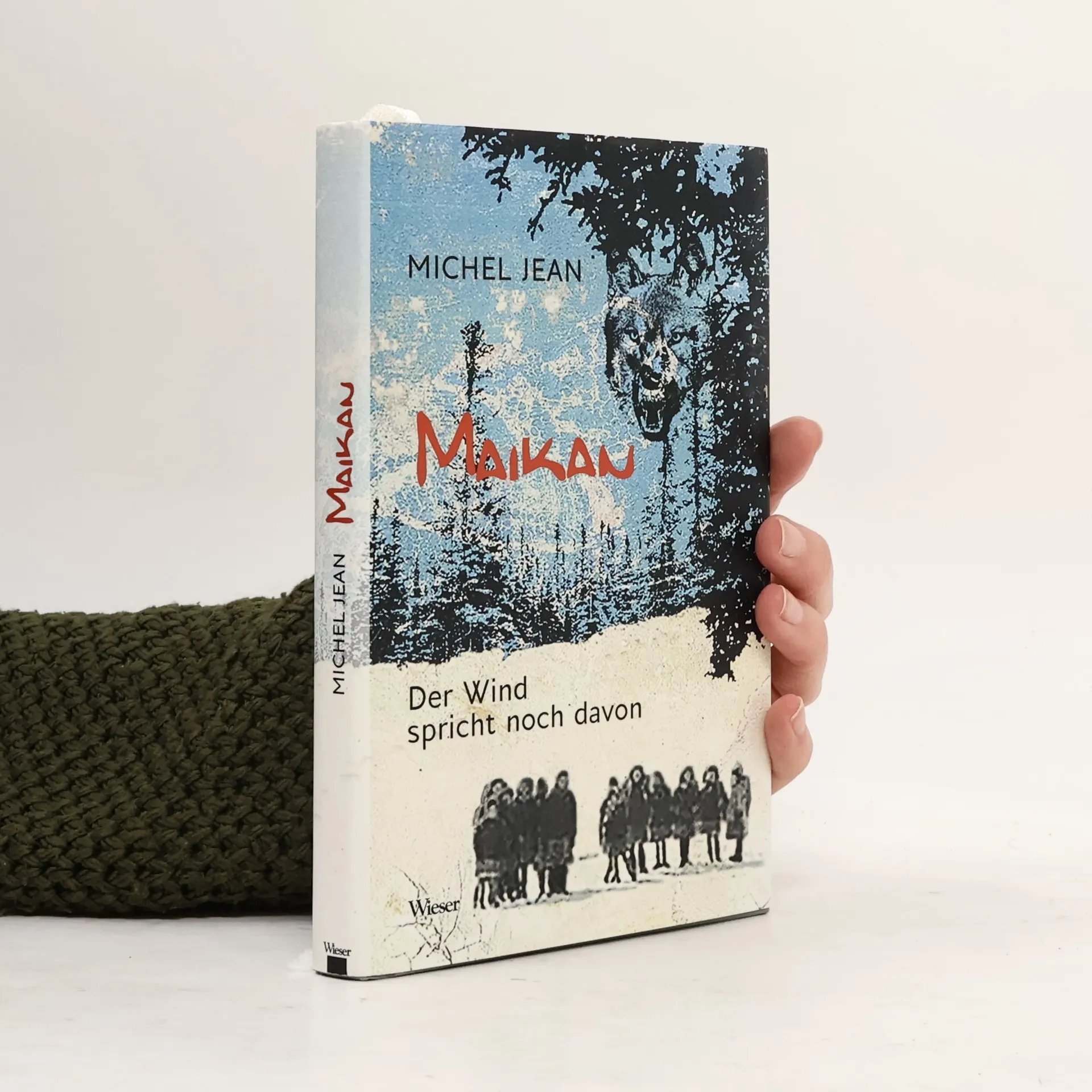
The narrative centers on Almanda Simâeon, an orphan who navigates cultural divides as she falls in love with an Innu man and integrates into the Pekuakami Innu community. Embracing their language and nomadic lifestyle, she challenges the limitations placed on Indigenous women. Spanning a century, the story explores the decline of traditional Innu life, highlighting the family's struggles against land loss, confinement to reserves, and the traumatic impact of residential schools.
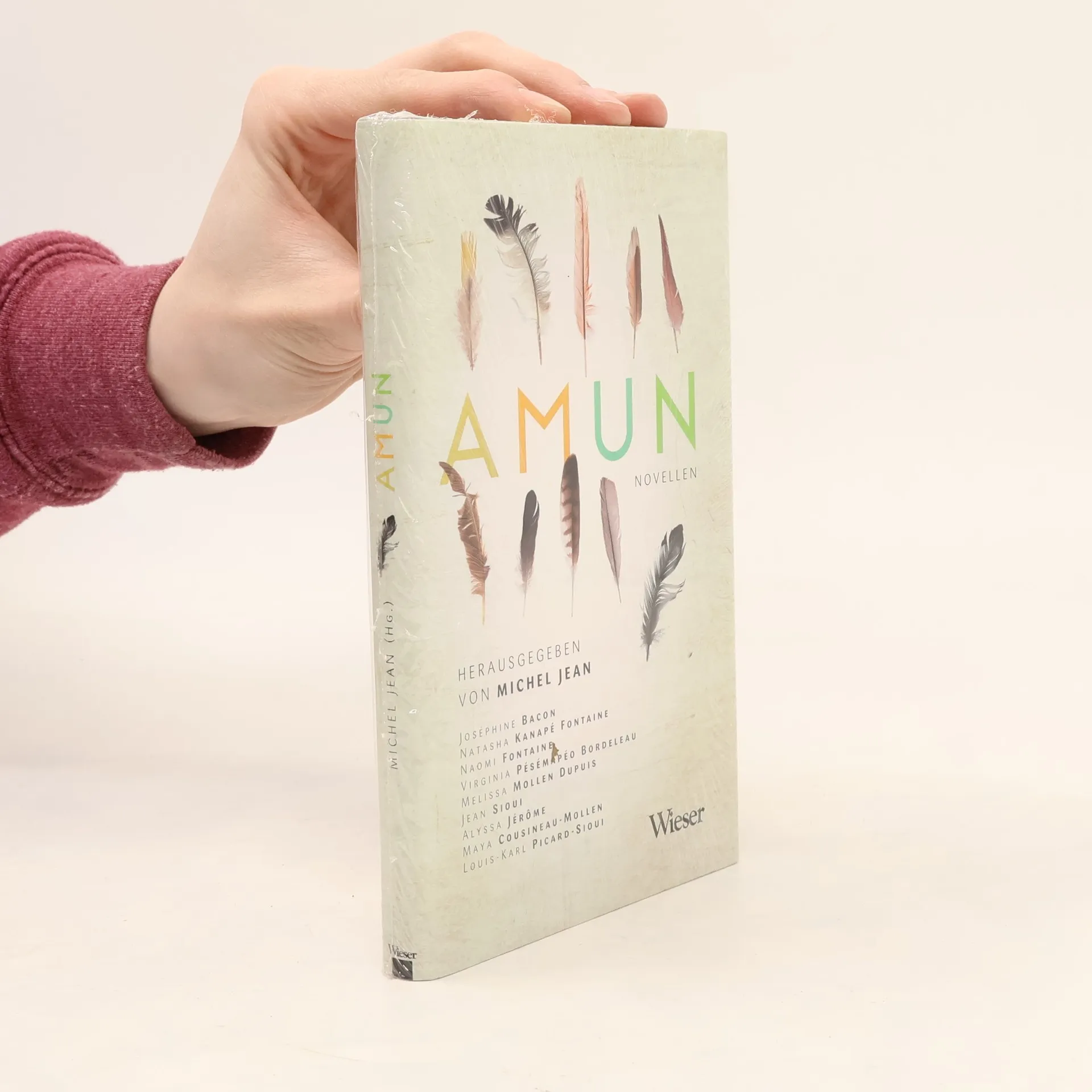
In the Innu language, amun means "gathering." Under the direction of Michel Jean, the Innu writer and journalist, this collection brings together Indigenous authors from different backgrounds, First Nations, and generations. Their works of fiction sometimes reflect history and traditions, other times the reality of First Nations in Quebec and Canada. Offering the various perspectives of well-known creators, this book presents the theater of a gathering and the speaking out of people that are too rarely heard. Included are original texts by Joséphine Bacon, Natasha Kanapé Fontaine, Naomi Fontaine, Virginia Pésémapéo Bordeleau, Melissa Mollen Dupuis, Jean Sioui, Alyssa Jérôme, Maya Cousineau-Mollen, Louis-Karl Picard-Sioui, and Michel Jean.
The aim of this project is to provide a sustained analysis of the concept of ‘self’ in Statius’ Thebaid . It is this project’s contention that the poem is profoundly interested in ideas of identity and selfhood. The poem stages itself as a metapoetic exploration of the difficulties for a belated epicist in finding a place in the literary canon; it shows the impossibility of squaring large-scale epic poetics with small-scale, finely-wrought Callimacheanism; it reflects the violent disjunction between Statius’ authorial pose as a poet without power and the extreme violence of his poetics; it opens up the intricacies of constructing original, coherent characters out of intertextual, exemplary models. The central tenet of the project is that Statius in the Thebaid stages his own 'death', but does so that his poem may live. This book is intended for an academic audience including undergraduate and graduate students as well as specialists in the field. Although the project will be of primary importance to readers of Flavian literature, it will also be of interest to those who study intertextuality and characterisation in Roman literature more generally, selfhood and identity in Roman literature and culture and the reception of Roman literature.
In diesem Roman widmet sich Michel Jean den autochthonen Männern und Frauen, die als Obdachlose auf den Straßen Montréals leben. Der junge Innu Élie Mestenapeo, verbannt aus seiner Gemeinde Nutashkuan, kehrt nach einer zehnjährigen Haftstrafe nach Montréal zurück, nachdem er seinen gewalttätigen Vater ermordet hat. Dort trifft er auf Angehörige verschiedener Nationen, die sich am Square Cabot eine eigene Gemeinschaft geschaffen haben. Unter ihnen findet er Freunde, die ihm helfen, wieder ins Leben zurückzufinden: Geronimo, Charlie, der Sänger Caya, die Inuit-Zwillinge Mary und Tracy sowie der alte Nakota Jimmy, der die Obdachlosen mit Essen versorgt. Marys Tochter Lisbeth, die gerade ihr Medizinstudium beendet hat, bestärkt Élie, die schulischen Voraussetzungen für ein Jurastudium nachzuholen. Kurz vor ihrem Tod gesteht Élies Mutter, dass sie seinen Vater ermordet hat. Die Nachforschungen der Anwältin Audrey Duval bestätigen ihr Geständnis. Da Élie nun kein Mörder mehr ist, wird auch seine Verbannung aufgehoben. Jean Michel behandelt in diesem bewegenden Roman die Realität der Premières Nations, die oft verdrängt wird, und zeigt die Auswirkungen der erzwungenen Sesshaftigkeit und der Umerziehungsinternate auf die nachfolgenden Generationen sowie die Menschlichkeit und Stärke, mit der diese entwurzelten Menschen ihr Leben meistern.
„Amun“ bedeutet „Versammlung“ in der Innu-Sprache. Die Anthologie von Jean Michel versammelt Erzählungen von zehn indigenen Autorinnen und Autoren der First Nations in Québec. Sie reflektieren Traditionen und Lebensbedingungen der indigenen Stämme und bieten Einblicke in deren Kultur und Herausforderungen.
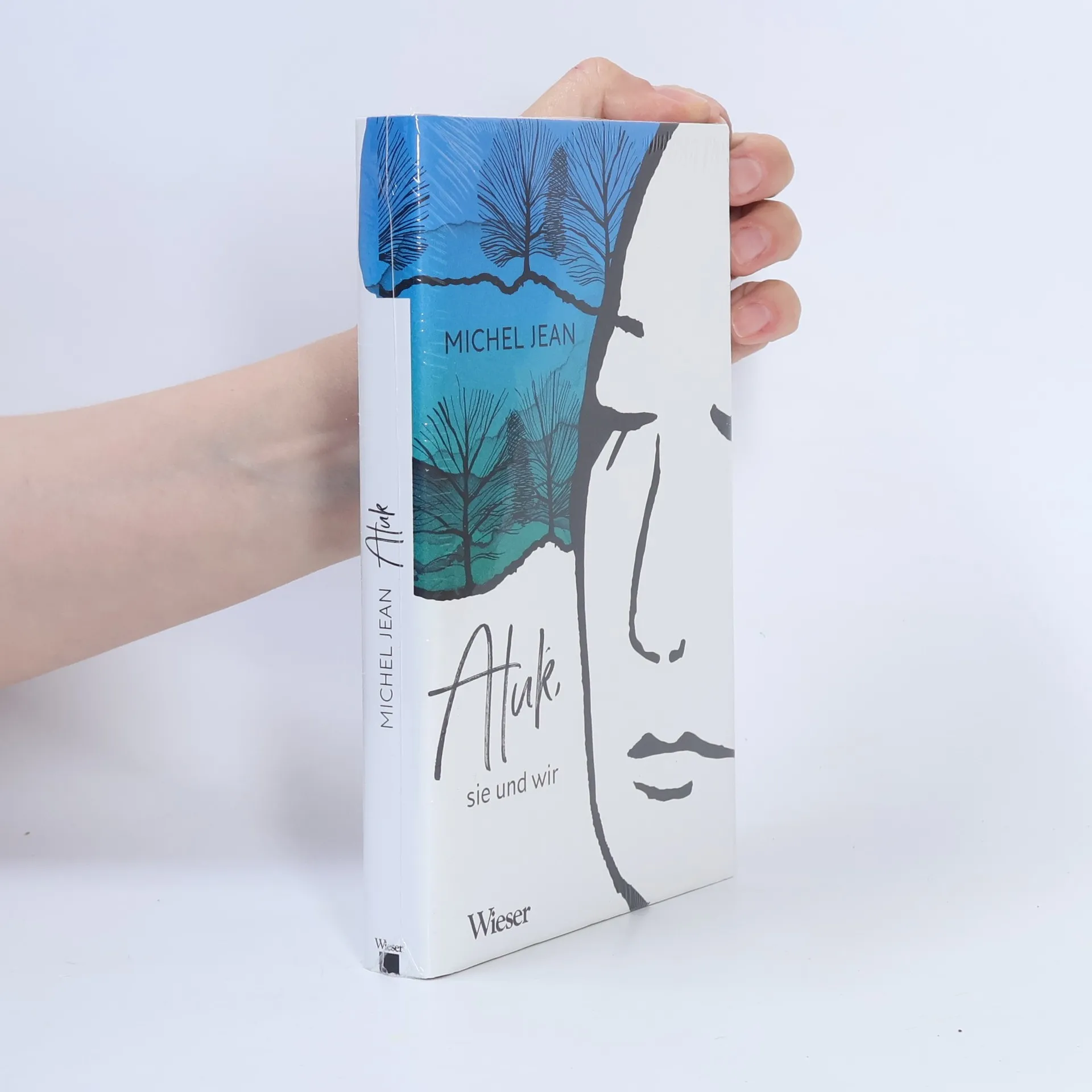
In Michel Jeans Roman verliebt sich die Inuk Saullu in den Jäger Ulaajuk. Gemeinsam leben sie in Nunavik, bis sie nach Kuujjuaraapik zurückkehren und die Zerstörung ihrer Heimat sowie die Erschießung der Schlittenhunde durch Beamte entdecken. Jahrzehnte später verteidigt Anwältin Ève Beaulieu einen Inuk, der mutmaßlich Beamte getötet hat, und entdeckt dabei schockierende Wahrheiten über ihre eigene Herkunft.
Drugi tom zbiorczy opowieści o wczesnych przygodach słynnego komiksowego
bohatera Dzikiego Zachodu Mike'a Blueberry'ego! Album zawiera aż sześć
epizodów: Demony Missouri, Kansas w ogniu, Piekielny rajd, Bezlitosny pościg,
Trzej obcy w Atlancie i Cena krwi. Trwa wojna secesyjna. Oddział porucznika
Blueberry'ego zostaje wysłany na pogranicze stanów Kansas i Missouri, gdzie
trwają krwawe walki między zwolennikami Północy i Południa. Mike otrzymuje
tajne zadanie odszukania kryjówki konfederackiego pułkownika Quantrilla. W
cywilnym ubraniu wyrusza na samobójczą misję... Później czekają go kolejne
krwawe bitwy na linii frontu i niewiarygodne przygody na tyłach wroga! Młody
bohater jak zwykle spotka na swojej drodze szaleńców, bandytów, wiernych
przyjaciół i piękne kobiety.
Seria Młodość Blueberry'ego jest prequelem znanej, klasycznej już
francuskojęzycznej serii westernowej o przygodach porucznika kawalerii USA
Mike'a Blueberry'ego. Akcja głównej serii rozgrywa się na Dzikim Zachodzie po
wojnie secesyjnej. Seria Młodość Blueberry'ego opowiada o przygodach bohatera
podczas samej wojny secesyjnej, ujawniając nieznane czytelnikowi głównej serii
informacje o nim. Podobnie jak w głównej serii, bohater uczestniczy w głośnych
wydarzeniach historycznych, ale jest nieustannie wplątywany w spiski i
skomplikowane intrygi, co stwarza okazję do wartkiej akcji pełnej
dramatycznych zwrotów.