- Presents the most important 20th-century criticism on major works from "The Odyssey through modern literature- The critical essays reflect a variety of schools of criticism- Contains critical biographies, notes on the contributing critics, a chronology of the author's life, and an index- Introductory essay by Harold Bloom
El cocodrilo enorme siembra el terror en la selva. Quiere comerse a un niño y para ello recurre a todo tipo de trucos y disfraces, pero los demás animales tratarán de impedírselo.
Hemingway's memories of his life as an unknown writer living in Paris in the 1920s are deeply personal, warmly affectionate and full of wit. He recalls the time when, poor, happy and writing in cafes, he discovered his vocation.
La publicación de "Fiesta" en el año 1927 hizo que Hemingway se transformara en una especie de embajador del toreo para los medios norteamericanos, quienes se confiaban a su escritura para conocer más en profundidad las intimidades de la fiesta taurina gracias a sus reportajes y novelas. Dentro de su producción literaria en 1932 se dio continuidad con "Muerte en la tarde", que además de ser una descripción técnica y minuciosa de una corrida vista desde los ojos de un profano, un ensayo sin concesiones sobre el arte del riesgo y la estrecha relación entre vida y crueldad, también retoma, una vez más, al tema que cohesiona su obra: el sentimiento trágico de la vida y el instinto de autodestrucción.
Englische Literatur in Reclams Roter Reihe: das ist der englische Originaltext – ungekürzt und unbearbeitet mit Worterklärungen am Fuß jeder Seite, Nachwort und Literaturhinweisen. Die neurotische und schöne Blanche lebt bei ihrer schwangeren Schwester Stella und deren grobschlächtigen Mann Stanley. Als sich Blanche in Mitch verliebt, mischt sich Stanley ein und vergewaltigt Blanche, während Stella im Krankenhaus entbindet. Blanche bricht zusammen und wird in eine psychiatrische Klinik eingeliefert. Der Klassiker nach dem Bühnenstück von Tennessee Williams wurde auch verfilmt. In den Rollen: Vivien Leigh alias Blanche, Marlon Brando alias Stanley; Karl Malden alias Mitch. Für 12 Oscars nominiert gewann er vier. Im Jahre 1948 gewann Williams den Pulitzer-Preis für »A Streetcar Named Desire«. Englische Lektüre: Niveau B2–C1 (GER)
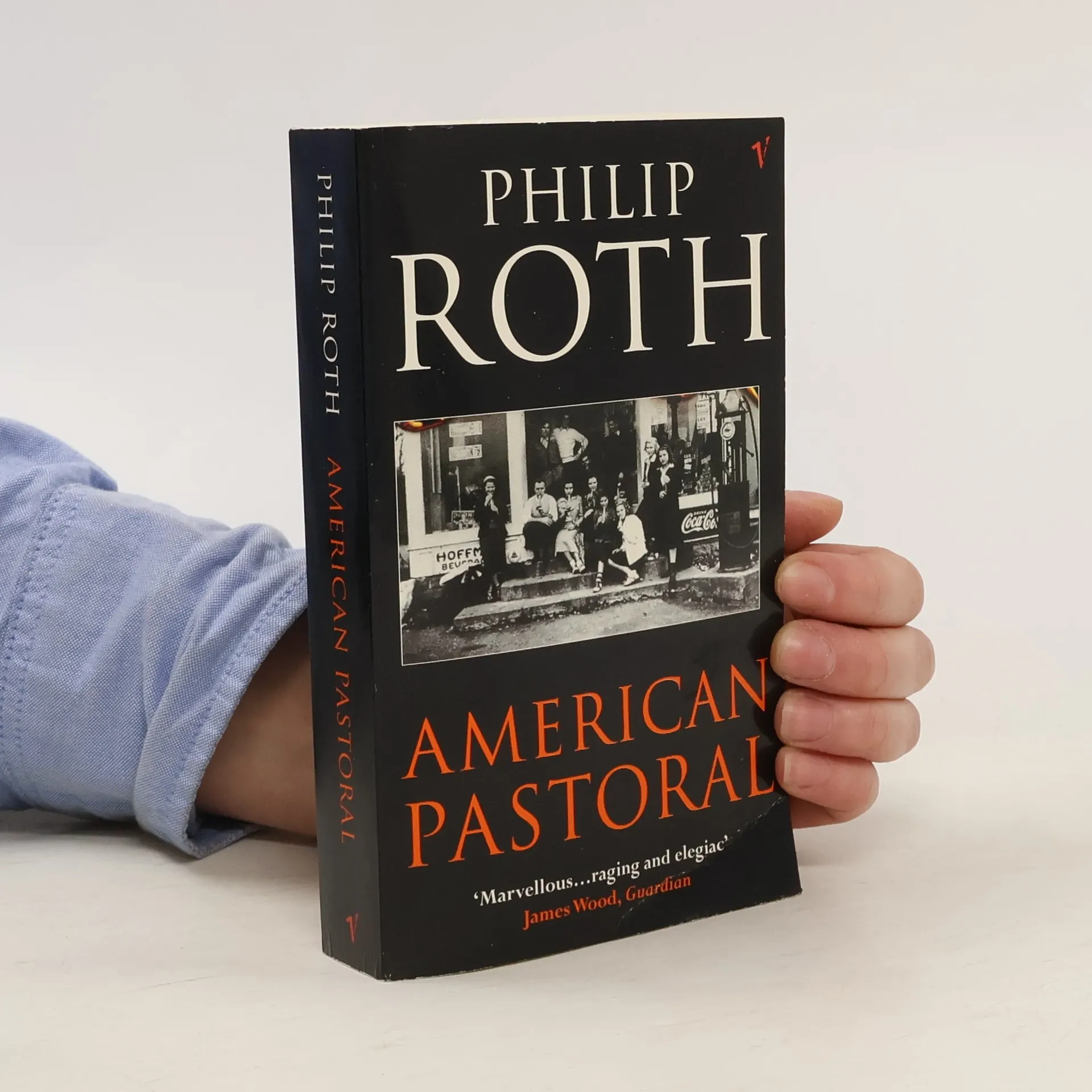
The tragic impact of the Vietnam War on a relationship between father and daughter. The father is an upstanding individual who believes in the American Dream, but his daughter has a different dream, to get America out of Vietnam and she kills innocent people to achieve it. For the father it is the end of the world, he has lost his daughter. By the author of Sabbath's Theater
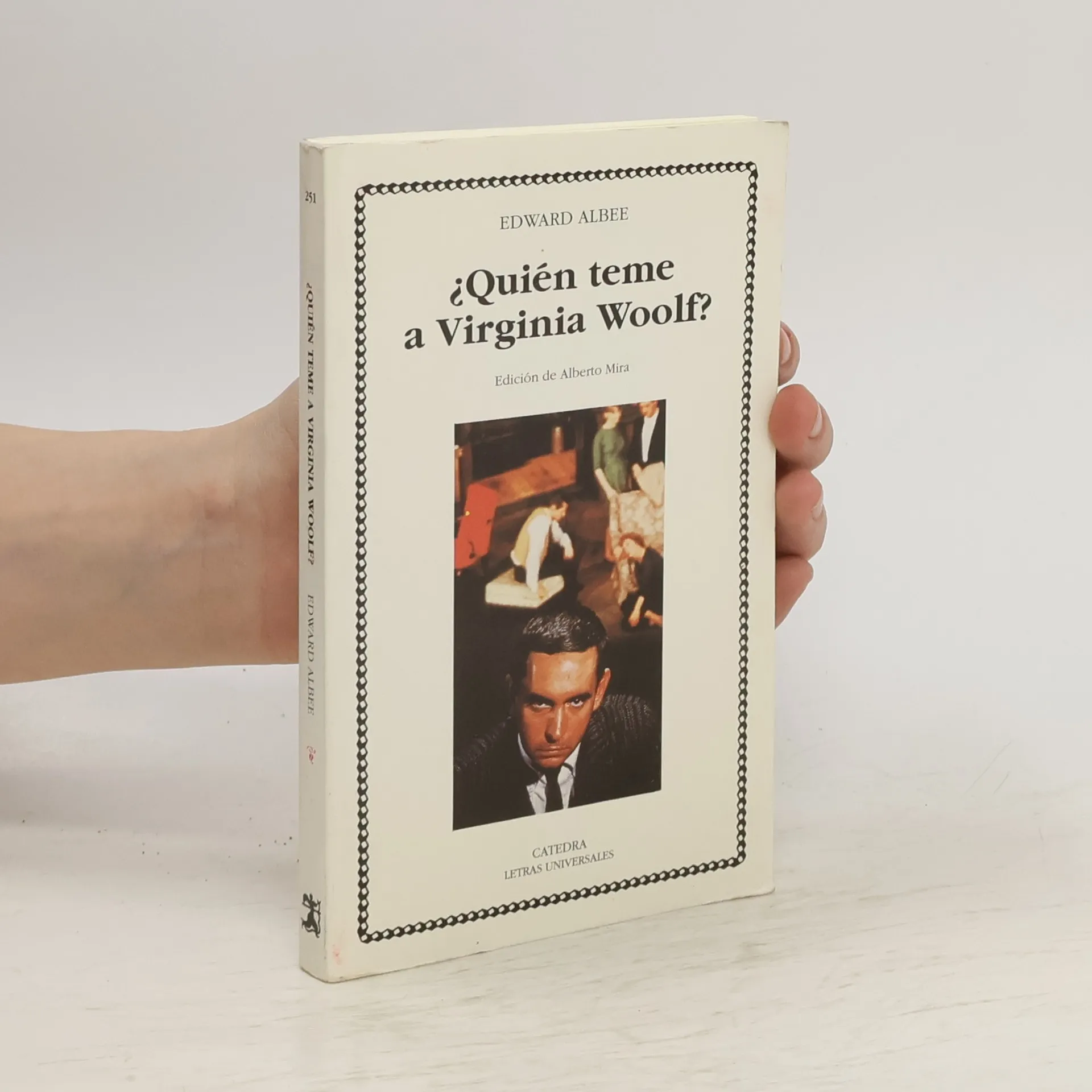
El centro explícito de ¿Quién teme a Virginia Woolf? es la relación entre las ilusiones privadas, íntimas, de los individuos, mentiras que mediatizan nuestra existencia en el mundo, y la propia realidad, incontrolable, difícil, que apenas ofrece resquicio a la esperanza.
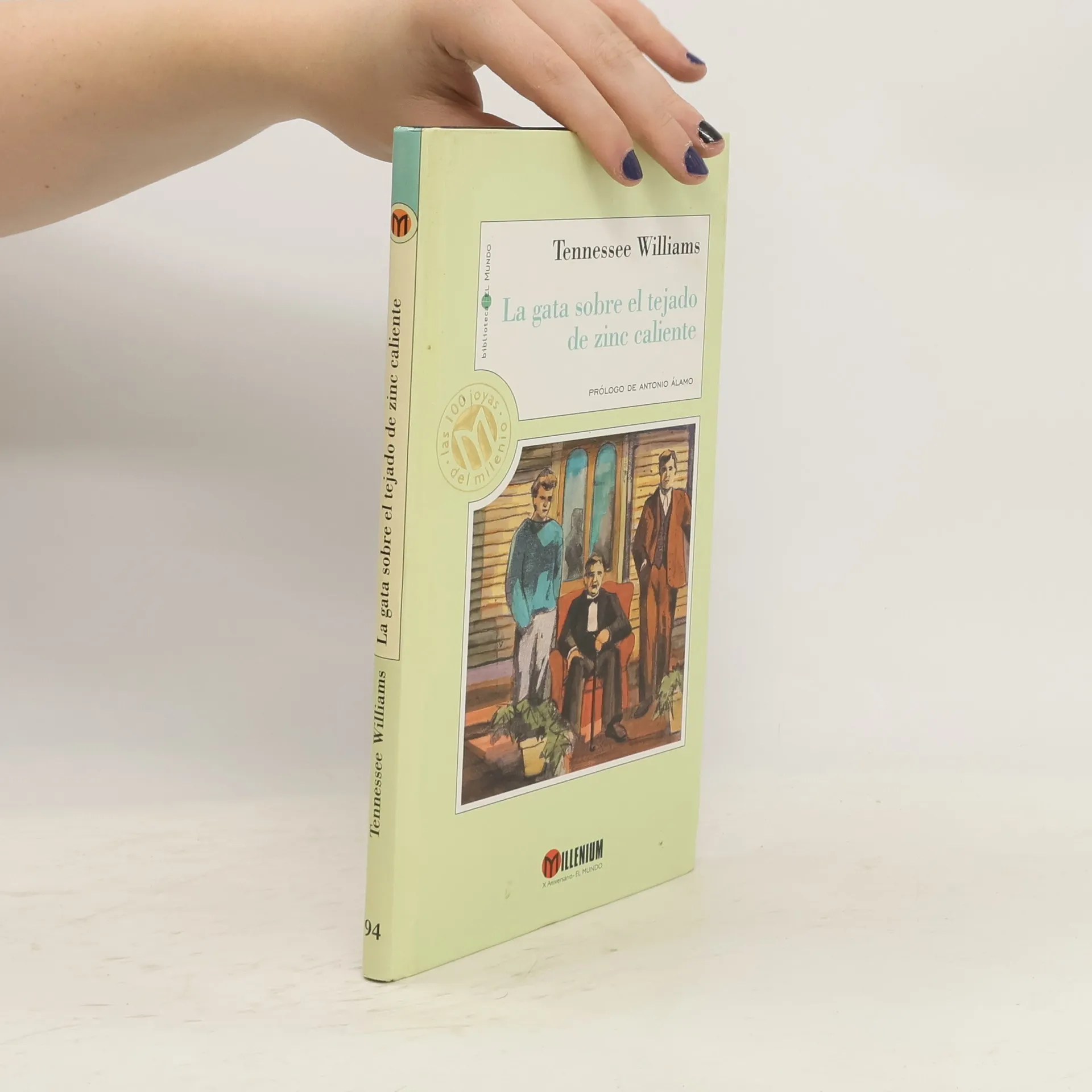
Williams' play about drifter Chance Wayne who returns to his hometown with a
faded movie star hoping to find the girl of his youth is a classic study of
the dream of recapturing youth and finding fame. This edition features an
extensive critical commentary and questions aimed at students of the play.
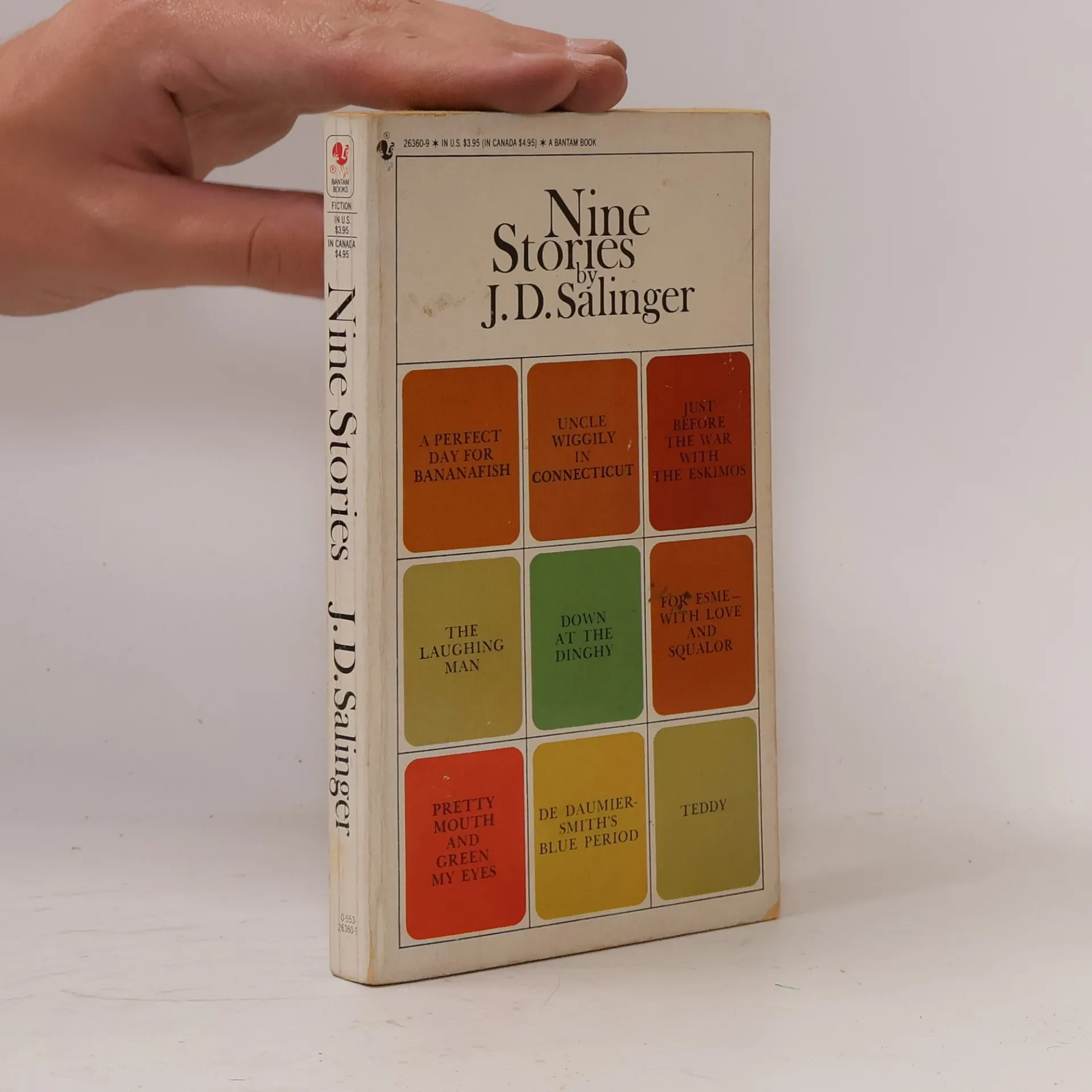
Indhold: A perfect day for bananafish ; Uncle Wiggily in Connecticut ; The laughing man ; Down at the Dinghy ; Just before the war with the Eskimos ; For Esmé - with love and squalor ; Pretty mouth and green my eyes ; De Daumier-Smith's blue period ; Teddy.
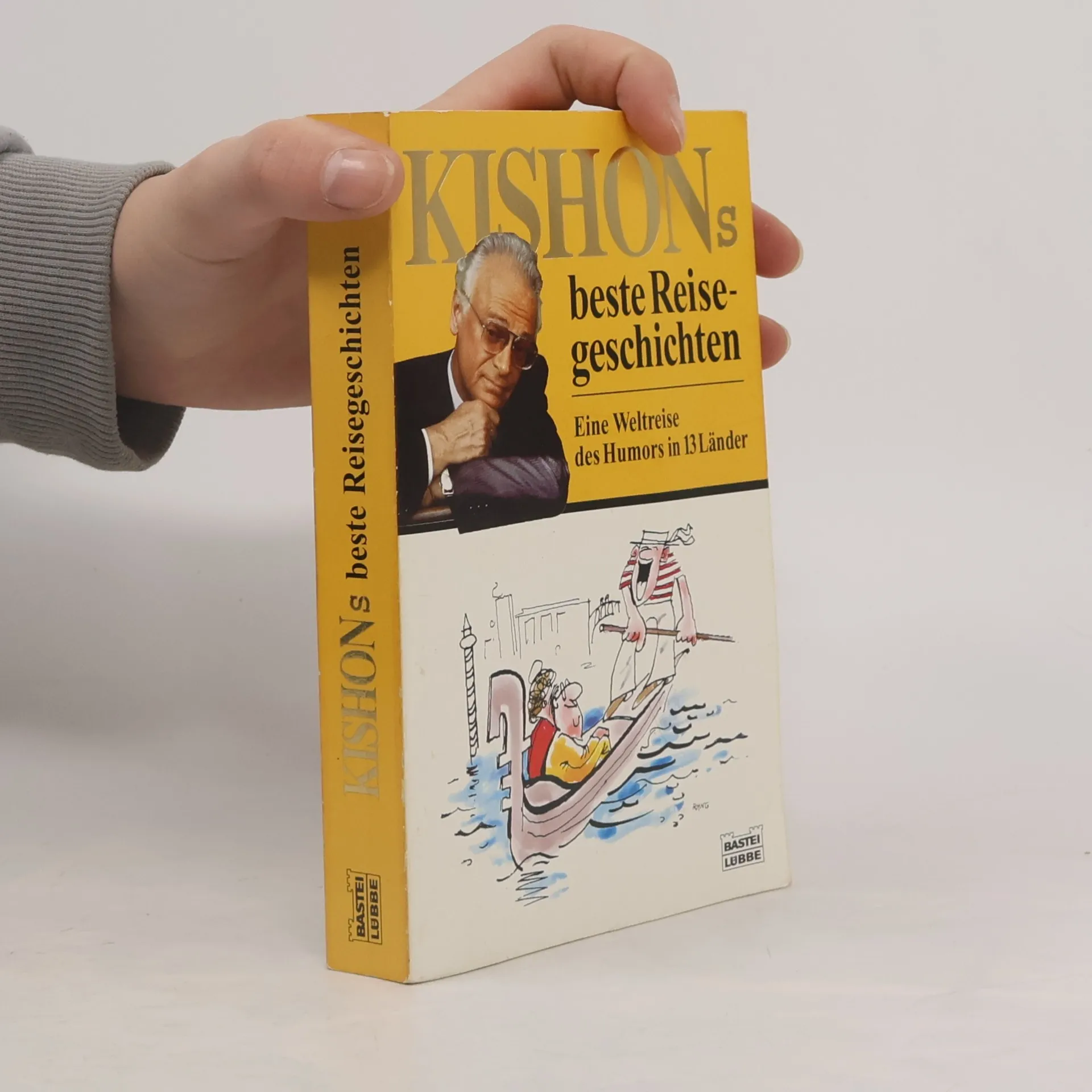
»Wenn du deinem Paßbild ähnlich zu sehen beginnst, ist es höchste Zeit wegzufahren.« Dieses Motto stellt Kishon seiner Weltreise des Humors in 13 Länder von Holland bis Griechenland, von Deutschland bis in die Türkei voran und charakterisiert damit den Traum jedes Alltagsmenschen nach der lockenden Ferne, in der er sich in sein anderes Ich verwandelt. Höchstes Lesevergnügen für Weltenbummler und Reise-Profis, für alle, die von fremden Ländern träumen oder in Gedanken die Fahrt in das Land ihrer Sehnsucht antreten wollen: die besten Satiren um Reisen und Reisende in einem Band.
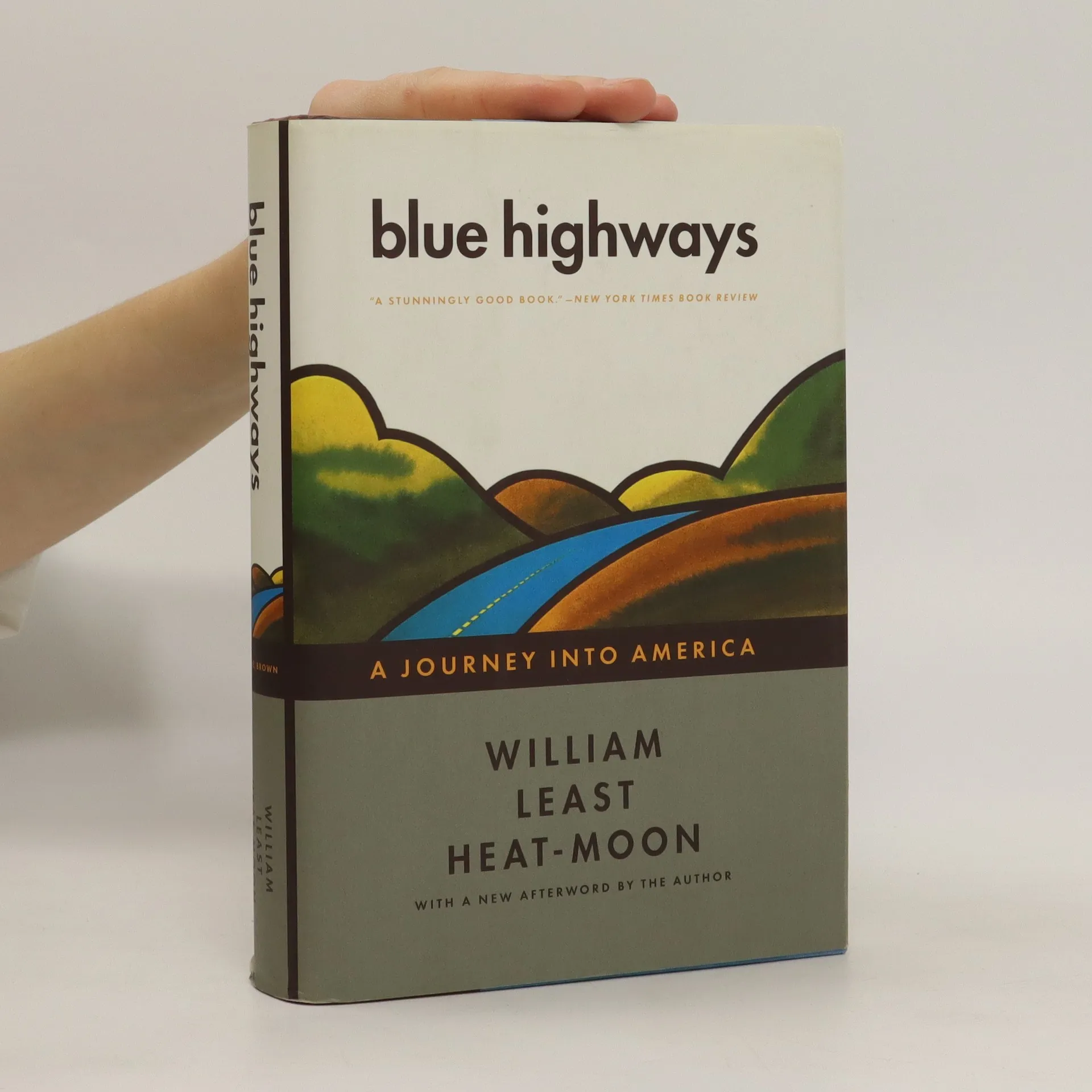
Published in 1983 to phenomenal reviews, Blue Highways: A Journey into America became a cult classic on par with Jack Kerouac's On the Road and John Steinbeck's Travels with Charley. In this highly acclaimed, bestselling memoir, a 38-year-old laid-off college professor of Sioux and white blood drives around the U.S. on the "blue highways, " the rural back made that are colored blue on old maps. The places he discovers during his 13,000-mile journey are unexpected, sometimes mysterious, and often full of simply the wonder of the ordinary.-- Blue Highways received extraordinary reviews when it was first published.
Volně spojený cyklus dvanácti elegických povídek amerického autora českého původu tvoří jakýsi skupinový portrét tří generací mužů a žen obývajících podmanivé okolí jezera ve státě New York. Výjimečná schopnost zachytit ducha krajiny, jenž jako by spoluutvářel životní osudy jednotlivých postav, přitom není jediným pozoruhodným rysem této neobyčejně vyzrálé prvotiny: autorovo umění ponoru do skutečných i domnělých hlubin vnitřních životů jeho hrdinů je tu ukázkovým příkladem zdánlivě paradoxní schopnosti imaginativní prózy překonat v živosti a autenticitě samu skutečnost.
Winner of the IMPAC Award and Booker Prize nominee In this rich and compelling novel, written in language of astonishing poise and resonance, one of Australia's greatest living writers gives an immensely powerful vision of human differences and eternal divisions. In the mid-1840s a thirteen-year-old British cabin boy, Gemmy Fairley, is cast ashore in the far north of Australia and taken in by aborigines. Sixteen years later he moves back into the world of Europeans, among hopeful yet terrified settlers who are staking out their small patch of home in an alien place. To them, Gemmy stands as a different kind of challenge: he is a force that at once fascinates and repels. His own identity in this new world is as unsettling to him as the knowledge he brings to others of the savage, the aboriginal. "Breathtaking...To read this remarkable book is to remember Babylon well, whether you think you've been there or not." --The New York Times Book Review
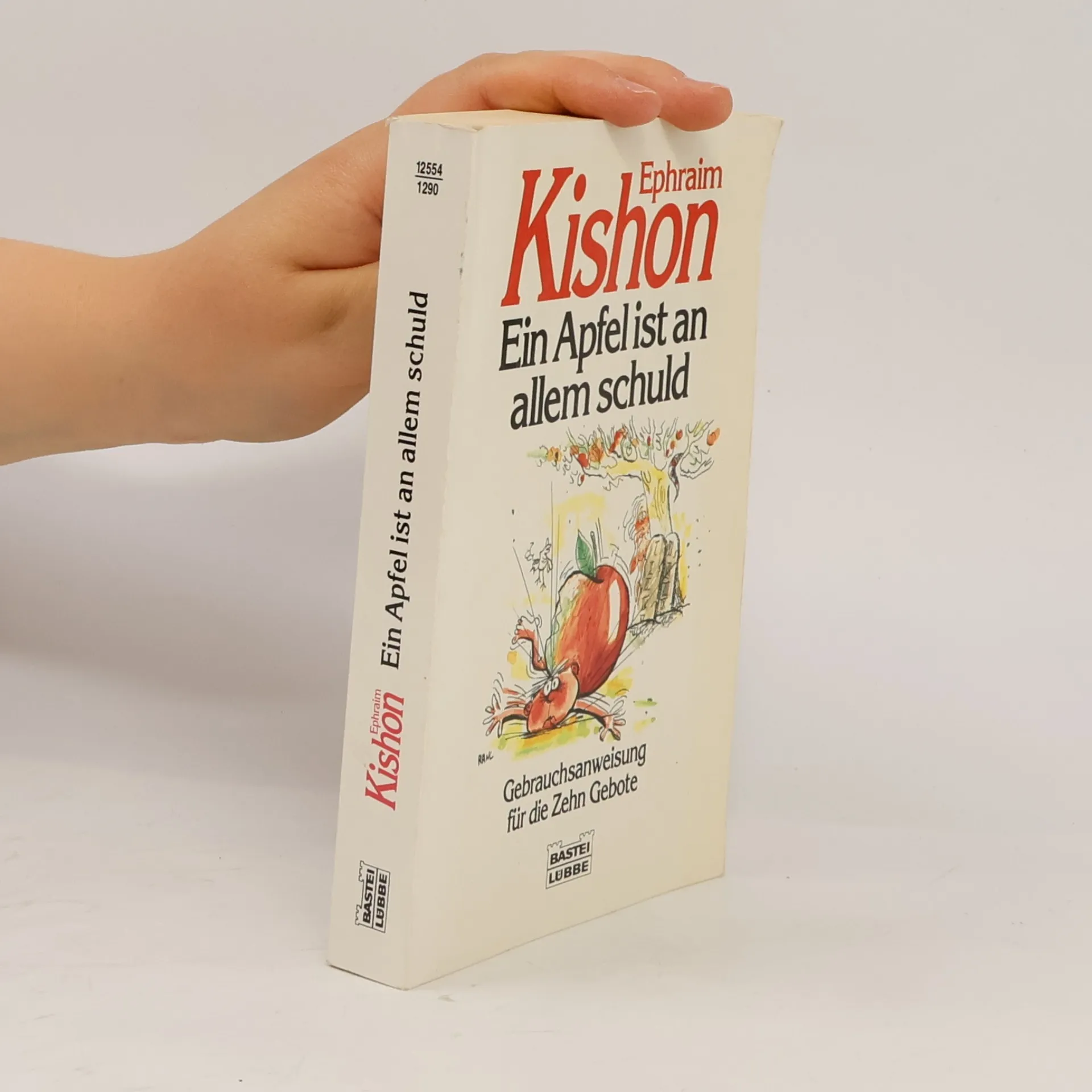
Kishon und die Bibel - das ist eine höchst brisante Konfrontation, die von Kishon mit der gebührenden Ehrfurcht, aber auch mit seinem unverwechselbaren Humor dargeboten wird. Denn Humor, so der bekannte Satiriker, sei Gottes schönste Gabe und bringe die Menschen dem Universum näher. Aber nicht nur um die Ereignisse im Himmel und um Moses' Werk geht es in diesem köstlichen Buch, es geht wie immer bei Kishon vor allem um die unheilbaren Schwächen der „Krone der Schöpfung“.
Both a satire on the idle rich and a brutally realistic depiction of the desperate plight of the unemployed. Contrasts the underdogs of Key West with decadent socialites down for the winter season.
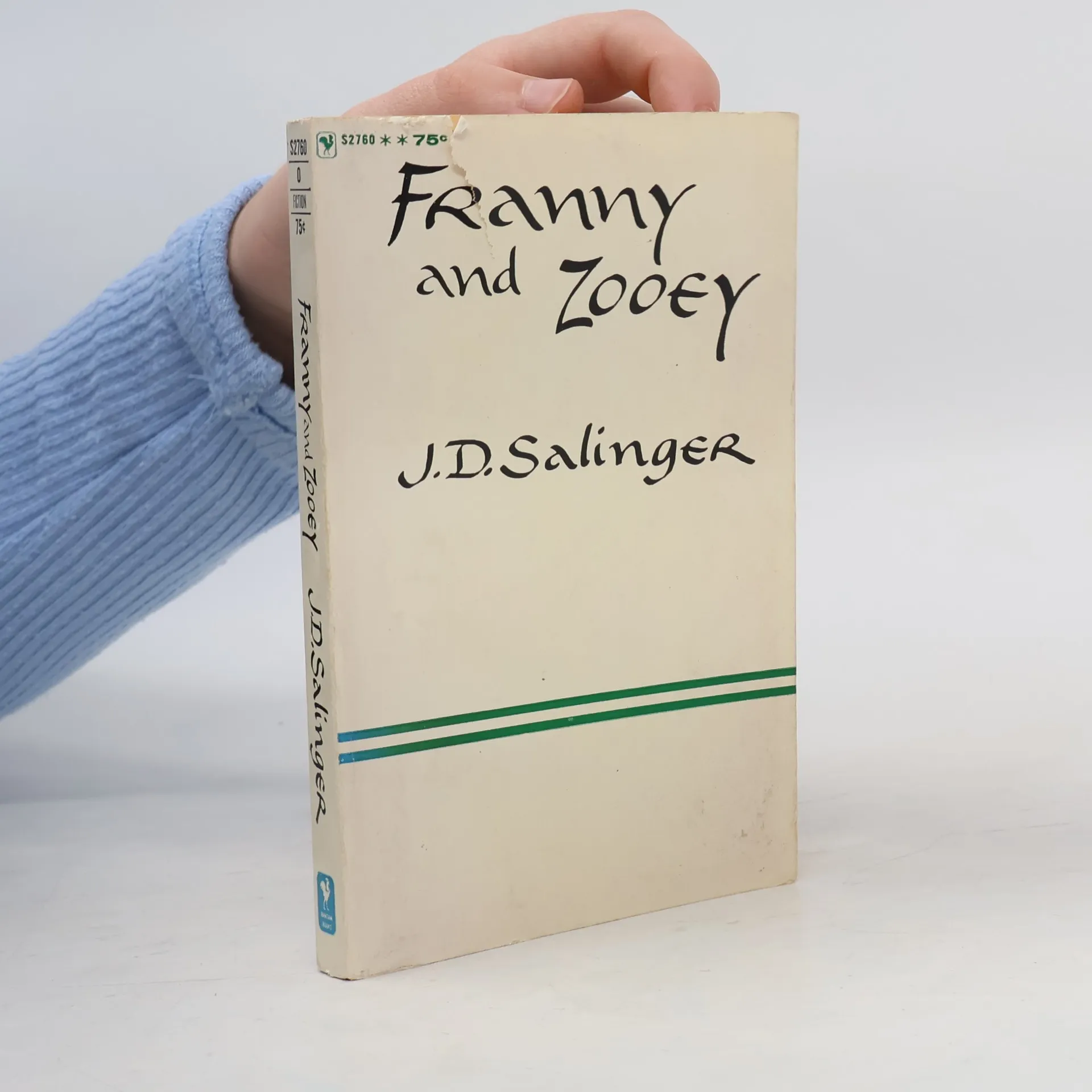
J.D. Salinger, author of the classic Catcher in the Rye (1951), wrote the stories Franny and Zooey for publication in the New Yorker magazine in 1955 and 1957 respectively. Both stories were part of a series centred around a family of settlers in New York, the Glasses, particularly the children of Les and Bessie Glass, a Jewish-Irish theatrical act. All are brilliant former radio actors. Their eldest child, Seymour, a genius, commits suicide in his thirties. The repercussions to the family of this act provide the unifying theme to the stories. In Franny and Zooey the youngest member of the family, Franny, has a religious and nervous breakdown. She attempts to ward off the meaninglessness of college life by the obsessive repetition of a Jesus prayer. Her brother Zachary (Zooey) rests at nothing in his attempts to restore her sanity. J.D. Salinger wrote the Glass stories, 'It is a long-term project, patently an ambitious one, and there is a real-enough danger, I suppose, that sooner or later I'll bog down, perhaps disappear entirely, in ly own methods, locutions and mannerisms. On the whole, though, I'm very hopeful.I love working on these Glass stories, I've been waiting for them most of my life, and I think I have fairly decent, monomaniacal plans to finish them with due care and all-available skill.'
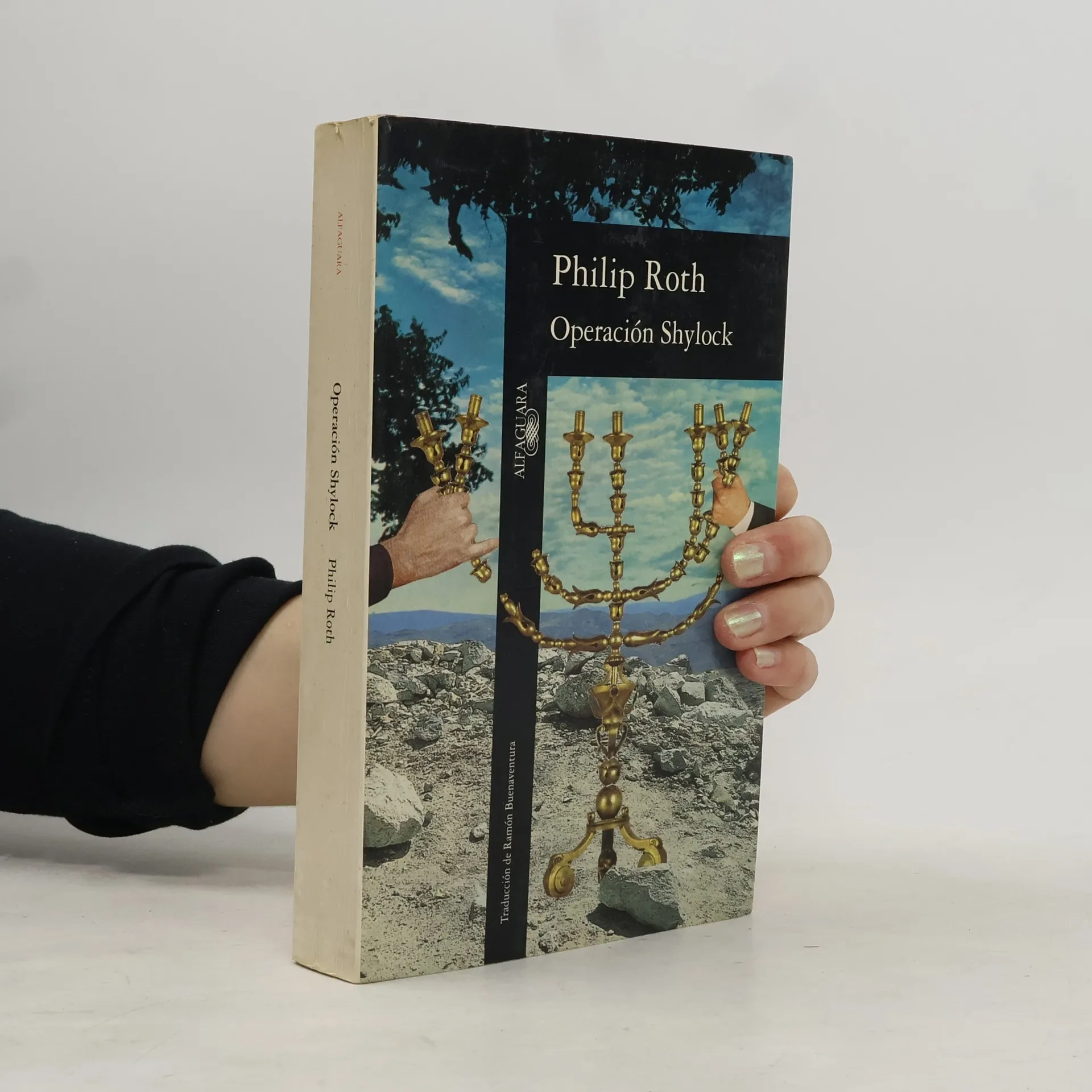
What if a look-alike stranger stole your name, usurped your biography, and went about the world pretending to be you? In Operation Shylock, master novelist Philip Roth confronts his double, an impostor whose self-appointed task is to lead the Jews back to Europe from Israel. The "fake" Philip Roth becomes a monstrous nemesis to the "real" Philip Roth, who must take a frightening and mysterious journey through the volatile Middle East. Suspenseful, hilarious, and impassioned, Operation Shylock is at once a spy story, a political thriller, and a confession, pulsing with intelligence and intense narrative energy.
In the spring of 1948 Arthur Miller retreated to a log cabin in Connecticut with the first two lines of a new play already fixed in his mind. He emerged six weeks later with the final script of Death of a Salesman - a painful examination of American life and consumerism. Opening on Broadway the following year, Miller's extraordinary masterpiece changed the course of modern theatre. In creating Willy Loman, his destructively insecure anti-hero, Miller himself defined his aim as being 'to set forth what happens when a man does not have a grip on the forces of life'.
Adam Dalgliesh, el detective poeta creado por P. D. James, necesita unas vacaciones. Acaba de publicar su último poemario y está cansado de investigar homicidios, así que decide tomarse un respiro fuera de Londres. Sin embargo, el destino elegido no es el más apacible: está situado en las costas de Norfolk, el área de acción de un asesino en serie que ha matado ya a cuatro mujeres. Dalgliesh, aunque a regañadientes, no tendrá más remedio que desenmarañar el entramado de intrigas y deseos que ha convertido toda la región en un infierno criminal.P. D. James, la gran dama del crimen inglés, ha sido galardonada con el Premio Carvalho 2008 y el Premio Terenci Moix 2009.
Hlavní hrdinka, dívka, která si rozhodně žádné životní problémy nepřipouští, líčí otevřeně ve svém fingovaném deníčku poněkud neromantickou cestu za „svým místem na slunci“. Nešetří při tom ani své okolí a s humorem a nadhledem vypráví nejen o vyšších společenských, ale též o uměleckých – literárních a filmových kruzích i o jiném atraktivním prostředí. Zajímavý je také hrdinčin pohled na mužské protějšky – to si už však jistě rádi přečtete v této milé knížce.
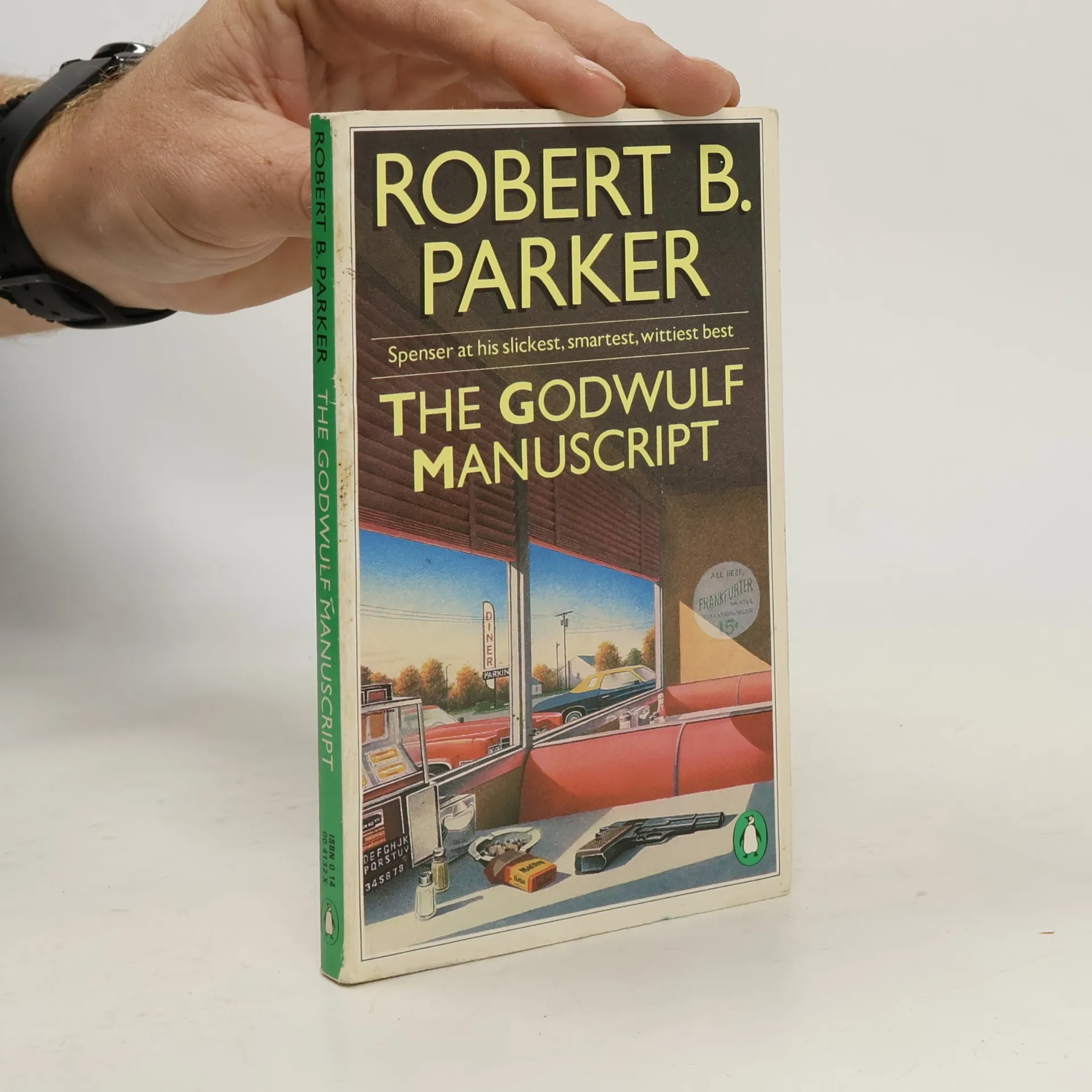
For Spenser, that most unorthodox of private detectives, no case is ever straightforward and the theft of a 14th-century illuminated manuscript proves no exception. His investigation soon leads him into organized crime, dope-pushing, theft, radical politics, adultery and murder.
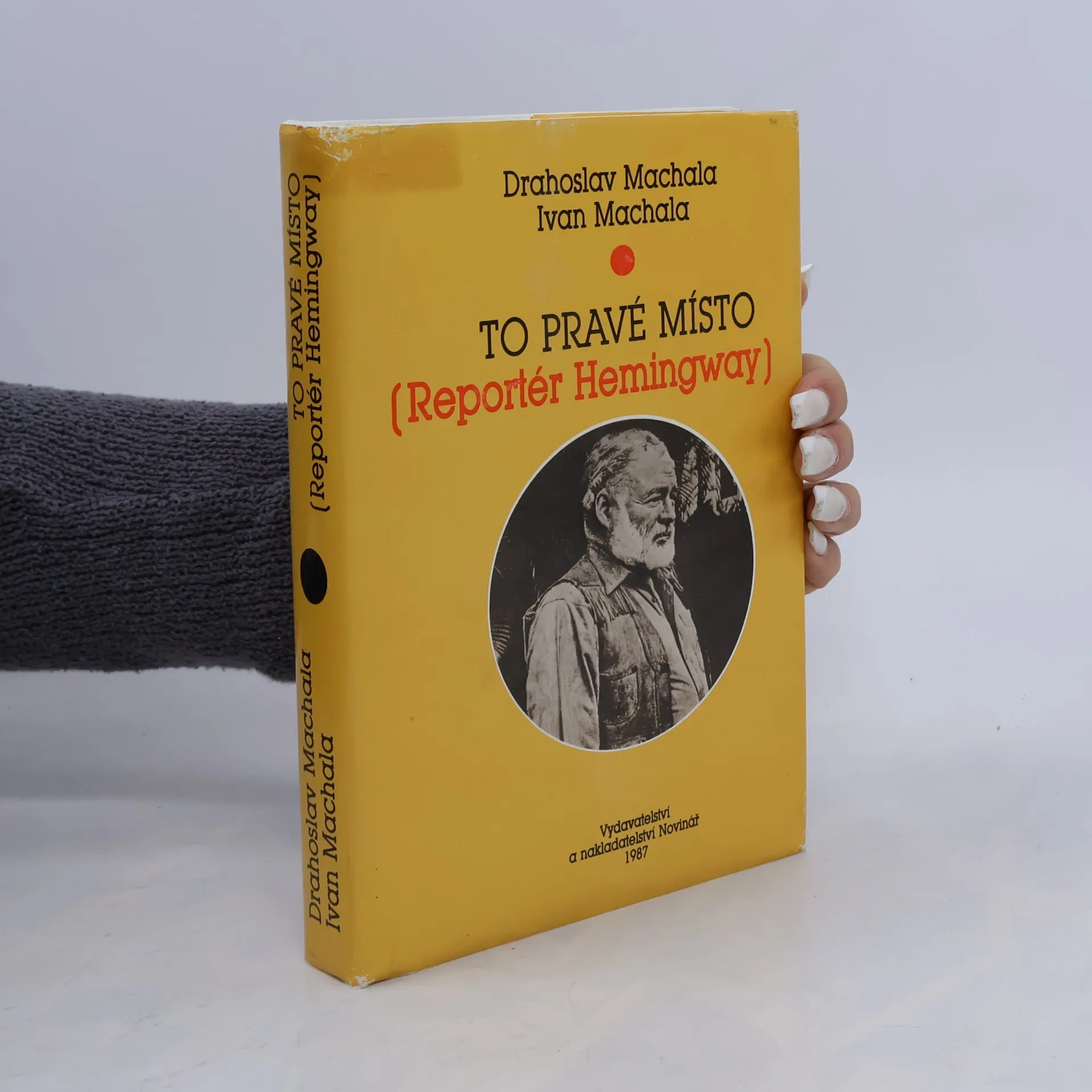
Bratři Machalovi cestovali po místech, kde žil E. Hemingway, hovořili s těmi, kdo velkého amerického spisovatele poznali. Rekonstruují jeho pohnutý život - neukázněné mládí, osobní vztahy k rodičům, čtyřem manželkám, přátelům a konečně i dramatický závěr spisovatelova bytí.
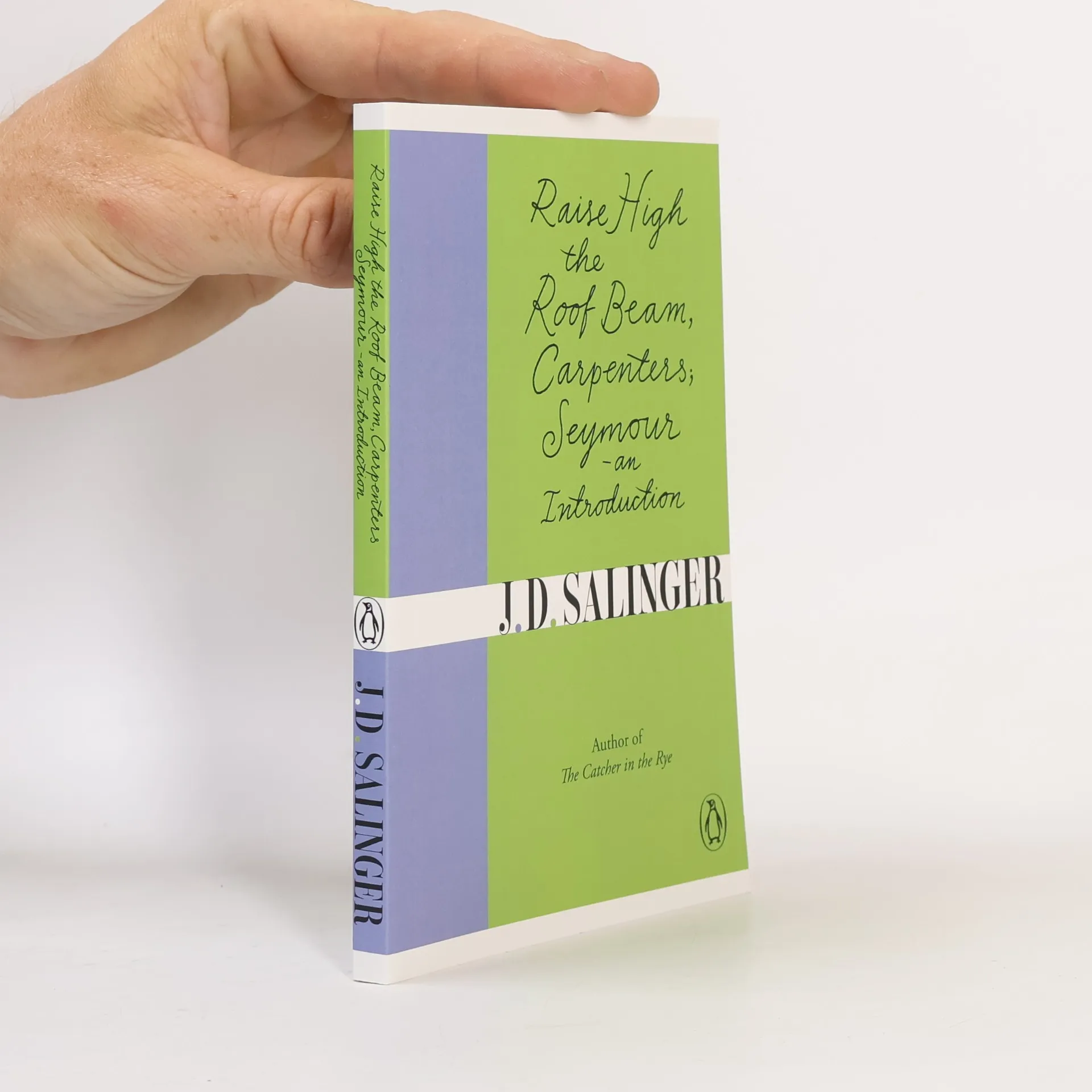
"First published in the New Yorker in the 1950s, Raise High the Roof Beam, Carpenters and Seymour: an Introduction are two novellas narrated by Buddy Glass, a character often said to be a portrait of Salinger himself. In the first, Buddy has taken leave from the army during World War II to attend the wedding of the eldest Glass brother, Seymour, and an atmosphere of portentous suspense sets the scene for the tragedy that will follow. In the second, Buddy reminisces about Seymour and the novella unfolds into a deep and far-reaching exploration of a complex and sad character which displays all the tenderness and subtlety which distinguish the best of Salinger's writing"--Publisher's website
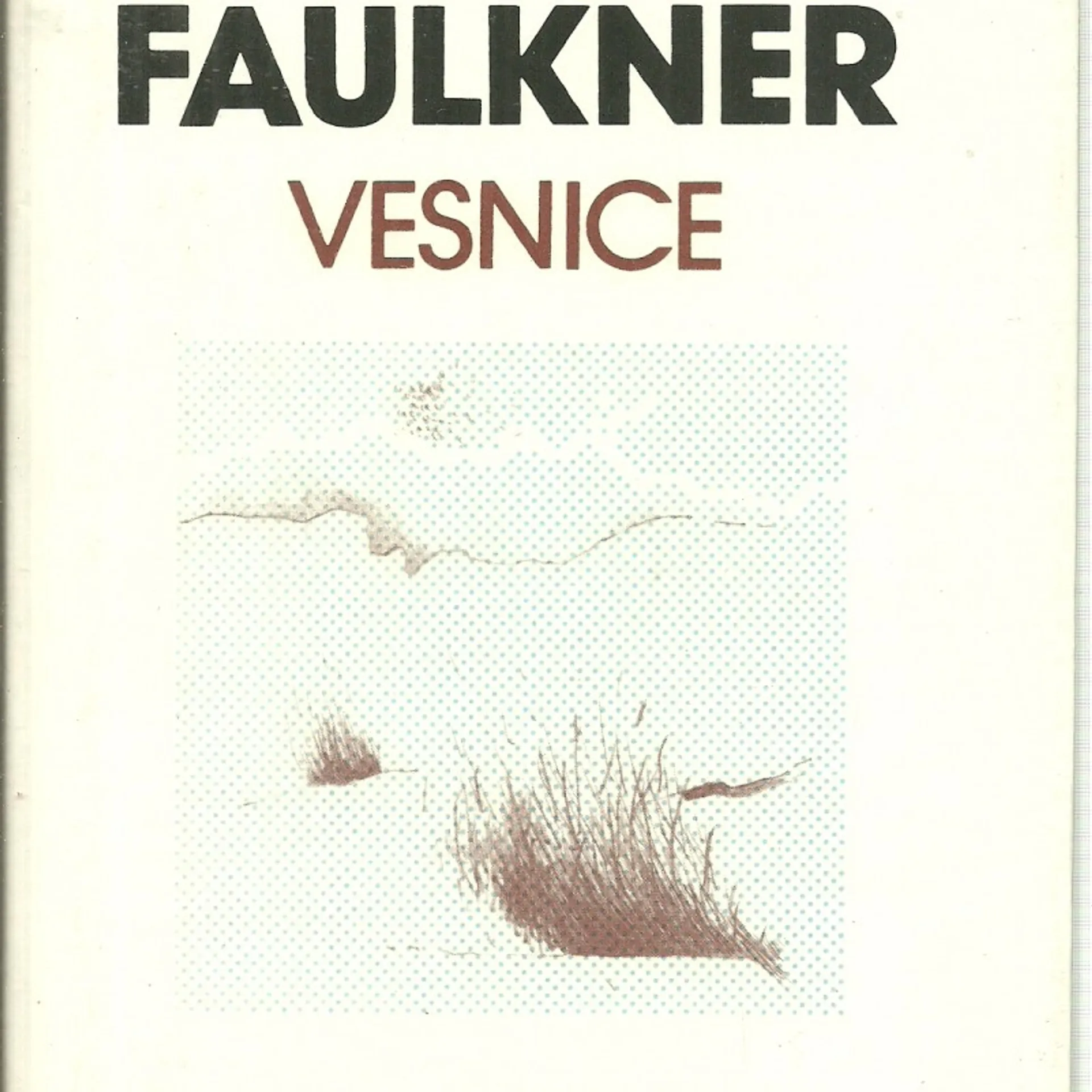
2. část trilogie, která navazuje na 1. část Vesnice a bude pokračovat 3. částí Panské sídlo. Doslov: Eva Masnerová Druhý díl Faulknerovy volné trilogie začíná ve chvíli, kdy Flem Snopes, reprezentant nastupujících dravých ekonomických sil na americkém Jihu počátku 20. století, přijíždí do Jeffersonu...
2. část trilogie, která navazuje na 1. část Vesnice a bude pokračovat 3. částí Panské sídlo. Doslov: Eva Masnerová Druhý díl Faulknerovy volné trilogie začíná ve chvíli, kdy Flem Snopes, reprezentant nastupujících dravých ekonomických sil na americkém Jihu počátku 20. století, přijíždí do Jeffersonu...
The publishing house Megali focuses on making historical works accessible by reproducing them in large print, catering specifically to individuals with impaired vision. This initiative emphasizes the importance of inclusivity in literature, allowing a broader audience to engage with historical texts.
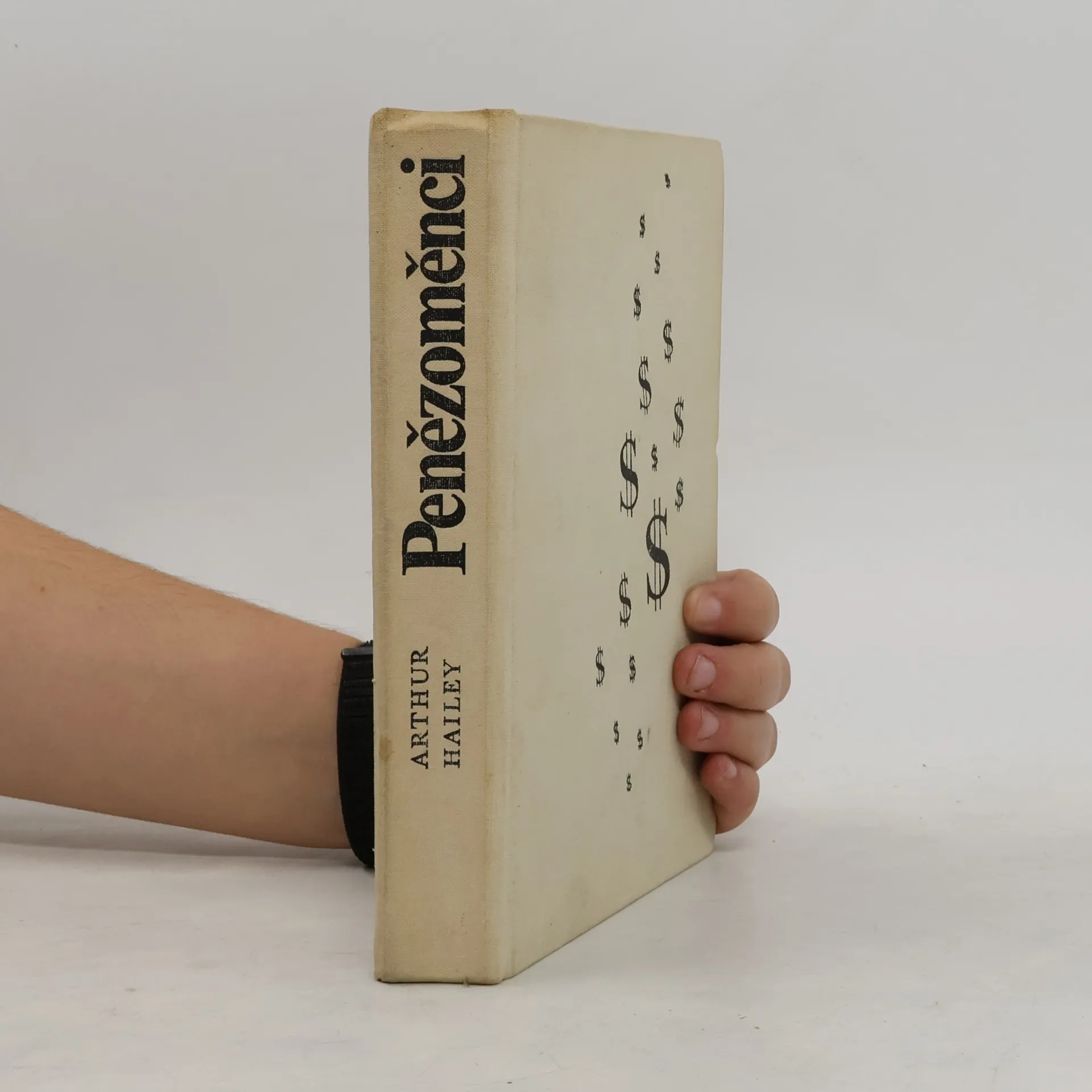
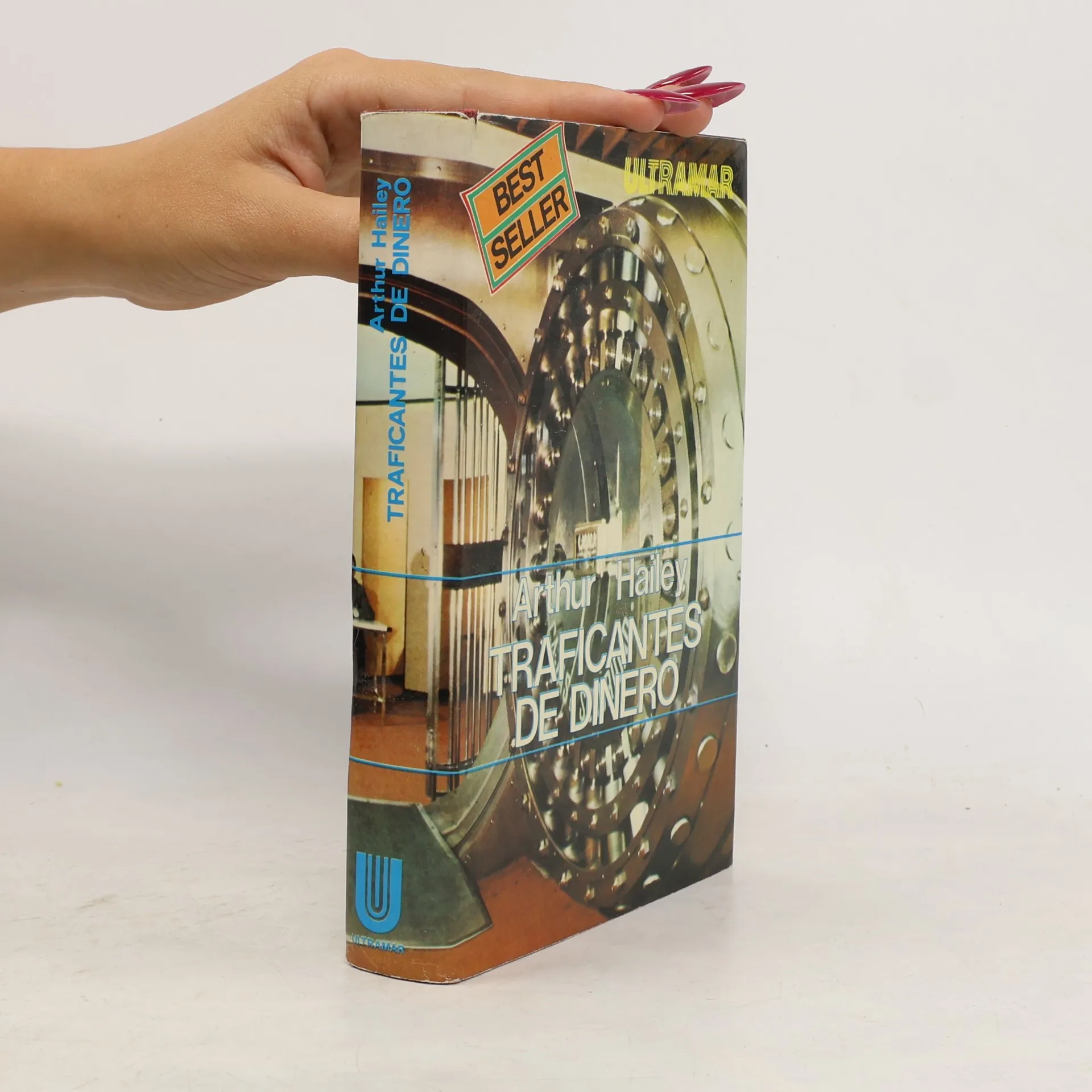
Arthur Hailey, conocido autor de bestsellers, extrae los temas de sus novelas del atractivo mundo de los negocios estadounidenses. Ya sea en el ámbito hotelero, en el trasfondo de las aerolíneas, o en las industrias automotriz y farmacéutica, Hailey cautiva como un narrador experimentado, profundamente familiarizado con cada temática. Además de retratar el admirable mundo de la tecnología avanzada, también logra ilustrar los problemas laborales y personales de personas de diversas capas de la sociedad estadounidense. En la novela "Traficantes de dinero", el lector tiene la rara oportunidad de adentrarse en los secretos de las finanzas estadounidenses. A través de las historias de personas comunes y de altos ejecutivos de un importante banco neoyorquino, el autor muestra cómo el dinero influye en la vida y el carácter de las personas; mientras algunos lo utilizan como un medio para ascender sin escrúpulos y destruir a otros, otros se esfuerzan desinteresadamente por mantener la buena reputación del banco y no perder la confianza de los depositantes.
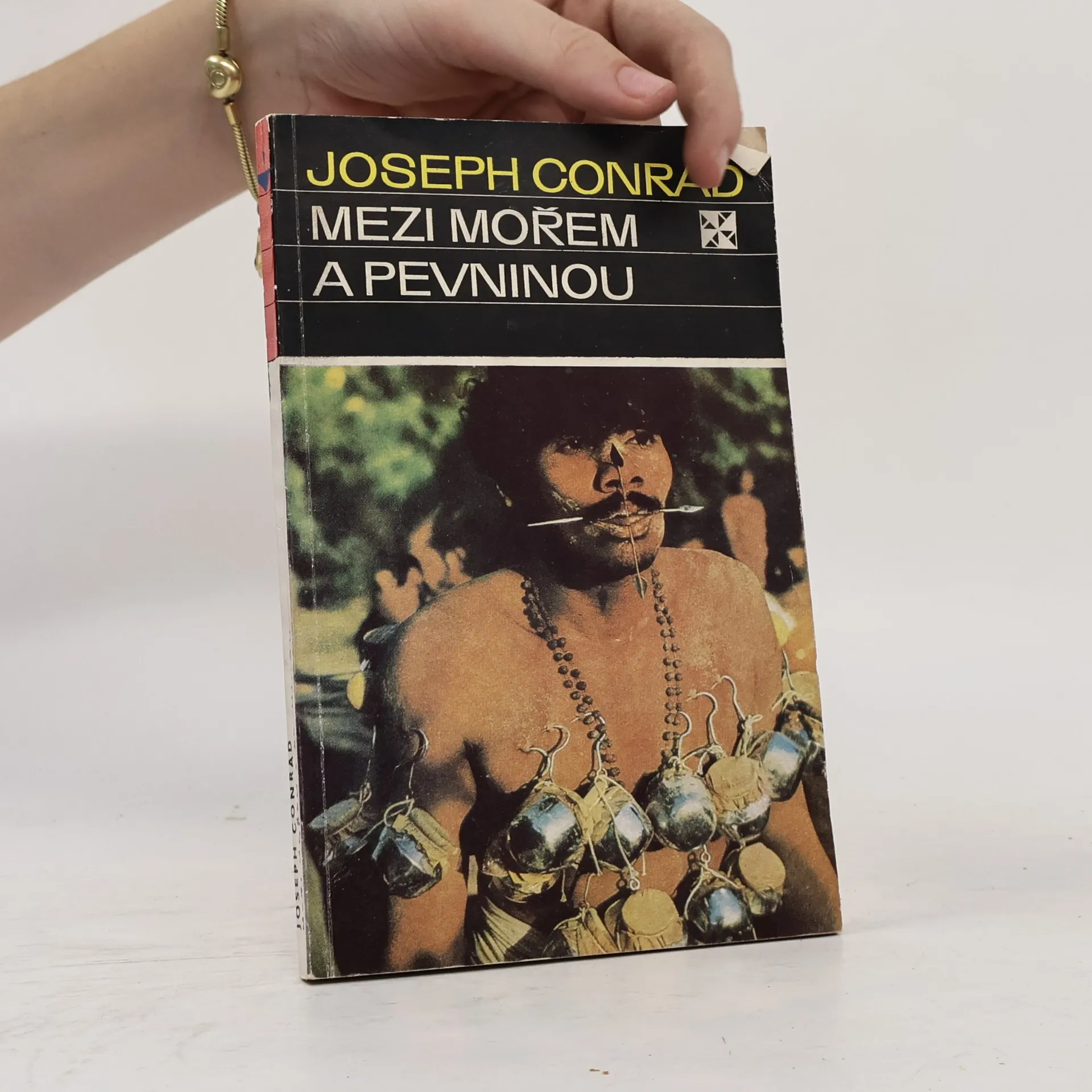
Dobrodružné až detektivní povídky, jejich námětem je oslava mužnosti, statečnosti a spravedlnosti: Plantážník z Malaty, Společník, Hostinec u dvou čarodějnic, Kvůli dolarům.
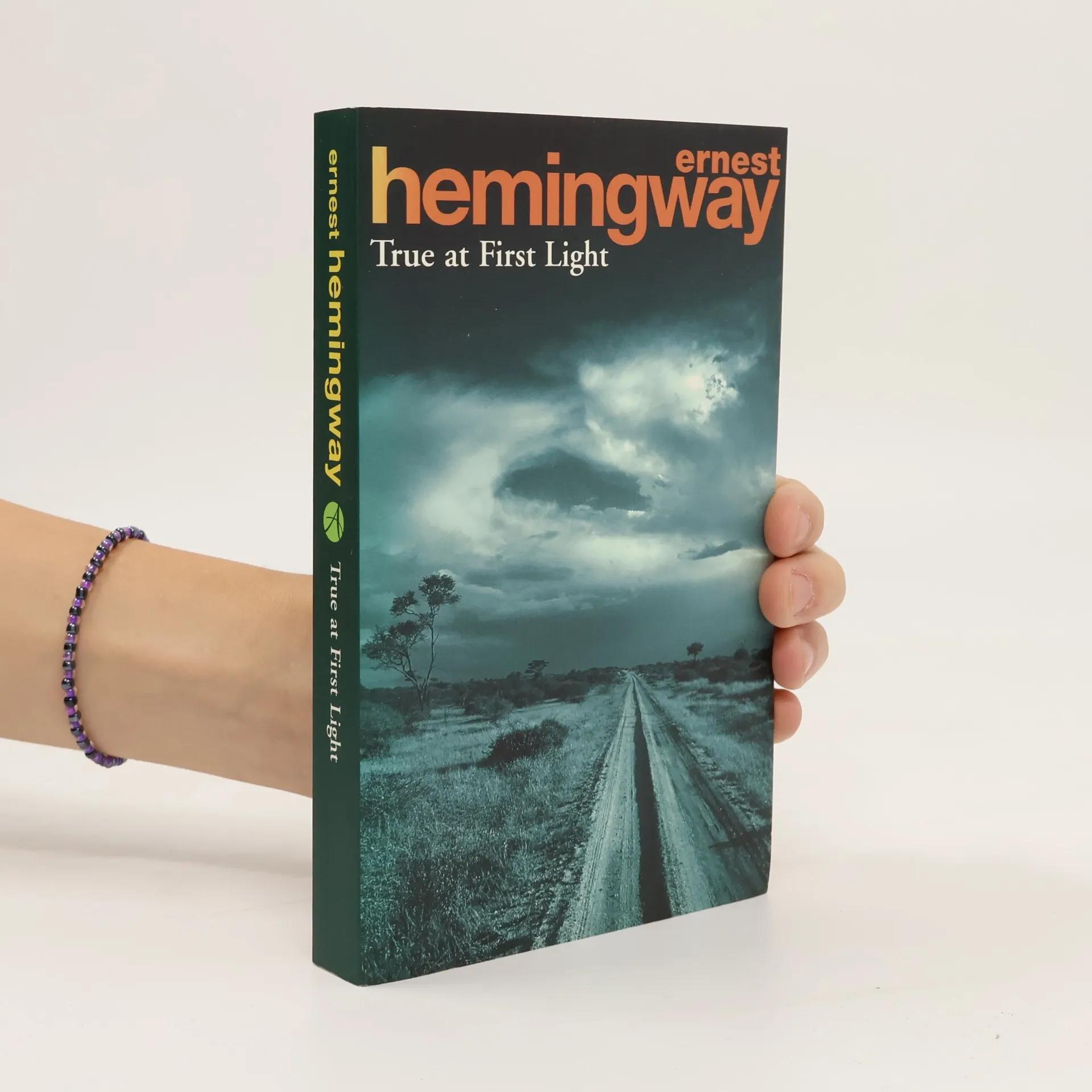
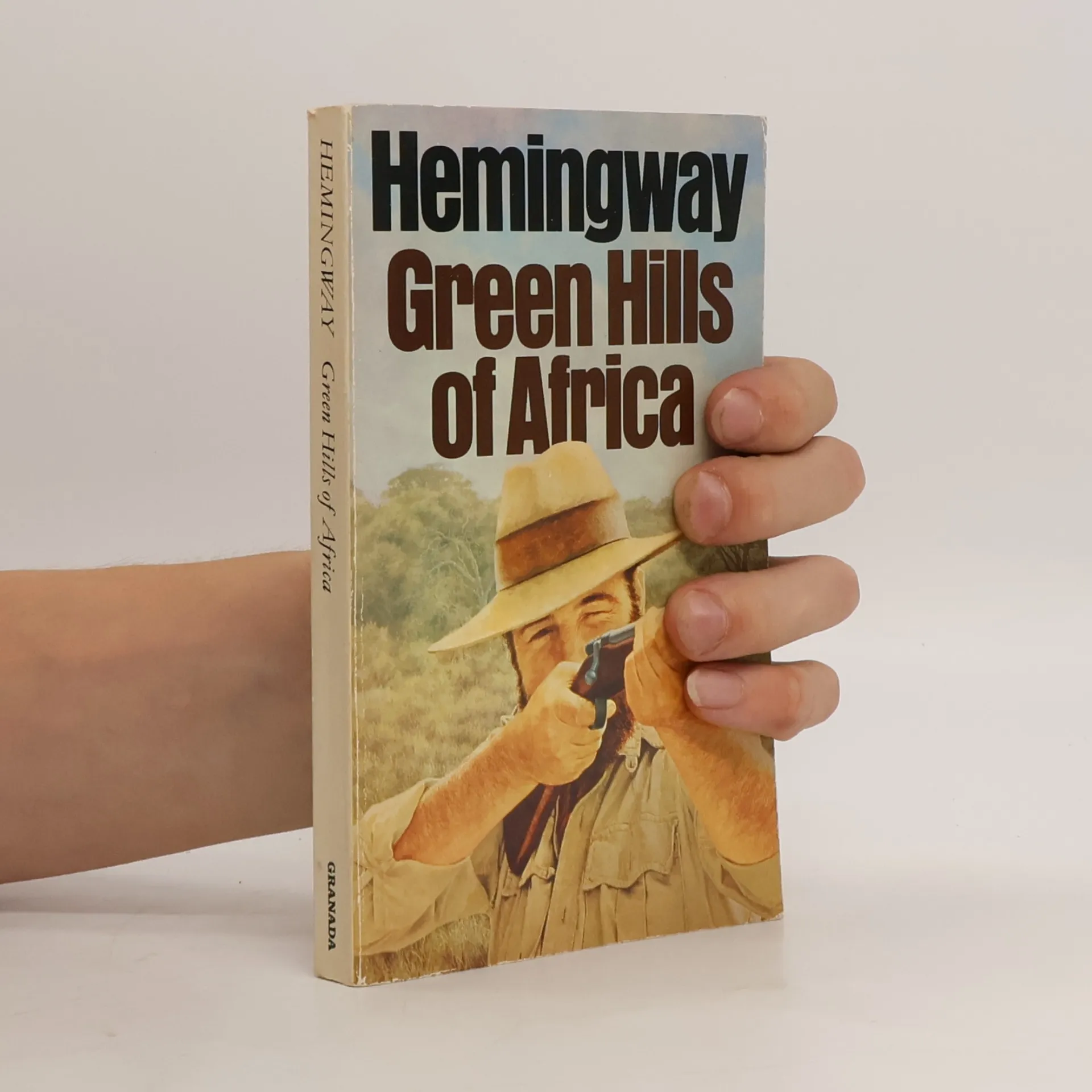
Green Hills of Africa is Ernest Hemingway's lyrical journal of a month on safari in the great game country of East Africa, where he and his wife Pauline journeyed in December 1933. Hemingway's well-known interest in - and fascination with - big-game hunting is magnificently captured in this evocative account of his trip. It is an examination of the lure of the hunt and an impassioned portrait of the glory of the African landscape and of the beauty of a wilderness that was, even then, being threatened by the incursions of man.
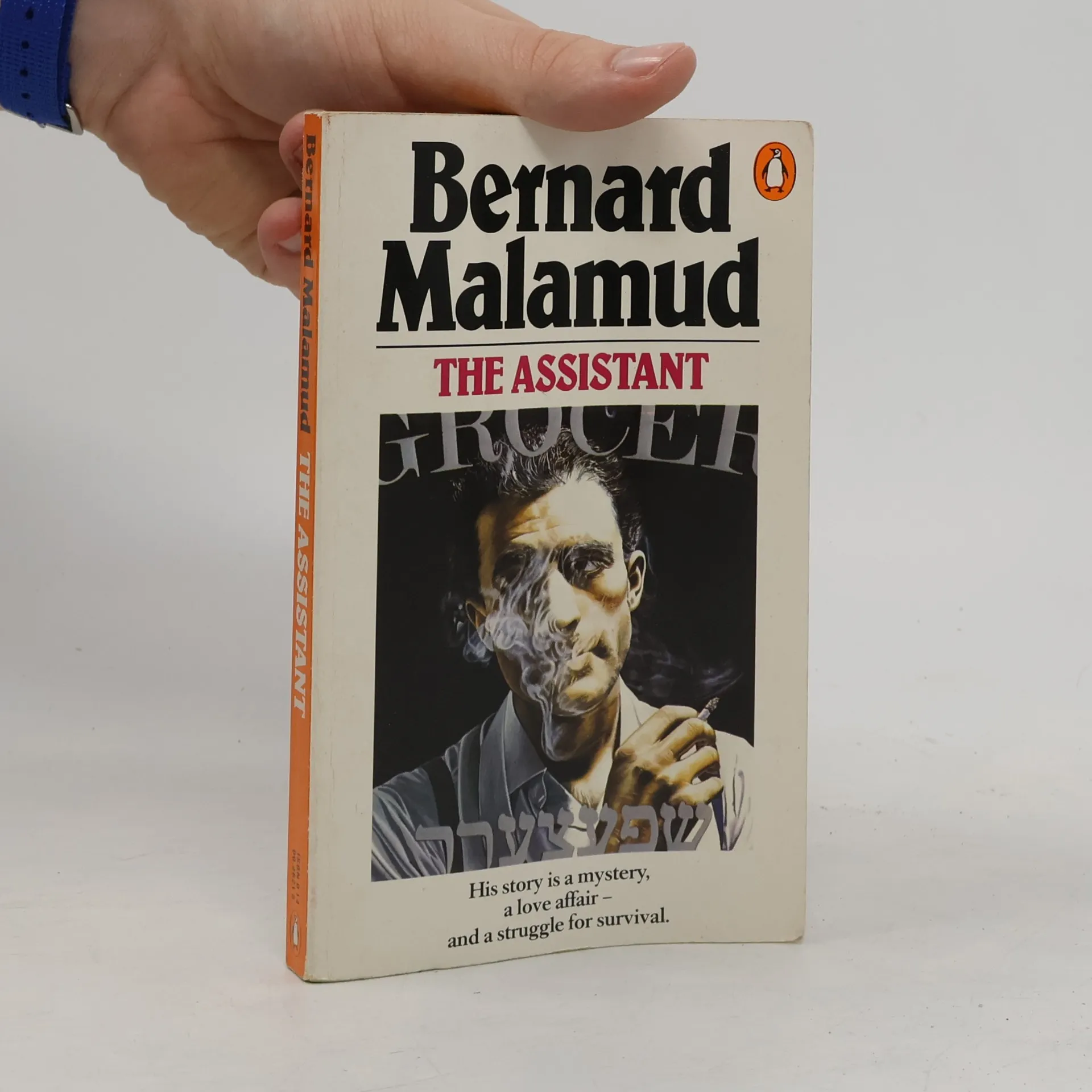
Bernard Malamud’s second novel, originally published in 1957, is the story of Morris Bober, a grocer in postwar Brooklyn, who “wants better” for himself and his family. First two robbers appear and hold him up; then things take a turn for the better when broken-nosed Frank Alpine becomes his assistant. But there are complications: Frank, whose reaction to Jews is ambivalent, falls in love with Helen Bober; at the same time he begins to steal from the store. Like Malamud’s best stories, this novel unerringly evokes an immigrant world of cramped circumstances and great expectations. Malamud defined the immigrant experience in a way that has proven vital for several generations of writers.
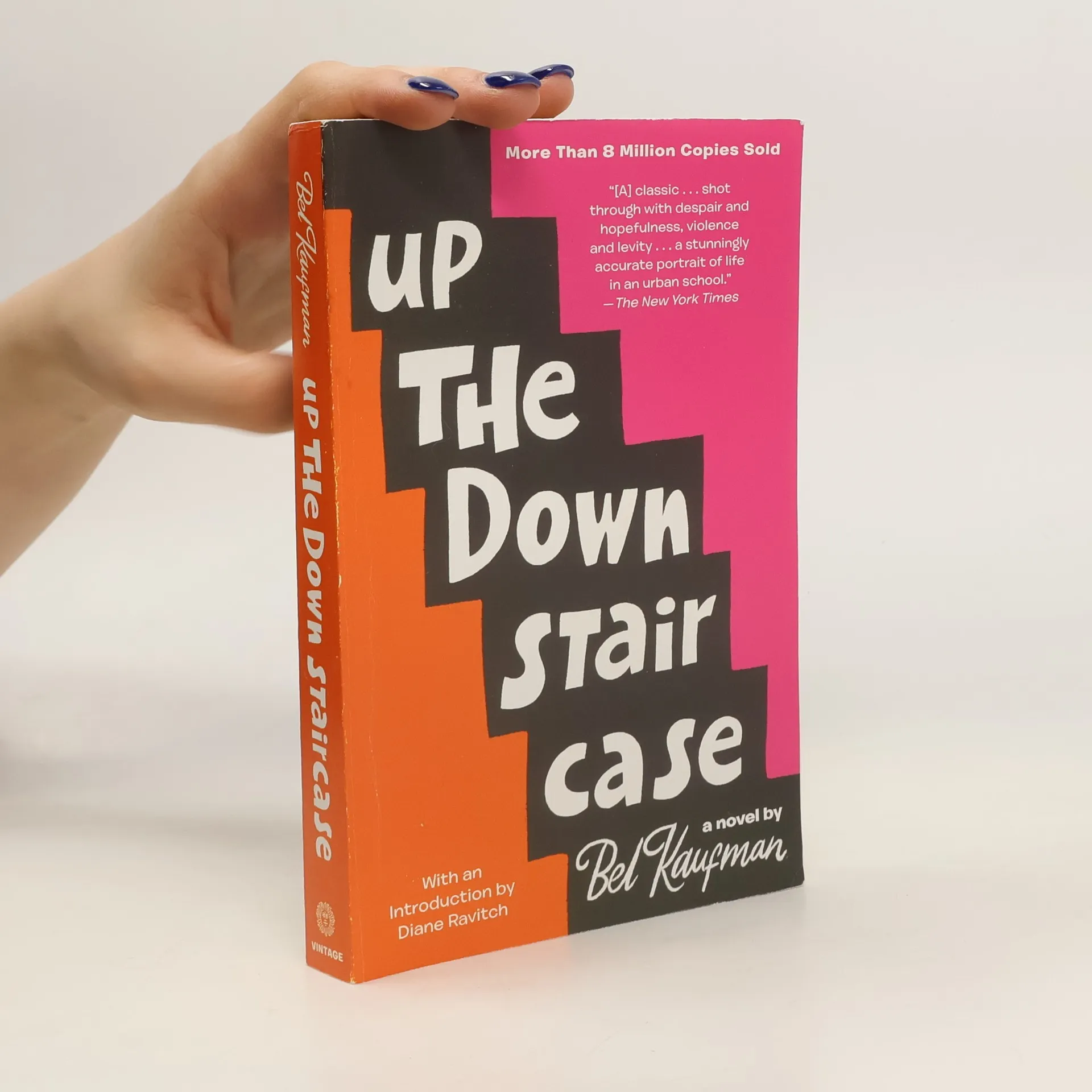
Sylvia Barrett arrives at New York City’s Calvin Coolidge High fresh from earning literature degrees at Hunter College and eager to shape young minds. Instead she encounters broken windows, a lack of supplies, a stifling bureaucracy, and students with no interest in Chaucer. Her bumpy yet ultimately rewarding journey is narrated through an extraordinary collection of correspondence—sternly worded yet nonsensical administrative memos, furtive notes of wisdom from teacher to teacher, “polio consent slips,” and student homework assignments that unwittingly speak from the heart. An instant bestseller when it was first published in 1964, Up the Down Staircase remains as poignant, devastating, laugh-out-loud funny, and relevant today as ever. It timelessly depicts a beleaguered public school system redeemed by teachers who love to teach and students who long to be recognized.
Nová, do značné míry autobiografická hra, děj se odehrává v mysli ústřední postavy, v jejích myšlenkách. Na scénu staví asi čtyřicetiletého právníka, jenž se rozborem nejvýznamnějších skutečností svého života snaží dopátrat se pravdy o své vině na tom, co udělal on i společnostkolem něho. Přeložili Luba a Rudolf Pellarovi za jazykové spolupráce Hildy Lassové.
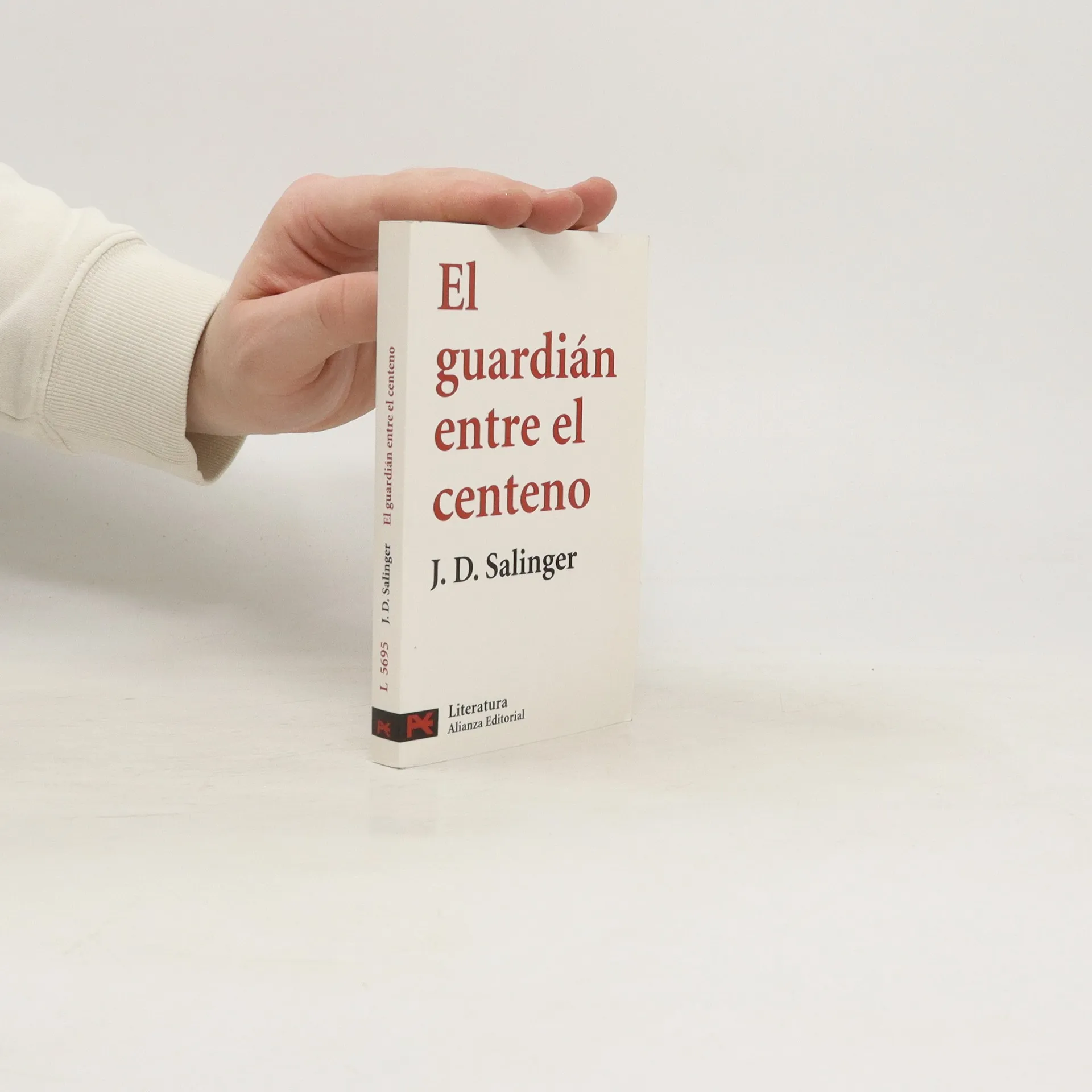
"Un quinceañero de familia bien se encuentra en la búsqueda de un lugar y un sentido a la vida en el Nueva York de los años cuarenta. Las peripecias del adolescente Holden Cauldfiel en una Nueva York que se recupera de la guerra influyeron en sucesivas generaciones de todo el mundo. En su confesión sincera y sin tapujos, muy lejos de la visión almibarada de la adolescencia que imperó hasta entonces, Holden nos desvela la realidad de un muchacho enfrentado al fracaso escolar, a las rígidas normas de una familia tradicional, a la experiencia de la sexualidad más allá del mero deseo."--Amazon.com.
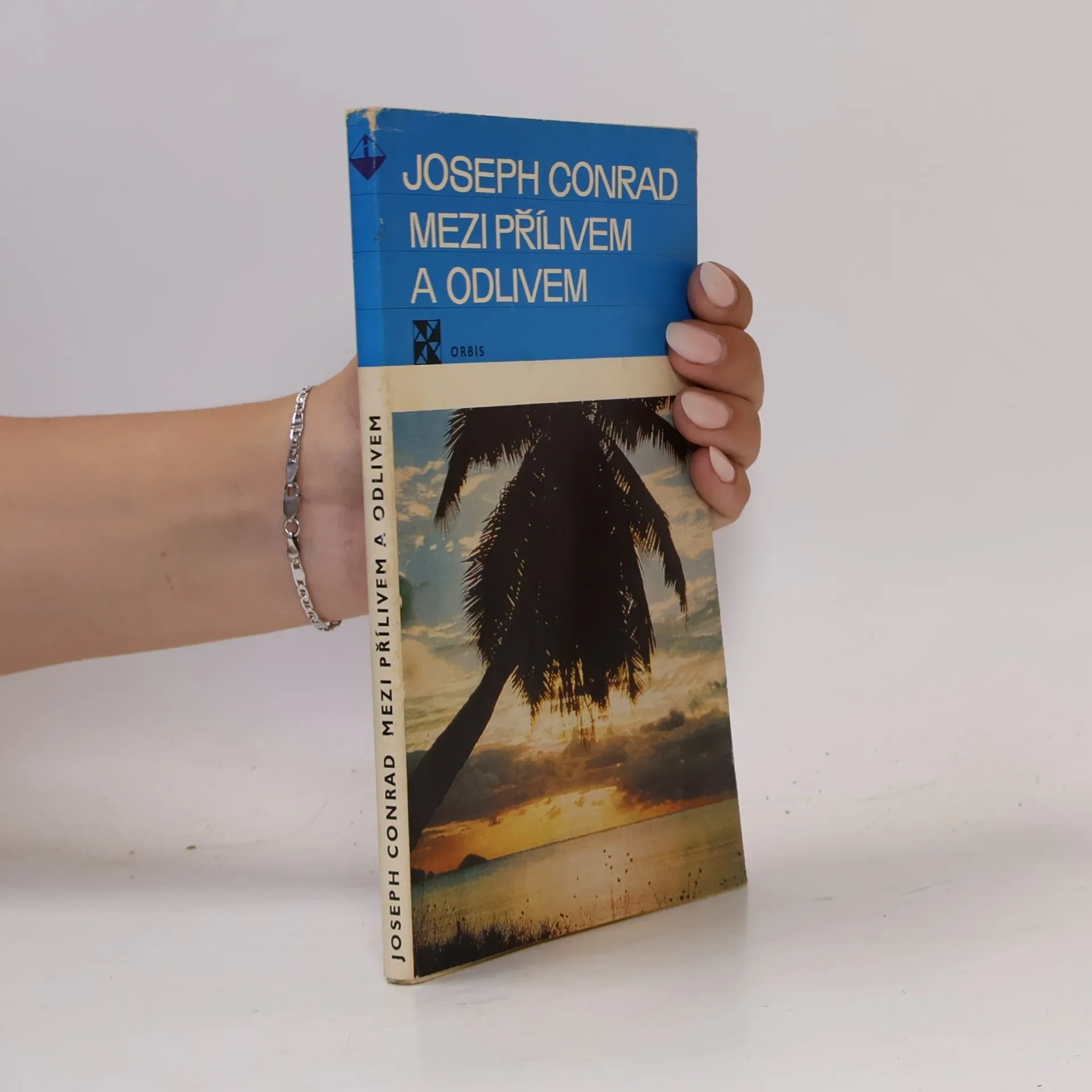
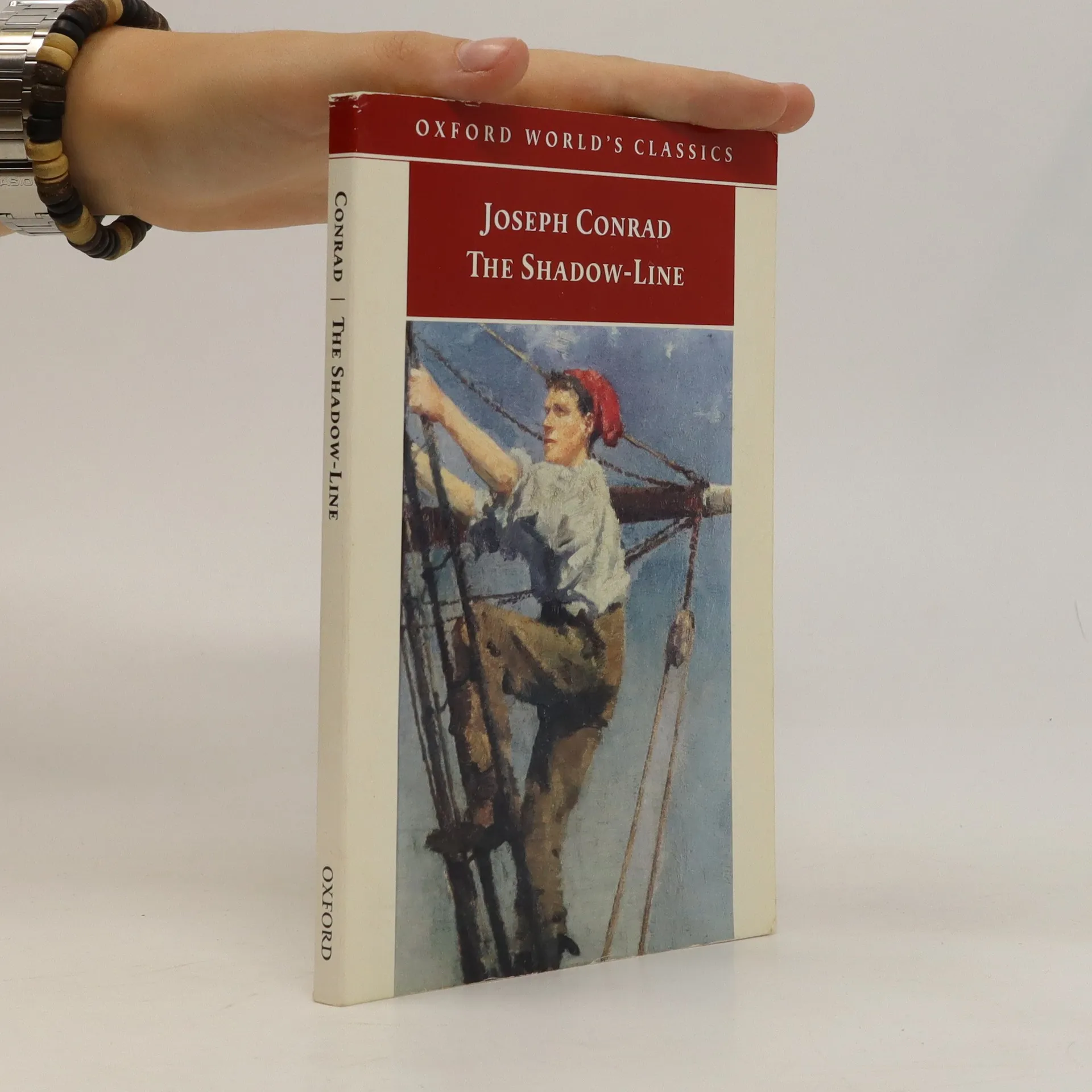
Written in 1915, The Shadow-Line is based upon events and experiences from twenty-seven years earlier to which Conrad returned obsessively in his fiction. A young sea captain's first command brings with it a succession of crises: his sea is becalmed, the crew laid low by fever, and his deranged first mate is convinced that the ship is haunted by the malignant spirit of a previous captain. This is indeed a work full of "sudden passions", in which Conrad is able to show how the full intensity of existence can be experienced by the man who, in the words of the older Captain Giles, is prepared to "stand up to his bad luck, to his mistakes, to his conscience." A subtle and penetrating analysis of the nature of manhood, The Shadow-Line investigates varieties of masculinity and desire in a subtext that counters the tale's seemingly conventional surface.
A través de los recuerdos de una anciana portera y de un visitante ocasional de una pequeña cafetería en Viena, conocemos la historia de un hombre dedicado a los libros. Este ser sencillo e inocente, que vive únicamente para sus lecturas y no se preocupa por los acontecimientos del mundo, se enfrenta a un final trágico y desesperado debido a la locura y la brutalidad de la maquinaria bélica durante la Primera Guerra Mundial.