The Structure of World History
- 376 páginas
- 14 horas de lectura
Seeks to understand both Capital-Nation-State, the interlocking system that is the dominant form of modern global society, and the possibilities for superseding it.


Kōjin Karatani es un filósofo y crítico literario japonés cuya obra profundiza en las complejidades de la modernidad y la posmodernidad. Se centra en un análisis riguroso del lenguaje, el número y el dinero, considerándolos estructuras fundamentales que dan forma a nuestra comprensión del mundo. Conocido por su amplia curiosidad intelectual y su enfoque distintivo, Karatani ha sido apodado 'La Máquina de Pensar'. Sus agudas observaciones críticas ofrecen una lente única para examinar la sociedad y la cultura contemporáneas.

Seeks to understand both Capital-Nation-State, the interlocking system that is the dominant form of modern global society, and the possibilities for superseding it.
Originally published in 1974, Kojin Karatani's Marx- Towards the Centre of Possibility has been among his most enduring and pioneering works in critical theory. Written at a time when the political sequences of the New Left had collapsed into crisis and violence, with widespread political exhaustion for the competing sectarian visions of Marxism from 1968, Karatani's Marx laid the groundwork for a new reading, unfamiliar to the existing Marxist discourse in Japan at the time. Karatani's Marx takes on insights from semiotics, deconstruction, and the reading of Marx as a literary thinker, treating Capital as an intervention in philosophy that could be read as itself a theory of signs. Marx is unique in this sense, not only because of its importance in post-'68 Japanese thought, but also because the heterodox reading of Marx that Karatani debuts in this text, centred on his theory of the value-form, will go on to form the basis of his globally influential work.
A genuine Copernican turn in Kantian and Marxist theory and practice.
Classic study of Marx by Japan's leading critical theoristOriginally published in 1974, Kojin Karatani's Towards the Centre of Possibility has been amongst his most enduring and pioneering works in critical theory. Written at a time when the political sequences of the New Left had collapsed into crisis and violence, with widespread political exhaustion for the competing sectarian visions of Marxism from 1968, Karatani's Marx laid the groundwork for a new reading, unfamiliar to the existing Marxist discourse in Japan at the time.Karatani's Marx takes on insights from semiotics, deconstruction, and the reading of Marx as a literary thinker, treating Capital as an intervention in philosophy that could be read as itself a theory of signs. Marx is unique in this sense, not only because of its importance in post-68 Japanese thought, but also because the heterodox reading of Marx that Karatani debuts in this text, centered on his theory of the value-form, will go on to form the basis of his globally-influential work.
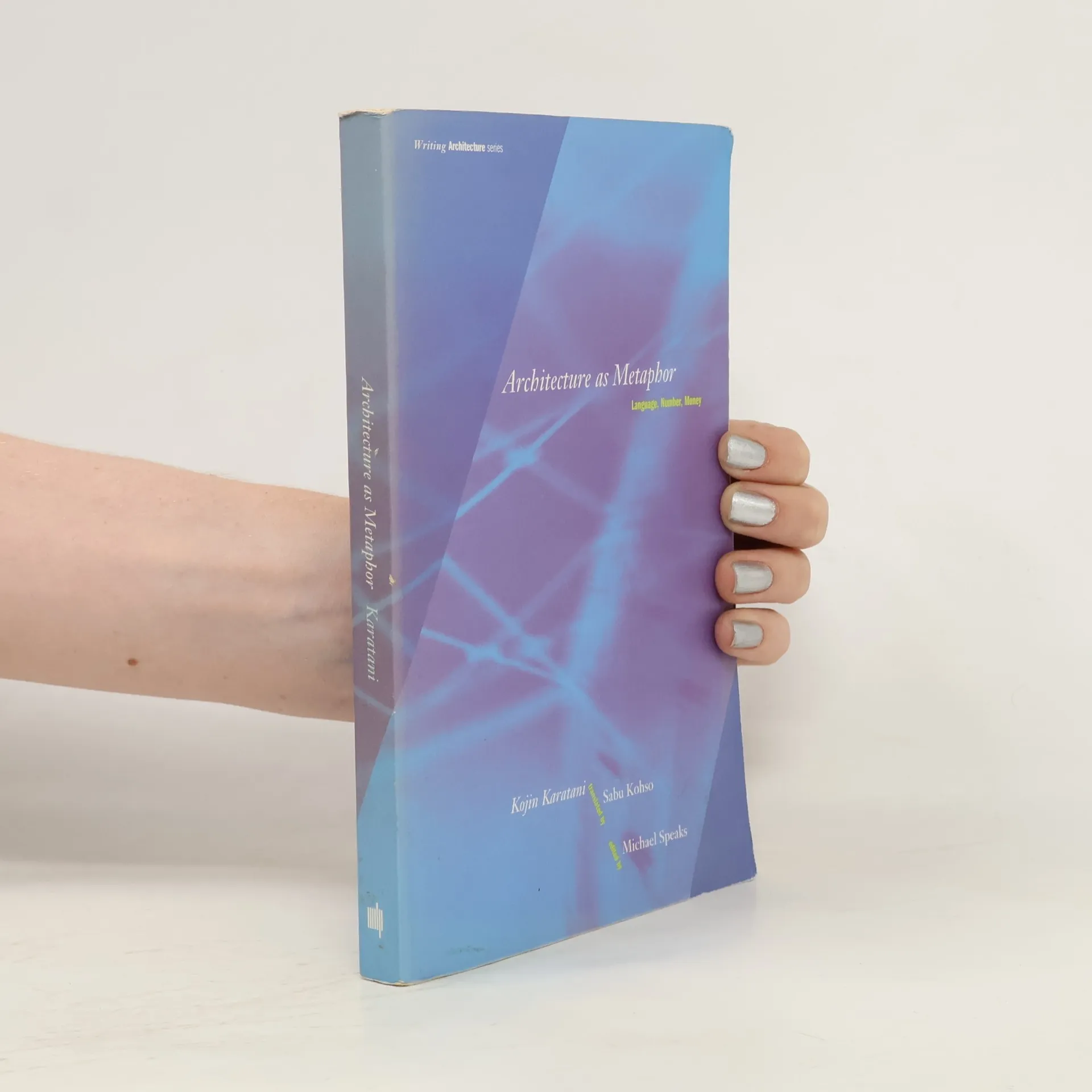
In Architecture as Metaphor, Kojin Karatani detects a recurrent will to architecture that he argues is the foundation of all Western thinking, traversing architecture, philosophy, literature, linguistics, city planning, anthropology, political economics, psychoanalysis, and mathematics.
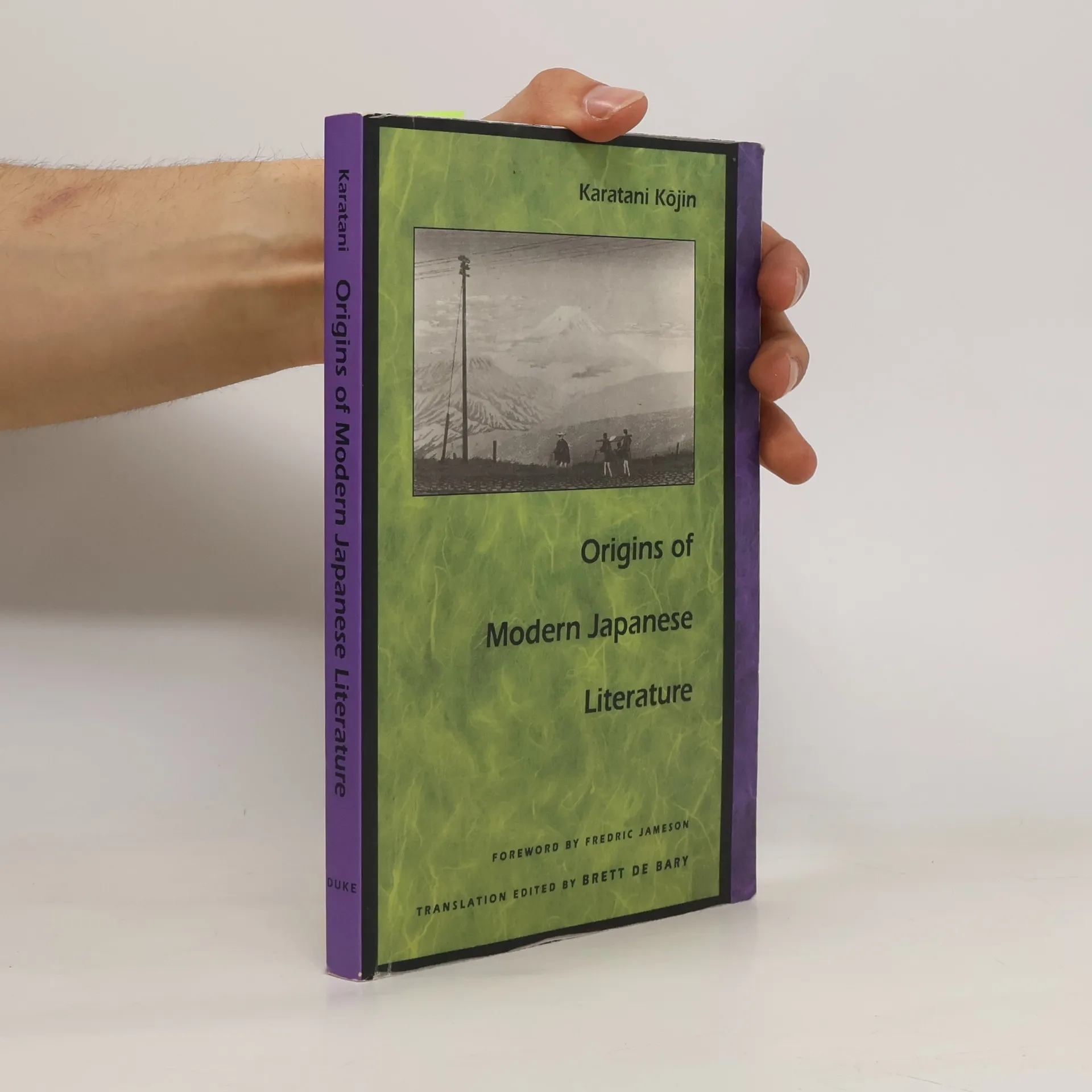
Karatani Kojin is one of Japan's leading critics. In his work as a theoretician, he has described Modernity as have few others; he has re-evaluated the literature of the entire Meiji period and beyond. As one critic has said, Karatani's thought "has had a profound effect on the way we formulate the questions we ask about modern literature and culture ... [his] argument is compelling, moving even, and in the end the reader comes away with a different understanding not only of modern Japanese literature but of modern Japan itself." Among the many authors discussed are Soseki Natsume, Doppo Kunikida, Katai Tayama, and Shoyo Tsubouchi.