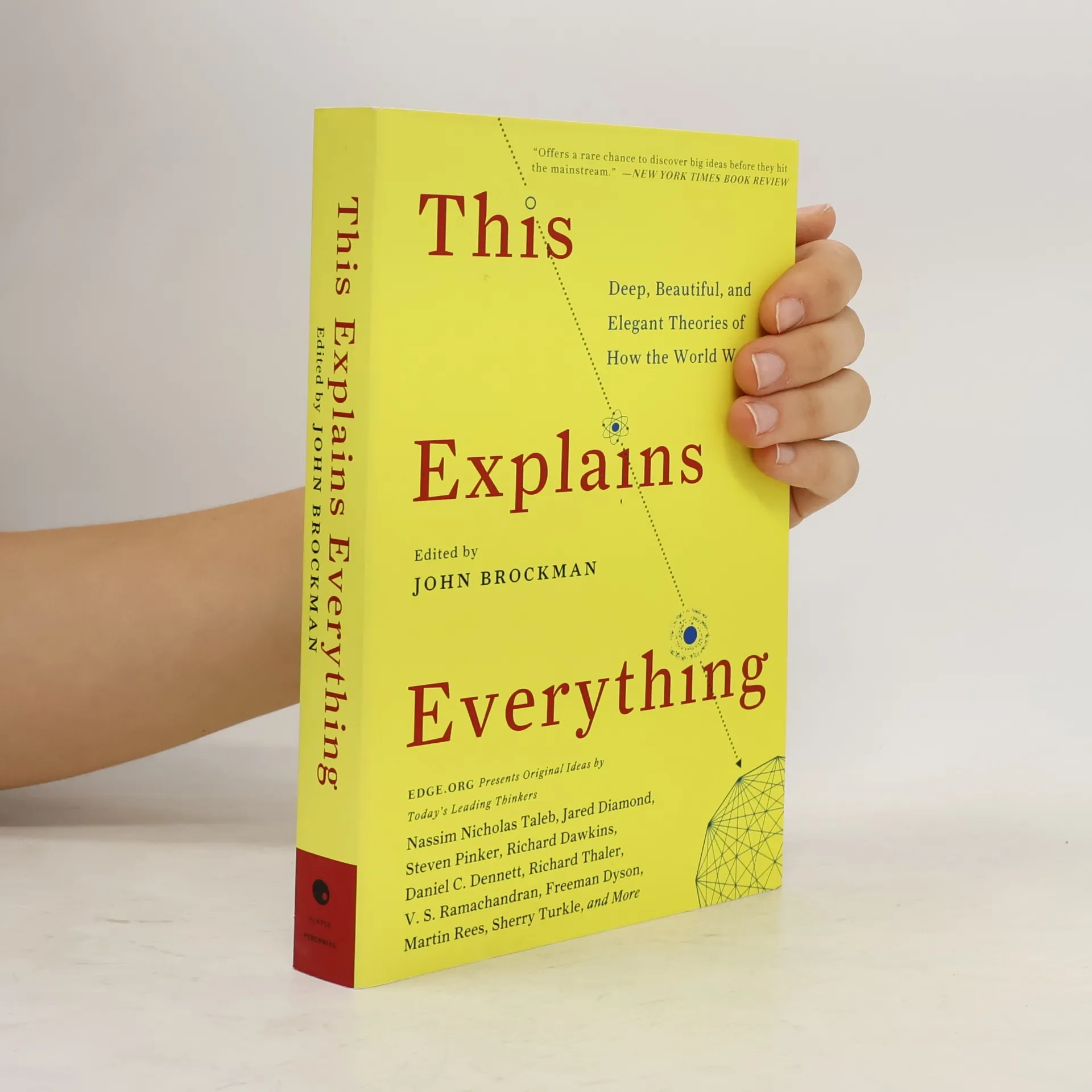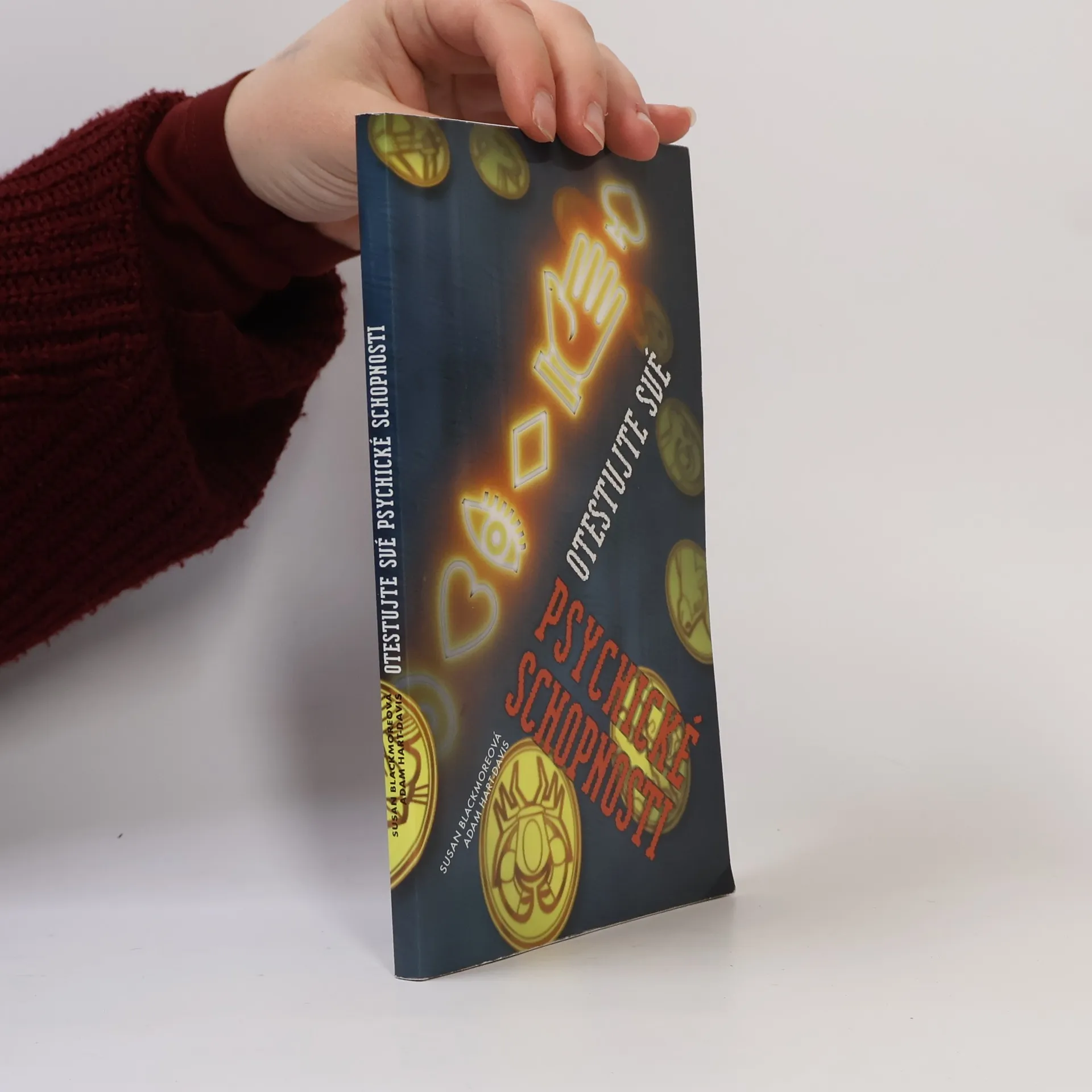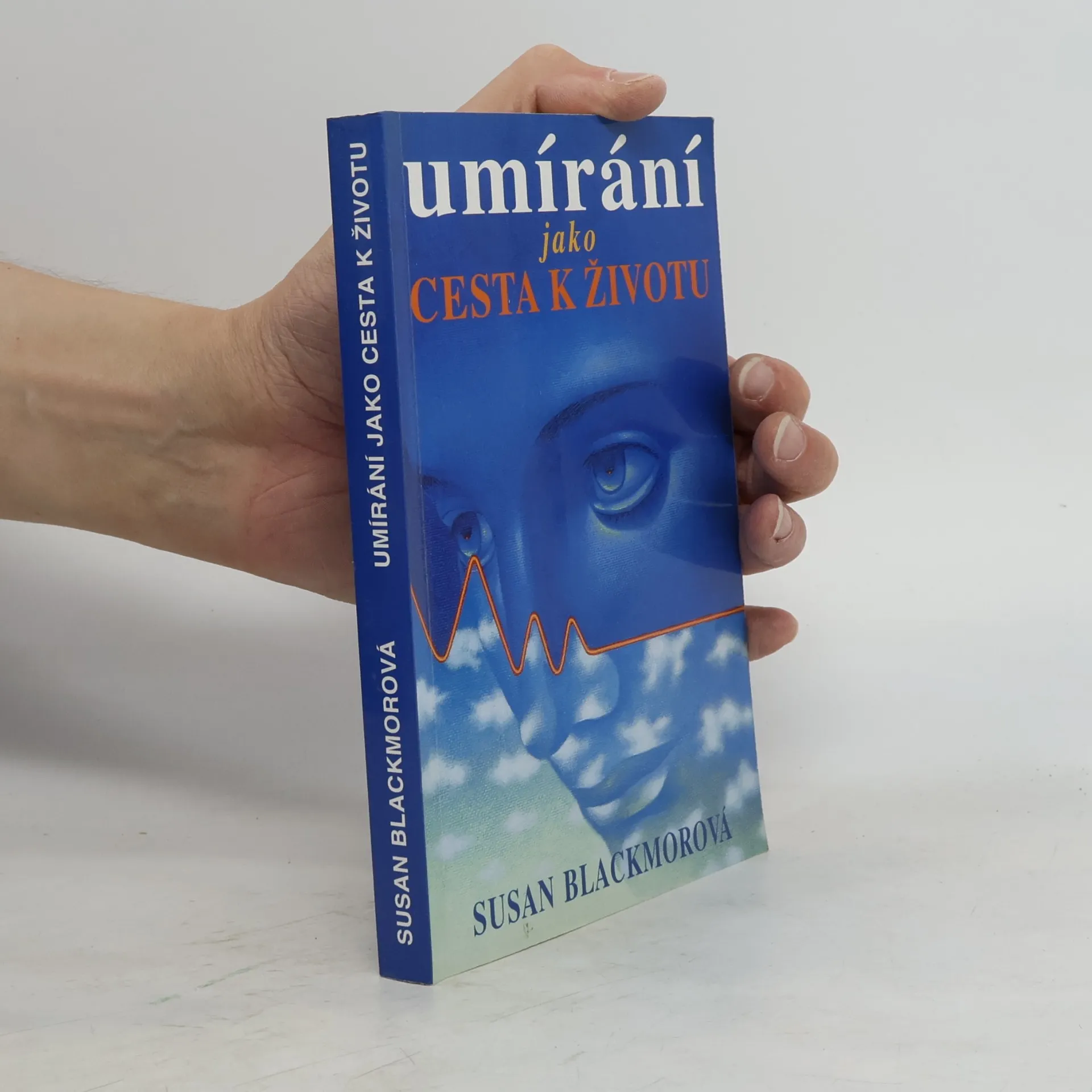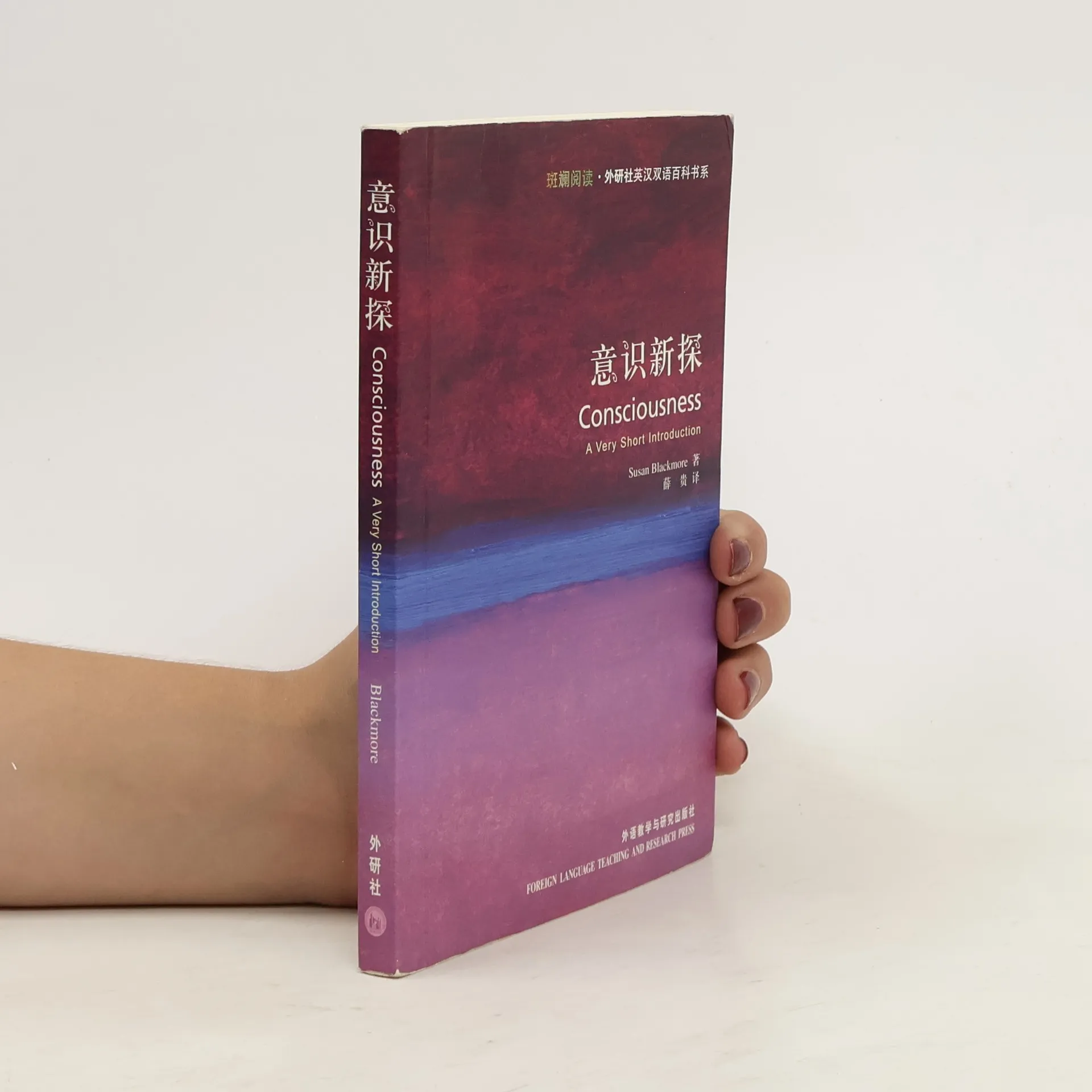
Susan Blackmore profundiza en temas complejos como la teoría evolutiva, la conciencia y la memética. Su trabajo se basa en su formación en psicología y fisiología, junto con un profundo interés en la naturaleza de la mente. A través de sus publicaciones y conferencias, busca hacer que estas intrincadas ideas sean accesibles a un público más amplio, fomentando el pensamiento crítico sobre cómo funcionan y evolucionan nuestras mentes. Su enfoque ofrece una perspectiva única sobre la intersección de la biología, la cultura y la experiencia personal.
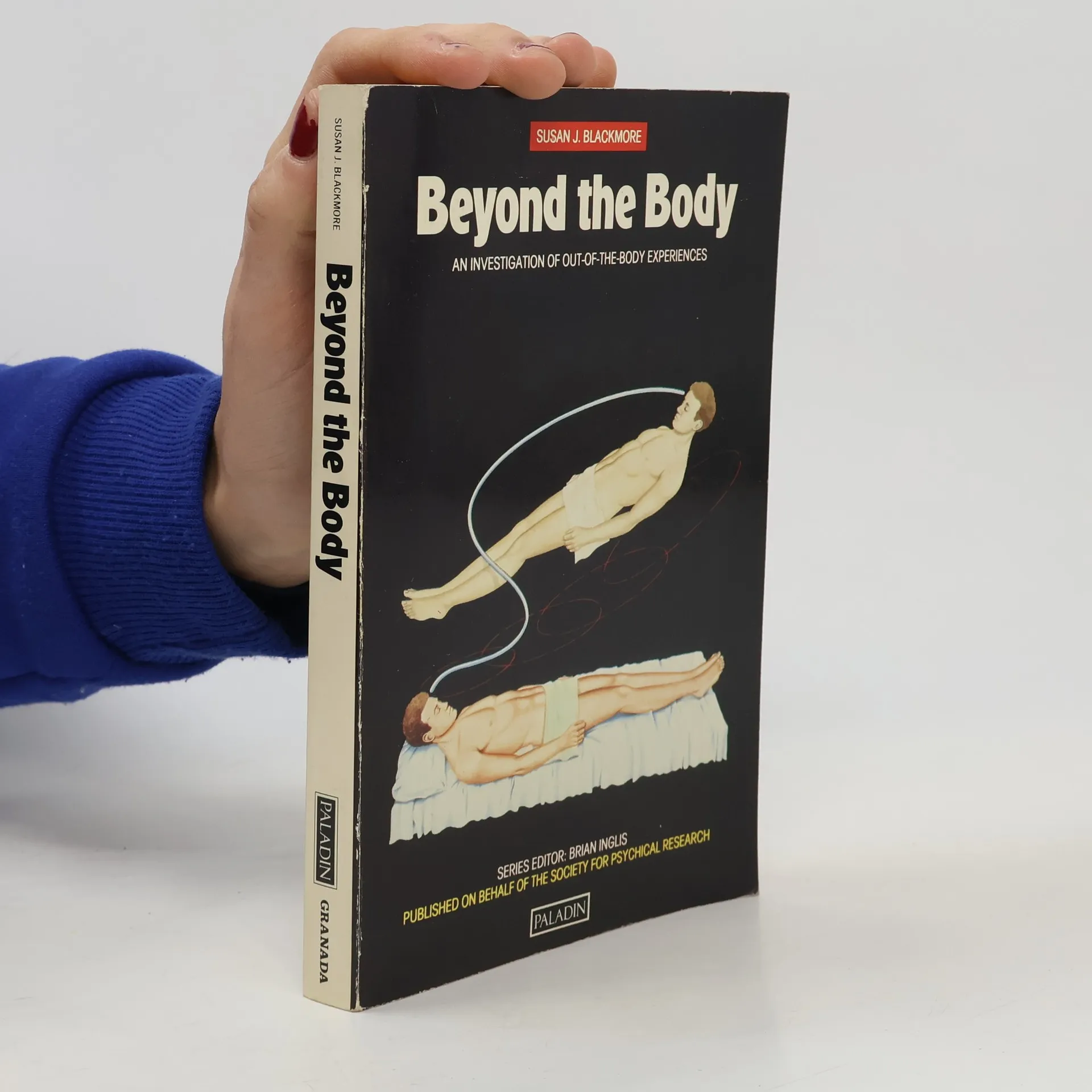
A new popular psychology title exploring the science behind out-of-body &
tunnel experiences (OBEs) from astral projection to near death experiences
from a renowned psychologist in the field of consciousness.
Das menschliche Bewusstsein ist eines der letzten großen Rätsel der Wissenschaft. Erstaunliche neue Erkenntnisse der Neurowissenschaften haben die Debatten um dieses Phänomen angefacht, und inzwischen arbeiten Biologen, Neurowissenschaftler, Psychologen und Philosophen daran, das Geheimnis hinter dieser sehr menschlichen Eigenschaft zu ergründen. Diese Einführung erklärt knapp und präzise die komplexen Fragestellungen und Theorien. Anhand eindrücklicher Experimente und mithilfe von Illustrationen und Cartoons gelingt es der Autorin, die an der University of the West of England lehrt und forscht, so komplexe Themen wie Aufmerksamkeit, Theorien des Selbst, veränderte Bewusstseinszustände und Effekte von Drogen oder Hirnschäden auf das Bewusstsein anschaulich darzustellen. Weitere sehr kurze Einführungen
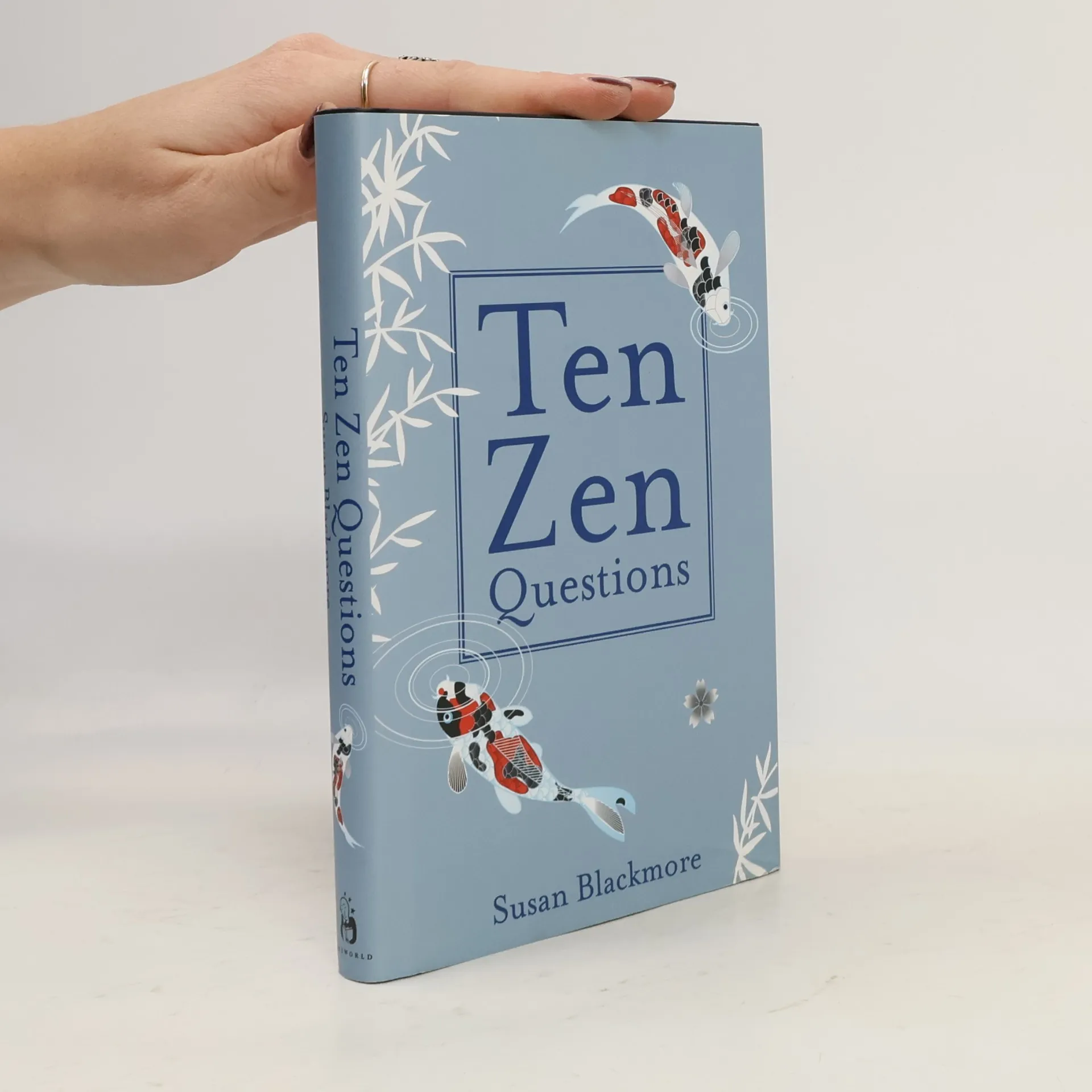
Susan Blackmore combines the latest scientific theories about mind, self, and consciousness with a lifetime’s practice of Zen. Framed by ten critical questions that are derived from Zen’s teachings, Zen and the Art of Consciousness explores how intellectual enquiry and meditation can expand your understanding and experience of consciousness and tackle some of today’s greatest scientific mysteries.
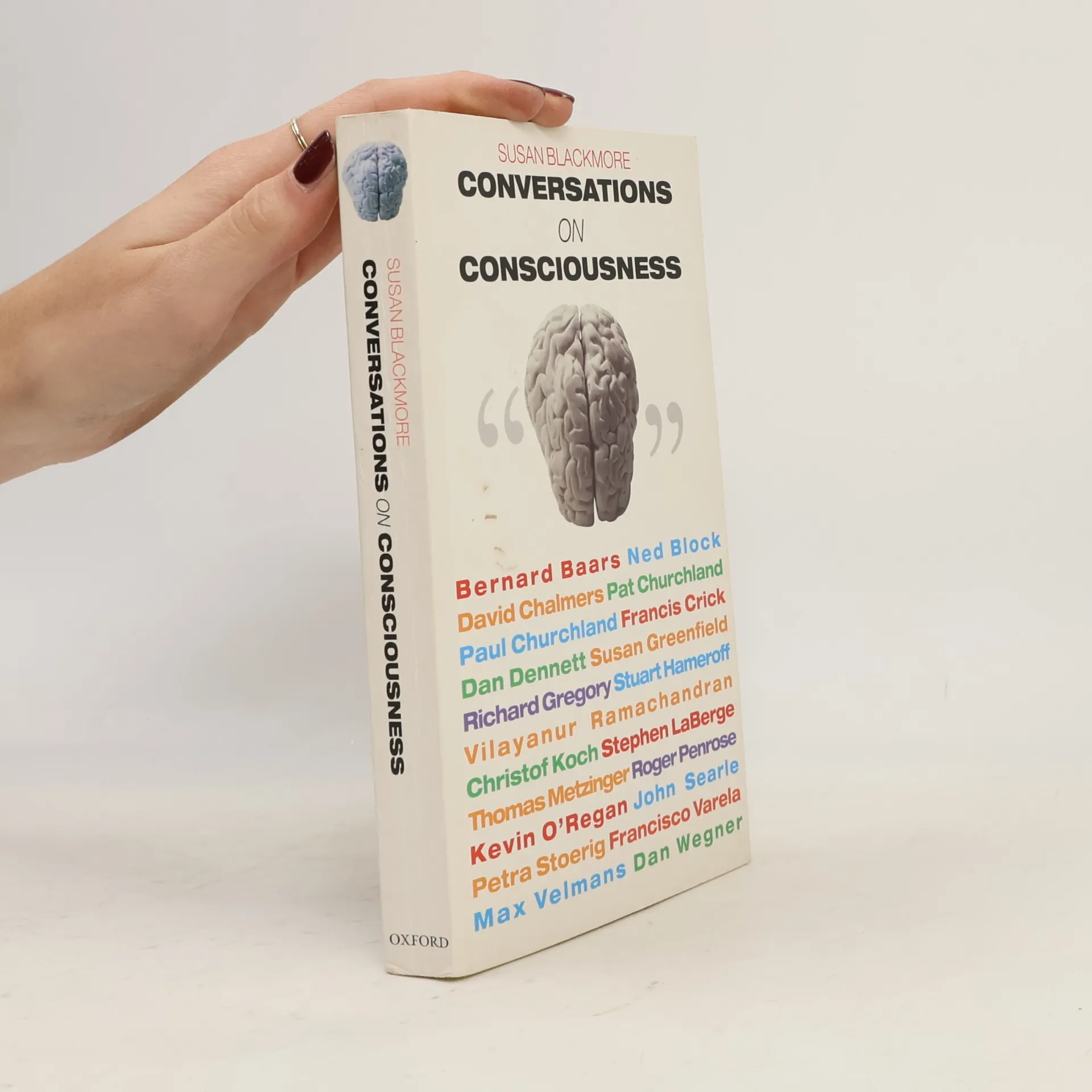
Explores the questions on the nature of brains, minds, and consciousness, through twenty interviews with some of the best-known personalities from science and philosophy. This collection includes interviews with Daniel Dennett, John Searle, David Chalmers, Francis Crick, V Ramachandran, Roger Penrose, Richard Gregory, and Susan Greenfield.
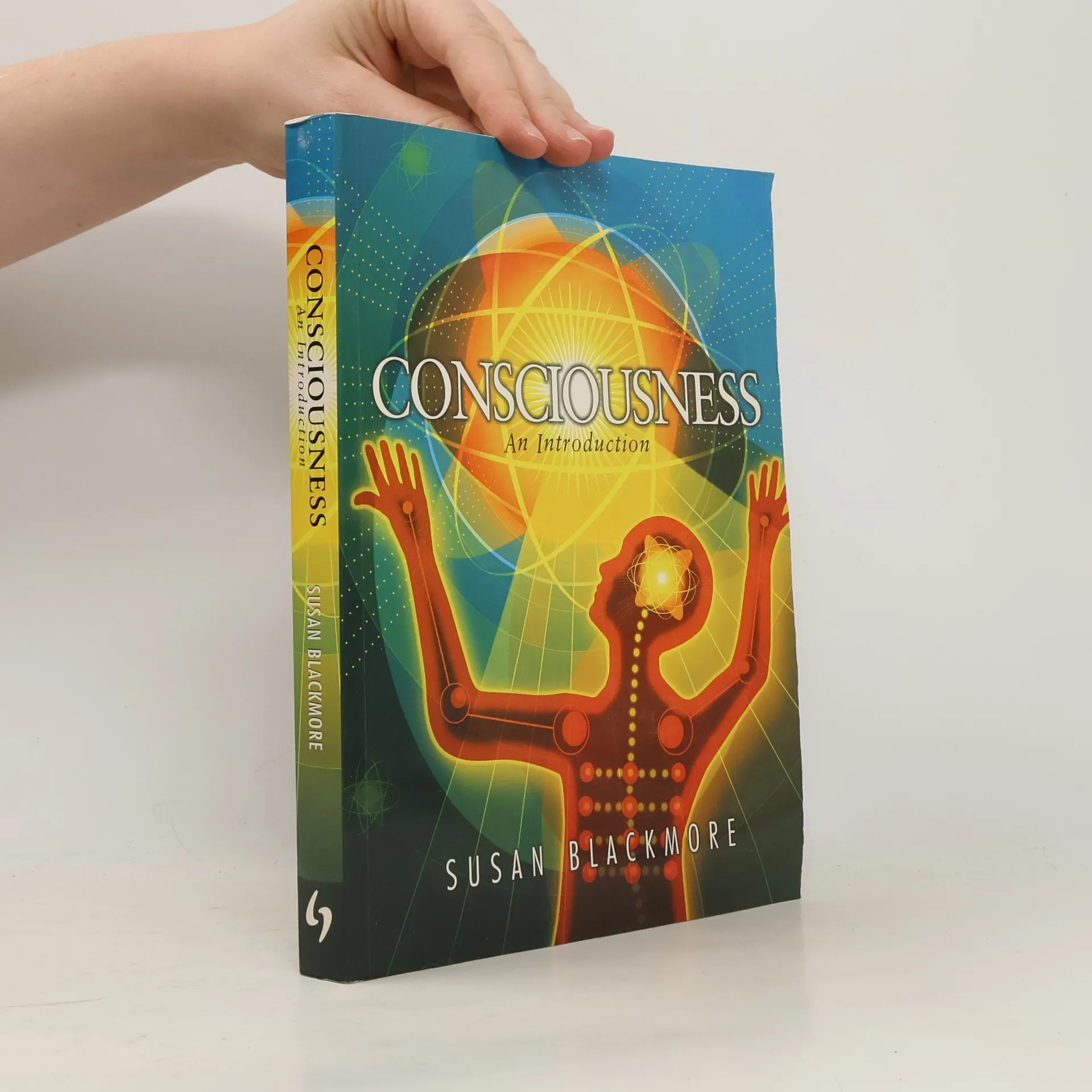
Is there a theory that explains the essence of consciousness? Or is consciousness itself just an illusion? The "last great mystery of science," consciousness was excluded from serious research for most of the last century but is now a rapidly expanding area of study for students of psychology, philosophy, and neuroscience. Recently the topic has also captured growing popular interest. This groundbreaking book is the first volume to bring together all the major theories of consciousness studies--from those rooted in traditional Western philosophy to those coming out of neuroscience, quantum theory, and Eastern philosophy. Broadly interdisciplinary, Consciousness: AnIntroduction is divided into nine sections that examine such topics as how subjective experiences arise from objective brain processes, the basic neuroscience and neuropathology of consciousness, altered states of consciousness, mystical experiences and dreams, and the effects of drugs and meditation. It also discusses the nature of self, the possibility of artificial consciousness in robots, and the question of whether or not animals are conscious. Enhanced by numerous illustrations and profiles of important researchers, the book also includes self-assessment questions, further reading suggestions, and practical exercises that help bring the subject to life.
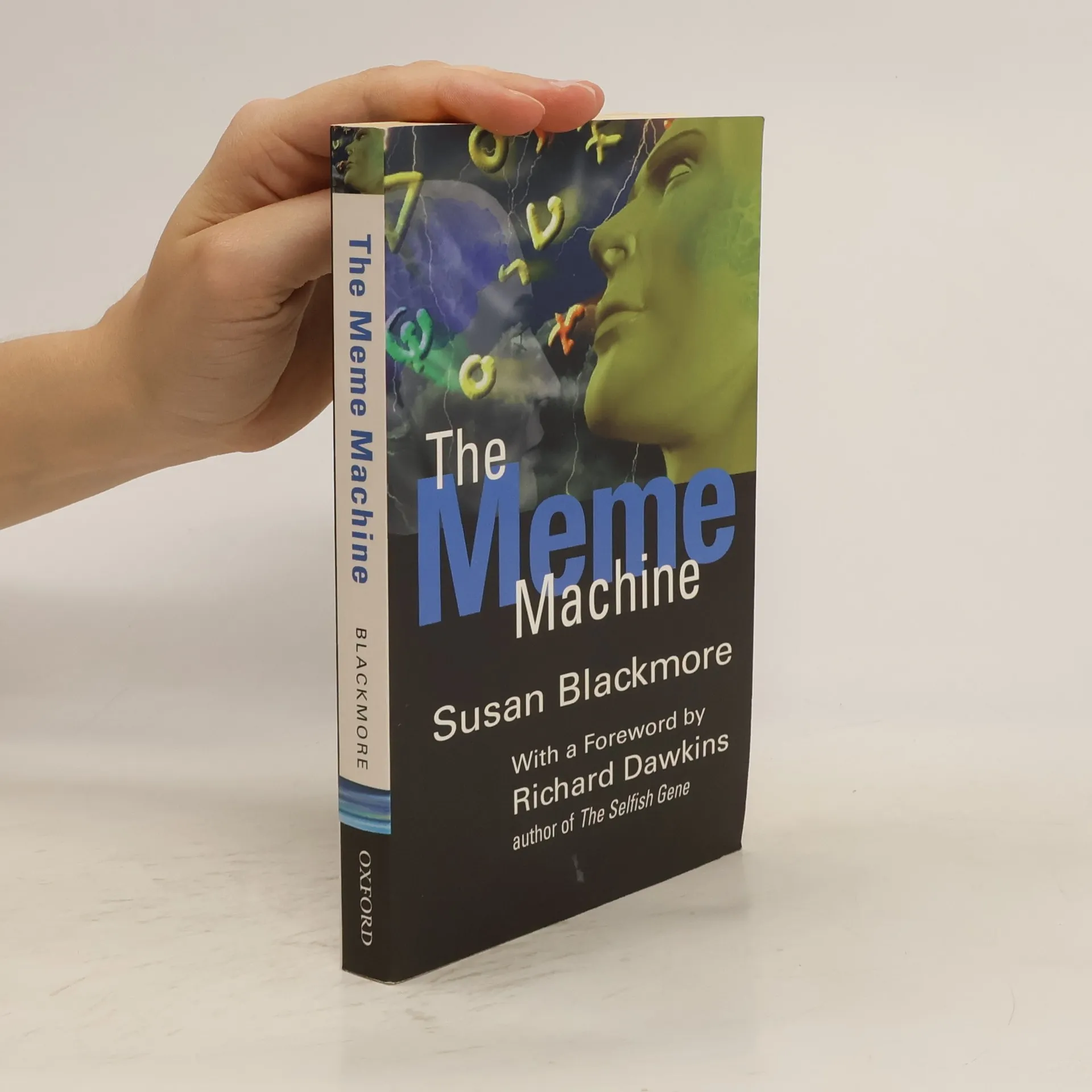
Uniquely among animals, humans are capable of imitation and so can copy from one another ideas, habits, skills, behaviors, inventions, songs and stories. These are all memes, a term first coined by Richard Dawkins in 1976. According to memetic theory, memes, like genes, are replicators, competing to get into as many brains as possible, and this memetic competition has fashioned our minds and culture, just as natural selection has designed our bodies. Can the analogy between memes and genes lead us to powerful new theories that actually explain anything important? This book ends by confronting the deepest questions of all about ourselves: the nature of the inner self, the part of us that is the centre of our consciousness, that feels emotions, has memories, holds beliefs and makes decisions. Author Blackmore contends that this inner self is an illusion, a creation of the memes for the sake of their own replication.--From publisher description
Chtěli jste někdy zjistit, zda máte parapsychické schopnosti? S pomocí této knihy si můžete sami vyzkoušet sérii experimentů, které vám pomohou najít odpovědi na následující otázky:
Existuje telepatie?
Mají krystaly zvláštní moc?
Jak proutkaři nacházejí skryté zdroje vody?
Proč se kyvadlo otáčí?
Můžete ovlivnit sny jiných lidí?
Jak mohou lidé předvídat budoucnost?
Opravdu astrologie funguje?
Autorka vytvořila teorii, která vysvětluje předsmrtné prožitky na základě dnešních poznatků z oblasti fyziologie, fyziky a psychologie. Současně se snaží překlenout rozpor mezi vědeckým a spirituálním pohledem na předsmrtné prožitky a ukazuje, jak nám jejich pochopení může pomoci žít náš život tváří v tvář smrti na cestě poznání sebe sama.
Předmluva
1. Blížíme se smrti
2. Stadia umírání
3. Vize umírajícího mozku
4. Světlo na konci tunelu
5. Mír, radost a štěstí
6. Ale vždyť jsem viděla barvu jejích šatů
7. Skutečnější než skutečné
8. V těle anebo mimo něj?
9. Přede mnou se odvíjel celý život ...