
Bookbot

Arthur Charles Clarke

    December 16, 1917 – March 19, 2008

    Arthur C. Clarke fue un visionario cuyo trabajo exploró la inmensidad del espacio y el futuro de la humanidad. Como autor prolífico, se hizo famoso por sus perspicaces ideas sobre las posibilidades científicas y tecnológicas, a menudo explorando las implicaciones éticas y filosóficas del avance. Su estilo de escritura se caracterizó por la claridad, la precisión científica y una imaginación que inspiraba asombro, cautivando a lectores de todo el mundo. El legado de Clarke radica en su capacidad para inspirar asombro y fomentar la curiosidad sobre el cosmos y nuestro lugar en él.

    Arthur Charles Clarke
    Report On Planet Three And Other Speculations
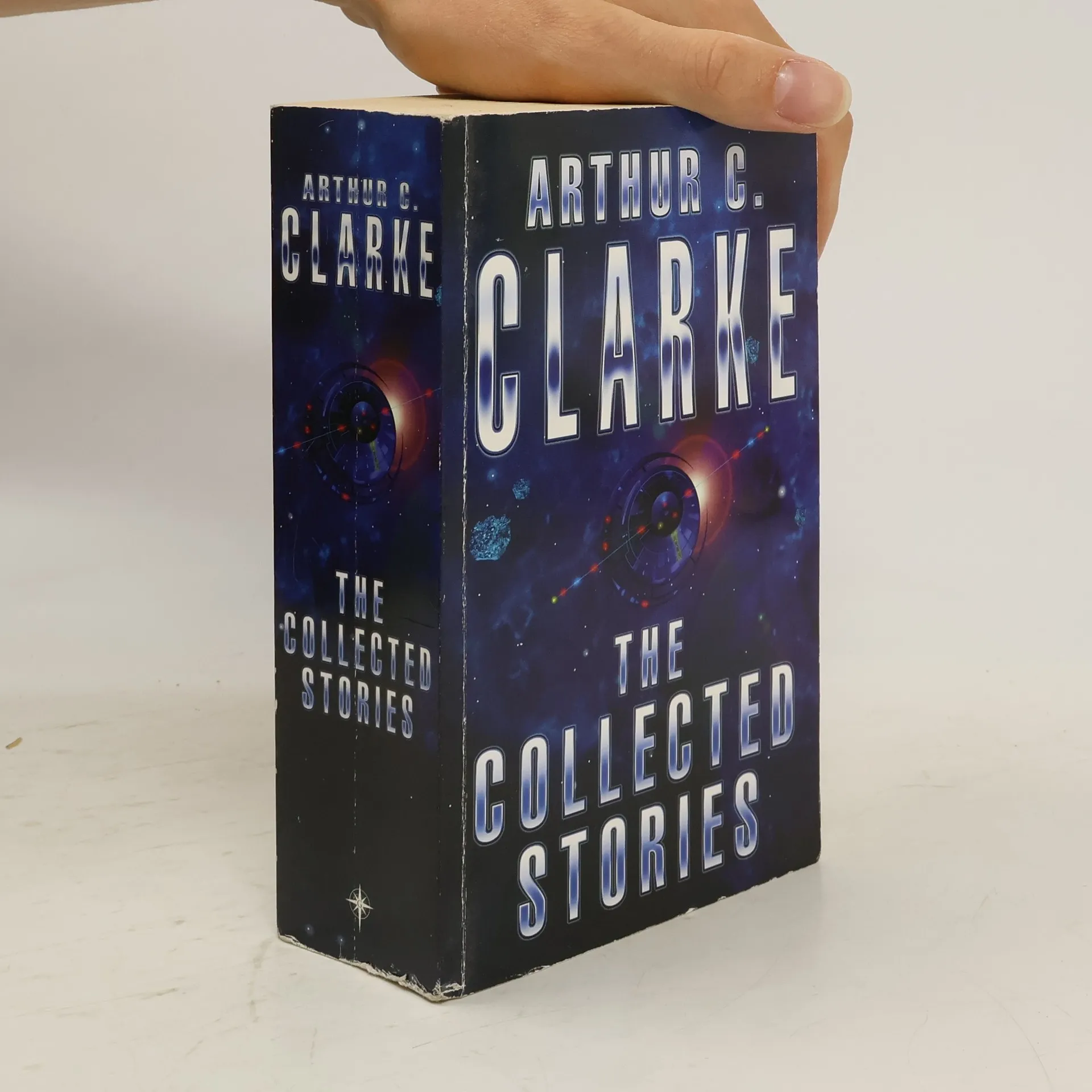
    The collected stories
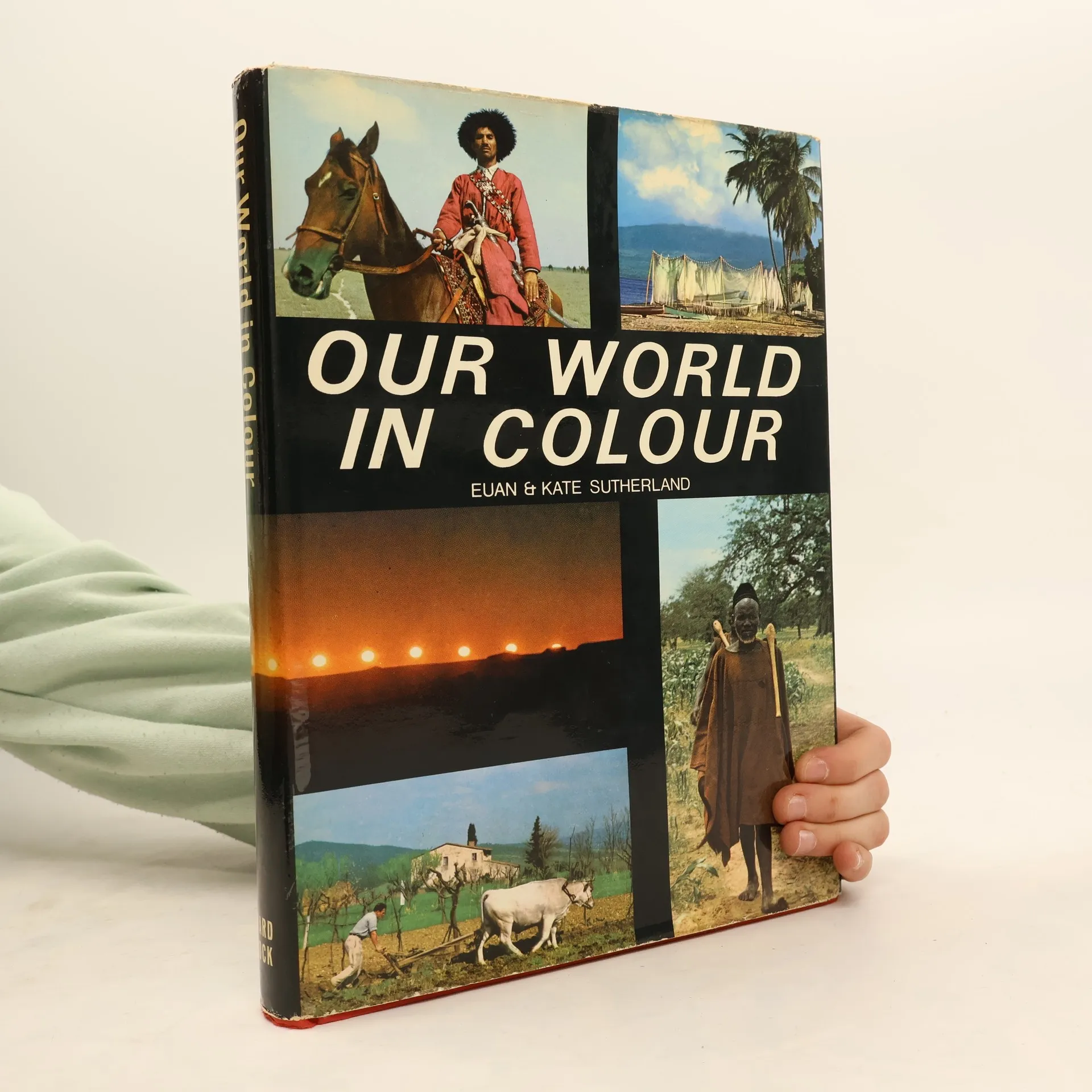
    Our World in Colour
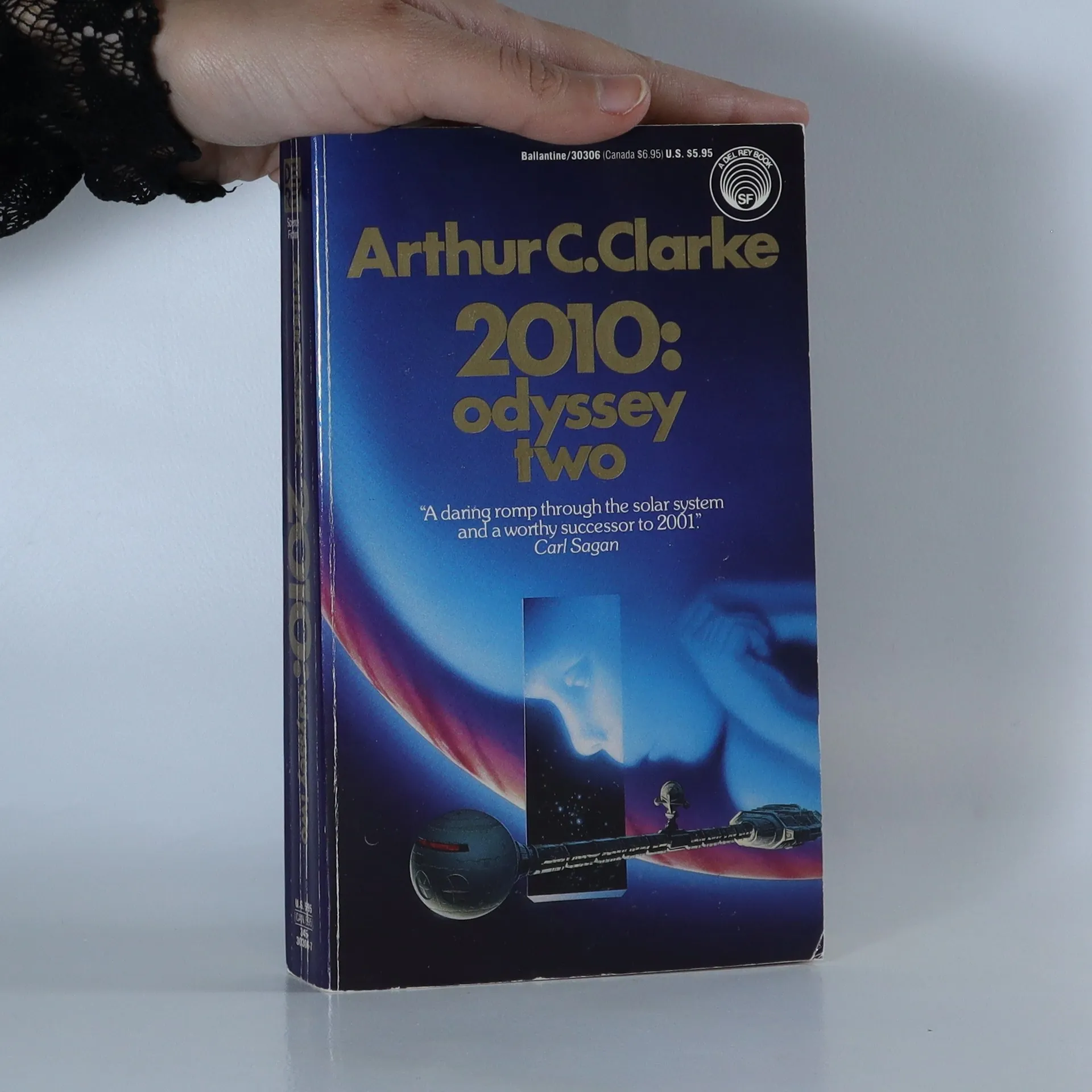
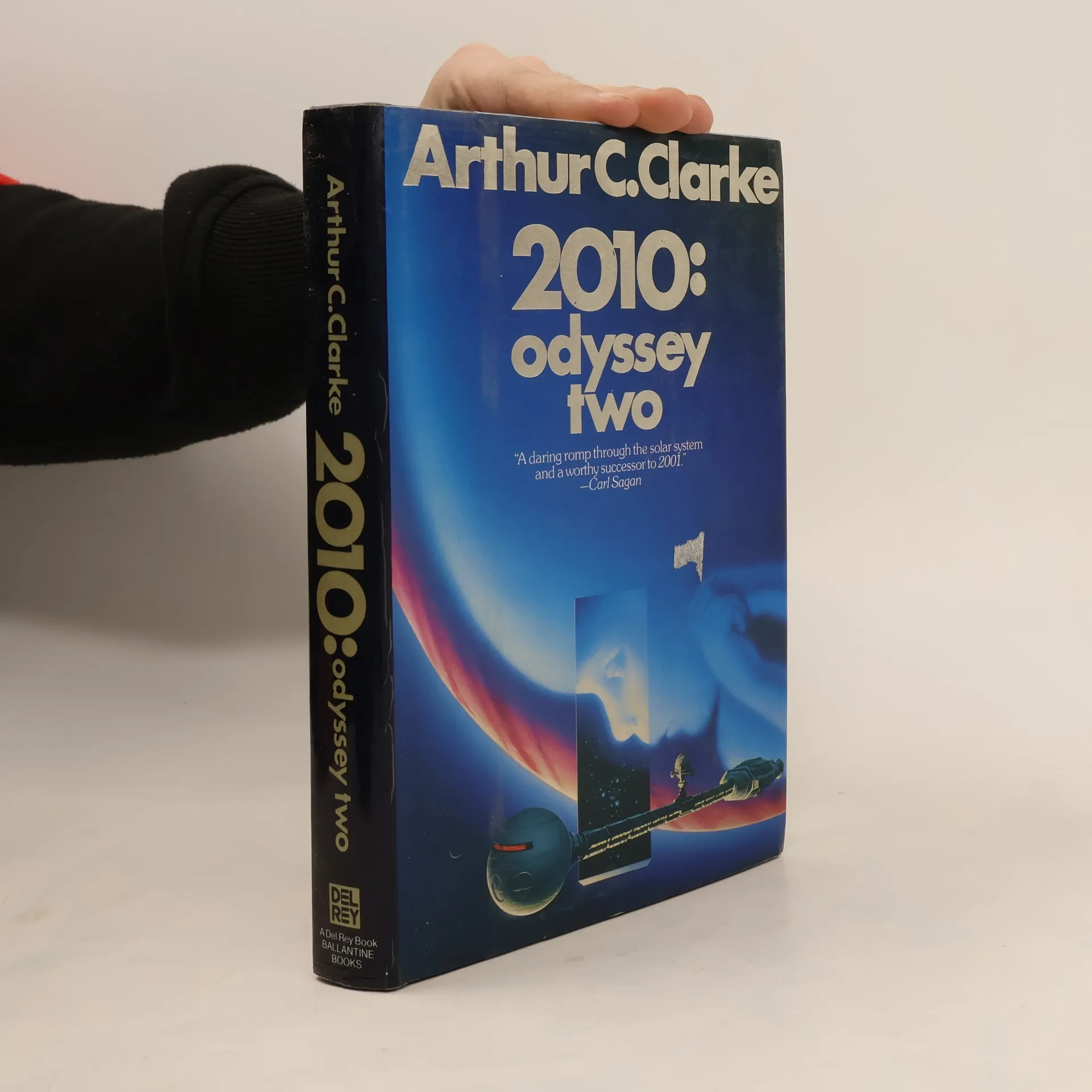
    2061, Odisea tres
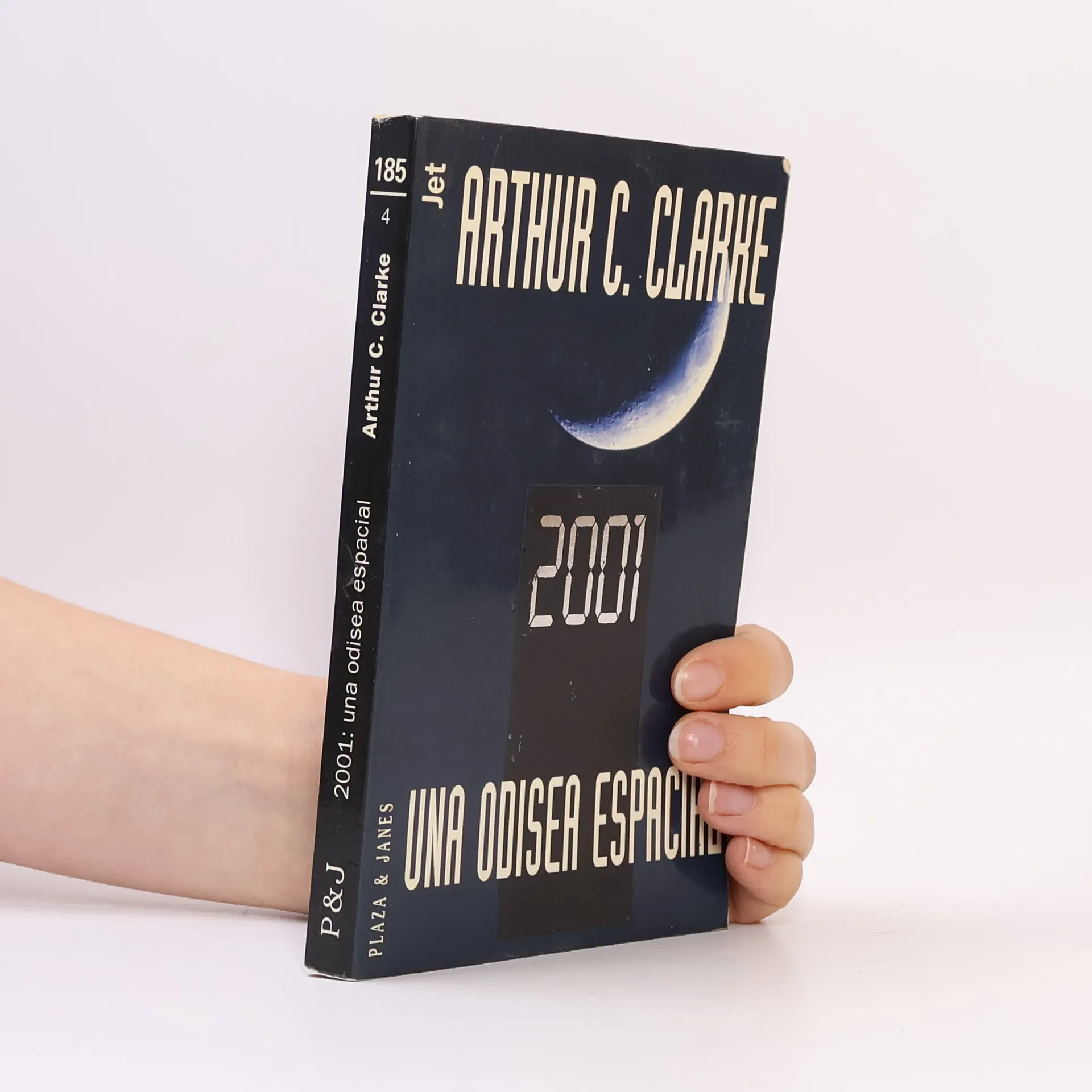
    2001, una odisea espacial
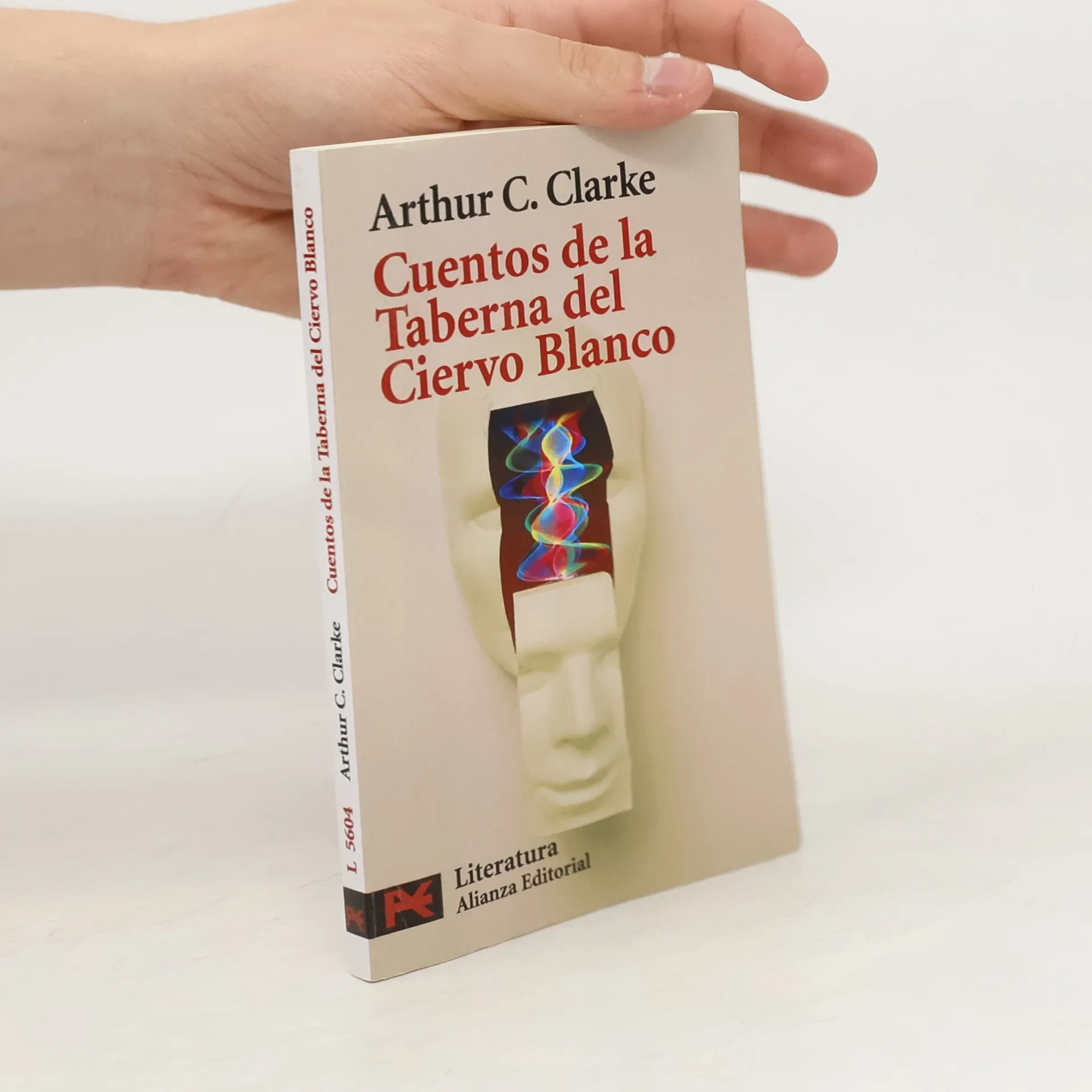
    Cuentos de la Taberna del Ciervo Blanco
    • Este divertido volumen de ARTHUR C. CLARKE recoge quince improbables historias, narradas de viva voz en un pub londinense en el que se reúne semanalmente un selecto grupo de escritores, científicos, periodistas y editores. La gran estrella de esta tertulia es Harry Purvis, jactancioso y ocurrente fabulador que aprovecha cualquier ocasión para abrumar a sus amigos con extraños sucesos de los que ha sido supuesto testigo o privilegiado conocedor. Inventos sorprendentes, situaciones impensadas y experimentos audaces (máquinas para producir silencio, reproducir el placer sexual o fabricar melodías perfectas, buques que aran los océanos, computadoras para uso militar que adoptan comportamientos pacifistas, colonias de termitas que incorporan conocimiento humano, etc.) constituyen la trama, ingeniosa e imaginativa, de estos CUENTOS DE LA TABERNA DEL CIERVO BLANCO.

      Cuentos de la Taberna del Ciervo Blanco
      4,3
    • 2001, una odisea espacial

      • 236 páginas
      • 9 horas de lectura

      Un sobrecogedor viaje interestelar en busca de la evidencia de que el ser humano no está solo en el cosmos. Una expedición a los confines del universo y a los del alma, en la que pasado, presente y futuro se amalgaman en un continuo enigmático. ¿Qué esencia última nos rige? ¿Qué lugar ocupa el hombre en el complejo entramado del infinito? ¿Qué es el tiempo, la vida, la muerte..? Una grandiosa novela de dimensiones épicas cuyo amplio abanico de interpretaciones ofrece una visión totalizadora. Arthur C.Clarke colaboró estrechamente con Stanley kubrick en la producción de la célebre película homónima.
      2001, una odisea espacial
      4,2
    • 2061, Odisea tres

      • 272 páginas
      • 10 horas de lectura

      "Era el verano en que el precio de una barra de pan alcanzó el millón de rublos ..." Esta frase nos introduce en la convulsa Rusia de 1999. Esta gran superpotencia zozobra en un mar de hiperinflación, caos económico y criminalidad. Las elecciones se aproximan y una sola voz carismática resuena en todo el país. Igor Komárov, líder derechista, promete reformar la moneda, acabar con el crimen, eliminar la corrupción y devolver la gloria a Rusia. Pero los dirigentes occidentales se ven conmocionados cuando llega a sus manos un documento secreto del que se desprende que, Komárov, no es el salvador de la nación sino un nuevo Hitler. Oficialmente, Occidente no puede hacer nada, pero un grupo de prohombres angloamericanos decide no quedarse impasibles viendo cómo la historia se repite. El Manifiesto Negro es Forsyth en toda su plenitud: intrincado realismo político, intriga a raudales y una trama que corta el aliento.
      2061, Odisea tres
      3,6
    • The collected stories

      • 976 páginas
      • 35 horas de lectura

      The definitive collection of short stories from the century's greatest science fiction writer.

      The collected stories
      4,3
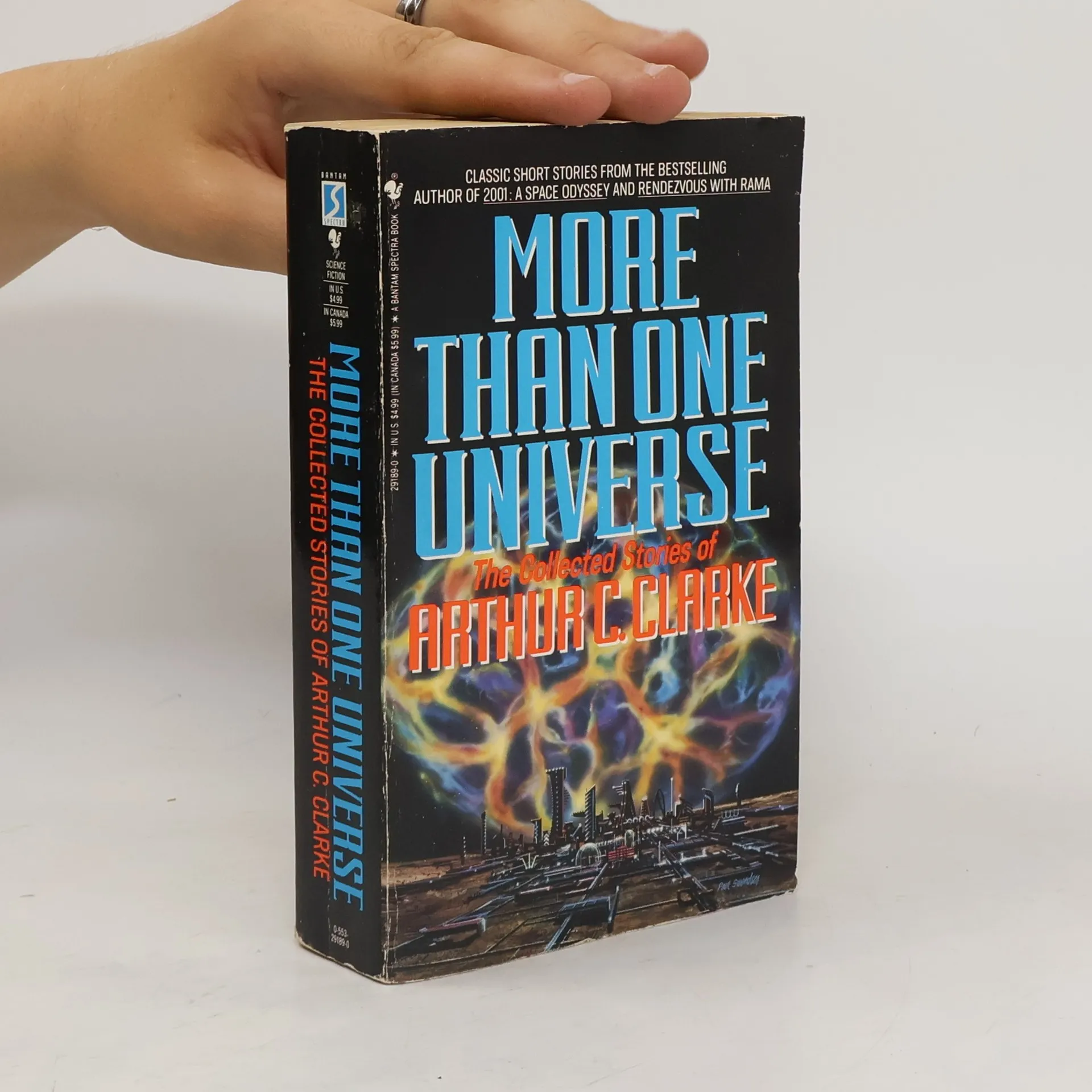
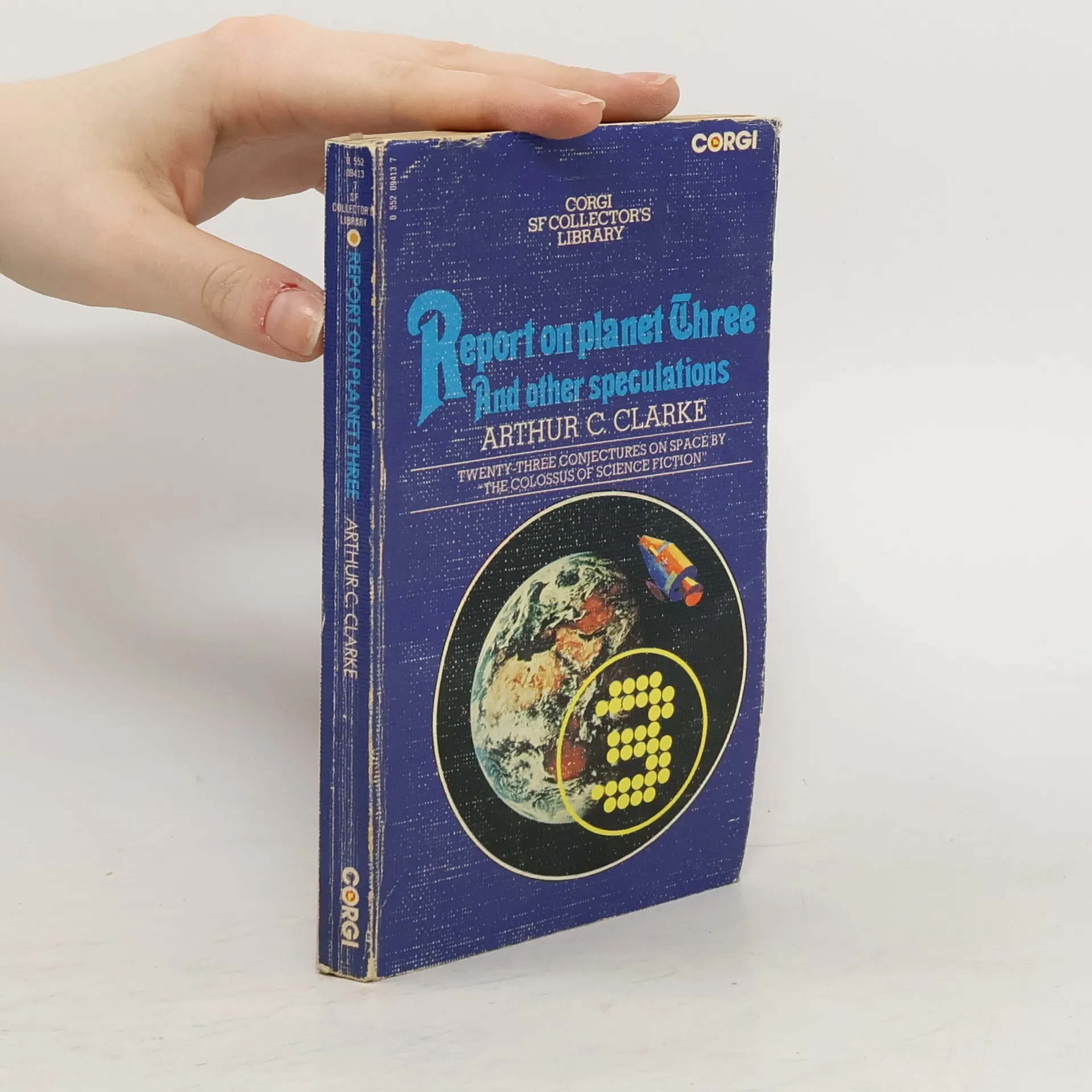
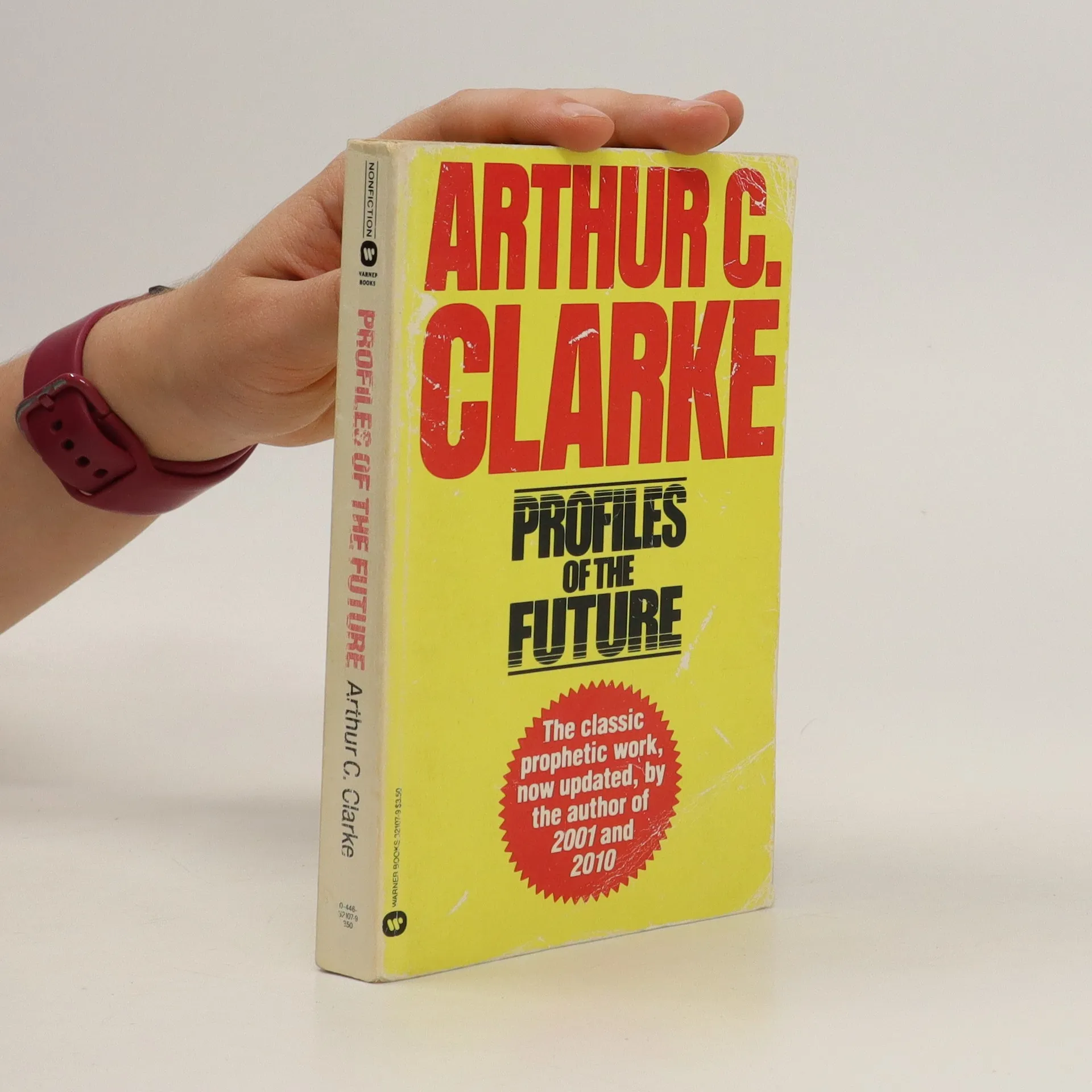
    • From the author who brought you 2001: A Space Odyssey comes a delightful and fascinating universe of ideas. For those of you who are worried about what the neighbors will think, there is what is purported to be an old Martian document which tells us what our nearest neighbor has to say about life on Earth. Later in the book, Clarke goes on to explain the proper etiquette for contacting and dealing with aliens from outer space, or what to do if they get here first... Ranging from the light fantastic to the extremely possible, this collection is divided into five sections: Talking of Space; Outward from Earth; The Technological Future; Frontiers of Science; and Son of Dr. Strangelove, Etc. From Martians to Magi, here is Arthur C. Clarke's unforgettable tour of the Universe - known, unknown and yet to come.

      Report On Planet Three And Other Speculations
      4,3
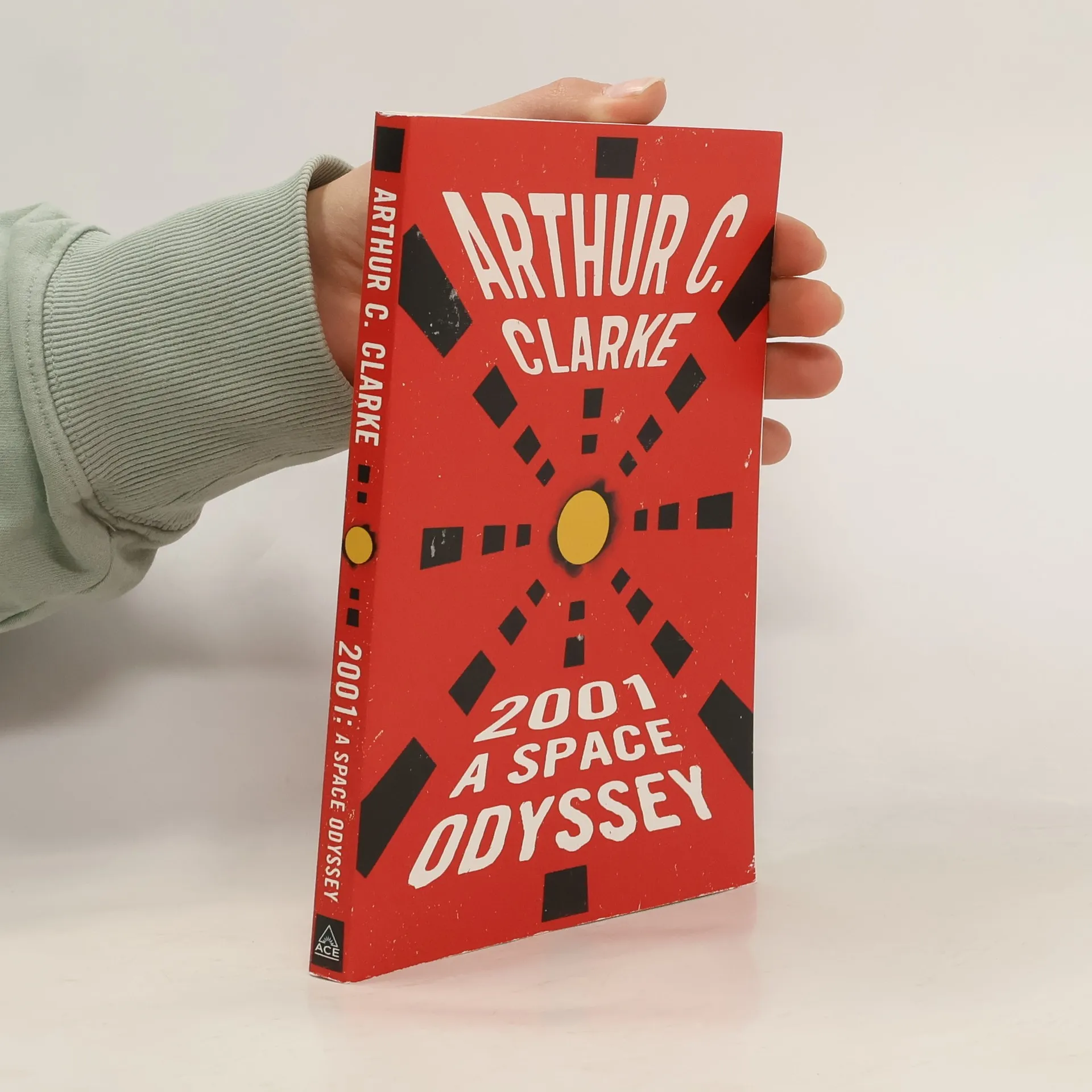
    • The classic science fiction novel that captures and expands on the vision of Stanley Kubrick’s immortal film—and changed the way we look at the stars and ourselves. From the savannas of Africa at the dawn of mankind to the rings of Saturn as man ventures to the outer rim of our solar system, 2001: A Space Odyssey is a journey unlike any other. This allegory about humanity’s exploration of the universe—and the universe’s reaction to humanity—is a hallmark achievement in storytelling that follows the crew of the spacecraft Discovery as they embark on a mission to Saturn. Their vessel is controlled by HAL 9000, an artificially intelligent supercomputer capable of the highest level of cognitive functioning that rivals—and perhaps threatens—the human mind. Grappling with space exploration, the perils of technology, and the limits of human power, 2001: A Space Odyssey continues to be an enduring classic of cinematic scope.

      2001: A Space Odyssey. 2001, Odyssee im Weltraum, englische Ausgabe
      4,3
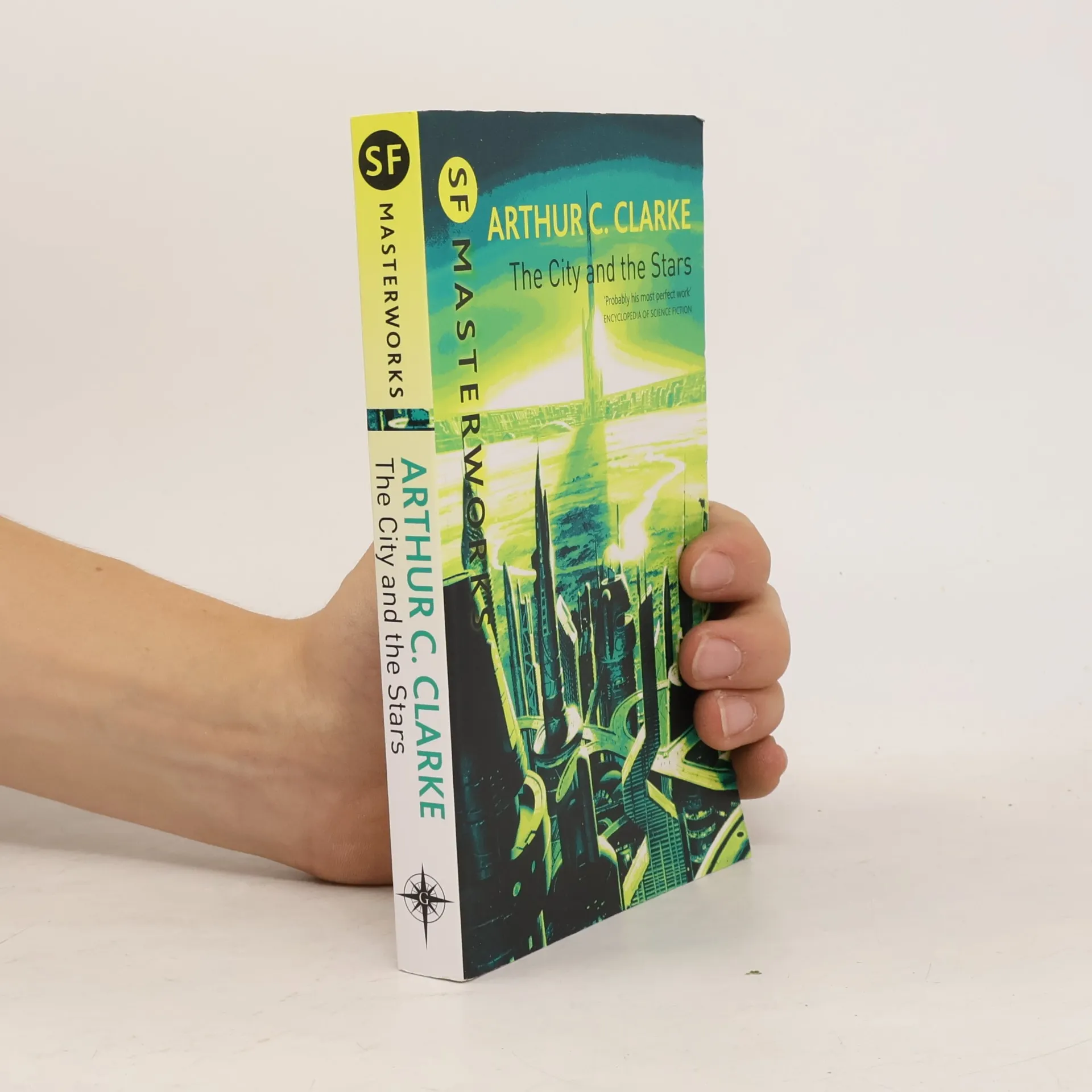
    • Men had built cities before, but never such a city as Diaspar; for millennia its protective dome shutout the creeping decay and danger of the world outside. Once, it held powers that rules the stars. But then, as legend had it, The invaders came, driving humanity into this last refuge. It takes one man, A Unique to break through Diaspar¿s stifling inertia, to smash the legend and discover the true nature of the Invaders.

      The City and the Stars
      4,3
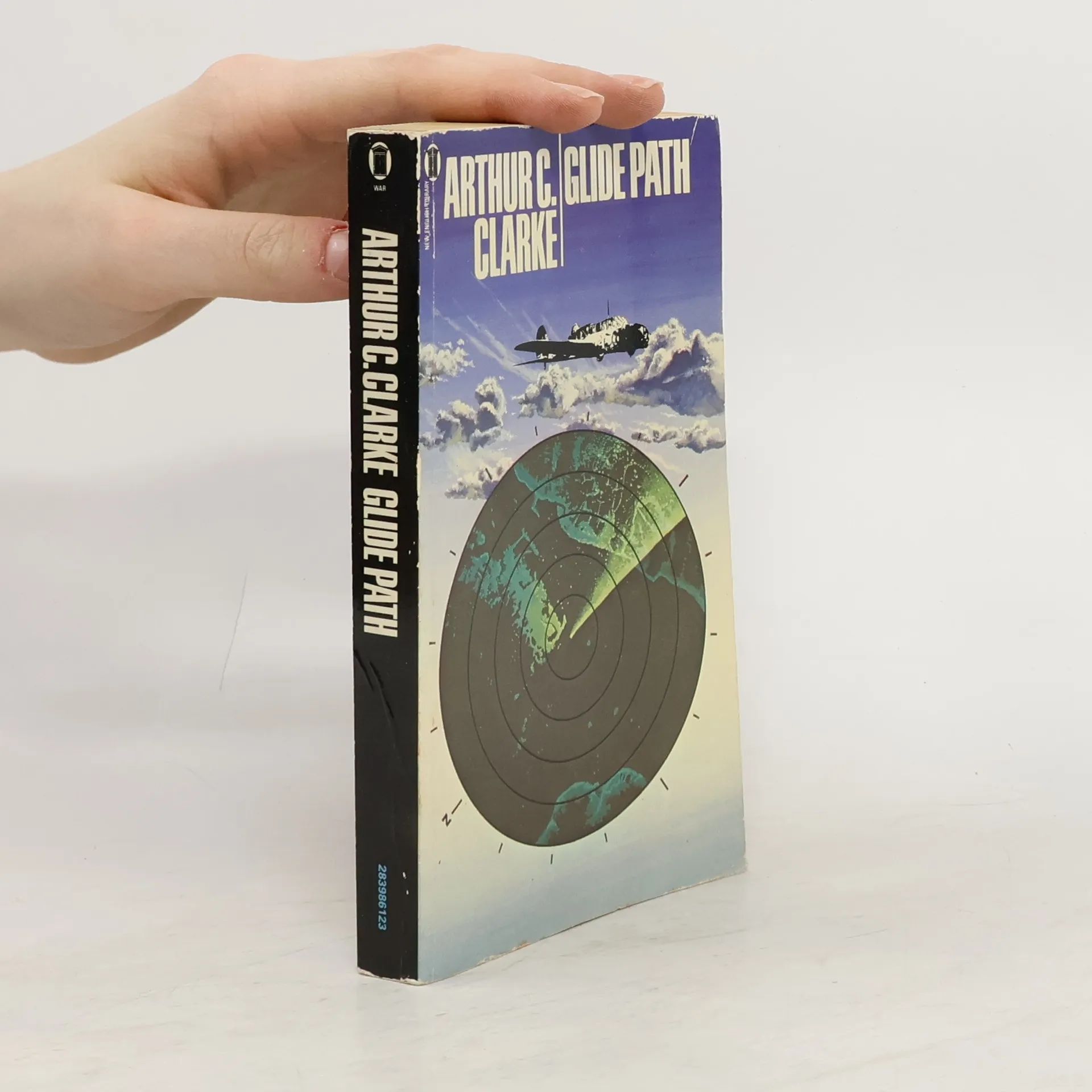
    • A fascinating departure for the renowned Science Fiction author, Glide Path is an alternative history of the development of Ground Control Approach radar set during World War II.Clarke draws upon his own wartime experience as a radar control operator during World War II to tell a story fascinating not just for its plotting-combining science, intrigue, and a host of compelling characters-but also for its prescience and technical insight. Glide Path is sure to be an enthralling read not just for Science Fiction fans, but history aficionados.

      Glidepath
      4,2