

Bookbot

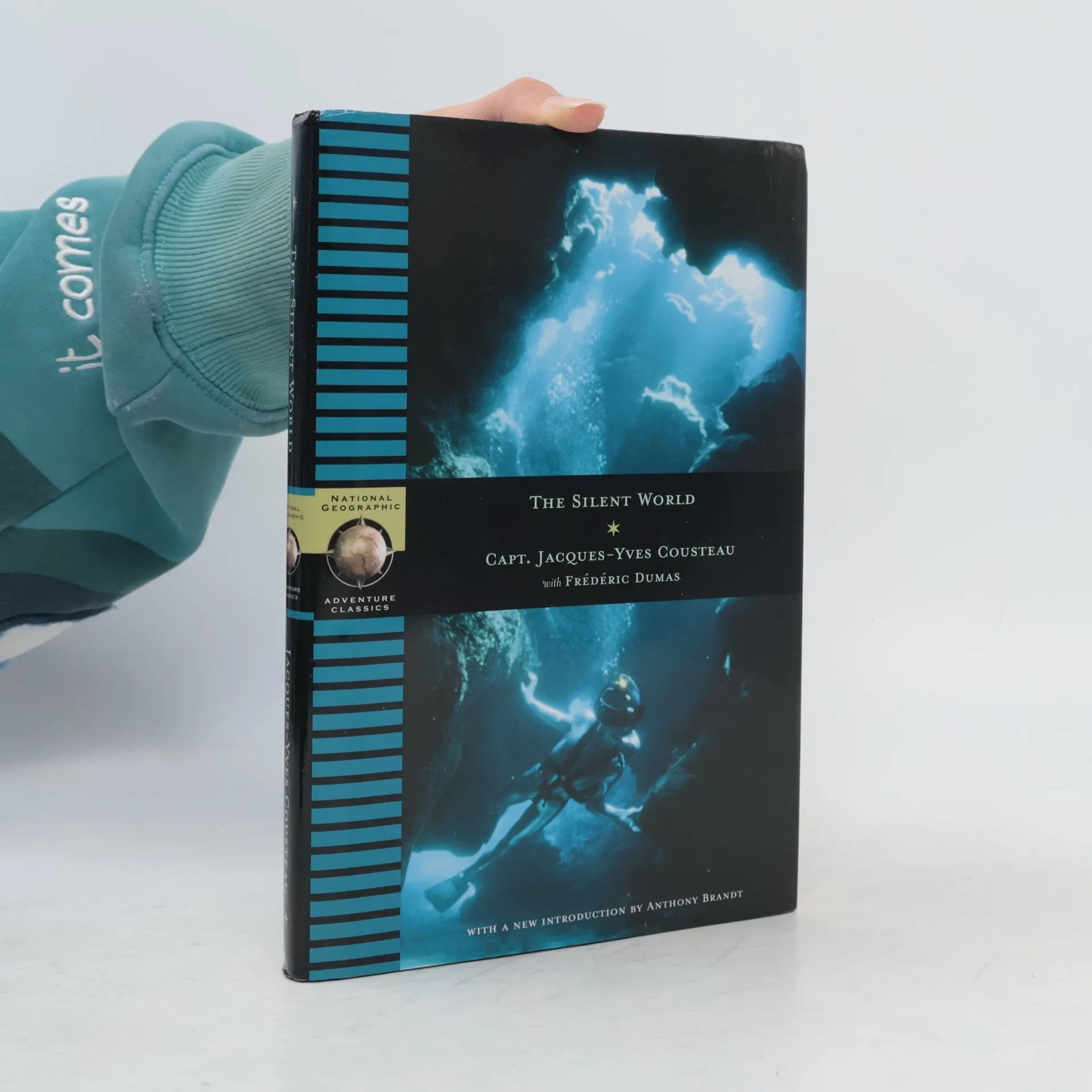
Anthony Brandt

    Anthony Brandt es una voz destacada en la literatura de aventuras, sirviendo como editor de la serie Adventure Classics. Su trabajo se caracteriza por una aguda perspectiva del mundo y sus diversas maravillas. El estilo de escritura de Brandt es cautivador, atrayendo a los lectores a las profundidades de la aventura y el descubrimiento.

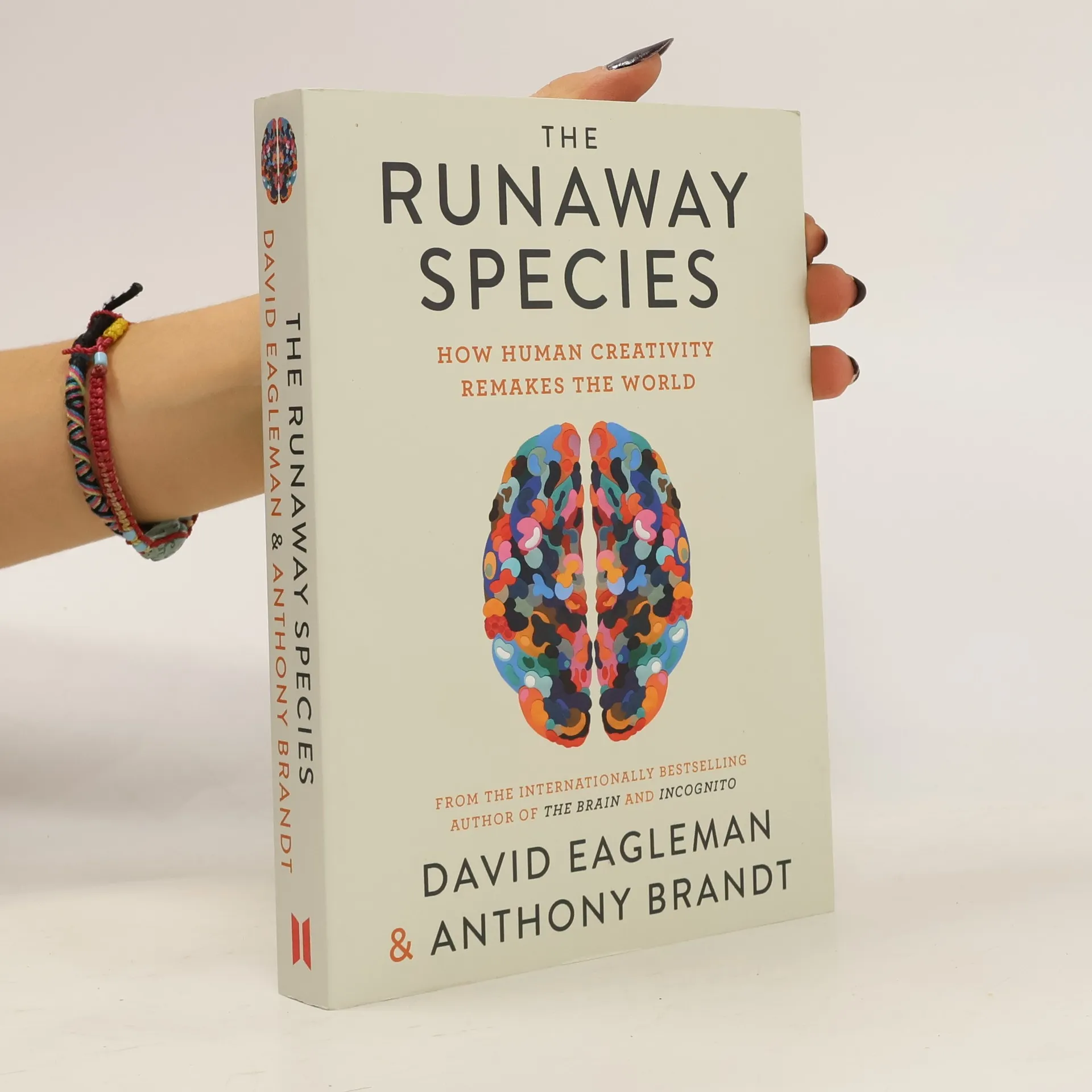
    The Runaway Species
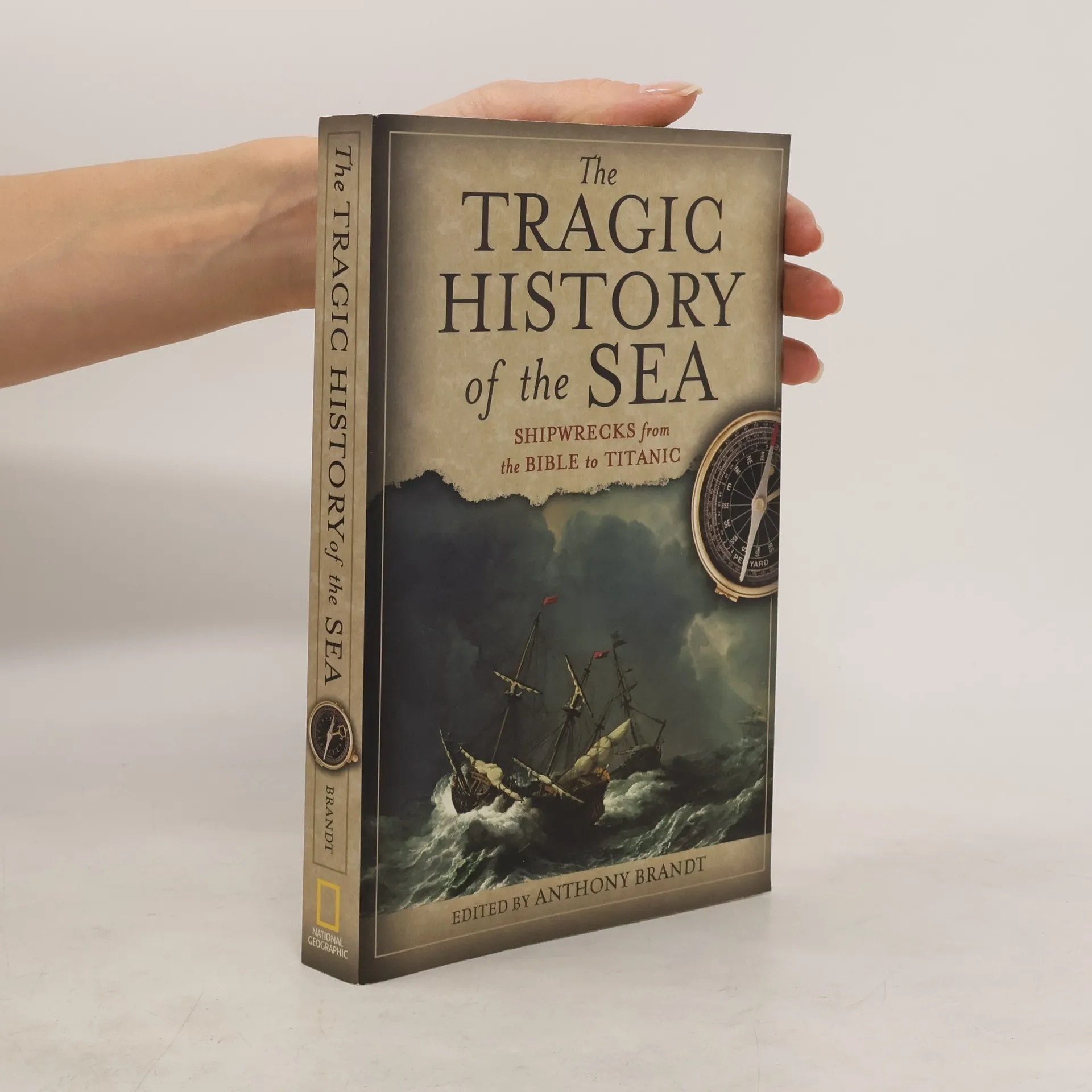
    The Tragic History of the Sea
    The Pushcart Prize XIX
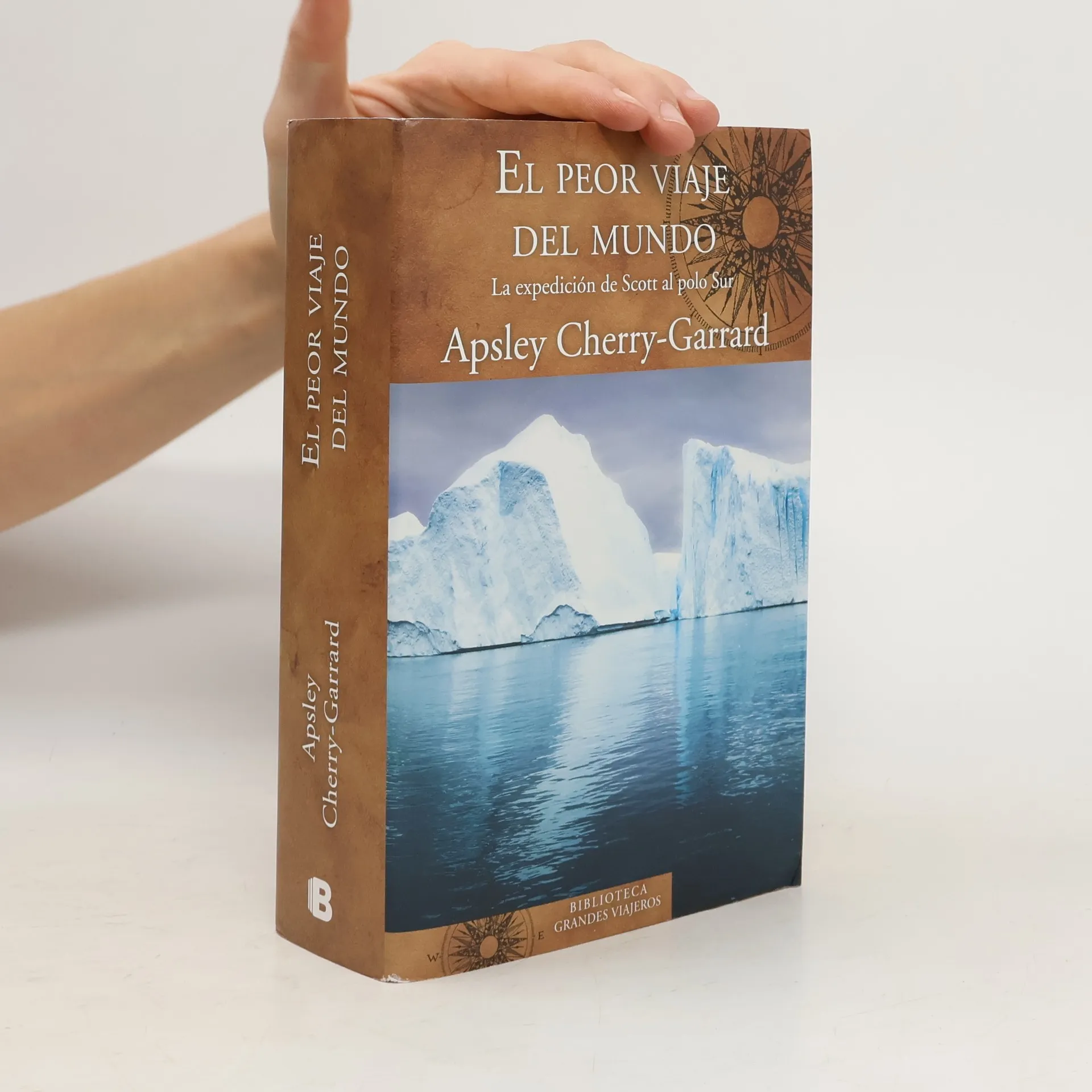
    Biblioteca Grandes Viajeros: El peor viaje del mundo
    • Biblioteca Grandes Viajeros: El peor viaje del mundo

      La expedición de Scott al Polo Sur

      • 912 páginas
      • 32 horas de lectura

      The Worst Journey in the World recounts Robert Falcon Scott's ill-fated expedition to the South Pole. Apsley Cherry-Garrard, the youngest member of Scott's team and one of three men to make and survive the notorious Winter Journey, draws on his firsthand experiences as well as the diaries of his compatriots to create a stirring and detailed account of Scott's legendary expedition. Cherry himself would be among the search party that discovered the corpses of Scott and his men, who had long since perished from starvation and brutal cold. It is through Cherry's insightful narrative and keen descriptions that Scott and the other members of the expedition are fully memorialized.

      Biblioteca Grandes Viajeros: El peor viaje del mundo
      4,2
    • The Pushcart Prize XIX

      Best of the Small Presses (1994 - 1995)

      • 630 páginas
      • 23 horas de lectura

      Over sixty selections of the best poetry, essays, and short fiction have been selected out of thousands of nominations from Pushcart staff contributing editors and hundreds of small presses. The result is an introduction to a literary world that few readers have access to--the world where much of today's significant writing is published.

      The Pushcart Prize XIX
      3,8
    • The Tragic History of the Sea

      Shipwrecks from the Bible to Titanic

      • 352 páginas
      • 13 horas de lectura

      Is there any tale more thrilling than a shipwreck? Disaster at sea is an ever-present peril, inspiring ancient legends, great works of fiction, and countless yarns of deadly typhoons, vessels consumed by fire, and desperate castaways alone on an empty ocean. Before Homer composed the Odyssey, sailors were already telling their terrifying stories, and Anthony Brandt has culled only the very best for this essential and engrossing chronicle of shipwrecks through the ages. Brandt's selections range from the apostle Paul to Mark Twain to the Titanic disaster. The Tragic History of the Sea draws from tales around the globe: the doomed Medusa, whose survivors were abandoned to their fate by a cowardly crew, to live on only in a famous painting in the Louvre; the infamous Essex and her fatal cruise which inspired Melville's Moby Dick; and the harrowing wreck of the Wager, which left the earlier Lord Byron, the poet's kinsman, starving on Patagonia's bleak shores. A riveting anthology of high adventure and astonishing survival against all odds, this storm-tossed voyage through history's gales and across unforgiving seas represents the best of a storytelling tradition that goes back centuries. Each extraordinary tale is linked to the next by Brandt's expert annotations and commentary, which sets them in context, provides a wealth of maritime and literary background and places this volume of shipwreck tales in a class by itself.

      The Tragic History of the Sea
      3,5
    • The Runaway Species

      • 304 páginas
      • 11 horas de lectura

      La 4e de couverture indique : "he brain is typically portrayed as an organ with a map of regions dedicated to specific tasks. But, says acclaimed neuroscientist and bestselling author David Eagleman, that textbook model is wrong. The brain is a dynamic system; the connections between its cells are constantly blossoming, dying and reconfiguring. Drawing on up-to-the-minute research, Eagleman takes us on a fascinating journey into brain plasticity to discover how a child can function with one half of his brain removed and how a blind mountain climber can use an electrode grid on his tongue to 'see'. He proves how the brain optimizes its circuitry based on the tasks relevant to goals and survival and how this knowledge opens the door to dazzling new technologies. The magic of our brains lies in the way they unceasingly re-weave themselves to form an electric, living fabric. Eagleman gets to the heart of who we are and how the brain plasticity revolution is lighting up the path of the future by analysing how our most vital organ works in a way that has never been done before."

      The Runaway Species
      3,5