
Compra 10 libros por 10 € aquí!
Bookbot

Brian P. Copenhaver

    Este autor se adentra en los intrincados reinos de la filosofía y la historia, con un enfoque particular en el Renacimiento. Su obra explora frecuentemente las intersecciones de la magia, la filosofía y el desarrollo cultural dentro de la tradición occidental. Los lectores apreciarán la profundidad del análisis que ilumina las corrientes ocultas de pensamiento y creencia que dieron forma a la civilización. Con una extensa investigación y rigor académico, sus escritos ofrecen una experiencia rica y perspicaz para cualquier persona interesada en la historia intelectual.

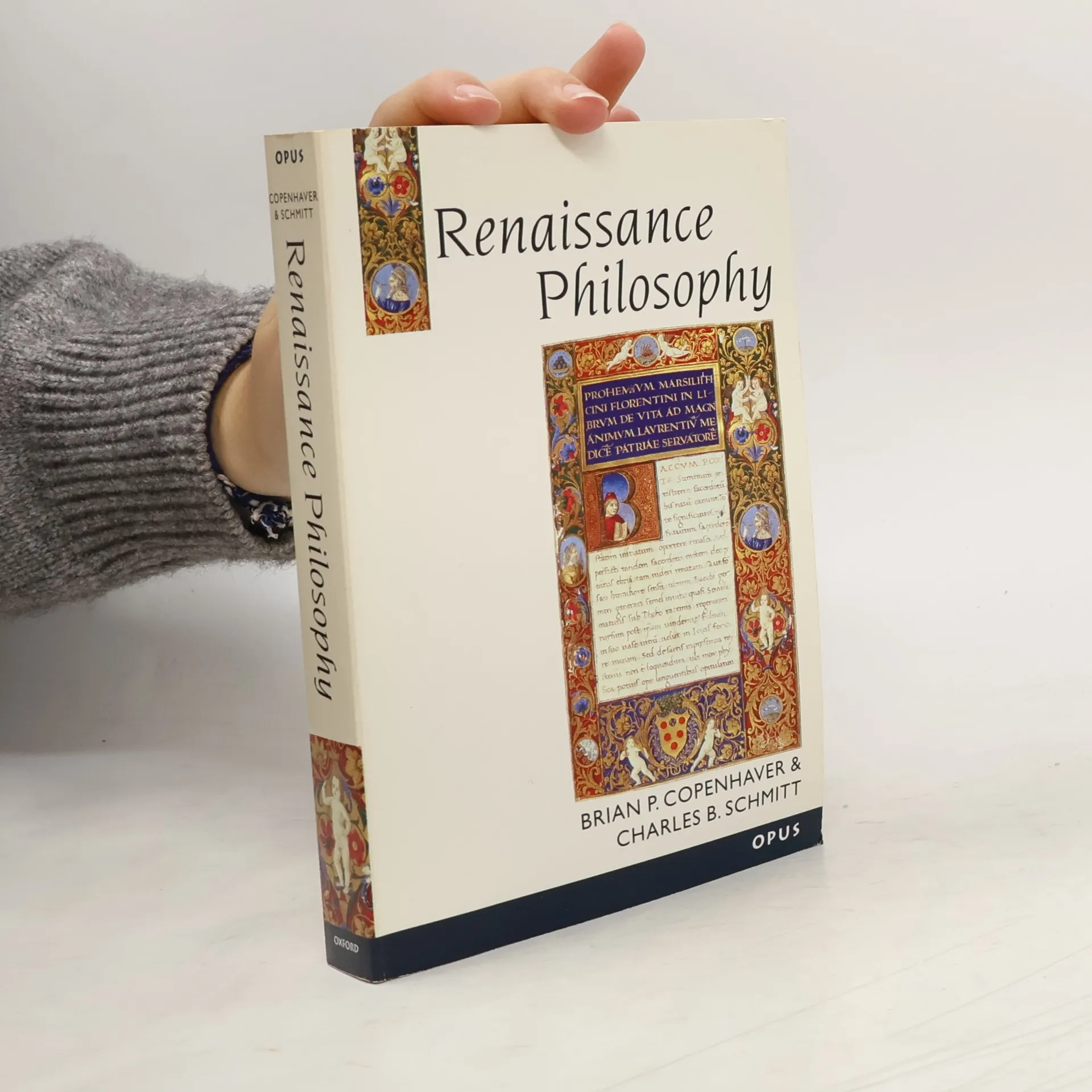
    Opus: Renaissance Philosophy
    Magic in Western Culture
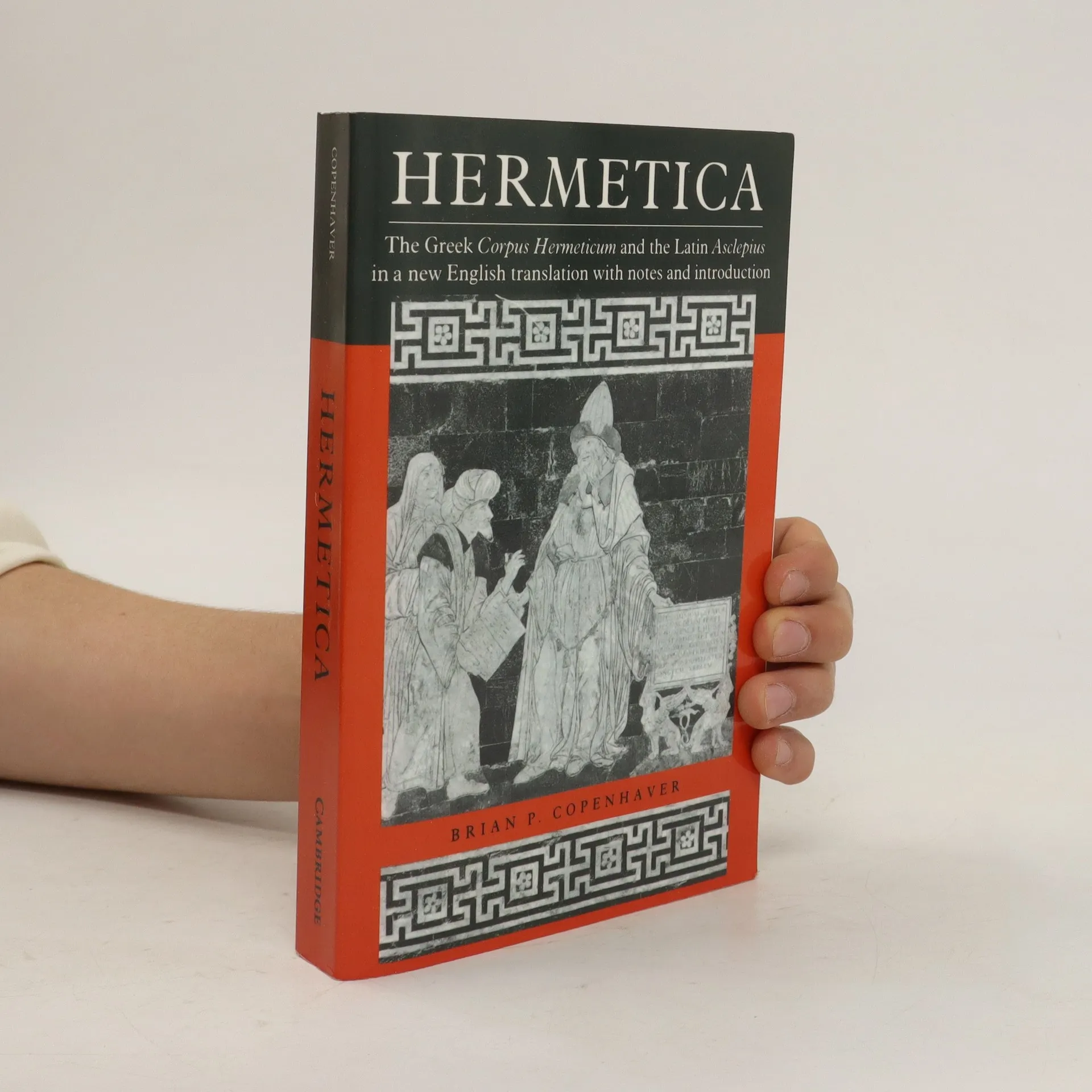
    Hermetica
    • Hermetica

      • 404 páginas
      • 15 horas de lectura

      The Hermetica are a body of mystical texts written in late antiquity, but believed during the Renaissance (when they became well known) to be much older. Their supposed author, a mythical figure named Hermes Trismegistus, was thought to be a contemporary of Moses. The Hermetic philosophy was regarded as an ancient theology, parallel to the revealed wisdom of the Bible, supporting Biblical revelation and culminating in the Platonic philosophical tradition. This new translation is the only English version based on reliable texts, and Professor Copenhaver's introduction and notes make this accessible and up-to-date edition an indispensable resource to scholars.

      Hermetica
    • Magic in Western Culture

      • 616 páginas
      • 22 horas de lectura

      Exploring magic as a classical tradition, this book delves into its philosophical roots, offering a unique perspective on the subject. Richly illustrated, it presents an in-depth analysis of the historical and intellectual contexts that shaped magical practices. By intertwining philosophy and magic, it challenges conventional views and invites readers to reconsider the significance of magic in cultural and intellectual history.

      Magic in Western Culture
    • Opus: Renaissance Philosophy

      • 450 páginas
      • 16 horas de lectura

      The Renaissance has long been recognized as a brilliant moment in the development of Western civilization. Little attention has been devoted, however, to the distinct contribution of philosophy to Renaissance culture. This volume introduces the reader to the philosophy written, read, taught, and debated during the period traditionally credited with the "revival of learning." Beginning with original sources still largely inaccessible to most readers, and drawing on a wide range of secondary studies, the author examines the relation of Renaissance philosophy to humanism and the universities, the impact of rediscovered ancient sources, the recovery of Plato and the Neoplatonists, and the evolving ascendancy of Aristotle. Renaissance Philosophy also explores the original contributions of major figures including Bruni, Valla, Ficino, Pico della Mirandola, Pomponazzi, Machiavelli, More, Vitoria, Montaigne, Bruno, and Camapanella.

      Opus: Renaissance Philosophy