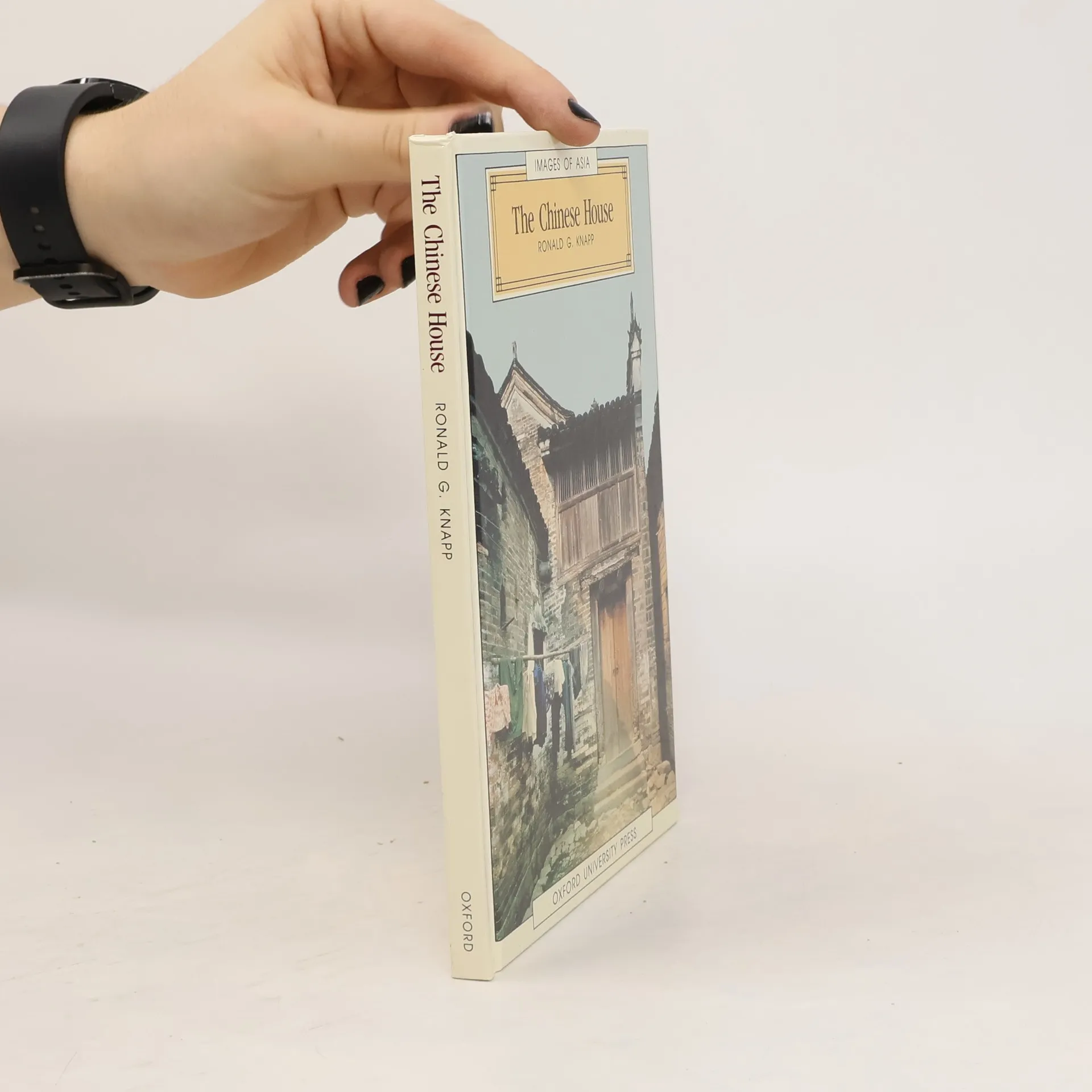
This pioneering work in Chinese domestic architecture examines for the first time the Chinese house from a cultural perspective. Knapp explores how the typical Chinese home reveals a long folk tradition of craft and symbolism, including the popular practices of fengshui . Extensivelyillustrated with wood block prints from traditional Chinese homes, original line drawings, and Knapp's own photographs, the book vividly portrays a living tradition of amazing resilience.
Bridges, the least known and understood of China's many wonders, are one of its most striking and resilient feats of architectural prowess. Chinese Bridges brings together a thorough look at these marvels from one of the world's leading experts on Chinese culture and historical geography, Ronald G. Knapp.While many consider bridges to be merely utilitarian, the bridges of China move beyond that stereotype, as many are undeniably dramatic, even majestic and daring. Chinese Bridges illustrates in detail 20 well-preserved ancient bridges, along with descriptions and essays on the distinctive architectural elements shared by the various designs. For the first time in an English-language book, Chinese Bridges records scores of newly discovered bridges across China's vast landscape, illustrated with over 400 color photographs, as well as woodblock prints, historic images, paintings and line drawings.
Over a period of several years, noted Chinese cultural historian Ronald G. Knapp traveled throughout Southeast Asia, searching out homes built by the first generations of successful Chinese settlers during the late eighteenth to the early twentieth century. In Chinese Houses of Southeast Asia, Knapp presents an eye-opening account of how Chinese migration into Indonesia, Malaysia, the Philippines, Singapore, Thailand, and Vietnam spawned a unique hybrid architectural style that combined Chinese, European, and local influences. Many of these overseas Chinese heritage homes are disappearing, but Knapp—along with renowned photographer A. Chester Ong—visited a number of the shophouses, bungalows, villas, and mansions that remain. More than three dozen of these elegant residences form the core of this book, and through essays, historic photographs, paintings, and line drawings, Knapp draws an illuminating portrait of each residence along with background information about the families who built and lived in them. These profiles reveal the entrepreneurial spirit of the Chinese as well as their social and economic circumstances. A stunning marriage of scholarship and photography, Chinese Houses of Southeast Asia explores a little known branch of Chinese architecture and provides a new perspective on Chinese migration, settlement, and identity in Southeast Asia.
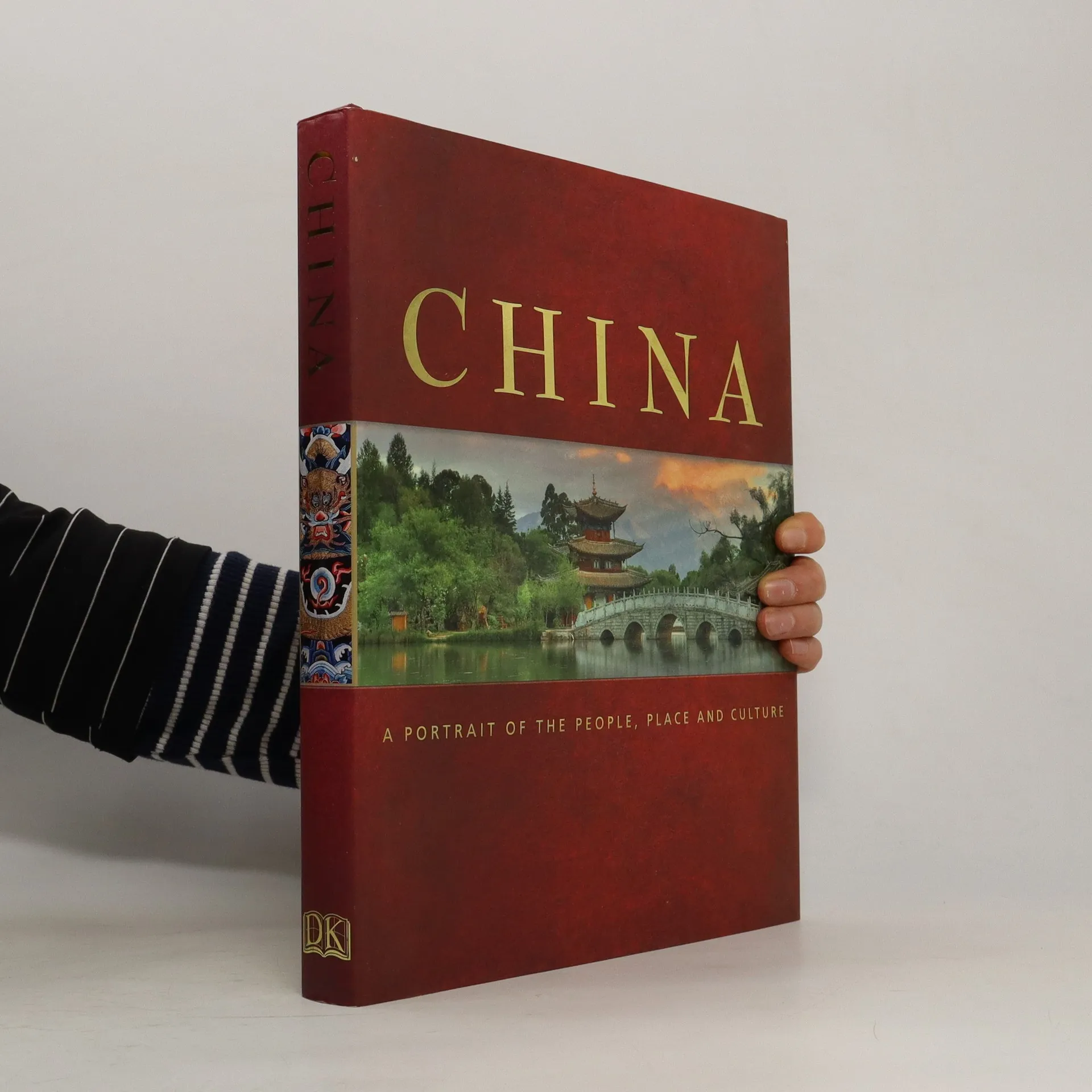
Presents a portrait of China, the world's oldest civilization - past, present and future. This title features seven hundred photographs that explore various aspects of the world's oldest civilization; from China's stunning landscapes, extraordinary 4,000 year history to ancient philosophical traditions which are still alive.