

The Heartbeat of Wounded Knee is a story of Native American resilience and reinvention, adapted for young adults from the adult nonfiction book of the same name.Since the late 1800s, it has been believed that Native American civilization has been wiped from the United States. The Heartbeat of Wounded Knee argues that Native American culture is far from defeated—if anything, it is thriving as much today as it was one hundred years ago. The Heartbeat of Wounded Knee looks at Native American culture as it exists today—and the fight to preserve language and traditions. Adapted for young readers, this important young adult nonfiction book is perfect educational material for children and adults alike.
David Treuer Orden de los libros (cronológico)
David Treuer es un autor cuyas obras profundizan en el corazón de la experiencia indígena, ofreciendo una perspectiva única sobre temas de identidad, cultura e historia. Su escritura, a menudo arraigada en su propia herencia ojibwe, se caracteriza por su penetrante profundidad psicológica y su prosa lírica. Treuer explora frecuentemente las intrincadas conexiones entre el pasado y el presente, brindando a los lectores narrativas que son a la vez convincentes y que invitan a la reflexión. Su habilidad para entrelazar la narración personal con el comentario social y cultural más amplio lo establece como una voz significativa en la literatura contemporánea.

The Heartbeat of Wounded Knee
- 528 páginas
- 19 horas de lectura
A sweeping history - and counter-narrative - of Native American life from the Wounded Knee massacre to the present.
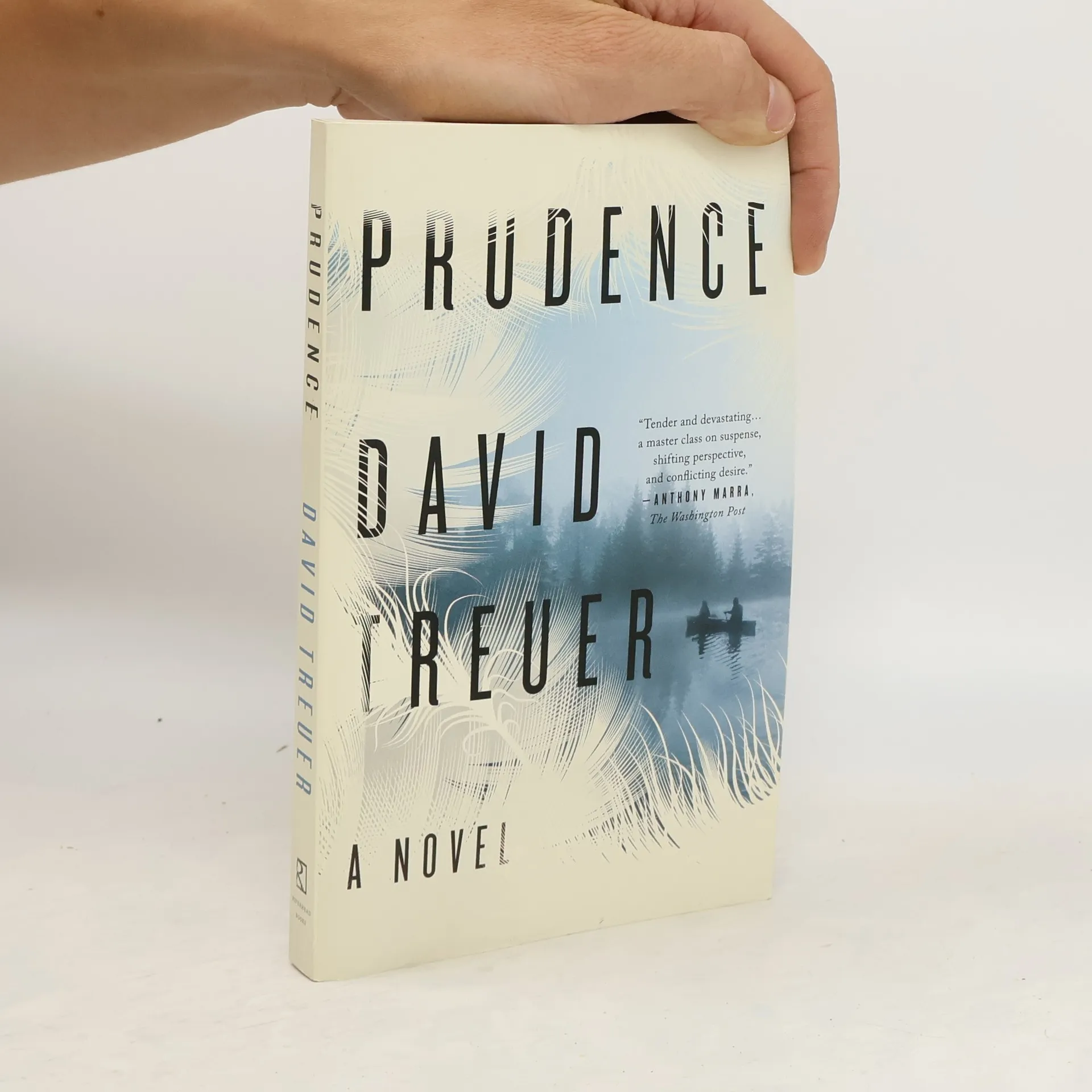
Prudence
- 260 páginas
- 10 horas de lectura
A haunting and unforgettable novel about love, loss, race, and desire in World War II–era America.On a sweltering day in August 1942, Frankie Washburn returns to his family's rustic Minnesota resort for one last visit before he joins the war as a bombardier, headed for the darkened skies over Europe. Awaiting him are his hovering mother, his distant father, the Indian caretaker who's been more of a father to him than his own, and Billy, the childhood friend who over the years has become something much more intimate. But before the homecoming can be celebrated, the search for a German soldier, escaped from the POW camp across the river, explodes in a shocking act of violence, with consequences that will reverberate years into the future for all of them and that will shape how each of them makes sense of their lives. Powerful and wholly original, Prudence is a story of desire, loss, and the search for connection in a riven world; of race and class in a supposedly more innocent era. Most profoundly, it's about the secrets we choose to keep, the ones we can't help telling, and whom – and how – we’re supposed to love.
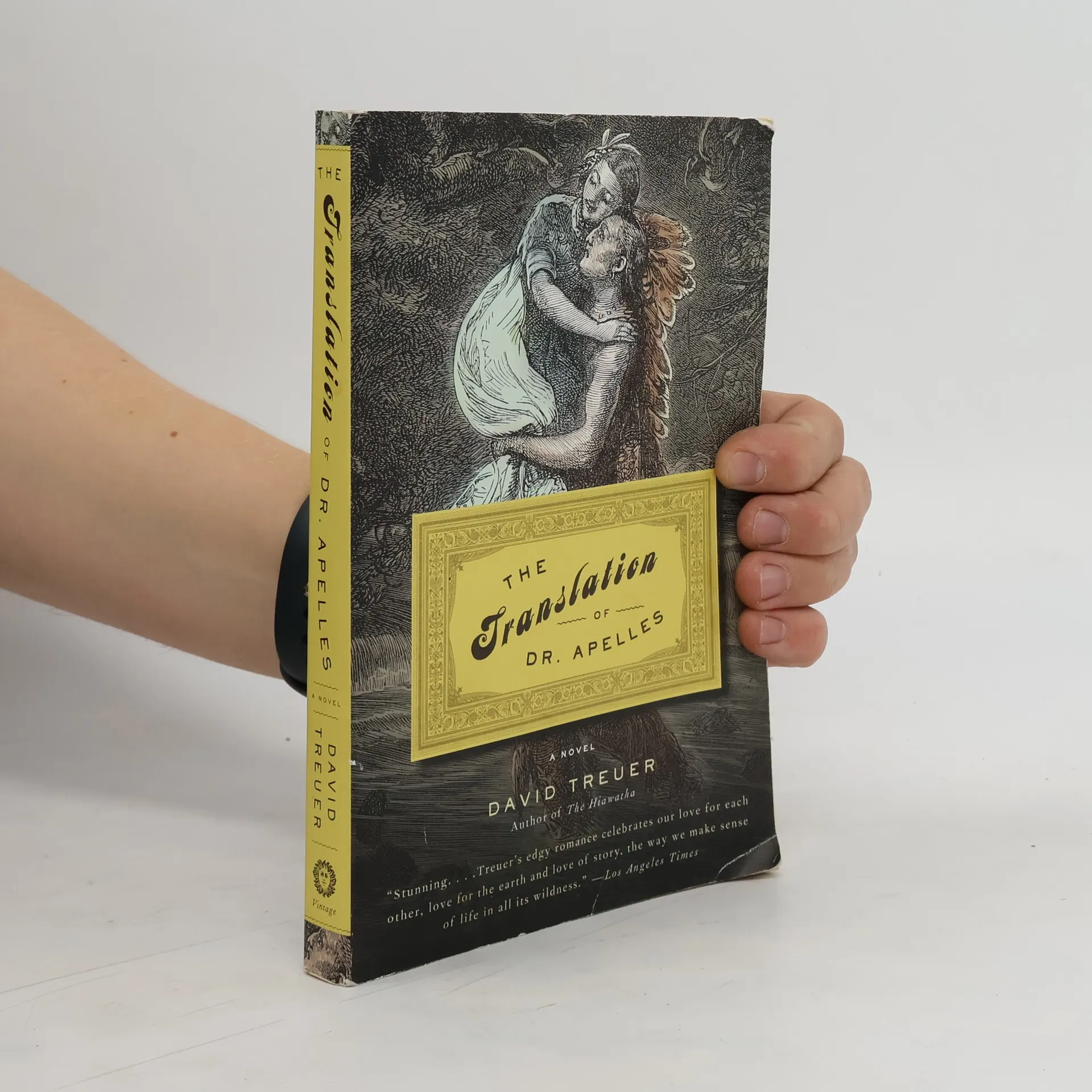
Dr. Apelles, a translator of ancient texts, has made an unsettling discovery: a manuscript that has languished for years, written in a language that only he speaks. Moving back and forth between the scholar and his text, from a lone man in a labyrinthine archive to a pair of beautiful young Indian lovers in an unspoiled and snowy woodland, David Treuer weaves together two love stories. Enthralling and suspenseful, The Translation of Dr. Apelles dares to redefine the Native American novel.
Rather than create a comprehensive cultural and historical genealogy for Native American literature, David Treuer investigates a selection of the most important Native American novels and, with a novelist's eye and a critic's mind, examines the intricate process of understanding literature on its own terms.Native American Fiction: A User's Manual is speculative, witty, engaging, and written for the inquisitive reader. These essays—on Sherman Alexie, Forrest Carter, James Fenimore Cooper, Louise Erdrich, Leslie Marmon Silko, and James Welch—are rallying cries for the need to read literature as literature and, ultimately, reassert the importance and primacy of the word.This book has been written with the narrow conviction that if Native American literature is worth thinking about at all, it is worth thinking about as literature. The vast majority of thought that has been poured out onto Native American literature has puddled, for the most part, on how the texts are positioned in relation to history or culture.