Claude McKay emergió como una voz fundamental del Renacimiento de Harlem, explorando profundamente las complejidades de la vida e identidad negra. Su producción literaria, que abarca poesía y novelas, a menudo abordaba temas de raza, desplazamiento y la búsqueda de pertenencia. La escritura de McKay se distingue por su poder lírico y su agudo comentario social, ofreciendo una visión profunda de la experiencia afroamericana. Sigue siendo celebrado por capturar el espíritu de su época al tiempo que aborda preocupaciones humanas perdurables.
A Jamaican girl, Bita Plant, who was adopted and sent to be educated in England by white missionary benefactors, returns to her native village of Banana Bottom and finds her black heritage at war with her newly acquired culture.
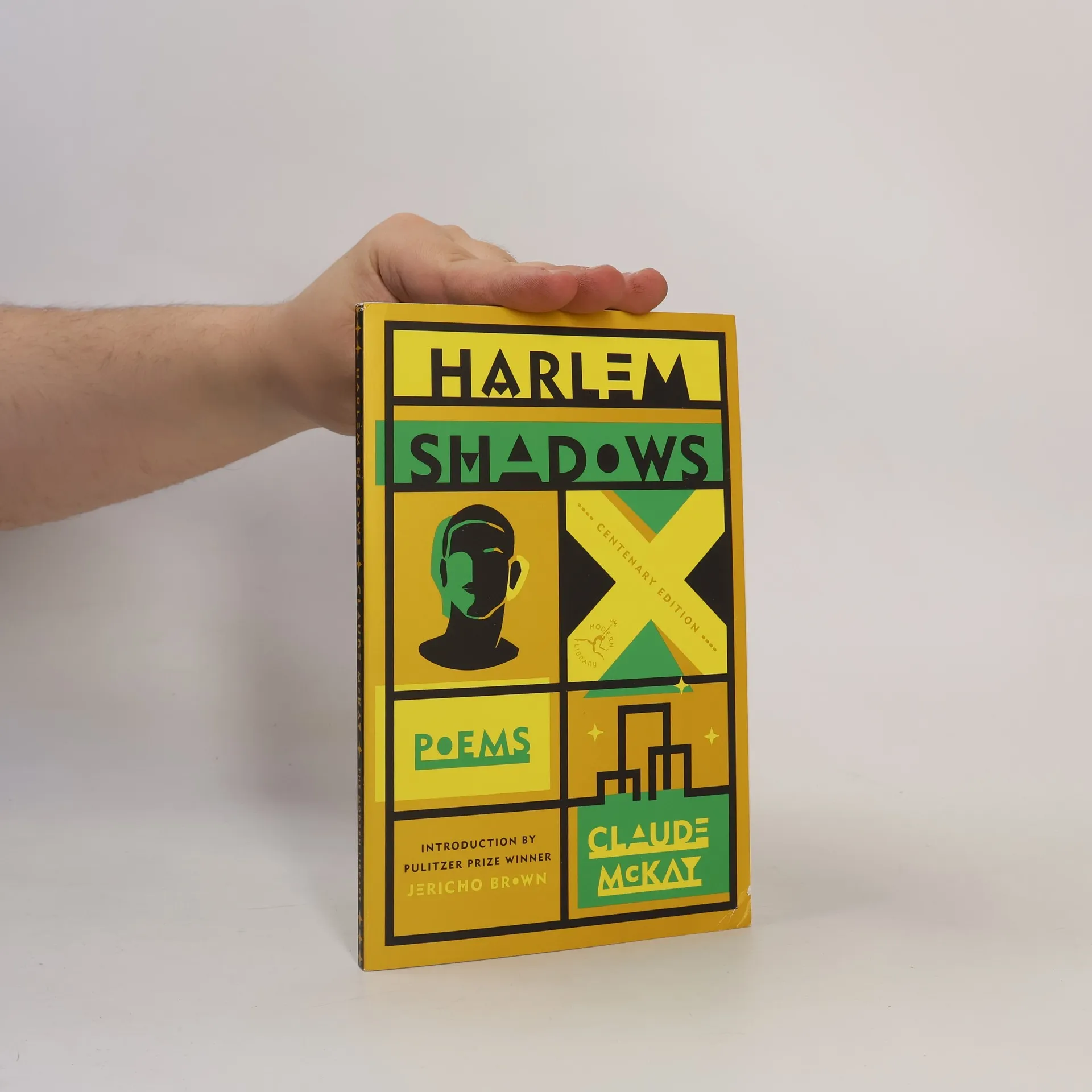
A harbinger of the Harlem Renaissance first published in 1922, this collection of poignant, lyrical poems explores Claude McKay’s yearning for his Jamaican homeland and the bitter plight of Black and African Caribbean people in America—now with an introduction by Pulitzer Prize–winning poet Jericho Brown. ONE OF THE MOST ANTICIPATED BOOKS OF 2022—Vulture With pure heart, passion, and honesty, Claude McKay offers an acute reflection on the complex nature of racial identity in the Caribbean diaspora, encompassing issues such as nationalism, freedom of expression, class, gender, and sex. The collection’s eponymous poem, “Harlem Shadows,” portrays the struggle of sex workers in 1920s Harlem. In “If We Must Die,” McKay calls for justice and retribution for Black people in the face of racist abuse. Juxtaposing the cacophony of New York City with the serene beauty of Jamaica, McKay urges us to reckon with the oppression that plagues a “long-suffering race,” who he argues has no home in a white man’s world. Poems of Blackness, queerness, desire, performance, and love are infused with a radical message of resistance in this sonorous cry for universal human rights. Simultaneously a love letter to the spirit of New York City and an indictment of its harsh cruelty, Harlem Shadows is a stunning collection that remains all too relevant one hundred years after its original publication.
Jake Brown, a Black American soldier and a World War I deserter, returns to Harlem and struggles to find his place in a vibrant working-class community that's rife with poverty, crime, and racism.
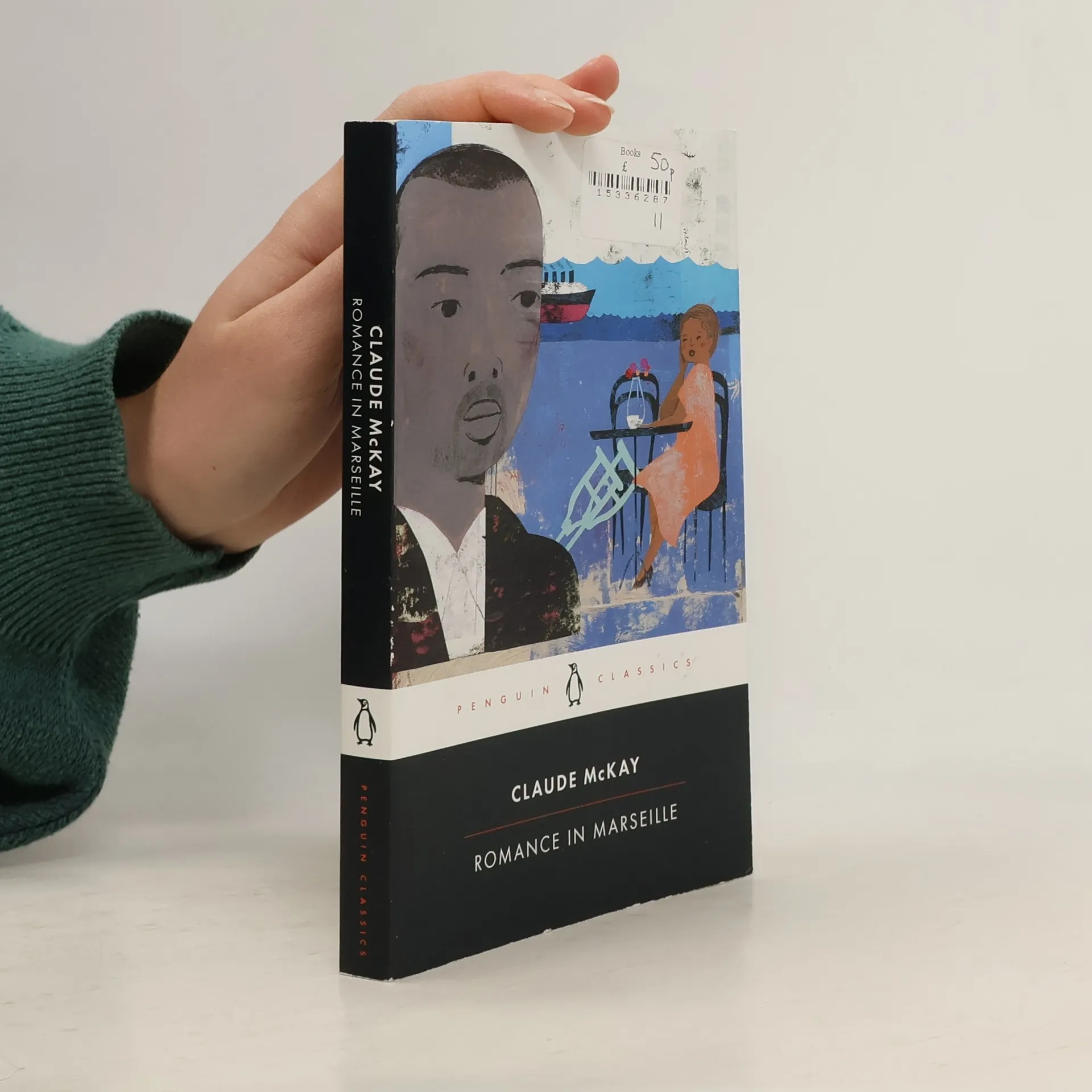
"Buried in the archive for almost ninety years, Claude McKay's 'Romance in Marseille' traces the adventures of a rowdy troupe of dockworkers, prostitutes, and political organizers - collectively straight and queer, disabled and able-bodied, African, European, Caribbean, and American. Set largely in the culture-blending Vieux Port of Marseille at the height of the Jazz Age, the novel takes flight along with Lafala, an acutely disabled but abruptly wealthy West African sailor."-- Provided by publisher