The Lady of Shalott
- 64 páginas
- 3 horas de lectura
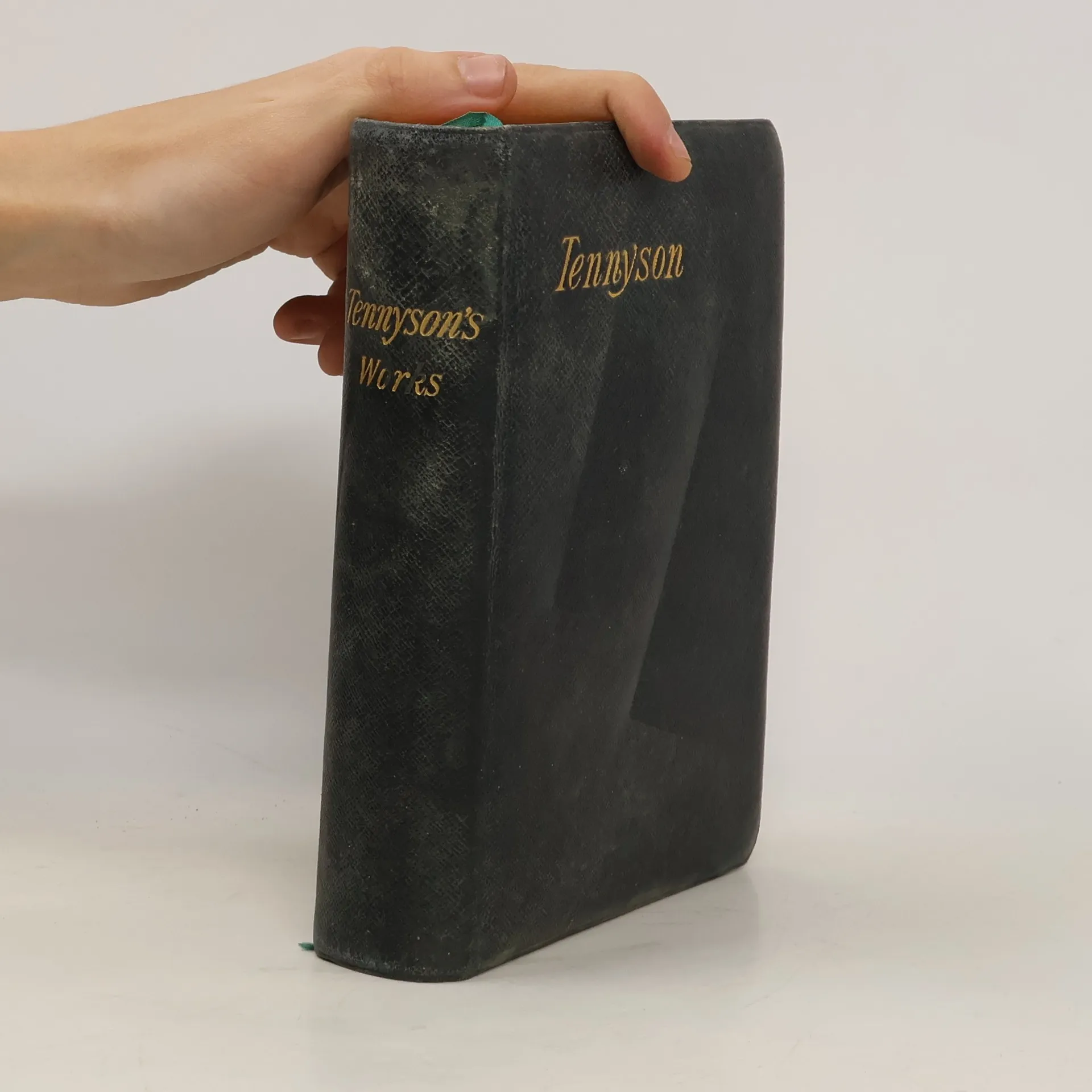
Tennyson's precision and delicacy of language has aecured him a place among the great poets of England.


La poesía de Alfred Tennyson es celebrada por su belleza lírica y su alcance épico, a menudo profundizando en temas como la naturaleza, el amor y la mortalidad. Su estilo distintivo, marcado por un lenguaje rico y un fuerte sentido del ritmo, cimentó su estatus como una voz preeminente en la literatura inglesa. Las obras de Tennyson resuenan en los lectores por su elegancia atemporal y su reflexiva exploración de la condición humana.

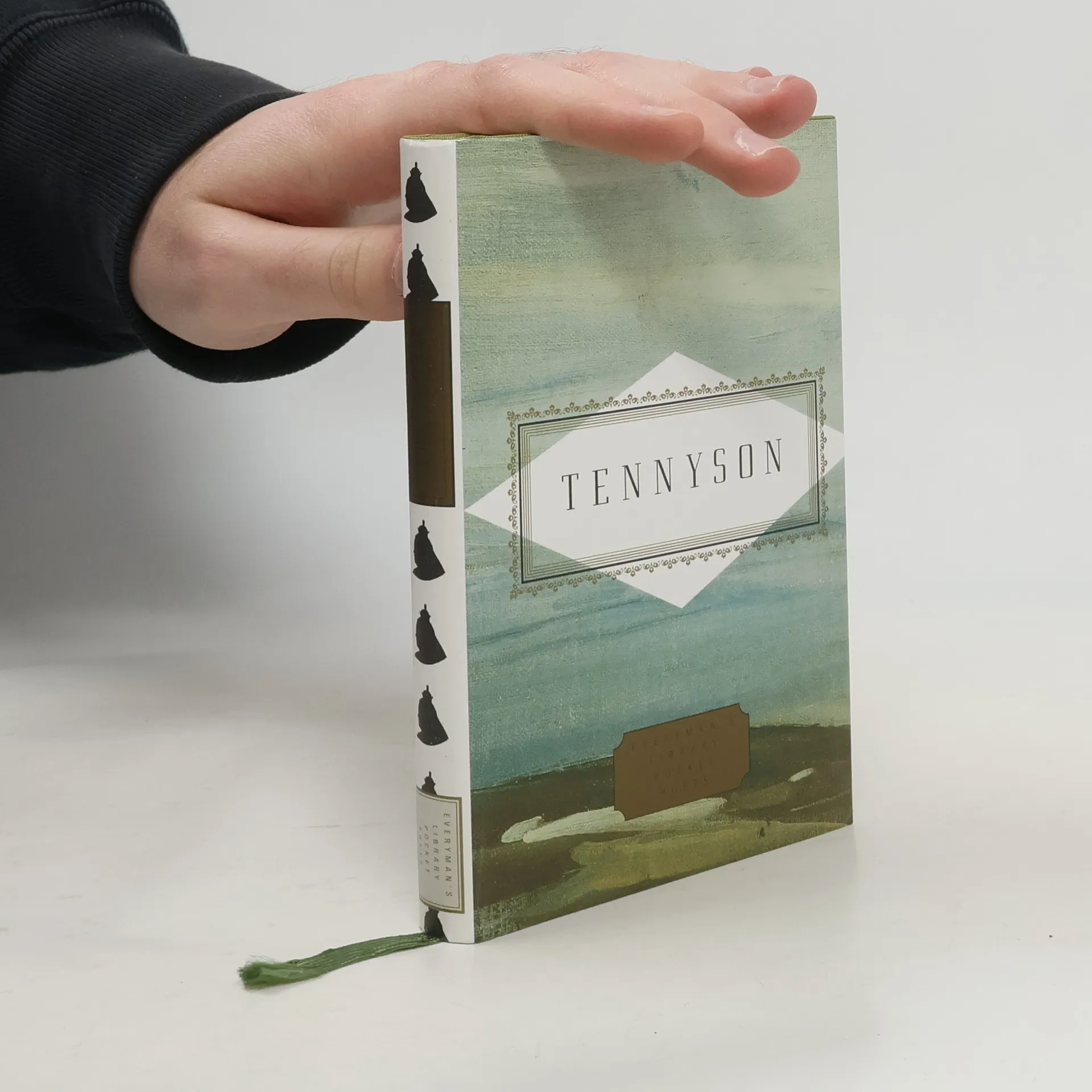

Tennyson's precision and delicacy of language has aecured him a place among the great poets of England.
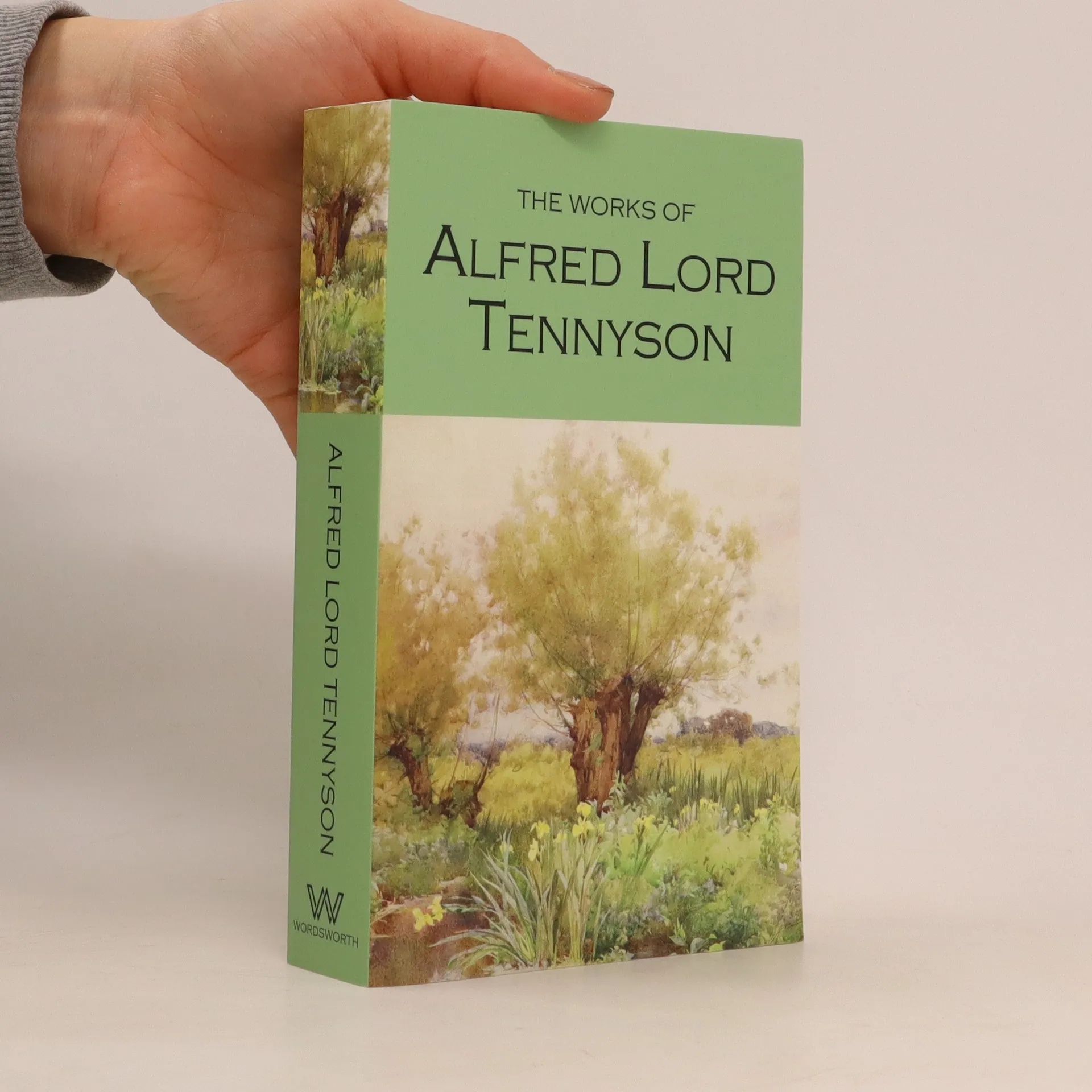
Alfred, Lord Tennyson was a more complex writer than his status as Queen Victoria’s favorite poet might suggest. Though capable of rendering rapture and delight in the most exquisite verse, in another mode Tennyson is brother in spirit to Poe and Baudelaire, the author of dark, passionate reveries. And though he treasured poetic tradition, his work nevertheless engaged directly with the great issues of his time, from industrialization and the crisis of faith to scientific progress and women’s rights. A master of the short, intense lyric, he can also be sardonic, humorous, voluptuous, earthy, and satirical.This collection includes, of course, such famous poems as “The Lady of Shalott” and “The Charge of the Light Brigade.” There are extracts from all the major masterpieces—“Idylls of the King,” “The Princess,” “In Memoriam”—and several complete long poems, such as “Ulysses” and “Demeter and Persephone,” that demonstrate his narrative grace. Finally, there are many of the short lyrical poems, such as “Come into the Garden, Maud” and “Break, Break, Break,” for which he is justly celebrated.
The Wordsworth Poetry Library comprises the works of the greatest English-speaking poets, as well as many lesser-known poets. Each collection has a specially commissioned introduction.
One of the great Victorian poets, Tennyson's genius is expressed through the precision and delicacy of the language of his lyrical poems
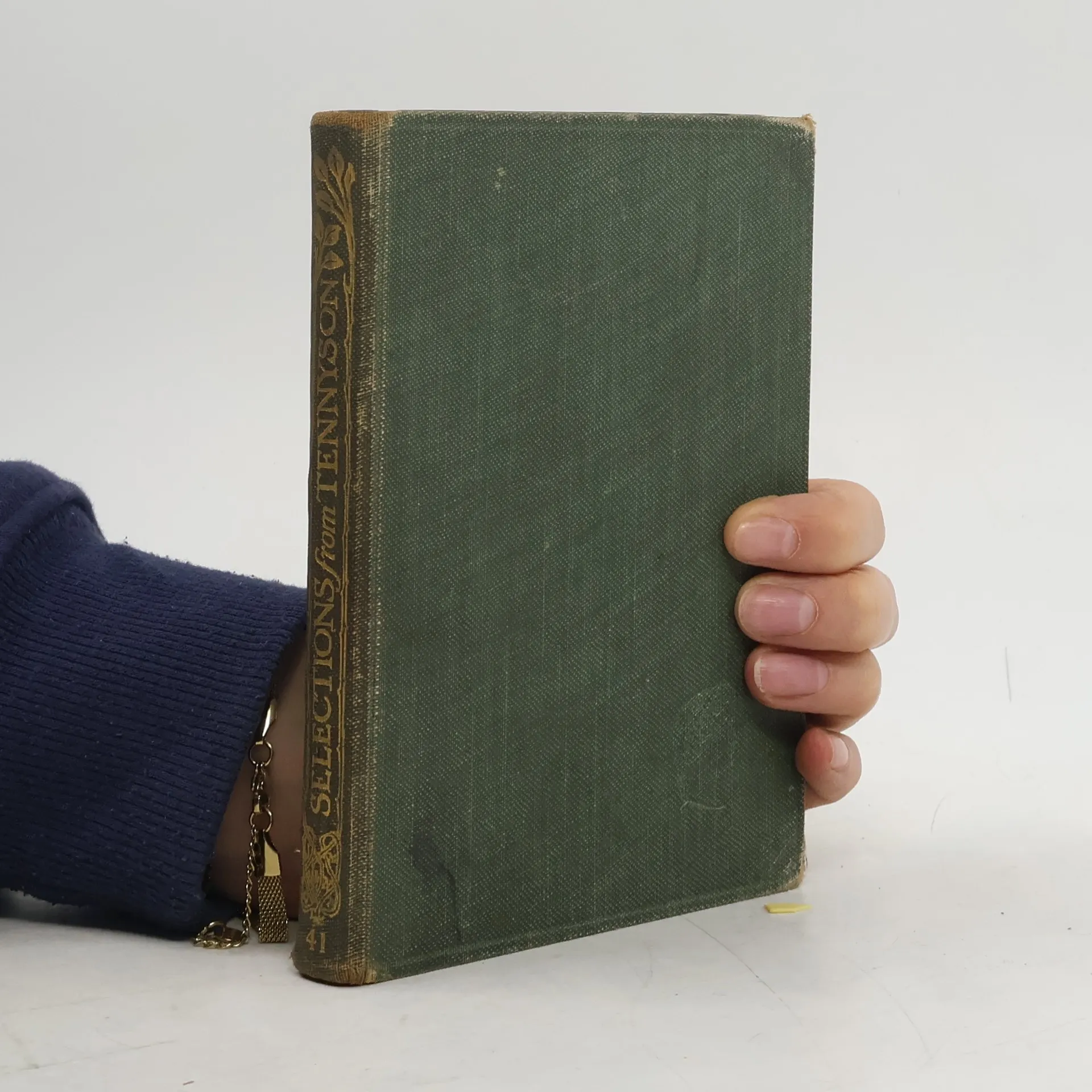
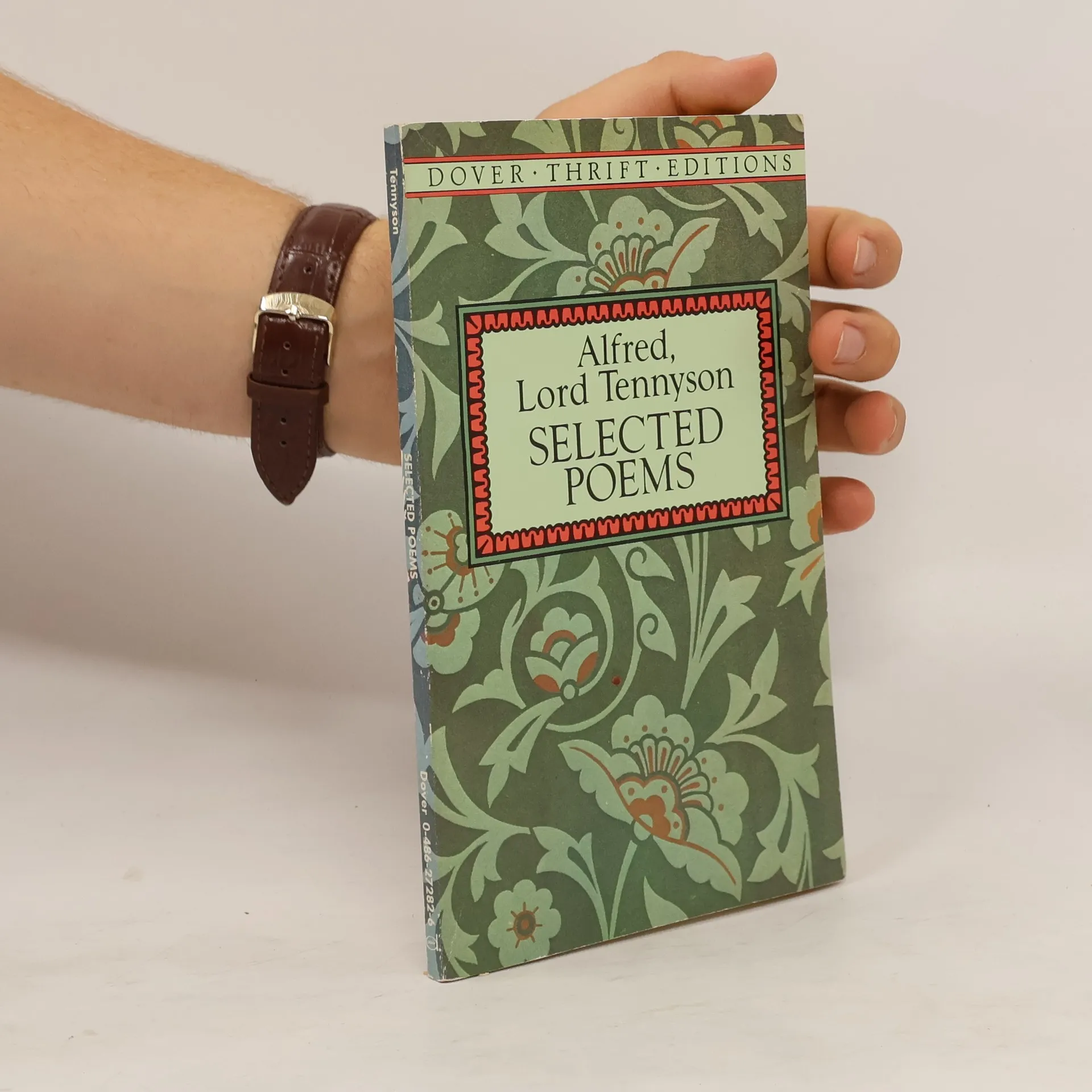
Considered by Victorians as the finest contemporary poet, Alfred, Lord Tennyson (1809–1892) gained much critical favor for his mastery of poetic technique, high-mindedness, and superb natural description. This volume contains a representative selection of his best works, including the famous long narrative poem "Enoch Arden," as well as a number of important lyrics, monologues, ballads, and other typical pieces. Among these are "The Lady of Shalott," "The Beggar Maid," "The Charge of the Light Brigade," "Break, break, break," "Flower in the Crannied Wall," and "Ode on the Death of the Duke of Wellington." Also here are carefully chosen, uncut excerpts from three longer works: The Princess, "Maud," and "The Brook." With this inexpensive volume at their fingertips, students and lovers of poetry can enjoy a substantial sampling of Tennyson's still-admired, widely quoted verse.
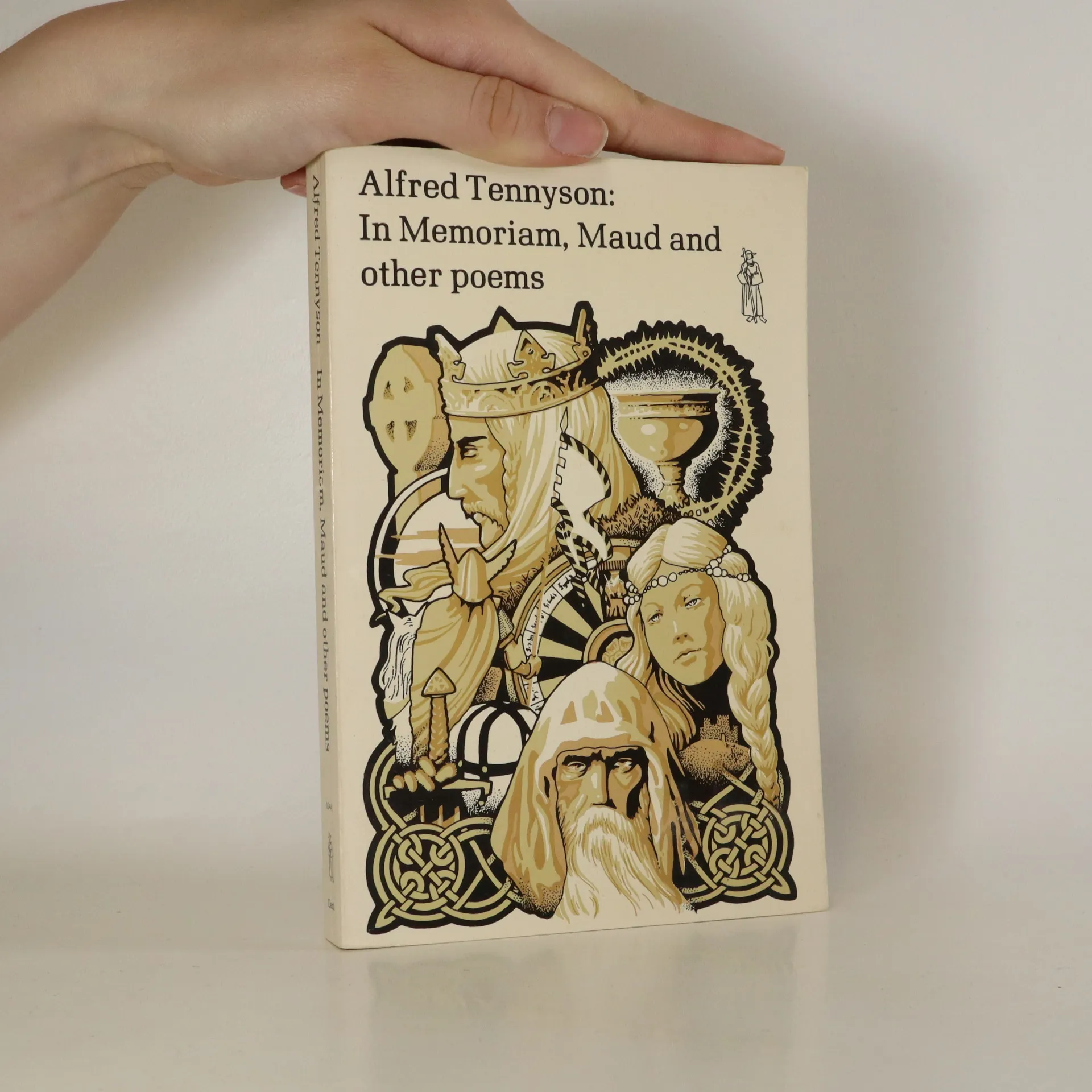
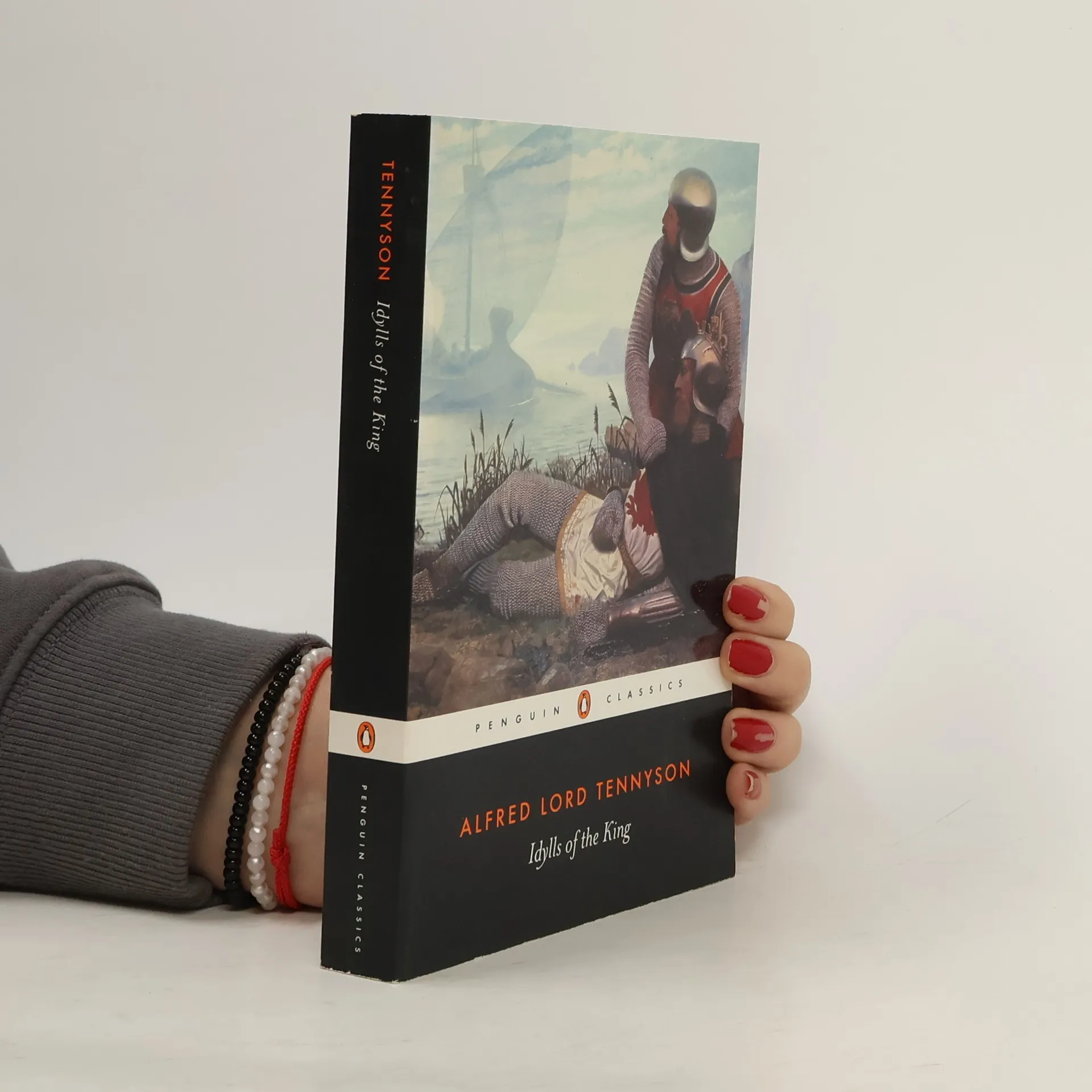
Traces the story of Arthur's rule, from his first encounter with Guinevere and the quest for the Holy Grail to the adultery of his Queen with Launcelot and the King's death in a final battle that spells the ruin of his kingdom. The author's depiction of the Round Table reflects a longing for a past age of valour and chivalry.
"This Norton Critical Edition of In Memoriam features the profound nineteenth-century poem by Victorian poet Alfred, Lord Tennyson, with editorial annotations. Written after the passing of Tennyson's close friend Arthur Henry Hallam, the poem addresses themes of grief, death, and loss. The "Background and Contexts" section of this volume provides a better look at the relationship between the two men along with literary inspirations and scientific backgrounds for the poem itself. "Criticism" includes contemporary reviews and modern critical readings, ranging from analysis of the structure and genre of the poem to considerations of Tennyson's sexuality, materiality, and views on scientific challenges to faith. A chronology and selected bibliography are also included"--
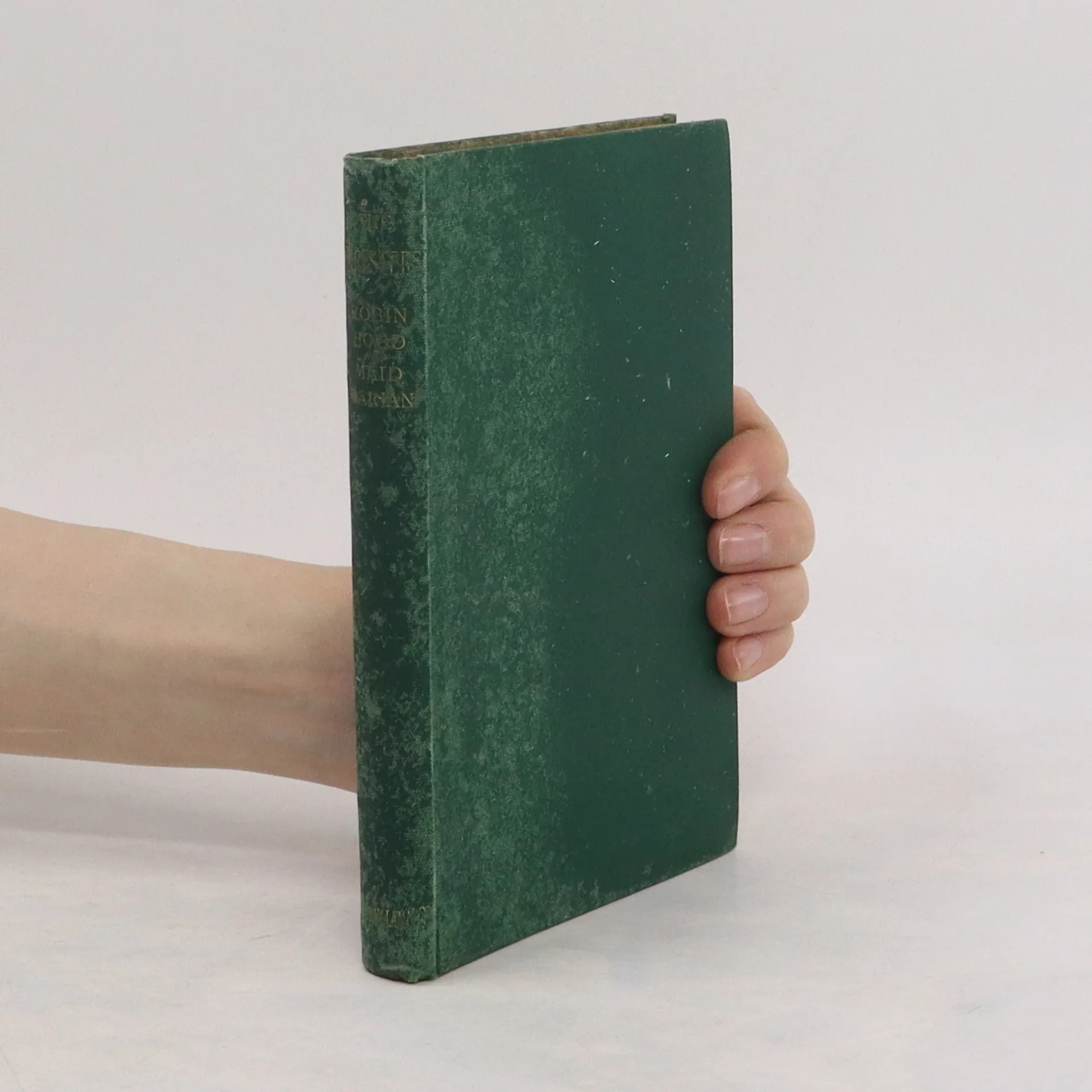
Robin Hood and Maid Marian
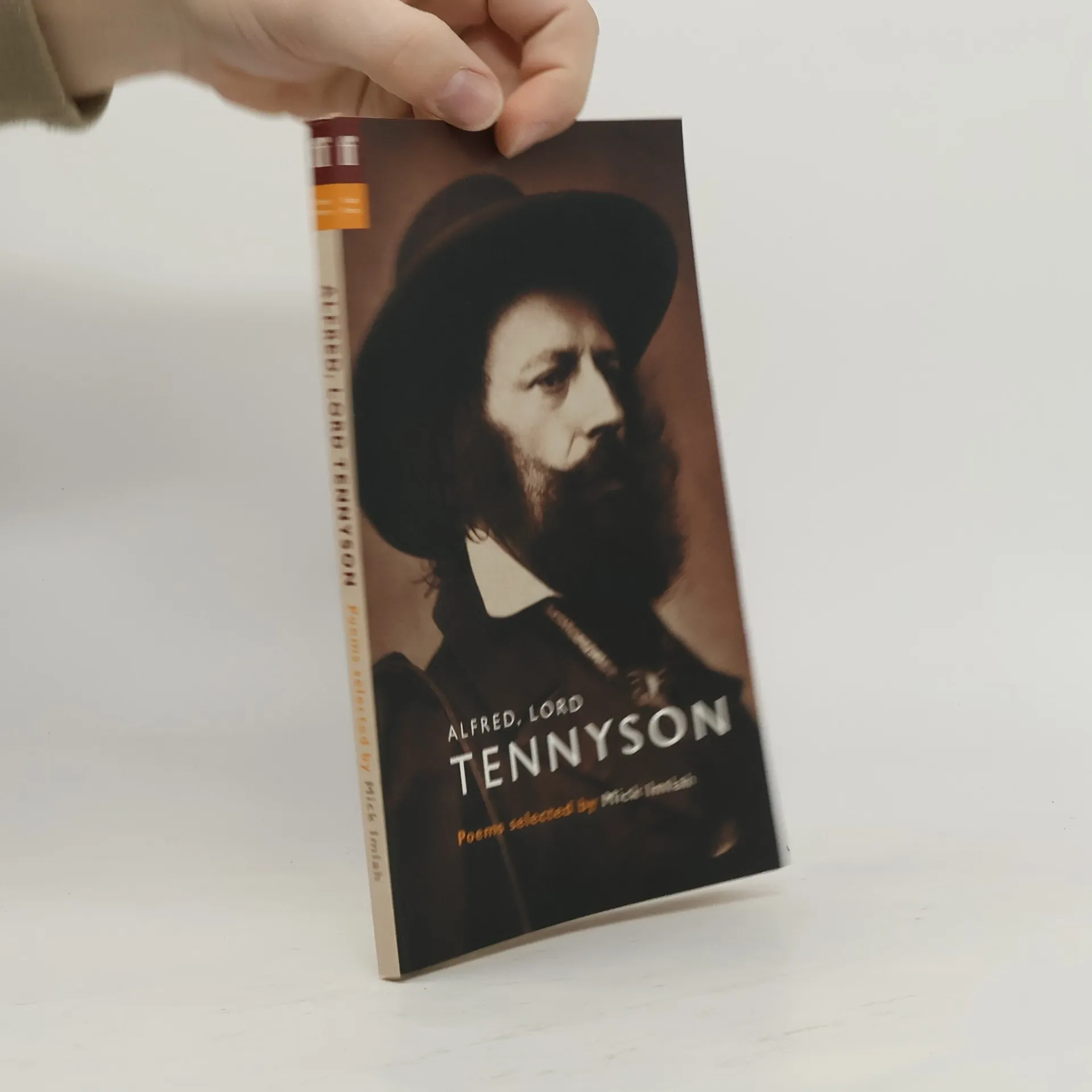
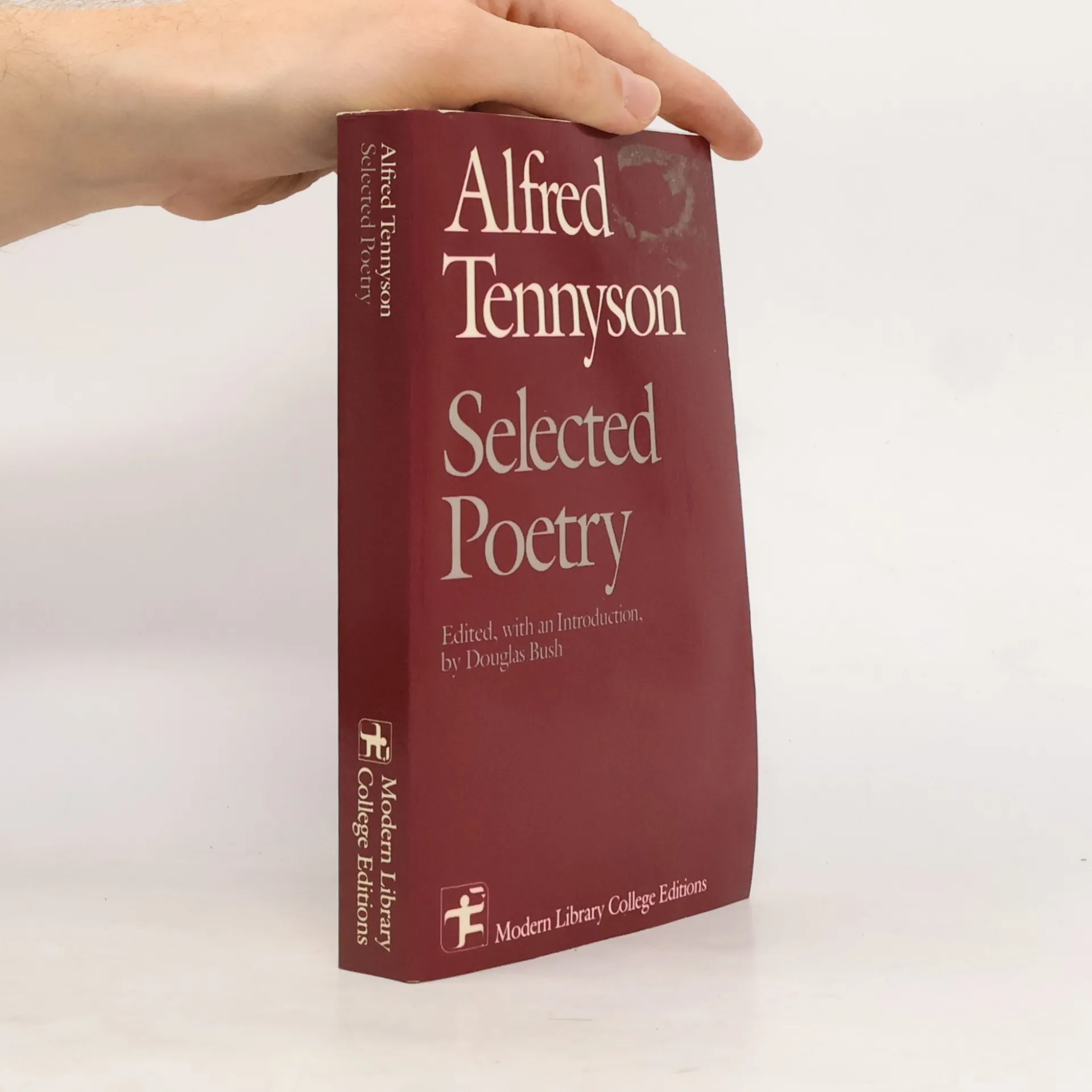
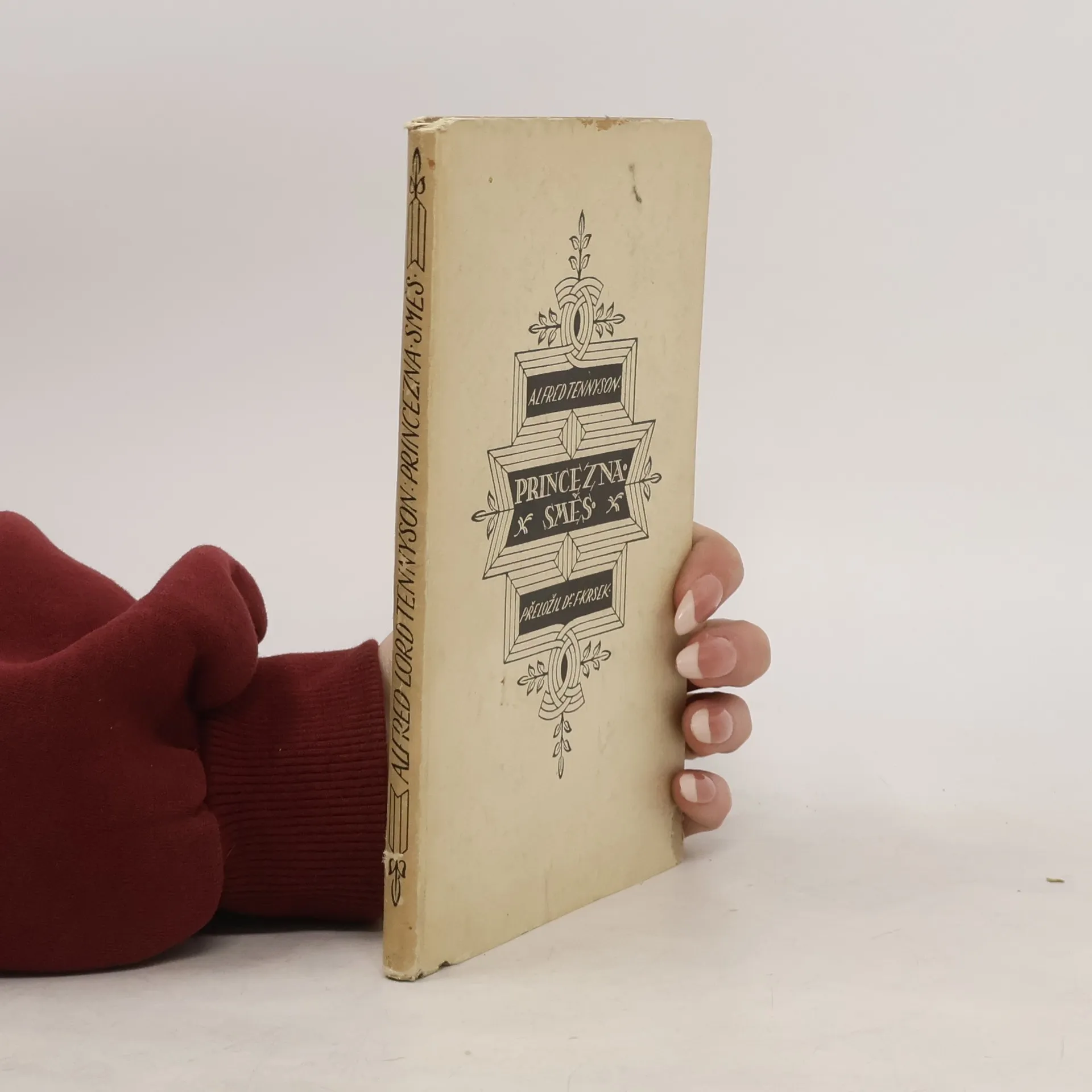
In this series, a contemporary poet selects and introduces a poet of the past. The editors explain in their prefaces their choice of poems and their personal/critical reactions to them.Alfred, Lord Tennyson (1809-92) was born in Somersby, Lincolnshire, the sixth of eleven children of a clergyman. After a childhood marked by trauma, he went up to Cambridge in 1828, where he met Arthur Hallam, whose premature death had a lasting influence on Tennyson's life and writing. His two volumes of Poems (1842) established him as the leading poet of his generation, and of the Victorian period. He was created Poet Laureate in 1850 and in 1883 accepted a peerage.
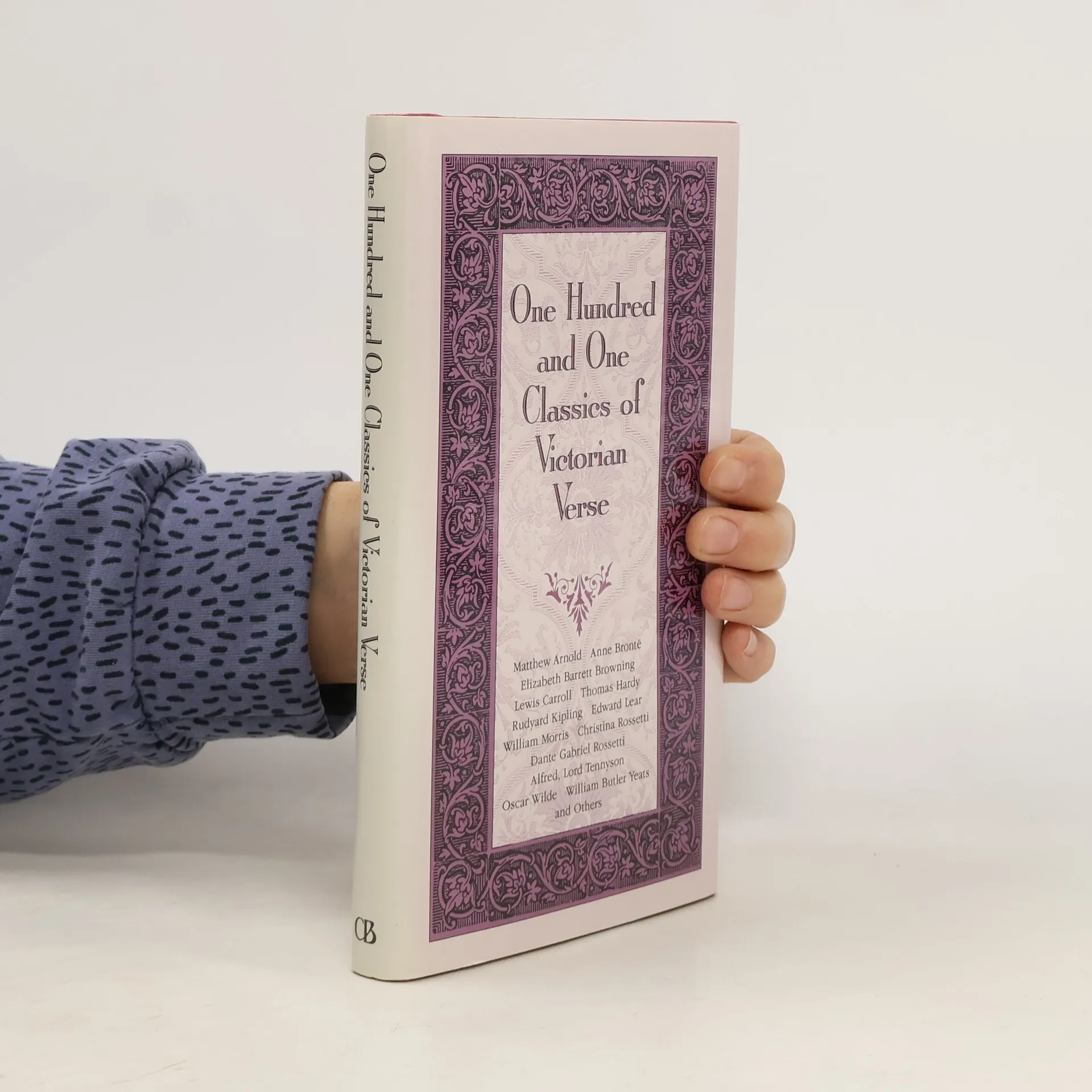
Includes a selection of poems by Robert Browning, Emily Bronte, Matthew Arnold, William Butler Yeats, Rudyard Kipling, George Eliot, and others.
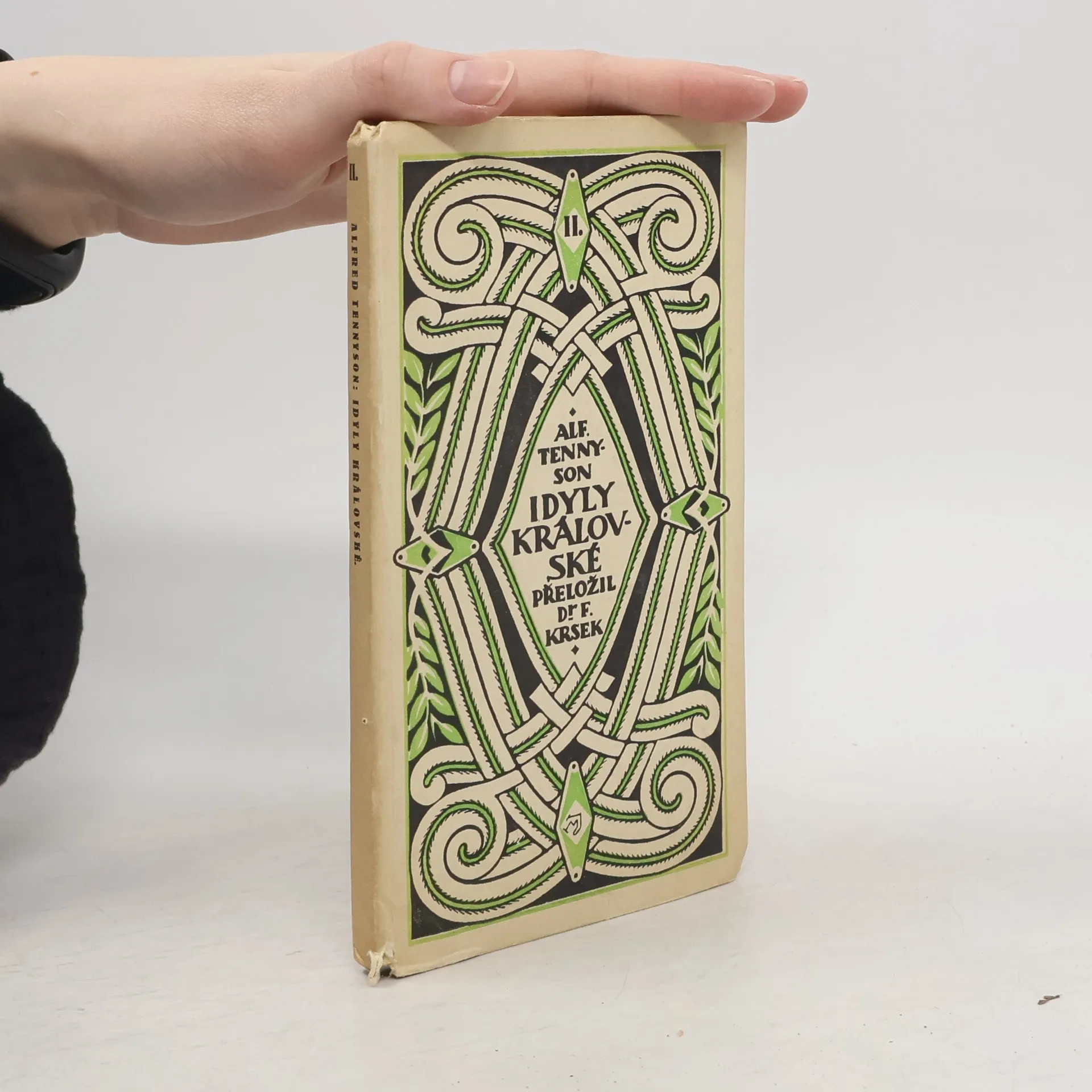
Idylls of the King II
This book is a reproduction of a historical work, presented in large print to enhance accessibility for readers with impaired vision. Published by Megali, a company dedicated to making classic texts more readable, it aims to preserve important works while ensuring they are accessible to a wider audience.
The book is a reproduction of a historical work, published by Megali, a company dedicated to making literature accessible for individuals with impaired vision through large print editions. This initiative aims to enhance the reading experience for those who may struggle with standard text sizes, ensuring that important historical texts remain available to a wider audience.
It seems that the provided text only contains the word "PROLOGUE" and does not include any details or context about the book. Therefore, I cannot create a summary based on the information given. Please provide more content or details about the book for an accurate summary.
Focusing on accessibility, this book is a reproduction of a historical work presented in large print, catering specifically to individuals with impaired vision. The publishing house Megali is dedicated to enhancing readability and preserving important texts for a wider audience.
Focusing on accessibility, this publication by Megali aims to enhance the reading experience for individuals with impaired vision through large print reproductions of historical works. The commitment to preserving and presenting these texts in an easily readable format highlights the importance of inclusivity in literature.
The narrative follows the journey of the last tall son of Lot and Bellicent, exploring themes of legacy and identity. As he navigates a world shaped by the weight of his lineage, he encounters challenges that test his strength and resolve. The story delves into the complexities of familial ties and the quest for self-discovery amidst expectations. Rich in character development and atmospheric detail, it offers a poignant reflection on what it means to inherit both greatness and burdens.
Originally published in 1858, this reprint offers readers a chance to explore the historical context and themes of the time. The book presents a unique perspective on its era, showcasing the author's insights and narrative style that reflect the social and cultural dynamics of the 19th century. With its enduring relevance, it serves as both a literary artifact and a window into the past, appealing to both history enthusiasts and literature lovers alike.
Addressing criticisms of his focus, Alfred, Lord Tennyson's poem reflects on serious themes while humorously engaging with the establishment of Queen's College, London's first women's college. It serves as a significant early work that explores feminist concerns, blending comedy with a critical perspective on societal norms regarding women's education and roles.
Focusing on accessibility, this book is a reproduction of a historical work presented in large print, specifically designed for readers with impaired vision. The publishing house Megali is dedicated to making classic literature more available and easier to read, ensuring that important texts can be enjoyed by a wider audience.
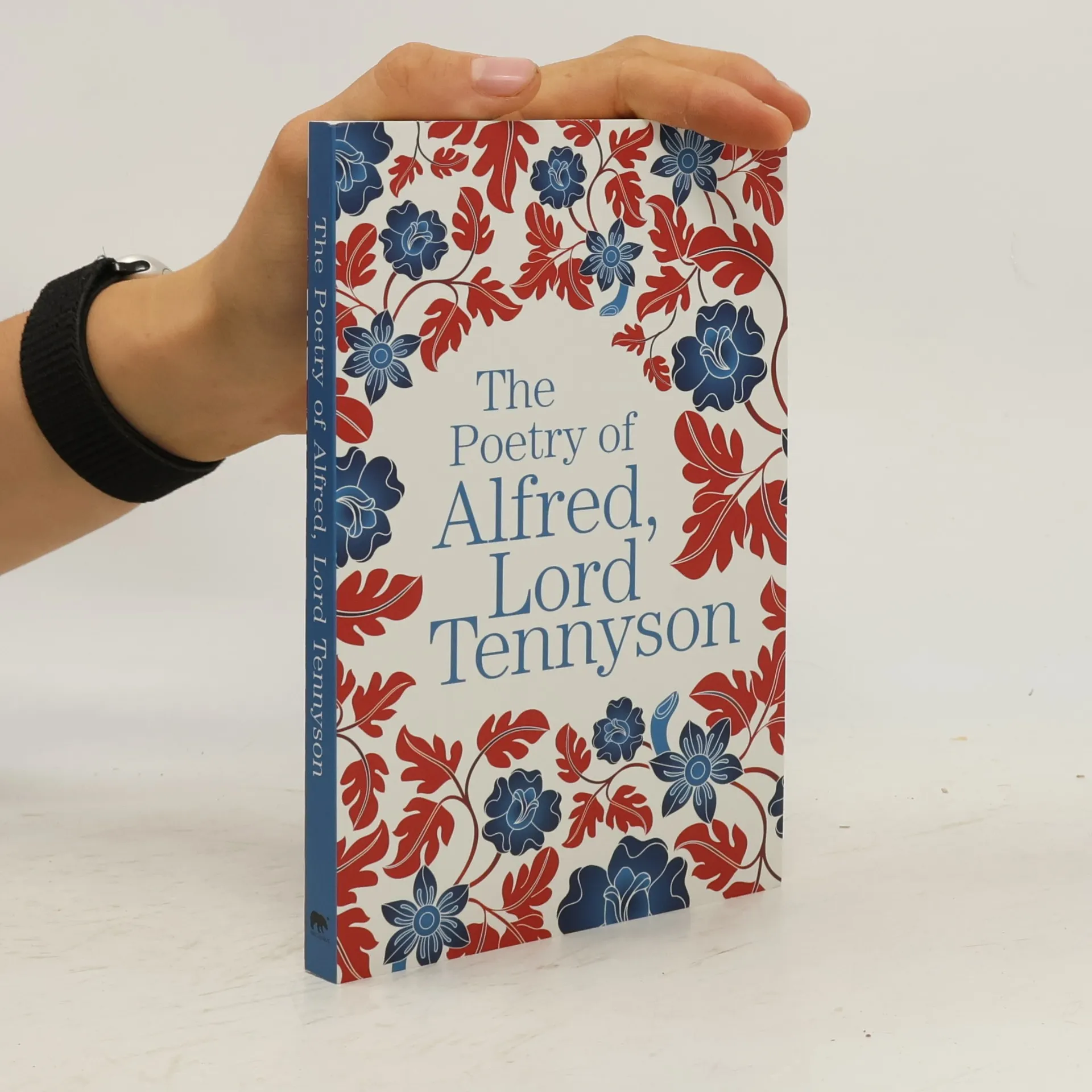
Alfred, Lord Tennyson was one of the greatest and most beloved poets of the 19th century. This volume includes more than 40 of his most beloved poems, ranging from the iconic 'The Charge of the Light Brigade' to the heartfelt 'Ulysses' to the dream-like 'The Lady of Shalot'. Drawing upon Arthurian legends, contemporary events and personal experience, Tennyson's remarkable poetry embodied the Victorian era.ABOUT THE Arcturus Great Poets Library brings together moving and inspiring verse from some of the greatest poets in history, presented with beautiful new cover designs with graphic motifs.
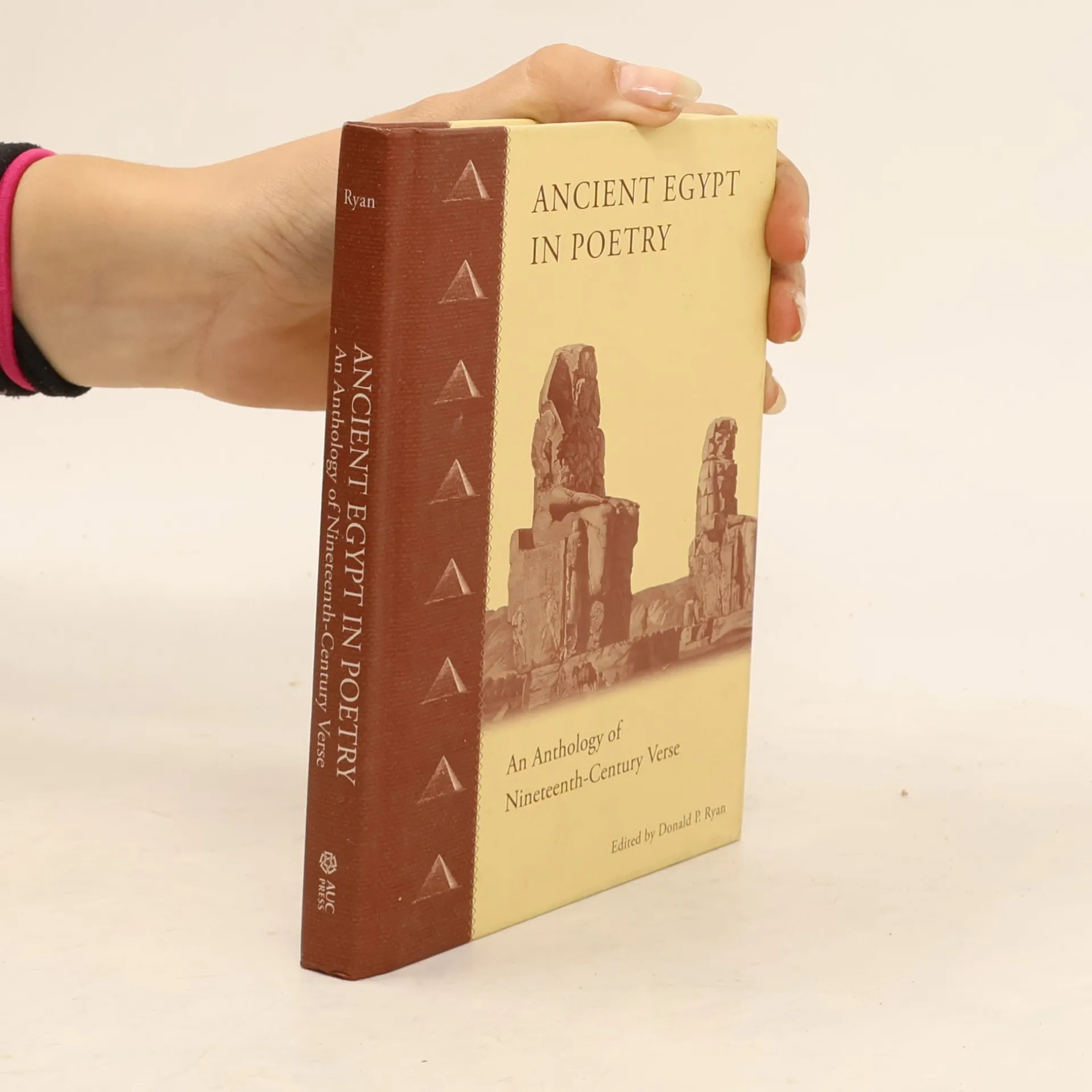
English poetry; 19th century; Egyptian influences.
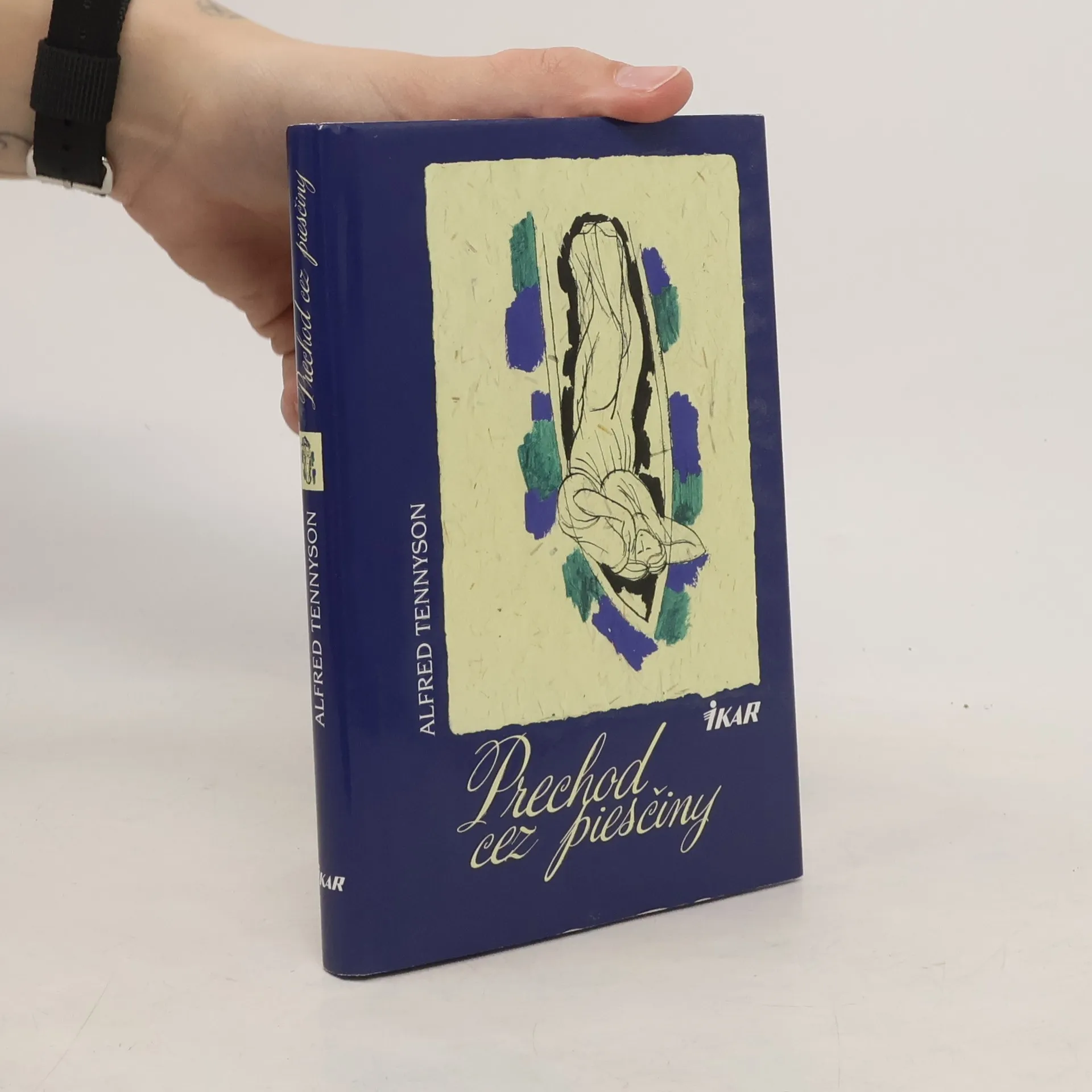
Alfred Tennyson tvoril časti svojho diela na rôznych miestach, tak ako mu prichádzali na um jednotlivé okolnosti jeho priateľstva s Arthurom Henrym Hallamom. Nemal v úmysle publikovať ich ako celok, k tejto možnosti dospel, až keď si uvedomil, koľko veršov na túto tému už napísal. V úvode sa zračí obdobie intenzívneho žiaľu za priateľom, presvedčenie, že za ním bude smútiť neustále. V raných fázach trúchlenia spochybňuje prežitie duše a existenciu posmrtného života. No hoci v tomto bode nedospieva k viere, ktorú nachádza v závere básnickej skladby, a vnútorne bojuje s tým, že vedecké poznatky môžu existenciu Boha aj vyvrátiť, napokon dospieva k súladu a prijíma náboženstvo a vieru. Pripúšťa, že biologický vývin je evolúciou Božieho zámeru s človekom a so zemou: Máme len vieru, čo si nie je istá, / veď naša znalosť stále čelí tme, / no predsa v tvoju veľkosť veríme, / lúč v temrave: nech rastie do zlatista.
Die Idyllen des Königs reflektieren Tennysons tiefes Interesse an Artus-Themen und verkörpern den universellen Konflikt zwischen Sinn und Seele. Arthur wird als Ideal von Männlichkeit und Königtum dargestellt, was mit den moralischen Vorstellungen seiner Zeit übereinstimmt. Tennysons poetischer Stil, stark beeinflusst von Romantikern wie Keats, zeichnet sich durch eine einzigartige Feinheit und subtile metrische Effekte aus. Diese Ausgabe basiert auf dem von Tennyson autorisierten Text und bietet einen umfassenden kritischen Apparat, der das Werk in einen breiteren literarischen Kontext stellt.
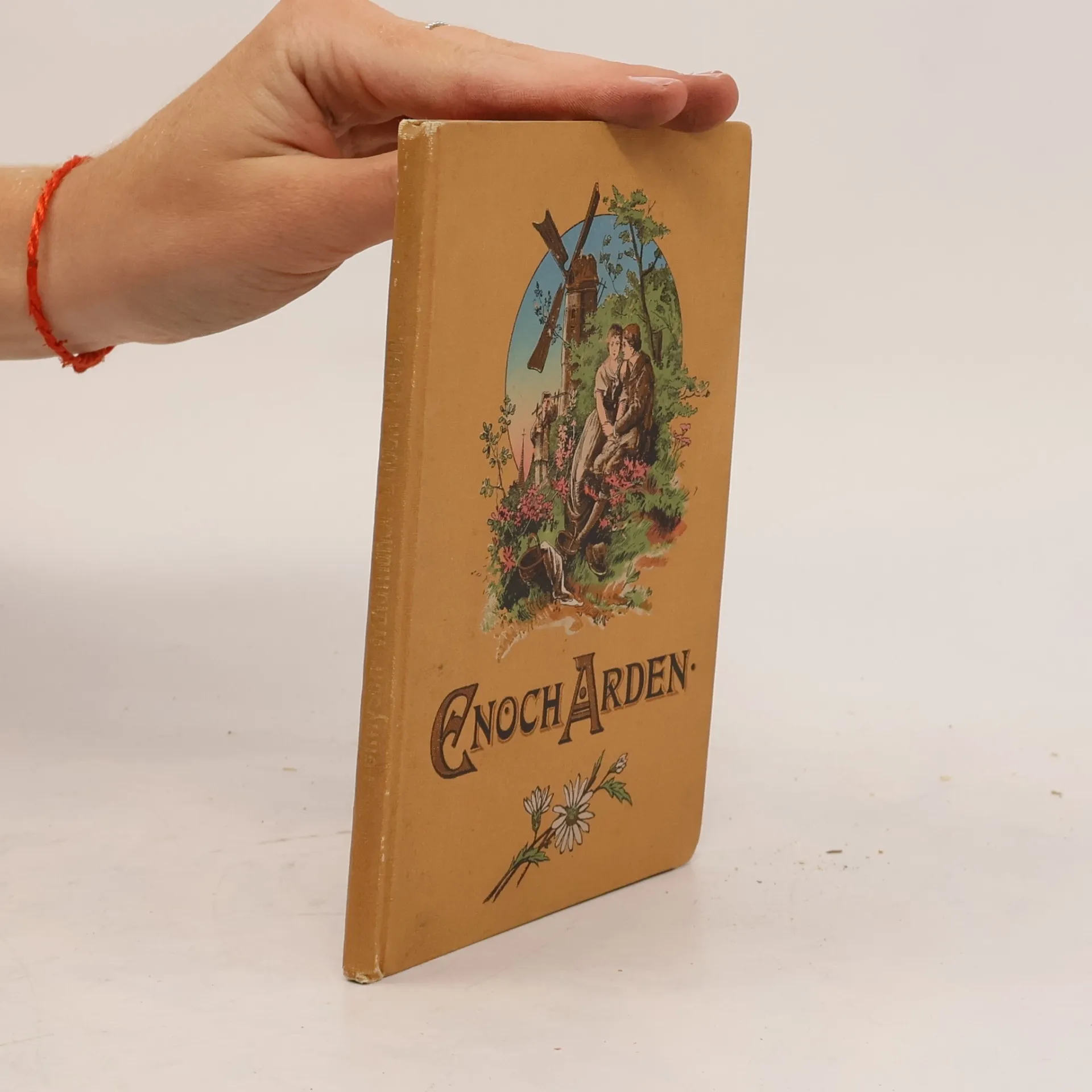
Alfred Tennyson: Enoch Arden Erstdruck in: Enoch Arden, and Other Poems, London (Edward Moxon) 1864. Hier in der Übers. v. Adolf Strodtmann. Neuausgabe mit einer Biographie des Autors. Herausgegeben von Karl-Maria Guth. Berlin 2018. Textgrundlage ist die Ausgabe: Tennyson, Alfred: Enoch Arden. Übers. v. Adolf Strodtmann, Berlin: G. Grote'sche Verlagsbuchhandlung, 1922. Die Paginierung obiger Ausgabe wird in dieser Neuausgabe als Marginalie zeilengenau mitgeführt. Umschlaggestaltung von Thomas Schultz-Overhage unter Verwendung des Bildes: George Goodwin Kilburne, Enoch Arden, 1924. Gesetzt aus der Minion Pro, 12.1 pt.
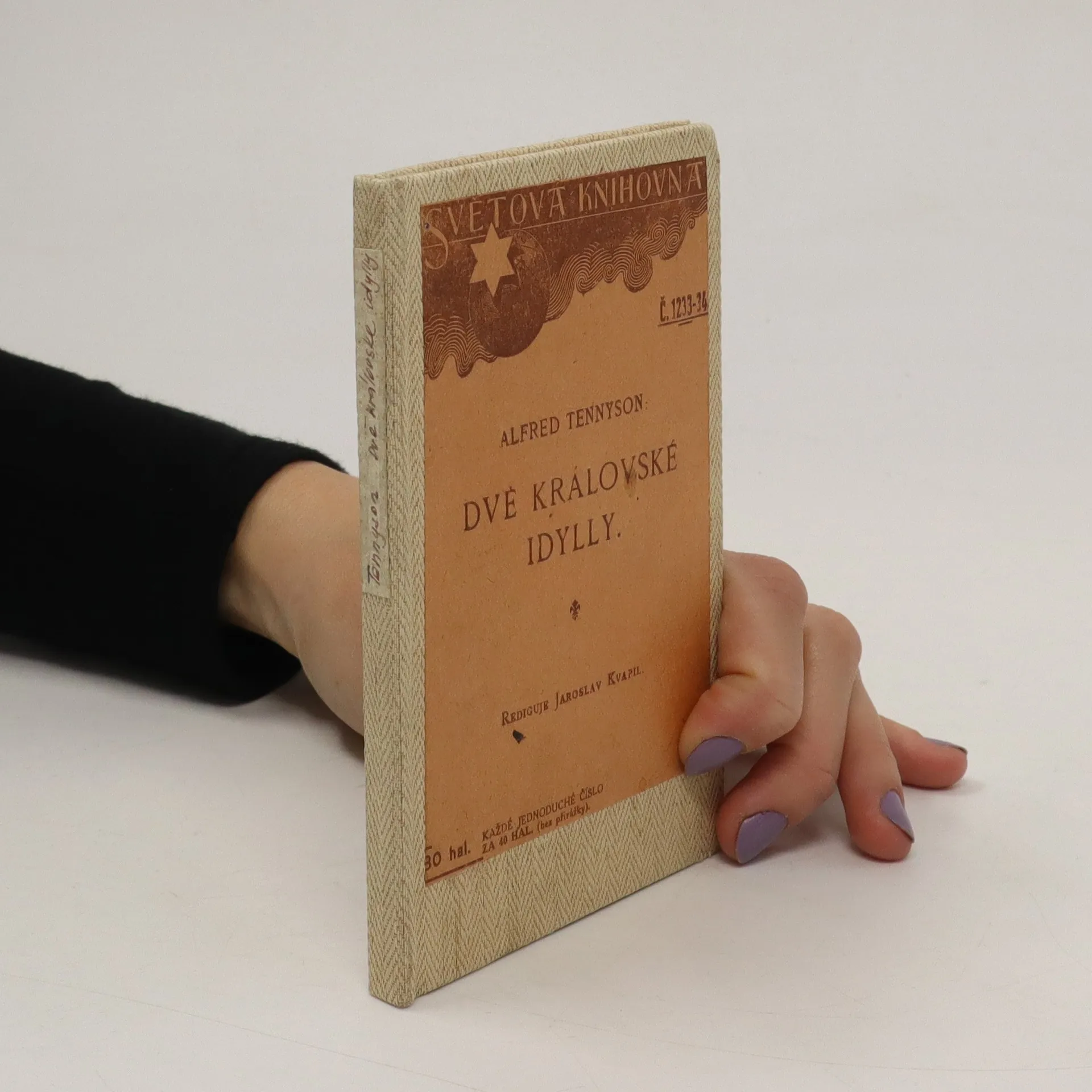
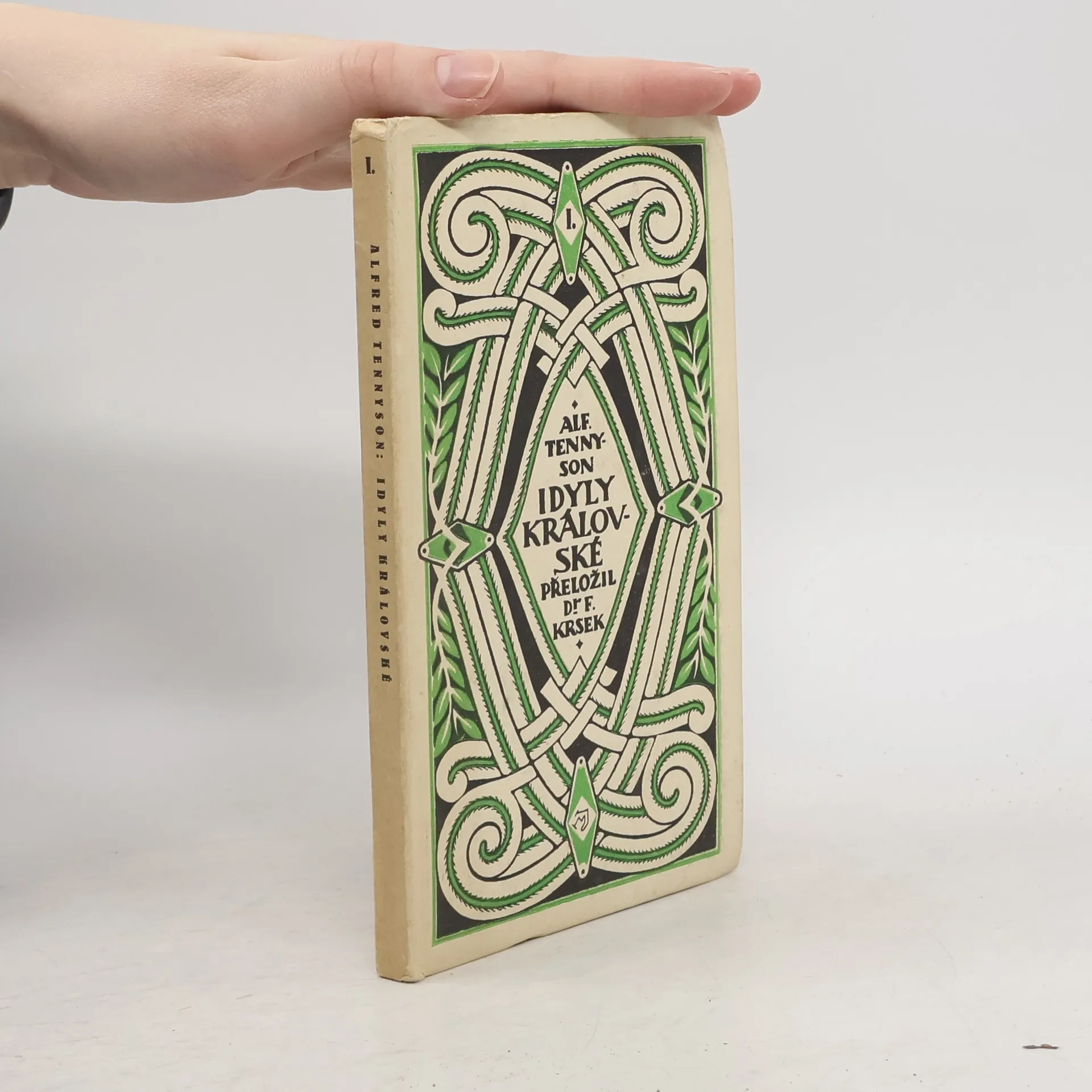
Soubor básní -idyl- popisující idealizovanou příběhy legendárního krále Artuše a rytířů kulatého stolu. Básně Tennyson psal postupně a vydávány byly často jednotlivě mezi lety 1859 a 1889.