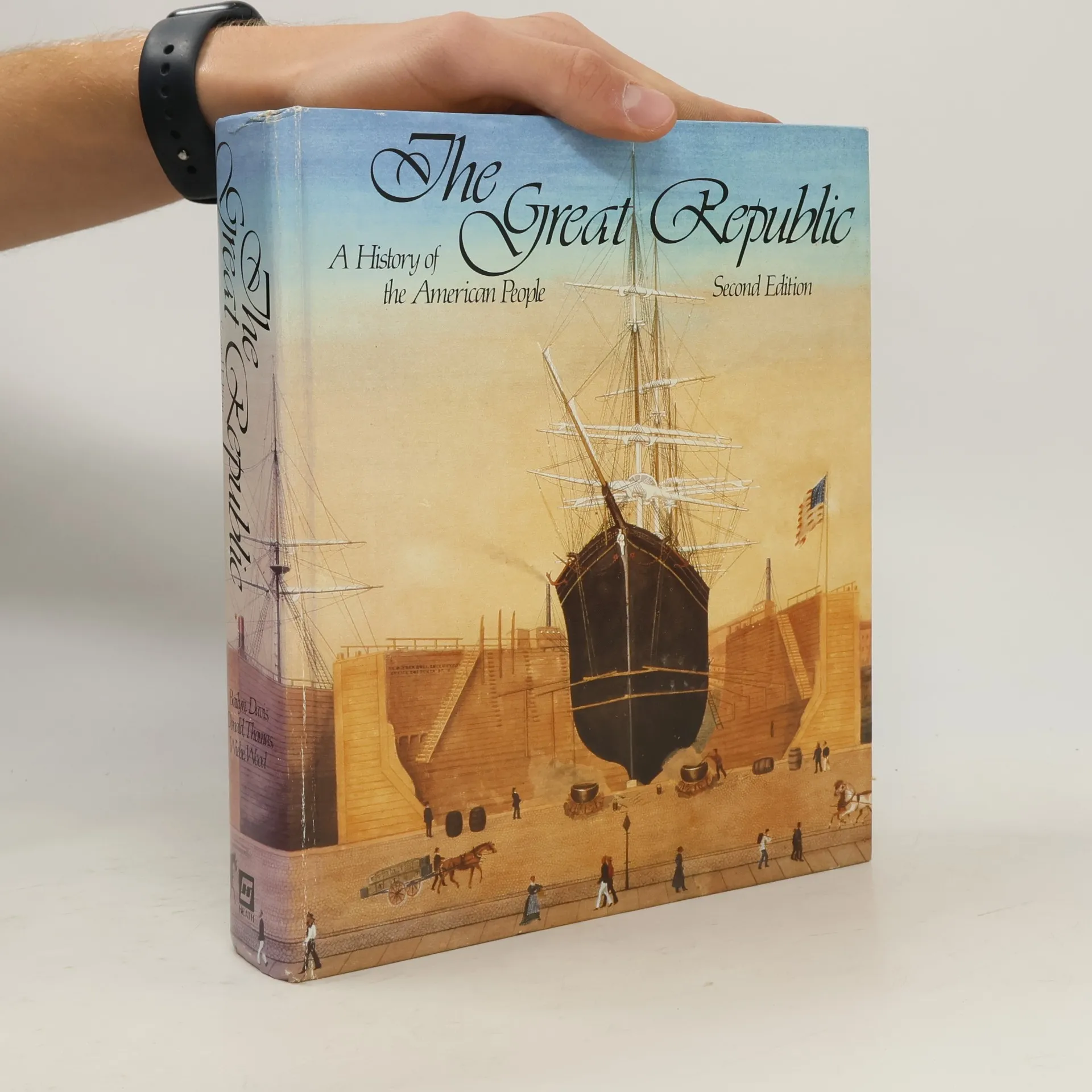
Gordon S. Wood es un distinguido historiador cuyo trabajo se centra en la Revolución Americana y los inicios de los Estados Unidos. Su escritura se caracteriza por una profunda exploración de las fuerzas políticas y sociales que dieron forma a la nación. Wood profundiza en la transformación de la sociedad estadounidense desde sus raíces coloniales hasta su surgimiento como república, iluminando la naturaleza radical del cambio revolucionario. Su prosa es reconocida por su meticulosa investigación y su capacidad para conectar grandes narrativas históricas con las experiencias vividas y las ideas de la época.
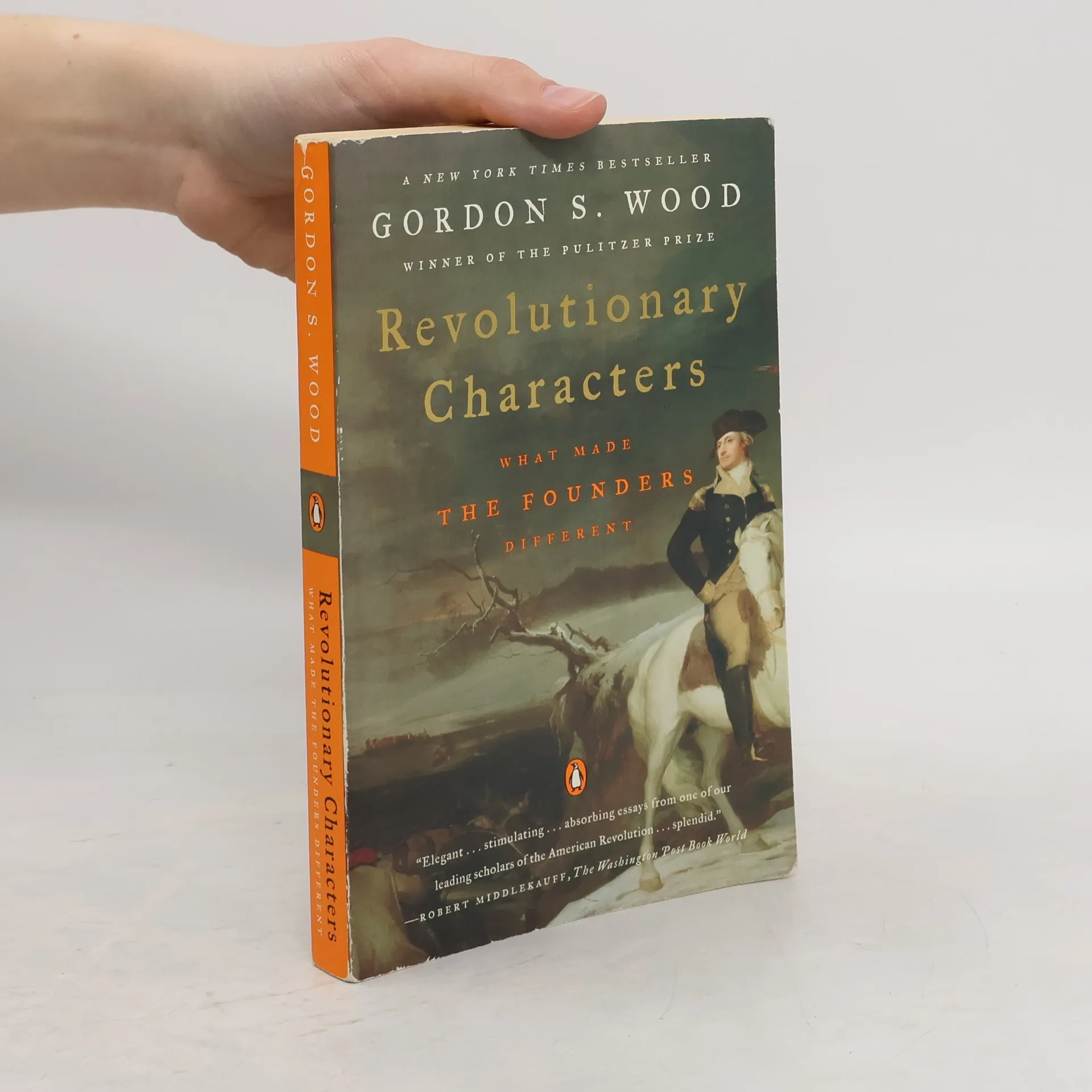
In 10 essays from previously published articles, the author presents miniature portraits of George Washington, John Adams, Thomas Jefferson, James Madison, Thomas Paine, and others known as the founding fathers.
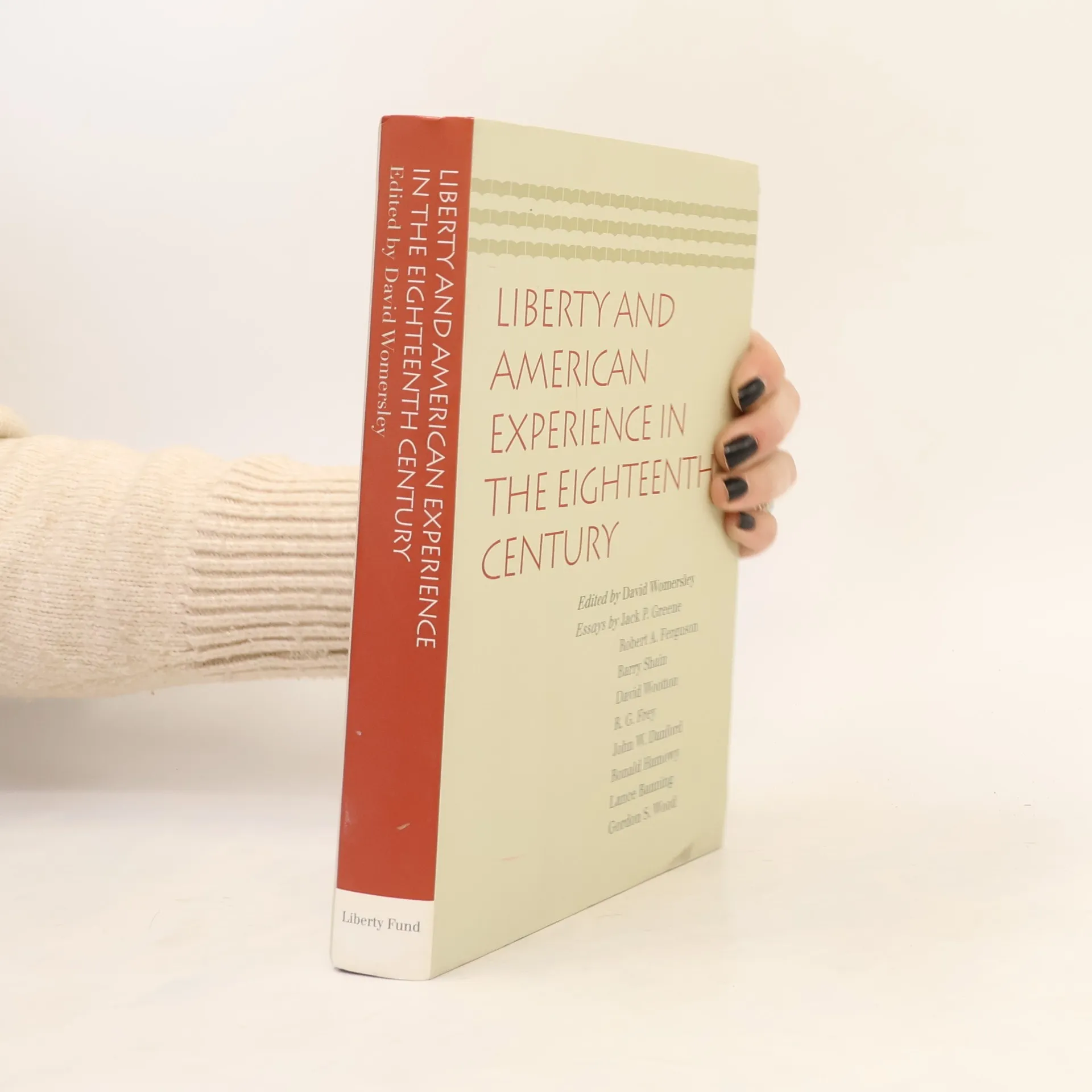
Written by leading scholars of American history, this volume examines key themes and ideologies central to the formation of the United States. David Womersley’s introduction discusses Edmund Burke’s theories on property rights and government, laying the groundwork for the themes of liberty explored throughout the book. Jack Greene’s case study on Jamaica highlights the colonies' influence over their governance in “Of Liberty and the Colonies.” Robert Ferguson investigates the interplay between religious and legal concepts of liberty in “The Dialectic of Liberty.” Barry Shain supports Ferguson’s argument by exploring the significant impact of religion on the colonists’ outlook in “Religious Conscience and Original Sin.” John Danford analyzes the Founders' economic views in relation to the Enlightenment in “Riches Valuable at All Times and to All Men,” emphasizing their preference for established governance over untested theories. R. G. Frey discusses conflicting viewpoints between moral sense theory and natural rights in “Moral Sense Theory and the Appeal to Natural Rights.” David Wootton presents an opposing view, suggesting that Enlightenment ideas shaped the Founders' innovative yet resistant system in “Liberty, Metaphor, and Mechanism.” Ronald Hamowy pays tribute to the intellectual force of American affairs in “Scottish Thought and the American Revolution.” Lance Banning examines revolutionary divisions regarding liberty i
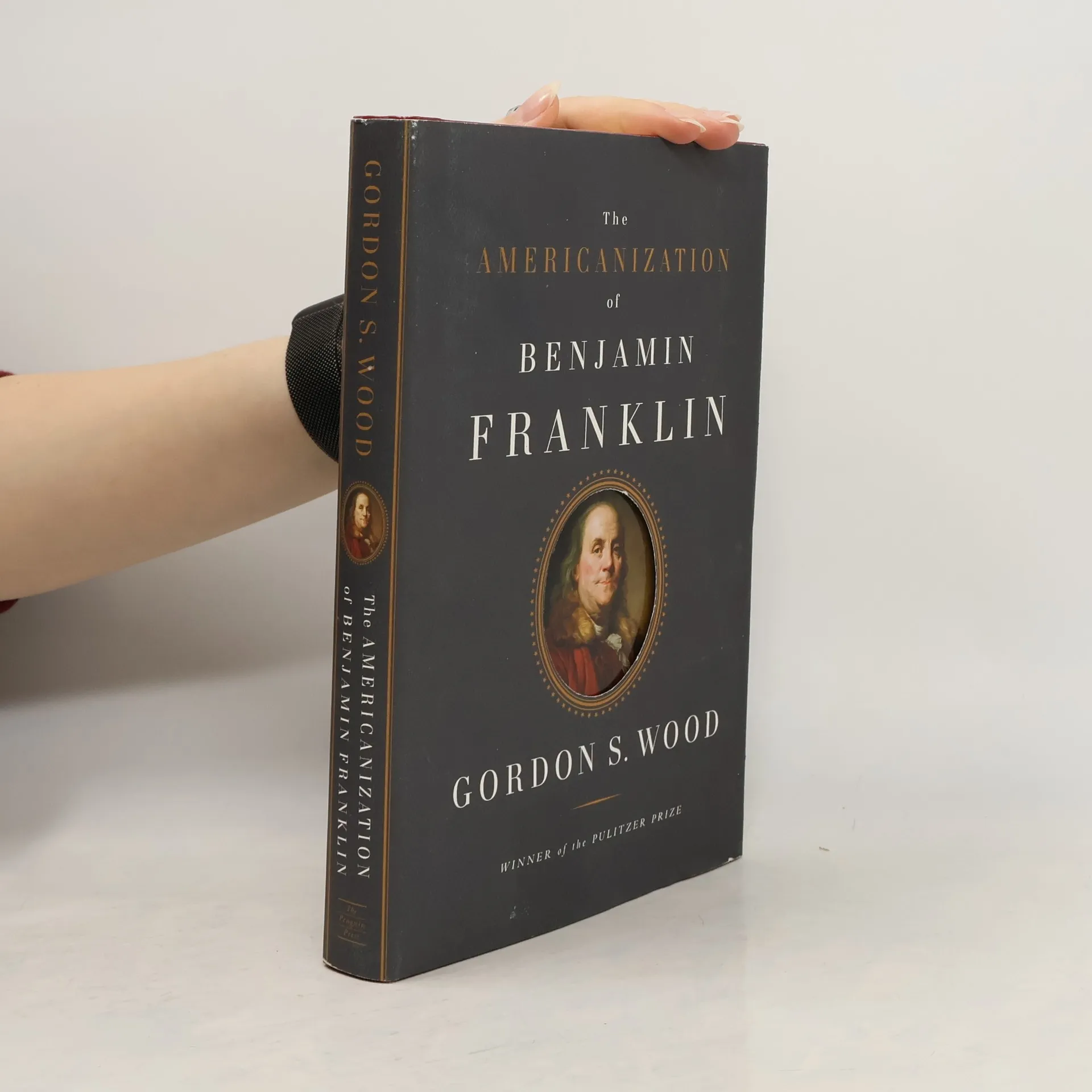
Central to America's self-identity is Benjamin Franklin, often viewed as a genial polymath and self-improver, dubbed the first American. However, Gordon Wood reveals that this perception is misleading, obscuring the more complex and admirable man Franklin truly was. Understanding him as the last American might better illuminate key aspects of his life, such as his desire to be a gentleman, his loyalty to the Crown, and his ambition within the British Empire. Franklin's transformation into a revolutionary, his motivations for writing the Autobiography, and his conflicts with figures like John and Samuel Adams and Congress further complicate his narrative. His love for Europe and conflicted national identity are also significant, as evidenced by the mass mourning he received in France compared to indifference in America at his death. Despite being overshadowed by George Washington, Franklin emerged as a crucial figure in the Revolution. Wood questions why Franklin's significance was downplayed during his lifetime and how his image became distorted. Ironically, his essential diplomacy in France, vital for American victory, led to suspicion at home, while also giving rise to the "first American" persona. The early nineteenth century solidified this image, as Franklin's posthumously published Autobiography shaped the ideals of a young democracy. This work offers a fresh perspective on Franklin's life and the formation of America's
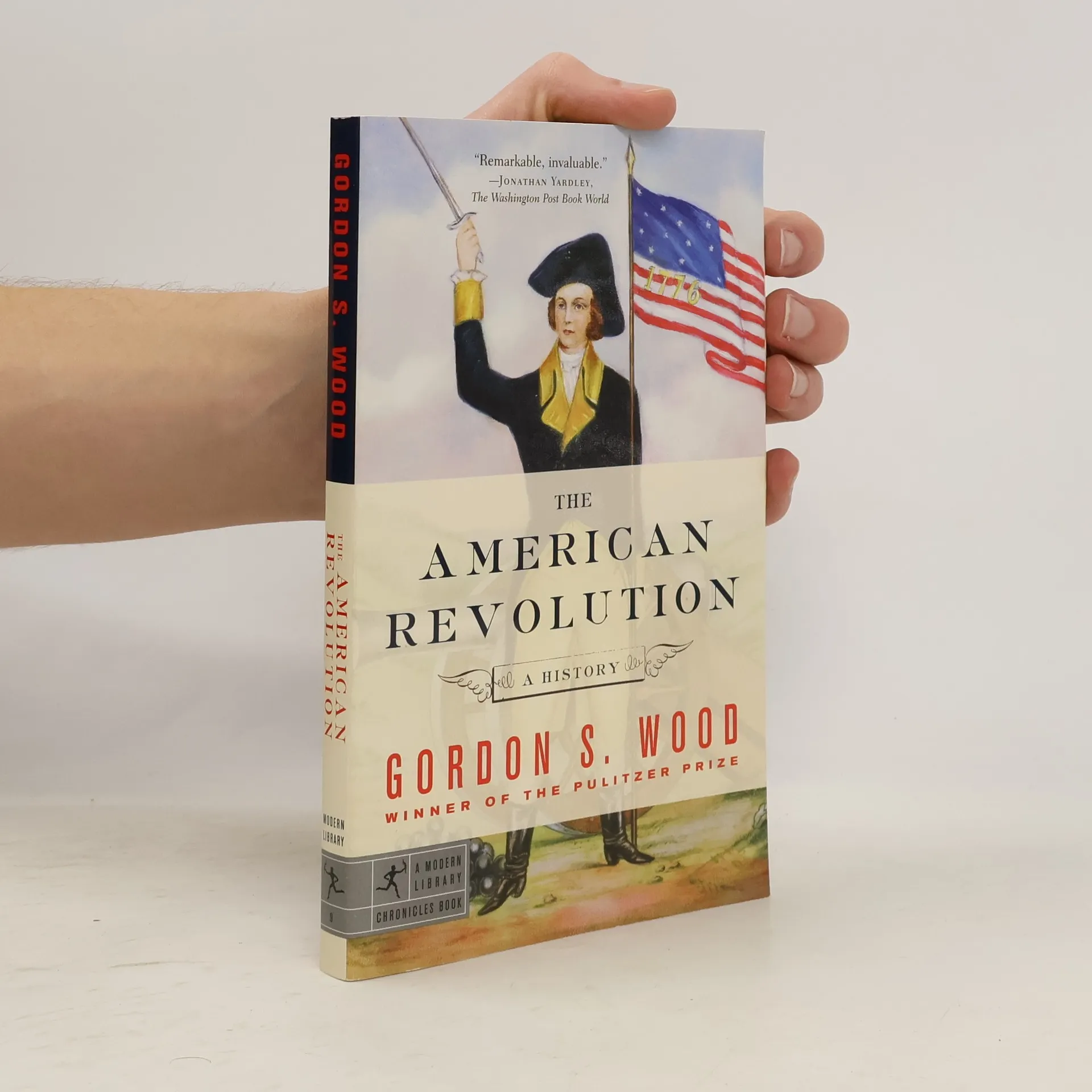
Presents a concise history of the American Revolution and the birth of the American republic, from the earliest hints of revolt and unrest through the ratification of the Constitution.