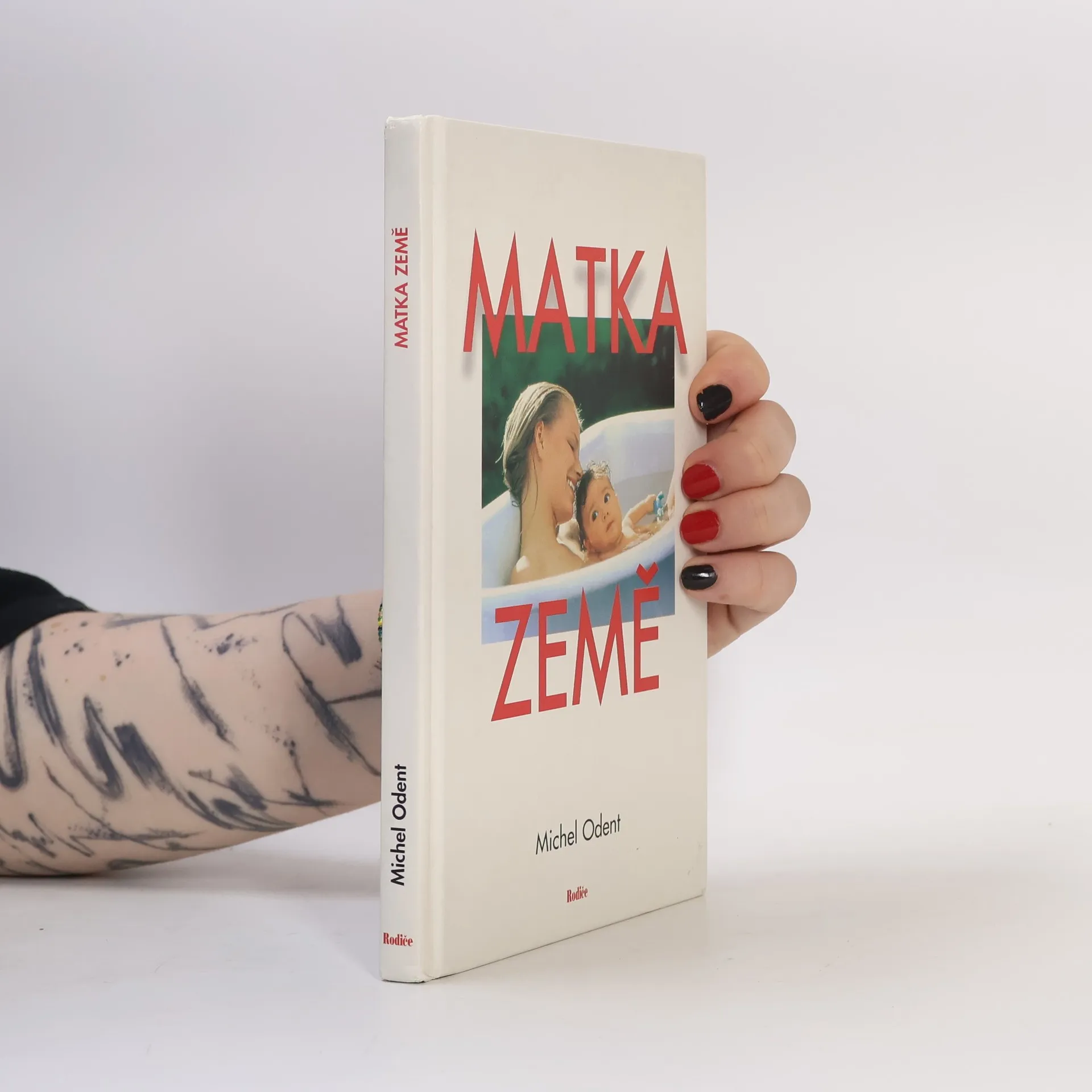
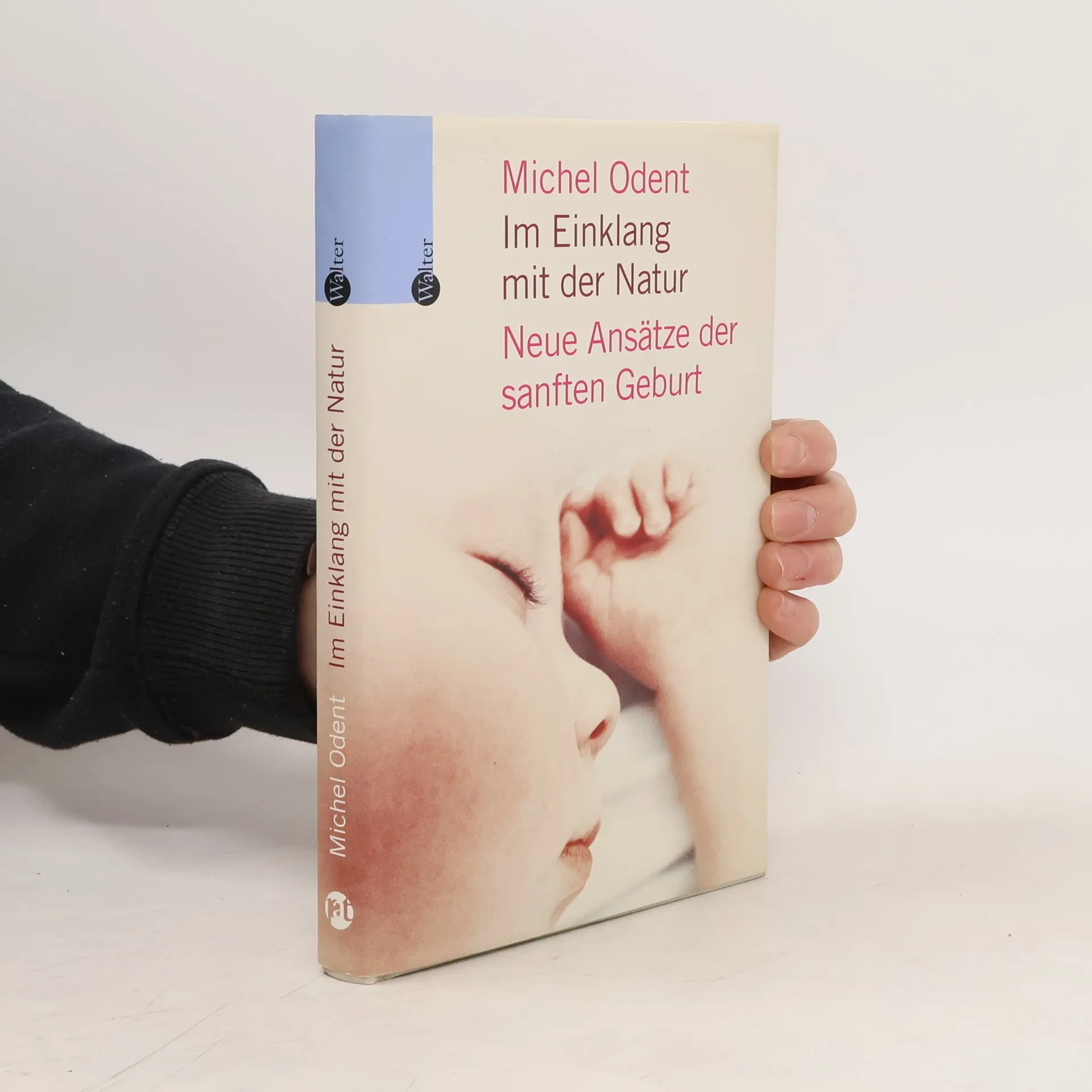
Why do all cultures ritually disrupt the first contact between mother and new-born baby? Why has there hitherto been an evolutionary advantage in developing human potential for aggression rather than the capacity to love? Until recently love has been the realm of poets, artists and philosophers. Latterly it has been studied from multiple scientific perspectives. Michel Odent argues that the specialist approach has overlooked the importance of love as a potential new strategy for human survival, and that the old survival strategy, the domination of nature and other human groups, is no longer appropriate. By weaving together data from a multitude of disciplines, Michel Odent, is able to offer a number of insightful, and exciting explanations, and makes the case for the adoption of radical new strategies for human survival.
Michel Odent Libros
Michel Odent es un visionario cuyo trabajo ha dado forma profunda a las comprensiones contemporáneas del parto y la investigación sobre la salud. Durante décadas, ha defendido enfoques que priorizan las consecuencias a largo plazo de las experiencias tempranas en la vida, influyendo fundamentalmente en cómo vemos el nacimiento y el desarrollo temprano. Su investigación, particularmente a través del Primal Health Research Center, destaca el papel crucial del período primal desde la concepción hasta el primer año en la configuración de la salud y la sociabilidad a lo largo de la vida. A través de sus influyentes escritos, Odent fomenta un cambio de enfoque de la prevención de enfermedades al cultivo de la salud, y de la prevención de la violencia al fomento de la capacidad de amar.


Birth reborn
- 144 páginas
- 6 horas de lectura
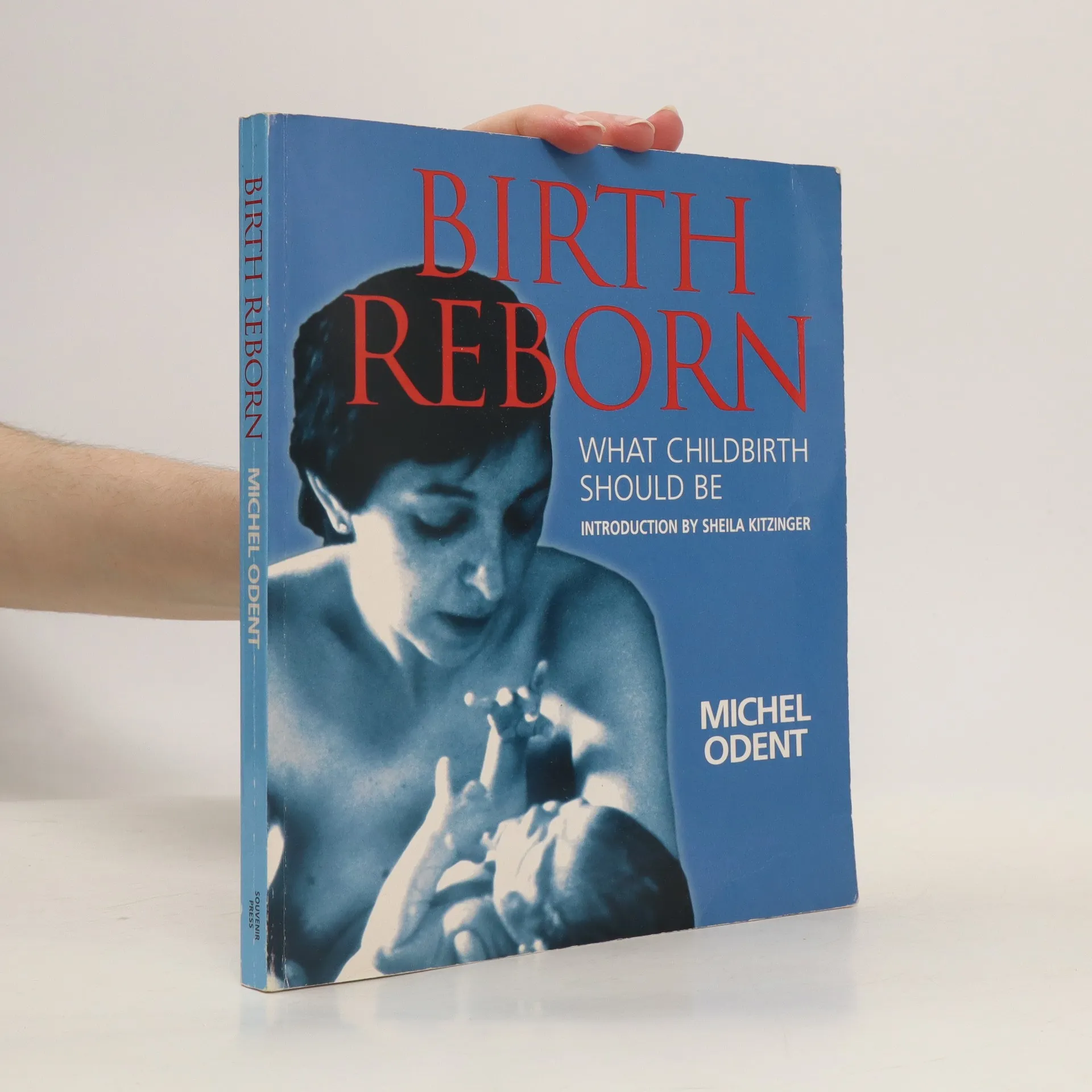
In Birth Reborn Michel Odent outlines the choices available to the mother who wants to give birth naturally, in her own way and with full control over her own body, drawing on his decades of experience as an obstetrician who dealt with 1,000 births a year. It is central to his philosophy that birth is instinctive, and that an environment that promotes intimacy and creativity is essential in the experience of birth, and that the role of the midwife must be key to the mother's experience.Michel Odent has returned birth to how it should be. Birth Reborn gives expectant mothers the confidence and information they need in order to trust themselves to give birth without the drugs and medical procedures that are being increasingly recognised as harmful to the mother and to the baby's future development.
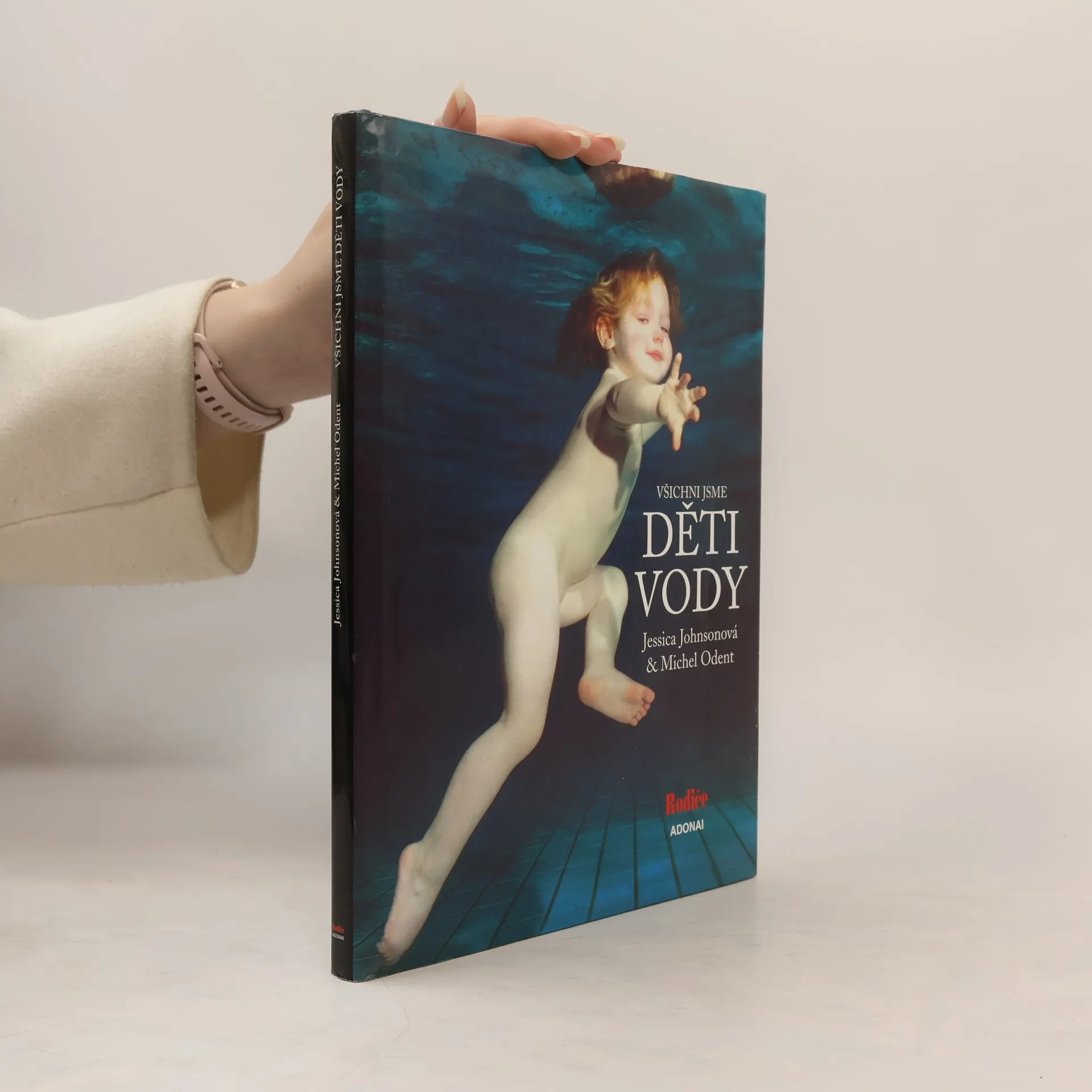
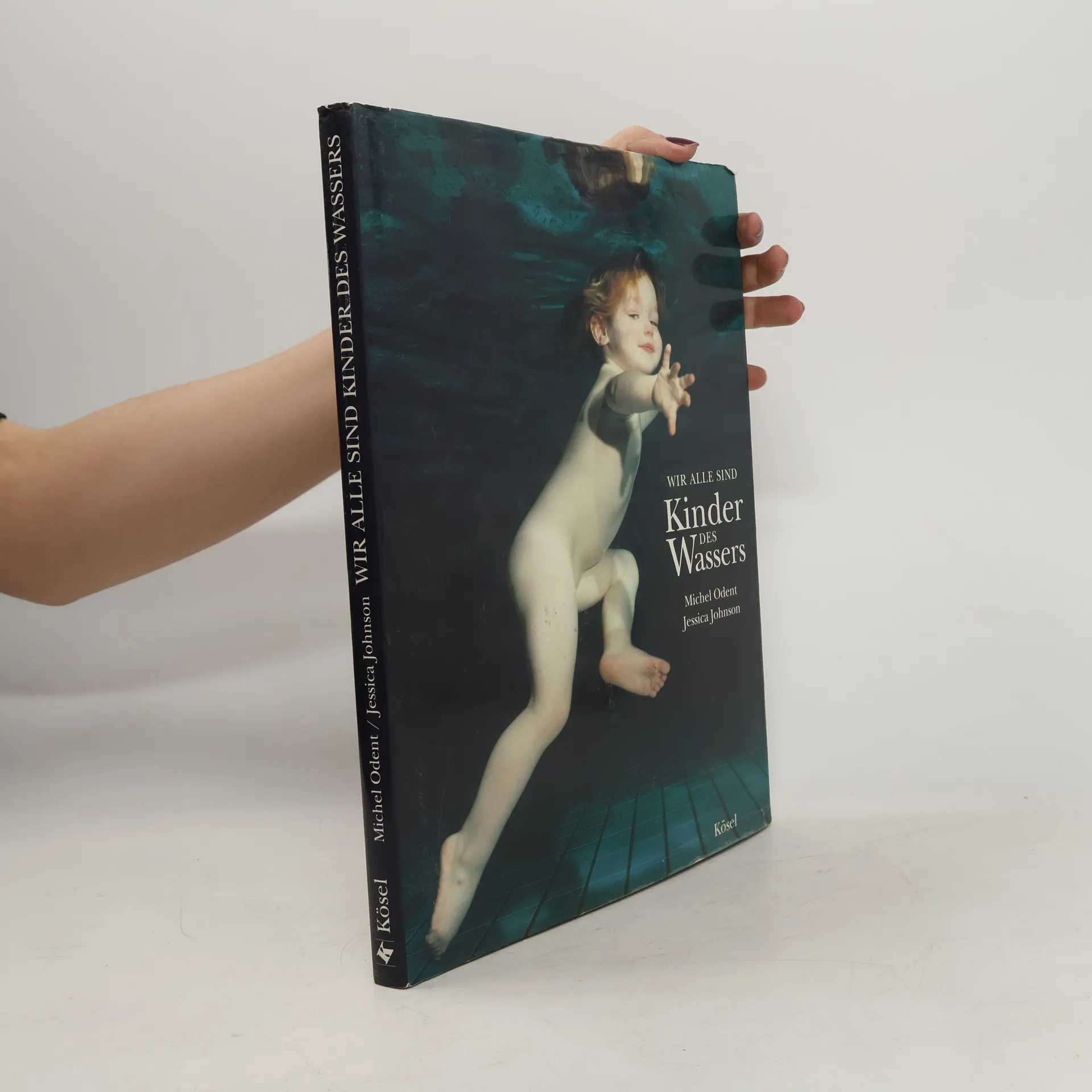
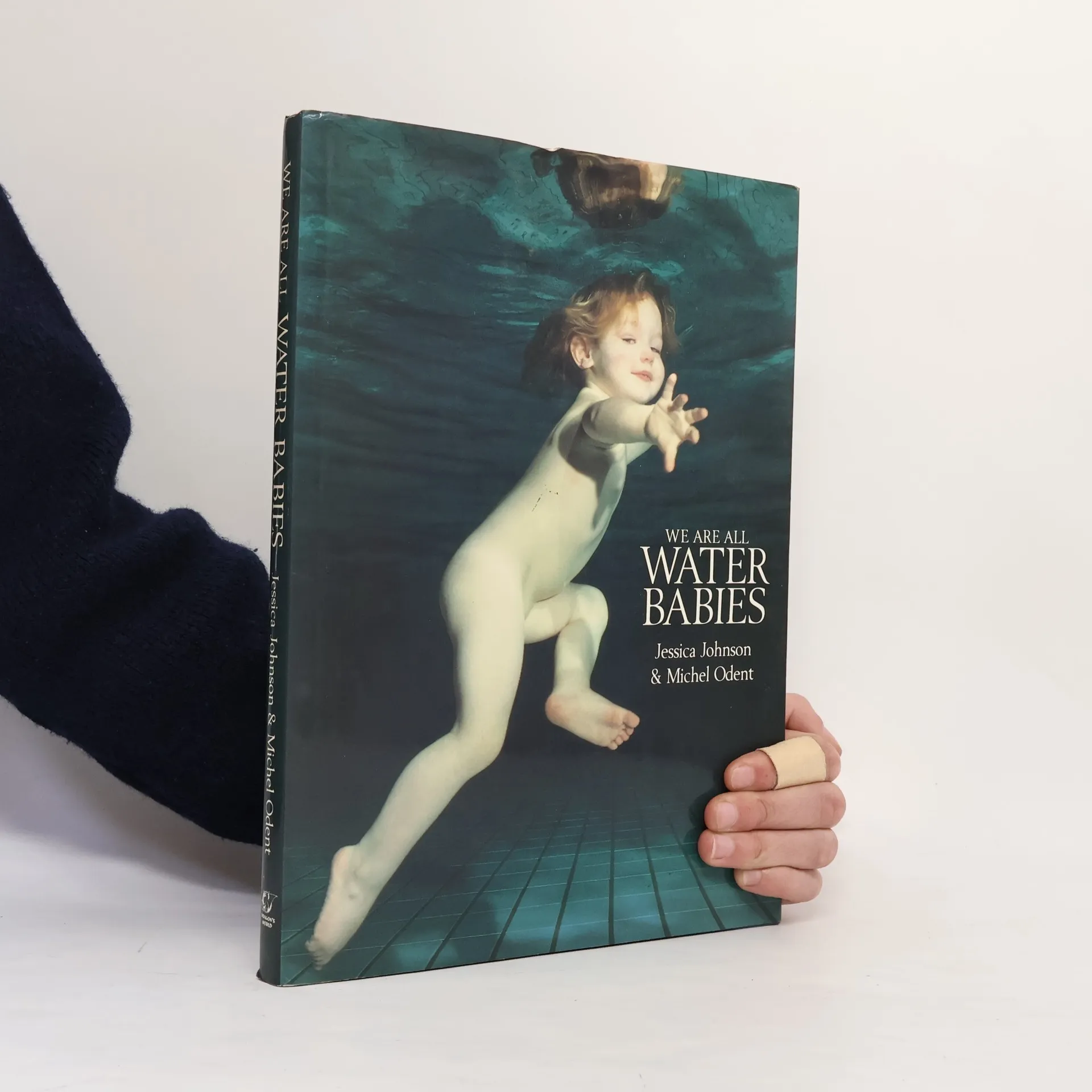
We Are All Water Babies
- 128 páginas
- 5 horas de lectura
Jessica Johnson and Michael Odent have created a fascinating exploration of our links with water from birth to death. Johnson has captured remarkable images of underwater births, pregnant women swimming with dolphins, and infants and babies swimming underwater--eyes open, breath held, delighted expressions on their faces. Odent's accompanying text is explanatory and he brings an interesting, off-beat approach to subjects such as birthing in a female environment, the role of water in sexuality, and whether or not humans were once sea mammals. Jessica Johnson's beautiful photographs, though, are what will bring you back to this book again and again. We Are All Water Babies is a wholly evocative and engaging book.
Primal Health
- 240 páginas
- 9 horas de lectura
Michel Odent, the leading pioneer for natural childbirth, indicates that the period between conception and a child's first birthday is critical to life- long health. Here, he argues that different parts of the 'primal adaptive system' develop, regulate and adjust themselves during foetal life and the time around birth and infancy.
Childbirth and the Future of Homo Sapiens
- 160 páginas
- 6 horas de lectura
Former obstetrician and childbirth pioneer Michel Odent argues that the aspect of human lifestyle that has been most profoundly changed in recent decades is the period of time surrounding the birth of a child. Since this formative time is considered critical in defining our species, Homo sapiens, fundamental changes in this area should herald significant evolution in regard to how babies are born. This, surely, should be at the heart of our discussions of the future, even above considerations of how humanity and planet earth interact.
Childbirth and the Evolution of Homo Sapiens
- 160 páginas
- 6 horas de lectura
This readable, yet thought-provoking book, will give anyone interested in evolution and the future of Homo sapiens much new material to consider.
Birth And Breastfeeding
- 176 páginas
- 7 horas de lectura
Expectant parents, midwives, doulas, childbirth educators, those involved in public health, and all those interested in the future of humanity, will find this a provocative and visionary book.
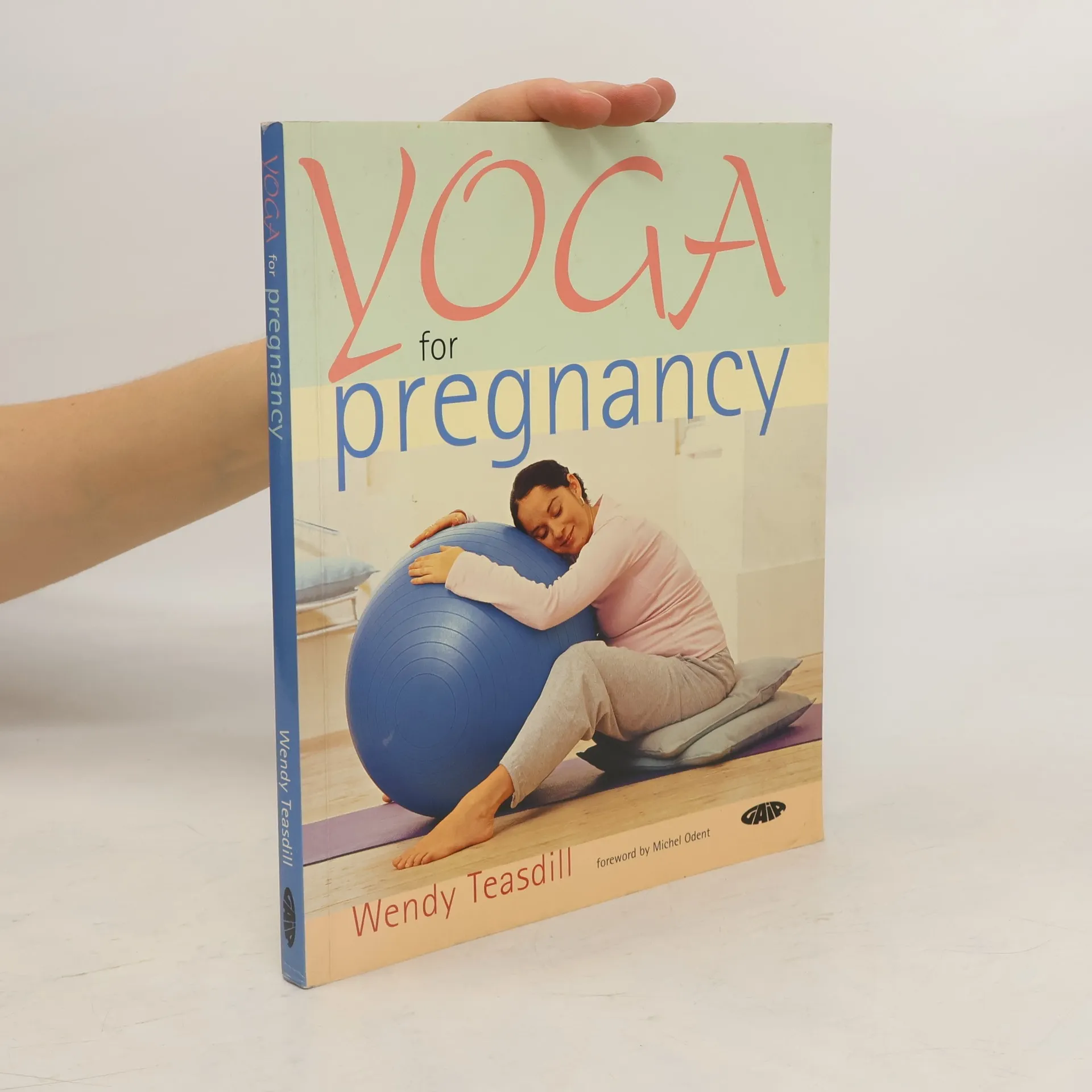
Each pregnancy is unique and, in "Yoga for Pregnancy", Wendy Teasdill acknowledges each woman's individuality and helps her learn to connect with her own body, mind and emotions, in order to build a harmonious bridge to her growing baby. As pregnancy brings its emotional ups and downs, Wendy teaches yoga to bring tranquillity and to help each woman attune to her baby and her own joy.
Yoga for pregnancy
- 128 páginas
- 5 horas de lectura
This title is designed for beginners and veterans, illustrating the most suitable breathing techniques for each stage of pregnancy, as well as how to prepare for birth itself. Also included are exercises to provide relief from common pregnancy problems causing discomfort.
Tato kniha je o tom, proč vyslovovat otázky, které se týkají možné transformace Homo sapiens v souvislosti s tím, jak přicházíme na svět. Zaprvé proto, že doba kolem porodu je nepochybně fází moderního života, která se za poslední desetiletí dramatickým způsobem změnila. Zadruhé proto, že nové vědní disciplíny potvrzují, že toto krátké období je „zásadní“ pro utváření lidských bytostí. Přenos získaných vlastností na následující generace navíc můžeme z vědeckého hlediska vysvětlit: je to okamžik, který je zásadní pro naše porozumění mechanismu evoluce druhu. V době, kdy se porodnická praxe hodnotí pouze podle krátkodobých měřítek, by nás tato první kniha o evoluci Homo sapiens v souvislosti s tím, jak přicházíme na svět, měla podpořit v přemýšlení z dlouhodobého hlediska a v kontextu evoluce svého druhu.
Císařský řez
- 183 páginas
- 7 horas de lectura
V mnoha zemích světa se dnes alespoň jedno dítě ze čtyř rodí císařským řezem. Toto je první kniha, která se zabývá všemi klíčovými otázkami spojenými s tímto zákrokem. Michel Odent se podílel na půl století historie císařského řezu a je tedy jedinečně vybaven k tomu, aby mohl s plnou autoritou pokládat tyto naléhavé, životně důležité otázky: - Jak se tato velkolepá záchranná operace stala tak běžným způsobem příchodu na svět? - Proč je podíl provedení císařského řezu v některých zemích 10 % a v jiných zemích 50 %? - Proč nebylo s příchodem císařského řezu eliminováno použití riskantních zákroků, jako je porod kleštěmi? - Proč bychom měli přistupovat různým způsobem k předem naplánovanému císařskému řezu, který není proveden v průběhu porodu, císařskému řezu provedenému v průběhu porodu a císařskému řezu provedenému v případě nouze? - Je kojení po císařském řezu snadné? - Co víme o dlouhodobých následcích porodu císařským řezem pro dítě? - Co víme o dlouhodobých následcích porodu císařským řezem pro matku? - O co matka a dítě přicházejí, nedojde-li k porodu vaginální cestou? … a řadu dalších.
Modephänomen Kaiserschnitt – die unterschätzten Folgen • 25 % aller Geburten erfolgen per Kaiserschnitt • Erhöhtes Risiko von Allergien, Asthma und Autismus Warum werden heutzutage immer mehr Babys vom Chirurgen 'geholt', statt von der Mutter geboren? Einst Notoperation, ist der Kaiserschnitt längst zur gängigen Geburtspraxis in den Industrienationen geworden. Mit kritischem Blick beleuchtet Michel Odent die Folgen eines 'industrialisierten Geburtenmanagements' in unseren Kliniken, das den Eingriff ohne medizinische Notwendigkeit zunehmend standardisiert. Vor dem Hintergrund seiner dreißigjährigen Erfahrung als Geburtshelfer sowie neuester wissenschaftlicher Untersuchungen beschreibt er eindrucksvoll die weit reichenden körperlichen und psychischen Konsequenzen – von der Häufigkeit von Allergien, Asthma, Autismus, Stillproblemen bis hin zum Einfluss auf die spätere Mutter-Kind-Bindung. Ein aufrüttelndes, unverzichtbares Buch für Schwangere, Hebammen und Gynäkologen. Der renommierte Arzt und Begründer der sanften Geburt, Michel Odent, zeigt kritisch die Gefahren und Langzeitfolgen von Kaiserschnitt ohne medizinische Indikation auf und plädiert vehement für die natürliche Geburt.
Voda je životně důležitá pro všechny formy života, a jak ukazuje tato podnětná kniha, ovlivňuje lidské chování mnoha překvapivými způsoby. Kniha popisuje fenomén plavajících dětí, to, jak je voda důležitá před porodem, během něho i po něm, její léčivou moc ve všech stádiích života a roli ve vývoji lidského rodu. Text i úžasné barevné fotografie nám pomáhají pochopit: - fenomén plavajících kojenců; - kouzlo porodů ve vodě; - vazby mezi vodou, láskou a duševním zdravím; - životodárný a radostný vztah mezi lidmi a delfíny; - roli vody v rozvoji lidstva; - speciální fotografické techniky a informace o umělecko-technických fotografických pomůckách, které byly použity při tvorbě této knihy.
Tato kniha o mužských a ženských orgasmech přesvědčí kohokoliv, že lidskost se ocitá před nezbytnou, zásadní změnou. Díky vyspělým metodám asistovaného početí a císařských řezů, díky pokrokům anesteziologie a farmakologie a díky potravinářskému průmyslu, mohou dnes ženy dítě počít, porodit a také své novorozeně krmit, aniž by se musely spoléhat na vyplavení „hormonálního koktejlu lásky“. Lidská inteligence a vynalézavost udělala z hormonů lásky cosi nadbytečného. Zkusme se podívat do budoucnosti a zamysleme se nad naší civilizací v širším kontextu. V sázce je budoucnost lidstva.
Ina May's Guide to Childbirth
- 368 páginas
- 13 horas de lectura
One of the leading authorities on modern midwifery offers expectant mothers an alternative, explaining how to minimize the risks of epidurals, how to create a mutually supportive relationship among birth-care providers, medical procedures that can hinder labor, and why many cesarean sections are unnecessary. Original.
Potřebujeme porodní asistentky?
- 146 páginas
- 6 horas de lectura
Jaká je budoucnost lidské schopnosti rodit? Jaká je budoucnost nedostatečně využívaných fyziologických funkcí? Měli bychom očekávat evoluci druhu Homo sapiens v souvislosti s tím, jakým způsobem přicházejí děti na svět? Mohou být rychle se vyvíjející vědecké disciplíny spouštěčem nového vývoje vědomí? V této knize proslulý porodník Michel Odent bere otázku „Potřebujeme porodní asistentky?“ jako jakýsi výchozí bod a prezentuje zde rozsáhlý pohled na budoucnost porodu z perspektivy vzájemně propojených vědních oborů. Dojde-li ke změně paradigmatu, jaký druh porodních asistentek bude zapotřebí? Jak dlouho ještě můžeme neutralizovat zákony přirozeného výběru? Položí si lidé životně důležité otázky dříve, než bude příliš pozdě? Bezprecedentní situace by měly být především inspirací ke kladení vhodných otázek.
Kniha je pokusem o charakteristiku historie 20. století. Autor odhaluje překvapující souvislosti, mezi způsobem života naší civilizace, naším vztahem k přírodě a způsobem rození dětí, který naše civilizace považuje za normální. Jeden z propagátorů přirozeného porodu věnuje podstatnou část knihy instinktům a vztahům matky a novorozeného dítěte a má cenné rady pro všechny maminky, které chtějí přivést své dítě na svět co nejšetrněji. Slovo autora: Zorný úhel, z něhož jsem k této práci přistupoval, je praktický. Soustředil jsem se na dva jevy - industrializované zemědělství a industrializovaný porod - které je zapotřebí lépe analyzovat a pochopit, abychom se mohli lépe připravit na nadcházející staletí. V době, kdy si začínáme uvědomovat, že naše nadvláda nad přírodou má své meze, se musí změnit dokonce i role historie. Dějepisným knihám stále ještě dominují vztahy - a zejména konflikty - mezi jednotlivými skupinami lidí. Hlavním tématem současné historie by se však měl stát prudký rozvoj dichotomie mezi lidstvem a přírodními zákony. Nová vědecká pravda netriumfuje tím, že by přesvědčila své oponenty a umožnila jim spatřit světlo, nýbrž tím, že její oponenti nakonec vymřou a vyroste nová generace, které bude tato pravda důvěrně známá. Z tohoto důvodu doufám, že si tato kniha najde cestu k nové generaci mladých lidí.
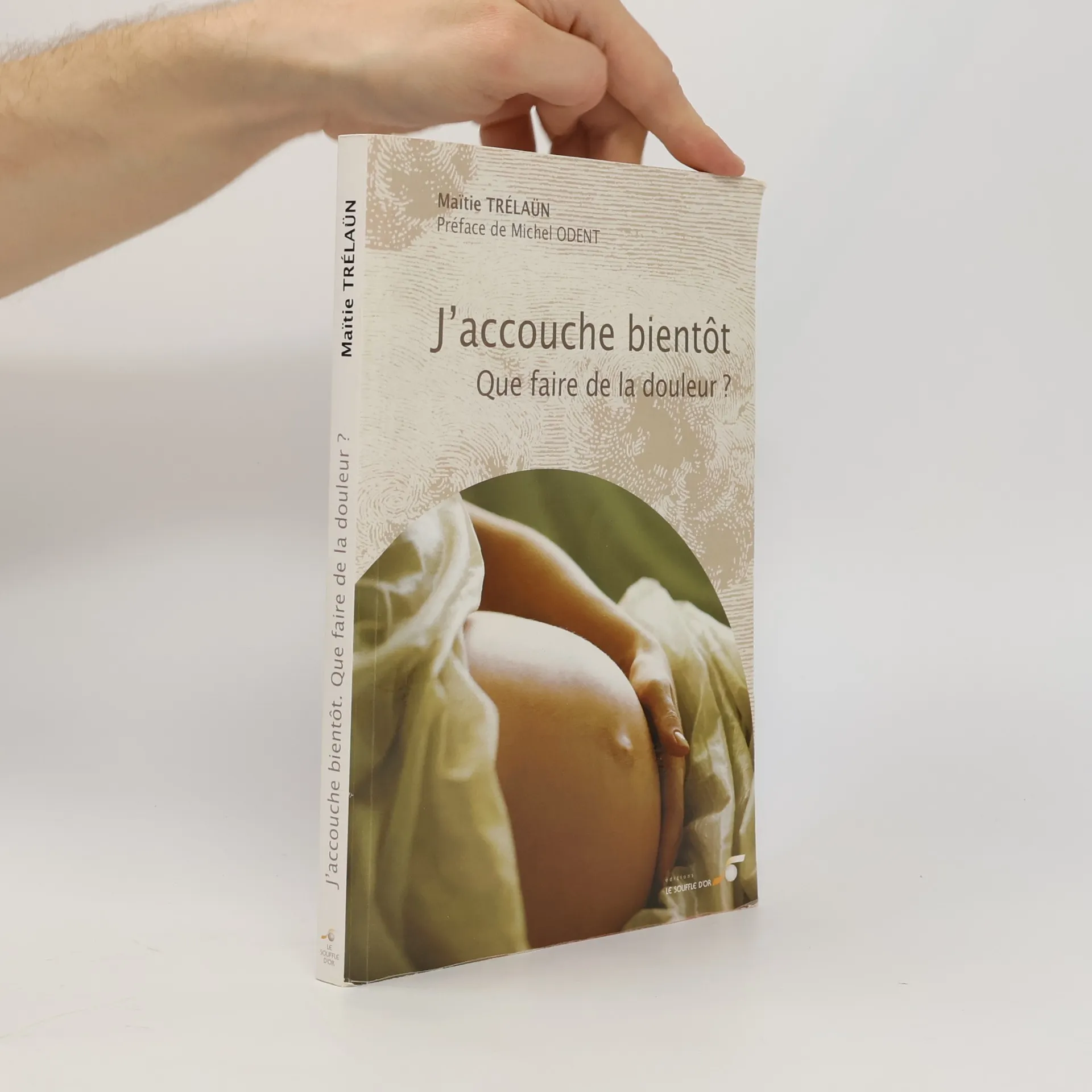
Présentation de l'éditeurDepuis la nuit des temps, les femmes mettent au monde leur petit d Homme. Ce moment est bien souvent vécu comme une épreuve douloureuse. Pourquoi ?Quelle est cette douleur ? Faut-il aller à sa rencontre ou la fuir ? Pourquoi est-elle si souvent vécue comme une souffrance ?L analgésie péridurale est-elle la solution ? En connaissons-nous les conséquences ?Ce livre décrit la physiologie de la naissance jusqu'à présent mal connue et présente une réflexion sur la douleur en général et la douleur de l enfantement en particulier. Il apporte une compréhension globale de l enfantement très novatrice, aux antipodes de l hyper médicalisation actuelle. Les parents trouveront ici des outils concrets pour vivre ce moment, donner du sens à cette douleur, en faire un tremplin vers soi-même, être acteur de cette naissance. Il offre la possibilité à celles qui ont déjà accouché de porter un autre regard sur ce qu elles ont vécu et d en prendre soin.Fruit de ses vingt-six années d accompagnement des mères et des pères dans la naissance de leur enfant, l auteur nous livre également de nombreux témoignages où les femmes se montrent grandies par ce passage. Au-delà de la mise au monde de son bébé, chacun peut trouver dans ces mots un éclairage pour accompagner les différents passages de sa propre vie.
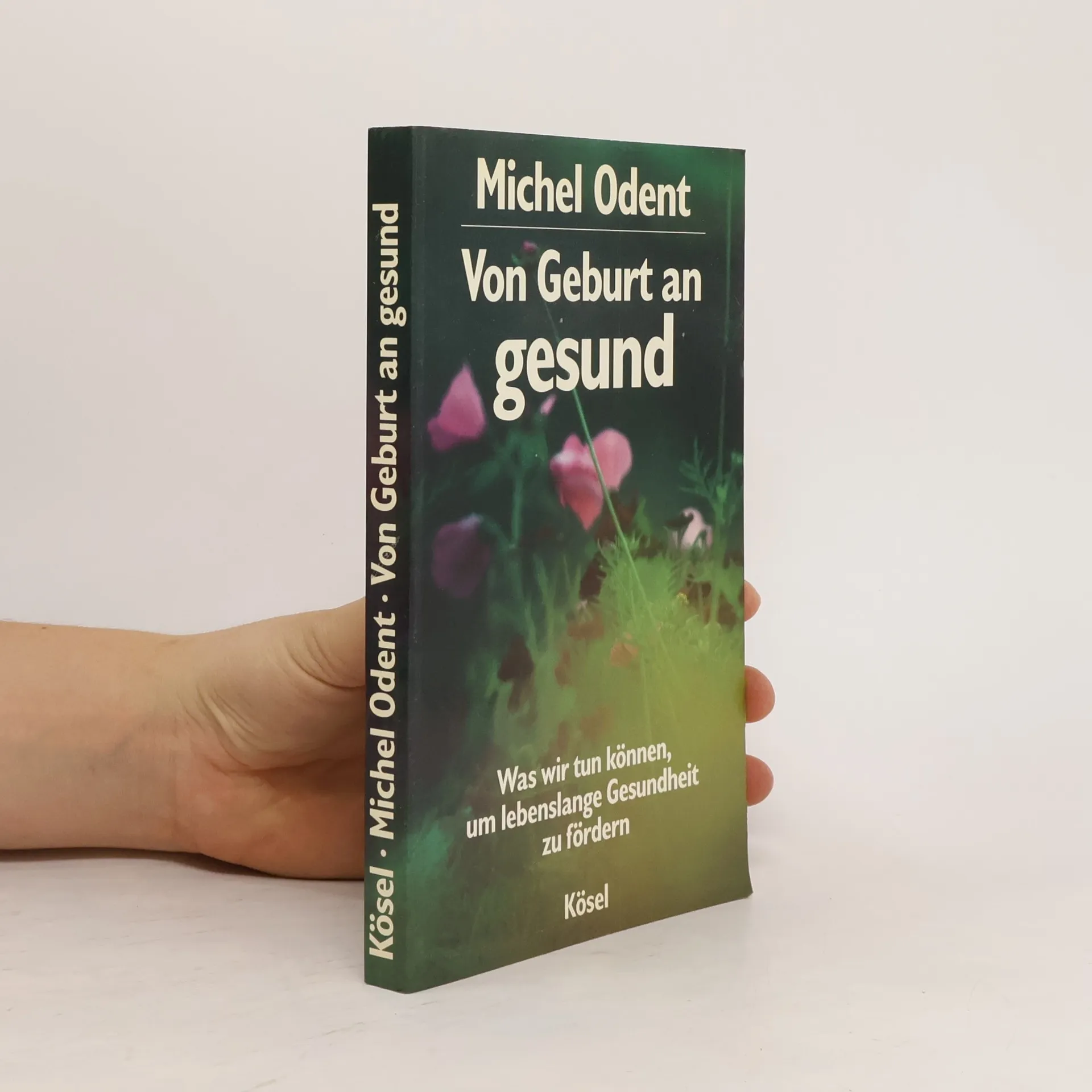
Von Geburt an gesund
- 170 páginas
- 6 horas de lectura
Wir alle sind Kinder des Wassers
- 128 páginas
- 5 horas de lectura
Книга выдающегося врача-акушера Мишеля Одена - совершенно новый взгляд на Homo, основанный на синтезе новейших данных генетики, физиологии, истории и археологии. Сегодня можно рассматривать человека как представителя семьи шимпанзе, приспособленного к жизни у морского побережья, - из этого следуют важнейшие практические выводы, касающиеся развития в перинатальный период, питания и здоровья. Доминирование человека над природой достигло крайней степени и ставит под угрозу будущее человечества и всей планеты. Возможный выход - то, чт автор называет симбиотической революцией. Для широкого круга читателей, интересующихся человеческой природой и вопросами охраны материнства: акушеров, антропологов, экологов, студентов медицинских, биологических и социологических специальностей, психологов, родителей.
Techno-critique - 1: Bien naître
- 152 páginas
- 6 horas de lectura
Lotus Birth: il parto integrale. Nati con... la placenta!
- 173 páginas
- 7 horas de lectura
"Lotus Birth" è un termine coniato nel 1979; è un metodo di parto che si va affermando nel mondo intero, una pratica antica che consiste nel non recidere il cordone ombelicale e nel lasciare il bambino collegato alla placenta dopo il secondamento, fino al distacco spontaneo, da tre a dieci giorni dopo la nascita. Il feto e la placenta si formano dalla stessa cellula, quindi sono una cosa sola; se non separato artificialmente da questa parte di sé, il neonato godrà di un sistema immunitario più robusto, perché tutta la forza vitale contenuta nella placenta e una considerevole quantità di sangue potranno essergli trasmesse compiutamente attraverso il cordone. Anche i bambini che nascono con il cesareo possono beneficiarne.
Elever son enfant... autrement
- 324 páginas
- 12 horas de lectura
De l'haptonomie à l'accouchement " comme à la maison", du chant prénatal aux jeux coopératifs, Catherine Dumonteil-Kremer donne des pistes pour aider les parents à faire des choix d'éducation cohérents et respectueux de l'enfant. L'auteur s'appuie sur des articles de spécialistes mais aussi sur des témoignages de parents "experts" en leur domaine qui ont eu la générosité de partager leur savoir-faire fabrication d'un porte-bébé ou de couches lavables, allaitement du bambin, techniques non-violentes de résolution des conflits... Elle aborde les petites activités du quotidien (celles qui font les souvenirs merveilleux) tout comme les grands bouleversements, pour nous aider à acquérir ce que Michel Odent appelle l'art de " parenter ". Catherine Dumonteil-Kremer est consultante familiale, formatrice aux techniques de communication interpersonnelles, enseignante, éducatrice Montessori et animatrice en chant prénatal et familial. Elle est également maman de trois filles.