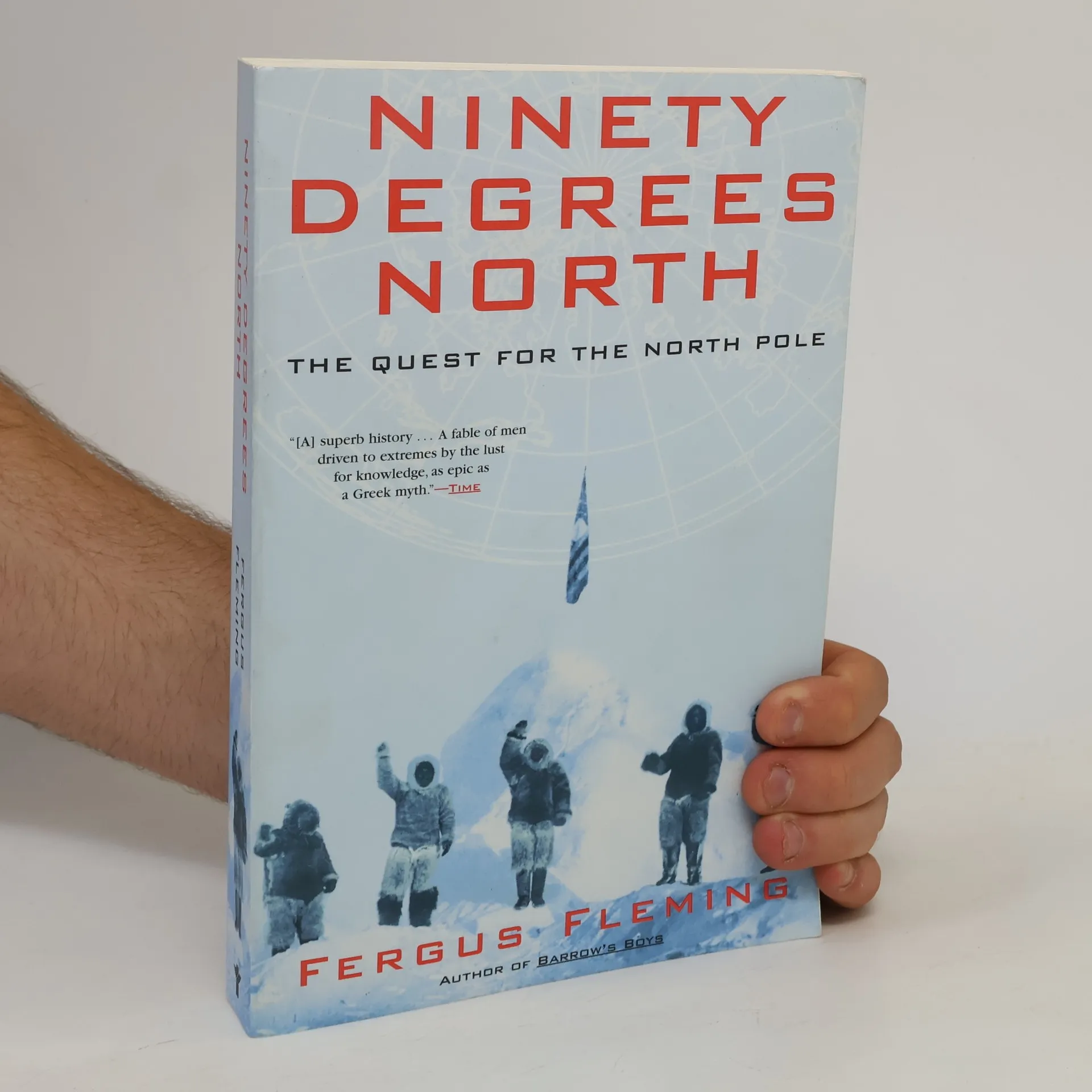
In the nineteenth century, theories about the North Pole ran rampant. Was it an open sea? Was it a portal to new worlds within the globe? Or was it just a wilderness of ice? When Sir John Franklin disappeared in the Arctic in 1845, explorers decided it was time to find out. In scintillating detail, Ninety Degrees North tells of the vying governments (including the United States, Britain, Germany, and Austria-Hungary) and fantastic eccentrics (from Swedish balloonists to Italian aristocrats) who, despite their heroic failures, often achieved massive celebrity as they battled shipwreck, starvation, and sickness to reach the top of the world. Drawing on unpublished archives and long-forgotten journals, Fleming tells this story with consummate craftsmanship and wit. Ninety Degrees North is a riveting saga of humankind's search for the ultimate goal.
Fergus Fleming Libros


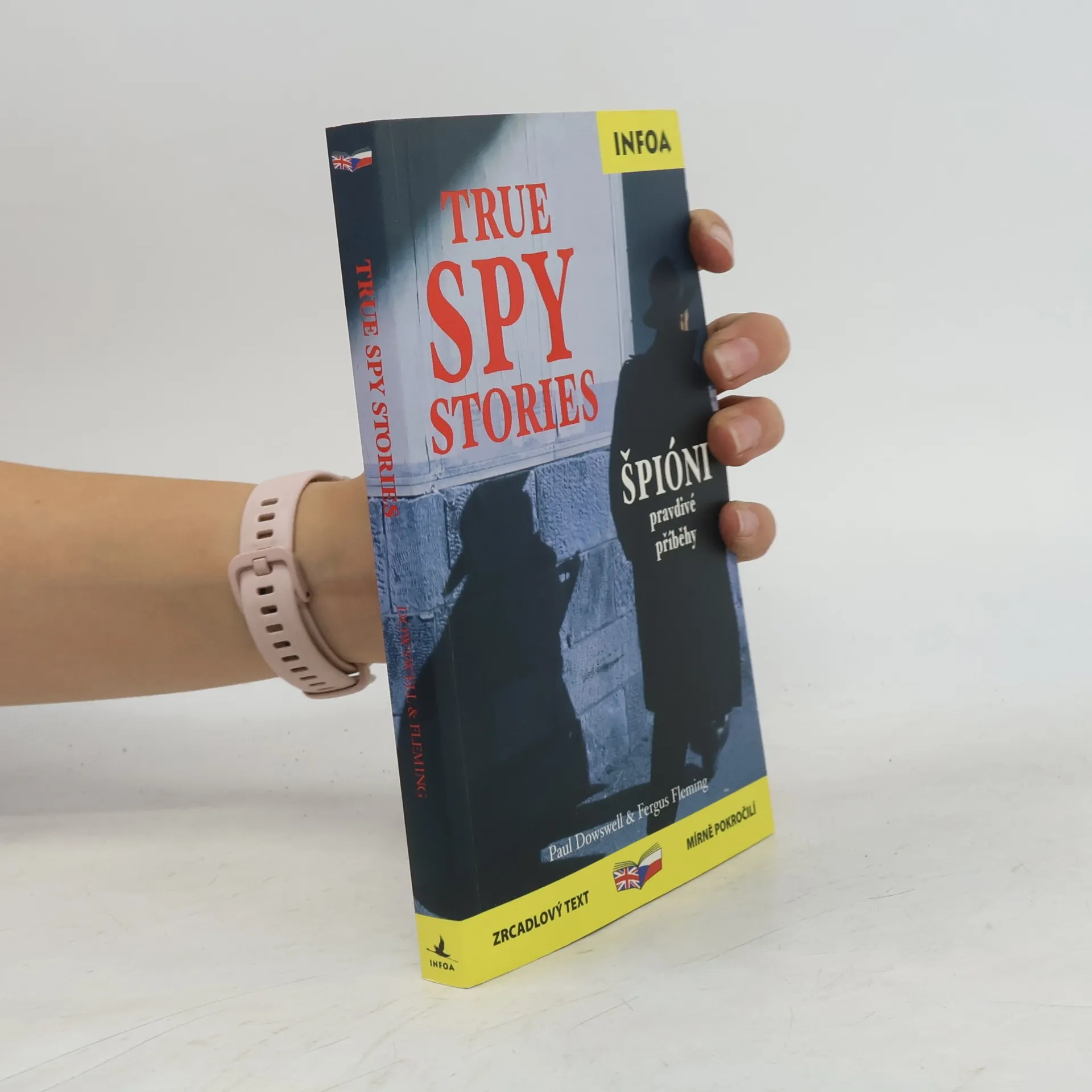
Špióni: Pravdivé přiběhy / True Spy Stories
- 207 páginas
- 8 horas de lectura
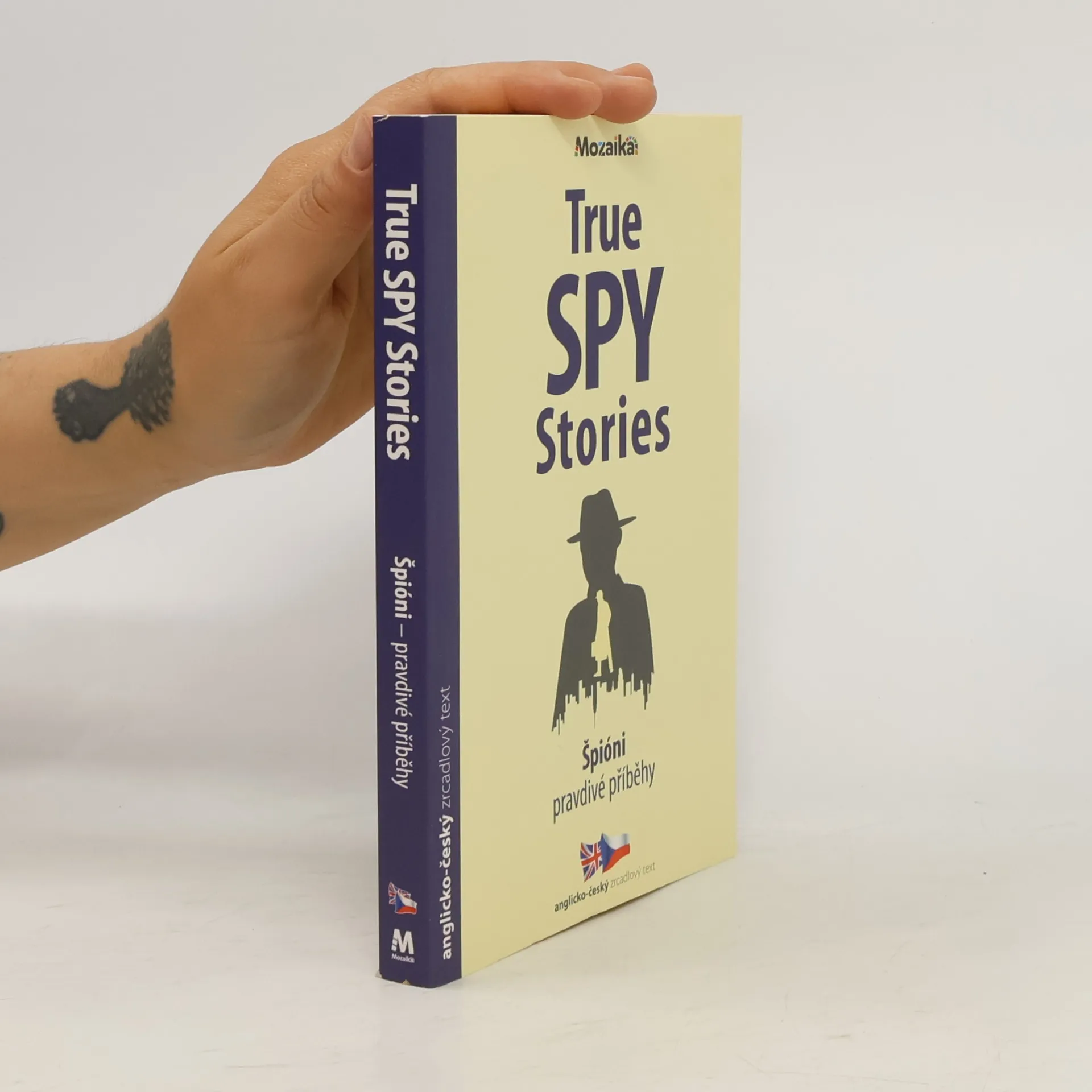
Zrcadlový text vám přináší napínavý příběh jak v českém tak anglickém jazyce – na levé straně knihy je původní text, na pravé jeho překlad do češtiny. Ideální čtení nejen na dovolenou, u kterého se pobavíte, ale navíc se procvičíte v angličtině! Pravdivé příběhy Vás zavedou do míst, kde jde o boj o přežití mezi špiony. Kniha je navíc doplněna užitečnými poznámkami pod čarou, které čtenáře upozorní na důležitá anglická slovní spojení. Doporučujeme všem mírně pokročilým k procvičení pochopení anglického textu.
Barrow's Boys
- 512 páginas
- 18 horas de lectura
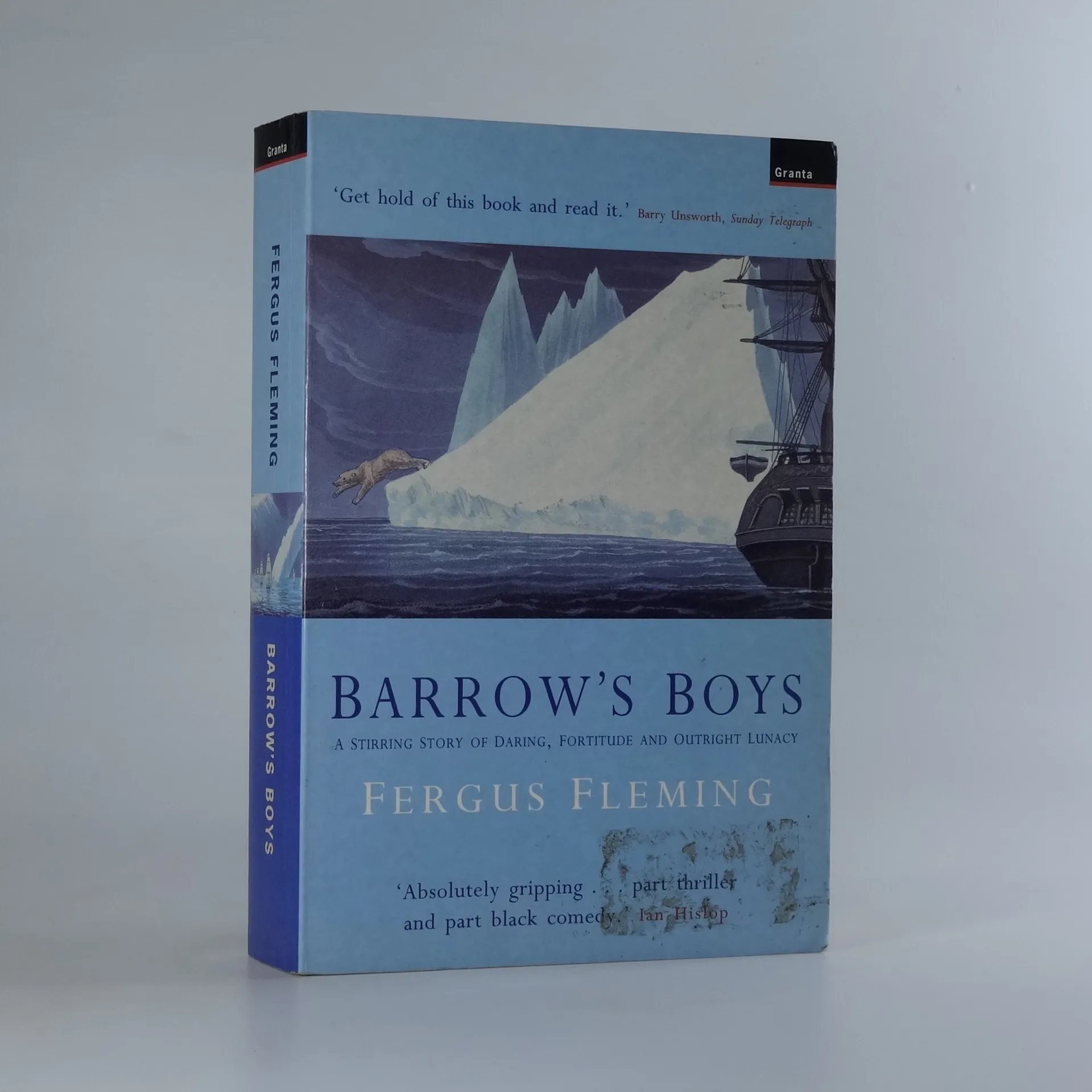
Between 1816 and 1845, John Barrow launched the most ambitious programme of exploration the world had ever seen. His hand-picked teams of elite naval officers scoured the globe's empty spaces, often at odds with each other and in surreal conditions.
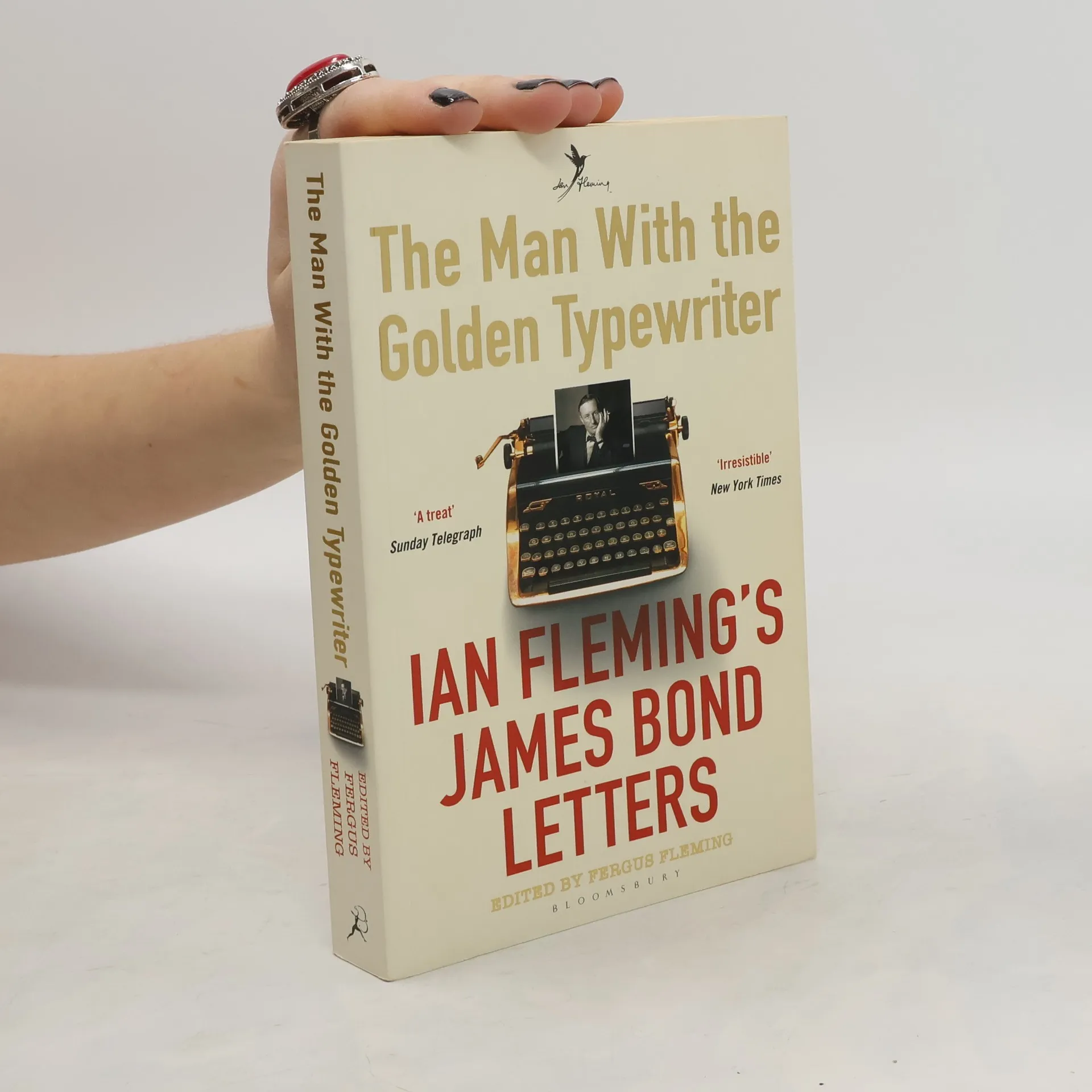
On 16 August 1952, Ian Fleming wrote to his wife, Ann, 'My love, This is only a tiny letter to try out my new typewriter and to see if it will write golden words since it is made of gold'. He had bought the gold-plated typewriter as a present to himself for finishing his first novel, Casino Royale. It marked in glamorous style the arrival of James Bond, agent 007, and the start of a career that saw Fleming become one of the world's most celebrated thriller writers. And he did write golden words. Before his death in 1964 he produced fourteen bestselling Bond books, two works of non-fiction and the famous children's story Chitty-Chitty-Bang-Bang. Fleming's output was matched by an equally energetic flow of letters. He wrote constantly, to his wife, publisher, editors, fans, friends and critics, charting 007's progress with correspondence that ranged from badgering Jonathan Cape about his quota of free copies -- a coin was tossed; Fleming lost - to apologising for having mistaken a certain brand of perfume and for equipping Bond with the wrong kind of gun. His letters also reflect his friendships with contemporaries such as Raymond Chandler, Noel Coward and Somerset Maugham. Before the world-famous films came the world-famous novels. This books tells the story of the man who wrote them and how he created spy fiction's most compelling hero.
The Way to Eternity. Egyptian Myth and Mankind
- 144 páginas
- 6 horas de lectura
A dramatic series that captures, culture by culture, the information that never makes it into the history books: strange stories, mystic rites, angry gods, vision quests.
Killing Dragons
- 400 páginas
- 14 horas de lectura
Killing Dragons is the story of the first British mountaineers to tackle the Alpine summits of Switzerland during the late 18th century, originally quite poorly equipped. The title of dragons refers to the legendary creatures of these parts. schovat popis
The Explorer's Eye
- 264 páginas
- 10 horas de lectura
An illustrated collection of first-hand accounts by key scientific explorers offers insight into how they worked and what they saw as photographed or sketched, in a volume that features the writings of such figures as Robert Peary, Jacques Cousteau, and Neil Armstrong.
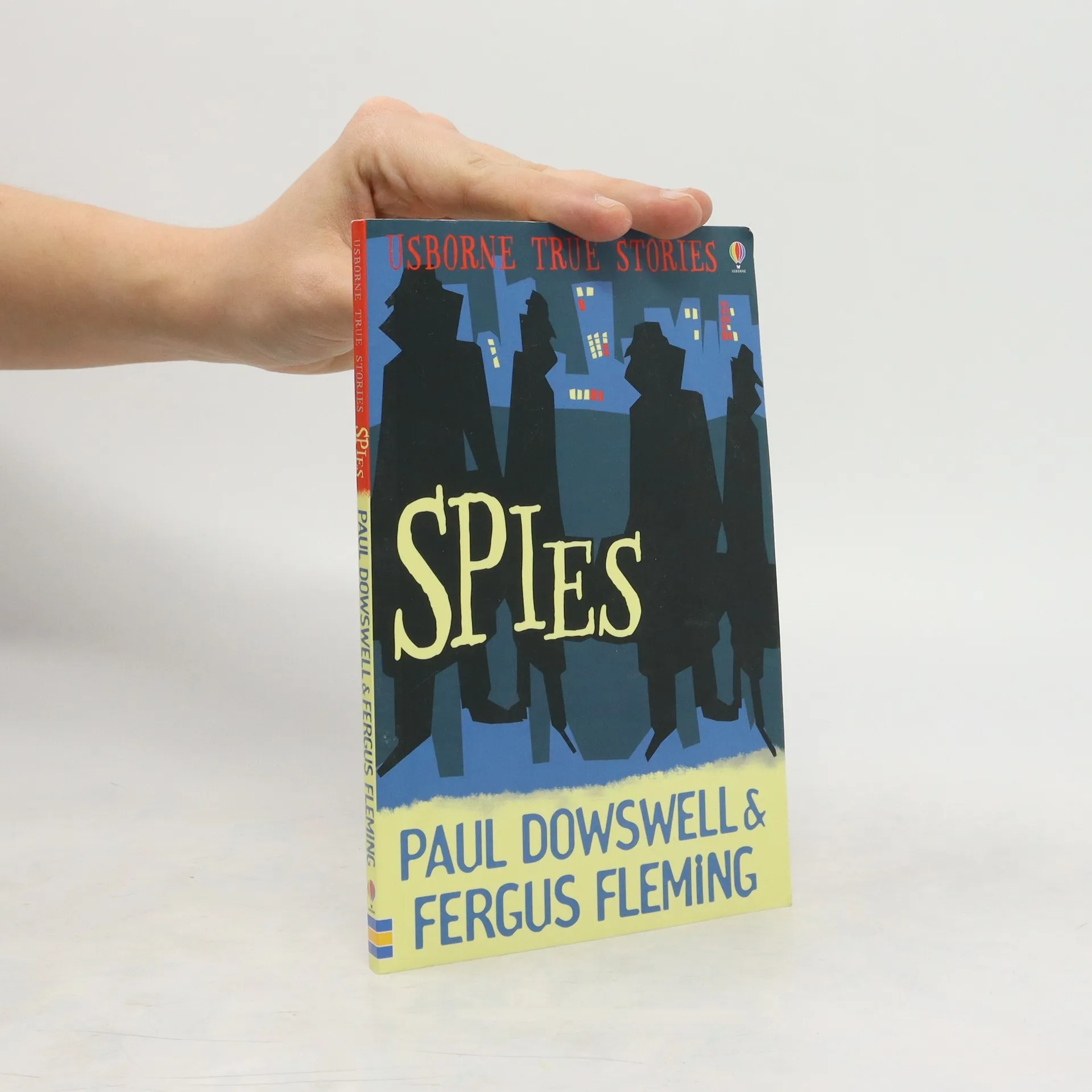
'Spies' is a collection of chilling tales from the world of espionage - from the glittering domain of Mata Hari in turn of the century Paris, to the clinical Cold War professionals of Washington and Moscow.
True spy stories / Špióni - pravdivé příběhy
- 207 páginas
- 8 horas de lectura
Zrcadlový text vám přináší napínavý příběh jak v českém tak anglickém jazyce – na levé straně knihy je původní text, na pravé jeho překlad do češtiny. Ideální čtení nejen na dovolenou, u kterého se pobavíte, ale navíc se procvičíte v angličtině! Pravdivé příběhy Vás zavedou do míst, kde jde o boj o přežití mezi špiony. Kniha je navíc doplněna užitečnými poznámkami pod čarou, které čtenáře upozorní na důležitá anglická slovní spojení. Doporučujeme všem mírně pokročilým k procvičení pochopení anglického textu.
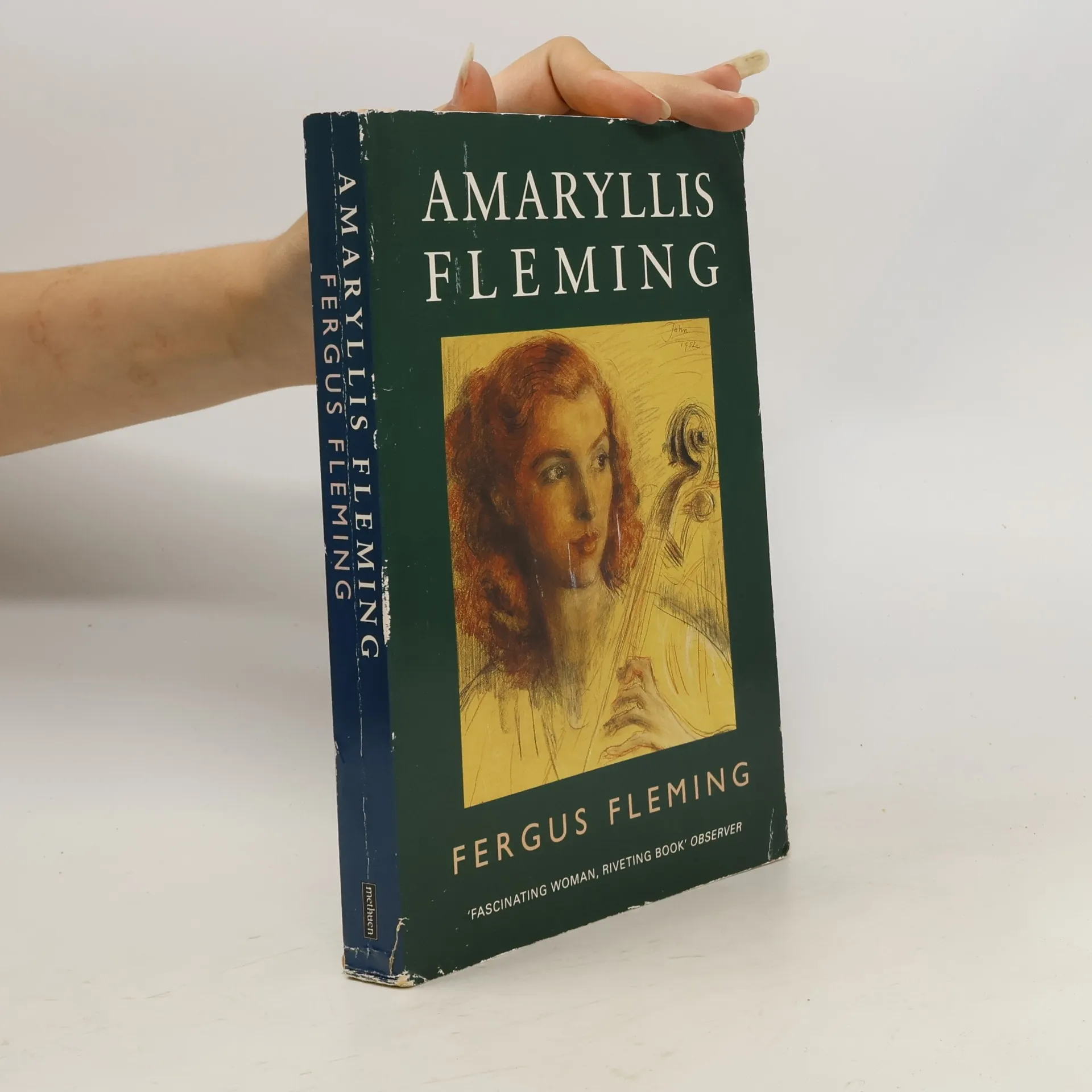
Amaryllis Fleming
- 270 páginas
- 10 horas de lectura
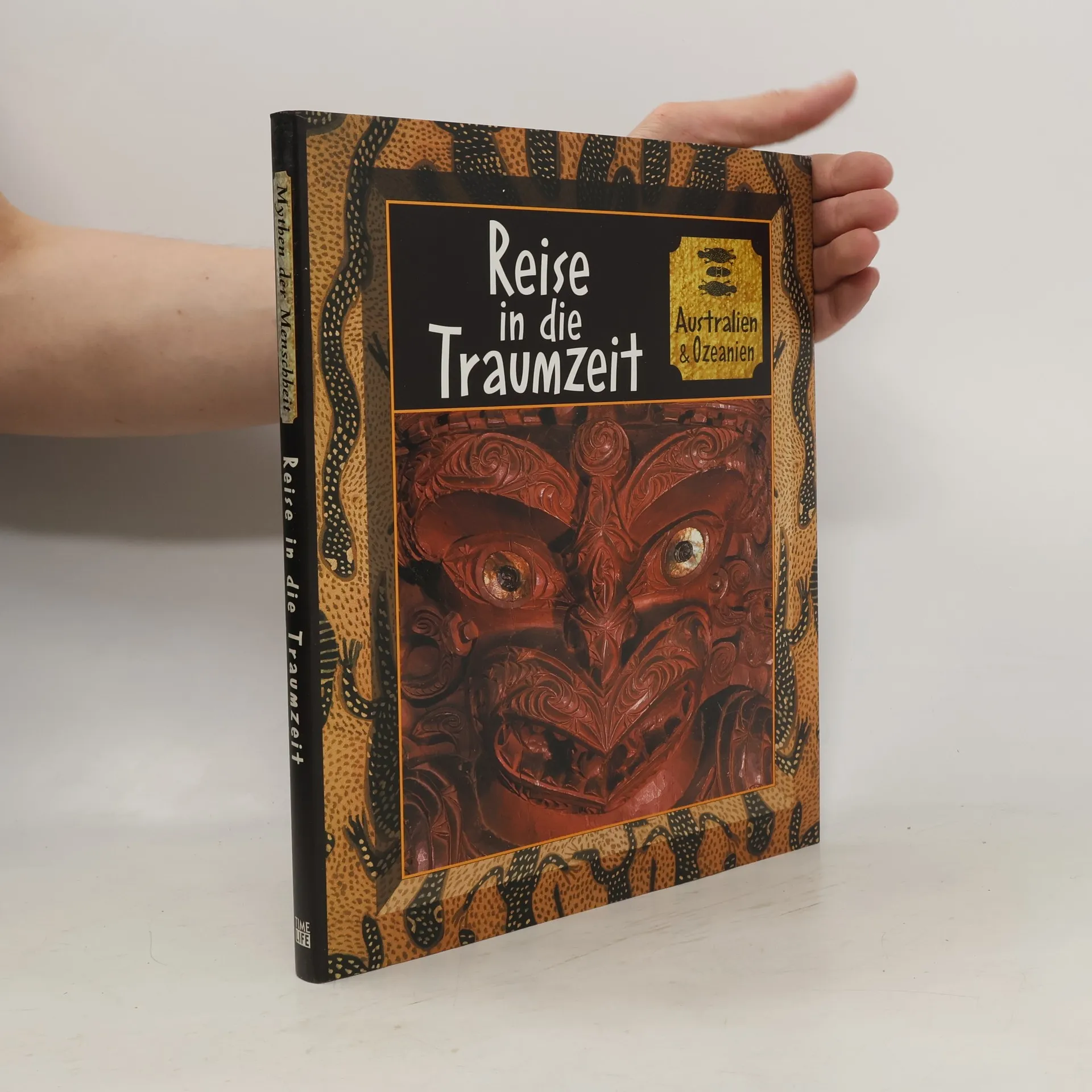
Australien und Ozeanien. Reise in die Traumzeit
- 144 páginas
- 6 horas de lectura
Die Entwicklung der Städte
- 175 páginas
- 7 horas de lectura
Die Kreuzzüge
- 176 páginas
- 7 horas de lectura
Trikolore über der Sahara
- 398 páginas
- 14 horas de lectura
Nach der gefährlichen Bezwingung der Alpengipfel und den mühsamen Expeditionen zum Nordpol zieht es Bestsellerautor Fergus Fleming, den Spezialisten für Abenteuerreisen, in seinem neusten Buch an den heißesten Ort auf der Erde: die Sahara. Mitte des 19. Jahrhunderts breitete sich die Große Wüste zwischen den französischen, britischen und italienischen Kolonien von Marrakesch bis Khartoum aus. Reisende berichteten von der Goldenen Stadt Timbuktu und paradiesischen Oasen, während Imperialisten von der Sahara als Herzstück eines französischen Kolonialreiches träumten. Ein buntes Gesindel - Glücksritter, gelangweilte Kolonialbeamte, tollkühne Offiziere, Missionare - strömte in die Sahara mit unterschiedlichen Motiven: Forschen, Reichtum erhoffen, die einheimischen Nomaden knechten oder missionieren. Die Idee, die jahrtausendealte Karawanenroute durch eine Eisenbahn zu ersetzen, wurde zur fixen Vorstellung. Die Beherrschung der Wüste und ihrer Bewohner raubte manchem den Verstand. Timbuktu entpuppte sich als schäbiges Hüttendorf, die Ufer des Tschadsees als unwirtlich, und der Reichtum der Oasen als Fata Morgana. Dennoch wurde das Ziel erreicht: Über Nordwestafrika wehte die Trikolore. Fleming erzählt diese Episode aus der „goldenen Ära“ des Kolonialismus mit sicherem Gespür für die Gier nach Ruhm, Gold und Abenteuer. „Trikolore über der Sahara“ ist ein schonungsloser Bericht über europäische Hybris im Zeitalter des weißen Mannes.
Egipt: droga do wieczności
- 144 páginas
- 6 horas de lectura
Het zwaard en het kruis
- 366 páginas
- 13 horas de lectura
Verkenningstochten door de Sahara door twee Franse avonturiers eind 19e eeuw en begin 20e eeuw.