

A challenging look at Jewish life in the UK today. Britain’s Jews looks at what it is like to be Jewish in 21st-century Britain. Is there a new confidence in the Jewish community and is this a good thing?
Harry Freedman Orden de los libros (cronológico)
Este autor profundiza en las historias profundas y a menudo controvertidas de textos religiosos y corrientes de pensamiento. Su obra explora los misterios de la Cábala, desvela el fascinante y turbulento desarrollo de la Biblia e ilumina el complejo mundo del Talmud. Con un estilo literario detallado y narrativo, el autor revela cómo estos textos han dado forma a sociedades, encendido pasiones y, a veces, incluso la violencia, mostrando su impacto perdurable en la historia humana.

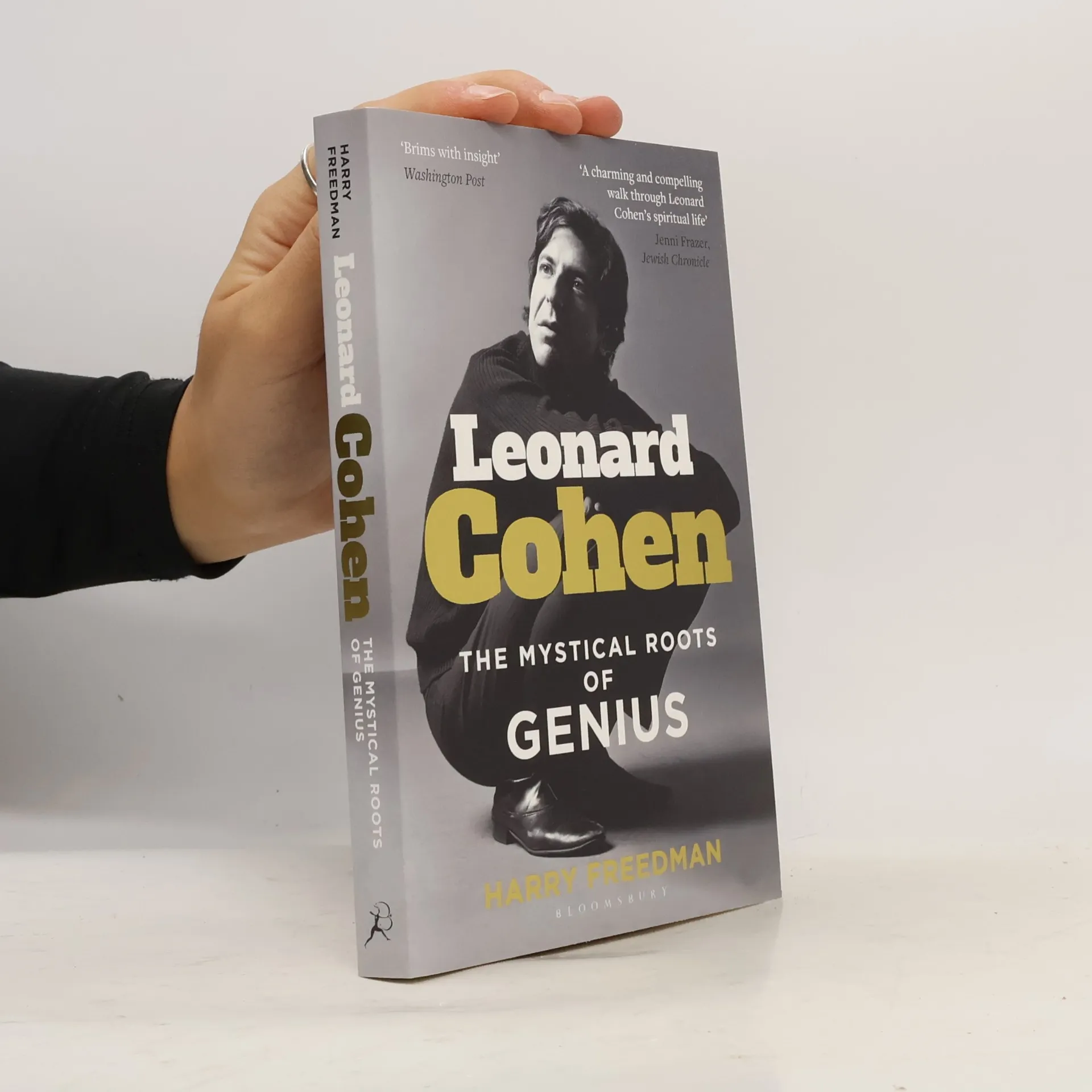
Leonard Cohen taught us that even in darkness there is light, and with our dying breath, we can still sing Hallelujah. Harry Freedman uncovers the spiritual traditions behind Cohen's profound lyrics, revealing how his deep knowledge of Judaism and Christianity shaped his identity and worldview. This exploration delves into the mystical sources that inspired Cohen, discussing their context and the ideas behind them. His music is rich with allusions to Jewish and Christian traditions, drawing from the Bible, Talmud, and Kabbalah. From the classic 'Suzanne' to 'Hallelujah' and 'You Want It Darker,' Cohen used spirituality to create understanding and beauty. Born into a scholarly Jewish family in Montreal, he initially aimed to be a poet before turning to songwriting. His immersion in Zen Buddhism led him to a monastery in California, where he spent several years. Cohen passed away just before the 2016 election, leaving a lasting legacy. Freedman’s work departs from traditional biography, examining Cohen's songs individually to reveal how he reworked myths, prayers, and allegories, with an index for readers to explore their favorites. This book offers a powerful understanding of Cohen's story and the mystical origins of his unique artistry.