

They wrote States of Plague in response-as a guide to these moments where the written and the real collide. For many people, The Plague feels personal now. And through this lens, certain features became vital: Camus's sensitivity toward illness, his experience of a contagious disease, the cost of separation in his own life, and the psychology and politics of the city in quarantine. Because they come to the book from different perspectives, Kaplan and Marris alternate their voices so that their chapters offer two complementary ways of looking at Camus. They find that their sense of Camus evolves under the force of a new reality, alongside the pressures of illness, recovery, concern, and care in their own lives. Kaplan herself is struggling with a case if Covid as the book opens; as it closes, Marris receives her first vaccine shot. In between, they find, aspects of Camus's novel that once seemed merely literary spoke directly to their own fear and grief. .
Alice Kaplan Libros


Brilliantly uniting the personal and the critical, this powerful autobiographical experiment tells the story of an American woman escaping into the French language while grappling with her learning history. The narrative begins with a distinctly American quest for an idealized France of intellect, but soon confronts the darker aspects of French political and cultural life. The author, daughter of a Jewish lawyer who prosecuted Nazi war criminals, grew up in the Midwest during the 1960s. After her father's death at seven, French became her means of "leaving home" and discovering herself in another culture. In spare, midwestern prose, she recounts her passionate pursuit of the French "r," her accent refinement, and her immersion in the language and idioms of her French lover while studying in a Swiss boarding school and Bordeaux. As a graduate student, her fascination with French culture evolved into an interest in its intellectual elegance, particularly the work of Louis-Ferdinand Celine, despite his anti-Semitism. At Yale in the late 70s, she chose to explore the politically charged subject of French fascist intellectuals, engaging with the "de Man affair" and the complexities of deconstruction. This memoir resonates alongside the works of Sartre and other notable authors, capturing the excitement of learning and the moral dilemmas of intellectual life.
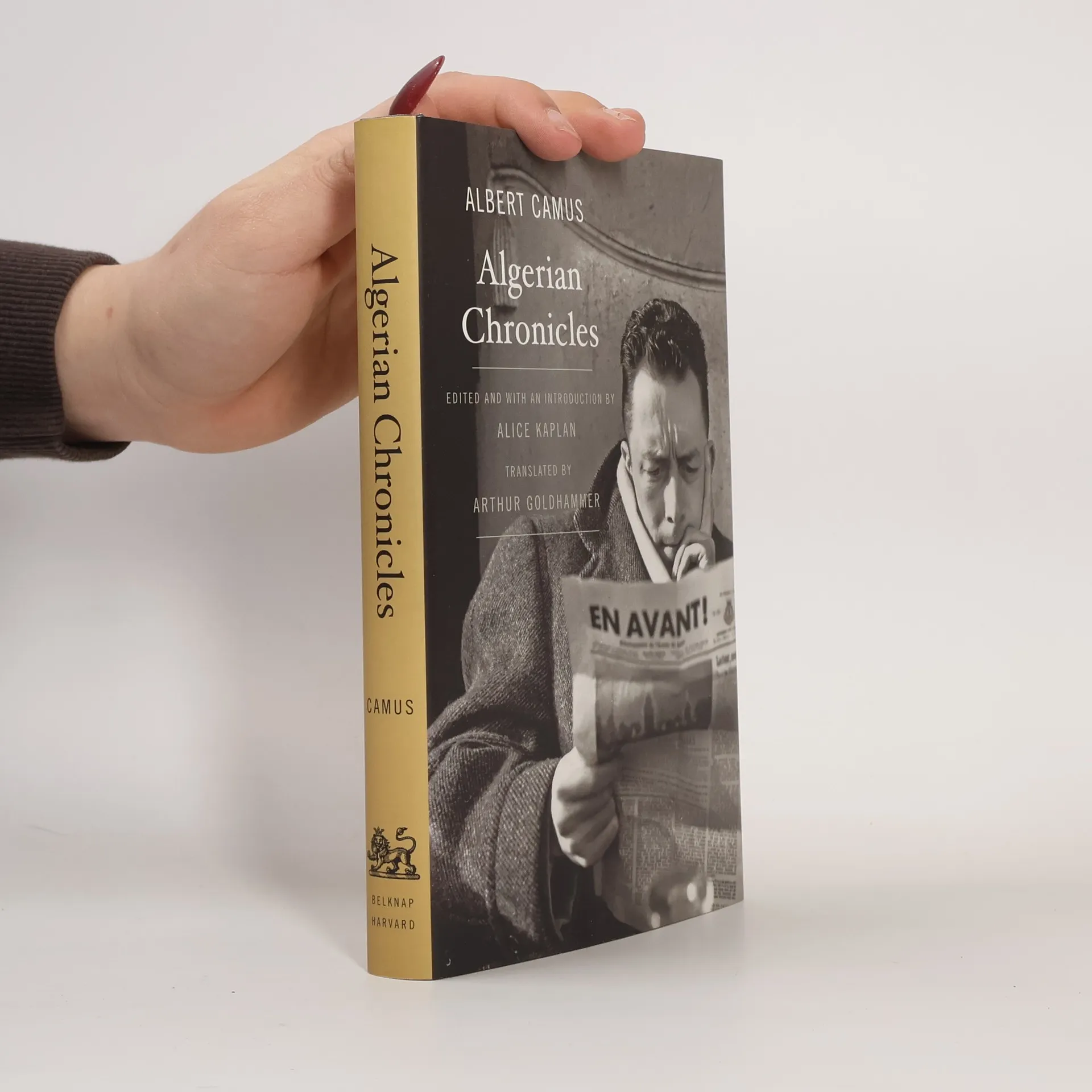
Algerian Chronicles
- 224 páginas
- 8 horas de lectura
More than fifty years after Algerian independence, Albert Camus "Algerian Chronicles" appears here in English for the first time. Published in France in 1958, the same year the Algerian War brought about the collapse of the Fourth French Republic, it is one of Camus most political works an exploration of his commitments to Algeria. Dismissed or disdained at publication, today "Algerian Chronicles, " with its prescient analysis of the dead end of terrorism, enjoys a new life in Arthur Goldhammer s elegant translation. Believe me when I tell you that Algeria is where I hurt at this moment, Camus, who was the most visible symbol of France s troubled relationship with Algeria, writes, as others feel pain in their lungs. Gathered here are Camus strongest statements on Algeria from the 1930s through the 1950s, revised and supplemented by the author for publication in book form. In her introduction, Alice Kaplan illuminates the dilemma faced by Camus: he was committed to the defense of those who suffered colonial injustices, yet was unable to support Algerian national sovereignty apart from France. An appendix of lesser-known texts that did not appear in the French edition complements the picture of a moralist who posed questions about violence and counter-violence, national identity, terrorism, and justice that continue to illuminate our contemporary world.
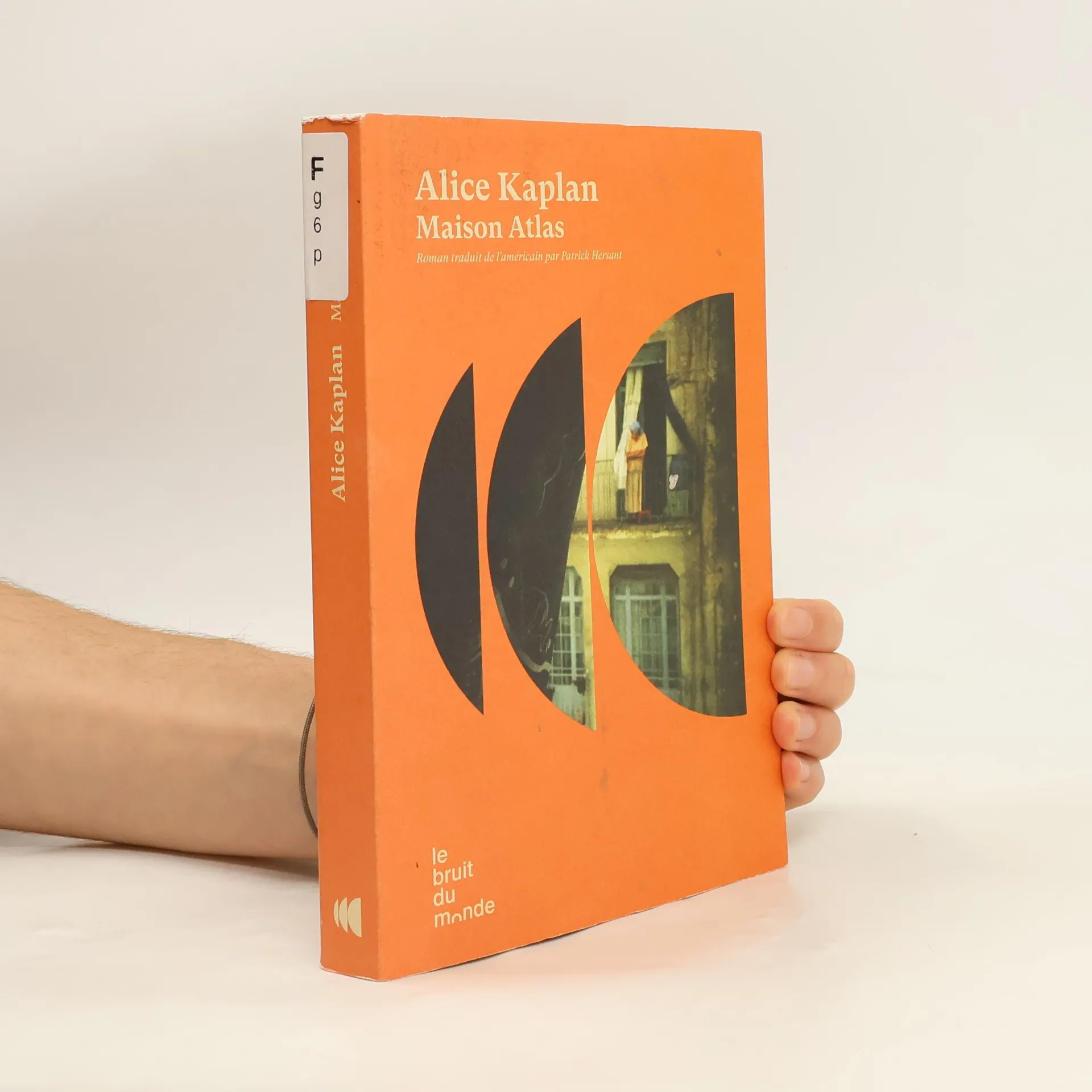
Maison Atlas
- 272 páginas
- 10 horas de lectura
Dans une composition virtuose, Alice Kaplan, écrivaine et spécialiste d’Albert Camus, démontre qu’un roman peut s’avérer la plus belle leçon d’Histoire.Au début des années 1990, Emily quitte le Minnesota pour s’installer à Bordeaux. Sur les bancs de l’université, elle rencontre Daniel Atlas, un Juif algérien dont elle tombe amoureuse. Il n’est encore qu’un jeune dandy lorsque la guerre civile déchire son pays, l’obligeant à quitter Emily et la France.De retour à El Biar, le quartier de son enfance, Daniel retrouve ses parents isolés et menacés. Cette illustre famille de commerçants, qui a connu l’Algérie colonisée puis indépendante, a choisi de rester sur cette terre envers et contre tout. Bien des années plus tard, Becca, une jeune Américaine, fera elle aussi le voyage jusqu’à Alger pour mieux comprendre leur lignée.
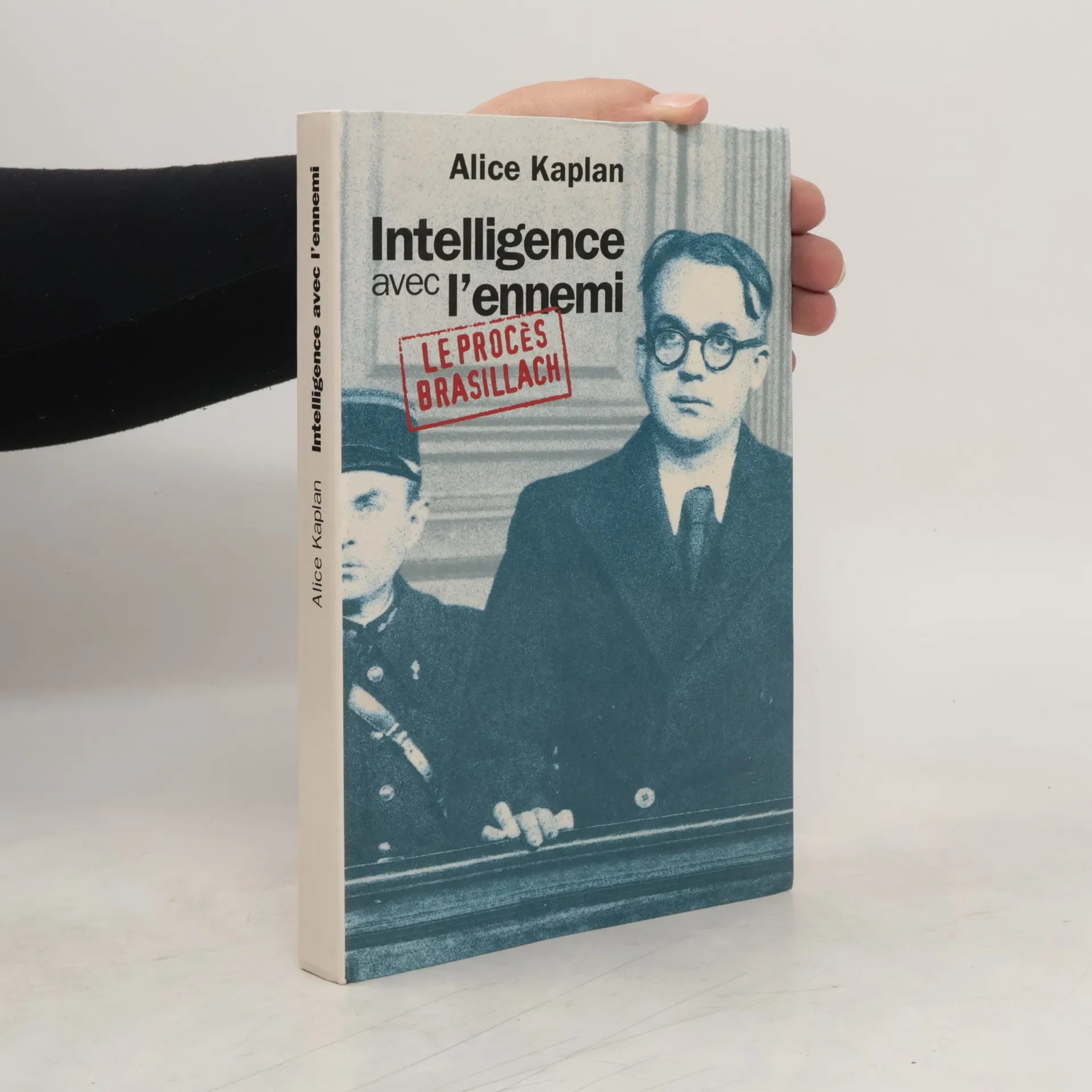
Intelligence avec l'ennemi
- 305 páginas
- 11 horas de lectura
Back Robert Brasillach est le seul ecrivain notoire qui, pour avoir collabore avec les nazis, a ete fusille. L'enquete sur son cas se lit comme un roman, riche en personnages hauts en couleur. Brasillach fait partie de l'elite intellectuelle formeee par l'Ecole normale superieure. Il est bientot fascine par l'Allemagne ferocement antisemite, pro-naze, denonciateur de Juifs et de resistants, Mais on ne le jugera pas pour ses opinions. On le condamnera pour trahison.....