Lucius A. Seneca Libros
Lucius Annaeus Seneca fue un filósofo estoico y dramaturgo romano de la Edad de Plata de la literatura latina. Su obra profundiza en temas filosóficos trascendentales, enfatizando la ética y la moralidad, con un estilo caracterizado por su agudeza y habilidad retórica. Seneca exploró en sus escritos el autoconocimiento, la regulación emocional y la búsqueda de la serenidad interior en un mundo convulso. Sus reflexiones filosóficas y sus obras dramáticas continúan inspirando a los lectores con su sabiduría atemporal y su poder literario.



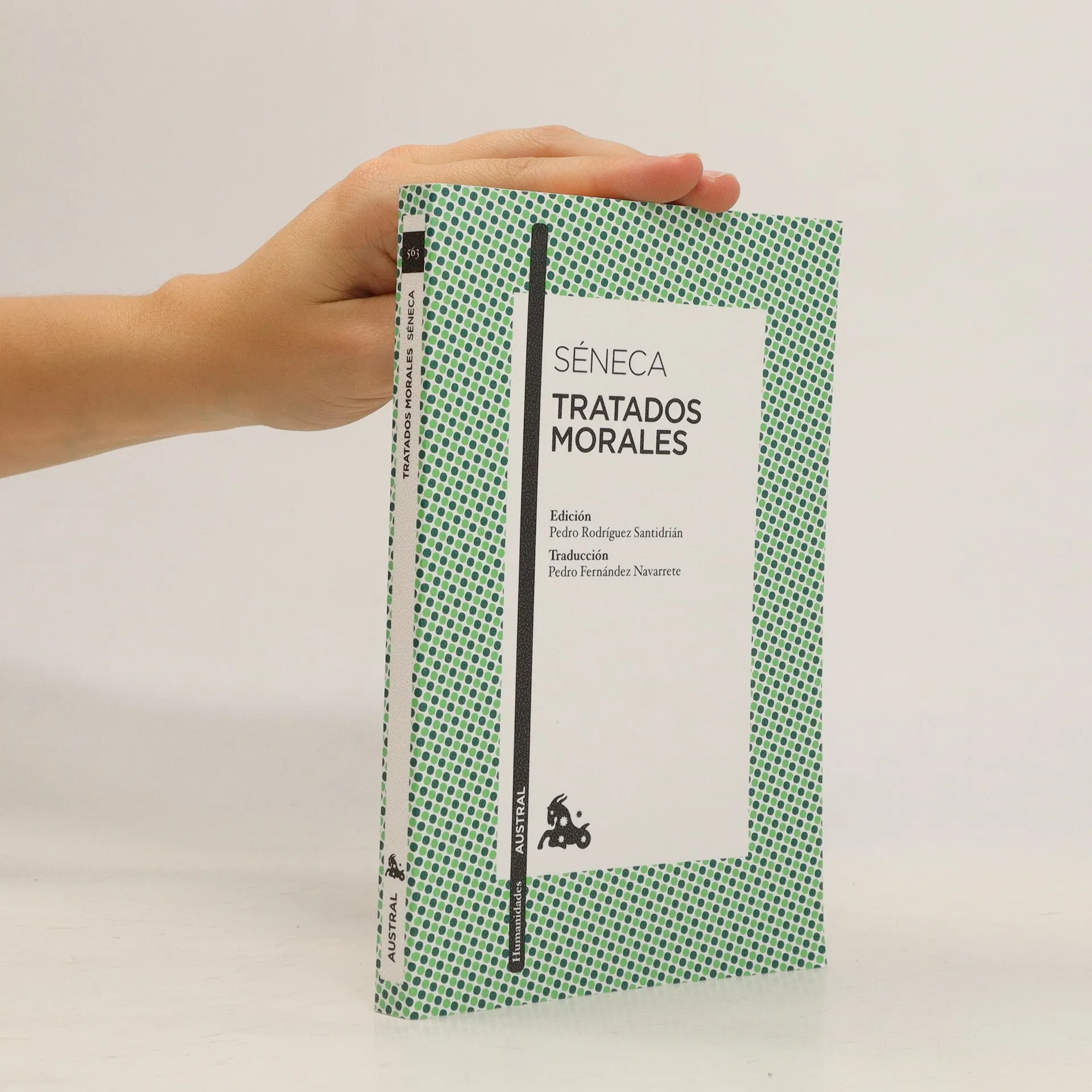

Tratados morales
- 240 páginas
- 9 horas de lectura
Los Tratados morales son pequeñas obras, que no son propiamente diálogos, sino ensayos sobre problemas de moral. Los temas tratados en ellos son muy variados, desde cómo debe ser la clemencia de los gobernantes, hasta cómo debe el sabio aprovechar su tiempo de ocio; los títulos de dichos diálogos son: De providentia; de constantia sapientis; de ira; de uita beata; de otio; de tranquillitate animi; de breuitate uitae; de beneficiis; de clementia. También se incluyen las Cartas a Lucilio (124 cartas distribuidas en diez libros, que si bien tienen un destinatario al que Séneca alude en todas ellas, van destinadas a un público más amplio. Constituyen un verdadero tratado de dirección espiritual). Edición de Pedro Rodríguez Santidrián.
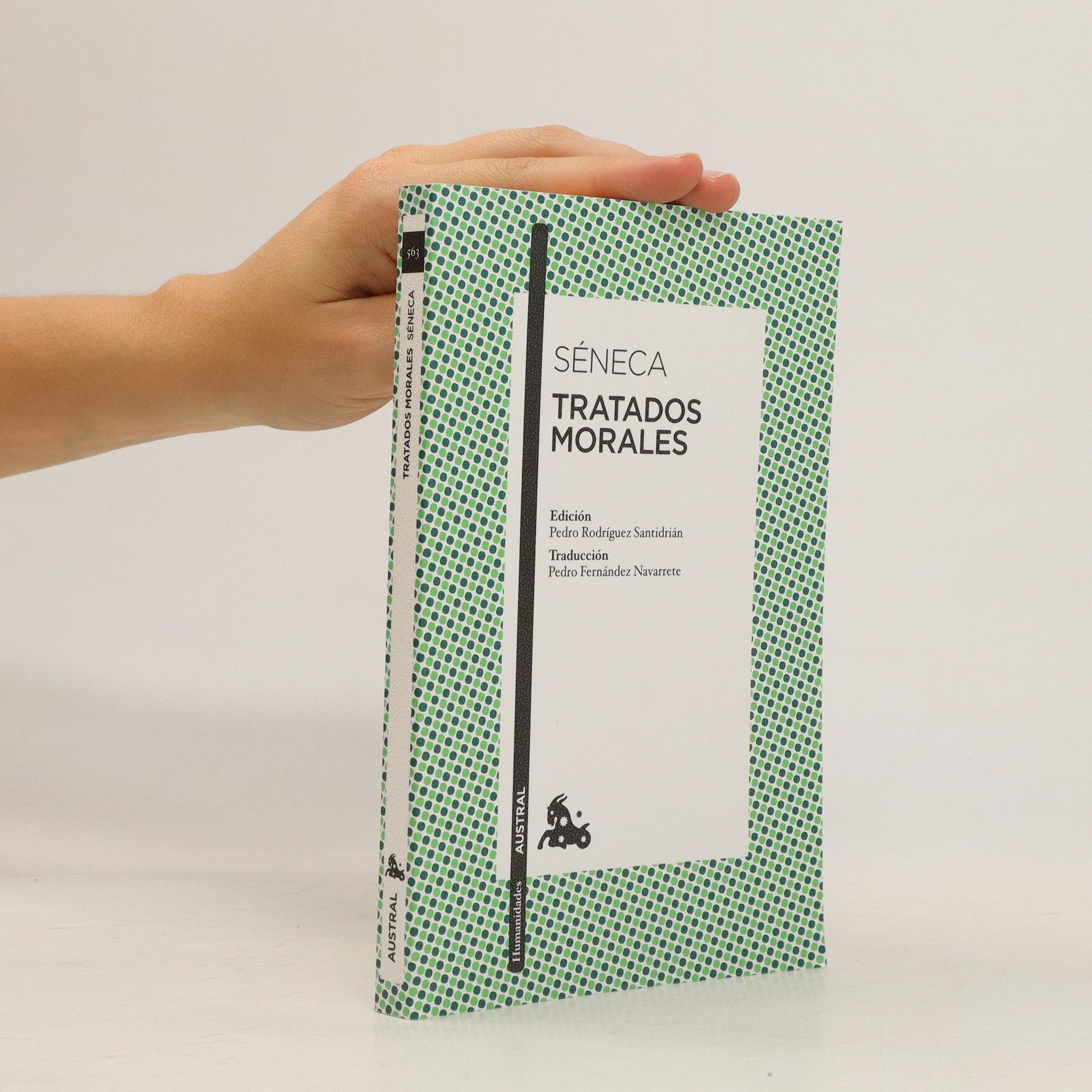
¿Qué es la felicidad? ¿Cómo conservarla? Éstas son preguntas que la humanidad se ha hecho durante milenios, y a las que los grandes pensadores (o cualquiera de nosotros) han contestado de formas diversas, a veces opuestas. Séneca creía que el camino de la felicidad estaba marcado por la razón, una facultad que nos permite vivir en armonía con la naturaleza, imponiéndonos al vaivén del azar y a los requerimientos del deseo. La Mettrie escribió su propia propuesta: sus estudios médicos en el siglo XVIII le llevaron a concluir que la felicidad dependía de los sentidos, identificando así la virtud con el placer, y renegando de toda autoridad divina o moral que pudiera dictar sobre el camino de la vida feliz de un ser humano. Este libro es un verdadero combate filosófico por la felicidad.

Las obras filosóficas de Lucio Anneo Séneca (ca. 4 a.C.-65 d.C.) han ejercido un duradero influjo sobre la cultura occidental y contienen una formulación significativa de las ideas del estoicismo maduro. “Sobre la felicidad” –“De vita beata”– plantea algunas cuestiones centrales de la ética antigua: la relación del placer con la virtud y con la felicidad, el ideal humano, la figura del sabio, la significación del concepto de naturaleza aplicado al hombre, la justificación de las riquezas, los supuestos religiosos de la ética, etc. El tratado está traducido y anotado por Julián Marías, quien en su largo prólogo -titulado “Introducción a la filosofía estoica”- expone la historia y contenido de esta doctrina desde Zenón a Marco Aurelio.
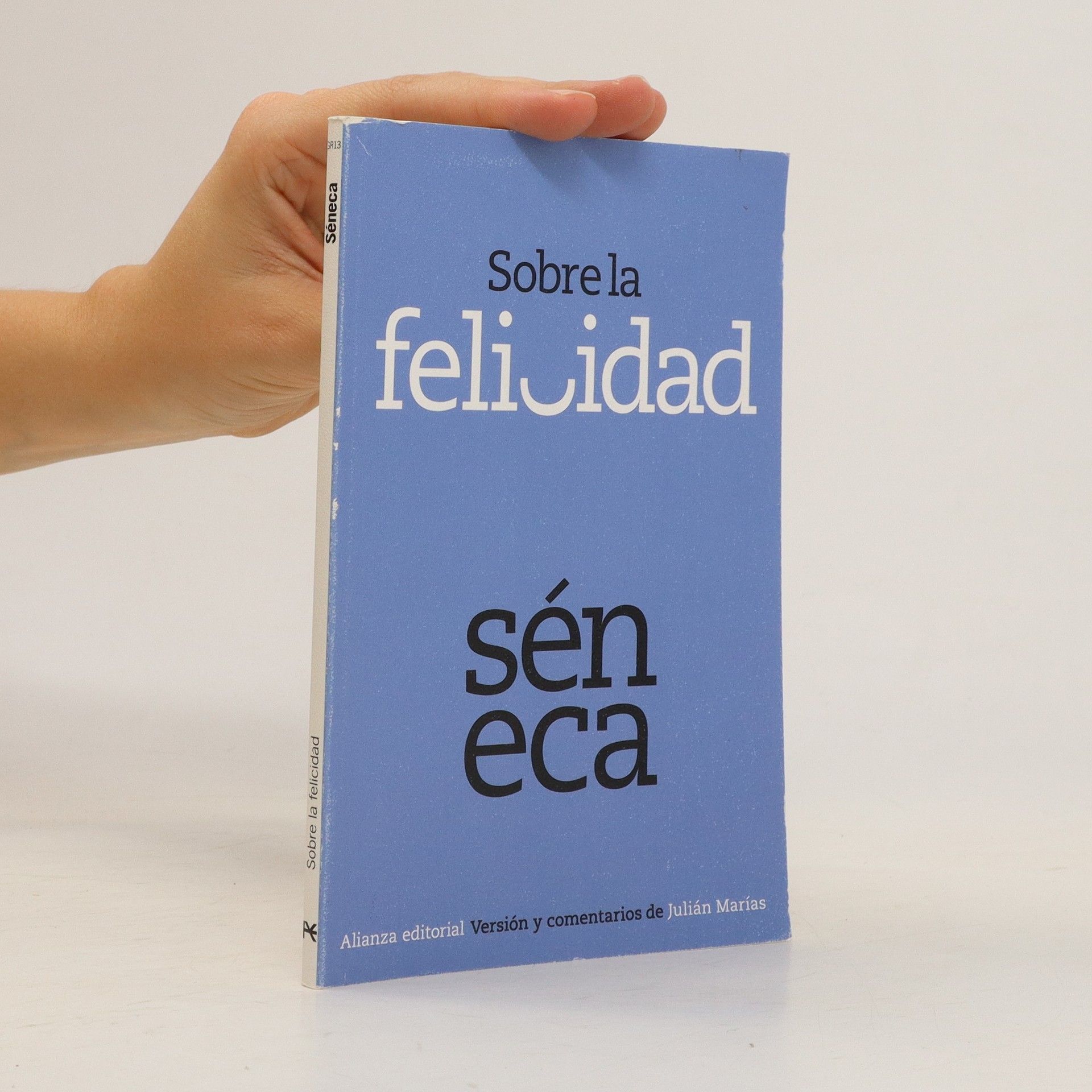
Edipo
- 61 páginas
- 3 horas de lectura
Letters on Ethics: To Lucilius
- 604 páginas
- 22 horas de lectura
The Roman statesman and philosopher Seneca (4 BCE–65 CE) recorded his moral philosophy and reflections on life as a highly original kind of correspondence. Letters on Ethics includes vivid descriptions of town and country life in Nero’s Italy, discussions of poetry and oratory, and philosophical training for Seneca’s friend Lucilius. This volume, the first complete English translation in nearly a century, makes the Letters more accessible than ever before. Written as much for a general audience as for Lucilius, these engaging letters offer advice on how to deal with everything from nosy neighbors to sickness, pain, and death. Seneca uses the informal format of the letter to present the central ideas of Stoicism, for centuries the most influential philosophical system in the Mediterranean world. His lively and at times humorous expositions have made the Letters his most popular work and an enduring classic. Including an introduction and explanatory notes by Margaret Graver and A. A. Long, this authoritative edition will captivate a new generation of readers.

Hardship and Happiness
- 348 páginas
- 13 horas de lectura
The collection features Seneca's remaining essays, focusing on themes of consolation, happiness, and tranquility amid life's challenges. These writings, often used in undergraduate philosophy courses, aim to provide edification and insight into achieving a fulfilling life. Fantham's translation is highlighted as a standout element of the volume, enhancing the accessibility and impact of Seneca's thought.

In 124 epistles Seneca (c. 4-65 CE) writes to Lucilius, occasionally about technical problems of philosophy, but more often in a relaxed style about moral and ethical questions, relating them to personal experiences. He thus presents a Stoic philosopher's thoughts about the good life in a contemporary context.

On Benefits
- 184 páginas
- 7 horas de lectura
Lucius Annaeus Seneca (4 BCE–65 CE) was a Roman Stoic philosopher, dramatist, statesman, and advisor to the emperor Nero, all during the Silver Age of Latin literature. The Complete Works of Lucius Annaeus Seneca is a fresh and compelling series of new English-language translations of his works in eight accessible volumes. Edited by world-renowned classicists Elizabeth Asmis, Shadi Bartsch, and Martha C. Nussbaum, this engaging collection restores Seneca—whose works have been highly praised by modern authors from Desiderius Erasmus to Ralph Waldo Emerson—to his rightful place among the classical writers most widely studied in the humanities. On Benefits, written between 56 and 64 CE, is a treatise addressed to Seneca’s close friend Aebutius Liberalis. The longest of Seneca’s works dealing with a single subject—how to give and receive benefits and how to express gratitude appropriately—On Benefits is the only complete work on what we now call “gift exchange” to survive from antiquity. Benefits were of great personal significance to Seneca, who remarked in one of his later letters that philosophy teaches, above all else, to owe and repay benefits well.

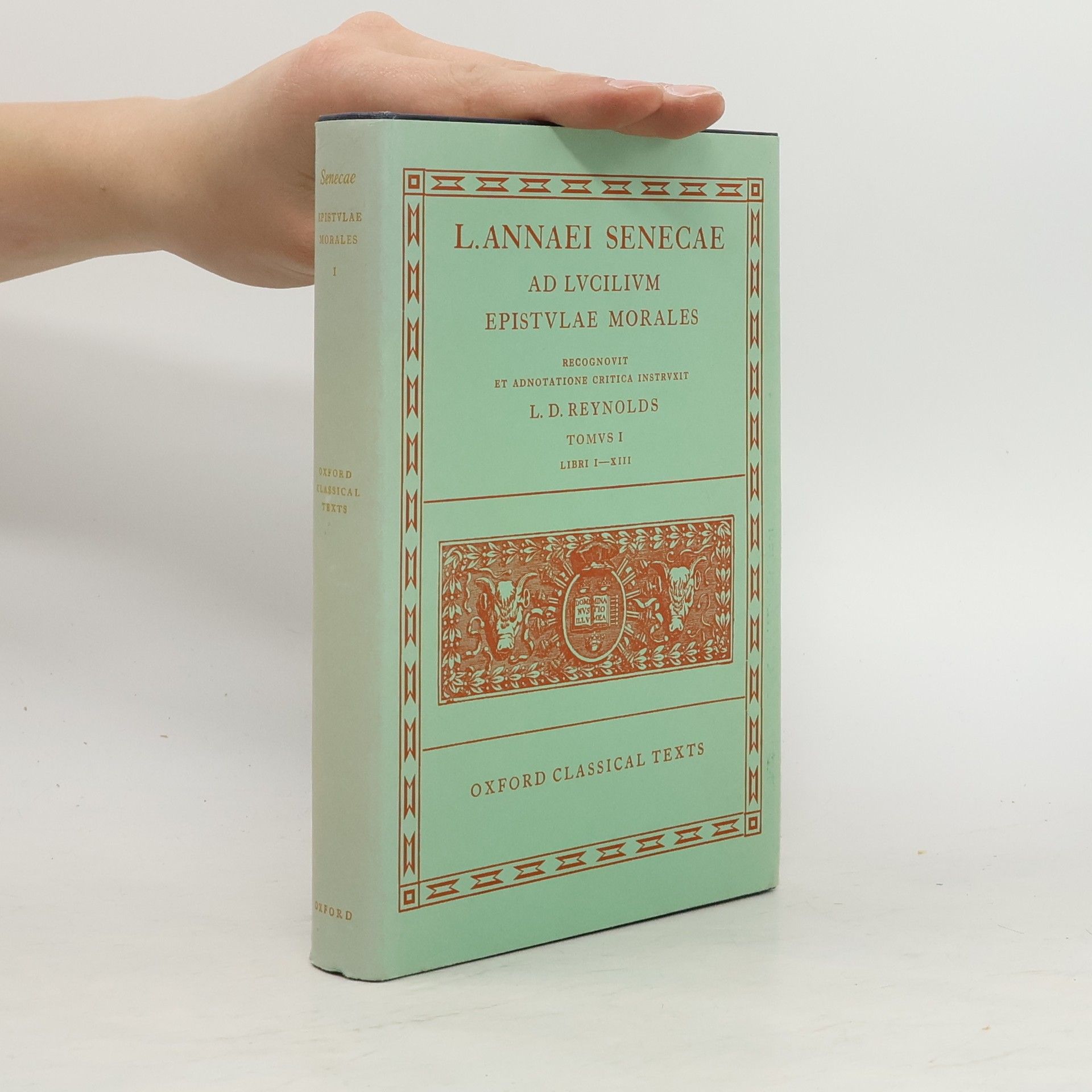
Ad Lucilium Epistulae Morales
- 344 páginas
- 13 horas de lectura
The Epistulae morales ad Lucilium (Moral letters to Lucilius) is a bundle of 124 letters which were written by Seneca the Younger at the end of his life. These letters all start with the phrase "Seneca Lucilio suo salutem" (Seneca greets his Lucilius) and end with the word "Vale" (Farewell). In these letters, Seneca gives Lucilius tips on how to become a more devoted Stoic. Lucilius was, at that time, the Governor of Sicily, although he is known only through Seneca's writings. Some of the letters include "On Noise" and "Asthma". Others include letters on "the influence of the masses" and "how to deal with one's slaves". Although they deal with Seneca's eclectic form of Stoic philosophy, they also give us valuable insights in the daily life in ancient Rome.